

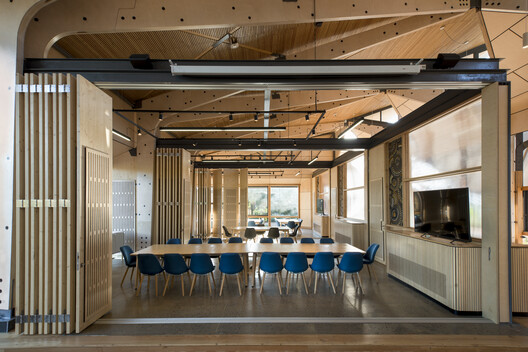
Interior designers who find themselves facing project parameters, budget constraints, client demands, and the maintenance of a design aesthetic have a lot to juggle. Tight turnaround schedules put pressure on designers when clients request multiple revisions. A mismatch between drawings and renderings undermines the delivery of a cohesive design plan. In today's competitive, digitally driven architectural field, success follows when designers can provide technical details from concept to construction by leveraging advanced technology and strategic tools within a single modeling software.
The positive impact of integrating a BIM workflow in interior design has been demonstrated across a variety of projects. A streamlined, end-to-end BIM workflow provides effective collaboration and accuracy from early concept design through implementation. When combined with AI, these tools exponentially increase efficiency and can also improve profitability. Interior designers have options in the technology space; choosing one and applying it at the right time remains a key question to answer.

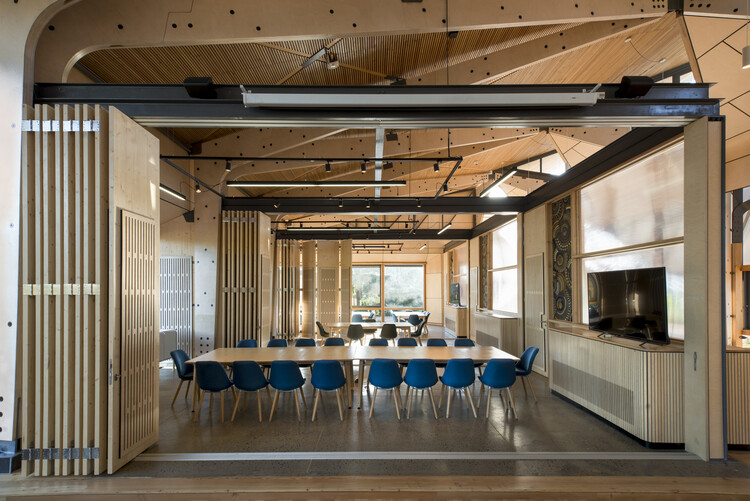
Design Complexity Demands Digital Solutions
When an interior design project begins, conversations around feasibility, scope, and budget come first. Rarely does BIM enter those discussions; however, it can be fruitful to introduce BIM once concepts and rough schematics begin to take shape. As designers propose ideas and receive feedback from their clients, establishing BIM for the design development phase elevates service levels, as Elizabeth Ellis, of Elizabeth Ellis Interior Design, has found.
3D modeling is what sells my service... it looks pretty, and it's information-rich. It's about giving all the stakeholders exactly what they need as a standard part of the service.
— Elizabeth Ellis, Elizabeth Ellis Interior Design
Once construction begins, an information-rich system in place enables on-the-fly design solutions when issues arise. Keeping these phases of the project lifecycle within a single platform reduces fragmentation and errors.
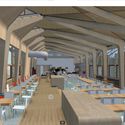
When BIM Becomes Necessary
As the project progresses, the need for BIM shifts from a helpful add-on to a necessity. This is especially true for complex projects involving multi-stakeholder coordination. BIM is a must for mixed-use or multi-family residential high-rise projects, as architects, engineers, and contractors demand detailed coordination to ensure accuracy. Healthcare facility projects require BIM implementation due to extensive mechanical and electrical coordination needs. Challenging site locations and structural changes require BIM to reduce coordination issues during design development and on-site construction. It is critical to use BIM when working on phased renovations to eliminate drawing inconsistencies. Similarly, renovations at locations currently in use require a phased approach and the streamlining effect of BIM. True collaboration across disciplines and specialties cannot exist without BIM.
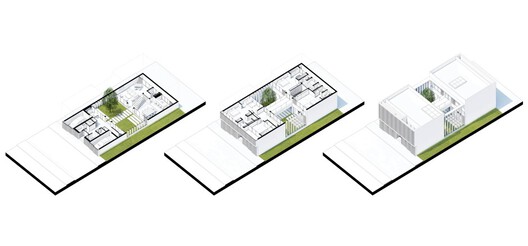
Keeping the project moving forward with BIM
Failure to implement BIM on interior design projects can negatively impact results. Without BIM-enabled management of material quantities and the reduction of errors during design development, the risk of higher overall costs increases. BIM addresses this, as well as pre-construction RFIs, thereby saving costs by preventing unnecessary changes and delays.
Adopting a BIM workflow for interior projects establishes efficient collaboration and communication among stakeholders, streamlines project management, and increases output quality. BIM is required so that designers can perform better risk assessment as the project progresses and support informed decision-making throughout the project life cycle.
The Role of AI or Hybrid Workflows
Typical interior design workflows often begin with tools that prioritize speed, creativity, and visual clarity. AI-assisted ideation, real-time rendering, and lightweight modeling environments permit rapid exploration of concepts. Before constraints are fully defined, ambiguity, intuition, narrative, and experimentation can allow design freedom to reign.
BIM supports the rigor required for documentation, interdisciplinary coordination, cost control, and constructability, translating design intent into information that contractors and owners can trust. AI can accelerate ideation and visualization, but it cannot address the complexity of detailing, accountability, or cross-disciplinary coordination that real projects demand.
BIM serves as a robust framework for managing, validating, and delivering results. In this sense, modern workflows are not "either‑or"; they are sequential and complementary. Fast, visual tools propel creativity forward, and BIM becomes indispensable when design must perform reliably in the real world. When implemented correctly, the importance of BIM in interior design and its potential to deliver significant savings and improved project outcomes cannot be overstated.
As interior design projects become more complex, BIM workflows help bridge the gap between concept, coordination, and construction. Explore how Archicad supports interior designers with integrated BIM workflows—from early design exploration to detailed documentation and collaboration.


