

Architectural schools usually leave lasting marks on their students, shaping their style and critical inquiry long after formal education has ended. For example, SCI-Arc, founded in 1972 and based in downtown Los Angeles, is an institution recognized for its culture of experimentation, critical investigation, and creative independence, building a reputation based on the idea that architecture should be understood as a field open to dialogue with art, technology, design, and contemporary culture. The diversity of trajectories of its alumni demonstrates how this environment can generate distinct professional approaches, but united by the same willingness to explore new possibilities.
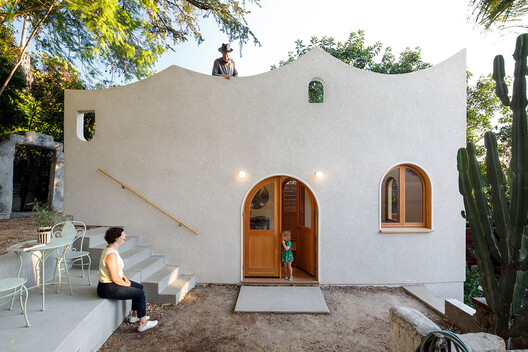
The career of architect Ben Warwas is a good case study. Founder of the Los Angeles-based firm Byben, Warwas came to architecture through an unconventional path. Before establishing his practice, he worked in fashion design, developing pieces for bands and running a streetwear brand that gradually evolved into a multidisciplinary design studio. Today, his work encompasses residential architecture, furniture, exhibitions, and reconstruction projects.

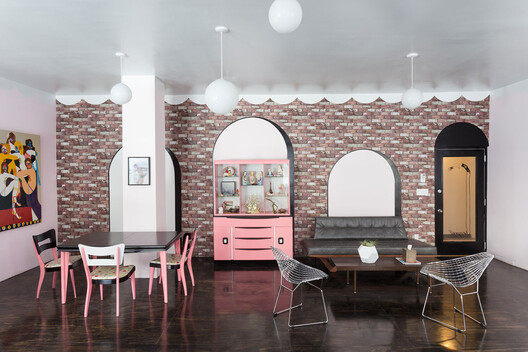
The same curiosity that guided his projects in other creative areas remains present in his architectural practice, connecting issues of materiality, fabrication, design, and spatial experience. His firm is conducting several projects under construction, including residences in Altadena rebuilt after the fires that affected the region.
Balancing experimentation and execution is a central element of his practice. Instead of separating creative exploration and professional responsibility, Warwas understands that all dimensions of architectural work are part of the same conversation. Furniture, detailing, approval processes, construction, and architecture become interconnected components of a single design process.
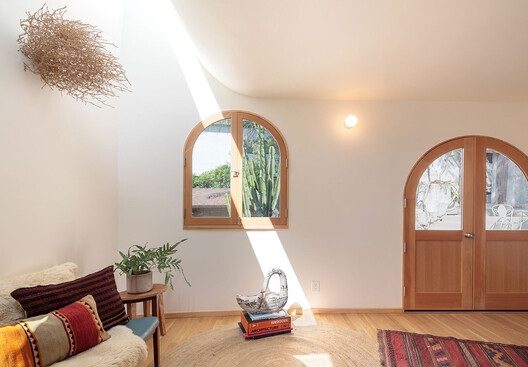
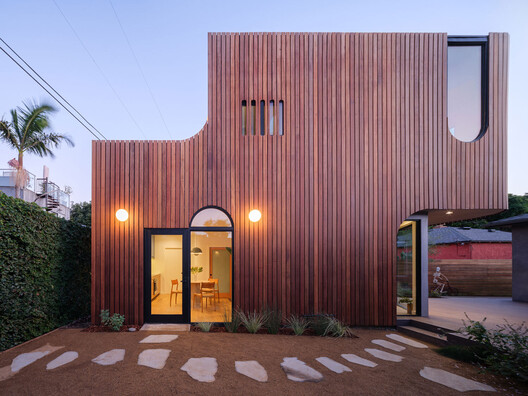
One aspect of his approach is how he deals with architectural representation. While photorealistic renders and digital visualizations usually play a central role in project communication, Warwas continues to develop much of his work through drawings, physical models, and direct conversations with clients. For him, architecture is less about producing convincing images and more about an opportunity to transform ideas into built spaces. This perspective reflects lessons Warwas carried from his time at SCI-Arc. Among the most enduring is the importance of developing a clear conceptual framework and sustaining it throughout a project's evolution, when the challenge goes beyond generating ideas, but ensuring they remain legible and relevant as they encounter the realities of permitting, budgets, technical requirements, and construction.
Trajectories like his help illustrate the lasting impact of architectural education, and schools like SCI-Arc contribute to training professionals capable of navigating between disciplines, questioning conventions, and transforming ideas into built reality. The legacy of architectural education is not measured only by what happens inside the classroom, but by the different ways in which its alumni continue to expand the boundaries of practice throughout their careers.


