

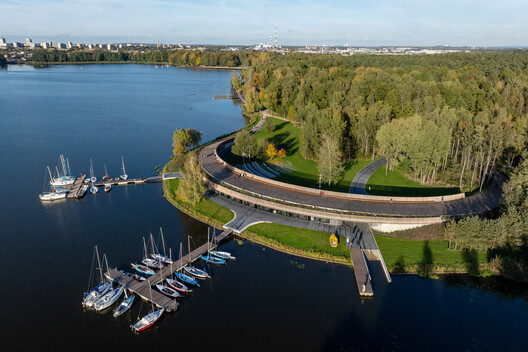
Areas where land and water meet have always played a fundamental role in the formation and development of cities. From historic commercial ports to today's multifunctional waterfronts, maritime and riverfront areas represent spaces of significant economic and social potential. Within this context, contemporary marina complexes are increasingly taking on the role of strategic urban facilities, capable of integrating different activities, promoting a closer connection between the city and the water, and contributing to the appreciation of often underutilized landscapes.
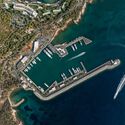
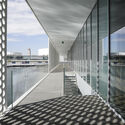
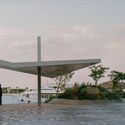
The development of these projects, however, involves significant challenges. Among them, environmental concerns stand out, since the construction of structures such as piers, access channels, and support facilities takes place in natural environments of high ecological sensitivity. As a result, sustainability has become one of the central themes of contemporary marina architecture. International competitions have played an important role in discussing new approaches to these interventions, such as the Monaco Smart & Sustainable Marina Architecture Awards, which brings together projects focused on creating marinas that are resilient to climate change and committed to reducing environmental impacts.


