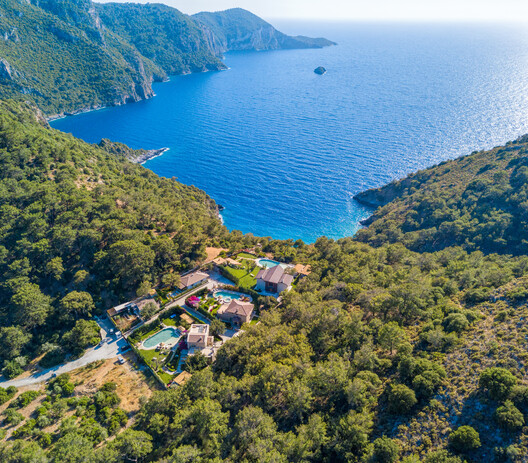
Coastal landscapes often determine far more than views. Steep slopes, fragmented rock formations, dense vegetation, hidden coves, and limited accessibility can shape how privacy, movement, and occupation unfold before architecture enters the site. Their proximity to water and climate make coastal territories highly desirable for habitation, yet their ecological sensitivity and limited geography often place pressure on how development takes shape. Unlike cities, where density can support walkability, infrastructure, and collective urban life, coastal territories operate through more fragile relationships between land, vegetation, and water.
Along many coastlines, development tends to prioritize visibility and proximity to the sea, organizing land through concentrated occupation and expanded circulation networks. Yet certain sites can guide another approach in which geography itself becomes the primary organizing force. How can architecture occupy a landscape without dissolving the qualities that make the site distinct? Located on a secluded peninsula along the Mediterranean coast of Turkey, Gokce Gemile Private Bay explores this question through a low-density architectural approach shaped by geography, controlled access, and spatial distance.
Integrating Architecture into Existing Landscape Conditions
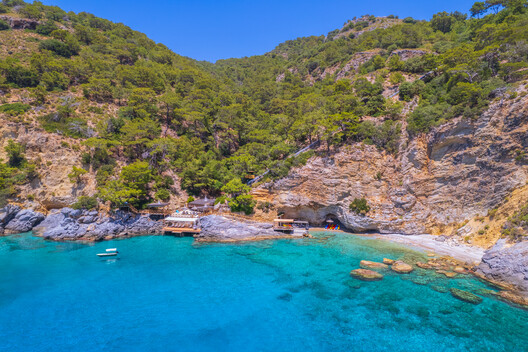
Although not physically an island, the peninsula operates through a similar spatial logic. A narrow point of entry, pine-covered terrain, fragmented shoreline conditions, and hidden coves establish a strong sense of separation from the mainland. This quality informed the project from the outset. Rather than maximizing occupation across the site, the intention was to work with the peninsula's existing geography, keeping architecture secondary to the terrain while still establishing a coherent residential environment.
Composed of three villas positioned across the landscape, Gokce Gemile Private Bay approaches privacy as a consequence of geography. Orientation, vegetation, elevation changes, and carefully maintained distances between structures reduce visual overlap and establish a sense of spatial autonomy. Low density becomes a planning strategy: by limiting built presence relative to the surrounding landscape, larger areas of the peninsula remain uninterrupted, allowing vegetation, open ground, and the shifting topography to continue defining the site's character.
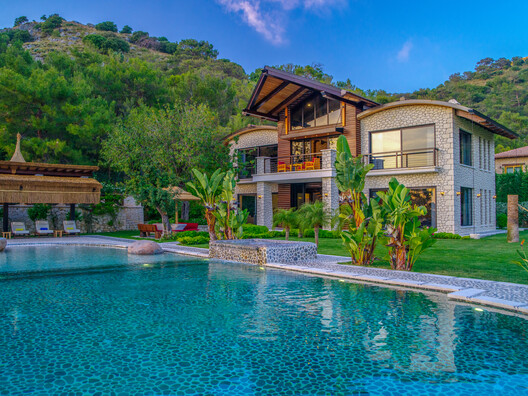
What Remains Unbuilt as Part of the Architectural Strategy
Movement through the estate is shaped by terrain. Instead of centralized circulation systems or highly programmed gathering spaces, access unfolds through forest paths, stone terraces, and gradual changes in elevation. A funicular connecting the mountainside to the shoreline transforms movement into part of the experience itself and creates controlled access over the existing landscape. Arrival shifts between forest, rock, filtered shade, and intermittent views toward the sea.
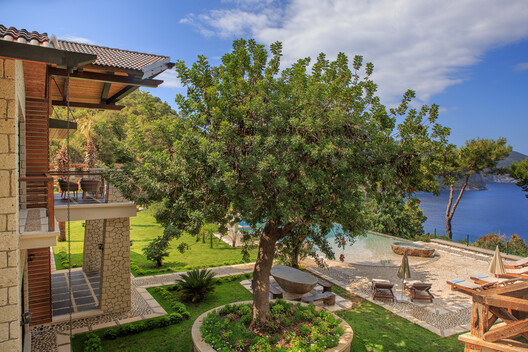
The placement of the villas emerged through close attention to the site's existing conditions. Mature trees, rock formations, and natural clearings informed where structures could sit and how they would meet the ground. At Gokce House, for example, an existing carob tree remains integrated into the living space, shaping the architecture around it rather than being removed. Elsewhere, pathways and stone boundaries bend around established vegetation, reinforcing an approach in which the landscape guides intervention rather than solely serving as a backdrop.
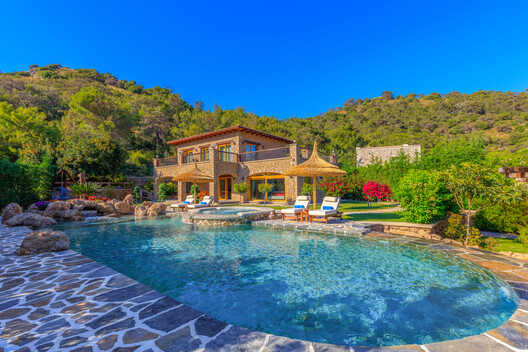
Craft and Materiality Rooted in Regional Building Traditions
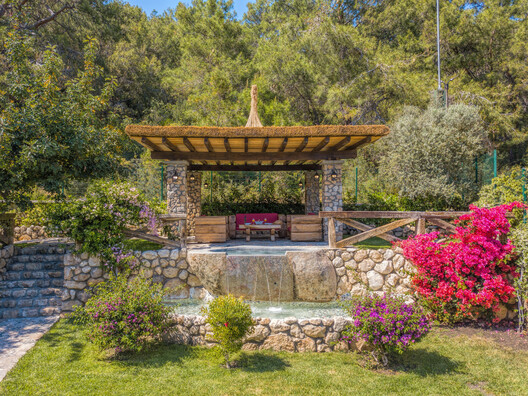
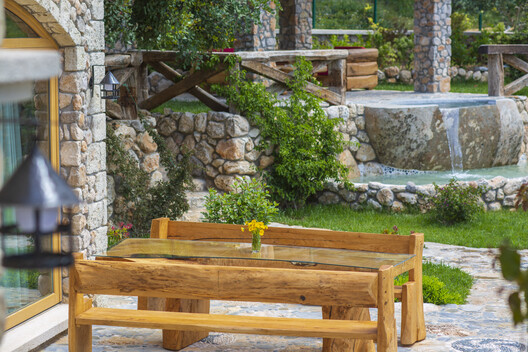
Materiality reinforces this close relationship between architecture and place. Much of the stone used throughout the estate was reclaimed from old village walls or sourced from regional geological deposits, while timber, forged iron, and hand-worked details contribute to a material language defined by texture, irregularity, and visible craftsmanship. Malik Sahin, creator of Gokce Gemile Private Bay and trained in geological engineering, developed the project through years of research into regional building traditions, working with an architect and local craftsmen to translate his concepts into the design of each house, and integrating a wide range of regional rock throughout the project.
The three villas were conceived as architecturally distinct environments, each informed by different regional references. Elmali draws on rustic inner Anatolian building traditions; Gemile references Levissi architecture found in nearby Kayakoy; while Gokce combines ancient stone and hand-hewn wood with cleaner contemporary lines. Visible construction details further reinforce this approach: clay-and-hay plaster mixtures traditionally used for thermal regulation, hand-carved wood surfaces that preserve marks of making, wrought-iron fittings, and rain chains designed to channel water into the landscape all remain visible parts of the architecture. Material aging, texture, and patina are integral to the project's architectural language.
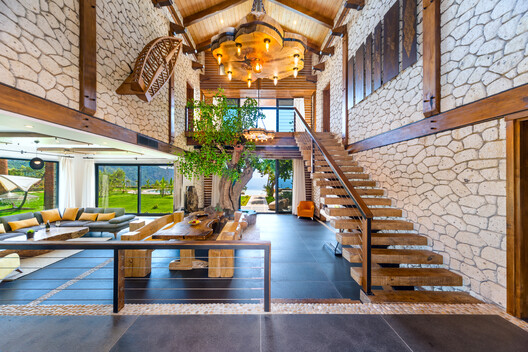
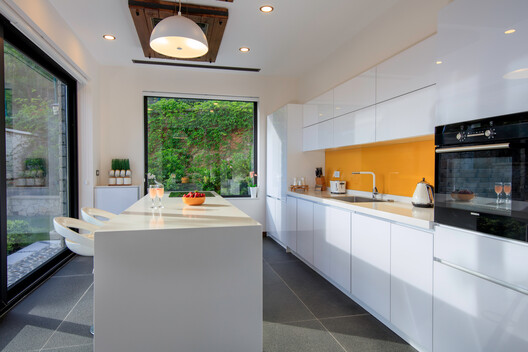
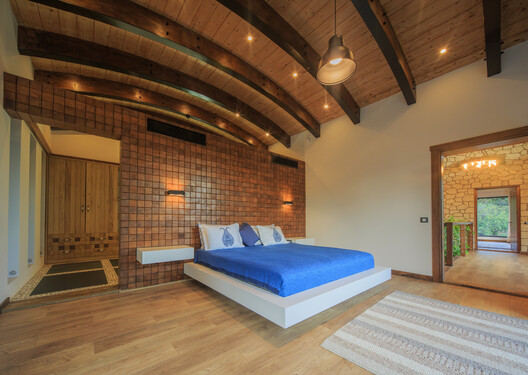
Inside the villas, the boundary between architecture and landscape remains intentionally softened, creating continuity between the interior and exterior. Wide terraces, shaded transition areas, and panoramic openings extend living spaces outward, softening the distinction between building and landscape. Light, vegetation, changing air conditions, and sound become active components of everyday experience, while views toward the coastline remain part of a broader sensory relationship with the peninsula's flora and natural textures.
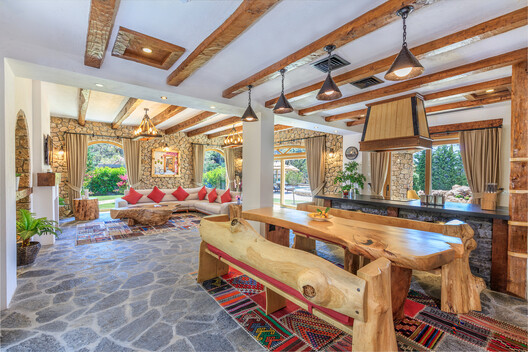
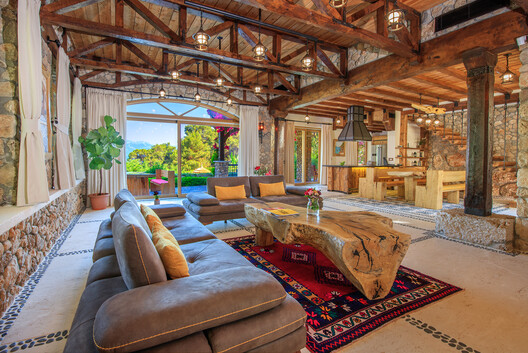
At the scale of a private island-style coastal estate, Gokce Gemile Private Bay offers an example of how distance, controlled access, and dispersed occupation can shape coastal inhabitation. Set within a peninsula defined by topography, vegetation, and limited accessibility, the project explores how geography can guide settlement patterns without compromising the qualities that define the site. Much of its identity comes from what remains intentionally unbuilt: the spaces between structures, the continuity of the terrain, and the decision to allow the peninsula to remain the dominant presence.