

Produced on an industrial scale since the 19th century, steel has profoundly transformed the way we build. The combination of iron and small amounts of carbon has given rise to a material capable of combining mechanical strength, relative lightness, and constructive precision, making possible some of the major achievements of modern engineering and architecture. From skyscrapers and bridges to facades, roofs, and industrialized systems, few materials have had such a significant impact on shaping the built environment.
However, the quality of a material cannot be measured solely by its initial structural performance or its appearance at the time of delivery. Although buildings are often evaluated when they are completed, their true performance only reveals itself over time. Photographs record impeccable facades, newly installed surfaces, and spaces ready for use. The following decades, however, expose these constructions to solar radiation, rain, humidity, salinity, air pollution, and thermal variations. It is in this continuous contact with the environment that material choices are effectively put to the test.
Durability ceases to be merely a technical issue and becomes an integral part of architectural quality. A building needs to maintain stability and safety, but also preserve, as far as possible, the spatial and material qualities that guided its design. For steel, this means that long-term performance depends both on the protective technologies incorporated into the material and on its suitability to the local climatic conditions.
Although often treated as a single category, the steel used in architecture encompasses quite distinct systems, each developed to meet specific demands of manufacturing, performance, and application. Structural steel is generally composed of iron, small amounts of carbon, and alloying elements added in controlled proportions to adjust properties such as strength, ductility, toughness, and weldability. This composition allows the material to withstand large loads while maintaining dimensional precision, making it especially suitable for beams, columns, trusses, and large-span roofs. More than its chemical formula, what defines its role in architecture is the balance between mechanical strength and deformation capacity, allowing for slender, safe structures that can adapt to different project scales. Light Gauge Steel systems, by contrast, use cold-formed profiles to create lightweight, industrialized structures that can be assembled quickly.
In exposed roofing and walling applications, however, the issue is not limited to mechanical strength. These systems depend on coatings that protect the steel substrate from corrosion while also affecting the building's appearance, aging process, and maintenance over time. While zinc-based galvanized steel has long played an important role in corrosion protection, many contemporary roofing and facade applications now rely on aluminium-zinc or aluminium-zinc-magnesium alloy coated steels, especially in contexts where exposure to humidity, salt, heat, or pollution is a central concern. Pre-painted steel systems add another layer to this discussion, combining metallic coatings with painted finishes that contribute both to technical performance and to the visual continuity of the architectural envelope.
COLORBOND® steel is one example of this broader family of pre-painted coated steels used in roofing and walling applications, pointing to a more integrated approach to material specification, in which the substrate, metallic coating, paint system, color, and environmental exposure need to be considered together. In architectural terms, this shifts the discussion from the isolated choice of a product to the long-term behavior of an envelope system.
It is also fundamental to understand the material in relation to the context in which it will be used. The same system can exhibit different behaviors depending on the environment. In densely populated urban areas, atmospheric pollutants can accelerate degradation processes. In tropical regions, heat and high humidity create favorable conditions for corrosion. In coastal zones, wind-borne salts make the environment especially aggressive for exposed metal surfaces. In industrial contexts, the presence of chemical substances in the atmosphere can further amplify these challenges. The specification of metal systems begins before the product is chosen. It requires careful consideration of the context, the degrading agents present, and solutions compatible with the site's requirements. In aggressive environments, an unsuitable material can compromise the building's appearance, increase maintenance demands, and affect operating costs throughout its lifecycle.
If corrosion protection was once treated as an additional layer applied to the material, today it is increasingly part of the engineering of metallic systems themselves. Aluminium-zinc alloy coatings, including Galvalume, have expanded the possibilities of coated steel components in roofing and walling systems, while pre-painted steels bring together corrosion protection, color, finish, and maintenance considerations. These layers play a decisive role in the long-term behavior of the building. They influence how it ages, the level of maintenance it will require, and whether its original material expression can be preserved over decades.
Designing for Harsh Environments
The influence of these decisions becomes especially visible in projects exposed to demanding climates. In coastal environments, architects must account for the combined effects of salt, solar radiation, wind, and humidity, which can accelerate the degradation of materials. Under these conditions, durability becomes part of the architectural concept itself, shaping decisions from the earliest stages of design.
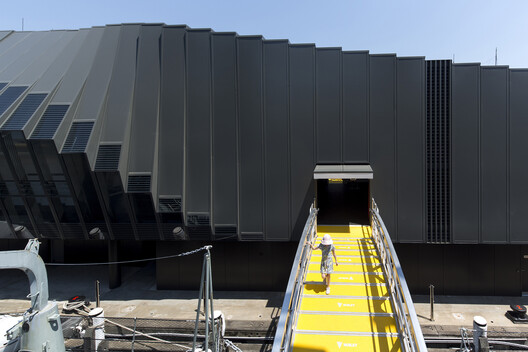
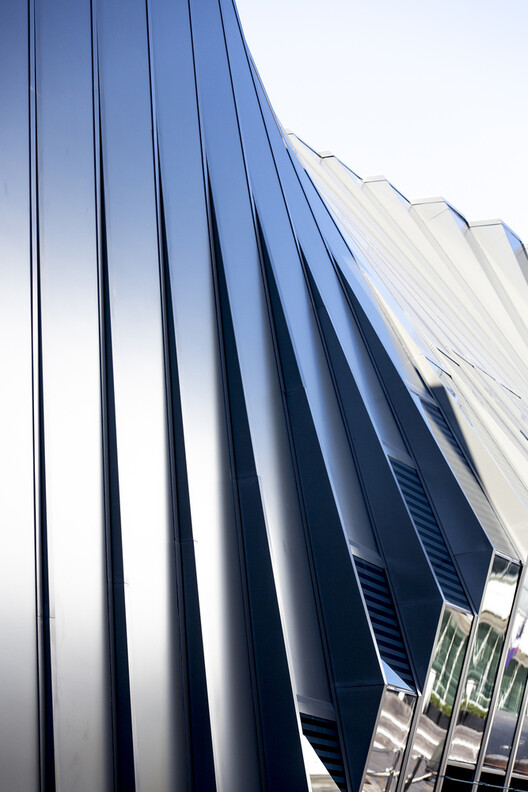
The Waterfront Pavilion, designed by fjcstudio for the Australian National Maritime Museum in Sydney, illustrates this relationship. Located at the water's edge, the building is permanently exposed to the conditions of a harsh marine environment. Its structure and metal envelope contribute to the project's architectural expression, while also needing to withstand decades of atmospheric exposure without losing integrity or visual quality. Protection systems become central to the architectural proposal, helping ensure that the building can perform as intended over time.
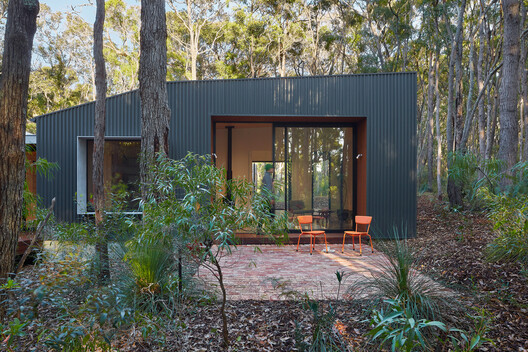
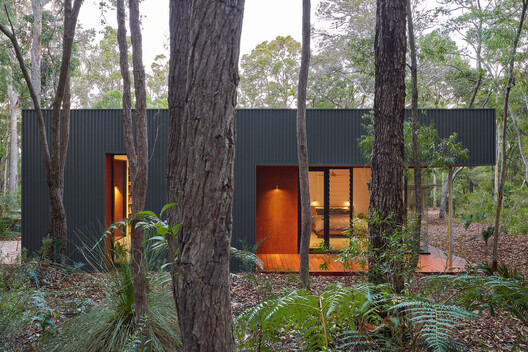
The Hidden House, by Archterra Architects, approaches the issue from a different setting. Inserted into an austere natural landscape, the residence explores how architecture responds to climate and material aging. Its dark facade appears to recede into the surrounding vegetation, allowing the building to establish a quieter relationship with the site while relying on materials capable of maintaining their performance over time. The project treats durability as an intrinsic attribute of the construction, reducing the need for future maintenance and helping preserve its spatial and material qualities over the decades.
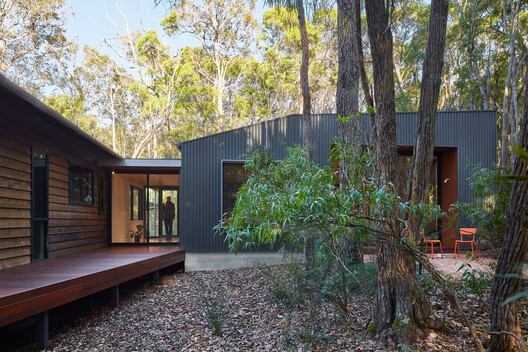
In both projects, durability is not an isolated technical requirement. It informs material selection and construction detailing, shaping how the building is expected to perform over time. Steel systems help preserve the coherence of the project under prolonged exposure to severe climatic conditions.
Excellence in steel, performance over time
If for decades the discussion about steel was concentrated on structural aspects, today it also includes questions of longevity, environmental exposure, maintenance, and the preservation of architectural quality. The excellence of a steel project, therefore, is not measured solely by its ability to span large distances or create expressive forms. It also depends on its capacity to remain functional, legible, and technically sound over time.
This broader understanding of the material is also reflected in the Steel Architectural Awards ASEAN 2026, presented by NS BlueScope, whose theme, "Shaping Resilient Futures: Timeless Design with Coated Steel," places durability and long-term architectural value at the center of the discussion. The theme suggests that coated steel should not be evaluated only at the moment of construction, but through the ways it responds to climate, use, maintenance, and aging.
The judging criteria reinforce this perspective by considering design excellence, innovation, and sustainability. Rather than treating these categories separately, the awards frame them as interdependent aspects of architectural performance. Design depends on conceptual claritfy and technical resolution; innovation can emerge through the detailing and application of coated steel systems; and sustainability is linked not only to energy efficiency, but also to climate responsiveness, material durability, and the building's capacity to remain useful over time.
Steel has always been associated with ambition: taller buildings, larger spans, lighter structures, and faster construction. However, its relevance today also lies in a more discreet role. When properly specified, detailed, and protected, coated steel can help buildings withstand the elements and preserve the qualities that give architecture coherence over time. In a built environment shaped by climatic pressure and concerns about long-term natural resources, the value of steel increasingly depends on its ability to allow architecture to endure.


