

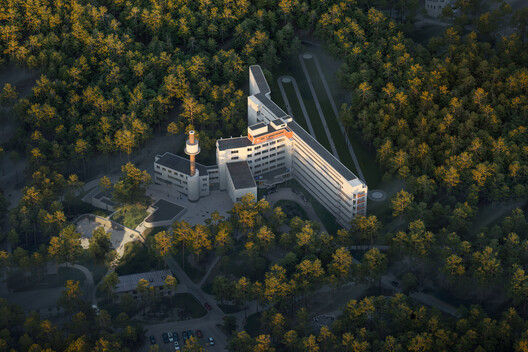
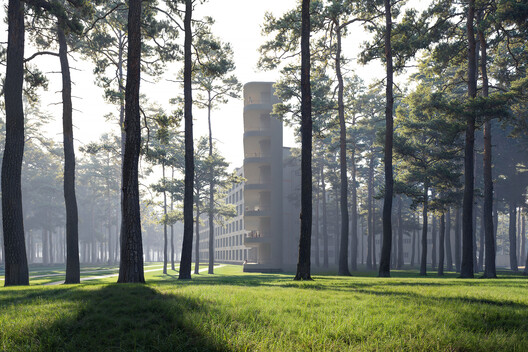
Aino and Alvar Aalto's Paimio Sanatorium is a recognized example of modern architecture for healing, representing a patient-centered approach to hygienism that treated the building itself as a medical instrument. Built between 1929 and 1933, it was designed as a nature-oriented tuberculosis sanatorium, later used as a hospital, and today operates as a tourist attraction. The property comprises the main building together with fourteen additional structures, granted protection in Finland in 1993 under the Finnish Building Protection Act. The complex was included on UNESCO's tentative list in 2004 and is part of the "Aalto Works" nomination, with a decision expected in July 2026. Snøhetta has developed a masterplan representing a new vision for the modernist complex, reimagining it as a destination combining hospitality, wellness, cultural spaces, and arenas for international dialogue.
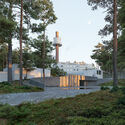
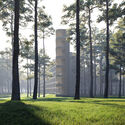
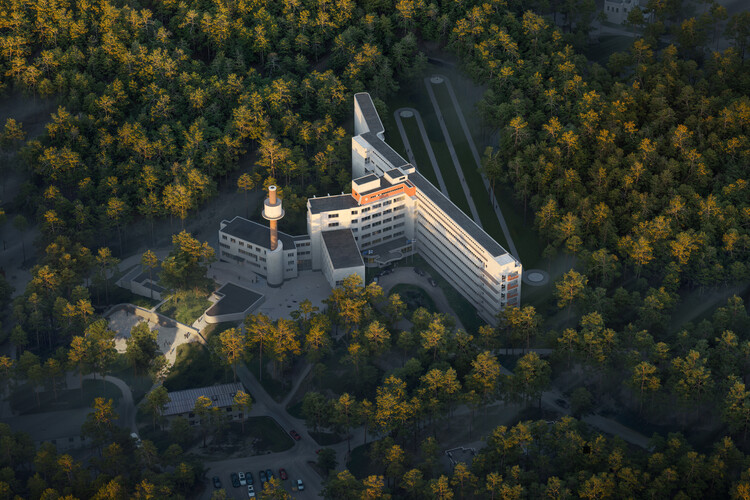
Working in partnership with the Paimio Foundation, Snøhetta's renovation project aims to transform the premises into a destination for reflection, wellbeing, and social diplomacy, while preserving the human-centered approach of the original modernist vision of healing. The project follows the complex's revitalisation process initiated in 2020 with the establishment of the Paimio Sanatorium Foundation, whose goal is to safeguard the Aaltos' vision while securing an active future for the site. A wellbeing centre and hotel were identified as the most suitable new uses, complemented by cultural activities, enabling planning and permit processes to advance with the support of both national and international experts. The first phase of the masterplan has been carried out in collaboration with Helsinki-based ALA Architects and Mustonen Architects.
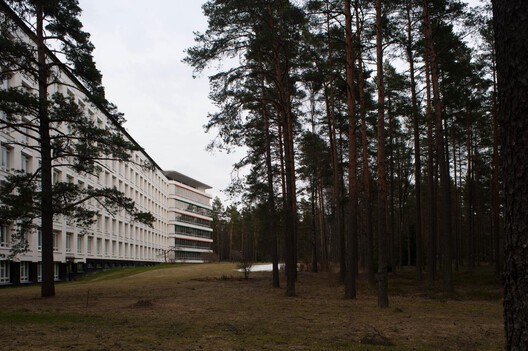
The renovation aims to preserve the original proportions of the spaces while adapting the structure to new programmes. The former surgery wing will be converted into a flexible auditorium with a new visitor entrance, while the patient wing is envisioned as a hospitality section. The existing patient rooms are proposed for conversion into hotel rooms through targeted adaptations: whereas bathrooms were previously shared along the corridor, the new programme introduces rooms of varying sizes, ranging from compact rooms with shared facilities to rooms with small integrated bathroom units and larger rooms offering full amenities. New elements such as bathroom units will be introduced as freestanding furniture in lacquered birch veneer, creating a clear distinction between the existing fabric and the new interventions, while some original surfaces will be reconstructed.
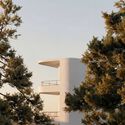
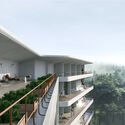
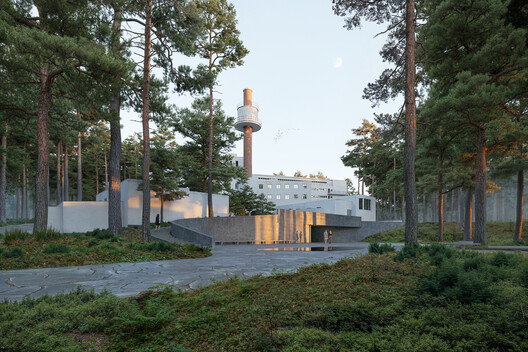
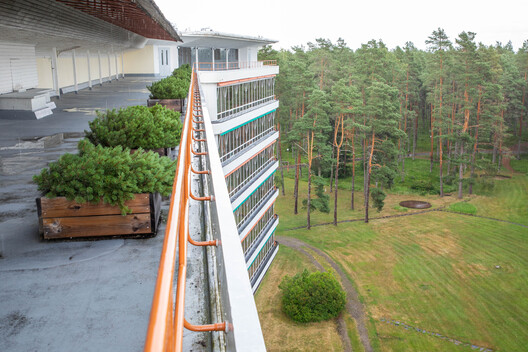
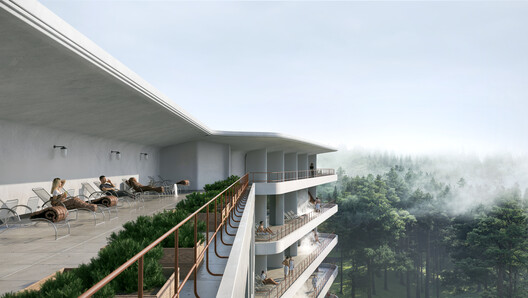
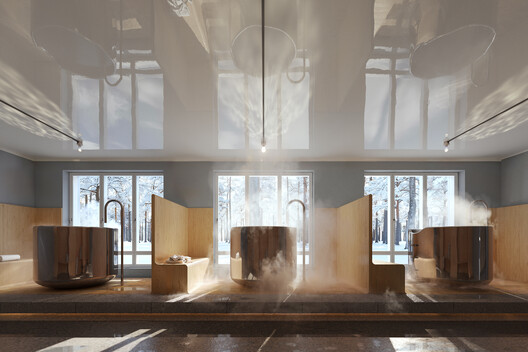
One of the building's defining characteristics is its relationship to nature, believed in the early twentieth century to be restorative for the human body. The new project contemplates the reopening of the iconic sun balconies, alongside the introduction of a lower-level spa with direct access to the outdoors and surrounding forest, preserving the Aaltos' original vision of light, air, and nature as integral elements of healing. The elongated open balconies, accessible from the corridors outside the rooms, are proposed to be reinstated as open structures. A further strategy under consideration is to bring nature closer to the rear façade by introducing a new entrance: the currently asphalted forecourt is proposed to be resurfaced in slate and articulated with new planting.
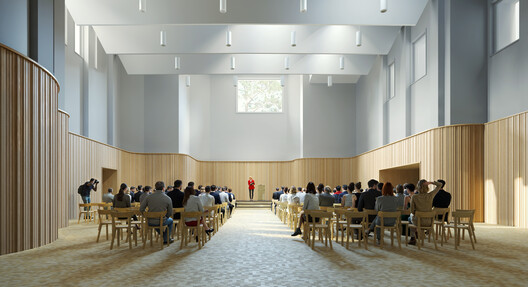
This new entrance would also provide direct access to the auditorium, allowing events to be hosted independently of the building's daily operations while improving overall circulation through the site. The auditorium space is proposed to open across two levels, creating a large flexible venue accommodating approximately 200 people, with a birch slatted wall referencing the original architectural language and integrating both technical installations and acoustic performance.
Other landmark buildings around the world are being transformed to meet the demands of contemporary society. In Italy, Park, an Italian interdisciplinary collective, was selected to redesign Milano Centrale's ground floor and mezzanine levels, transforming Mussolini's fascist-era rail monument into a contemporary urban platform. In England, Stanton Williams, Asif Khan, and conservation architect Julian Harrap recently completed the restoration of the historic General Market in London, adapting it to house the new galleries of the Museum of London. In the United States, the Practice for Architecture and Urbanism (PAU), in collaboration with HNTB and HOK, has been selected as the design team for the redevelopment of New York City's Penn Station. In Albania, Herzog & de Meuron has been selected to redevelop Tirana's communist-era Palace of Congresses, bringing the building to contemporary standards in terms of technology, functionality, and spatial quality.


