Recent events highlighted the many ways architecture responds to changing environmental, social, and cultural conditions. Major earthquakes in Venezuela, Japan, and Northern California renewed attention to the role of planning, infrastructure, and building practices in shaping resilience to natural hazards. As these questions continue to inform the built environment, the opening of the 2026 UIA World Congress of Architects in Barcelona brought together practitioners and researchers to discuss climate, housing, public space, and the future of the profession. Recent project announcements, preservation initiatives, completed works, and new design tools further reflected the range of approaches shaping architectural practice today, from heritage conservation and adaptive reuse to environmental performance and long-term planning.
Architecture Takes Center Stage in Barcelona
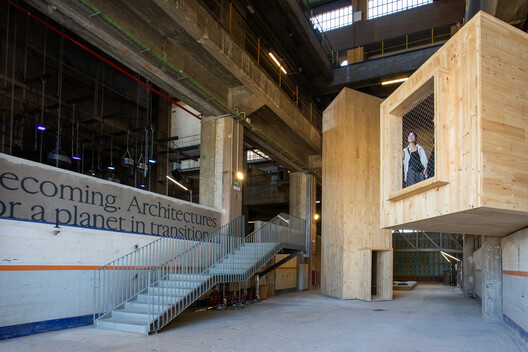
Barcelona became the focal point of international architectural discussion this week as the 2026 UIA World Congress of Architects opened under the theme "Becoming. Architectures for a Planet in Transition." Taking place across multiple venues until July 2, the congress brings together architects, researchers, students, and institutions from around the world to address issues including climate change, housing, material circularity, public space, and the evolving role of the profession. As UNESCO World Capital of Architecture 2026, the city provides the setting for a series of events that extend beyond the congress itself, positioning architecture within broader ecological, social, and cultural transitions.
Related Article
One Day, Four Earthquakes: What Seismic Resilience Reveals About the Built Environment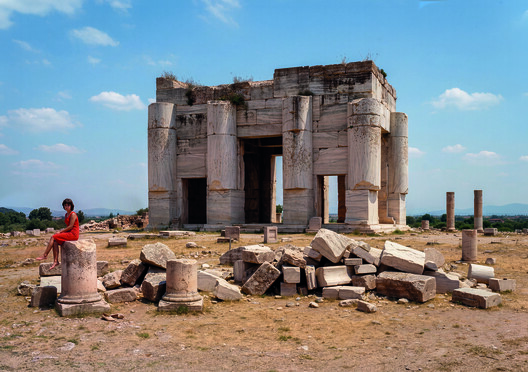
Barcelona's architectural agenda also included the presentation of the 2026 UIA Gold Medal to Eduardo Souto de Moura during a ceremony held at the Basílica de la Sagrada Família. Awarded every three years, the medal recognizes architects whose body of work has made a lasting contribution to the discipline. The recognition highlights Souto de Moura's architecture for its contextual sensitivity, material precision, and sustained influence on contemporary practice, while accompanying exhibitions and public events further celebrate Portuguese architecture during the congress. Complementing the week's institutional events, the exhibition What is This? A Spa, a Gym, a Zoo for Tiny Animals? continues at the Palau Victòria Eugènia, presenting the archive of the Fundació Mies van der Rohe through a new curatorial framework. Bringing together architectural models, drawings, films, documents, and records of artistic interventions at the Barcelona Pavilion, the exhibition reframes the archive as an evolving record of architectural discourse rather than a static historical collection.
New Projects Between Preservation and Future Development
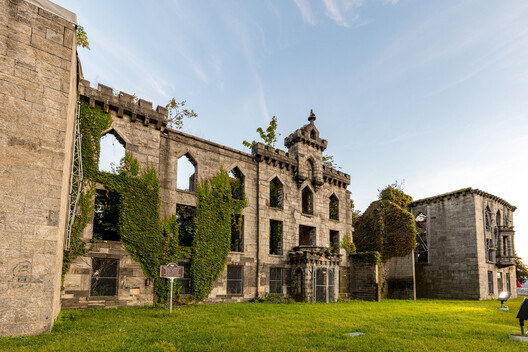
Recent project announcements explored different approaches to shaping the future of the built environment while responding to existing cultural and environmental contexts. In the United States, the World Monuments Fund released its Irreplaceable America list, identifying ten heritage sites facing urgent preservation challenges ahead of the country's 250th anniversary. The initiative highlights threats ranging from climate change and deferred maintenance to development pressure, emphasizing the importance of long-term conservation strategies for culturally significant places.
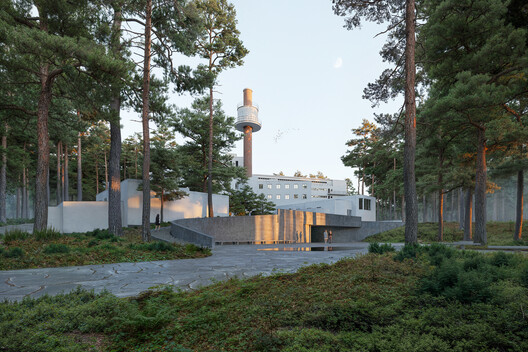
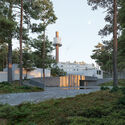
Elsewhere, new master plans examined how architecture can address future environmental and societal priorities at multiple scales. Foster + Partners, together with Dar Al-Handasah, revealed the master plan for Al Najd Agricultural City in southern Oman, proposing a self-sustaining settlement that integrates agriculture, housing, and resource management as part of the country's Vision 2040 strategy. In Finland, Snøhetta presented a master plan for the future of Aino and Alvar Aalto's Paimio Sanatorium, reimagining the landmark modernist complex as a destination combining wellness, hospitality, and cultural programming while preserving its architectural legacy.
On the Radar
UNStudio Completes Korean Football Park in Cheonan
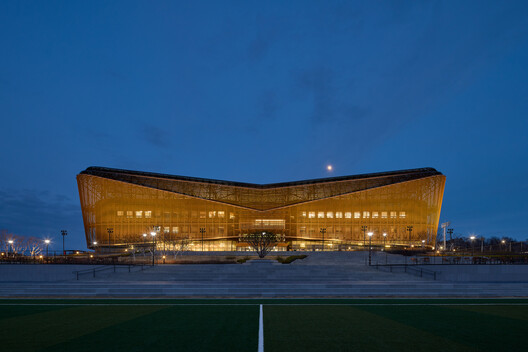
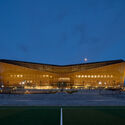
UNStudio has completed the Korean Football Park in Cheonan, a 450,427-square-meter campus designed as the new home of the Korean Football Association. Conceived as a long-term destination for training, youth development, women's football, and public engagement, the project brings together 11 football pitches, indoor and outdoor stadiums, training and wellness facilities, player accommodation, and the KFA headquarters within a landscape-responsive master plan. Organized around a central public plaza and a clear transition from civic to private spaces, the campus integrates sports science, recovery, and performance infrastructure while establishing a new architectural identity for Korean football and supporting the sport's continued development.
Henning Larsen Launches Environmental Analysis Platform jifto
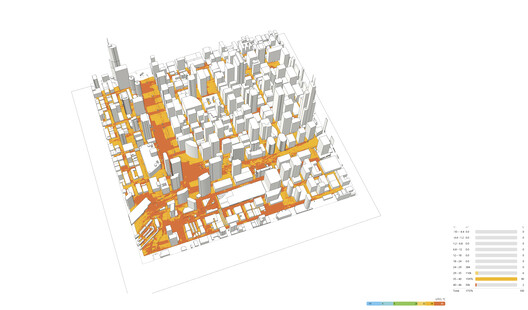
Henning Larsen has announced the launch of jifto, a new environmental analysis platform developed by its technology spinout Nflection. Designed for use during the earliest stages of architectural design, the tool integrates real-time analysis of sunlight, wind, microclimate, stormwater, earthworks, and daylight directly into the design process, with simulations available for both current and projected climate conditions through 2075. Developed from more than a decade of climate-responsive design research, jifto aims to make environmental performance assessment more accessible to architects, enabling design teams to incorporate climate and site-specific data from the first stages of a project.
RAMSA Completes Tang Wing for American Democracy at The New York Historical
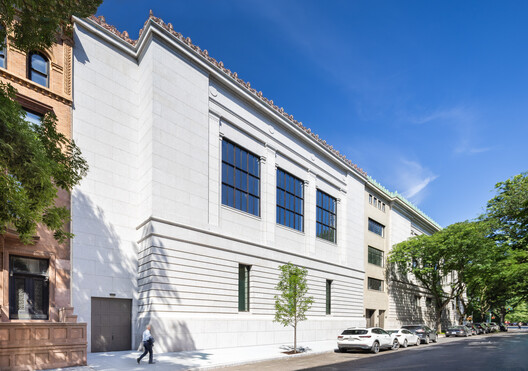
Robert A.M. Stern Architects (RAMSA) has completed the 71,000-square-foot Tang Wing for American Democracy, marking the first expansion of The New York Historical in more than 75 years. Designed to complement the museum's landmarked architecture, the addition incorporates exhibition galleries, classrooms, archival facilities, conservation spaces, and public amenities while significantly expanding the institution's capacity for civic education and cultural programming. Timed to coincide with the 250th anniversary of the United States, the project also includes a new home for the Chang Chavkin Academy for American Democracy, increasing its educational reach, and will eventually house the permanent home of the American LGBTQ+ Museum, scheduled to open in 2028.
This article is part of our new This Week in Architecture series, bringing together featured articles this week and emerging stories shaping the conversation right now. Explore more architecture news, projects, and insights on ArchDaily.