1. ArchDaily
  2. Architecture News

Architecture News

Seoul Biennale 2025 Reveals "Walls of Public Life" Installation Designers

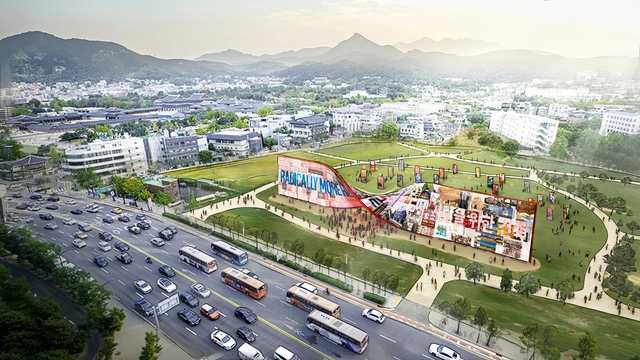
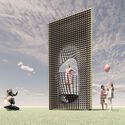
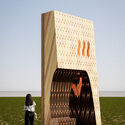
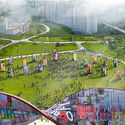
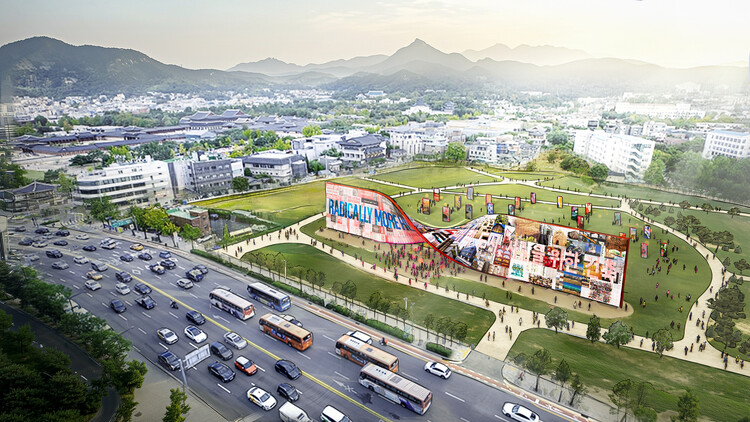
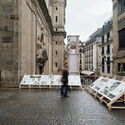
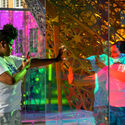
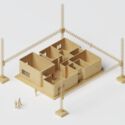
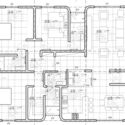
The 2025 edition of the Seoul Biennale of Architecture and Urbanism has announced the 24 designers commissioned to create the Walls of Public Life, a collective installation that explores how the exteriors of buildings can become more expressive, engaging, and emotionally resonant. Each contributor will produce a 2.4 by 4.8-meter building fragment, offering a reimagining of the architectural wall not as a backdrop, but as an active participant in public life. Installed along the north side of Songhyeon Green Plaza in central Seoul, the walls will form part of a larger urban intervention that includes the Humanise Wall, a four-storey, 90-meter-long installation to the south of the park.

Seoul Biennale 2025 Reveals "Walls of Public Life" Installation Designers  - Image 1 of 4Seoul Biennale 2025 Reveals "Walls of Public Life" Installation Designers  - Image 2 of 4Seoul Biennale 2025 Reveals "Walls of Public Life" Installation Designers  - Image 3 of 4Seoul Biennale 2025 Reveals "Walls of Public Life" Installation Designers  - Image 4 of 4Seoul Biennale 2025 Reveals Walls of Public Life Installation Designers  - More Images

The Nordic Pavilion at the 2025 Venice Biennale Explores Architecture Through the Lens of the Trans Body

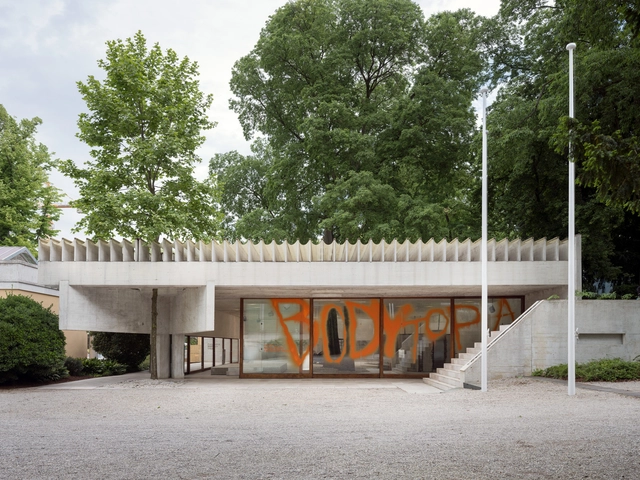
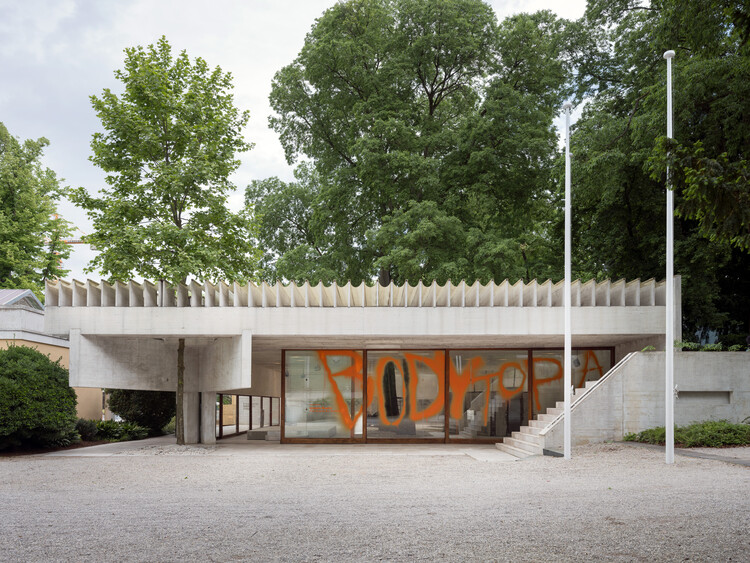
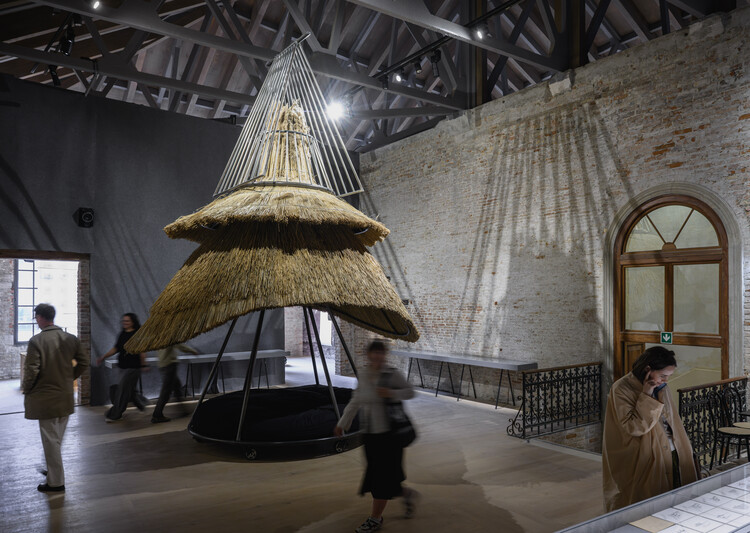
The Nordic countries' display at the 19th International Architecture Exhibition of La Biennale di Venezia is housed in Sverre Fehn's celebrated 1962 Nordic Pavilion, a landmark of architectural modernism representing Sweden, Norway, and Finland. This year, the Nordic countries present an exhibition that blends architecture, performance, and art installation, treating the built environment as a stage for the sociopolitical norms of fossil-based culture. Curated by Kaisa Karvinen for the Architecture & Design Museum Helsinki, the exhibition, titled Industry Muscle: Five Scores for Architecture, explores modern architecture through the lens of the trans body, featuring the work of Finnish artist Teo Ala-Ruona, who combines performance art, theatre, and choreography.

The Nordic Pavilion at the 2025 Venice Biennale Explores Architecture Through the Lens of the Trans Body - Image 1 of 4The Nordic Pavilion at the 2025 Venice Biennale Explores Architecture Through the Lens of the Trans Body - Image 2 of 4The Nordic Pavilion at the 2025 Venice Biennale Explores Architecture Through the Lens of the Trans Body - Image 3 of 4The Nordic Pavilion at the 2025 Venice Biennale Explores Architecture Through the Lens of the Trans Body - Image 4 of 4The Nordic Pavilion at the 2025 Venice Biennale Explores Architecture Through the Lens of the Trans Body - More Images+ 39

Foster + Partners Reveals Design for Retail Plaza on Istanbul’s Golden Horn

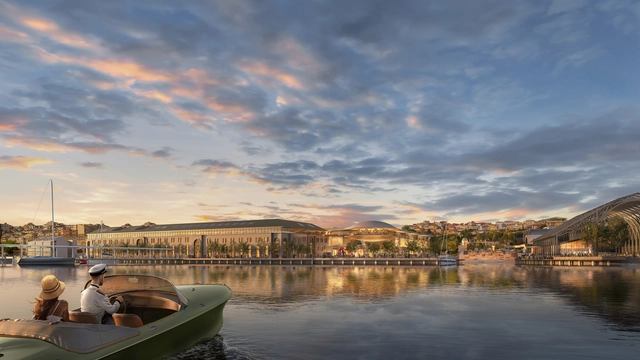
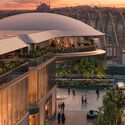
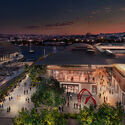
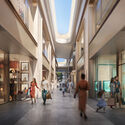
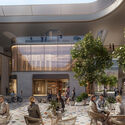
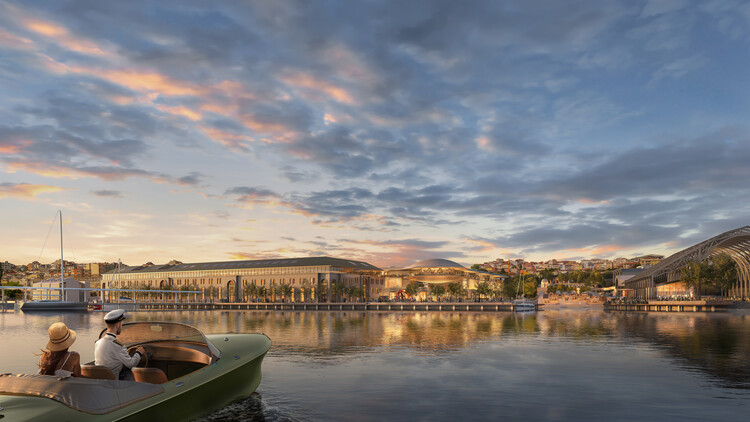
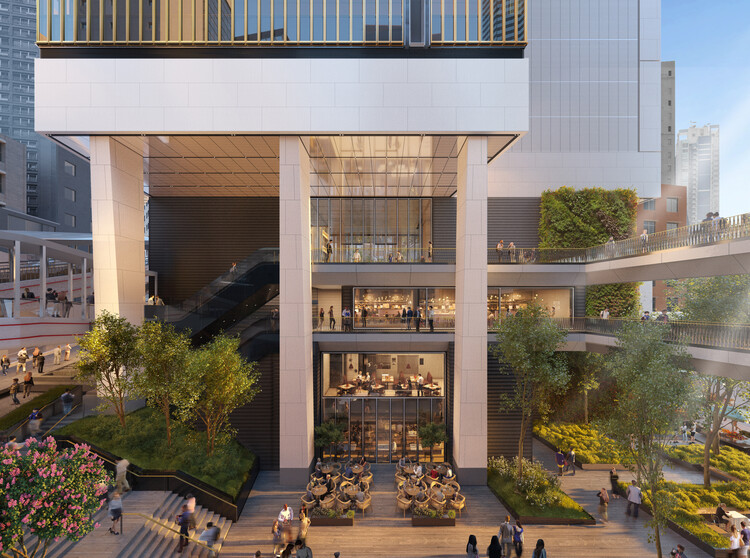
Foster + Partners has revealed designs for a retail plaza located on the northern bank of the Golden Horn in Istanbul, Türkiye. The project forms part of the larger Tersane master plan, which proposes to redevelop 1.6 kilometers of previously underutilized waterfront. The master plan integrates a mix of retail, residential, hospitality, cultural buildings, and landscaped public spaces, aiming to enhance access along the shoreline. The plaza sits within close proximity to several of Istanbul's historic landmarks, drawing on the area's maritime and industrial heritage. The design's scale and material choices reflect this context, seeking to align with the site's historic layers while introducing a contemporary retail environment.

Foster + Partners Reveals Design for Retail Plaza on Istanbul’s Golden Horn - Image 2 of 4Foster + Partners Reveals Design for Retail Plaza on Istanbul’s Golden Horn - Image 3 of 4Foster + Partners Reveals Design for Retail Plaza on Istanbul’s Golden Horn - Image 4 of 4Foster + Partners Reveals Design for Retail Plaza on Istanbul’s Golden Horn - Image 1 of 4Foster + Partners Reveals Design for Retail Plaza on Istanbul’s Golden Horn - More Images

“Even If You Want to Be a Gardener, Study Architecture”: Archigram Co-Founder Sir Peter Cook on Boldness, Creativity, and Architectural Education

Sir Peter Cook is an English architect, professor, and writer, and a founding member of the neo-futuristic design group Archigram, alongside Warren Chalk, Ron Herron, David Greene, and Michael Webb. Beyond the group's radical urban concepts and visionary imagery, he co-founded CRAB Studio (Cook Robotham Architectural Bureau) with David Robotham in 2006, where they have developed built, conceptual, and speculative projects. He recently designed the Play Pavilion, located next to Serpentine South in Kensington Gardens, which opened on World Play Day, June 11, 2025. He is also known for the BIX Light and Media Façade at MoMA and for his series of drawings and collages that explore spaces, building elements, and organic landscapes.

Returning for his second interview with ArchDaily, Sir Peter Cook sat with Editor in Chief, Christele Harrouk, at the World Architecture Festival 2025. While the first conversation focused on his advice for young architects, this one followed his presentation during WAF on the forthcoming book, Archigram Ten, an editorial project reviving the spirit of the original magazine with founding members and contemporary designers. Building on those themes, he reflects on artificial intelligence, the impact of COVID-19 on his own practice, and current architectural pedagogies.

“Even If You Want to Be a Gardener, Study Architecture”: Archigram Co-Founder Sir Peter Cook on Boldness, Creativity, and Architectural Education - Image 1 of 4“Even If You Want to Be a Gardener, Study Architecture”: Archigram Co-Founder Sir Peter Cook on Boldness, Creativity, and Architectural Education - Image 2 of 4“Even If You Want to Be a Gardener, Study Architecture”: Archigram Co-Founder Sir Peter Cook on Boldness, Creativity, and Architectural Education - Image 3 of 4“Even If You Want to Be a Gardener, Study Architecture”: Archigram Co-Founder Sir Peter Cook on Boldness, Creativity, and Architectural Education - Image 4 of 4“Even If You Want to Be a Gardener, Study Architecture”: Archigram Co-Founder Sir Peter Cook on Boldness, Creativity, and Architectural Education - More Images+ 2

The White House Announces Plans for New Ballroom

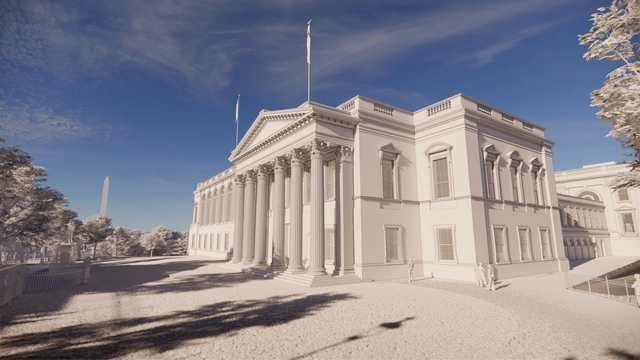
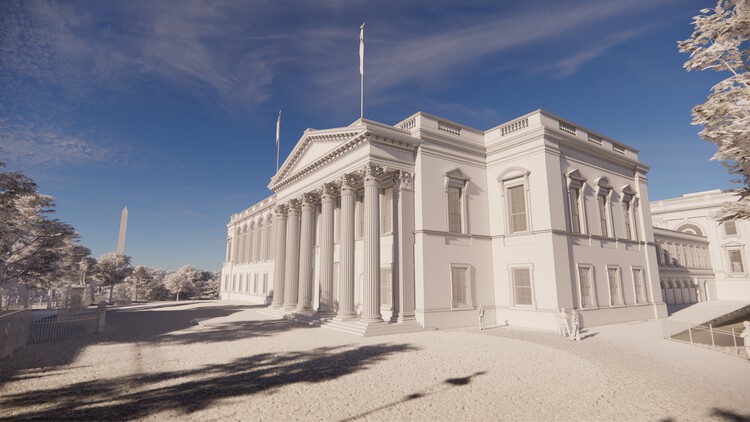
The White House has unveiled plans for a new permanent event space on its historic grounds. Intended to address long-standing spatial limitations for large-scale ceremonial functions, the proposed White House State Ballroom will provide a venue with an expanded capacity. McCrery Architects, a Washington-based firm recognized for its work in classical architecture, was initially appointed as lead architect. Clark Construction will oversee the build, with engineering support provided by AECOM. The construction is scheduled to begin in September 2025, with completion planned within the current administration.

The White House Announces Plans for New Ballroom - Image 1 of 4The White House Announces Plans for New Ballroom - Image 2 of 4The White House Announces Plans for New Ballroom - Image 3 of 4The White House Announces Plans for New Ballroom - Image 4 of 4The White House Announces Plans for New Ballroom - More Images+ 6

Zaha Hadid Architects Unveils Images of a New Housing Project in Málaga, Spain

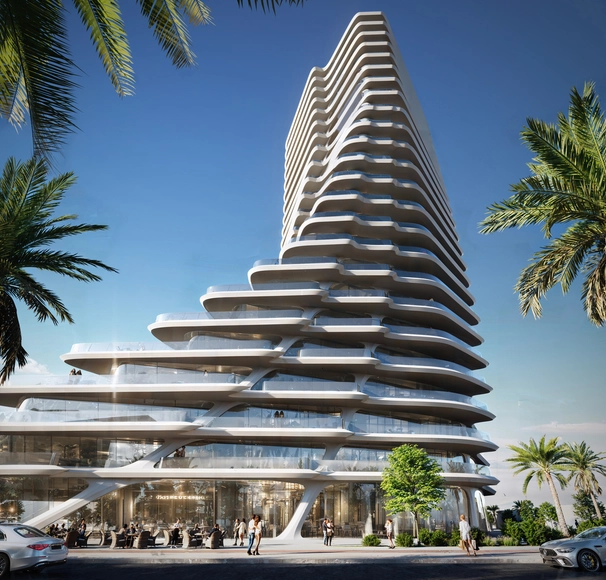
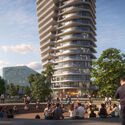
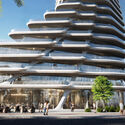
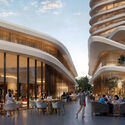
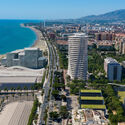
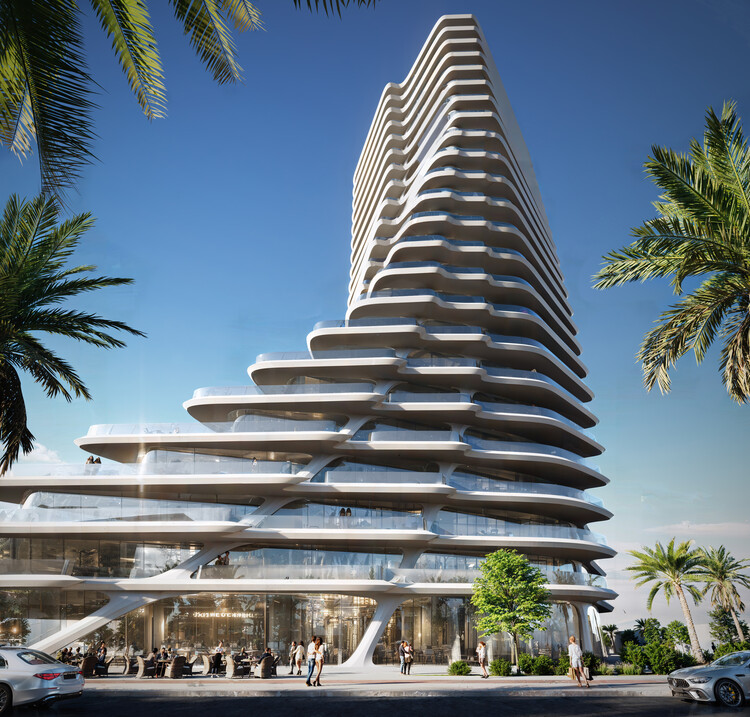
Sierra Blanca Estates, a real estate development firm, has officially announced plans to build a new residential neighborhood in the coastal city of Málaga, Spain. According to the developers, the proposal is intended to address the city's growing demand for housing in the capital of the Andalucía autonomous community, located along the Mediterranean Sea in the southern Iberian Peninsula. The new neighborhood is planned for the El Bulto area and would include a 21-storey building designed by Zaha Hadid Architects.

Zaha Hadid Architects Unveils Images of a New Housing Project in Málaga, Spain - Image 1 of 4Zaha Hadid Architects Unveils Images of a New Housing Project in Málaga, Spain - Image 2 of 4Zaha Hadid Architects Unveils Images of a New Housing Project in Málaga, Spain - Image 3 of 4Zaha Hadid Architects Unveils Images of a New Housing Project in Málaga, Spain - Image 4 of 4Zaha Hadid Architects Unveils Images of a New Housing Project in Málaga, Spain - More Images+ 2

Safdie Architects Breaks Ground on Singapore’s Marina Bay Sands Expansion Project

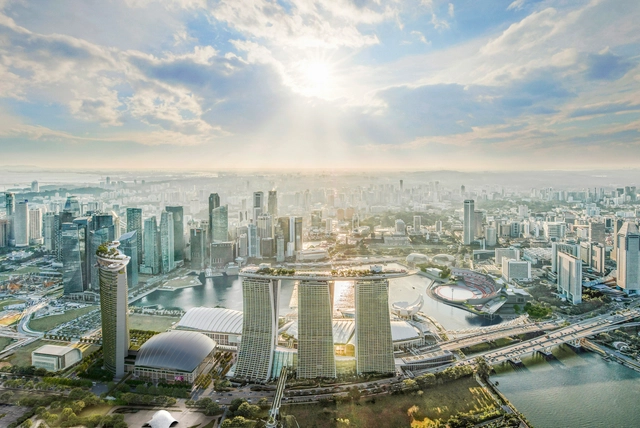
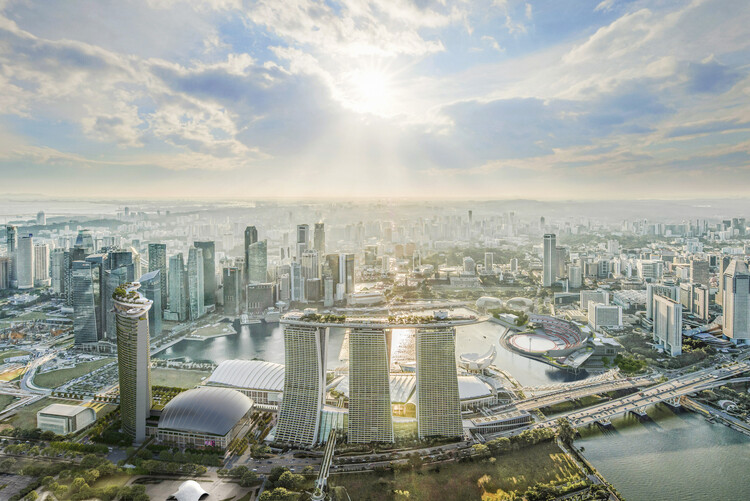
Safdie Architects has broken ground on a long-anticipated expansion to Marina Bay Sands in Singapore. Led by Moshe Safdie, who also conceived the original 2010 development, the new project is located on a site adjacent to the existing resort. The expansion introduces a 570-key luxury hotel and a 15,000-seat arena designed by Populous, marking what is expected to be the final chapter in the evolution of the iconic complex.

Safdie Architects Breaks Ground on Singapore’s Marina Bay Sands Expansion Project - Image 1 of 4Safdie Architects Breaks Ground on Singapore’s Marina Bay Sands Expansion Project - Image 2 of 4Safdie Architects Breaks Ground on Singapore’s Marina Bay Sands Expansion Project - Image 3 of 4Safdie Architects Breaks Ground on Singapore’s Marina Bay Sands Expansion Project - Image 4 of 4Safdie Architects Breaks Ground on Singapore’s Marina Bay Sands Expansion Project - More Images+ 4

The German Pavilion Tests Urban Limits in a Warmer World at the 2025 Venice Architecture Biennale

Germany's contribution to the 19th Venice Architecture Biennale 2025 exposes visitors physically and psychologically to the future urban climate: a STRESSTEST that makes the need for immediate action palpable. The exhibition takes a clear stance: climate change is an unstoppable reality, and the measures taken so far are inadequate. It presents a scenario in which climate change manifests globally through rising temperatures, extreme weather, and sea level rise, with its effects directly felt at a local level: urban spaces suffering from heat stress. Curators Nicola Borgmann, Elisabeth Endres, Gabriele G. Kiefer, and Daniele Santucci have designed an exhibition to highlight the impacts of global warming on urban life in an urgent call to action, emphasizing that this reality threatens urban social life, productivity, and the health and survival of citizens.

The German Pavilion Tests Urban Limits in a Warmer World at the 2025 Venice Architecture Biennale - Image 1 of 4The German Pavilion Tests Urban Limits in a Warmer World at the 2025 Venice Architecture Biennale - Image 2 of 4The German Pavilion Tests Urban Limits in a Warmer World at the 2025 Venice Architecture Biennale - Image 3 of 4The German Pavilion Tests Urban Limits in a Warmer World at the 2025 Venice Architecture Biennale - Featured ImageThe German Pavilion Tests Urban Limits in a Warmer World at the 2025 Venice Architecture Biennale - More Images+ 31

Helmut Swiczinsky, Co-Founder of the Coop Himmelb(L)AU, Passes Away at 81

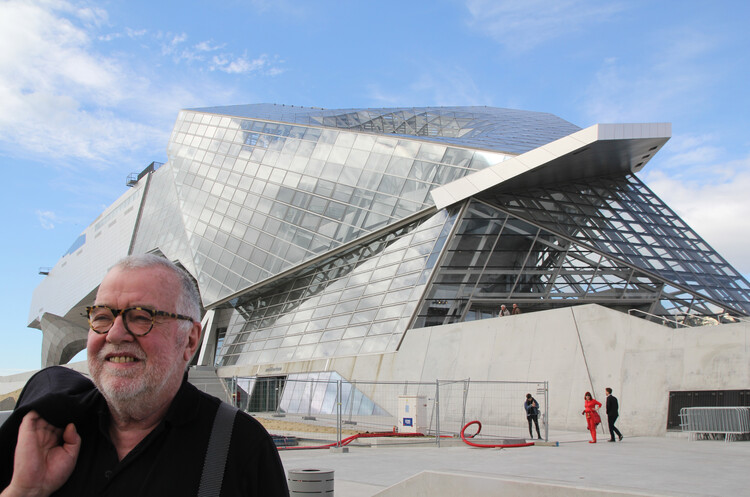
Helmut Swiczinsky, co-founder of the Viennese architecture collective Coop Himmelb(l)au and a key figure in experimental and deconstructivist architecture, passed away on July 29, 2025, at the age of 81. Born in 1944 in Poznań, Poland, he studied architecture at the Vienna University of Technology and the Architectural Association in London.

In 1968, Swiczinsky co-founded Coop Himmelb(l)au alongside Wolf D. Prix and Michael Holzer. The studio quickly gained international recognition for its radical design approach, defined by fragmented geometries, exposed structural systems, and spatial complexity. After Holzer's departure in 1971, Swiczinsky and Prix continued to lead the practice through the 1980s and 1990s, establishing it as one of the most prominent voices of the deconstructivist movement.

Helmut Swiczinsky, Co-Founder of the Coop Himmelb(L)AU, Passes Away at 81 - Image 1 of 4Helmut Swiczinsky, Co-Founder of the Coop Himmelb(L)AU, Passes Away at 81 - Image 2 of 4Helmut Swiczinsky, Co-Founder of the Coop Himmelb(L)AU, Passes Away at 81 - Image 3 of 4Helmut Swiczinsky, Co-Founder of the Coop Himmelb(L)AU, Passes Away at 81 - Image 4 of 4Helmut Swiczinsky, Co-Founder of the Coop Himmelb(L)AU, Passes Away at 81 - More Images

The Finnish Pavilion at the 2025 Venice Architecture Biennale Explores Architecture as a Collaborative Endeavour

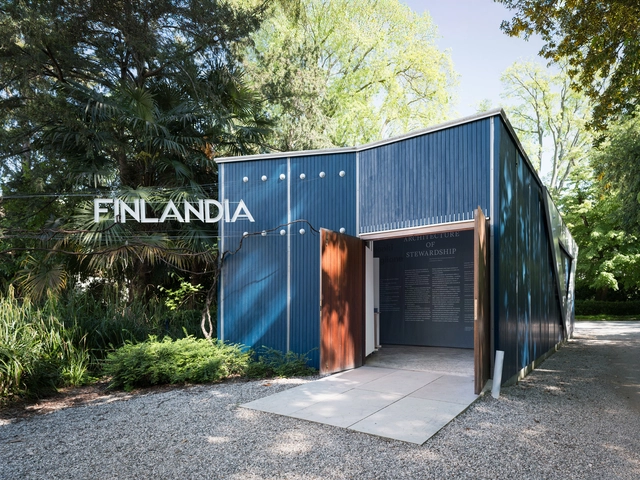
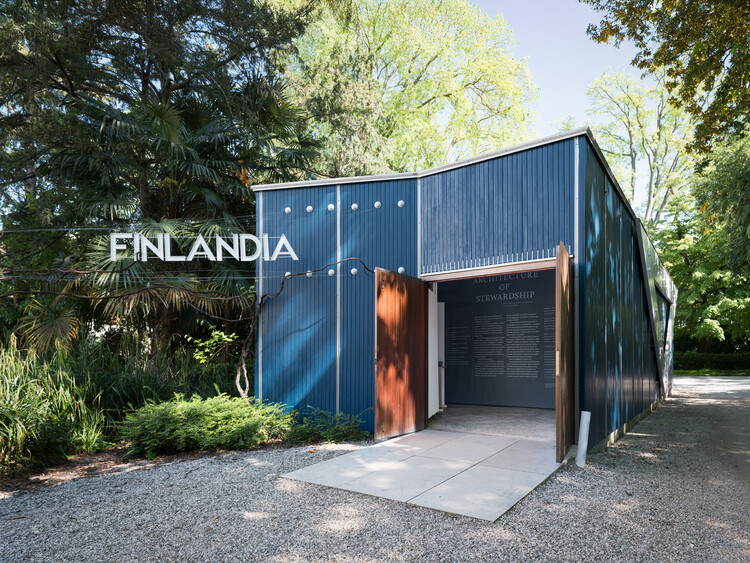
Archinfo, the Information Centre for Finnish Architecture, has announced the theme, curator, and exhibition team for the Pavilion of Finland at the 19th International Architecture Exhibition of La Biennale di Venezia. The exhibition, titled "The Pavilion – Architecture of Stewardship", will focus on the diverse labor involved in constructing and maintaining architecture, from design contributions by architectural workers and engineers to the efforts of construction workers, restoration architects, maintenance staff, and cleaners, all of whom play vital roles in the creation and upkeep of the built environment. Curated by Ella Kaira and Matti Jänkälä from the Helsinki-based architecture practice Vokal, it will use Alvar and Elissa Aalto's Pavilion of Finland to explore architecture as a collaborative endeavor.

The Finnish Pavilion at the 2025 Venice Architecture Biennale Explores Architecture as a Collaborative Endeavour - Image 1 of 4The Finnish Pavilion at the 2025 Venice Architecture Biennale Explores Architecture as a Collaborative Endeavour - Image 2 of 4The Finnish Pavilion at the 2025 Venice Architecture Biennale Explores Architecture as a Collaborative Endeavour - Image 3 of 4The Finnish Pavilion at the 2025 Venice Architecture Biennale Explores Architecture as a Collaborative Endeavour - Image 4 of 4The Finnish Pavilion at the 2025 Venice Architecture Biennale Explores Architecture as a Collaborative Endeavour - More Images+ 21

Eames House Reopens With Expanded Public Access Following Restoration

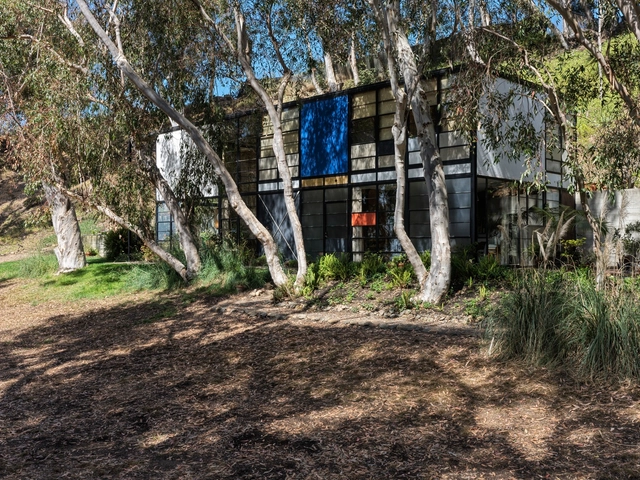
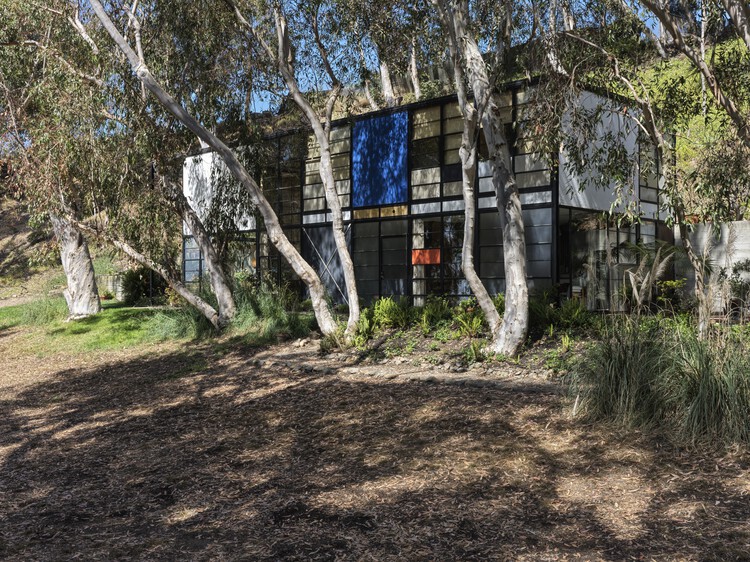
Following an extensive conservation process, the Eames House, Case Study House No. 8, has reopened to visitors after a five-month closure due to smoke damage from the Palisades Wildfire earlier this year. Although the iconic structure, designed by Charles and Ray Eames in 1949 as part of the Case Study House Program, was not directly damaged by flames, it required comprehensive cleaning and restoration to address the effects of smoke infiltration. As part of the reopening, the adjacent Eames Studio, previously closed to the public, will now be accessible for the first time. Designed and used by Charles and Ray as a working space, the studio will serve as a venue for rotating exhibitions, workshops, and public programs, offering an expanded architectural experience.

Eames House Reopens With Expanded Public Access Following Restoration - Image 1 of 4Eames House Reopens With Expanded Public Access Following Restoration - Image 2 of 4Eames House Reopens With Expanded Public Access Following Restoration - Image 3 of 4Eames House Reopens With Expanded Public Access Following Restoration - Image 4 of 4Eames House Reopens With Expanded Public Access Following Restoration - More Images+ 3

"No House Exists in Isolation": Riken Yamamoto on the Failures of Contemporary Housing in Louisiana Channel Interview

Riken Yamamoto, born in Beijing in 1945 and raised in Yokohama shortly after World War II, is a Japanese architect celebrated for fostering community through architecture. After founding his practice, Riken Yamamoto & Field Shop, in 1973, he became renowned for works ranging from social housing, such as Hotakubo Housing and Pangyo Housing, to civic projects like the Hiroshima Nishi Fire Station and Saitama Prefectural University, all unified by modular simplicity. Honored in March 2024 as the Pritzker Architecture Prize Laureate, he was praised by jury chair Alejandro Aravena for "blurring boundaries between public and private," fostering spontaneous social interaction, and "bringing dignity to everyday life" by enabling community to flourish through thoughtful design. In this interview with Louisiana Channel, the architect reflects on the social role of architecture, emphasizing the inseparable bond between housing and context, and the need to create spaces that foster visible, meaningful relationships.

"No House Exists in Isolation": Riken Yamamoto on the Failures of Contemporary Housing in Louisiana Channel Interview - Image 1 of 4"No House Exists in Isolation": Riken Yamamoto on the Failures of Contemporary Housing in Louisiana Channel Interview - Image 2 of 4"No House Exists in Isolation": Riken Yamamoto on the Failures of Contemporary Housing in Louisiana Channel Interview - Image 3 of 4"No House Exists in Isolation": Riken Yamamoto on the Failures of Contemporary Housing in Louisiana Channel Interview - Image 4 of 4No House Exists in Isolation: Riken Yamamoto on the Failures of Contemporary Housing in Louisiana Channel Interview - More Images+ 1

UIA 2030 Award Launches Its Third Cycle Highlighting Sustainable Development Goals

The International Union of Architects (UIA), in collaboration with UN-Habitat, has announced the launch of the third cycle of the UIA 2030 Award. Introduced in 2021, the biennial international prize highlights the role of architecture in advancing the UN 2030 Agenda for Sustainable Development, with a particular emphasis on SDG11: Sustainable Cities and Communities and the New Urban Agenda. Organized by the UIA's UN 17 SDGs Commission, the award recognizes built projects that combine architecture with measurable contributions to the Sustainable Development Goals (SDGs). Structured to coincide with the schedule of the World Urban Forum (WUF), the award will run through five cycles.

UIA 2030 Award Launches Its Third Cycle Highlighting Sustainable Development Goals - Image 1 of 4UIA 2030 Award Launches Its Third Cycle Highlighting Sustainable Development Goals - Image 2 of 4UIA 2030 Award Launches Its Third Cycle Highlighting Sustainable Development Goals - Image 3 of 4UIA 2030 Award Launches Its Third Cycle Highlighting Sustainable Development Goals - Image 4 of 4UIA 2030 Award Launches Its Third Cycle Highlighting Sustainable Development Goals - More Images+ 1

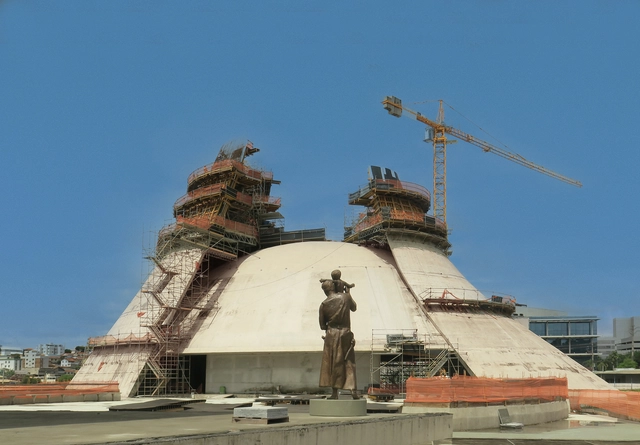
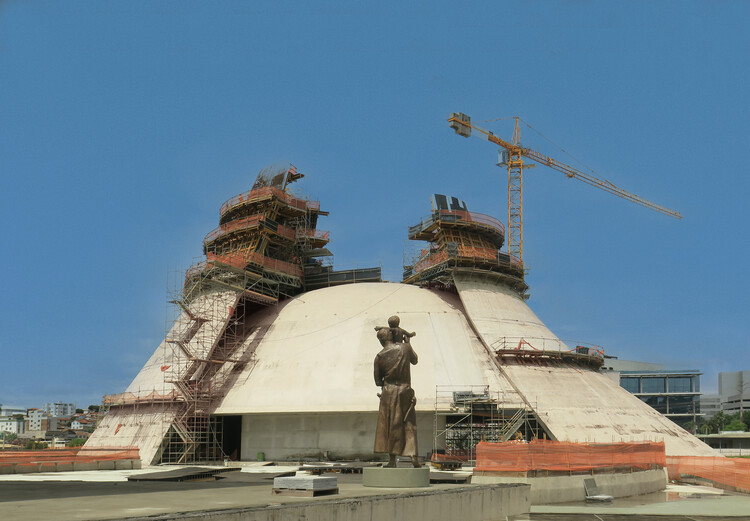
Inside the Construction of Niemeyer’s Cristo Rei Cathedral in Belo Horizonte, Seen Through Paul Clemence’s Lens

The Cristo Rei Cathedral is Oscar Niemeyer's design for the cathedral of Belo Horizonte, the capital of the state of Minas Gerais in southeastern Brazil. Conceived between 2005 and 2006, it is one of the late architect's final projects in the country. The design features a domed structure approximately 60 meters in diameter, suspended by two towering elements rising 100 meters high. Niemeyer referred to the project as a "square," consisting of a cathedral with a capacity for 3,000 people and an external altar designed to accommodate up to 20,000 worshippers for mass and public events. Construction began in 2013 and is still ongoing. Earlier this year, photographer Paul Clemence visited the site, documenting the building process and capturing the emergence of Niemeyer's signature curves.

Inside the Construction of Niemeyer’s Cristo Rei Cathedral in Belo Horizonte, Seen Through Paul Clemence’s Lens - Image 1 of 4Inside the Construction of Niemeyer’s Cristo Rei Cathedral in Belo Horizonte, Seen Through Paul Clemence’s Lens - Image 2 of 4Inside the Construction of Niemeyer’s Cristo Rei Cathedral in Belo Horizonte, Seen Through Paul Clemence’s Lens - Image 3 of 4Inside the Construction of Niemeyer’s Cristo Rei Cathedral in Belo Horizonte, Seen Through Paul Clemence’s Lens - Image 4 of 4Inside the Construction of Niemeyer’s Cristo Rei Cathedral in Belo Horizonte, Seen Through Paul Clemence’s Lens - More Images+ 23

“Architecture and Energy” at DAM Explores the Climate Impact of the Built Environment

The Deutsches Architekturmuseum (DAM) in Frankfurt has launched its new exhibition Architecture and Energy: Building in the Age of Climate Change on June 14, which will be open to visitors until October 5, 2025. Developed in collaboration with engineer and sustainability advocate Werner Sobek, the exhibition explores the intersections of architecture, energy, and climate, focusing on the environmental impact of the built environment and the role of architecture in mitigating climate change. By framing architecture as both a challenge and an opportunity in the context of the climate crisis, the exhibition seeks to contribute to a broader shift in thinking, one that positions design as a vital component of a sustainable future.

“Architecture and Energy” at DAM Explores the Climate Impact of the Built Environment - Image 1 of 4“Architecture and Energy” at DAM Explores the Climate Impact of the Built Environment - Image 2 of 4“Architecture and Energy” at DAM Explores the Climate Impact of the Built Environment - Image 3 of 4“Architecture and Energy” at DAM Explores the Climate Impact of the Built Environment - Image 4 of 4“Architecture and Energy” at DAM Explores the Climate Impact of the Built Environment - More Images+ 8

Conserving Black Modernism: The Getty Foundation Adds Five U.S. Landmarks to its 2025 Grant Program

The Getty Foundation's Conserving Black Modernism initiative was launched in 2022 as a grant program to preserve and ensure the legacy of African American architects within the Modernist movement across the United States. In partnership with the National Trust for Historic Preservation's African American Cultural Heritage Action Fund, it supports conservation efforts, training, and educational initiatives to address the historical oversight of significant architectural landmarks and their designers' contribution. For its third funding cycle in 2025, five new buildings will receive critical support, expanding the initiative's reach into new communities with the first projects in Chicago and the Pacific Northwest.

Conserving Black Modernism: The Getty Foundation Adds Five U.S. Landmarks to its 2025 Grant Program - Image 1 of 4Conserving Black Modernism: The Getty Foundation Adds Five U.S. Landmarks to its 2025 Grant Program - Image 2 of 4Conserving Black Modernism: The Getty Foundation Adds Five U.S. Landmarks to its 2025 Grant Program - Image 3 of 4Conserving Black Modernism: The Getty Foundation Adds Five U.S. Landmarks to its 2025 Grant Program - Image 4 of 4Conserving Black Modernism: The Getty Foundation Adds Five U.S. Landmarks to its 2025 Grant Program - More Images+ 29

Halfway Through Expo 2025 Osaka: 10 Must-Visit Pavilions

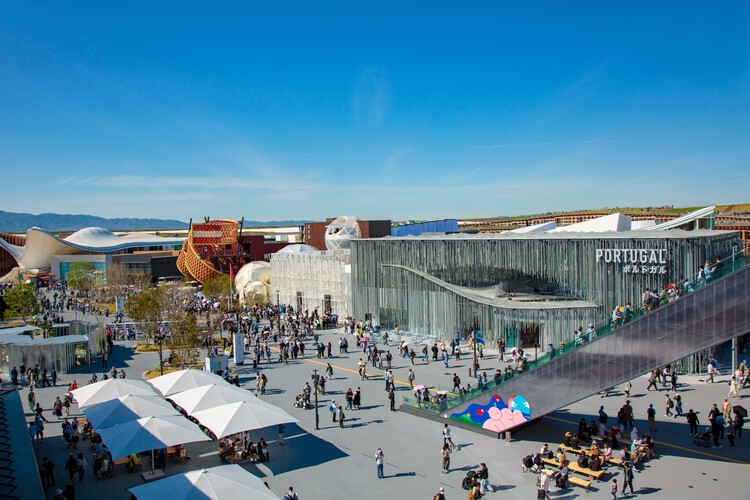
As Expo 2025 Osaka passes the midpoint of its six-month duration on July 13, the international exposition continues to serve as a global platform for architectural experimentation, cultural exchange, and technological innovation. Officially opened on April 13 on the reclaimed island of Yumeshima, the event is organized under the theme "Designing Future Society for Our Lives," and has already welcomed more than 13 million visitors as of late July. Conceived as a space for collaboration across disciplines and borders, the Expo brings together more than 150 national, thematic, and corporate pavilions.

Halfway Through Expo 2025 Osaka: 10 Must-Visit Pavilions - Image 1 of 4Halfway Through Expo 2025 Osaka: 10 Must-Visit Pavilions - Image 2 of 4Halfway Through Expo 2025 Osaka: 10 Must-Visit Pavilions - Image 3 of 4Halfway Through Expo 2025 Osaka: 10 Must-Visit Pavilions - Image 4 of 4Halfway Through Expo 2025 Osaka: 10 Must-Visit Pavilions - More Images+ 6

The Ukrainian Pavilion at the Venice Biennale Presents a Parallel Between Vernacular and Emergency Architecture

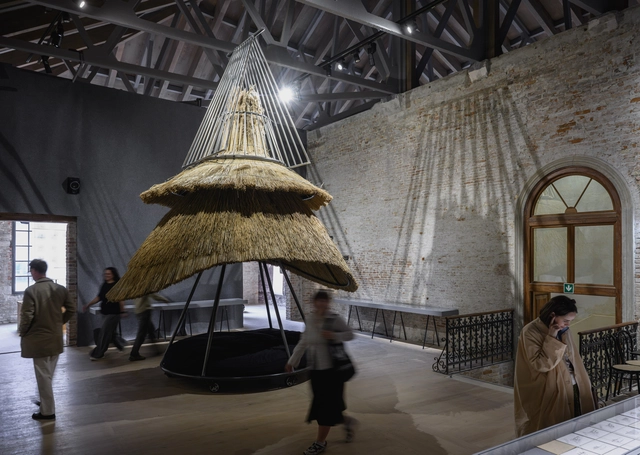
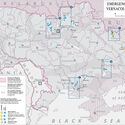
The Ukrainian pavilion at the 19th International Architecture Exhibition – La Biennale di Venezia explores the intersection of traditional building methods and improvised construction during wartime crises. Under the title "DAKH (ДАХ): Vernacular Hardcore", the exhibition refers to the concept of the roof ("dakh" in Ukrainian) as a primary shelter in architecture, examining the roofs of an "architecture without architects" both in the country's constructive tradition and in the contemporary reality of aerial vigilance over its national territory. Curated by Bögdana Kosmina, Michał Murawski, and Kateryna Rusetska, the Ukrainian display consists of a six-element exhibition at the Arsenale's Sale d'Armi and an accompanying nomadic program titled Planetary Hardcore.

The Ukrainian Pavilion at the Venice Biennale Presents a Parallel Between Vernacular and Emergency Architecture - Image 1 of 4The Ukrainian Pavilion at the Venice Biennale Presents a Parallel Between Vernacular and Emergency Architecture - Image 2 of 4The Ukrainian Pavilion at the Venice Biennale Presents a Parallel Between Vernacular and Emergency Architecture - Image 3 of 4The Ukrainian Pavilion at the Venice Biennale Presents a Parallel Between Vernacular and Emergency Architecture - Image 4 of 4The Ukrainian Pavilion at the Venice Biennale Presents a Parallel Between Vernacular and Emergency Architecture - More Images+ 29

Europe 40under40 Reveals the 2024–2025 Selection of Young Architects and Designers

The 2024–2025 edition of the Europe 40under40 Awards has announced its selected architects and designers, recognizing emerging professionals under the age of 40 working across Europe. Organized by The European Centre for Architecture Art Design and Urban Studies and The Chicago Athenaeum, the program highlights a range of built and conceptual work that reflects contemporary approaches to architecture and design. This year's selection brings together young architects and designers from Cyprus, France, Greece, Italy, Norway, Poland, Portugal, Spain, Sweden, Switzerland, and Turkiye, offering a wide-ranging perspective on Europe's contemporary architectural discourse.

The selection was made by a jury composed of Melike Altınışık, Hans-Petter Bjørnådal, Eleni-Stefania Kalapoda, and Adrian Yap, who evaluated submissions from a range of scales and typologies. The winning projects will be presented in the exhibition "40 Young European Architects with New Visions," opening on December 5th, 2025, at The European Centre, Contemporary Space Athens. A special yearbook publication by Metropolitan Arts Press will also document the selected works, making them accessible to international audiences. Submissions are now open for the 2025–2026 edition, with a deadline of December 15, 2025.

Europe 40under40 Reveals the 2024–2025 Selection of Young Architects and Designers - Image 1 of 4Europe 40under40 Reveals the 2024–2025 Selection of Young Architects and Designers - Image 2 of 4Europe 40under40 Reveals the 2024–2025 Selection of Young Architects and Designers - Image 3 of 4Europe 40under40 Reveals the 2024–2025 Selection of Young Architects and Designers - Image 4 of 4Europe 40under40 Reveals the 2024–2025 Selection of Young Architects and Designers - More Images+ 9

"Nature is an Incredible Teacher": Jenny Sabin on the Fusion of the Digital, Biological and Physical in Louisiana Channel Interview

Jenny E. Sabin is an American architect, designer, and educator known for her work at the intersection of architecture, computation, and biomaterials. She integrates digital fabrication, responsive materials, and bio-inspired design into her architectural practice and runs an experimental architecture studio, Jenny Sabin Studio, based in Ithaca, NY. In this interview with Louisiana Channel, she shares her personal journey from artist to scientist, explains how biological and material systems can be applied at an architectural scale, and discusses her teaching and research roles at Cornell University. She elaborates on her interest in bringing people together through new strategies for responsive and adaptive architecture. In her view, the connections between the digital, the physical, and the biological define a paradigm shift in the evolution of architecture, converging with other realms of physical experience to create a more interconnected future.

"Nature is an Incredible Teacher": Jenny Sabin on the Fusion of the Digital, Biological and Physical in Louisiana Channel Interview - Featured Image"Nature is an Incredible Teacher": Jenny Sabin on the Fusion of the Digital, Biological and Physical in Louisiana Channel Interview - Image 3 of 4"Nature is an Incredible Teacher": Jenny Sabin on the Fusion of the Digital, Biological and Physical in Louisiana Channel Interview - Image 1 of 4"Nature is an Incredible Teacher": Jenny Sabin on the Fusion of the Digital, Biological and Physical in Louisiana Channel Interview - Image 2 of 4Nature is an Incredible Teacher: Jenny Sabin on the Fusion of the Digital, Biological and Physical in Louisiana Channel Interview - More Images+ 2

MVRDV Transforms Former Cement Factory on Shanghai’s West Bund

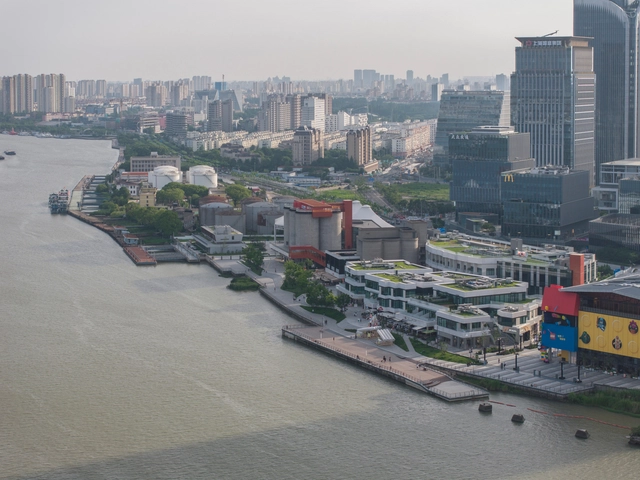
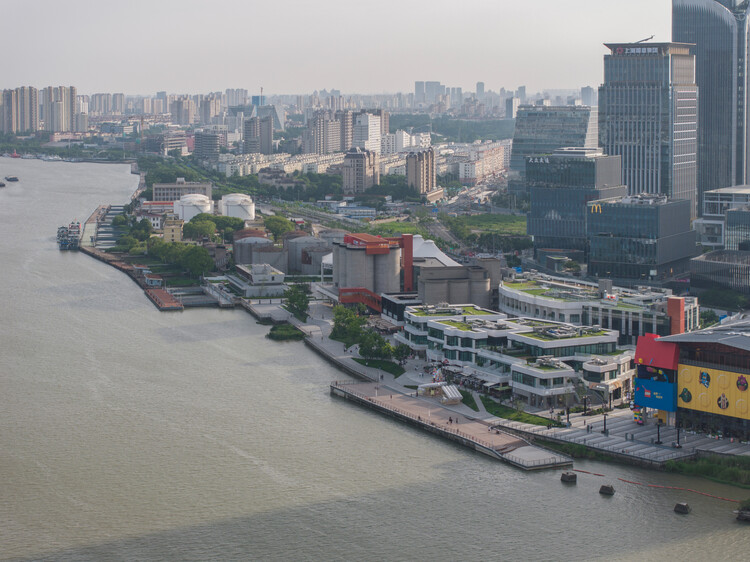
MVRDV has completed the GATE M West Bund Dream Center, a major adaptive reuse project that transforms a former cement factory into a dynamic cultural and leisure district in Shanghai. Located along the city's Huangpu River, the development contributes to the growing series of West Bund cultural initiatives and offers a wide array of public amenities, from food and retail spaces to climbing facilities, event venues, and riverside relaxation areas. Once the site of Asia's largest cement factory, the area underwent a significant shift following the 2010 Shanghai Expo, which prompted the relocation of industrial activities and the revitalization of the riverbanks.

MVRDV Transforms Former Cement Factory on Shanghai’s West Bund - Image 1 of 4MVRDV Transforms Former Cement Factory on Shanghai’s West Bund - Image 2 of 4MVRDV Transforms Former Cement Factory on Shanghai’s West Bund - Image 3 of 4MVRDV Transforms Former Cement Factory on Shanghai’s West Bund - Image 4 of 4MVRDV Transforms Former Cement Factory on Shanghai’s West Bund - More Images+ 37

Angola Introduces Large-Scale Concrete 3D-Printing to Address Housing Crisis

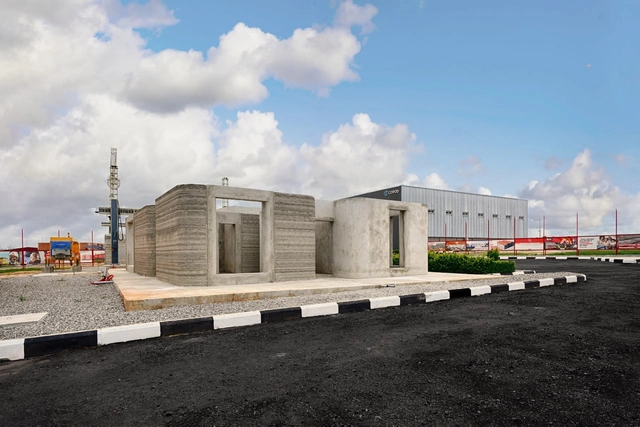
According to the World Bank, the Angola National Urbanization and Housing Program (PNUH), launched in 2008, aimed to build one million new housing units. However, by 2024, it had delivered only approximately 220,000. Power2Build, an Angolan construction startup, estimates the current housing deficit in Angola at around three million homes, with the situation particularly critical in Luanda, one of the fastest-growing cities on the African continent. With an entirely Angolan multidisciplinary team, Power2Build aims to contribute to reducing this deficit through the use of automated 3D concrete printing technology. Implemented on-site with large-scale construction printers from Danish company COBOD, the system is expected to accelerate construction timelines and improve building quality. Large-scale cement-based 3D printing eliminates the need for traditional molds by precisely placing or solidifying specific volumes of material in sequential layers using computer-controlled positioning. The process involves three key stages: data preparation, material preparation, and printing.

Angola Introduces Large-Scale Concrete 3D-Printing to Address Housing Crisis - Image 1 of 4Angola Introduces Large-Scale Concrete 3D-Printing to Address Housing Crisis - Image 2 of 4Angola Introduces Large-Scale Concrete 3D-Printing to Address Housing Crisis - Image 3 of 4Angola Introduces Large-Scale Concrete 3D-Printing to Address Housing Crisis - Image 4 of 4Angola Introduces Large-Scale Concrete 3D-Printing to Address Housing Crisis - More Images+ 13

Foster + Partners Reveals Central Crossing Mixed-Use Development in Hong Kong

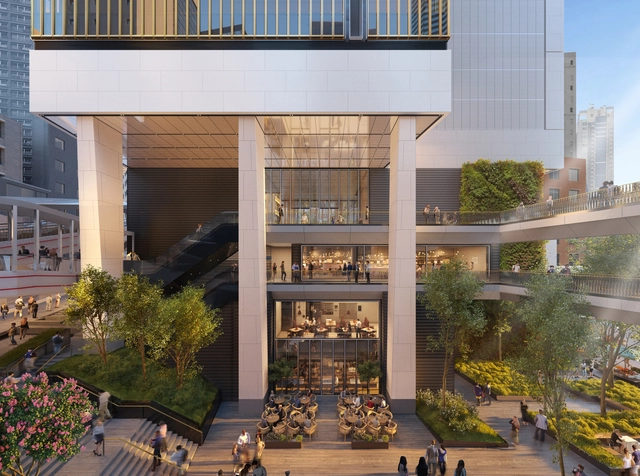
Foster + Partners has unveiled designs for Central Crossing, a new mixed-use development in the heart of Hong Kong's Central district. Located at 118 Wellington Street and bordered by Graham, Gage, and Cochrane Streets, the project is a joint venture between Wing Tai Properties Limited and CSI Properties Limited. Positioned within a triangle formed by the historic landmarks Tai Kwun, PMQ, and Central Market, the site offers a rare opportunity to build within one of the city's most vibrant and historically layered neighborhoods. Central Crossing continues Foster + Partners' ongoing engagement with historical contexts, following earlier interventions such as the Carré d'Art in Nîmes and the extension to the Royal Academy in London. The project seeks to balance sensitivity to its urban fabric with an architectural presence, contributing to the evolving identity of Central.

Foster + Partners Reveals Central Crossing Mixed-Use Development in Hong Kong - Image 1 of 4Foster + Partners Reveals Central Crossing Mixed-Use Development in Hong Kong - Image 2 of 4Foster + Partners Reveals Central Crossing Mixed-Use Development in Hong Kong - Image 3 of 4Foster + Partners Reveals Central Crossing Mixed-Use Development in Hong Kong - Image 4 of 4Foster + Partners Reveals Central Crossing Mixed-Use Development in Hong Kong - More Images

Works by TAKK and ecoLogicStudio on Display at the Second Edition of the Solar Biennale at Lausanne's Mudac Museum

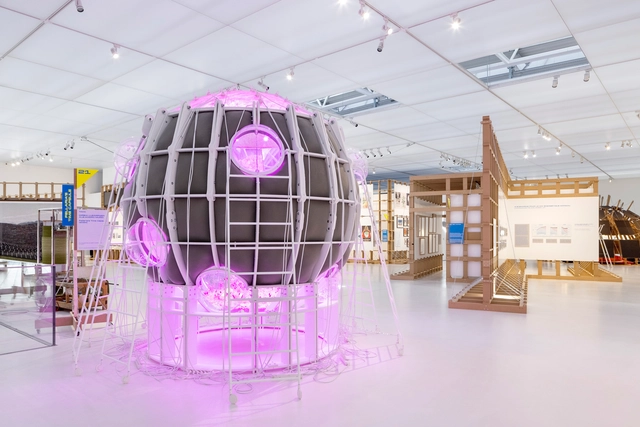
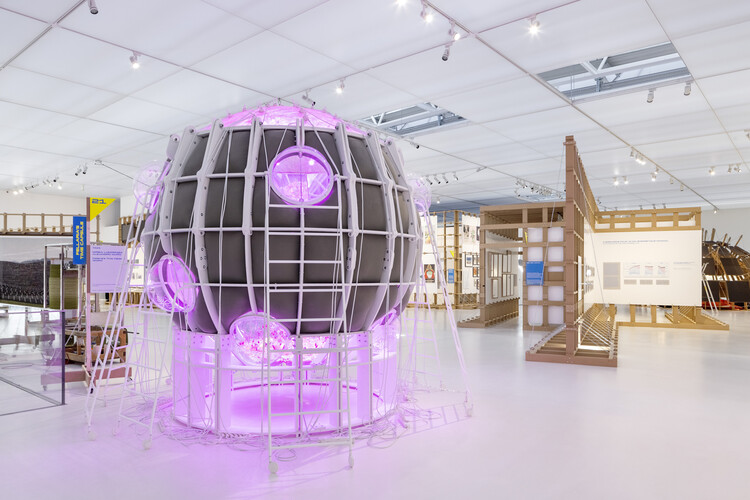
Soleil·s, the second edition of the Solar Biennale, is currently open at mudac, the Museum of Contemporary Design and Applied Arts in Lausanne, Switzerland. Following the first edition hosted at Het Nieuwe Instituut in Rotterdam in 2022, this exhibition explores how design can drive the adoption of solar innovations toward a sun-powered future. The event is initiated by The Solar Movement, founded by designers Marjan van Aubel and Pauline van Dongen, an initiative dedicated to making solar energy the default power source by combining design, technology, and advocacy. This year's exhibition is curated by mudac and offers an immersive experience featuring new and existing projects by TAKK, ecoLogicStudio, Olafur Elíasson, and Andreas Gursky.


Works by TAKK and ecoLogicStudio on Display at the Second Edition of the Solar Biennale at Lausanne's Mudac Museum - Image 1 of 4Works by TAKK and ecoLogicStudio on Display at the Second Edition of the Solar Biennale at Lausanne's Mudac Museum - Image 2 of 4Works by TAKK and ecoLogicStudio on Display at the Second Edition of the Solar Biennale at Lausanne's Mudac Museum - Image 3 of 4Works by TAKK and ecoLogicStudio on Display at the Second Edition of the Solar Biennale at Lausanne's Mudac Museum - Image 4 of 4Works by TAKK and ecoLogicStudio on Display at the Second Edition of the Solar Biennale at Lausanne's Mudac Museum - More Images+ 36

You've started following your first account!

Did you know?

You'll now receive updates based on what you follow! Personalize your stream and start following your favorite authors, offices and users.