Videos
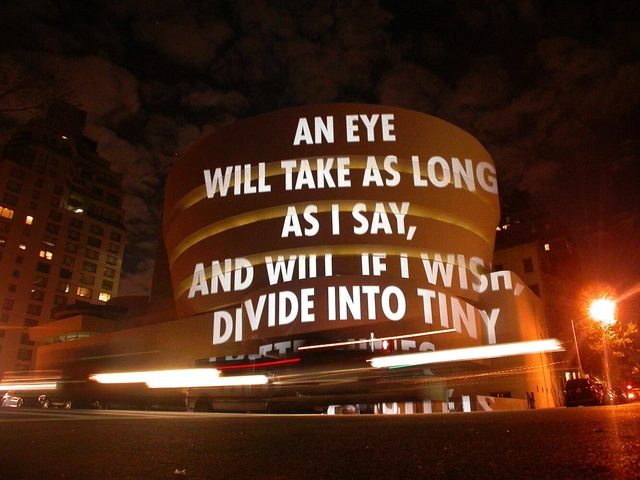
Jenny Holzer, installation at Guggenheim New York. Image: fluido & franz, CC BY-NC-SA 2.0 via Flickr
Light has been present in art for centuries. To think of the Baroque or Gothic without this element would be impossible. However, in the 20th century, artists began to explore light qualities and transformed them into a means of materializing art. Sculptures, immersive installations, and ways of shaping the environment through light, its colors and intensities brought new spatial perceptions by establishing a unique relationship with architecture.
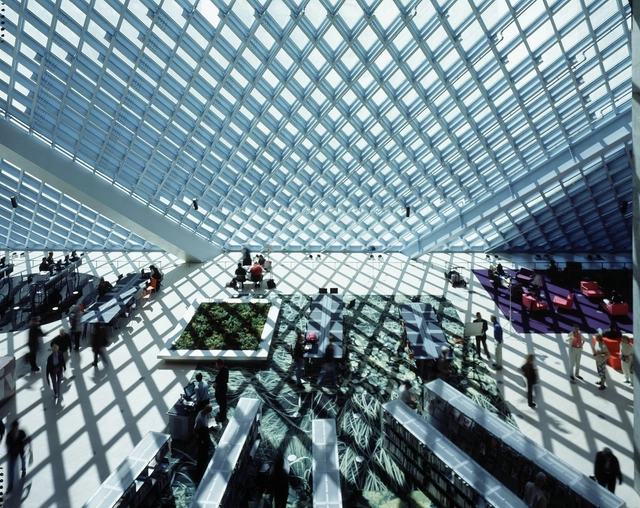
Sunlight has proven to be an excellent formgiver, with which architecture can create dynamic environments. The lighting design pioneer William M.C. Lam (1924-2012) emphasized in his book “Sunlighting as Formgiver” that the consideration of daylight is about much more than energy efficiency. Architects have now found numerous ways of implementing sunlight and the questions arises whether a coherent daylight typology could be a valuable target during the design process. However, many daylight analyses focus mainly on energy consumption.
Siobhan Rockcastle and Marilyne Andersen, though, have developed a thrilling qualitative approach at EPFL in Lausanne. Their interest was driven by the spatial and temporal diversity of daylight, introducing a matrix with 10 shades of daylight.
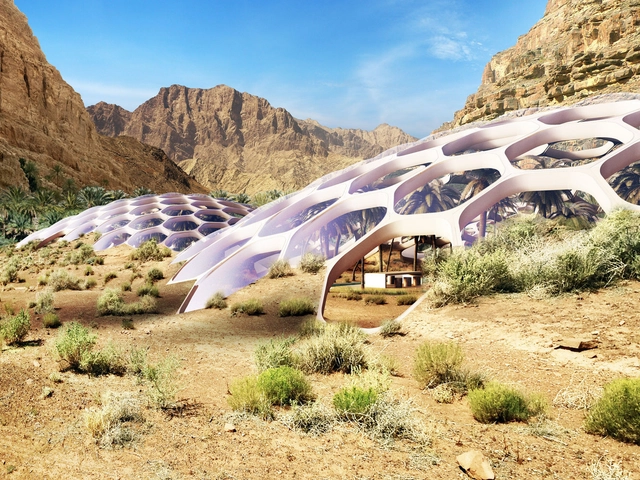
"Biodomes" in the mountains of the United Arab Emirates seek to promote ecotourism. Courtesy of Baharash Architecture
Buckminster Fuller's obsession with geodesic shapes placed them in architectural history. The spherical appearance and the complex structural framework gained different appropriations and scales over the years, one of the most iconic works being the Montreal Biosphere, the US pavilion for the 1967 World Expo, designed by him. These structures emerged from his interests in material efficiency, structural integrity and modularity. Back in the 60s, he understood these features as essential for a sustainable and easily replicable intervention
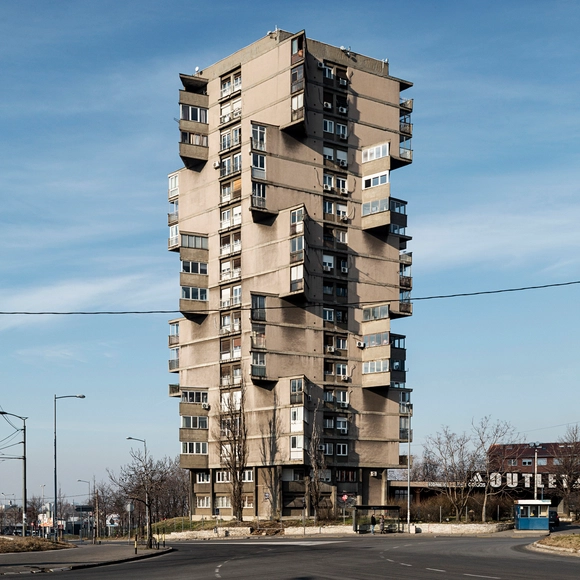
Sometimes sculptural and expressive, sometimes monolithic and monotonous, the Brutalist architectural style is equal parts diverse and divisive. From its origins as a by-product of the Modernism movement in the 1950s to today, Brutalist buildings, in architectural discourse, remain a popular point of discussion. A likely reason for this endurance is — with their raw concrete textures and dramatic shadows, brutalist buildings commonly photograph really well.
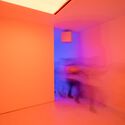
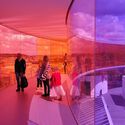
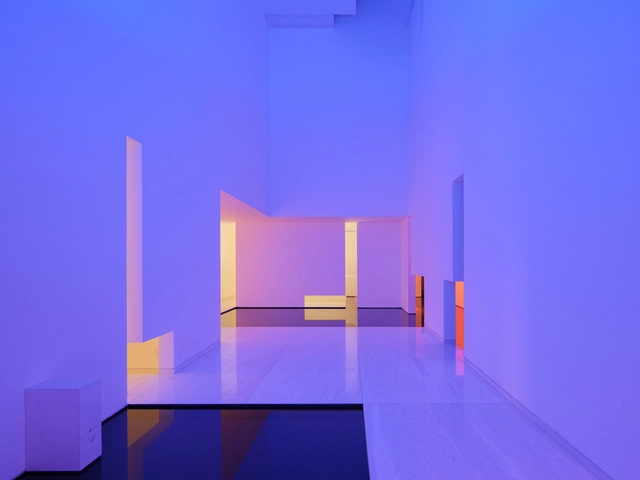
Luis Barragán’s legacy lies in the way he uses light and color. Tadao Ando's sensitive approach to natural light established his own architectural language. James Turrell's dramatic interior transformations explore a unique perception of visual experiences where "light is not a tool to enable vision but rather something to look at itself". Olafur Eliasson's immersive installations play with the psychology of viewers using just light, water, and air. These architects and designers, among others, have reimagined how light is perceived, inspiring generations of architects to follow suit with the way they understand and employ light.
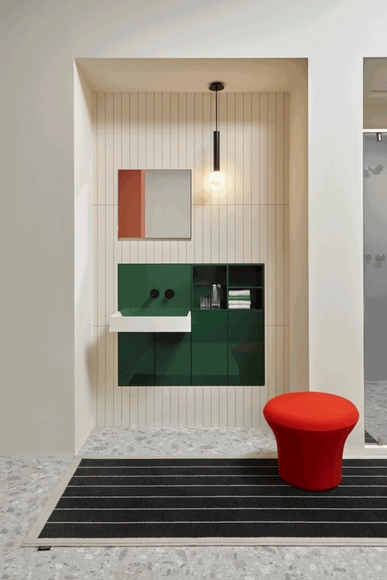
Bathroom accessories serve various functions, especially when it comes to hygiene, organization and practicality. Previously thought of as purely functional components, designed only to perform their intended use, today they are seen as compositional tools that contribute to the overall aesthetics of a bathroom. Careful consideration in the choice of pieces makes it possible to create a functional and pleasant space. As bathroom accessories have become more advanced and complex, designers have begun to explore the potential of incorporating aesthetic elements into their design, resulting in creating smarter, safer, and more beautiful accessories.
Moving away from the decorative and ornate approaches of the past, contemporary designs now seek minimalism and more simplified aesthetics –clean lines, essential elements, with a focus on geometric shapes and a well thought out color palette. This approach has been particularly successful in creating sophisticated spaces, but also in providing a sense of space and openness in smaller bathrooms, where the absence of clutter and unnecessary decoration can make the room seem more spacious.
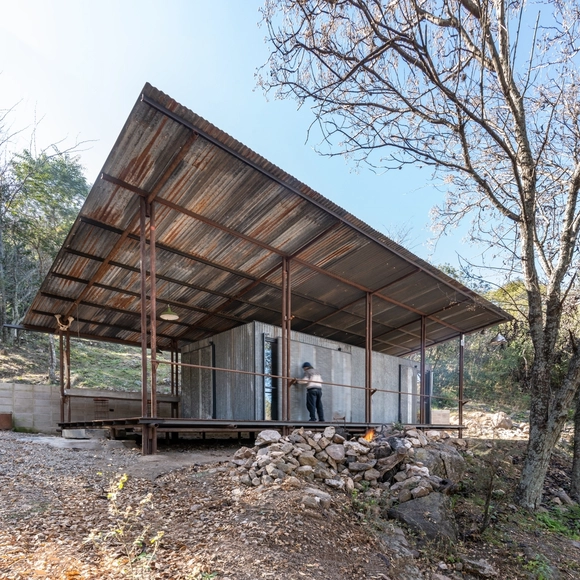
Although the circular economy involves other principles such as the regeneration of natural systems, the reuse or recycling of materials plays an important role in contributing to the reduction of waste generation by giving a second useful life to elements that could be considered waste. Wood, metal sheets, bricks, and stones, among others, can be reused, bringing sustainability and efficiency criteria to the projects, helping to consolidate this concept that still has a long way to go.
Within the Latin American territory, many architecture professionals have proposed to apply in their design and construction processes the implementation of strategies that collaborate with the use of resources, either by reusing, recycling, or restoring different materials and elements in search of satisfying the needs and concerns of those who inhabit the spaces.
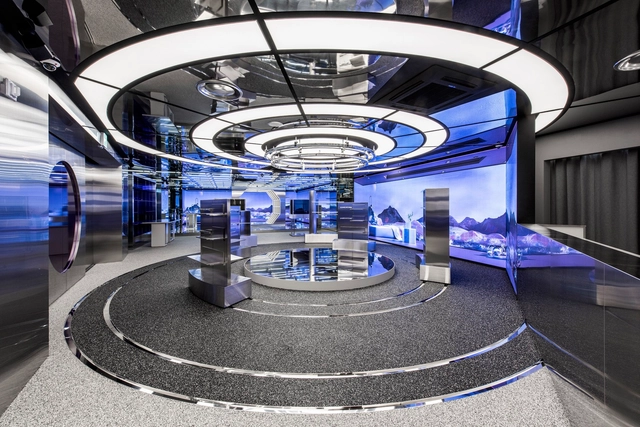
A rising number of studies suggest that well-considered lighting affects and boosts consumer behavior. Add to that the new Instagramability and promotional requirements, and the role of lighting becomes pivotal to achieving a filtered and commercially appealing visual. The latter has encouraged the implementation of new technology lighting panels and fixtures that offer a range of colors and dimmability, modifying the mood and even the overall color palette of a space. The results are some fun, sometimes almost cartoonish, settings that suggest the best backdrops and inviting venues.
Arquitectonica has refuted Koolhaas’ accusation that “Modern architecture had never achieved the promised alchemy of quantity and quality,” and Alistair Gordon’s enormous compendium of the firm’s work certainly disproves it.
But what of Rossi’s backhanded praise: “In America … quantity is quality!”? Although absolutely deserving of praise, the quantity of the work is not the basis for Arquitectonica’s achievement—even when associated with the virtuosity of design. The importance of Arquitectonica derives from certain specific contributions to modern architecture in the United States.
The simple activity of taking a walk in the evening can easily turn from a relaxing leisurely activity to a dangerous endeavor by removing just one element from the streetscape: public lighting. While not often recognized as defining aspect of urban environments, artificial illumination has played an essential role in defining the character of modern cities. Crime control, the appeal of nightlife, the rise of the shop window, revolutionary movements, utopias, and ideals of social equity are all concepts whose development is tightly linked to the history of public lighting. Technological advancements over the past centuries have continuously shaped the appearance and symbolism of streetlamps. Still, the this element has remains a constant throughout its history.
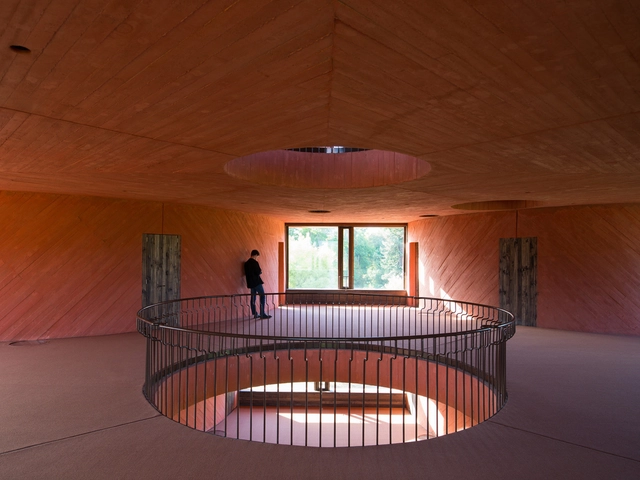
INES Centro de innovación / Pezo von Ellrichshausen. Image Cortesía de Pezo von Ellrichshausen
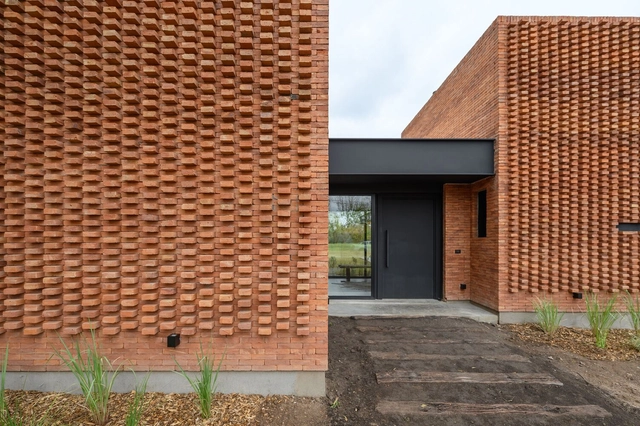
While colors can accentuate architectural designs, there is no single color that is "best". The choice depends on the style and purpose of the architecture, as well as the effect you want to create. However, colors that contrast with predominant tones can help highlight important details - and yes: red tones here can create an intense visual contrast.
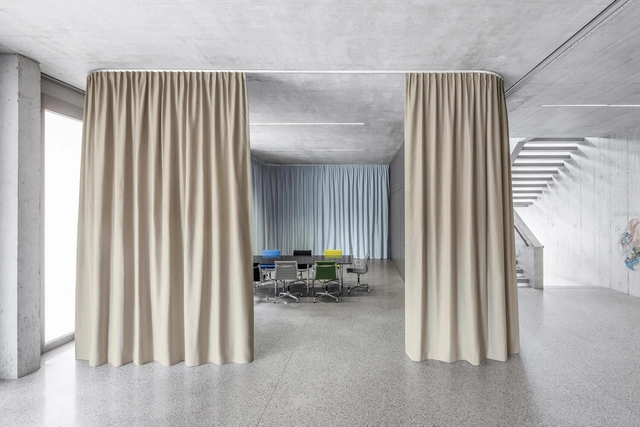
Acoustic Divider Vario / Création Baumann. Image Courtesy of Création Baumann
Beyond their features in the world of fashion, fabrics can also be an essential part of an interior design’s creative possibilities. While enhancing the aesthetic appeal of a space, these versatile materials –made from fibers or yarn that have been interlaced, knitted, or bonded together– also provide functionality to space. As part of a holistic architectural strategy, these natural and synthetic elements are essential for designing upholstery for furniture, curtains and drapes, space divisions and wall coverings. Changing the traditional notion of fabrics –known as stain collectors, bug homes and easily catching fire– the latest design innovations are exploring properties which take the use of fabrics one step further. Diving into Architonic’s fabric catalog, we take a look at different products with distinctive acoustic, fireproof and repellent properties.
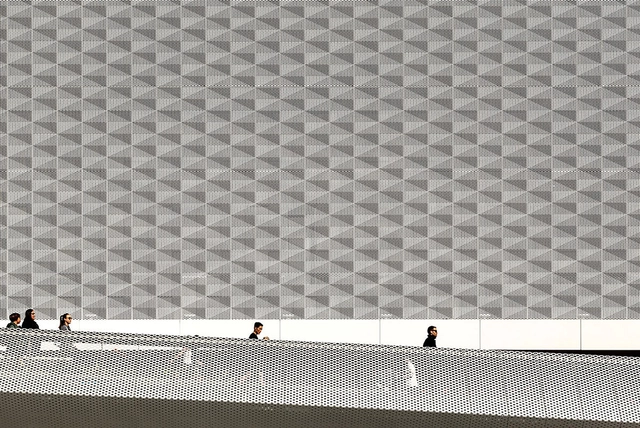
Besides providing external protection, natural ventilation, insulation and energy efficiency, the presence of façades enhances the building’s personality and character. Among the different types of façade systems, cladding strategies stand out for their variety of materials and textures –such as metal, glass, stone, wood and composite– all of which build durable, low-maintenance and visually appealing structures. Innovating with textures, forms and technologies, BŌK Modern has developed different metal panels for creating functional and aesthetic façade cladding systems. Showcasing six architectural projects, we delve into the practical and visual attributes of rainscreens and wallscreens.
Following two exciting weeks of nominations, ArchDaily’s readers have evaluated over 700 projects and selected 10 finalists for the Building of the Year Award China. Architects and enthusiasts participated in the nomination process, choosing projects that exemplify what it means to push architecture forward. These finalists are the buildings that have inspired ArchDaily readers the most, which also reveal the growing trend of Chinese architecture.
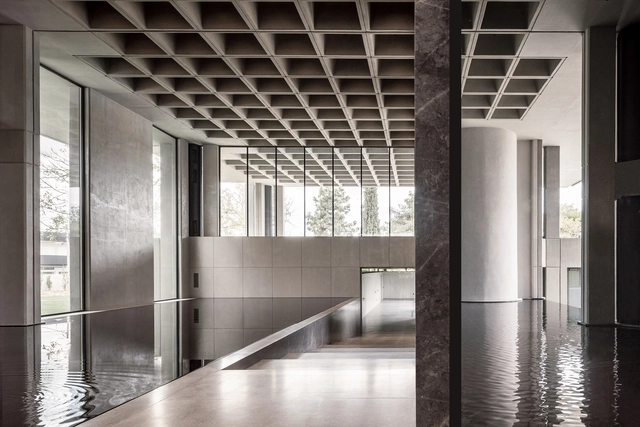
Hidden in plain sight, ceilings are often the final surface interior designers and architects think about, but the expansive plane of unobstructed plaster or concrete offers mar more creative freedom than we realize. Modern design rules demand that the ceiling is kept clean. Not with a telescopic mop attachment, but by stripping off the popcorn spray, wood-chip wallpaper, or plaster patterning that haunt my own memories of ceilings-past.
While many clients greet this contemporary need for clean lines with acquiescence, choosing smooth, skimmed plaster finishes with unobtrusive yet forgetful recessed spots, other bolder clients recognize the ceiling’s potential for the creative outlet it is.
At ArchDaily, we strive to keep our community well-informed on all aspects of architecture. Whether it's breaking news, upcoming events, competitions, built projects, or brand-new materials, our readers receive a selection of curated newsletters tailored to their preferences.
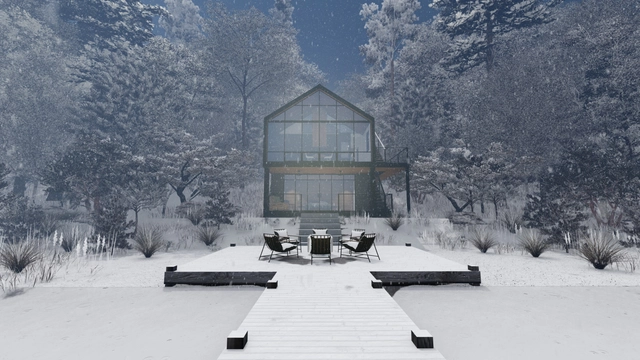
Lake House, Hudson Valley, New York. Image Courtesy of RS Mannino
This week’s curated selection of Best Unbuilt Architecture highlights visionary villas submitted by the ArchDaily community. From a modern lake house weekend retreat in New York, a Mediterranean Villa in Portugal that blends outdoor and indoor, and a rammed earth residential complex of five villas that fold into the Balinese landscape, this round-up of unbuilt projects showcases how architects are moving forward from conventional residential architecture, pushing the boundary of luxury.
Each project has a different vision, generated by unique site conditions, and has been designed specifically for the future users of the villa. Moreover, firms like Bittoni Architects, Lipman Architects, RS Mannino Architects have all presented work that plays with materiality, giving the houses unique characteristics.
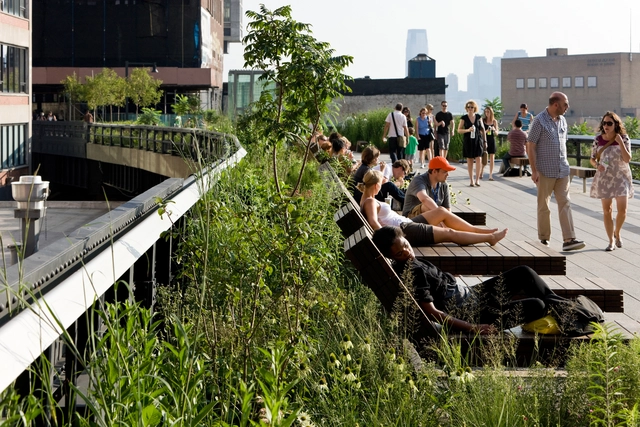
“How do we ensure new parks don’t cause ‘green gentrification,’ which can lead to the exclusion and displacement of underserved communities? How can we ensure we don’t displace the communities that new parks are meant to serve?,” asked Dede Petri, CEO of the Olmsted Network (formerly the National Association of Olmsted Parks), during an Olmsted 200 event.
New parks are meant to be accessible to everyone, but in many urban areas, developer-driven parks mostly attract wealthier Americans. Cities benefit from increased development adjacent to these new parks, bringing in higher tax revenues, but that raises questions about whether these spaces can, in effect, lead to community displacement.
https://www.archdaily.com/997686/new-strategies-for-preventing-green-gentrificationJared Green
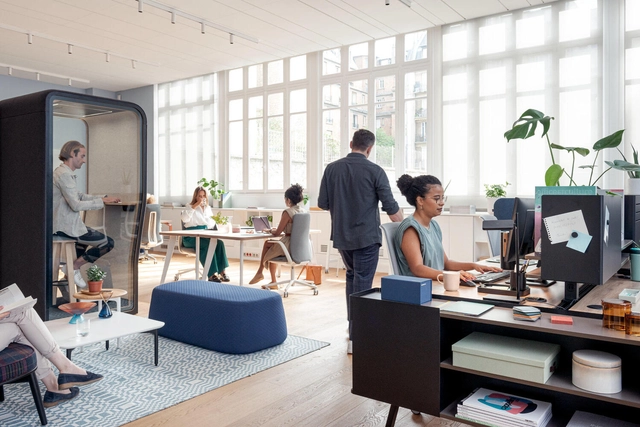
People’s tolerance for sound in the workplace is different at different times. Curating acoustics requires a hybrid approach, combining areas for focused work and comfortable conditions for meeting. Image Courtesy of Haworth
Is it the award-worthy barista skills at the third-floor coffee bar that make your days in the office bearable? Or is it being able to ring-fence a desk and height-adjusted chair and call them your own while the rest of the world hot desks? Perhaps it is knowing that the warming of your hands and toes is at someone else’s expense or that in this space you are you and not mum, dad, daughter, or husband. Or you might put it simply down to the camaraderie of the team and the common sense of purpose. One thing that is not in question, however, is that since the recent shake-up of our working practices, it matters now more than ever that productivity and wellbeing are in balance in the office, and contentment and comfort are key to both.
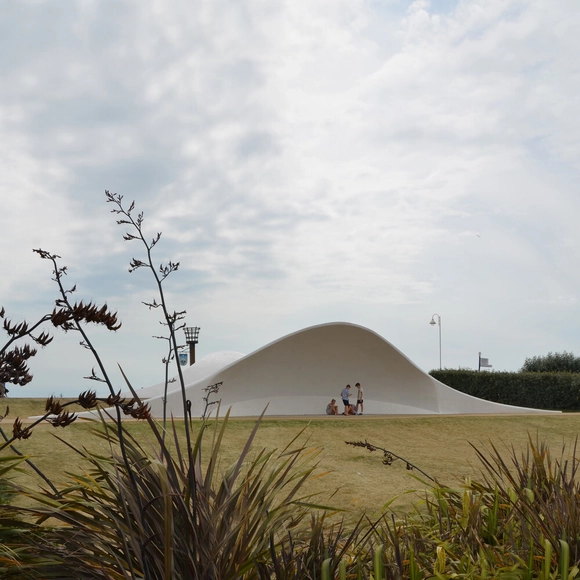
Acoustic Shells / Flanagan Lawrence. Image Courtesy of Flanagan Lawrence
Have you ever considered the sounds of cars and buses whizzing down the road as you walk downtown? Or the feeling you get when heading toward the theater? Each scenario has a certain something that appeals to big-city living. Streams of music wafting from the window, people having conversations, horns honking, and people running to their next destination are pieces of a city no one can deny — they make up the foundation of urban living.
Although big-city living offers many excellent benefits, there are times when peace and quiet can be a welcome respite to everything going on. Sometimes, people want to get away and bond with nature without driving for miles.
The process of materializing architectural ideas involves taking into account various construction and economic factors, among others, which in one way or another will have an impact on the quality of life of its future inhabitants or users. Achieving the highest thermal comfort in interior spaces and achieving the lowest possible environmental impact are just some of the objectives that architecture professionals set for themselves when designing and defining the materials that will accompany their projects.
The most important rule for a kitchen backsplash to stand by is right there in the name. An imperative part of kitchen design, backsplashes are there to guard walls and unreachable undercabinet space from problematic stains, splashes, and spills. They also, however, represent a useful creative outlet for kitchen designers and interior architects.
By adding outlandishly striking slivers of color, pattern, and texture, kitchen backsplashes can cut a strong, confident line straight through the monotony of the kitchen’s color palette.
Here are some of the different materials and design techniques that help backsplashes keep kitchens both clean and creative.
We’re all familiar with the plot of a movie that occurs in a city still standing in a post-apocalyptic era. The streets are empty, except for a few survivors who wander aimlessly, searching for signs of life. Buildings begin to crumble and rust away after years of neglect, public transportation sits idle, and overgrown weeds spring from the cracks in the unmanaged sidewalks and streets. The scene feels eerie because we can’t imagine letting our physical environment sit in decay. It seems impossible that our built environments where we live and work each day suddenly fall silent. It’s a city without a pulse.
When transparent facade elements deliberately evolve from the course of the sun, we can explore a fascinating slow movement in stark contrast to the hectic urban street life on the ground. Especially the French designer Pierre Brault has responded to the accelerated rhythm of our society with facade installations that combine the principle of the sundial with colorful pop design. His three-dimensional works made of recycled colored plexiglass mesmerize through simple but dramatic movements of colored shadows. In the interview, Brault explains his inspiration, the experimental approach and his interest in working responsibly with material.