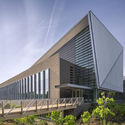
Greater Accra Regional Hospital Accra Ghana, photo by Mark Herboth. Image Courtesy of Perkins&Will
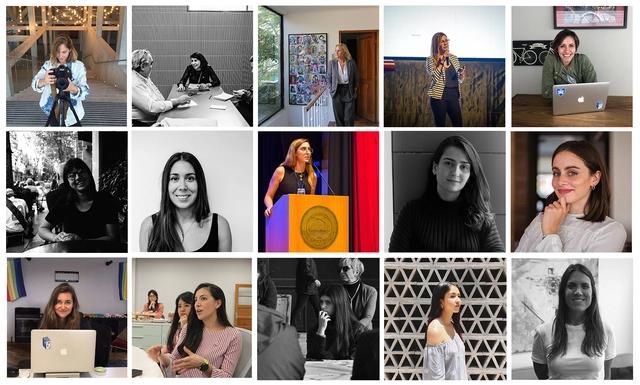
For the architects and designers at Perkins&Will, the profession is full of women who deserve to be celebrated. While gender inequity in architecture remains a serious problem, in March 2019 the firm set out to shift the narrative. For the last three years over the course of Women’s History Month, they have highlighted the amazing designers, researchers, managers and professionals who are building a move inclusive world.
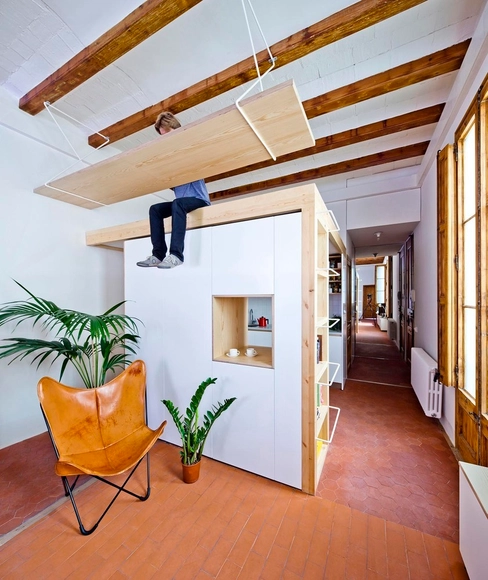
The height of the ceiling of a space heavily influences our perception of it. Generally, local building codes regulate the minimum dimensions for ceiling height, which are calculated to ensure adequate quality of life in the environment. But the exact height of the ceilings is often defined by the dimensions of other materials that make up the building, the height of the constitutive slabs, or even by rounding the dimensions of the stair steps. It is common, with the densification of cities aimed at increasing profitability, for entrepreneurs to design with minimum ceiling heights in houses and offices, reducing construction costs. On the other hand, in older structures, more generous ceilings can be observed, which generally enable a greater degree of design freedom. But how can architects make the most of these spaces?
2020 Edition Winner: Steampunk Installation by SoomeenHahm Design Ltd. Igor Pantic Fologram. Image Courtesy of German Design Council
Today marks the start of the registration phase for the international ICONIC AWARDS 2021: Innovative Architecture. The awards recognise the best achievements in architecture, innovative interior and product design, as well as outstanding communication concepts and singularly innovative materials. The winners will be honoured at the awards ceremony on 11 October 2021 at the Pinakothek der Moderne, Munich, where they will have ample opportunity to network with other players on both the national and international scene.
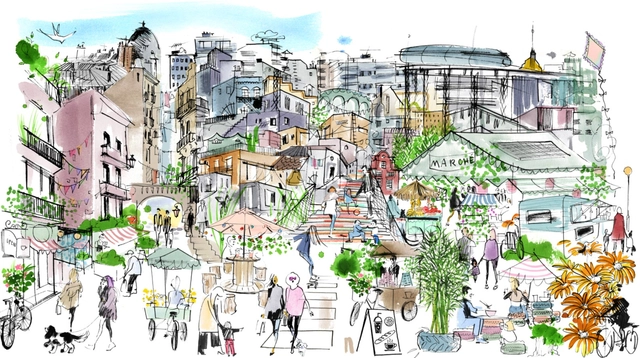
HerCity is a platform that involves women in urban development, in order to make better cities for everyone. Turning the tables and putting girls in the expert position, the digital toolbox aims to create more inclusive, equal, and sustainable cities and communities. The initiative makes methods and tools available to urban actors globally, in order to support cities in integrating girls’ participation in their long-term strategies.
Launched on Women’s day 2021, the guide for urban planning and design is a collaborative effort between UN-Habitat and Global Utmaning, the Swedish independent think tank. ArchDaily had the chance to talk with the team behind this digital toolbox, discussing the narratives, the process, and inclusive planning on a worldwide level.
The climate crisis has revealed the poor planning of our cities and the spaces we inhabit. Both construction and projects contribute to high carbon gas emissions. Fortunately, there are several ways to intervene to bring change into this scenario, either through materials and techniques adopted in each initiative or through geographical and social impact. In this scenario, the only certainty is that: to think about the future we cannot ignore the "green" in all its recent meanings from nature to sustainability, and ecology.
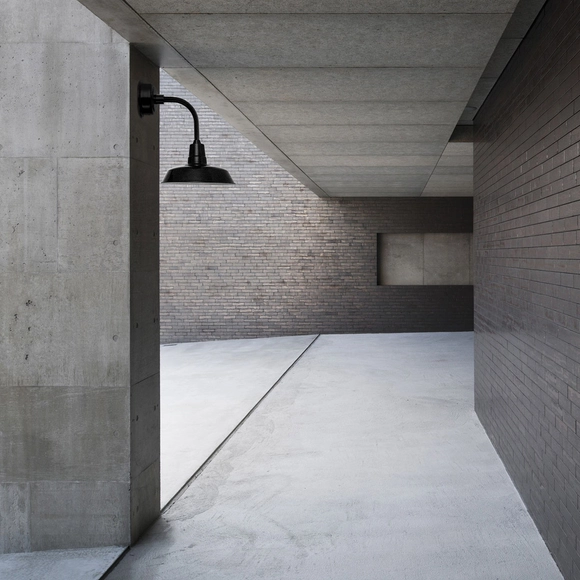
Because of their aesthetic forms, robust materials, and the nostalgic memories to which they refer, old objects often please many people and, from time to time, end up returning to fashion. In the construction industry this is no different. One object that has remained popular forever is the shed light, more specifically the Gooseneck Lamp. Its combination of a traditional look with newer technologies creates an extremely attractive product.
Many architects and designers have highlighted the importance of taking into account all five senses during the design process, in order to create a successful user experience. Fortunately, many strategies have been implemented to facilitate the experience of those who are physically impaired, however, little is being done to aid those who feel helpless and restricted due to mental illnesses and traumatic experiences.
Healing from these experiences is a journey that requires a lot of effort from both the individual and everything and everyone around him/her. Oftentimes, victims of trauma are advised to spend more time in the outdoors, embracing the restorative qualities of nature. But what about interiors? Since people are now spending almost 90% of their time indoors, it is only natural that these spaces contribute to the healing process as well. And while these spaces can look beautiful with an abundance of natural light and neutral color palettes, are they truly beneficial to their mental health?
The comprehensive new GEBERIT ONE system means you no longer have to compromise when it comes to bathroom design and bathroom function. How so? Watch the video to find out...
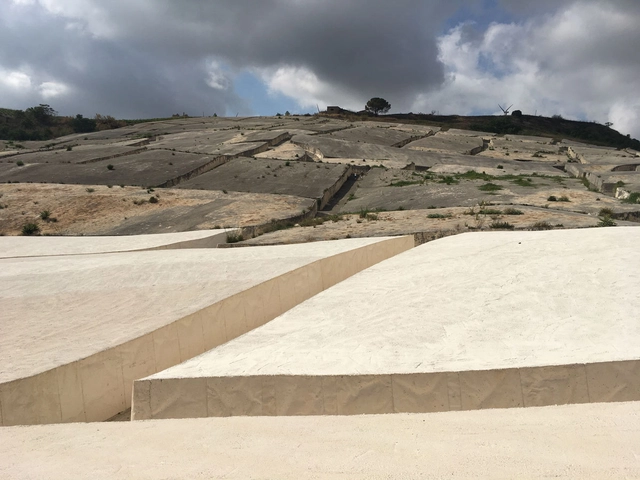
In 1968, the small town of Gibellina in Sicily was flattened by the colossal Belice earthquake, a magnitude 5.5 quake that killed hundreds and left 100,000 homeless. Planners were unable to rebuild Gibellina at its original site, so the new city—Gibellina Nuova—was constructed 11 kilometers (7 miles) away instead. In anticipation of the design and construction of Gibellina Nuova, and in the wake of the Belice earthquake tragedy, the mayor of Gibellina called on several artists to submit proposals for projects to decorate the new city. One of the artists was the prolific “polymaterialist” Italian painter and sculptor Alberto Burri (1915-1995).
https://www.archdaily.com/958178/the-psycho-geography-of-the-cretto-di-burriLilly Cao
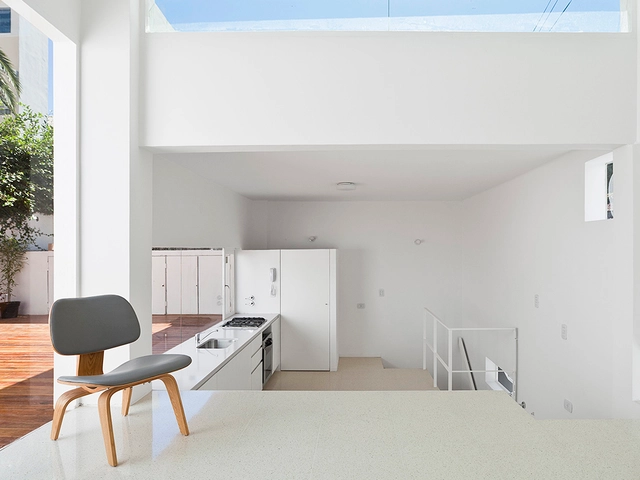
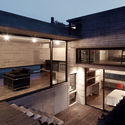
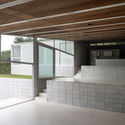
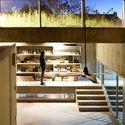
In architecture, split-level houses are typically in response to a plot's uneven or sloping topography. In the case of the houses featured here, their split level interiors are a matter of function, allowing spaces to be virtually separated by dividing them between raised and semi-subterranean floor layouts. For example, adjoining two spaces with a 50cm step up or drop off allows for separation without the use of walls or other physical barriers.
Nestled at the base of Vail Mountain, along the banks of Gore Creek, Grand Hyatt Vail is located in the heart of Vail Valley within the Cascade Village neighborhood. The hotel features bold, vibrant architecture inspired by its scenic locale, as well as welcoming service with exclusive amenities ideal for both leisure travelers and conference attendees alike. When they were due for repairs to their current water heating system, Grand Hyatt Vail knew they needed a solution that could be implemented quickly, plus handle the hotel’s demand for years to come. Grand Hyatt Vail turned to Intellihot for tankless water heating reliability, cost savings, and cutting OPEX, and ended up saving on both upfront and installation costs.
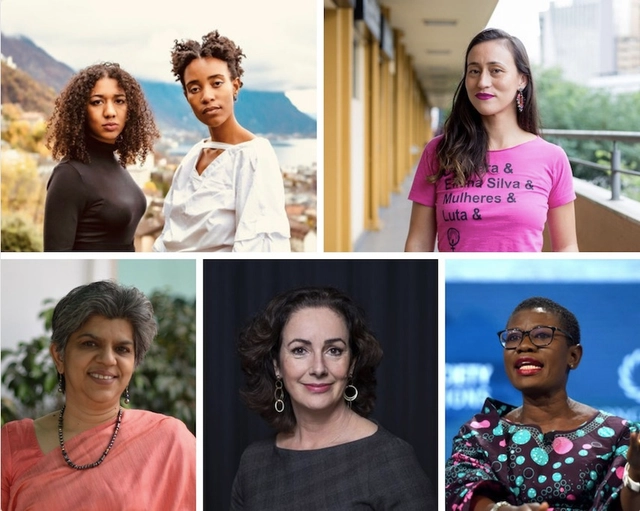
Every March 8 at a global level, the struggle for equal rights and universal suffrage is commemorated as part of a date set by the UN in 1975. This commemoration brings together the efforts of women who demanded their right to vote, to work, to vocational training, to hold public office and to combat labor discrimination. This fight is the result of the work of women who sacrificed for the cause. Various events that we experience every day show that the social situation has changed. However, it is essential that both men and women, commit to progress and justice to make things happen.
https://www.archdaily.com/935252/women-of-archdaily-talk-about-the-future-of-architectureArchDaily Team
Another year and another International Women’s Day. Although recently, the gender debate has taken considerable attention, the battle for equality is far from over. Even in the 21st century, architecture can still be a challenging profession for women. Progress is happening though, and in 2020, Yvonne Farrell and Shelley McNamara became the 4th and 5th women to receive the Pritzker prize, ever since its inception in 1979.
Not limiting our coverage to the 8th of March, ArchDaily recognizes every day the female force that is shaping the built environment around the world. In fact, Women in Architecture is one of the main pillars of our content strategy. This year, for International Women’s Day, ArchDaily has decided to feature a week of curated content, with exclusive interviews and thought-provoking editorials. Join us as we highlight women that deserve a seat at the table, and share tools to achieve an inclusive world.
The construction industry is traditionally one of the most resource-intensive sectors, but with rigorous planning and digital tools, the construction process can instead make an active contribution to environmental protection. Energy, resources, and materials can be intentionally saved during the construction process to widen the conversation from simply sustainable buildings as an end product, but sustainable construction as a process. Digital solutions can play a decisive role, yet the industry has so far made too little use of the numerous possibilities that are available. Below, the experts from the Nemetschek Group present some of the opportunities they provide.
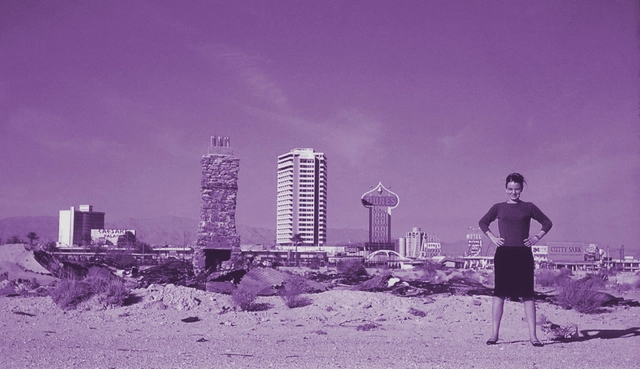
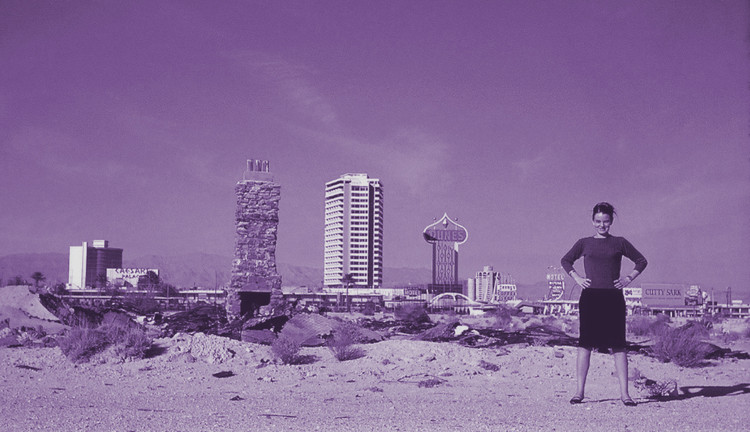
In theory and practice, in the modern era, the idea of spatial separation between home and work was related to the traditional sexual division of men and women, and of their role in life. Going back to the earliest feminist thinking in architecture, in western industrialized communities, we are elaborating in this article on women’s changing role in the 20th century and its impact on the space we experience today.
Liminal spaces are everywhere, both literally, and as a popular topic of intrigue on Reddit and other image-sharing platforms. Posting photographs of empty dilapidated spaces followed by collective reminiscing of childhood experiences is proving to be a popular activity these days. At one time or another, the spaces depicted in these eerie photos seemed like a good idea, a useful solution to the problem of providing shelter for crowds in the act of movement or commerce. Architecture had specific terms for these spaces too and defined them through theories that explained their role in our culture. In this video, architectural professor Stewart Hicks presents how architects think about liminal spaces, what goes into them, why they exist, and why some architects and artists still work to produce their effect.
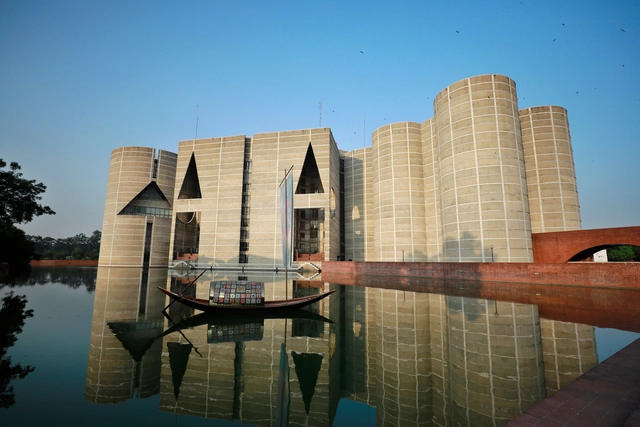
Nathaniel Kahn’s 2003 documentary, My Architect, was at its beating heart a son’s search for his father. The film, which was nominated for an Academy Award and will be re-released later this year, explored the complicated domestic life of Louis Kahn: three children, by three different partners, all of whom were kept largely in the dark about the existence of each other. But the film was as much about the work of Louis Kahn as it was about his personal life. And, as a result, it ignited a renewed interest in his buildings, both in the mainstream culture and across architectural academia.
Chicago, United States. Created by @overview. Source imagery: @nearmap
Because of the decrease in the availability of land area and the ever-increasing price per square meter, cities often tend to grow vertically. When we picture large metropolitan areas, we almost always imagine high-rise buildings, and the recognizable skyline becomes an icon that immediately evokes the places in which they are located.
The College of Environmental Design (CED) at the University of California, Berkeley is offering a slate of introductory and advanced virtual programs for those interested in the fields of architecture, landscape architecture, environmental planning, urban design and sustainable city planning.
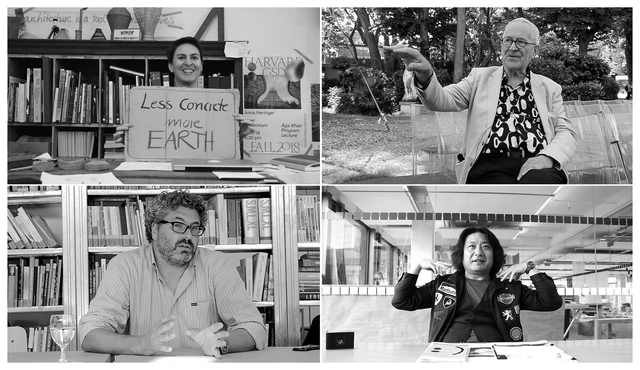
Simple in form but complex in substance, “What is Architecture?” remains an existential question for a lot of architecture students and young professionals. In an attempt to define this ever-changing interrogation and expose the different visions out there, the interview series: WIA – What is architecture? asks four, straightforward, questions to world-leading architectural designers and thinkers. Seeking to uncover their opinion on what architecture is and what it can do, these short videos reveal responses to “What is architecture? What can architecture do? What is your architectural position? and What is your design method?”.
ArchDaily has collaborated with WIA to release every week, 4 of these conversations, and to invite you to take on the challenge and answer these questions. This first feature, shares insights into the thoughts and personality of Peter Cook, Anna Heringer, Moon Hoon, and Greg Lynn.
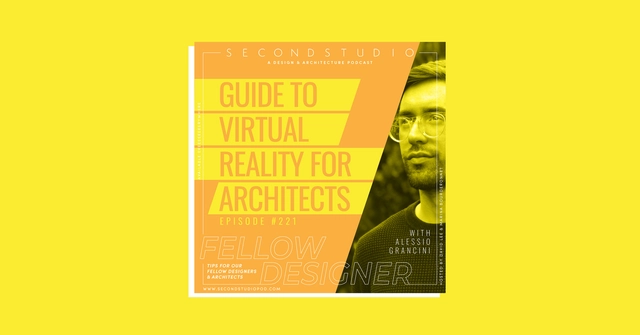
The Second Studio (formerly The Midnight Charette) is an explicit podcast about design, architecture, and the everyday. Hosted by Architects David Lee and Marina Bourderonnet, it features different creative professionals in unscripted conversations that allow for thoughtful takes and personal discussions.
A variety of subjects are covered with honesty and humor: some episodes are interviews, while others are tips for fellow designers, reviews of buildings and other projects, or casual explorations of everyday life and design. The Second Studio is also available on iTunes, Spotify, and YouTube.
This week David and Marina are joined by Alessio Grancini, Prototype Engineer at Magic Leap and former Head of XR at Morphosis to discuss how VR can be used in architecture offices. The three cover basic terminology, software, workflows, costs, learning curves, using VR in the design process and for client presentations, the pros and cons of different headsets, controls, different types of rendering, the social implications of VR, and how he transitioned from architecture to the technology space. Enjoy!
https://www.archdaily.com/957761/alessio-grancini-on-how-vr-can-be-used-in-architecture-officesThe Second Studio Podcast
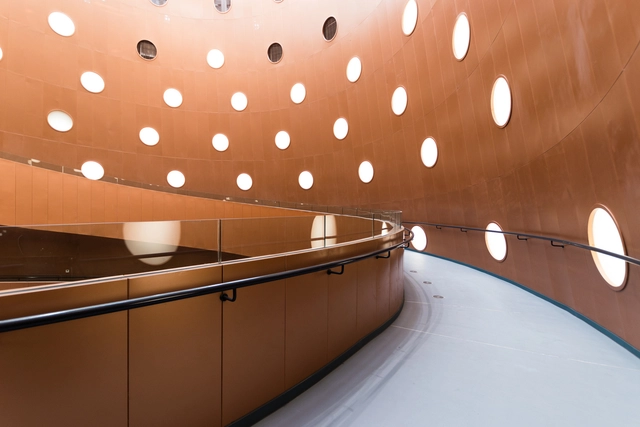
There are two main reasons why boat windows are round. They are easier to seal and, above all, more resistant to the high pressure that water exerts on them. This is because living corners are places where tensions are naturally concentrated, weakening the structure as a whole. This is also why aircraft windows are small and round; high pressures are better distributed in curved shapes, reducing the likelihood of cracks or breaks.
In architecture, circular openings are quite old. The Oculus, a type of circular window, has been a feature of classical architecture since the 16th century. Also known by the French expression oeil de boeuf (bull's eye), circular or semi-circular openings are formed from the construction of masonry arches, which allow for the creation of openings only by locking the constitutive pieces. Over time and following the incorporation of new technologies and development of construction knowledge, creating rectangular openings in buildings has become easier, more efficient, and cheaper than creating round ones. However, these circular windows still continue to figure in a multitude of projects.
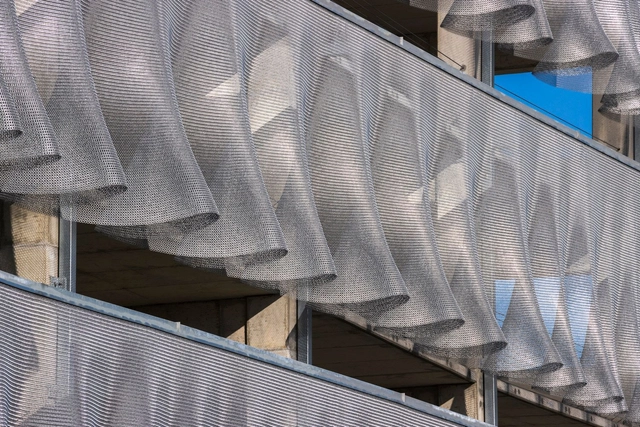
Parking garages present an aesthetic challenge to even the most creative design minds. Their vast scale and monotonous appearance are necessitated by function, but result in the difficulty of making the garages visually interesting instead of simply overbearing. Cladding a parking garage in a unique material can add visual interest and texture to achieve a more human connection. However, this in turn creates concerns about still bringing light and air into the garage.


_1.jpg?1615434124&format=webp&width=640&height=580)

_1.jpg?1615434124)



.jpg?1615322008&format=webp&width=640&height=580)
.jpg?1614899251 "Courtesy of Charlie Hui, Viswerk. 2020.")
.jpg?1614898654 "© Juju Berzô")




.jpg?1614803567&format=webp&width=640&height=580)