More than 55% of the world’s population lives in cities, with that number only expected to increase in the coming decades. Despite the rising population in urban areas, local governments continue to raise flags about inadequate infrastructure and the declining quality of life that cities are facing. Perhaps the large scale problems that we typically categorize as urban innovation, inclusion, and infrastructure, can be solved if we get to the root of the smaller troubles, that we may not even know existed. It’s time to take urban issues off the back burner and improve cities not just for today, but for the long term future.
Some celebrate the failures of "Make It Right", Brad Pitt’s patronage in New Orleans. After Hurricane Katrina wrecked New Orleans in 2005, celebrated architects like Frank Gehry, David Adjaye and Thom Mayne created art for a foundation set up by Pitt. A local architect, John C. Williams was hired to turn designs from those starchitects into buildings with a directive to use the best sustainable materials available.
The area surrounding a river, lake, lagoon or sea coast acts as a transition zone between water and land. Therefore, turning the water banks into dynamic and appealing public spaces helps to establish a certain balance between the stiffness of the built environment and the fluidity of water.
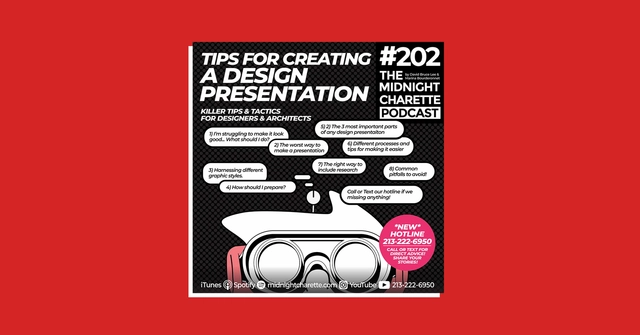
The Midnight Charette is an explicit podcast about design, architecture, and the everyday. Hosted by architectural designers David Lee and Marina Bourderonnet, it features a variety of creative professionals in unscripted conversations that allow for thoughtful takes and personal discussions. A wide array of subjects are covered with honesty and humor: some episodes provide useful tips for designers, while others are project reviews, interviews, or explorations of everyday life and design. The Midnight Charette is also available on iTunes, Spotify, and YouTube.
This week David and Marina discuss tips and tactics for creating a design presentation. The two cover the different scenarios to prepare for, the three most important components of any design presentation, how to include research and data, balancing beauty and clarity, tips if you’re struggling to make a presentation look good, presentation process strategies, and traps to avoid, and more. Enjoy!
https://www.archdaily.com/950526/the-midnight-charette-on-how-to-create-an-architecture-presentationThe Second Studio Podcast
Remnants of the Socialist era, the large-scale architecture and urban spaces of the Eastern European Bloc still constitute a challenging legacy, at odds with contemporary urban environments and the values shaping cities today. This ideologically charged architecture is being reclaimed either through the reconciliation of the public opinion with this part of history, adaptive re-use, renovation, or through its re-contextualization as architectural heritage. By (re)introducing the human scale within these monumental architecture projects and public spaces, these entities are being restored to the urban and cultural life of cities.
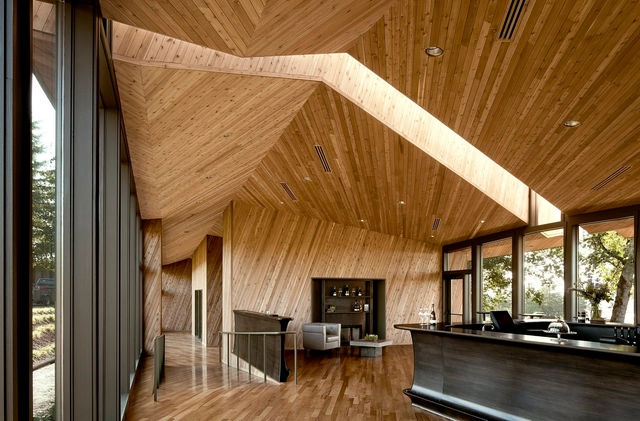
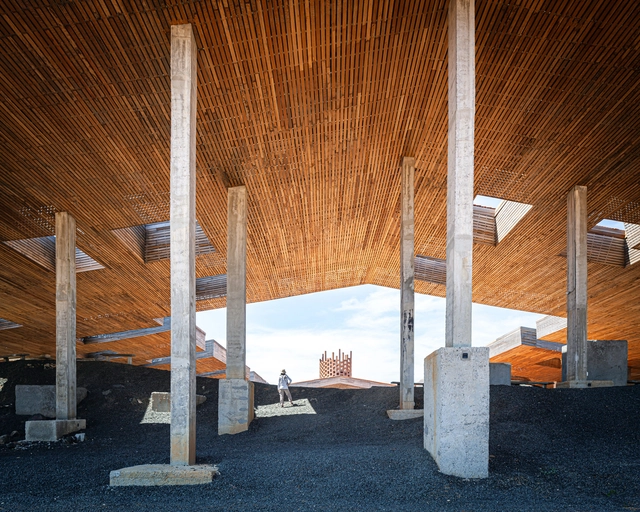
Considered one of the noblest building materials - and also a favorite of many global architects - wood delivers aesthetic, structural, and practical value in the most versatile of ways. Through different techniques, such as crafted or prefabricated wood, wooden construction remains relevant not only in the history but also in the forefront of architecture and design (thanks to new technologies that have expanded its possibilities).
From temporary pavilions to single-family homes and multi-story, large-scale institutions, wood has shown its value at the same level as many other structural materials such as steel, brick, or even concrete. This is especially prominent in the United States, where renowned architects are using new techniques to advance the solutions that this material can provide. Also, new regulations are allowing architects to further explore the diversity and possibilities of building with wood.
With the help of ThinkWood, we’ve gathered 100 examples of the best wood structures in the United States.
Going beyond human scale is not a novelty. For centuries, builders, engineers, and architects have been creating monumental edifices to mark spirituality or political power. Larger than life palaces, governmental buildings, or temples have always attracted people’s admiration and reverence, nourishing the still not fully comprehensible obsession with large scale builds.
Nowadays, some of the largest and most impressive structures relate less to religious or governmental functions and seem to be turning towards more cultural programs. Most importantly though, today’s grandiose works are generally and openly imitative of Nature.
Over the past week, I’ve seen at least two largemainstream press articles on climate migration, and as more people seem to be tossing around their next move locale—something between North Dakota and anywhere else with the word “north” it. Often, in a simplified, single-issue flattening of the full-range of shifts happening around us.
Hygiene is one of the most important aspects of any bathroom – and Duravit has led the way with innovations such as touch-free controls and rimless toilets. Its new HygieneGlaze coating is just the latest game-changer.
Halloween is a holiday that centers on space and ritual. Most likely originating from Celtic harvest festivals, Halloween is tied to processions like trick-or-treating, as well as history and spatial stories. The holiday celebrates imagined settings, characters, and events. In similar celebrations like Mexico's Día de Muertos, people gather in unlikely places; cemeteries and graveyards become the backdrops to picnics and celebrations. There, families offer flowers and food to deceased relatives as they celebrate history and the lives of loved ones.
The Avions Voisin C7 was manufactured between 1924 and 1928 and featured a groundbreaking design for the time. The extensive use of glass, aluminum bodywork, and sharp angles hinted at the shapes of an aircraft. This was the car that Le Corbusier liked to park in front of his buildings - the architect considered this car to be the ultimate translation of modern age and technology combined into a single object. He was convinced that architecture had much to learn from this machine.
With 3 gears and a 30-horsepower engine, it is hard to imagine anyone using this car today since the automobile industry has experienced countless innovations since that time. Corbusier's architecture, however, doesn't seem so outdated, but the cars pictured alongside the brand new buildings are actually what reveals how old the photograph is. Locating elements that can point out the time period of a photograph is very effective, especially in architecture. Some elements can make this task much easier, for example, household appliances, computer monitors, or other particular details.
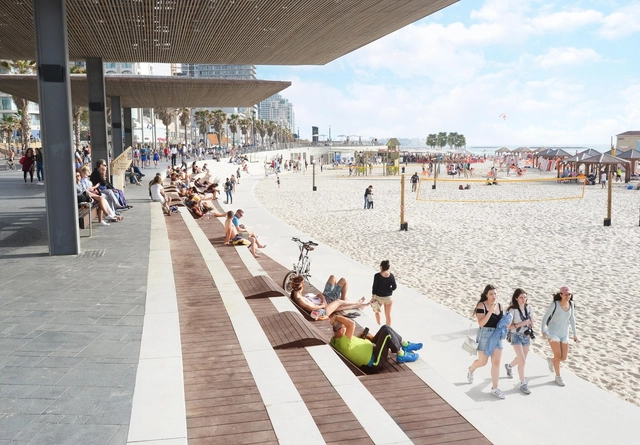
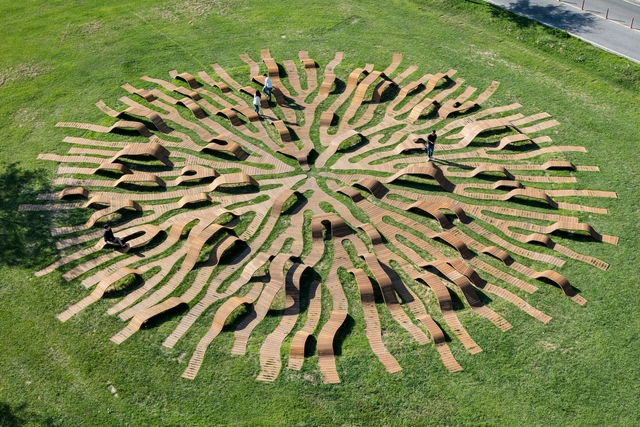
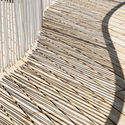
Wooden floors are know for their warm appearance, rich texture, and natural tones that vary according to the origin of the planks, changing with the weather and the passage of time. Outdoors, wooden surfaces are widely used for terraces and living areas, taking advantage of these inviting qualities to bring people together on warm and welcoming floors. Built with modular pieces, wooden decks can easily form artificial topographies, shaping creative and effective public spaces for rest, sports, games, and collective gathering.
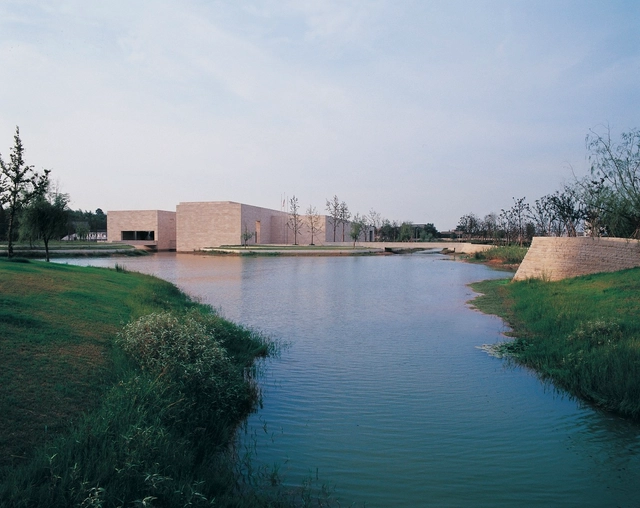
Liangzhu Museum 2008 /David Chipperfield Architects. Image Courtesy of Vanke
Urban development in China has been a contentious issue, represented by megacities and endless gated communities, remnants of the country’s large communal working and living units, the ‘danwei’. However, in recent years, the paradigm has been shifted largely by developers for more innovative living concepts, the practice of designing inclusive communities anchored by public and cultural buildings serving the wider community. One of the earliest experiments, Liangzhu New Town by Vanke is now a benchmark for creating diverse community.
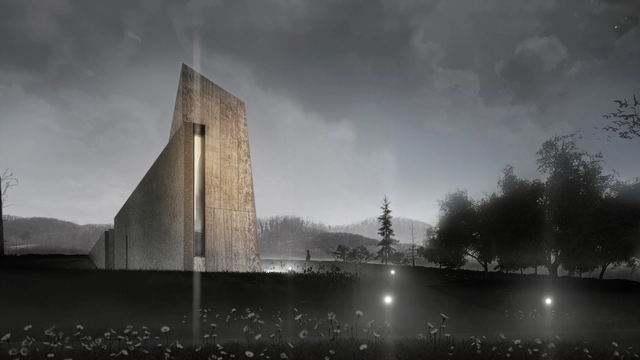
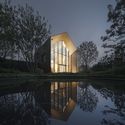
Zovik Chapel and Cemetery. Image Courtesy of Nenad Fabijanić
10 projects, 10 functions. Featuring a multitude of different programs, this week's curated selection of Best Unbuilt Architecture highlights diverse and innovative conceptual approaches. Submitted by our readers, this variety of proposals includes sports, religious, cultural, educational, and social purposes.
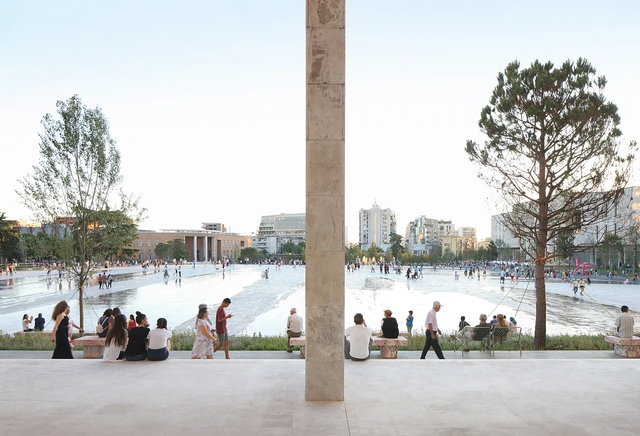
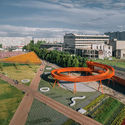
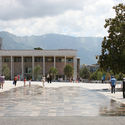
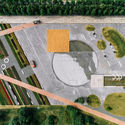
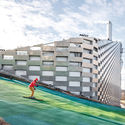
Compiling projects from all over the world, this article puts together a Buddhist temple in Bangkok, Thailand, a ring-shaped experience center and eco-tourism catalyst for Latvia, a cemetery in Bosnia and Herzegovina, and the biggest extreme sports park in Russia. Moreover, unconventional office spaces are underlined with an innovation start-up center in Vietnam, headquarters in Shenzhen, and Tirana's new municipality building.
Who said three’s a crowd? With the new Livre armchair, Manto dining table and Bonfire table lamp, Italian furniture specialists Gallotti&Radice have added a trio of designs to their range that are all big on personality.
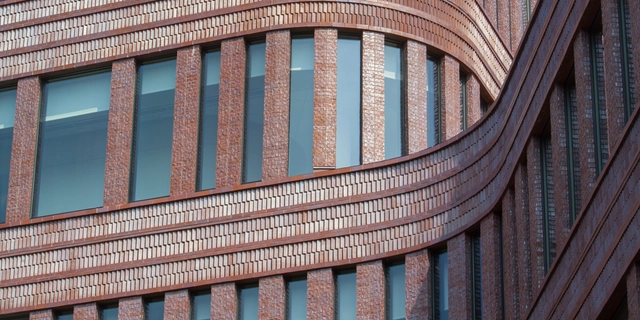
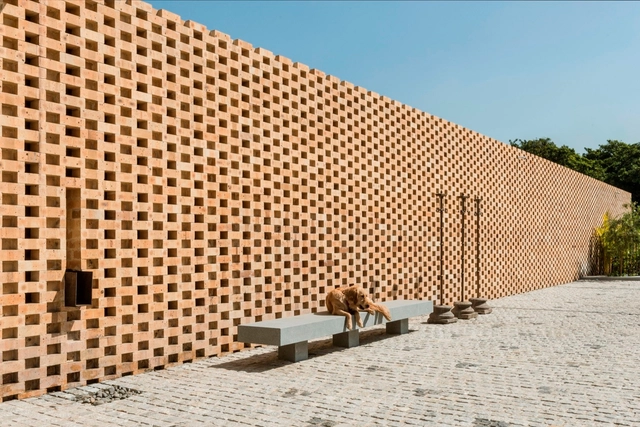
You probably see brick on a daily basis, whether it’s structuring a building, paving the road, or perhaps serving as a fireplace or chimney. But do all these applications use the same type of brick? How are the bricks supporting or being supported? What are these bricks actually made of? Brick’s versatility and ubiquitous nature mean there’s more than one answer to these questions. Even among brick’s most common applications as a building facade and/or structural wall material, there are a variety of types and construction methods employed.
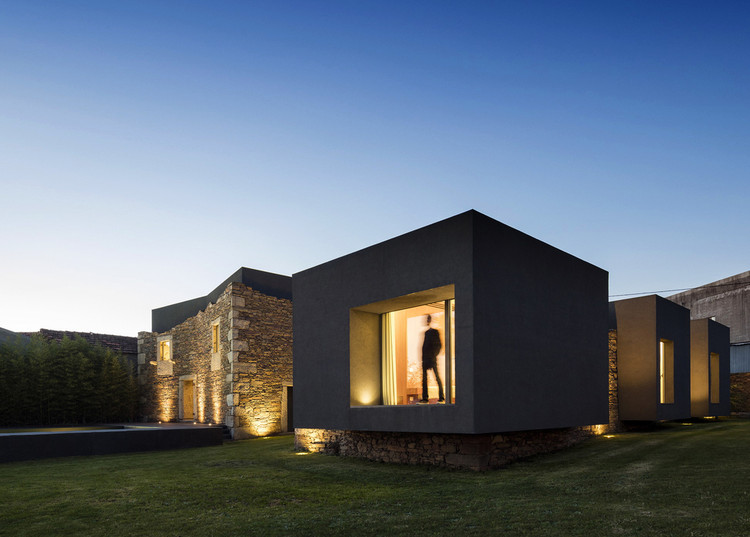
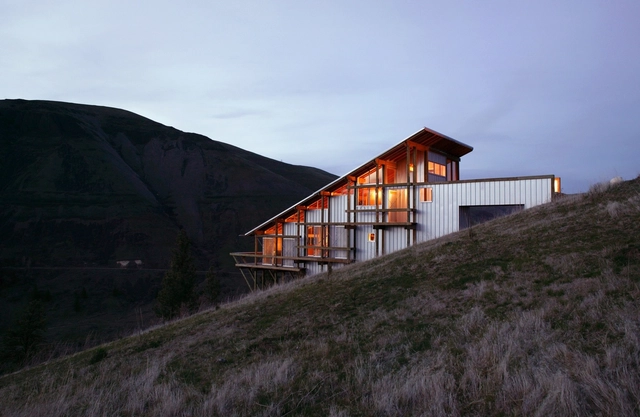
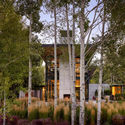
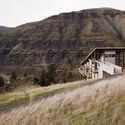
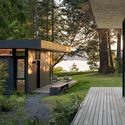
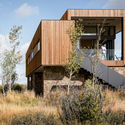
Idaho's nickname is "The Gem State" for its abundance of natural resources and scenic areas, from steep canyons and valleys to snow-capped mountains. It's no surprise that the state's architecture draws from this context, especially for remote housing projects. Reinterpreting building methods, materials, and spatial relationships, architects have designed a series of incredible homes across Idaho that are redefining how to live in nature.
Ranging from yellow, to gray, to traditional red and orange, bricks are ubiquitous in many of our cities and widely used in construction. Briefly, the manufacturing process of traditional bricks involves molding clay and firing it in ovens, facilitating the creation of solid blocks, perforated blocks, cobogós, tiles, and other shapes. Ceramic bricks are inexpensive; easy to find; boast strong resistance, thermal inertia, and finish; and do not require such specialized labor for construction. But if the installation is done near sources of high heat, the common brick will end up cracking and breaking, making refractory bricks more suitable. But what does that mean?
For decades, companies have relied on disposable plastic packaging to bag and contain products worldwide. Today, the staggering detrimental effects of this plastic dependence are well-known: since the 1950’s, over 9 billion tons of plastic have been produced, only 9% of which was recycled; around the world, one million plastic bottles are bought every minute and two million plastic bags are used every minute; and per the Plastic Pollution Coalition, by 2050, the oceans will contain more plastic than fish by weight. Moreover, plastic is a petroleum product, and its production only further contributes to the devastating climate effects of mass fossil fuel use.
https://www.archdaily.com/950213/is-it-possible-to-turn-plastic-waste-into-affordable-housingLilly Cao
While concrete is without a doubt the world's go-to building material thanks to its durability, malleability, and ability to withstand a wide range of climates, it is also the principal source of CO2 emissions within the realm of construction. To combat this and reduce their creations' carbon footprint, many architects have begun experimenting and innovating in a bid to optimize concrete's technical qualities while diminishing its impact on the environment. Among these efforts, there are several projects that have explored the possibility of replacing traditional frameworks with more sustainable materials like bamboo, a resource that grows in abundance throughout many regions of the world and, along with having minimal environmental impact, renders high quality textured detailing on a variety of architectural surfaces.
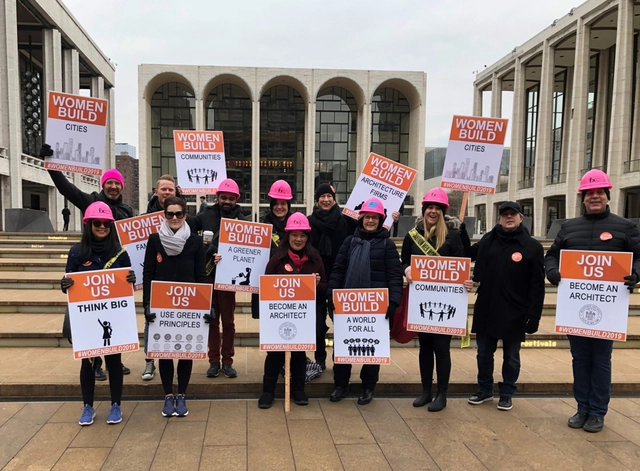
Every company across the country is talking about “diversity” and “inclusion”—but what actions are actually being taken to address the issues? In May, following the death of George Floyd and the rise of the Black Lives Matter movement, conversations were had, statements issued, and boxes checked. But achieving diversity and inclusion will involve addressing long-term, systemic issues that cannot be solved with a black square on Instagram or a carefully crafted statement from a PR department.
The first step toward diversity and inclusion is recognizing that talking about it is not enough, and the path to real change is going to be a process.
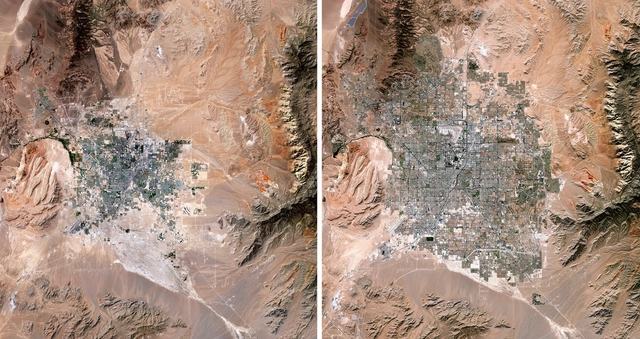
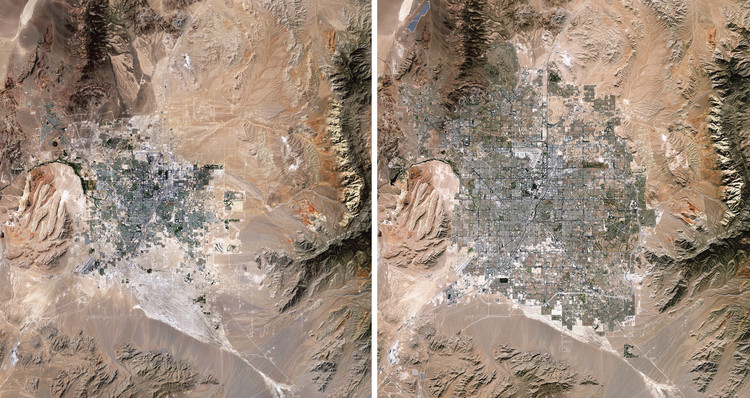
Las Vegas Expansion, 1989/2019. Source Imagery courtesy of The European Space Agency (ESA) Paris, France
Human impacts on Earth are a common issue nowadays, and many people say that there is no turning back. Climate crisis, greenhouse gases, exploitation of natural resources, production of solid waste and atmospheric pollution are some of the most pressing issues that the global community must address if we want to ensure a sound future for the next generations.
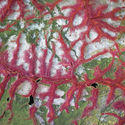
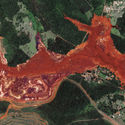
These topics can be viewed in full-color and high-definition in the new book Overview Timelapse: How We Change the Earth, by Benjamin Grant and Timothy Dougherty, which compiles 250 satellite and drone photographs of places on Earth that are in constant transformation.
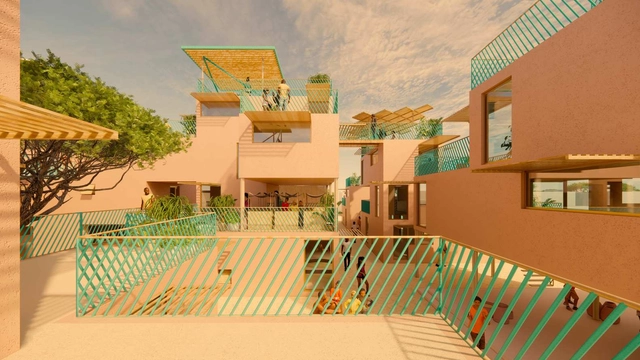
As our cities continue to grow and expand rapidly, there has been an increasing demand for architects and craftsmen to build houses more cost-efficiently under tight deadlines. Modular architecture has been introduced as a concept which involves assembling multiple pre-fabricated modules on site to create a working unit. By joining similar elements together in various ways, modular architecture allows for more flexibilities in design and standardized repair.
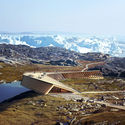
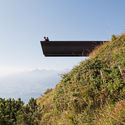
Building in nature constitutes a contradiction, as architecture enables immersive access to the landscape, while at the same time, natural landmarks are being slowly engulfed by tourists. The human presence in natural landscapes is an interplay of scales, a juxtaposition of archetypal shelters against the vast sceneries, as well as a negotiation between access to the landscape and environmental conservation. Exploring a variety of attitudes and formal strategies, the following takes a look at what could be learned from the experiences and design philosophies of several architects and practices that have perfected ways of addressing architecture in the landscape.






_Gent_Onuzi.jpg?1603920105 "The Pyramid in Tirana. Image © Gent Onuzi")
















.jpg?1603313837&format=webp&width=640&height=580)


.jpg?1603313837)