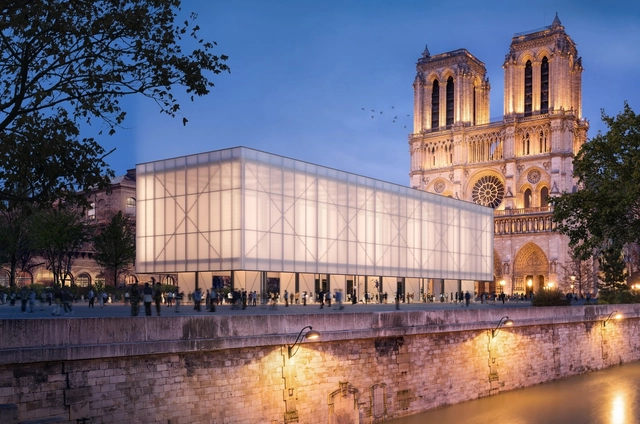
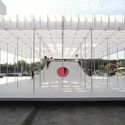
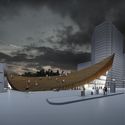
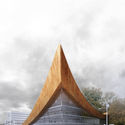
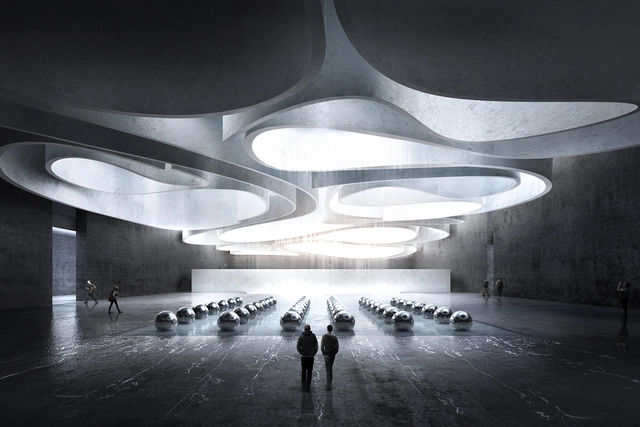
Pavillon Notre-Dame. Image Courtesy of Brick Visual
Design:ED Podcast is an inside look into the field of architecture told from the perspective of individuals that are leading the industry. This motivational series grants unique insight into the making of a successful design career, from humble beginnings to worldwide recognition. Every week, featured guests share their personal highs and lows on their journey to success, that is sure to inspire audiences at all levels of the industry. Listening to their stories will provide a rare blueprint for anyone seeking to advance their career, and elevate their work to the next level.
Art Gensler founded Gensler in 1965 in San Francisco. Art successfully grew his three-person design studio into the World’s largest architecture firm. He is a Fellow of both the American Institute of Architects and the International Interior Design Association, and a professional member of the Royal Institute of British Architects. Art is also the author of “Art’s Principles” a book which focuses on the tough business lessons he has learned from over 50 years in the architecture profession.
Normally the efforts of the construction industry are aimed to design permanent and durable spaces. However, on some occasions creating temporary spaces can be of great help, not only when providing fast assembly infrastructure after the effects of a natural disaster, but also when activating residual or abandoned spaces in our cities. To exemplify the potential of these interventions, we present thirteen successful temporary public spaces.
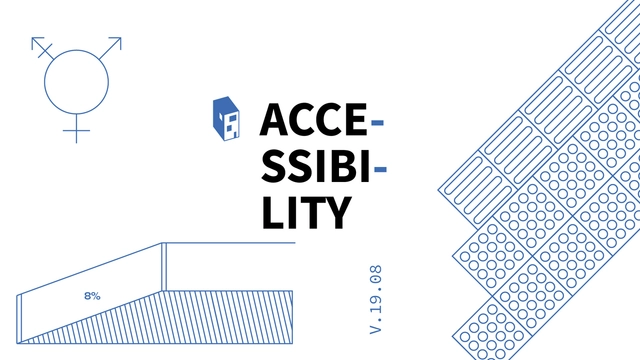
In architectural spheres, “accessibility” is often directed at the end-user, and the imperative act of designing spaces, buildings, and entire cities along the principles of “universal design.” An increasingly central aspect of architecture, spurred by legislation such as the 1990 Americans with Disabilities Act (ADA), the ethos of accessible architecture was well captured by architect Ronald Mace, quoted in a 1997 New York Times editorial asking “if we’re not designing for human beings, who are we designing for? Let’s design all things, all the time, for everyone. It’s where we’re headed.”
https://www.archdaily.com/922509/archdaily-topics-august-accessibilityNiall Patrick Walsh
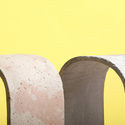
Terrazzo is a mix of a concrete mixing base with natural stone fragments; it is characterized for being an extraordinarily resistant and versatile material. Since its frequent use some decades ago, this material has been rediscovered by architects and is used more and more often in works nowadays. Aside from the natural stones, this cement mixing base can include unused elements from construction – nails, bricks, and chunks of wood – resulting in very interesting final products.
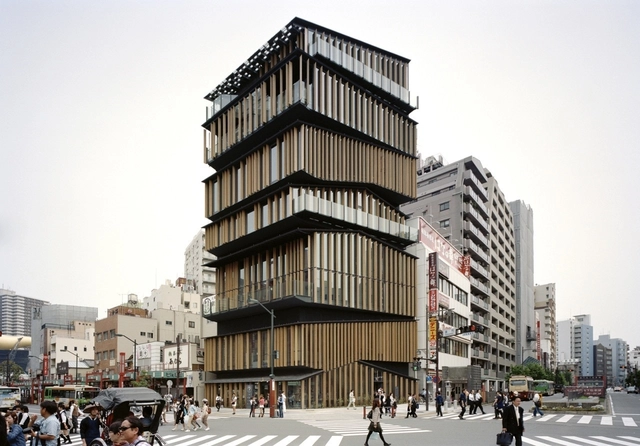
Kengo Kuma (born 8th August, 1956) is one of the most significant Japanese figures in contemporary architecture. His reinterpretation of traditional Japanese architectural elements for the 21st century has involved serious innovation in uses of natural materials, new ways of thinking about light and lightness and architecture that enhances rather than dominates. His buildings don't attempt to fade into the surroundings through simple gestures, as some current Japanese work does, but instead his architecture attempts to manipulate traditional elements into statement-making architecture that still draws links with the area in which it's built. These high-tech remixes of traditional elements and influences have proved popular across Japan and beyond, and his recent works have begun expanding out of Japan to China and the West.
As wood is one of the most widely-used materials in the world, architects are accustomed to being able to easily obtain sawn wood at a nearby store. However, many of us know little about its manufacturing process and all the operations that determine its appearance, dimensions, and other important aspects of its performance.
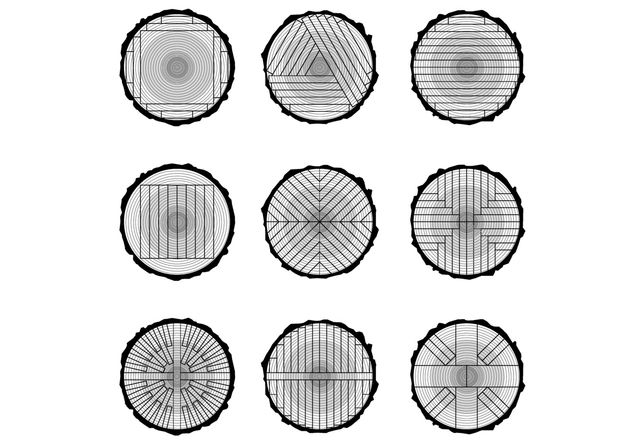
The lumber we use to build is extracted from the trunks of more than 2000 tree species worldwide, each with different densities and humidity levels. In addition to these factors, the way in which the trunk is cut establishes the functionality and final characteristics of each wood section. Let's review the most-used cuts.
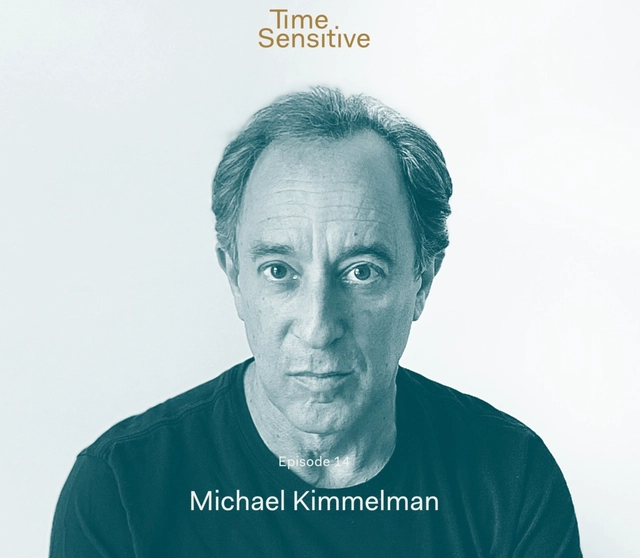
On the latest episode of Time Sensitive podcast, produced by the New York-based “conscious entertainment” media company The Slowdown, co-host Spencer Bailey speaks with New York Times architecture critic Michael Kimmelman. The two discuss Kimmelman’s lesser-known talents as a pianist; his 30-plus years writing at The New York Times(he started working at the paper as its chief art critic in 1990, a post he held until 2007, when he relocated to Berlin as the “Abroad” columnist for four years); and his goal as architecture critic to build a greater discourse around designing cities that are better, healthier, and simply fairer for all.
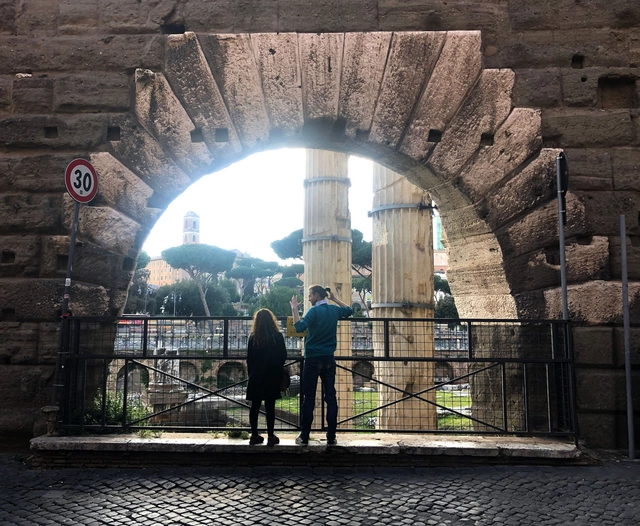
The history of concrete dates back to ancient Rome, approximately 2,000 years ago. The so-called “Roman Concrete” is composed of limestone, volcanic ash, and seawater and it permitted the construction of aqueducts, highways, and temples; many of them still stand to this day. Some time ago, this original mix was discovered to form a mineral called aluminum tobermorite, which gets stronger as time goes by.
"I hate this whole ‘beauty’ thing,” says a deeply talented architect and professor friend, reacting to an emerging ripple in the zeitgeist. He is not alone. Words are dangerous things. Since World War II, there has been a consensus mainstream in architecture: the Modernist canon. But change is coming in the profession—and in our culture.
The true believers cringe at the word “beauty” as a design criterion. They dismiss the word “style,” too. Like all orthodoxies, there is simply “right” and “wrong.” The realities of the “wrong” are writ large in architectural orthodoxy: “wrong” is anything allusive to anything but that canon itself. Closed-loop rationalization gives comfort to the convicted.
The Hello Wood Summer School and Festival has expanded over the years to build up a lot of recognition internationally within the architecture community, with previous years having more than 1000 participants from across 70 countries and over 50 universities take part in Hello Wood’s educational event. By looking to the future and adopting an attitude of rebirth, a large part of the tenth anniversary of the festival was about criticism of the stereotypical role of the architect - one that is constrained by expectations and deadlines - while searching for the true superpower of those that want to make a change with a free spirit. Twenty workshops led by a truly global group of professionals helped to celebrate the decennial with their unique takes on the transformation of the architect. As a result of a series of rites and ceremonies that included the building of 20 installations, the week aimed at setting participants free to follow their dreams.
Tel Aviv’s architectural heritage has achieved global attention through the UNESCO recognition of the city’s British Mandate-era International style and Bauhaus-influenced buildings. Less known is the city’s Brutalist heritage and historic builds designed in the succeeding decades. Brutalism played a significant role in the Israeli design sphere of the post World War II-era. Concrete’s inexpensive availability and fast construction capabilities were adopted into the early Socialist mentality of the state to accommodate its rapidly expanding population and willingness to portray a muscular exterior.
Creative duo another : have collaborated with music composer Yu Miyashita and released a short film that explores the geometric composition of the museum's structure in an exceptional way.
Earlier this year, the L’Abre Blanc Residential Tower was completed in Montpellier, France. Designed by Sou Fujimoto, Nicolas Laisné, Manal Rachdi, and Dimitri Roussel, the tree-like structure features cantilevered balconies protruding from its ‘trunk’ in all directions. An eccentric but unique silhouette, the building is hoped to become an object of pride for the people of Montpellier as well as a tourist attraction.
https://www.archdaily.com/922217/sou-fujimotos-labre-blanc-through-the-lens-of-laurian-ghinitoiuLilly Cao
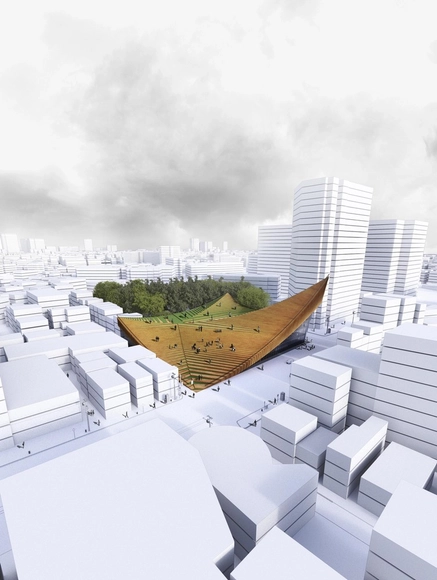
Although music halls generally appeal to groups of people with a specific interest, Persian architecture firm Hajizadeh & Associates developed a music hall that caters to all citizens of the city, and not just music lovers.
The "Tokyo Music Hall" is an award-winning design that transforms the music hall's roof into a space of contemplation and leisure, inspired by traditional Japanese architecture.
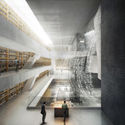
Writing is an unending dialogue that has been connecting one generation to another, maintaining history, culture, and information. For the National Museum of World Writing, stories were built rather than written.
Just as writing transcends the author to another realms, SAMOO Architects and Engineers have proposed ‘PAGES’, a structure of architecturally-devised scripts that disconnects visitors from the outer world, and introduces them to an exceptional architectural narration.
Design:ED Podcast is an inside look into the field of architecture told from the perspective of individuals that are leading the industry. This motivational series grants unique insight into the making of a successful design career, from humble beginnings to worldwide recognition. Every week, featured guests share their personal highs and lows on their journey to success, that is sure to inspire audiences at all levels of the industry. Listening to their stories will provide a rare blueprint for anyone seeking to advance their career, and elevate their work to the next level.
In this episode, Juliane Wolf discusses how Studio Gang continues to successfully contribute to the iconic Chicago Skyline, how they are actively working to advance the issues of equality in architecture, and the firm continues to elevate design at all scales.
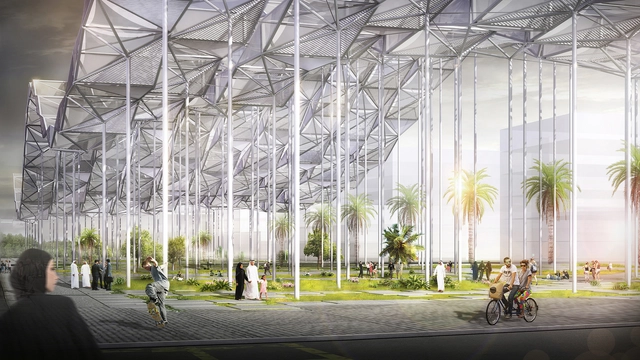
Chinese architect Mingfei Sun has designed an environmentally oriented urban hub for Masdar City, Abu Dhabi. Titled SURGE, its natural aesthetics and technological forwardness are intended to communicate a J.M.W. Turner-esque awe for the power of nature, making it an oasis of high aesthetic and ecological value.
https://www.archdaily.com/922010/surge-combines-high-aesthetics-with-environmentally-oriented-technologyLilly Cao
"Films have been studied by architects and other professionals who are interested in the field of architecture and urbanism because they offer a more subtle and responsive perspective of our discipline," Finnish Architect and Professor Juhani Pallasmaa tells us. Through its technical and aesthetical particularities, the cinema can go beyond simple representation to be a powerful instrument for conveying ideas and concepts related to architecture and urban space.
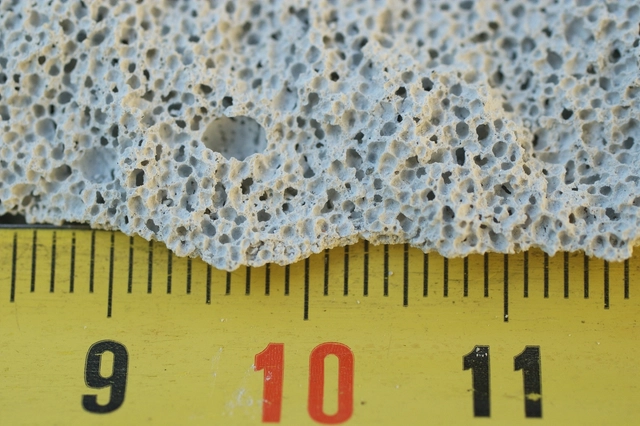
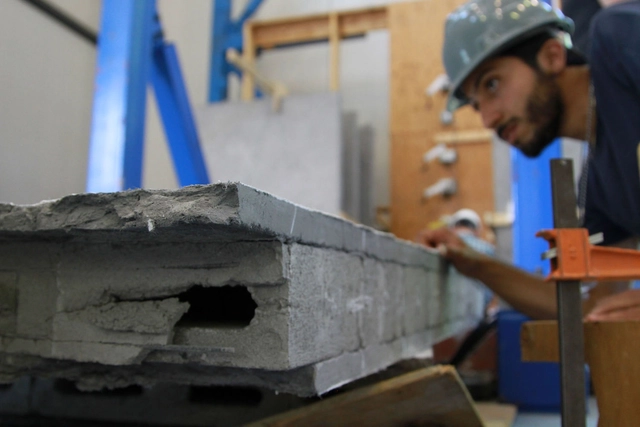
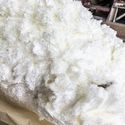
Since its invention in 1920, cellular concrete tackled the search for an industrial material that had similar characteristics to wood. It was lightweight, could be cut or perforated, and avoided some of its disadvantages; for instance, its water absorption and need for maintenance. Nowadays, Autoclaved Aerated Concrete (AAC) blocks are actively present in the marketplace by manufacturers like Hebel or Retak, which are building an easy to use and efficient constructive system. If you ever wondered about how to build with these masonry ingredients, it is pertinent to dig a bit deeper into the advantages of this material.
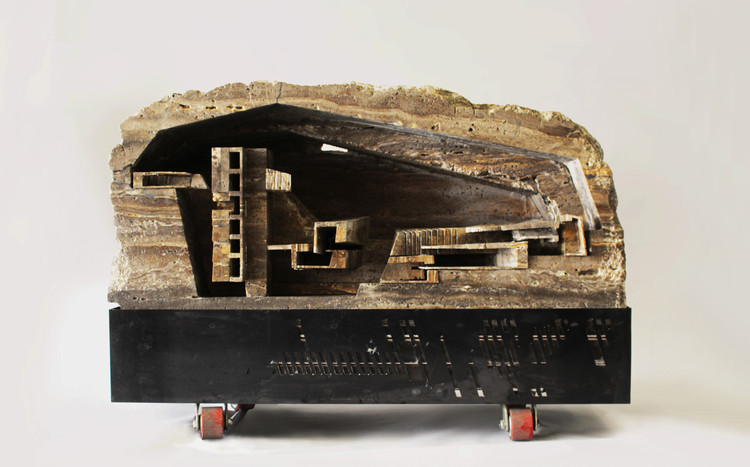
In many ways, architectural models are strange objects. On one hand, like drawings, models are a representation of something else—a building—that might exist already but in most cases is so far only hypothetical. On the other hand, they are miniature constructions in themselves, which can be appreciated for their craftsmanship and intricacy. Perhaps this is why architects find models so fascinating; they can be simultaneously admired as an object in themselves and as a vision of something greater.
Earlier this year, we asked our readers to send us images of their most impressive models, and the response clearly showed this fascination. We received photographs of a wide variety of models, from sensible and meticulously constructed miniatures to jaw-dropping expressive outbursts. From over 300 entries, we've narrowed down our readers' submissions to just 21 of the most awe-inspiring examples, splitting them into 5 categories to reflect the incredible range of ways that people have made their models worth looking at.
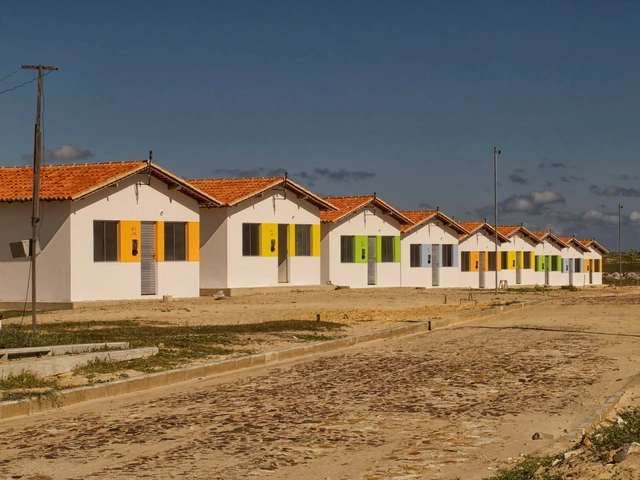
Program Minha Casa Minha Vida - Luís Correia/PI. Foto: Otávio Nogueira, via Flickr. Licencia CC BY 2.0
Having explored the design that establishes 'emotional ownership' and the antipatrons of social housing, Nikos A. Salingaros, David Brain, Andrés M. Duany, Michael W. Mehaffy and Ernesto Philibert-Petit continue their series of articles on social housing in Latin America. This time, the proposal studies how control influences the urban form and the form of housing.
https://www.archdaily.com/917182/socially-organized-housing-the-geometry-of-controlNikos A. Salingaros, David Brain, Andrés M. Duany, Michael W. Mehaffy & Ernesto Philibert-Petit
British company Kast has launched a new version of its traditional pigmented concrete sinks. Since concrete is an extremely versatile material, which combines the characteristics of natural stone with the ability to be molded in different forms, the products show carved surfaces with highly defined textures. The exploration of their linear patterns ranges from smooth horizontal ripples to diagonal folds or 'sharp' and vertical grooves. The organic variations in the colors and textures of the surfaces create a different aesthetic that comes directly from the character of the material.
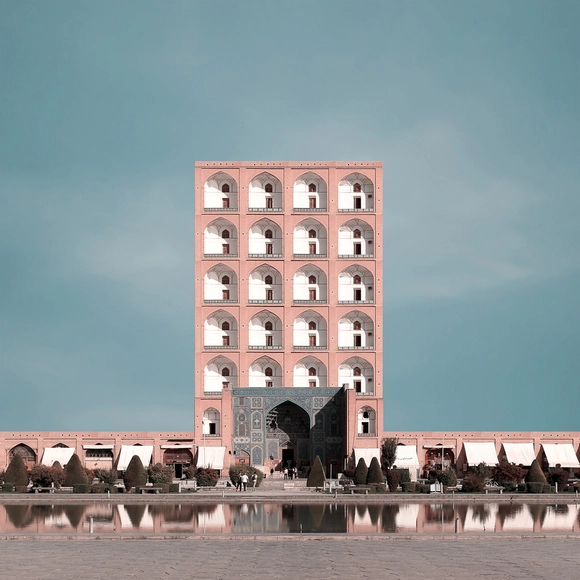
Traditional Iranian architectural monuments are often built low to the ground due to the lack of beam and column technology. Palaces, mosques, and public buildings are thus built with only one or two floors, and Iranian architecture rarely features towers or high-rise buildings as a result.
https://www.archdaily.com/921683/traditional-iranian-monuments-reimagined-as-high-rise-buildingsLilly Cao
It is expected that within the next few of decades, Earth will have absolutely nothing left to offer whoever/whatever is capable of surviving on it. Although the human race is solely responsible for the damages done to the planet, a thin silver lining can still be seen if radical changes were to be done to the way we live on Earth and how we sustain it.
Since architects and designers carry a responsibility of building a substantial future, we have put together an A-Z list of every sustainability term that you might come across. Every week, a new set of letters will be published, helping you stay well-rounded on everything related to sustainable architecture and design. Here are the terms that start with letters J, K, and L.







.jpg?1438982861 "Green Cast. Image Courtesy of kengo kuma & associates")
.jpg?1438980816 "GC Prostho Museum Research Center. Image © Daici Ano")







_8918.jpg?1564659851&format=webp&width=640&height=580)
_9105.jpg?1564659862 "© Laurian Ghinitoiu")
_9331.jpg?1564659818 "© Laurian Ghinitoiu")
_9283.jpg?1564659903 "© Laurian Ghinitoiu")
_8623.jpg?1564659967 "© Laurian Ghinitoiu")
_8918.jpg?1564659851)

.jpg?1564809225 "© SAMOO Architects and Engineers")