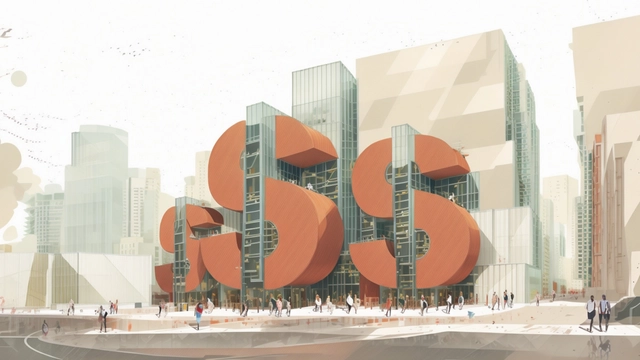
Often admired for its simplicity and ability to clearly communicate via scribbles on an espresso martini-stained napkin, the napkin sketch is perhaps one of the most recognized forms of creative leadership in the industry. Not only is it iconic, but this type of early-stage, iterative sketch helps to set project direction in a fast, easy, and effective way. However, the work that follows to translate that sketch into design (and ultimately win work) often robs firms of a profitable early-stage design phase.
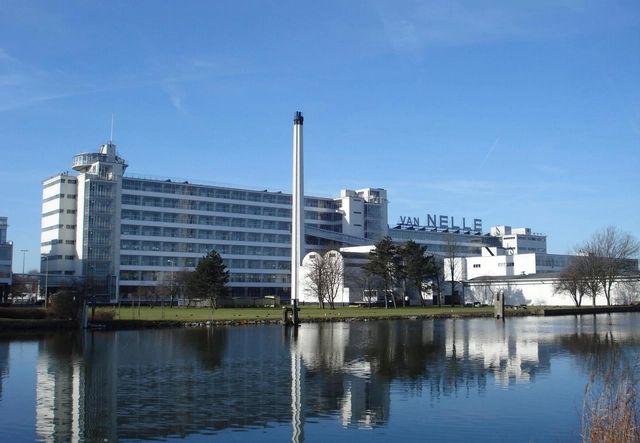
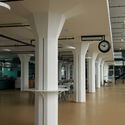
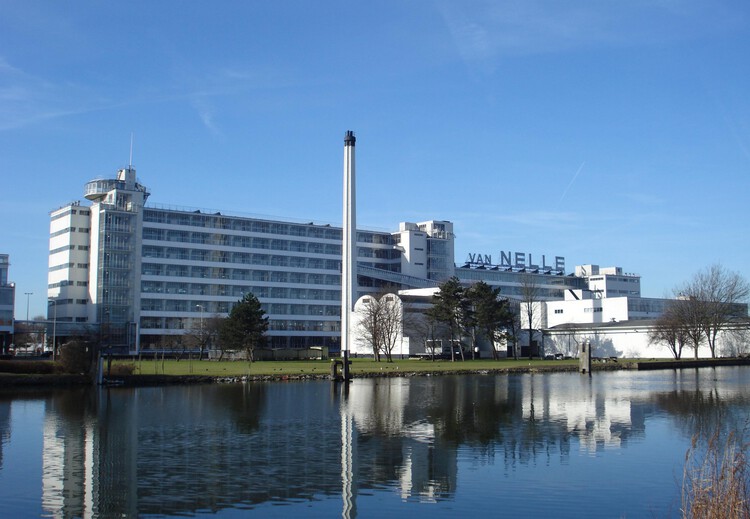
Envisioned as a "daylight factory", the Van Nelle complex introduced revolutionary architectural and social concepts for its time. By integrating glass, steel, and concrete into an open, rational layout, it demonstrated how design could transform industrial processes while improving the lives of the people within. It was not merely a space for production but a symbol of optimism, representing the potential of architecture to reshape industries and communities.
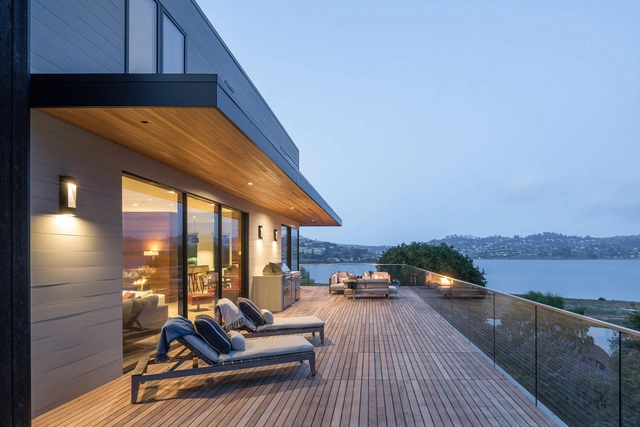
Guardrails and windscreens play an essential role in contemporary architecture, combining safety, functionality, and aesthetic appeal. These systems are crucial for protecting elevated spaces like balconies, terraces, and staircases, incorporating materials such as tempered laminated glass, stainless steel, aluminum and innovative fastening systems. This allows for transparency and unobstructed views without compromising safety. They also feature customizable options, including top caps, handrails and integrated lighting, enabling architects to create unique, visually striking spaces that meet both practical and aesthetic goals.
Essentially, a guardrail system is a carefully designed assembly of components, each playing a vital role in ensuring safety and aesthetics. Beyond the desired visual impact, these systems must be highly reliable and safe to fulfill their primary function. At the core of the system is the guardrail components, providing support and guidance, with infill options, including, glass panels, bar/tube or cables balancing safety and style. Base shoes, a type of guardrail system, anchors glass infill panels to the structure, ensuring durability and precision. Optional handrails, can either be post mounted or mounted directly to the glass, while top rails provide an aesthetic touch while protecting the top edge of the glass and helping with glass alignment.
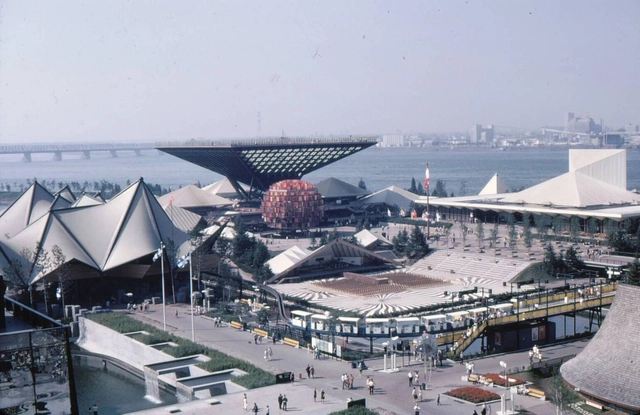
Canada's Expo 67 stands as one of the most successful world expos ever held, setting records and leaving an enduring impact on Montreal's urban landscape. As part of Canada's 100 years celebrations, the event provided an opportunity for the city to showcase its cultural and technological achievements on a global platform. With over 50 million visitors in just six months, it shattered attendance records, including an astonishing 569,500 visitors in a single day. An unprecedented feat for a world fair at the time. Now, 58 years later, and with the Osaka Expo 2025 set to showcase how to design the future society for our lives, it is worth revisiting the legacy of Expo 67 and exploring the urban transformations it brought to Montreal.
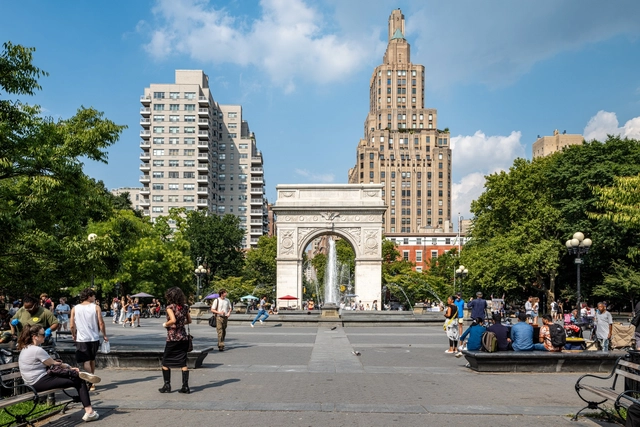
Washington Square Park, New York, NY, 2024. Photo by Barrett Doherty, courtesy The Cultural Landscape Foundation
Protests, civil disobedience, and dissent are not only a defining part of our shared history since the colonial era, they also continue to the present day on campuses, at political conventions, and elsewhere. In this context, some historic marches, sit-ins, and other actions are enshrined in our collective narrative, while others have faded from memory; however, the cultural landscapes that served as stages where these events occurred still exist. These places are the focus of Landslide 2024: Demonstration Grounds and a portal for re-engaging with the stories of little-known or even forgotten events that were pivotal in USA history. The thirteen different sites across the country, represented in the new report and digital exhibition from The Cultural Landscape Foundation (TCLF), touch on events that shaped individuals and sparked movements.
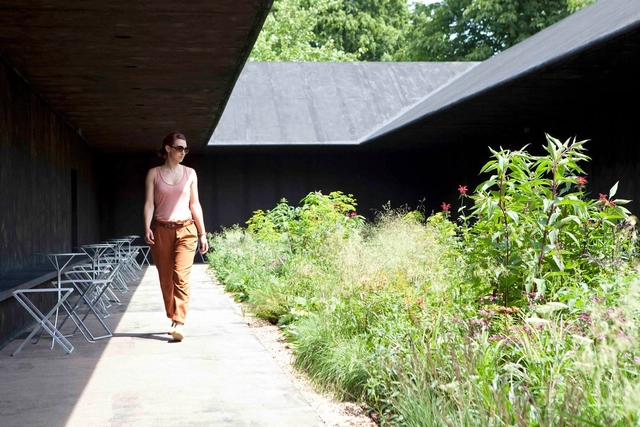
Serpentine Gallery Pavilion 2011, designed by Peter Zumthor. Photo by Walter Herfst
In 1902, physicist Philipp Lenard discovered that the breaking of water droplets in waves, waterfalls, rain, or mist releases negative ions into the air. This occurs because, upon breaking, the droplets separate their electrical charges: electrons, which are smaller and lighter, adhere to suspended particles in the air, while positive charges remain in the water or dissipate quickly. This phenomenon increases the concentration of negative ions in the environment, which can directly influence our body and mind, interacting with neurotransmitters and essential cellular functions. It is no coincidence that many people report feelings of well-being, energy, and mental clarity after spending time at beaches, waterfalls, or forests. In Japan, this connection with nature is explored in the practice of Shinrin-Yoku, or "forest bathing," which promotes relaxation and revitalization simply through contact with the natural environment.
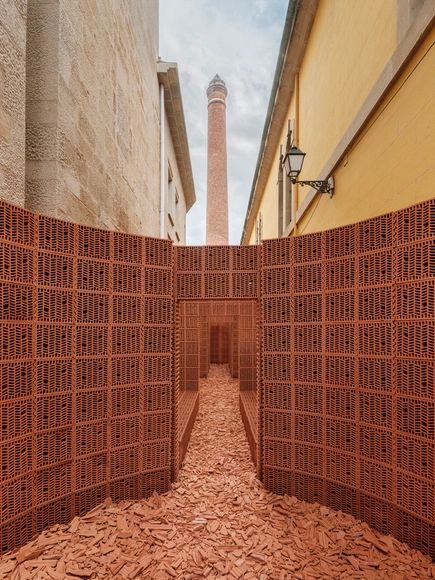
Types of Spaces - Spain | Architects: HANGHAR, Madrid, Spain; PALMA, Mexico City, Mexico. Image Courtesy of Weinberger
The Brick Award is presented every two years to honor innovative, sustainable, and visionary brick architecture worldwide. The upcoming Brick Award 26 will be celebrated in June 2026. Architects, designers, and developers are encouraged to submit projects that showcase creativity and functionality using clay building materials. This prestigious award recognizes excellence across various categories and offers a global platform to highlight the versatility and potential of bricks in contemporary architecture. Submissions for the Brick Award 26 are open until March 9, 2025, offering a unique chance for international recognition. Participation does not require the use of wienerberger products.
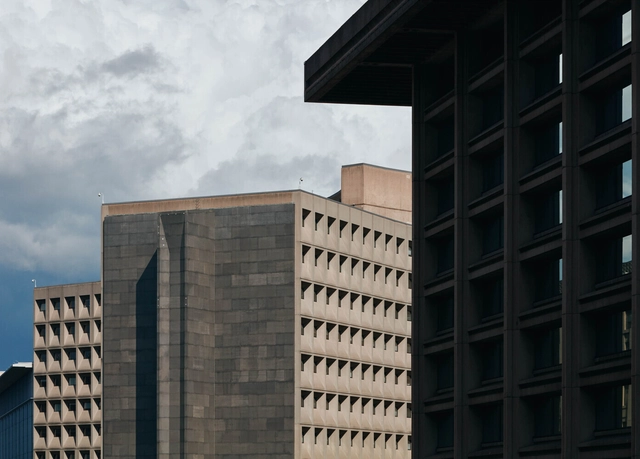
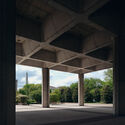
Brutalist architecture in the United States is a monument to collective postwar optimism and reassurance that the city and federal governments are in authority. Conceived as an embodiment of strength and efficiency, Brutalist structures were quickly adopted for the architectural language of civic and governmental institutions in the mid-to-late twentieth century in the United States. Towering monoliths of raw concrete rose across the nation, projecting an image of institutional permanence while simultaneously provoking debate over their social and psychological impact.
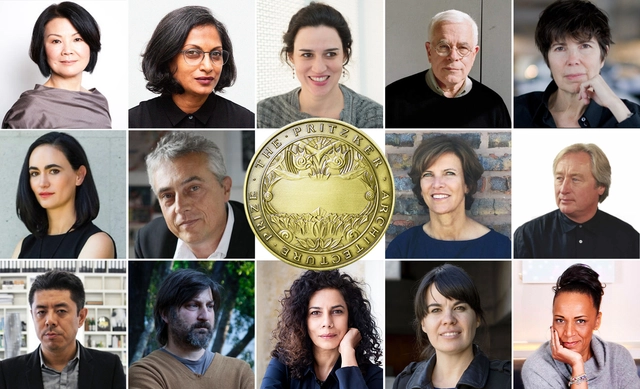
With the Hyatt Foundation set to reveal the 2025 Pritzker Prize winner on March 4 at 9 AM EST, speculation is growing over which architect—or architects—will receive the most prestigious award in architecture. Established in 1979, the Pritzker Architecture Prize is widely regarded as "the profession's highest honor," recognizing living architects whose work has made a profound impact on humanity and the built environment.
https://www.archdaily.com/1027072/who-should-win-the-2025-pritzker-prizeArchDaily Team
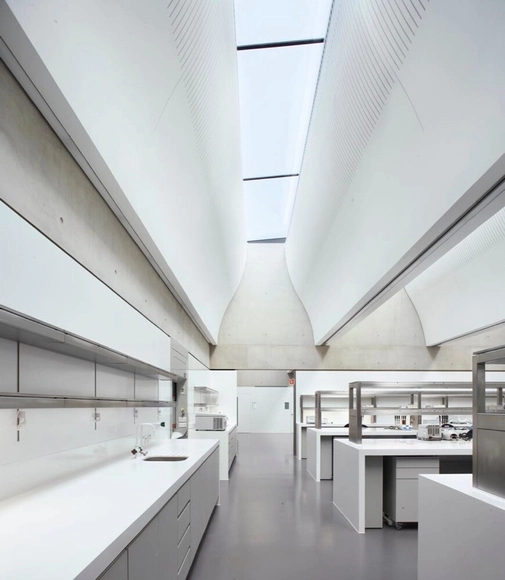
The synergetic relationship between architectural design and scientific discovery tends to be rarely addressed, yet a lucrative proposition. The built environment holds immense potential in supporting research breakthroughs and innovation and the scientific community. The influence extends beyond physical spaces to include both internal dynamics and external engagement through strategic design interventions that connect various caches of impact, from individual researchers to the broader community.
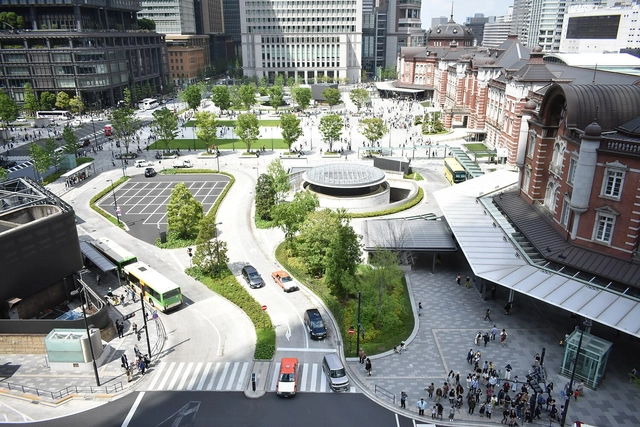
Transit-Oriented Development (TOD) is a comprehensive urban planning strategy aimed at creating dense, walkable, and vibrant neighborhoods centered around public transportation hubs. By seamlessly integrating residential, commercial, and recreational facilities within close proximity to transit nodes, TODs seek to reduce automobile dependency, increase public transit ridership, and stimulate local economic development. Government agencies play a pivotal role in supporting these developments through zoning reforms, easing floor area ratios (FARs), selling air rights, and facilitating public-private partnerships to secure capital for public infrastructure. While TODs have gained global traction, East Asia boasts some of the most successful examples. Conversely, efforts to replicate these models in different contexts—such as New York City—highlight the importance of adapting TOD principles to local conditions, geographical characteristics, and community needs.
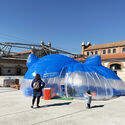
This is my Square Intervention / Conjuntos Empáticos. Image
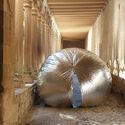
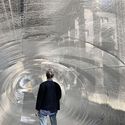
How do inflatable structures behave in public spaces? What relationships or connections can they establish among people? From the perspective of Conjuntos Empáticos, inflatable structures act as organisms that engage passersby through their lightness, materiality, and element of surprise, ensuring sensory experiences in various environments and public spaces. These structures can accommodate everything from collective interventions to moments of leisure, encouraging social interaction and creating atmospheres that dissociate the scale of the city from the domestic space.
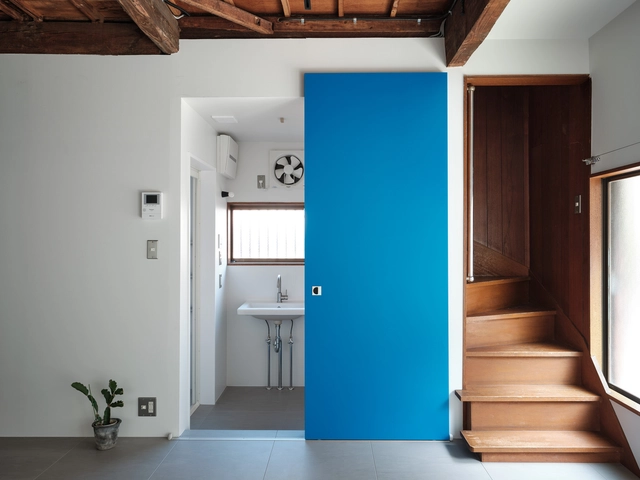
Doors are among the most frequently used architectural elements in any occupied building, serving as movable thresholds that negotiate between private and public spaces. They facilitate both connection and separation among co-inhabitants. Yet, despite their fundamental role, doors are often one of the most overlooked design elements, particularly by clients. In discussions with industry professionals on various interior projects, a common consensus emerges—clients typically pay little attention to door types and details as long as the opening direction aligns with their expectations. However, the world of door design is an intricate one, offering a wealth of possibilities in finishes, installation methods, and modes of operation—each of which can significantly shape the spatial experience beyond the simple matter of swing direction.
The choice of door type and detailing can define or redefine a space entirely. Some doors offer superior sound insulation, while others remain open to connect spaces, enhancing spatial fluidity seamlessly. Certain designs require meticulous installation and ongoing maintenance, while others are virtually hassle-free. Moreover, the type of door selected, particularly that of the hinge, influences not only wall construction but also flooring layers and transitions, adding further complexity to the design process.
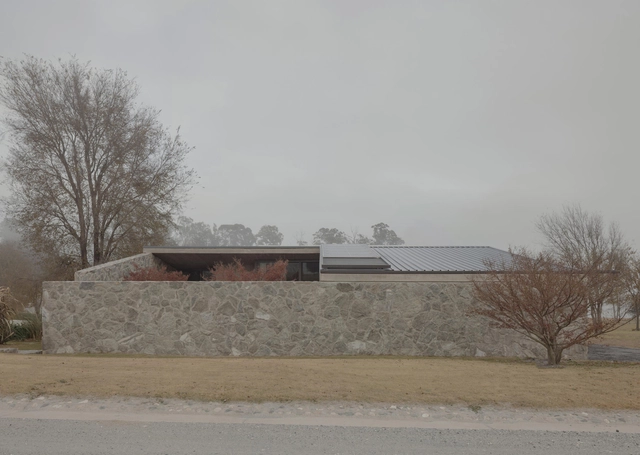
In the architectural production of Argentina in recent years, numerous offices have emerged that, through their practice, explorations, and works, have gained relevance within the contemporary discipline. It is important to highlight that many young architects, even with nascent careers in terms of built work, have managed to establish themselves, demonstrating a unique voice and a defined imprint in their work.
Sixteen years ago, we launched the ArchDaily Building of the Year Awards with a simple yet powerful idea: to let our readers choose their favorite buildings from our ever-growing library of projects. Thanks to your engagement, this award has grown into one of the most democratic and influential recognitions in architecture. Year after year, your collective insight has highlighted architectural excellence across cultures, economies, and landscapes worldwide.
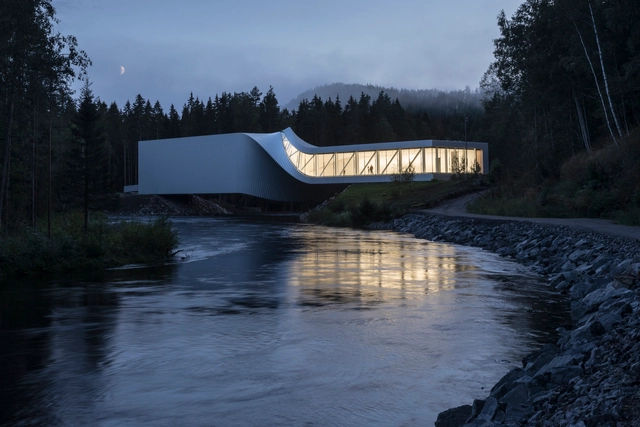
This year was no exception. The 75 finalists have already showcased an outstanding range of spatial solutions, reflecting the power of collective intelligence in crafting a snapshot of today's most compelling architecture. Now, it's time to unveil the winners.
Designing the next 'wow' project? It's like trying to catch lightning in a bottle—except with BIG and D5 Render, you're handed the jar. Bjarke Ingels Group (BIG), a global leader in architecture, is renowned for its bold designs and commitment to innovation. Constantly exploring new tools, BIG pushes the boundaries of design technology to optimize workflows and enhance creativity. With iconic projects worldwide, BIG has redefined architectural storytelling. By leveraging D5 Render's all-in-one platform, the firm has optimized its real-time design and visualization workflow, combining D5 rendering, animation, and AI to bring concepts to life with exceptional speed and precision.
In my 2008 interview with Kengo Kuma in Manhattan—the Tokyo-based architect was in town for a lecture at Cooper Union and to oversee the construction of a house renovation in nearby Connecticut— he summarized the intention of his work for me, "The closest image to the kind of architecture I try to achieve is a rainbow." The architect designs his buildings as a chef would prepare a salad or a florist arrange a bouquet of flowers—by carefully selecting ingredients according to their size, shape, and texture. He then tests whether they should touch, overlap, or keep a distance to let the airflow pass through. The process is closer to a trial-and-error scientific experiment rather than an artistic exercise in projecting visionary forms and images. Although his buildings surely look strikingly artistic and utterly breathtaking. They are both precise and loose, primitive and refined, material and transient. The architect's fascination with materiality is startling, and despite having completed many dozens of buildings all over the world over the course of his distinctive career, in our conversation last month over Zoom, Kuma told me, "I stand at the beginning of a long process of material exploration."
Buildner has announced the results of Buildner's Unbuilt Award 2024, the inaugural competition in an exciting new annual series celebrating architectural design that has yet to be realized. With a generous 100,000 EUR prize fund, this competition provides a platform for architects and designers to showcase their most inspiring unbuilt projects, whether conceptual, published, unpublished, or fully developed.
The use of technology has become vital in the documentation and conservation of heritage, especially in difficult or urgent circumstances. After many landmarks of the historic city of Palmyra were destroyed during Syria's war in 2015, conservators built three-dimensional digital models of the destroyed city to aid its future reconstruction. The destruction of the Buddhas of Bamiyan in Afghanistan in 2001 with very little prior documentation prompted action in the documentation of vulnerable monuments, such as the establishment of CyArk. More recently, detailed digital surveys and a heritage BIM model were essential in the restoration of Notre-Dame Cathedral in Paris after it was devastated by fire in 2019.
As cities grow and available land becomes more limited, high-rise architecture plays an important role in addressing urban density while shaping new ways of living and working. Tall buildings are evolving beyond their traditional functions to integrate environmental strategies, enhance public engagement, and contribute to the urban fabric. Architects are exploring new materials, energy-efficient technologies, and spatial configurations that make towers more adaptable to their surroundings. Some projects incorporate green spaces and shared amenities to create a stronger connection between the built environment and its users, while others introduce innovative construction techniques to improve sustainability and efficiency.
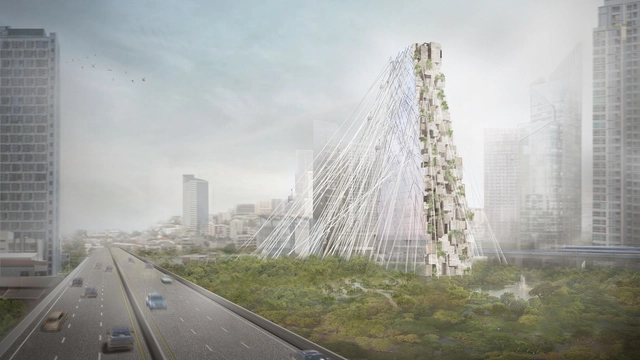
Among this selection of projects submitted by the ArchDaily community, The Residences at 1428 Brickell by Arquitectonica in Miami, United States introduces a solar-powered facade that contributes to the building's energy needs. In Dubai, UAE, AVA by SOMA creates a transition from the city into a more enclosed, water-defined environment with a focus on luxury living. In Bangkok, Thailand, HAS Design and Research proposes the Bangkok Civic Center Tower as a new type of public space, combining green landscapes with mirrored surfaces to connect the city with nature. These projects reflect different approaches to vertical architecture and highlight how designers are responding to the challenges and opportunities of dense urban environments.
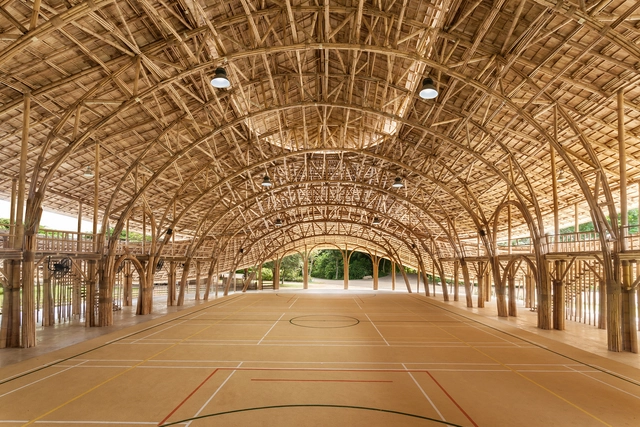
In the heart of Chiang Mai, a city rich in history and the cultural heritage of northern Thailand, the Panyaden Hall, completed in 2017, carries a story of technical innovation and reverence for tradition, brought to life through bamboo. Combining centuries-old Thai craftsmanship with modern design solutions, the project reflects the ethos of Chiangmai Life Architects, a firm devoted to elevating natural materials to their highest potential. In this article, we will explore some of the contemporary structural solutions applied to this iconic project, further revealing bamboo's true potential and inviting a fresh perspective on sustainable architecture and bamboo engineering.
Caleb Whiting dogbear869, CC0, via Wikimedia Commons
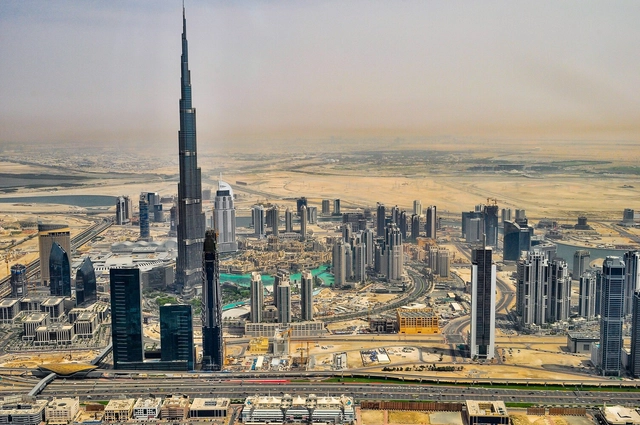
Dubai has evolved from a humble trading port into a global metropolis renowned for its futuristic skyline and pioneering architectural feats. In the early 20th century, its landscape was shaped by traditional Arab homes featuring internal courtyards and wind towers, designed to endure the harsh arid climate. The discovery of oil in the 1960s marked a turning point, triggering rapid urbanization. Throughout the 1970s and 1980s, a surge in construction, fueled by oil revenues, led to the rise of concrete tower blocks and low-rise apartment complexes, accommodating an influx of expatriates drawn to UAE's booming economy. By the 21st century, the UAE witnessed unparalleled architectural advancements. Landmark projects like the Burj Khalifa—the world's tallest building—and the Palm Jumeirah—an artificial archipelago—transformed the country's skyline, solidifying the UAE's reputation as a global hub of architectural ambition and innovation.
This rapid growth has also brought diverse challenges across the UAE, particularly in housing and the difficulty of ensuring dignified living conditions for the working class. Dubai serves as a striking example of how urban expansion has transformed the country, but different geographies and regions within the UAE have distinct needs, shaped by their local environments and communities. The House of the Future competition—organized by Buildner in partnership with the Sheikh Zayed Housing Programme—calls on visionaries to rethink residential architecture across the UAE. With submissions open until April 30, the competition offers a platform for bold ideas that could shape the homes of tomorrow, addressing the varied demands of different locations.
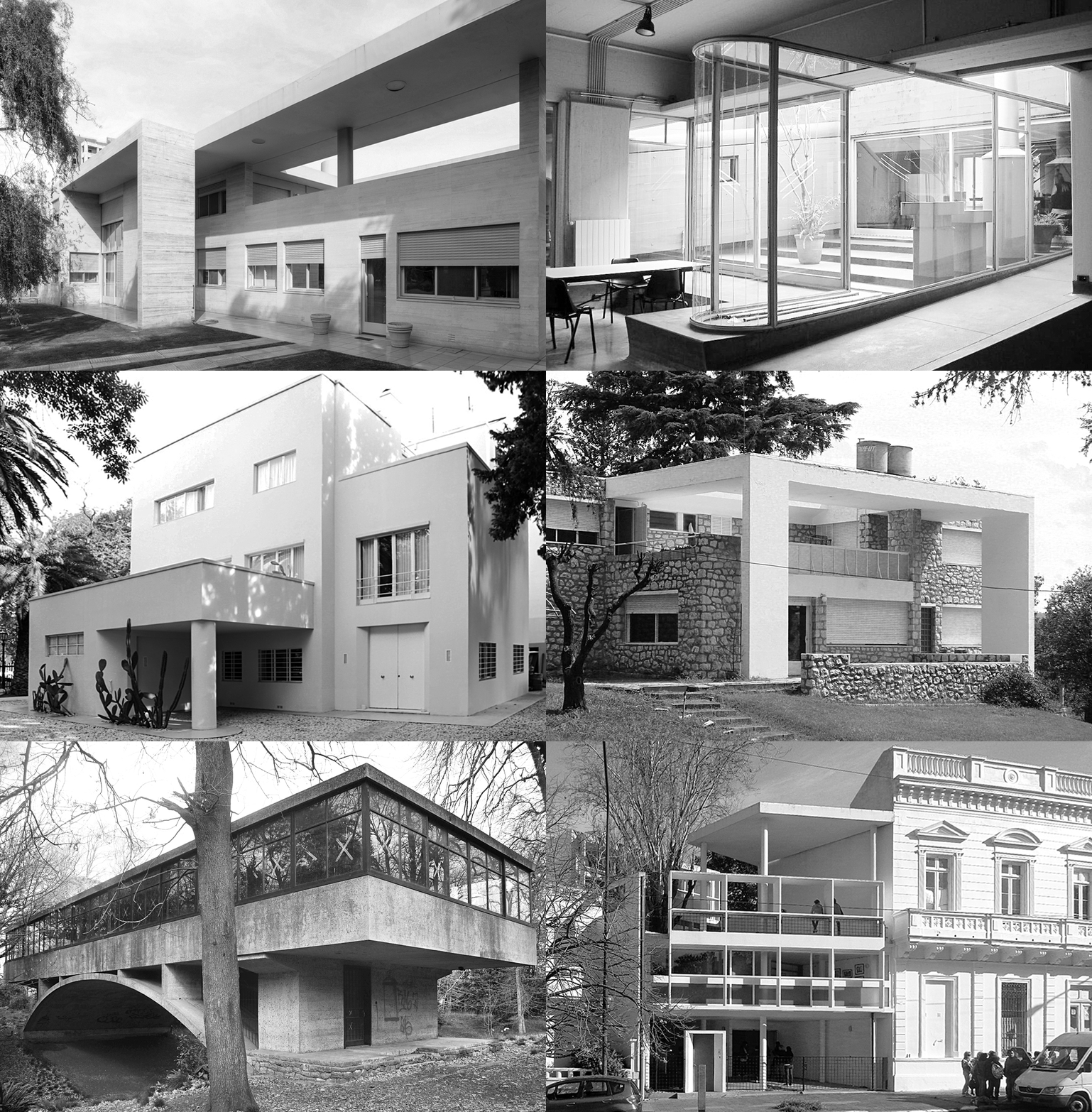
Modernism played an undeniable role in the renewal of architectural ideals, contributing a new attitude toward understanding new ways of living, construction techniques, and aesthetics, marking profound changes in the general perception of the world. In Argentina, while it is complex to define modern architectural production periodically, it is possible to mention some architects who began, starting in the 1920s, to engage with these ideas. The intellectual contributions and architectural creations of Alejandro Virasoro, Alberto Prebisch, Ernesto Vautier, Fermín Beretervide, Wladimiro Acosta, Alejo Martinez, Antonio and Carlos Vilar, Juan Kurchan, Jorge Ferrari Hardoy, Antonio Bonet, Abel López Chas, Eduardo Catalano, Eduardo Sacriste, and Amancio Williams, among others, often included original approaches associated with new modes of thought, manifesting an architecture resulting from the analysis of the local and regional conditions of their cities.
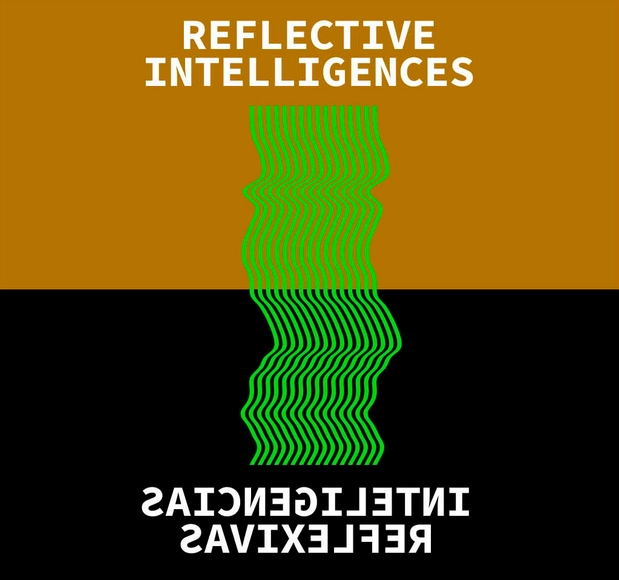
Out of 45 participating submissions for Chile's Pavilion at the 2025 Venice Architecture Biennale, the winning proposal has been recently announced. 'Reflective Intelligences,' the curatorial project by Serena Dambrosio, architect, researcher, and lecturer at Universidad Diego Portales; Nicolás Díaz Bejarano, architect, researcher, lecturer, and PhD candidate in Architecture and Urban Studies at Pontificia Universidad Católica de Chile; and Linda Schilling Cuellar, architect, urban designer,educator and doctoral candidate at the Centre for Research Architecture at Goldsmiths University.