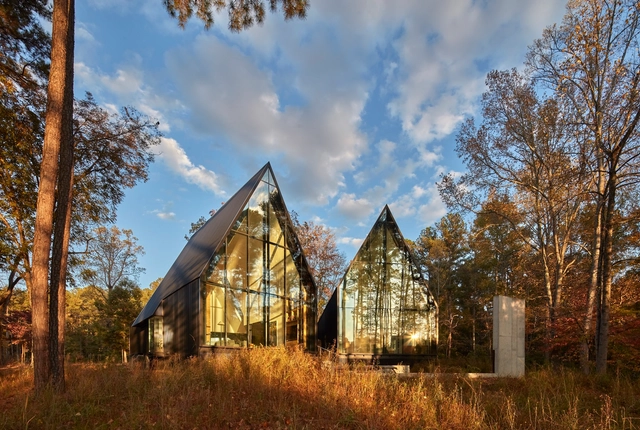
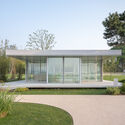
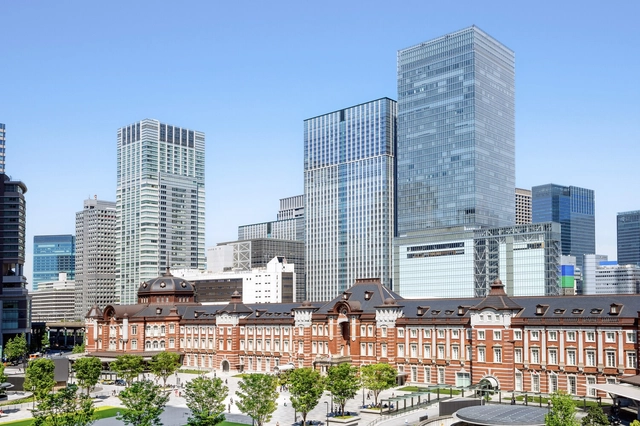
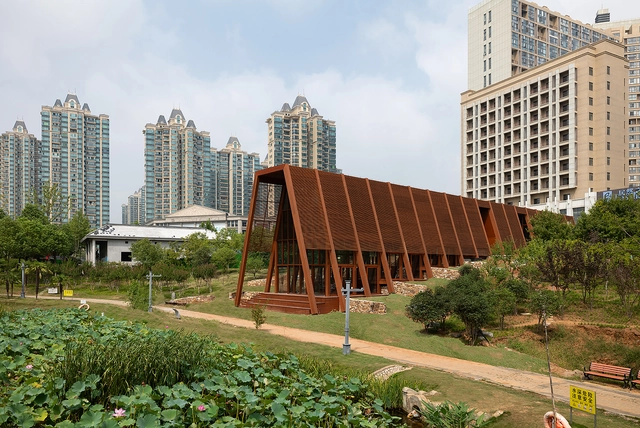
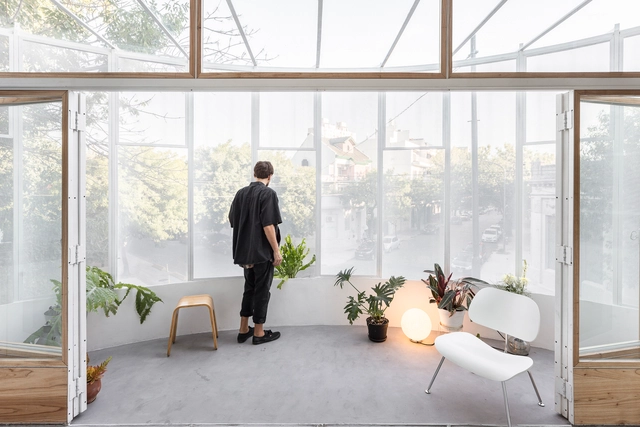
In the 21st century, Glass has become a cornerstone material for architecture. Once limited to apertures and openings, Glass now dominates entire facades, especially in high-rise buildings where transparent cladding material is preferred to maximize views. The technological advancements in Glass have been remarkable, transitioning from single-pane panels, such as those used in Bauhaus' iron window frames, to today's triple-pane systems with specialized gas infills, such as argon, designed to address Glass's long-standing thermal limitations.
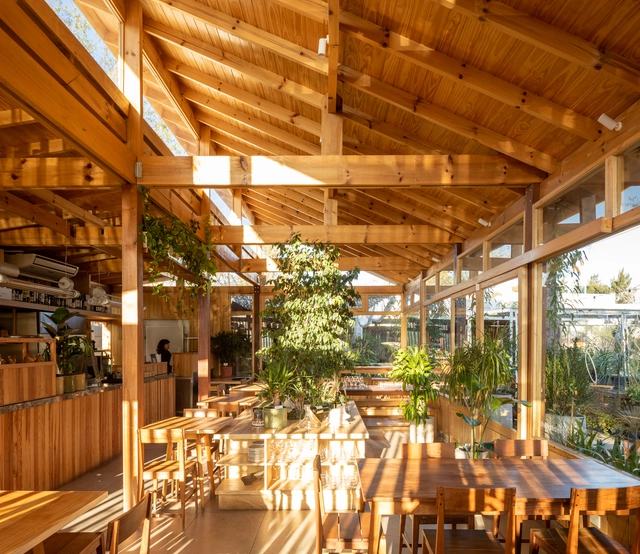
La Valiente Focaccería + Maíz / OHIO Estudio. Image Cortesía de OHIO Estudio
Creating spaces for social interaction involves design processes aimed at countering the individualization of people by fostering bonds and connections between them. While advancements in information and communication technologies provide new tools that optimize the development of certain activities and functions, their societal impact often tends to increase individual practices, such as remote work, virtual fitness activities through apps, or the digital consumption of goods, services, and events, among others. From architecture and interior design to urban planning, many emerging practices face the challenge of consolidating spaces for social interaction through design strategies, uses, and natural connections that prevent the replacement of physical space with virtual alternatives.
Air rights transactions have become essential in urban development, allowing cities to grow vertically while preserving limited land resources. Typically defined as the right to use or sell the space above a property, air rights enable property owners to transfer unused floor area ratio (FAR) to neighboring parcels, creating increased density and financial gain opportunities. However, the definition can vary based on locality and region, as each country interprets air rights and the ability to build or transfer them differently. As urban centers face mounting pressures from limited land supply and population growth, air rights continue to offer a creative solution that fosters architectural innovation and economic efficiency.
The Aedes Architectural Forum in Berlin presents over the next two months the trajectory and works of Christoph Hesse Architects. The exhibition, titled "Rural Rebellion," focuses on the studio's architectural projects that address the challenges of working in rural areas, particularly in Korbach—Hesse's hometown—and other villages across Germany. It highlights how the practice reimagines and reinterprets traditional building methods, translating them into contemporary contexts while emphasizing a collective and collaborative approach to architecture.
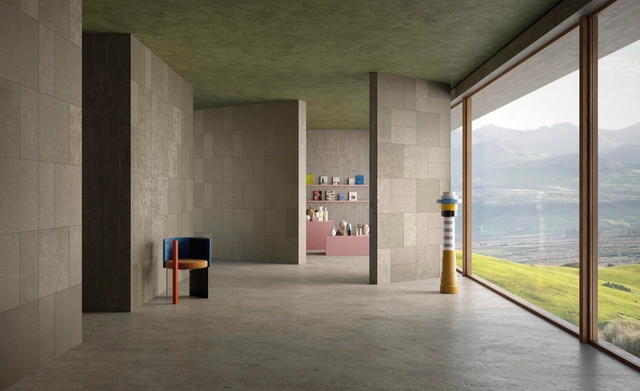
A surface does more than simply cover a space—it transforms it, infusing personality, rhythm, and soul. It evolves from being a mere backdrop to becoming an active element that shapes the atmosphere through the interplay of material, form, and light. The balance of the touch, the thickness, incisions, tones, and luminous reflections can transform surfaces into sensory experiences. Textures can evoke stability or lightness, grooves introduce dynamism, colors define moods, and light sculpts depth and movement. Ceramic, with its aesthetic and functional versatility, is particularly well-suited to this role, offering architects a broad palette of creative possibilities.
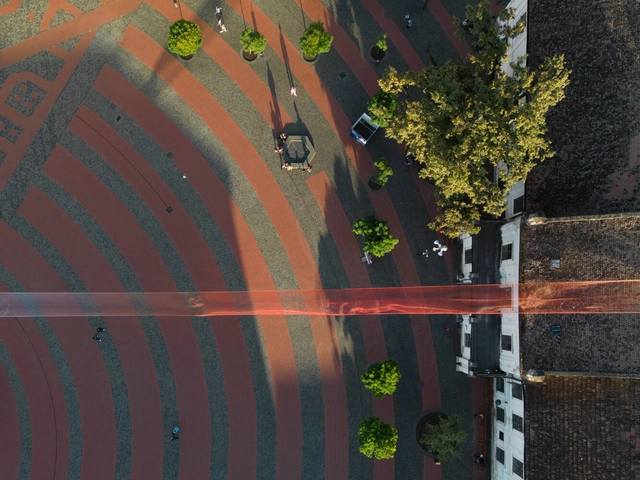
The 2024 Beta Architecture Biennial, in Timișoara, Romania, marks the tenth anniversary of this influential event. Curated by Oana Stănescu, this year's biennial, titled "cover me softly," explores the nuanced relationship between originality and influence, challenging conventional notions of copying, imitation, and appropriation. In addition to the Beta Awards, aiming to highlight significant contributions to architecture from across Romania, Hungary, and Serbia, the main exhibition offers a distinctive interpretation of recurring themes of the architectural field.
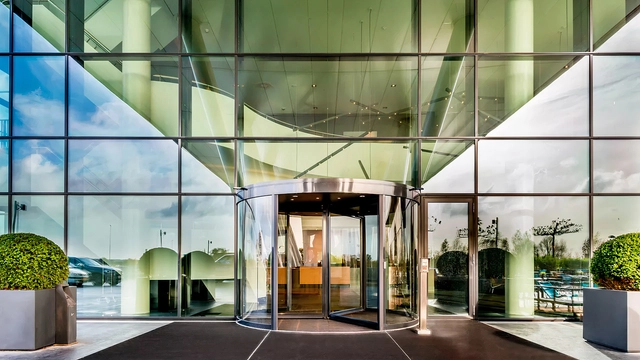
Accessibility in architecture is essential for creating built environments that accommodate of all ages, from young children to the elderly. In both public and private buildings—whether residences, infrastructure, or facilities—the design of internal pathways, circulation areas, and entrances and exits must prioritize safety, clarity and efficiency. This approach enhances daily activities and ultimately improves quality of life. ASSA ABLOY Entrance Systems offers a wide range of products, including automatic, industrial, and commercial doors, as well as digital solutions, to meet user needs.
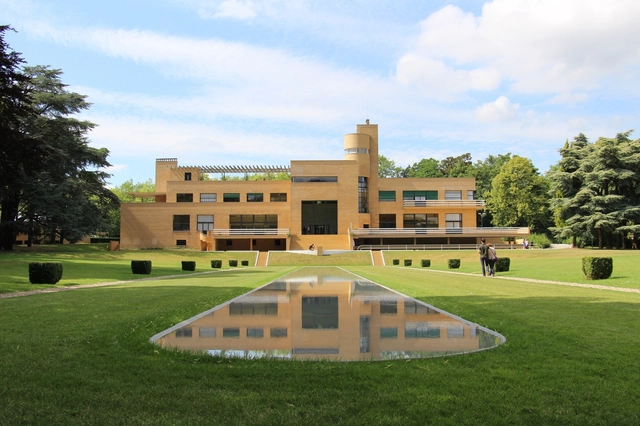
The Villa Cavrois stands as a powerful testament to early modernist architecture and the vision of architect Robert Mallet-Stevens. Built between 1929 and 1932 in Croix, France, this landmark residence was commissioned by Paul Cavrois, a prominent textile industrialist, to embody modern values and house his growing family. Mallet-Stevens' design merges Modernist ideals with a luxurious, functional aesthetic that breaks sharply from traditional styles, creating a space defined by clean lines, balanced proportions, and innovative materials.
More than just a family home, Villa Cavrois was designed as an architectural manifesto, presenting bold new ideas in residential design that would inspire generations. Its meticulously crafted layout, advanced technological features, and harmonious connection to the surrounding landscape positioned it as a symbol of modern living.
Buildner has announced the results of its competition, the Last Nuclear Bomb Memorial No. 4. This competition is held each year to support the universal ban on nuclear weapons. In 2017, on the 75th anniversary of the 1945 bombings of Nagasaki and Hiroshima, which claimed the lives of over 100,000 people, the United Nations adopted the Treaty on the Prohibition of Nuclear Weapons.
In recognition of this treaty, Buildner invites conceptual designs for a memorial to be located on any known decommissioned nuclear weapon testing site. The conceptual memorial is intended to reflect the history and ongoing threat of nuclear weapons, aiming to promote public awareness of nuclear disarmament.
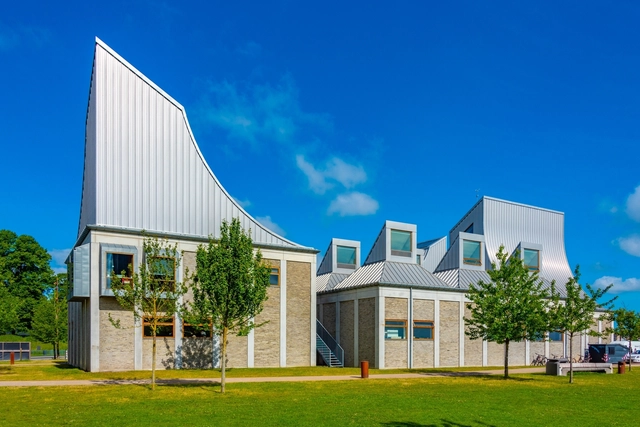
Architect Jørn Utzon, globally recognized for projects like the Sydney Opera House, introduced an innovative design featuring its iconic shell-shaped roofs. Though he achieved great fame in Oceania, Utzon was born in Denmark, and it was in his childhood city that his final project was realized. Inaugurated in 2008, the Utzon Center, which hosted the 2024 Obel Award ceremony, not only honors the culmination of his distinguished career but also marks the beginning of his enduring legacy.
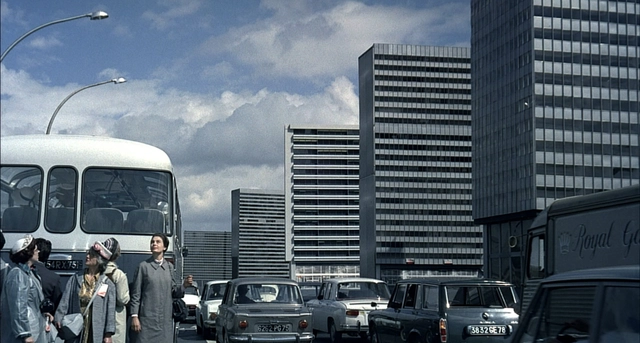
Playtime movie (Jaques Tati 1967) . Image via screenshot
Architecture criticism and journalism are often expected to announce "the good, the bad, and the ugly" in architecture and the built environment. Its purposes go however further than that. As Michael Sorkin put it, "seeing beyond the glittering novelty of form, it is criticism's role to assess and promote the positive effects architecture can bring to society and the wider world". In other words, by telling us what they are seeing, critics are also showing us where to look in order to identify and address the issues plaguing our built environment.
The field of architecture journalism has been led by female writers even in times when the pursuit of a career in architecture was discouraged and inaccessible for women. Ada Louise Huxtable established the profession of architecture journalism by holding the first full-time position of architecture critic at a general-interest American newspaper. In 1970, she also received the first-ever Pulitzer Prize for criticism. Esther McCoy started her career as a draughtswoman at an architecture office, yet, because of her gender, she was discouraged from training as a professional architect despite her ambitions to study the field. Through her writings, she managed to bring attention to the overlooked architectural scene of the American West Coast and advocate for the values of regional Modernism.
“Women in Architecture” documentary: Tosin Oshinowo. Image Courtesy of SkyFrame
Architecture is a discipline where theory and practice meet, transforming abstract ideas into spaces that shape and respond to human lives and identity. For Nigerian architect and curator Tosin Oshinowo, this dynamic is at the core of her work. As the founder of Oshinowo Studio and curator of the 2023 Sharjah Architecture Triennial, she has carved a unique path in contemporary architecture by blending cultural specificity, climate consciousness, and global relevance.
For some, the perfection of nature reveals the signature of a divine force, something that defies rational explanations. The result of millions of years of adaptation and evolution, natural structures and organisms operate with an efficiency that is hard not to admire. Every form seems to have a precise purpose, showcasing ingenuity where functionality and beauty harmoniously coexist. From leaves to the smallest organisms, nature follows an impeccable logic of economy and precision, eliminating waste. It demonstrates that simplicity is often the purest expression of sophistication. Trees, for instance, grow to maximize strength and stability while minimizing resource use. This structural efficiency is achieved by aligning fibers along paths of maximum tension and shaping trunks and branches to optimally distribute loads. It's a testament to the fact that nature, above all, is a masterful engineer.
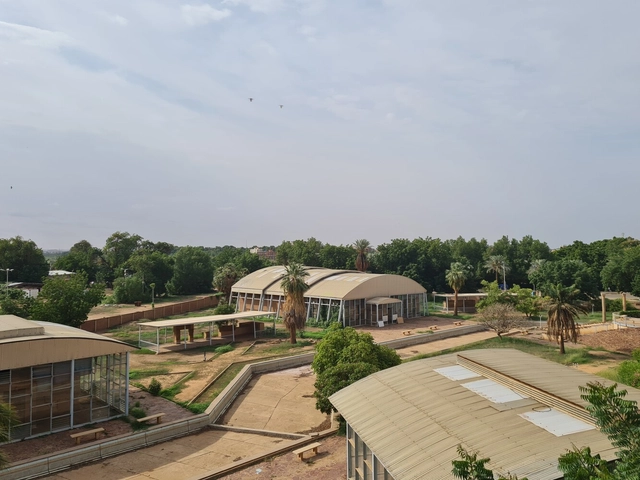
Two museums in Africa built in the mid-twentieth century carry the name 'National Museum.' They reflect the story of their respective nation's history and are tied to notions of national identity. Both are also examples of fine architecture built on the principles of Modernism, a movement associated with nation-building in Africa. However, their inception and purpose followed very different paths. This article explores the under-reported architecture of the National Museum of Ghana in Accra and the Sudan National Museum in Khartoum.
The world has lost 60 percent of animal populations since 1970. This staggering decline reflects the growing pressures on ecosystems, from habitat destruction to climate change. And 1 million species now face threats of extinction. As these problems continue to escalate, the importance of preserving biodiversity and restoring ecosystems becomes clearer.
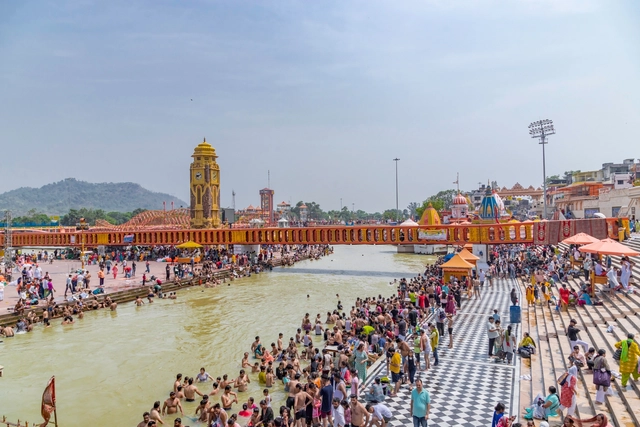
Ancient Indian civilizations once thrived along the banks of the country's many rivers, solidifying a connection between water and culture that endures to the present. Rivers have been integral to India's diverse communities, serving as essential resources for daily life and spiritual practice. Historically, these water bodies experienced an entrenched sense of custodianship; being cared for collectively by the communities that depended on them. Today, responsibility for the rivers shifts between the hands of multiple stakeholders, calling for a joint endeavor that acknowledges their cultural significance.
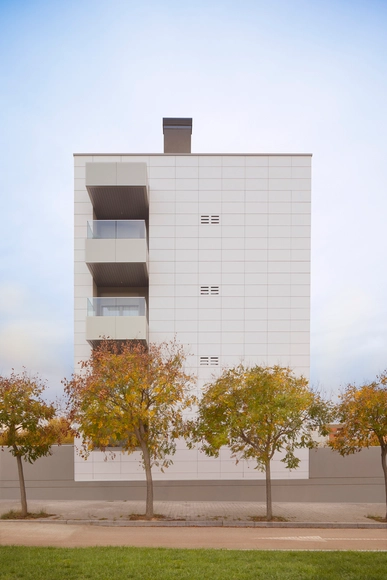
In a rapidly evolving urban landscape, the new residential building redefines the concept of community living. Gardea Residencial stands in one of the city of Zaragoza's 15 neighborhoods, Miralbueno, an area where residential developments have been built. The project exemplifies functional, sustainable design, realized through two linear blocks, each optimizing available space with a basement level, a ground floor, and additional two storeys—two in one block and three in the other. With its sleek design, this building brought to life by Tash&Partners features a ventilated façade made of extruded porcelain tiles by Faveker. These tiles, in addition to being recyclable, enhance sustainability and efficiency.
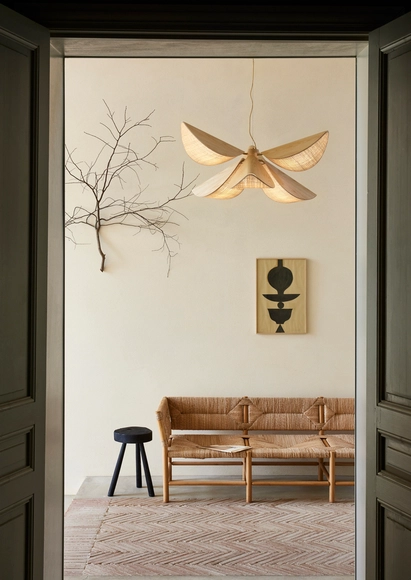
Forestier collaborates with renowned designers to create lighting pieces that blend geometric and organic shapes, enhancing any interior space. Image Courtesy of Forestier
Read in a void, Maison Forestier's remit of an ongoing 'quest for perpetual originality and mastery of the delicate balance between nature and design' may sound a little abstract. But the Parisian lighting brand has – since its topiary-inspired inception by Bernard Forestier in 1992 – carved a beatific niche in its industry, uniting passion, freedom and discovery to fashion radiant wares that meld unique aesthetics with keen functionality, to suit a diverse range of settings.
We are thrilled to announce our upcoming December workshops in collaboration with our ArchDaily Plus partner, Parametric Architecture. These workshops have been thoughtfully curated to empower architects, designers, and enthusiasts by providing them with the latest insights and skills in the dynamic realm of parametric design. Guided by industry experts and visionaries, these immersive sessions will explore cutting-edge techniques, innovative tools, and practical applications, creating an inspiring and dynamic learning environment where participants can take their design expertise to unprecedented levels.
https://www.archdaily.com/1024033/parametric-architecture-december-workshopsArchDaily Team
The new headquarters of the Chicago Park District showcases how thoughtful architecture can bring communities together while prioritizing sustainability. Featured in the latest episode of the Design Matters series by the Chicago Architecture Center, this project exemplifies how innovative design can positively shape daily life.
https://www.archdaily.com/1024097/inside-the-new-chicago-park-district-headquartersArchDaily Team
IR Arquitectura is not just a studio; it defines itself as a platform for exploration that integrates architectural practice with tangential topics such as the city, landscape, technology, and sustainability. Founded by Luciano Intile and Enrico Cavaglià, and based in Buenos Aires, Argentina, IR Arquitectura is an interdisciplinary collective comprising architects, designers, and professionals from various fields. Together, they tackle projects of varying scales and natures, seizing each opportunity to explore new solutions and strategies for contemporary living, particularly in urban contexts and in close connection with the environment.
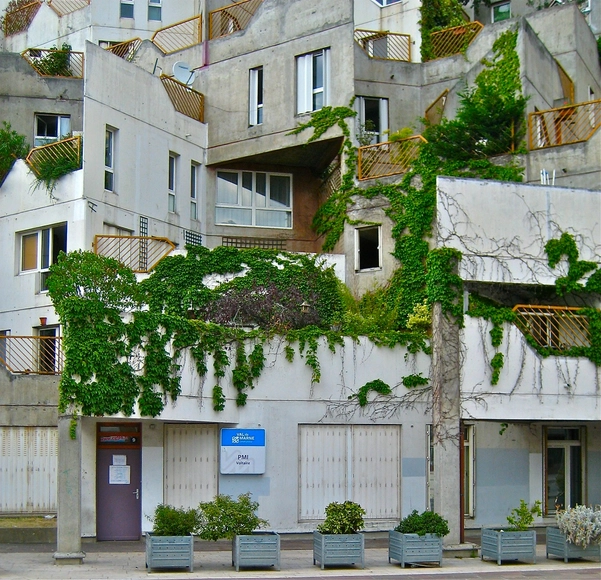
A few months ago, French architect Renée Gailhoustet was awarded the 2022 Royal Academy Architecture Prize. As housing challenges continue to embattle Paris and other French cities today, Gailhoustet was a timely choice, her body of work in the Paris suburbs – stretching back to the 1960s – still functioning today as compelling case studies to a social housing approach that concurrently embraces community and has a uniqueness of form.
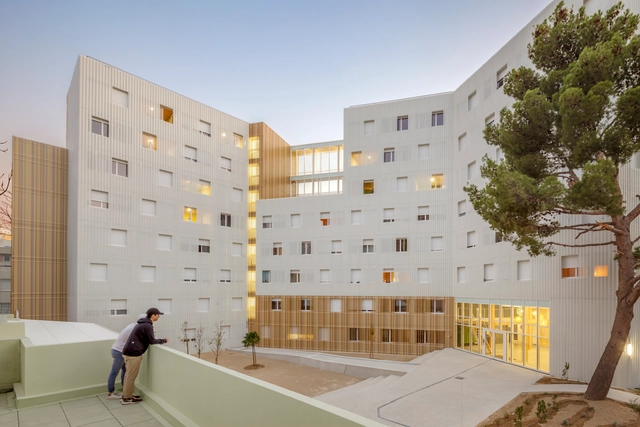
Student housing has undergone a remarkable transformation over the last century. Once seen as a utilitarian necessity, providing shelter and basic amenities for students, this architectural typology has evolved to address increasingly complex societal, cultural, and urban demands. Starting with Le Corbusier's modernist approach at the Cité Universitaire in Paris, student housing has reflected broader trends in architecture, urbanism, and social change.
Today, these buildings must cater to a highly diverse and transient population, navigating the pressures of affordability, density, and the evolving living standards of young adults. With rapid urbanization and increasing student mobility, universities now face the challenge of designing housing that is not only functional but also adaptable to different cultural and social contexts. This has led to more flexible, innovative solutions that promote both privacy and community living.