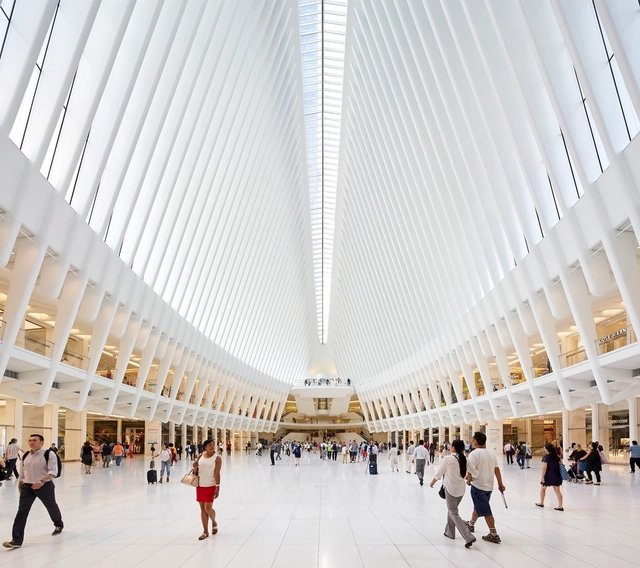
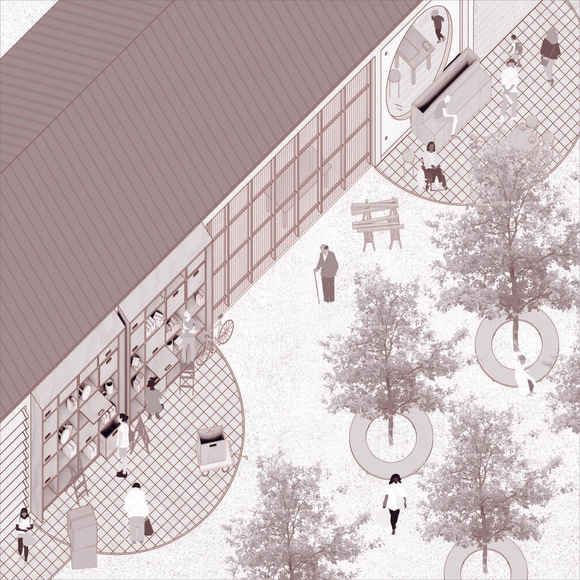
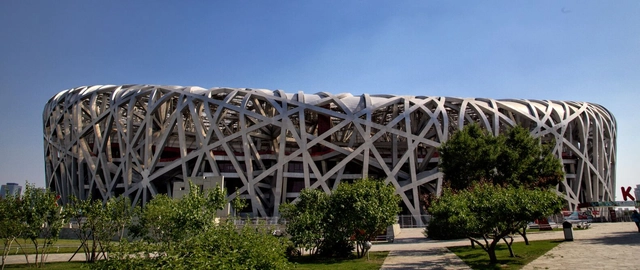
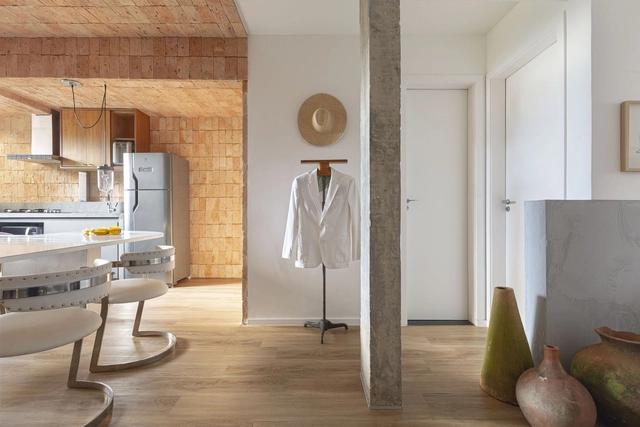
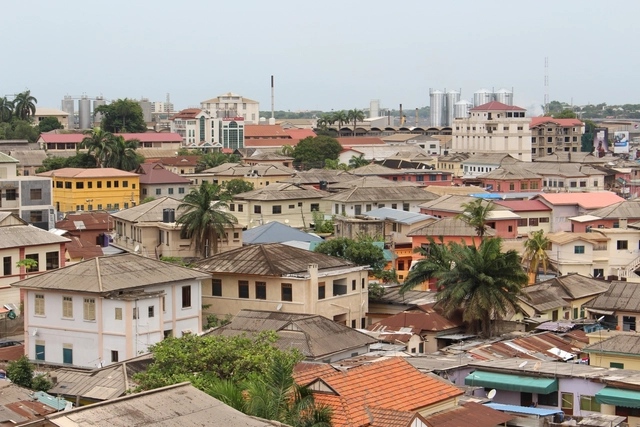
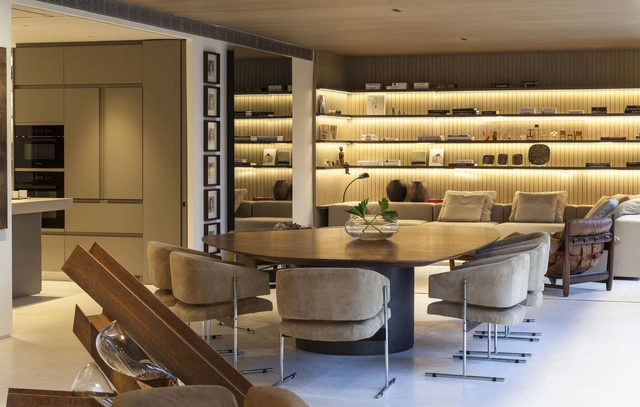
Contemporary cityscapes vary greatly from their early precedents, hosting urban life in sprawling interior spaces like mega-hotels, shopping malls, and transportation hubs. Soaring atriums and expansive concourses are now a normal part of the urban experience, allowing for public activity 'inside' the city. Interiors and urbanism are often considered at far ends of the spatial spectrum, with architecture serving as a mediator between the two. The growing significance of 'interior urbanism' in the functioning of the built environment demands the question - how can cities be reinvented from the inside out?
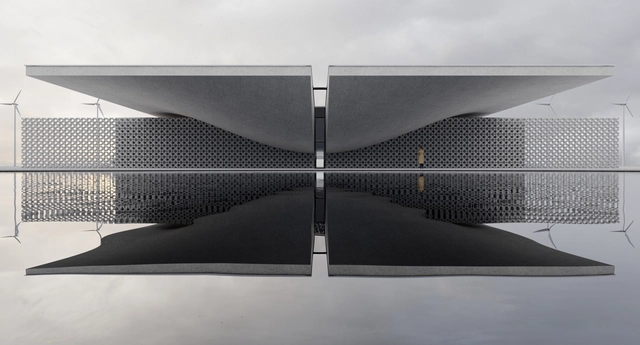
The flow of architectural values throughout the centuries demonstrates the prevalence of some parameters over others in each historical period. In terms of composition, one of the most fundamental considerations revolves around issues of symmetry and balance. Indeed, a design does not necessarily have to be symmetrical to convey the notion of compositional balance. Its elements do not have to be repeated side by side for the whole to convey a sense of completeness, stability, and... paradoxically, symmetry. Many contemporary projects achieve a balanced compositional whole without repeating their elements side by side.
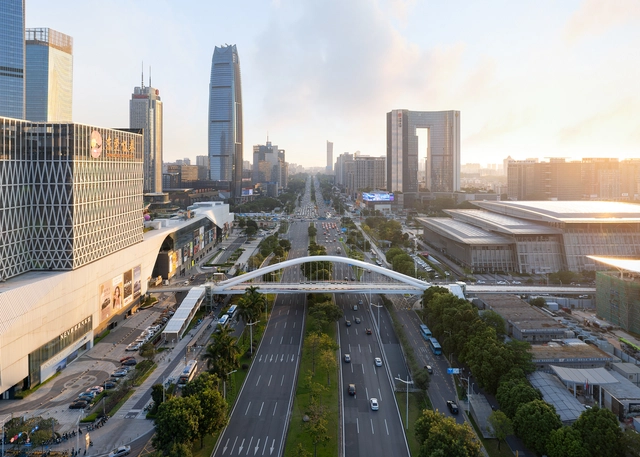
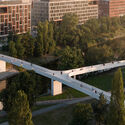
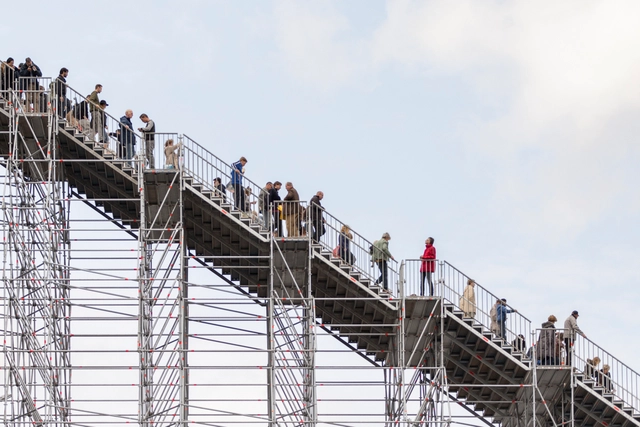
In a city, celebrating the act of walking has become a form of non-traditional planning. In the age of cars, challenging the dominance of vehicular transportation by championing the pedestrian experience is not very common. For this reason, pedestrian bridges worldwide stand as symbols of connectivity and architectural ingenuity. These soaring structures embody the urban experience for its core user: the pedestrian. Although the structures began as practical solutions to traffic management, they have evolved into iconic landmarks and pivotal components of city planning.
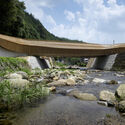
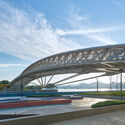
The significance of these projects represents a shift towards human-centric design in urban landscapes. The Kusugibashi Bridge in Japan, rebuilt by Kengo Kuma & Associates symbolizes resilience, while the Hangzhou Riverfront Public Space’s Silk Bridge showcases urban connectivity through revitalizing the waterfront. The Donnguan Central Area Slow-Traffic Bridge addresses connectivity and greenery, and SBE NV’s Vlasburg Bridge dedicates itself to enhanced water routes for the community. Collectively, these bridges drive urban revitalization into the future, emphasizing sustainability and integrating with community needs.
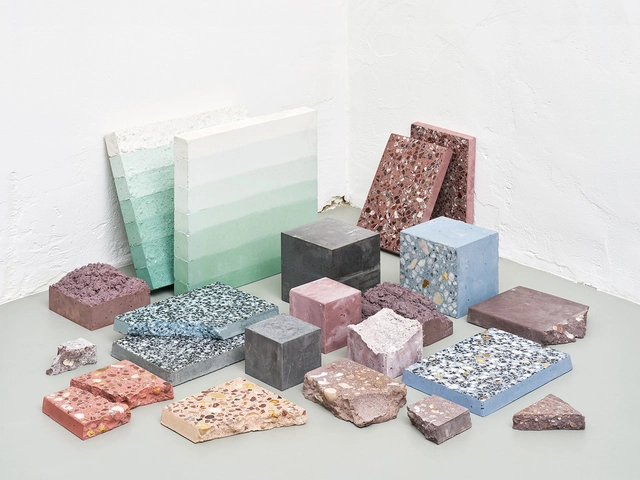
A building’s materiality is what our bodies make direct contact with; the cold metal handle, the warm wooden wall, and the hard glass window would all create an entirely different atmosphere if they were, say, a hard glass handle, a cold metal wall and a warm wooden window (which with KTH’s new translucent wood, is not as absurd as it might sound). Materiality is of just as much importance as form, function, and location—or rather, inseparable from all three.
Here we’ve compiled a selection of 16 materials that should be part of the design vocabulary of all architects, ranging from the very familiar (such as concrete and steel) to materials that may be unknown to some of our readers, as well as links to comprehensive resources to learn more about many of them.
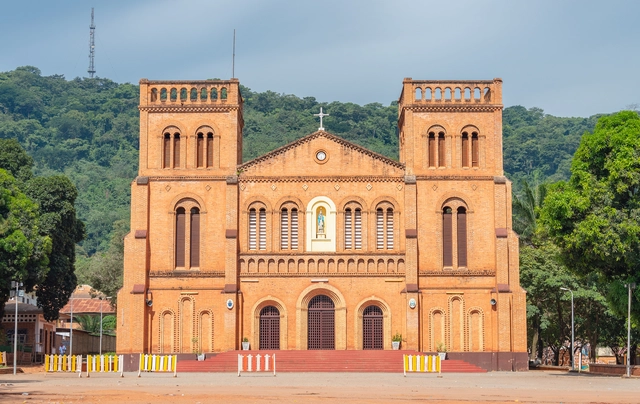
Located in the city of Bangui, the capital of the Central African Republic, is the Notre DameCathedral. This large red brick church was built in the early 1900s in the French colonial style. As the city grew from a small outpost to a colonial capital, the building was formed as a cultural and symbolic fusion of European and Central African architectural styles. Designed by French architect Roger Erell, the cathedral showcases local construction craftsmanship, provides a space for spiritual solace, and contributes to the national identity of the country.
Designing a home is always a significant challenge. Technical and construction expertise must align with the expectations of its future resident, gently embracing their daily routine and tasks. Thus, mapping out the needs and rituals that will unfold within the house is fundamental for the success of the task. In the abundance of personalities, preferences, and quirks, residential architecture needs to mediate intentions and embrace diversities.
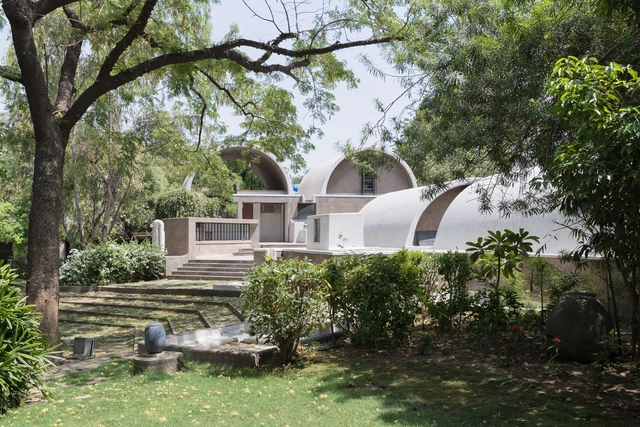
Exterior view of Doshi’s Sangath Architect’s Studio, Ahmedabad, Image by Iwan Baan. . Image Courtesy of Vitra Design Museum
As we step into the new year, we take a moment to reflect on the lasting impact of celebrated architects, designers, and curators who passed away in 2023. This past year witnessed the departure of influential figures who, through their talent and dedication, left an indelible mark on the built environment. Some embarked on their careers with bold gestures that reshaped architectural paradigms, while others worked quietly, placing a profound focus on the human experience or the invisible figures of out profession.
When it comes to contemporary Portuguese architecture, the initial association often leans towards tradition. The historical significance of the program, the importance of typologies for the locals, and the construction methods all play a role. These associations are not unfounded, but they are not limiting either. In this context, Portugal boasts a prominent figure who exemplifies this balance: Álvaro Siza Vieira.
Siza is the foremost representative of Portuguese architecture. There are many reasons for this distinction. It is not only because he was the first Portuguese architect to receive a Pritzker Prize in 1992 or for the Golden Lion at the Venice Biennale in 2012. It is not solely due to his extensive and prolific career. Above all, his unique and simultaneously universal approach to architecture sets him apart. His involvement on national and international fronts highlights a characteristic likely intrinsic to his nature: the ability to embody many facets within a singular entity, just like his compatriot Fernando Pessoa.
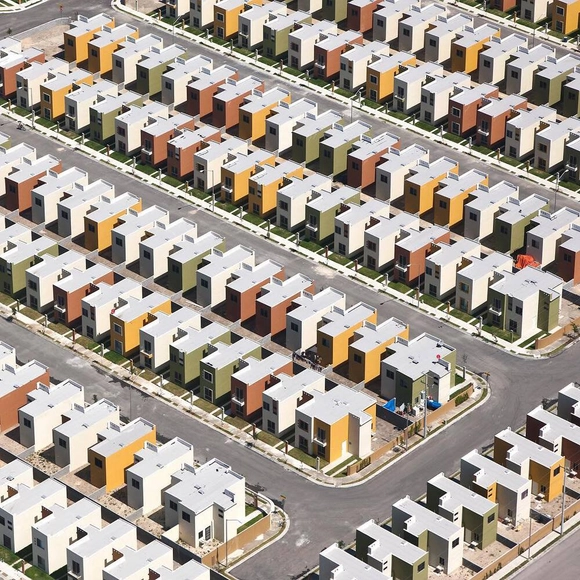
Decolonizing Suburbia. Image Courtesy of Centro de Arquitectura
One of the most important challenges in architecture, when it comes to creating spaces that work for everyone, is the diversity that exists in people, their needs, and how to integrate them into a design. Disabilities are more than a condition; they are a way of living according to human diversity that requires architectural solutions of equivalent multiplicity.
According to data from the World Bank, it is estimated that 1 billion people –equivalent to 15% of the world's population– live with some type of disability. In the future, this percentage could increase considerably, given the global trend of aging populations. To face this growing challenge, architecture will have to adapt quickly, due to the role that built environments have in constituting a barrier or a path for the inclusion of people with different types of disabilities, seniors, as well as diverse groups who make up the human plurality.
https://www.archdaily.com/998667/how-can-buildings-work-for-everyone-the-future-of-inclusivity-and-accessibility-in-architectureEnrique Tovar
Cities are vibrant systems that hold meaning and move with the rhythm of the human life that powers it. In the fabric of urban landscapes, architects and urban designers collaborate to create spatial harmonies that extend beyond aesthetics and towards social justice and poetic expression. Citizens engage, becoming active participants in the ongoing narrative of the city - the metropolitan melody.
In 2023, ArchDaily wrote about the poetics of urbanism, exploring a future where cities meet its people’s social and emotional needs:
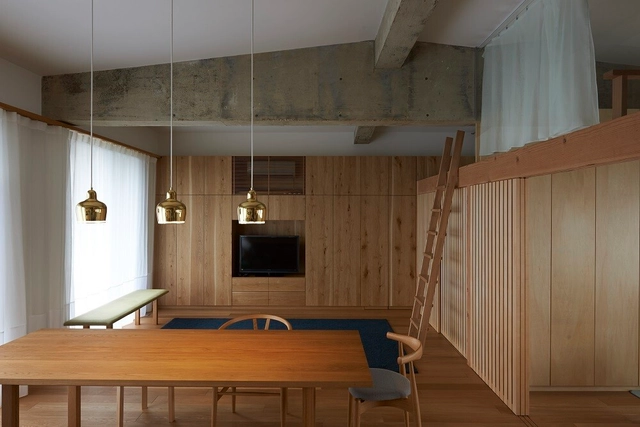
Contemporary Japanese interiors incorporate elements both of tradition and modernity to embody the country's innovative spirit while maintaining a profound respect for its history and cultural heritage. Though traditional materials like wood, paper, and bamboo continue to hold significance, modern Japanese interiors also often feature a fusion of glass, steel, concrete, and metals. The juxtaposition of smoother, sleeker textures and finishes with warmer and more organic ones reflects a dynamic synthesis of old and new, and results in visually striking and functional spaces that honor the essence of the country's design principles.
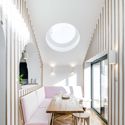
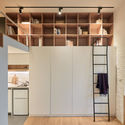
One of the most essential aspects of interior design is lighting – an element that can make or break an interior space of any size or material. Yet good lighting can be especially important for smaller or more crowded spaces, making them feel larger and more open even when their literal dimensions haven’t changed. In turn, larger spaces with poor lighting may feel smaller and less welcoming than they have the potential to be. To make interiors feel aptly large and well lit, designers can rely on several tried and true methods that make the most of a space, from using the right shades and types of lights to placing them in the best locations to integrating other elements that best complement existing lighting. These strategies, as well as several examples of their application, are listed below.
https://www.archdaily.com/947631/how-to-virtually-enlarge-spaces-using-good-lightingLilly Cao
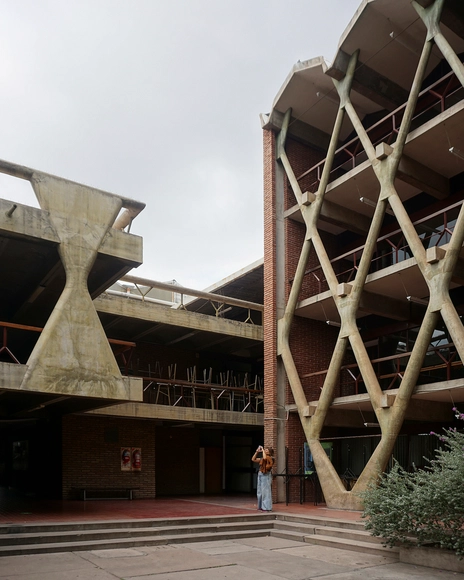
There are reasons to visit the city of Mendoza: it serves as both the gateway to Argentine wine tourism and a diverse collection of historically and architecturally significant buildings. From the Museum of the Foundational Area to the renowned Faculty of Architecture at the University of Mendoza, this guide invites you to explore a cultural and scenic richness reflected in every facade and every street. The city's public spaces not only blend with the natural surroundings of the vast Andes but also harmonize with a system of irrigation channels and urban greenery that can be appreciated at every moment of the journey.
To convey the might and prestige of their empire, the Romans constructed enduring architecture as symbols of their long-lasting reign. Emperors employed grand public works as assertions of their status and reputation. Conversely, Japanese architecture has long embraced ideas of change and renewal, evident in the ritualistic rebuilding of Shinto shrines. A practice, known as shikinen sengu, is observed at Ise Jingu, where the shrine is purposefully dismantled and reconstructed every twenty years. Across the world, philosophies around permanence and impermanence pervaded architectural traditions. Amidst the climate crisis, how do these tenets apply to modern architectural design?
One of the most popular choices in the construction market, vinyl flooring has various characteristics that have elevated it to this level. Composed mainly of polyvinyl chloride (PVC) - and with other additives, depending on its production, such as plasticizers, fiberglass, resins, and/or minerals - it is a durable, affordable, and easily installable material that can be applied in a variety of environments.
Urban environments are constantly evolving, with cities becoming the hubs of cultural diversity and economic life. In fact, the globe is speeding towards a future in which 70% of people will live in cities by 2050. Architects are at the core of this revolutionary movement, rethinking the nature of a city due to this urban surge. In response to this immense focus on newer and more diverse cities, architects and designers are leaning towards multifunctional and mixed-use projects. Attracting diverse crowds of people, mixed-use architecture explores the maximum potential of what a structure can serve.
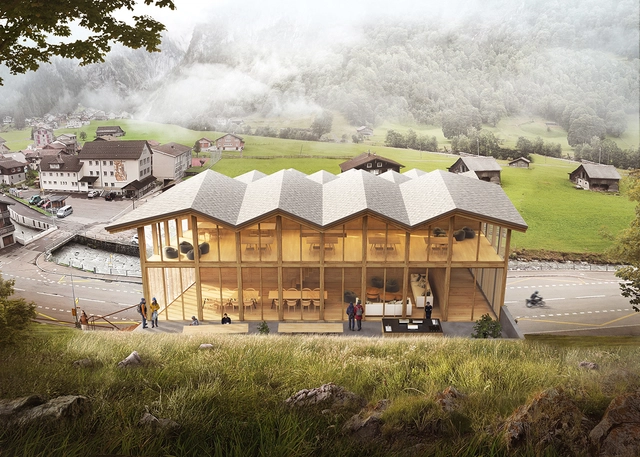
Highlighting architecture firms such as Atelier 333, MOR Architects, BXB studio Bogusław Barnaś, Beek Architects, Frey Architekten, and Kalbod Design Studio, among others, the forthcoming exploration unveils a collection of unbuilt architectural projects submitted to ArchDaily that champion multi-function in their design. From the innovative Plata.forma in Laqlouq to the maritime haven of The Ark and the Swiss House's harmonious alpine blend, these projects redefine urban living.
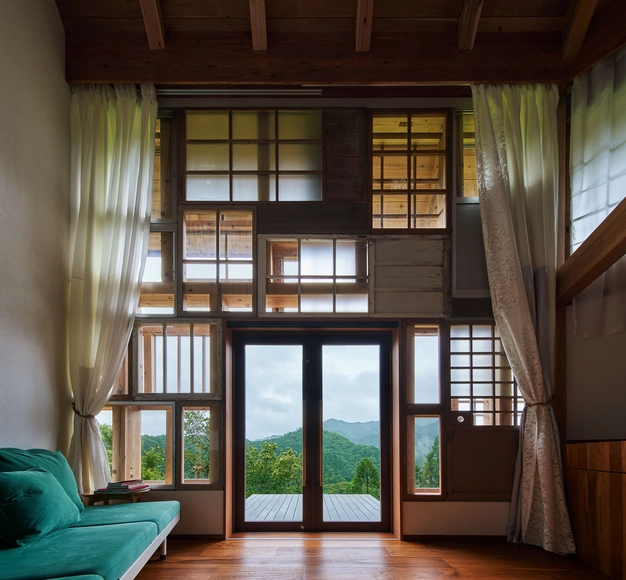
A vital aspect of a circular economy lies in shifting our view of waste. Labeling an item "waste" implies voiding its value and ending its useful role in a traditionally linear economy. While the item might be out of sight and out of mind, its life continues in the landfill. This shift in perspective regarding waste means opening our minds to the opportunity that the abundance of junk presents. These designers and architects have managed to not only effectively reclaim discarded objects but also to make them look precious, imbuing them with new meaning and value through their careful curation.
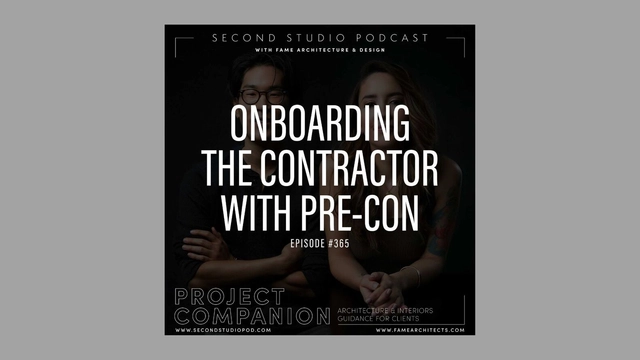
The Second Studio (formerly The Midnight Charette) is an explicit podcast about design, architecture, and the everyday. Hosted by Architects David Lee and Marina Bourderonnet, it features different creative professionals in unscripted conversations that allow for thoughtful takes and personal discussions.
A variety of subjects are covered with honesty and humor: some episodes are interviews, while others are tips for fellow designers, reviews of buildings and other projects, or casual explorations of everyday life and design. The Second Studio is also available on iTunes, Spotify, and YouTube.
This week David and Marina of FAME Architecture & Design discuss the different ways contractor’s are hired and the pros and cons of each: Negotiated Agreement, Competitive Bidding, Design Build, and Pre-Construction. The two cover the processes, the role of the architect throughout, controlling project costs, and more.
https://www.archdaily.com/1011636/the-best-way-to-hire-a-contractor-pre-construction-and-other-methodsThe Second Studio Podcast
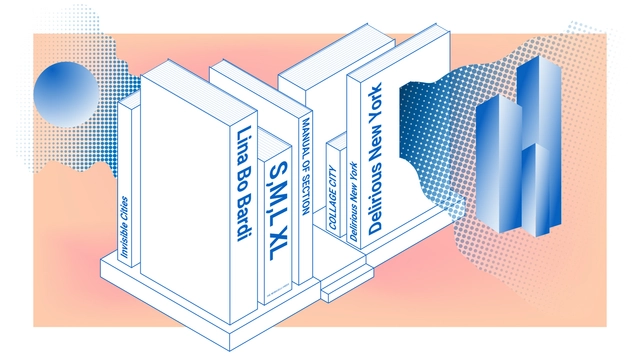
Architecture has deep wells of research, thought, and theory that are unseen on the surface of a structure. For practitioners, citizens interested, and students alike, books on architecture offer invaluable context to the profession, be it practical, inspirational, academic, or otherwise. So, for those of you looking to expand your bookshelf (or confirm your own tastes), ArchDaily has gathered a broad list of architectural books that we consider of interest to those in the field.
In compiling this list, we sought out titles from different backgrounds with the aim of revealing divergent cultural contexts. From essays to monographs, urban theory to graphic novels, each of the following either engage directly with or flirt on the edges of architecture.
The books on this list were chosen by our editors, and are categorized loosely by type. Read on to see the books we consider valuable to anyone interested in architecture.
https://www.archdaily.com/901525/116-best-architecture-books-for-architects-and-studentsArchDaily Team
The home is a fundamental expression of architectural movements within the fabric of a city. As one of the smallest typologies, it is the simplest canvas to exhibit the design ethos of any particular era. African cities have continuously negotiated the meaning of their residential dwellings, from traditional architecture to colonial architecture, and the influx of post-colonial modern architecture. Vernacular architecture explored homes with spatial patterns rooted in cultural dexterity, envelopes built with indigenous materials and forms, endowed with traditional motifs. These were in stark contrast to colonial homes that featured a range of imported architectural styles across the continent, neglecting their climatic and cultural contexts while amplifying social class.
Well-planned lighting makes all the difference in an interior design project, impacting various aspects. It goes beyond mere aesthetics to play a crucial role in creating atmospheres capable of influencing and altering people's emotions and perceptions within spaces. While direct lighting can provide overall and uniform brightness, ensuring proper illumination for daily activities, indirect lighting offers a more subtle and effective approach, which creates cozy, gentle, and pleasant environments.
As this bloody year draws to a close, at a moment when the message “Peace on Earth” seems altogether mute, one might well ask: What power does architecture have? How can it address violence against innocent people, whose lives have been turned upside down? How does architecture respond to staggering cruelty? What can it say? Can it raise consciousness?
https://www.archdaily.com/1011673/in-warsaw-a-student-designed-architectural-response-to-dark-timesMichael J. Crosbie
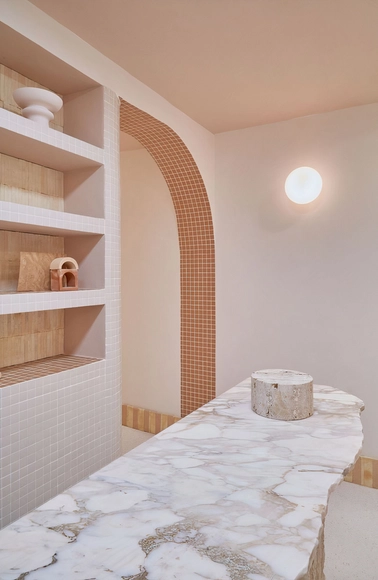
Aiming to balance the calm and uniformity of minimalism with the tactile appeal of raw, textured materials, ceramics emerge as a versatile medium to bridge the gap between sterile spaces and those that might become overwhelming. Whether incorporating large formats or small mosaics, or embracing organic or geometric aesthetics, the diverse range of ceramic options enables the infusion of character into spaces while maintaining a sense of order and cohesion. But it is not a simple task. In the pursuit of this harmonious blend, we explore specific types of ceramic cladding that have been effectively applied in architectural projects, enriching the visual language of minimalism while grading its complexity with precision.
Vitryak Visitor center / MAKHNO Studio. Image Courtesy of MAKHNO Studio
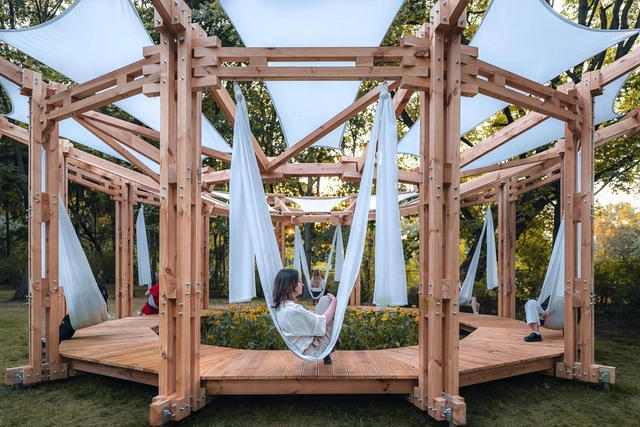
Whether temporary or permanent, pavilions and urban installations represent an opportunity for architects to experiment with different shapes, materials, and textures. The results are often theatrical, welcoming visitors to new types of spaces, and blending the exterior and the interior. Pavilions are often commissioned for events, exhibitions, or cultural programs, offering opportunities to explore innovative materials, construction techniques, and spatial concepts on a smaller scale. Some events, like the Serpentine in UK or the MPavilion in Australia, propose a yearly reimagining of their structures, offering opportunities for established and emerging architects to express themselves. Others, like the Venice Biennale, reuse the permanent garden pavilions, but invite curators to prepare exhibitions to reimagine them for every edition.
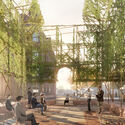
This week's curated selection of Best Unbuilt Architecture highlights projects submitted by the ArchDaily community showcasing pavilions and urban installations proposed in various environments, from urban plazas to agricultural fields or even airports. In Frankfurt, a translucent foliage-covered structure aims to honor the memory of a lost synagogue. in Ukraine, a visitor center reimagines an industrial landscape into an attractive meeting place, while a decentralized installation in the Netherlands hopes to bring communities together by collecting and sharing stories on scents. Whether temporary or permanent, these projects aim to provoke reflection and contemplation, while addressing larger themes of sustainability, resource availability, or the role of social spaces.