Ananya Nayak

Architect and writer, whose work explores the convergence of design, sustainability, and building physics. With a B.Arch from Bengaluru and an MSc in Advanced Sustainable Design from the University of Edinburgh, she practiced in Scotland as a Building Performance Consultant. Currently runs her design studio, across multiple cities in India. Her approach integrates technical research with architectural thinking, examining how buildings perform within their environmental and cultural contexts.

BROWSE ALL FROM THIS AUTHOR HERE

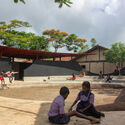
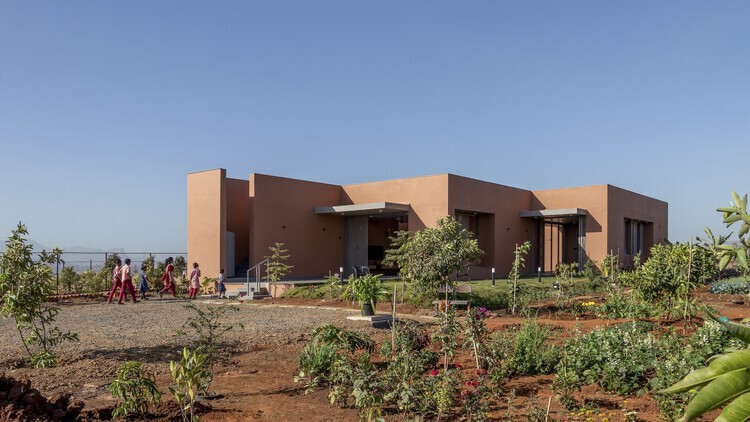
Framing Life Through Voids and Verandahs: The Architecture of pk_iNCEPTiON

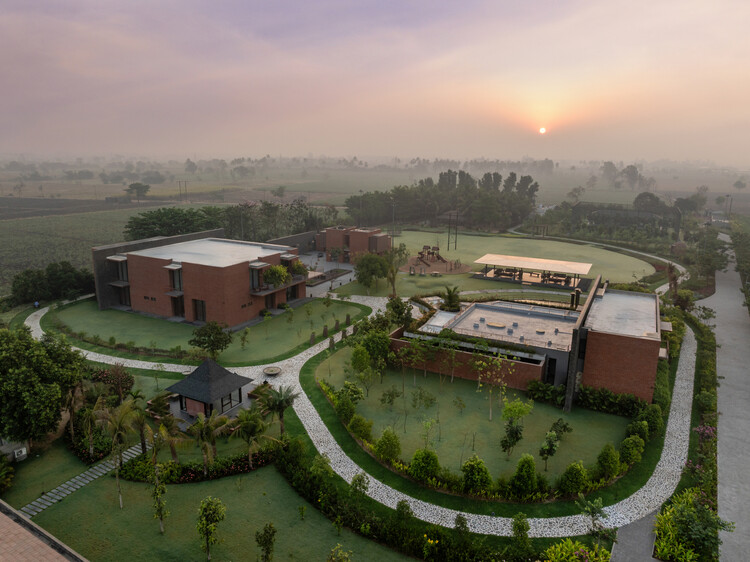
Founded as a practice working across architecture and community-focused projects, pk_iNCEPTiON is based in Maharashtra, India. The studio, one of the winners of the ArchDaily 2025 Next Practices Awards, works on rural schools, houses, libraries, and public buildings, with a focus on spatial organization and adaptability. Operating across varied social and climatic contexts, pk_iNCEPTiON approaches design through careful attention to movement, scale, and the relationship between built form and open space.


Framing Life Through Voids and Verandahs: The Architecture of pk_iNCEPTiON - Image 1 of 4Framing Life Through Voids and Verandahs: The Architecture of pk_iNCEPTiON - Image 2 of 4Framing Life Through Voids and Verandahs: The Architecture of pk_iNCEPTiON - Image 3 of 4Framing Life Through Voids and Verandahs: The Architecture of pk_iNCEPTiON - Image 4 of 4Framing Life Through Voids and Verandahs: The Architecture of pk_iNCEPTiON - More Images+ 17

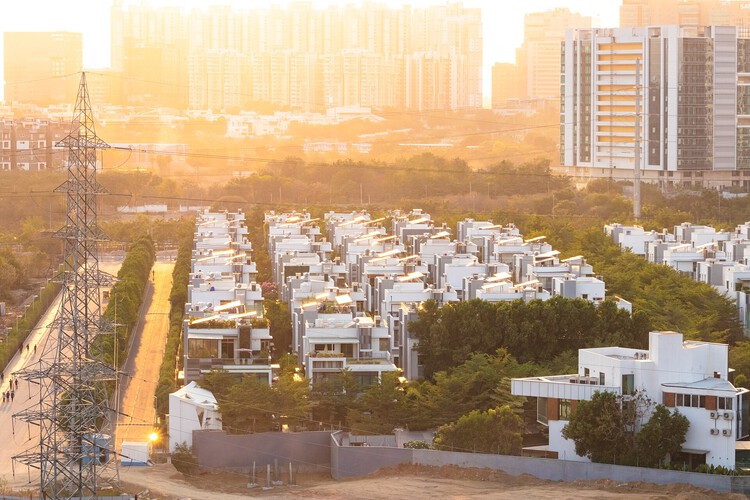
Security as Script: Inside the Architecture of Gated Living

You learn how to behave long before you arrive home. At the gate, you slow down and wait. You are watched, then waved through. A badge is checked, a barrier lifts, a camera blinks. Nothing dramatic happens, and that is precisely the point. The most consequential work of gated communities is not done by their walls, but by the choreography of entry that quietly teaches residents what to expect, whom to trust, and where they belong.

Security as Script: Inside the Architecture of Gated Living - Image 1 of 4Security as Script: Inside the Architecture of Gated Living - Image 2 of 4Security as Script: Inside the Architecture of Gated Living - Image 3 of 4Security as Script: Inside the Architecture of Gated Living - Image 4 of 4Security as Script: Inside the Architecture of Gated Living - More Images+ 2

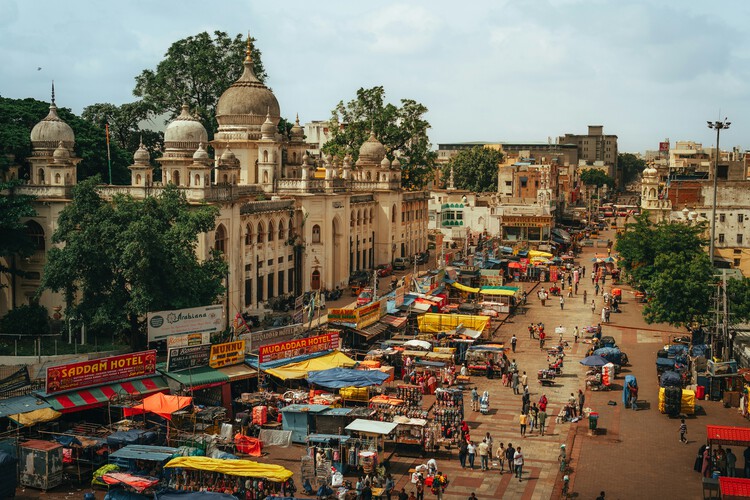
A Day in the Bazaar: When Architecture Is Observed in Time

Architecture is most often represented as a stable object: a building captured at a moment of visual clarity, isolated from surrounding contingencies. Plans, sections, and photographs promise legibility by suspending time. Yet many of the world's most enduring public environments resist this mode of representation altogether. They are not designed to be read instantaneously, nor do they reveal their logic through form alone. Their spatial intelligence emerges gradually, through repetition, occupation, and duration.

The bazaar belongs firmly within this category. It cannot be understood through a single drawing or a finished elevation. Its organization is not fixed but rehearsed. What sustains it is not purely architectural composition, but shared timing, collective memory, and long-standing patterns of use. Togetherness in the bazaar does not arise from formal design decisions; it is produced through repeated encounters, negotiated proximities, and social familiarity accumulated over time.

A Day in the Bazaar: When Architecture Is Observed in Time - Image 1 of 4A Day in the Bazaar: When Architecture Is Observed in Time - Image 2 of 4A Day in the Bazaar: When Architecture Is Observed in Time - Image 3 of 4A Day in the Bazaar: When Architecture Is Observed in Time - Image 4 of 4A Day in the Bazaar: When Architecture Is Observed in Time - More Images+ 3

The Everyday Legacy of Indian Modernism: Building for the Post-Independence Middle Class

Subscriber Access | 

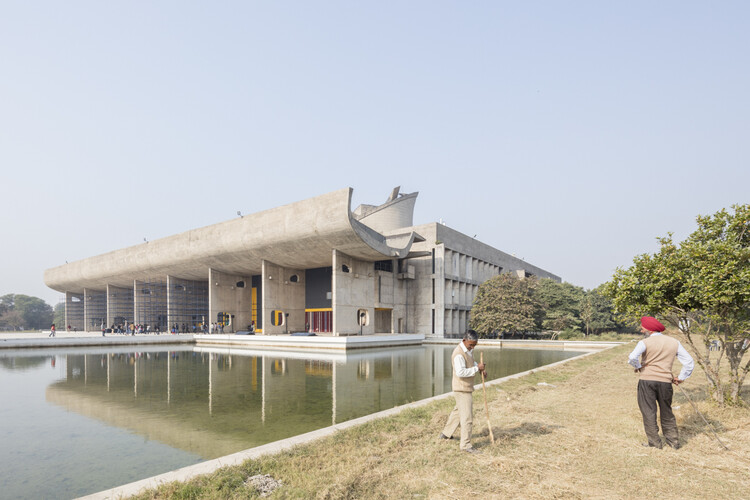
Indian modernism is often narrated through a narrow lens: a handful of iconic institutions, master architects, and formally radical experiments that came to symbolize the nation's post-Independence aspirations. Yet this version of history overlooks the far larger body of modernist architecture that quietly shaped everyday life across the country. Beyond celebrated campuses and canonical buildings exists a vast, dispersed landscape of housing blocks, offices, hostels, hospitals, markets, and townships — structures that were designed to function and endure.

The Everyday Legacy of Indian Modernism: Building for the Post-Independence Middle Class - Image 1 of 4The Everyday Legacy of Indian Modernism: Building for the Post-Independence Middle Class - Image 2 of 4The Everyday Legacy of Indian Modernism: Building for the Post-Independence Middle Class - Image 3 of 4The Everyday Legacy of Indian Modernism: Building for the Post-Independence Middle Class - Image 4 of 4The Everyday Legacy of Indian Modernism: Building for the Post-Independence Middle Class - More Images+ 6

Small Practices, Big Ideas: Indian Studios Redefining Architectural Agency

Subscriber Access | 

In contemporary architectural discourse, scale is often mistaken for influence. Large firms, landmark projects, and master-planned developments dominate visibility. It goes on to reinforce the idea that architectural ambition is measured by size, reach, or spectacle. Yet across India and similar contexts, a quieter but equally consequential body of work is emerging. It is led by small but mighty practices operating with limited resources, close client relationships, and an intimate understanding of local conditions.

Small Practices, Big Ideas: Indian Studios Redefining Architectural Agency - Image 1 of 4Small Practices, Big Ideas: Indian Studios Redefining Architectural Agency - Image 2 of 4Small Practices, Big Ideas: Indian Studios Redefining Architectural Agency - Image 3 of 4Small Practices, Big Ideas: Indian Studios Redefining Architectural Agency - Image 4 of 4Small Practices, Big Ideas: Indian Studios Redefining Architectural Agency - More Images+ 15

The Invisible City: India's Urban Infrastructure Projects of 2025 That Deserve Attention

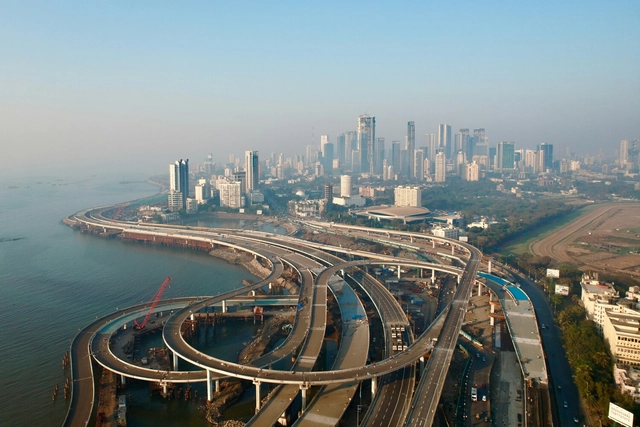
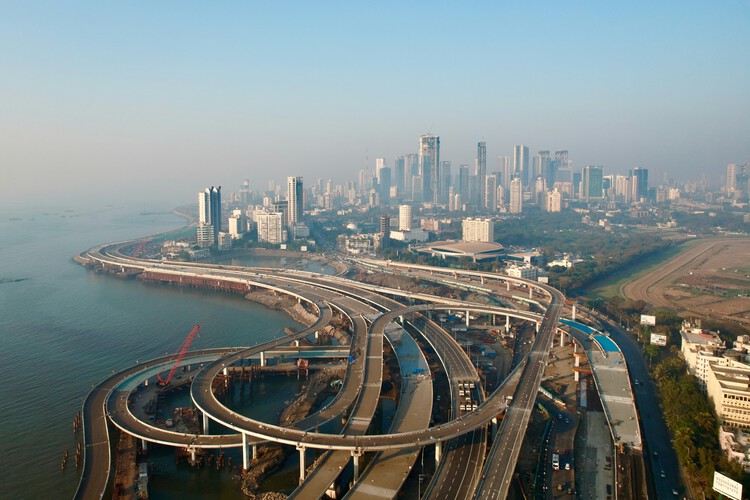
In 2025, India's most consequential design projects unfolded largely out of sight. While public attention gravitated toward museums, cultural landmarks, and visually arresting façades, the architecture that most decisively shaped daily life existed underground, at the city's edges, or inside secured compounds few citizens would ever enter. Sewage networks were rebuilt, flood tunnels bored beneath dense neighborhoods, substations lifted above floodplains, and data centers multiplied across peri-urban landscapes. These were not peripheral works of engineering; they were the spatial systems that allowed Indian cities to remain functional through record heatwaves, erratic monsoons, and accelerating urban growth.

The Invisible City: India's Urban Infrastructure Projects of 2025 That Deserve Attention - Image 1 of 4The Invisible City: India's Urban Infrastructure Projects of 2025 That Deserve Attention - Image 2 of 4The Invisible City: India's Urban Infrastructure Projects of 2025 That Deserve Attention - Image 3 of 4The Invisible City: India's Urban Infrastructure Projects of 2025 That Deserve Attention - Image 4 of 4The Invisible City: India's Urban Infrastructure Projects of 2025 That Deserve Attention - More Images+ 5

How 2025 Turned Architectural Visuals Into Disputed Media

For much of modern architectural history, images have functioned as interpretive tools rather than literal records. Renderings, drawings, and competition visuals were traditionally understood as speculative instruments, offering atmospheres, intentions, and possible futures rather than fixed realities. This ambiguity allowed architects to communicate ideas that were still in formation, and it shaped a visual culture in which representation was valued as much for its suggestive quality as for its precision.

In recent years, this long-standing relationship began to shift. Architectural images did not simply become more refined or technologically advanced; they took on new social and institutional significance. As images moved beyond professional contexts and entered wider public circulation, their role expanded. They were no longer only methods of communication within the discipline, but also objects of public interpretation, discussion, and, at times, dispute. This marked a subtle but important change in how architectural visuals were understood and used.

How 2025 Turned Architectural Visuals Into Disputed Media - Image 1 of 4How 2025 Turned Architectural Visuals Into Disputed Media - Image 2 of 4How 2025 Turned Architectural Visuals Into Disputed Media - Image 3 of 4How 2025 Turned Architectural Visuals Into Disputed Media - Image 4 of 4How 2025 Turned Architectural Visuals Into Disputed Media - More Images+ 3

The Architecture Agenda: Inside the Key Events of 2026

Architecture and design enter 2026 in a moment of renewed experimentation, urgent environmental reflection, and an expanded global dialogue on the built environment. As cities confront the pressures of climate adaptation, demographic shifts, and technological transformation, this year's international calendar offers a lens into how the discipline is responding, creatively, critically, and collectively. From long-standing biennials to newly established platforms, the events of 2026 spotlight architecture's evolving role as both a record of our changing world and a driver of more equitable, sustainable futures.

The Architecture Agenda: Inside the Key Events of 2026 - Image 1 of 4The Architecture Agenda: Inside the Key Events of 2026 - Image 2 of 4The Architecture Agenda: Inside the Key Events of 2026 - Image 3 of 4The Architecture Agenda: Inside the Key Events of 2026 - Image 4 of 4The Architecture Agenda: Inside the Key Events of 2026 - More Images+ 9

Circular by Tradition: India’s Vernacular Building Practices for a Warming World

Across India's varied geographies, from coastal backwaters to desert fortress cities, architecture evolved with a deep, instinctive connection to climate. These were not isolated craft traditions but complete ecological systems in which material cycles, thermal comfort, and community knowledge were interdependent. As COP30 turns global attention toward the links between heritage and climate resilience, India's vernacular practices appear less as historical artifacts and more as climate technologies refined over centuries.

India's timber, lime, mud, and bamboo building traditions all share a common thread: they relied on local materials, passive cooling, and construction systems designed to be repaired, renewed, and reused. In an era dominated by cement, steel, and demolition-driven redevelopment, these earlier material cultures demonstrate a quiet circularity that feels radical again.

Circular by Tradition: India’s Vernacular Building Practices for a Warming World - Image 3 of 4Circular by Tradition: India’s Vernacular Building Practices for a Warming World - Image 5 of 4Circular by Tradition: India’s Vernacular Building Practices for a Warming World - Image 4 of 4Circular by Tradition: India’s Vernacular Building Practices for a Warming World - Image 1 of 4Circular by Tradition: India’s Vernacular Building Practices for a Warming World - More Images+ 4

Designing the Reuse Economy: How Architects Can Build Supply Chains, Not Just Buildings

Across Europe and beyond, architects are confronting a turning point. As rising emissions targets collide with shrinking material supplies and the growing urgency of climate commitments, the built environment is being forced into a deeper reckoning with how it consumes, circulates, and discards resources. What was once considered waste is now revealing itself as a dormant architectural archive, an urban ecosystem of materials waiting to be reclaimed, revalued, or reimagined. Within this shift, architects are beginning to play a radically different role. Not only as designers of buildings, but also as orchestrators of the flows that sustain them.

This emerging mindset is reshaping the foundations of practice. Instead of depending on long, extractive supply chains, designers are beginning to build their own closed-loop networks, establishing material banks, negotiating deconstruction protocols, and participating in new forms of urban mining.

Designing the Reuse Economy: How Architects Can Build Supply Chains, Not Just Buildings - Image 1 of 4Designing the Reuse Economy: How Architects Can Build Supply Chains, Not Just Buildings - Image 2 of 4Designing the Reuse Economy: How Architects Can Build Supply Chains, Not Just Buildings - Image 3 of 4Designing the Reuse Economy: How Architects Can Build Supply Chains, Not Just Buildings - Image 4 of 4Designing the Reuse Economy: How Architects Can Build Supply Chains, Not Just Buildings - More Images+ 3

How Technology Is Quietly Reinventing the Safety of Heritage Buildings

India's palaces and former colonial warehouses are witnessing a new kind of restoration, one that happens beneath the surface. From discreet steel supports tucked behind centuries-old masonry to digital sensors embedded in frescoed ceilings, technology is quietly reshaping how heritage buildings are protected for the future. These upgrades are more about subtle precision and less about spectacle; invisible engineering wonders.
As the world moves towards adaptive reuse, architects and engineers are confronted with an evolving challenge to make historic structures safe for public access while maintaining the authenticity of the architecture. Whether it's upgrading palaces to cool efficiently or seismic reinforcement of Victorian godowns, the goal is beyond preservation. It's about the intelligent coexistence of the old and the new.

How Technology Is Quietly Reinventing the Safety of Heritage Buildings - Image 4 of 4How Technology Is Quietly Reinventing the Safety of Heritage Buildings - Image 1 of 4How Technology Is Quietly Reinventing the Safety of Heritage Buildings - Image 7 of 4How Technology Is Quietly Reinventing the Safety of Heritage Buildings - Image 3 of 4How Technology Is Quietly Reinventing the Safety of Heritage Buildings - More Images+ 3

Balancing Liveability and Climate Goals: Edinburgh’s Path to Sustainable Building

Subscriber Access | 

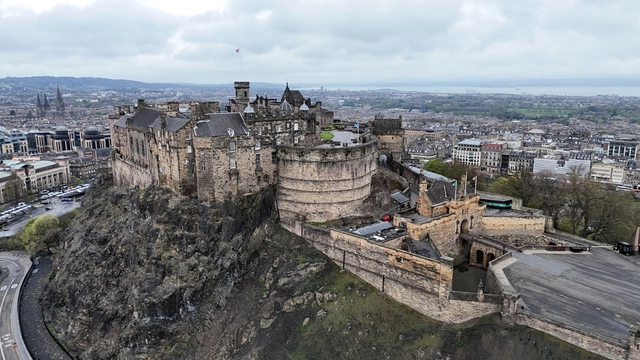
Edinburgh, Scotland's capital, has long been recognized for its rich cultural history and intricate urban fabric. The city thrives within its museums, tenement housing, and shops nestled in Georgian buildings. In 2022, Time Out ranked Edinburgh as the world's best city, citing its efficiency across community building and urban systems such as public transport. However, as climate change makes its effects progressively visible at an urban level, the city inevitably runs into a pressing dilemma: how to sustain this quality of life in increasingly difficult conditions.

The journey toward this balance unfolds through several interconnected strategies, such as retrofitting, adaptive reuse, circular design, and community collaboration, each contributing to Edinburgh's evolving vision of a sustainable urban future.

Balancing Liveability and Climate Goals: Edinburgh’s Path to Sustainable Building - Image 1 of 4Balancing Liveability and Climate Goals: Edinburgh’s Path to Sustainable Building - Image 2 of 4Balancing Liveability and Climate Goals: Edinburgh’s Path to Sustainable Building - Image 3 of 4Balancing Liveability and Climate Goals: Edinburgh’s Path to Sustainable Building - Image 4 of 4Balancing Liveability and Climate Goals: Edinburgh’s Path to Sustainable Building - More Images+ 3