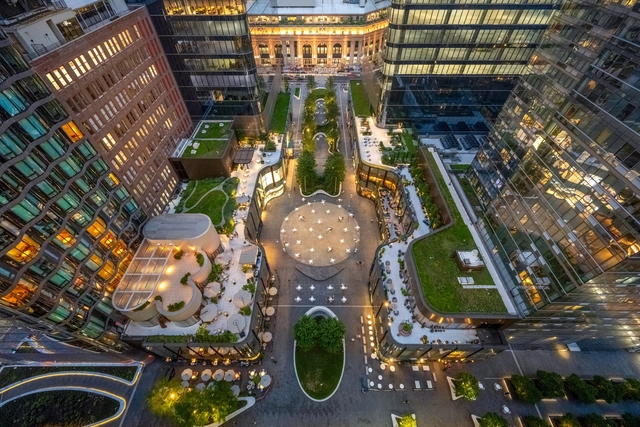
Evolving urban conditions call for an evolving builtscape, and retrofits have been a key mechanism to allow buildings to adapt and respond to new needs. Amidst global environmental concerns, climate retrofits have become a popular strategy to upgrade buildings based on improved operational efficiency. Global decarbonization plans have even called for city-wide retrofits, such as in the case of London, to meet civic goals. While such upgrades significantly reduce energy consumption, they often come with a hidden cost - embodied carbon in retrofit materials and the potential for future waste.
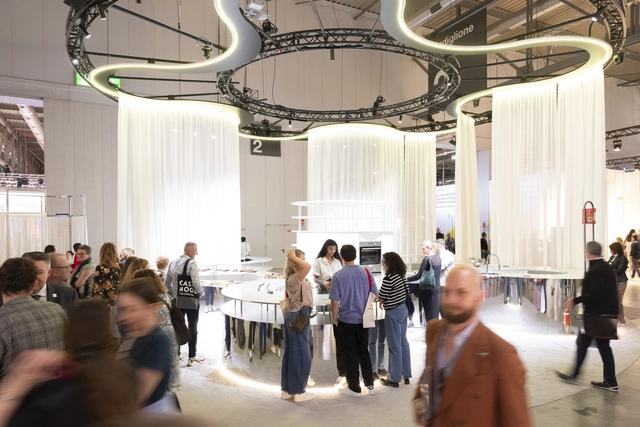
Designing for the human experience has been at the forefront of architect's intentions and motivations behind their work. While traditional processes prove beneficial, the industry is peering over boundaries to find opportunities for collaboration with other design and non-design fields. New approaches have emerged with collaborations between architects and service designers, or even psychologists, to create more human-centric spaces. A new intersection captures the attention of practitioners, especially with a recent installation at Salone de Mobile neuroarchitecture. ArchDaily breaks down the scope and potential for this new field with Federica Sanchez, architect and neuroscience researcher at Italian firm Lombardini22, responsible for revamping the Salone.
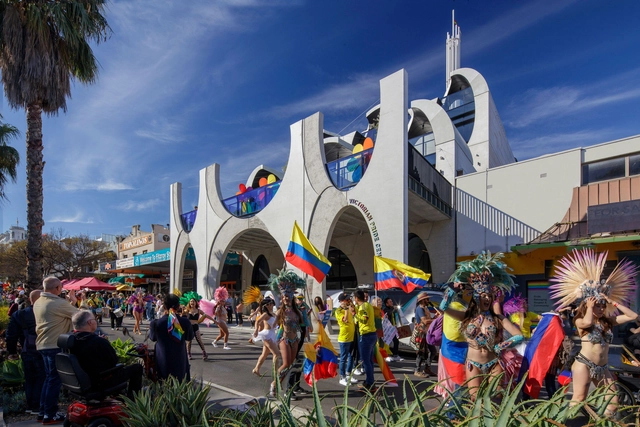
Evolving theories in urban design seek to reframe how cities are built and experienced. As theory and practice grows more empathetic towards the needs of its diverse stakeholders, queer urban design brings a broad and holistic shift to understanding identity and community in publicly inhabited spaces. The approach challenges traditional - often rigid - methods of city planning by applying principles of queer theory to reflect fluidity and interconnectedness. On occasion of Pride Month 2024, ArchDaily investigates the building blocks of "queer urban design" to influence city planning practices to be more inclusive.
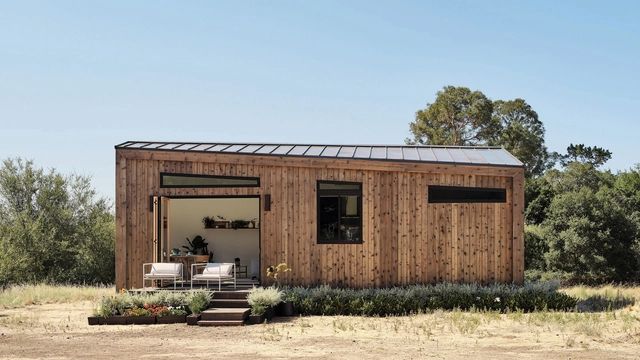
Cities in the US are embracing Accessory Dwelling Units (ADUs) to address the nationwide housing crisis. Often built on existing single-family home lots, ADUs offer an affordable option for increasing housing availability in established neighborhoods. However, like any new housing development, effective regulations are critical for widespread adoption. Los Angeles has emerged as a testing ground in using ADUs to address its housing shortage, providing valuable insights for other cities. The city's experience underlines the challenges of establishing regulations, while also promoting the benefits of ADUs as an affordable housing solution.
Metropolitan cityscapes come with the appeal of sophistication, luxury, and exclusivity. Their glittering skylines and vibrant energy attract thousands of tourists and residents seeking luxurious experiences every year. Catering to this market, several renowned brands and real estate firms have teamed up to offer "branded residences" – a modern typology that elevates hotel-like living into a daily delight.
The concept of branded residences can be traced back nearly a century to 1927 when New York City's Sherry-Netherland Hotel and Apartments joined forces with the famous Sherry's restaurant. Over the past decade, the trend has witnessed a 230% growth with over 580 developments from 133 brands equating to nearly 100,000 residential units established worldwide. The drive for this demand goes beyond aesthetics and architectural grandeur. World-class services and amenities such as spas, fitness centers, private cinemas, and concierge services offered by luxury housing developments build on a sense of indulgence.
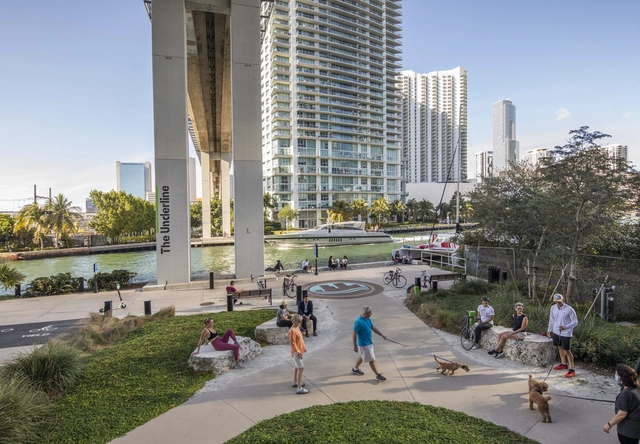
In the early 2000s, an abandoned rail line in Manhattan sat decaying - a memory from a time when freight trains traveled straight through the city. To most citizens, it was a site destined for demolition. However, a few visionary residents saw an opportunity in this neglected space and advocated to transform it into a public green space for the community. The success of the project seemed to spark a "High Line Effect", inspiring other American cities to pursue civic infrastructure on outdated railways, roadways, and industrial sites.
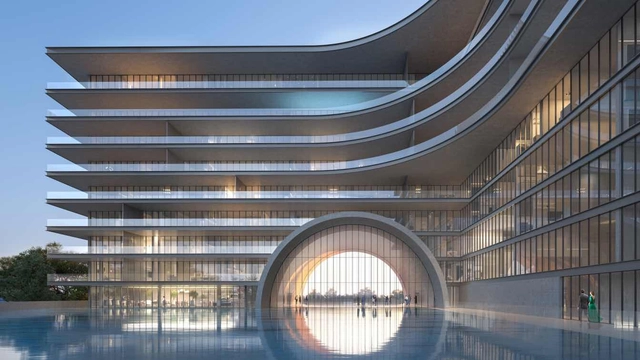
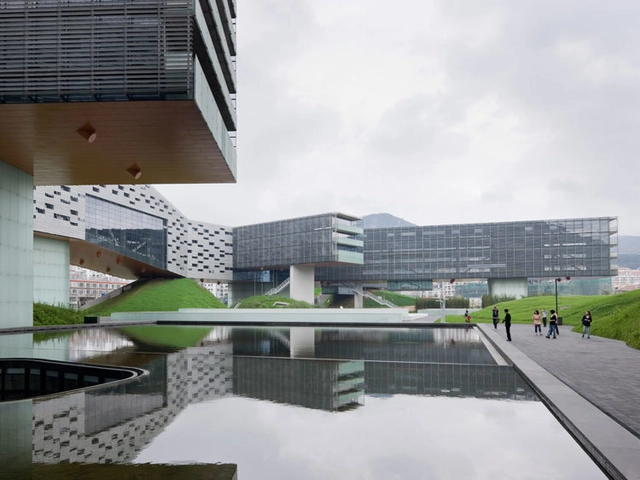
A ground scraper is essentially the opposite of a skyscraper - a large building that sprawls outward horizontally instead of soaring vertically into the sky. Though no strict definition exists, groundscrapers are generally described as extremely long but low-rise buildings with over 1 million square feet of space, sometimes called sidescrapers or landscrapers. The term came into the spotlight with Google's plans for their massive $1.3 billion London headquarters. Designed to be only 11 stories tall but over 1,000 feet long, this vast office block epitomizes using horizontal expansion to create immense space for thousands of employees.
South Asia has undergone notable transformations across economic, political, social, and various other spheres. Mirroring these patterns of societal change are the architectural practices across this region. The modern nation-states of South Asia – Afghanistan, Bangladesh, Bhutan, India, Maldives, Nepal, Pakistan, and Sri Lanka – share similar histories and a future characterized by rapid economic development and urbanization. However, each region exhibits distinct nuances concerning the present and potential state of architectural praxis, informed by their socio-cultural contexts and emerging political climates.
Architecture praxis has traditionally focused on customized, project-based services – a well-established model continually favored by industry professionals. While this approach yields remarkable built environments, it struggles to achieve scalability and longevity. The architectural industry has shown little interest in exploring alternative practices, processes and business models, considering that the traditional mode is equally vulnerable to market cycles as other industries are. Bespoke design solutions, the cornerstone of conventional practice, make standardizing processes and scaling services challenging. This focus also leads to fragmented workflows among firms and stakeholders. The stability and establishment of traditional practices can breed a risk-averse culture, hampering disruptive innovations within the industry.
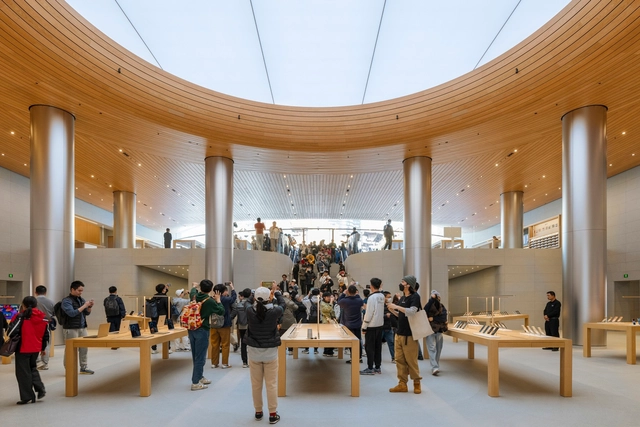
To differentiate themselves in competitive markets, the world's favorite retailers are tapping into retail design to cultivate communities of brand enthusiasts. Since traditional marketing methods no longer engage customers, physical spaces offer an avenue for more immersive and personalized experiences that match their values and lifestyles. Evolving customer preferences have led to the creation of authentic retail experiences that serve now as areas of recreation and entertainment. Designing outlets that encourage engagement, exploration, and a sense of belonging enables brands to foster loyal followings.
In a nation grappling with a severe housing shortage for its economically weakest sections, the concept of "low-cost housing" has surprisingly faded from public consciousness and policy discourse. A crisis impacting millions of the nation's poorest, the need for affordable housing has become even more pressing as India's population overtakes China to emerge as the most populous nation. If left unaddressed, the housing crisis may result in mass homelessness and undignified living conditions for citizens.
Airbnb has undoubtedly disrupted the hospitality industry, inspiring an ecosystem of companies leveraging the sharing economy such as co-living startups. While these companies have achieved impressive financial success, they have been purported to produce problematic effects at the scale of the city. Airbnb, in particular, is alleged to have driven an increase in rental prices in cities already grappling with housing affordability challenges. Much like the case of Uber's impact on urban mobility, Airbnb's rapid growth has caused significant challenges for local governments, demanding comprehensive regulation and a re-evaluation of its functioning at the city scale.
No longer relegated to the domain of temporary structures or utilitarian living, modular housing is increasingly gaining traction. Prefabricated homes are disrupting the architecture industry with their efficient construction, predictable costs, and reduced environmental impact. Modular housing is rooted in the idea of quick replication and standardization. In a world that prioritizes customization, how might modular housing meet the needs of diverse individuals?
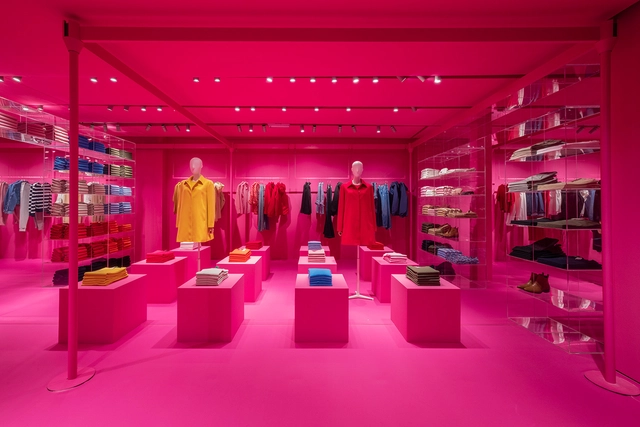
Benetton's physical store to mimic its virtual environment. Image Courtesy of Benetton
The evolution of retail design warrants a study of architectural practice in the digital realm. While physical commercial spaces have been the conventional center of shopping experiences, the emergent frontier of the metaverse—an interconnected network of virtual 3D environments—indicates an important shift in brand-consumer interactions. For architects, this liminal space presents a unique canvas, free from the material constraints that have traditionally molded design ideations. The metaverse is a new terrain where the architecture of imagination may be fully realized, inviting a reconceptualization of retail design possibilities.
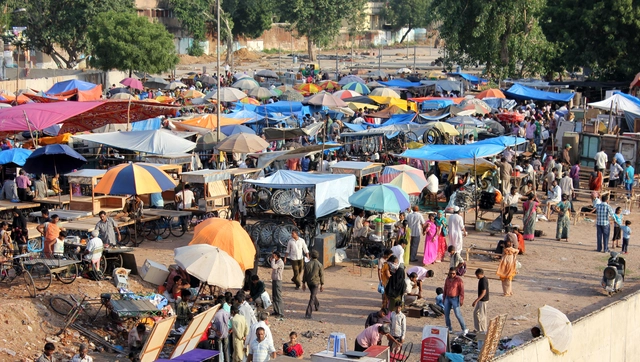
India's urbanscapes are characterized by a negotiation between the formal and the informal; permanence and impermanence. Structured amidst the concrete high-rises and planned neighborhoods, makeshift markets and bazaars form the core of city life. Often composed of sustainable structures, these transient commercial hubs exhibit a form of rudimentary architecture that spreads its roots deep in India's cultural and economic traditions.
The heart of India's informal urbanism lies in its public marketplaces and roadside bazaars that have existed for centuries. These urban zones have a history, believed to have originated from the era of traveling merchants and imperial trade relations. Today, these environments have evolved into dense labyrinths of impermanent shelters made from recycled tin sheets, tarpaulin canopies, and wooden poles. These bazaars organically transform neighborhoods into a choreographed chaos of vendors, goods, and the common public. Weekly markets are usually massive in scale and are set up every few days only to disappear again.
For a long time, the construction industry has followed a linear process - extract raw materials, build structures, demolish them, and then dispose of the garbage in landfills. This approach has serious negative effects on the environment and society and is inherently unsustainable. Reconsidering traditional methods and workflows requires support from all stakeholders and a sense of urgency proclaimed by authorities. In the United States, city organizations have begun to implement new policies to keep construction waste out of landfills and support circular practices. Several cities like Seattle and Pittsburgh, have started implementing deconstruction ordinances that require older buildings to be carefully deconstructed rather than demolished. How might their key provisions influence circular practices in the country?
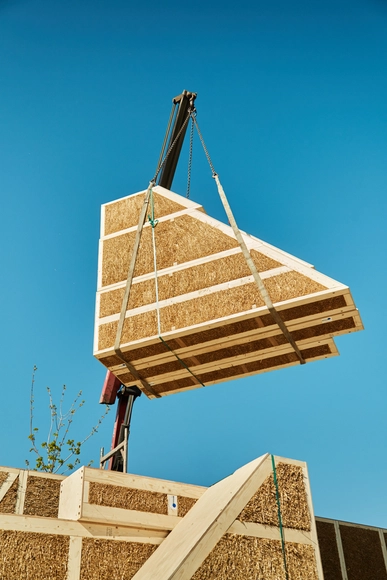
The principles of the circular economy have been most influential and applicable to the construction industry. Emphasizing the efficient use of resources, models around reuse and recycling of components and materials are increasingly being pioneered by global architecture practices. The concept of "design for disassembly" has emerged as an innovative approach especially in the case of building facades. Striking a balance between the demands for new infrastructure and the transition towards sustainability requires a review of traditional facade design throughout its lifecycle.
Four years after the onset of the COVID-19 pandemic, its effects are still felt in the construction and real estate sectors in the United States. Accelerated remote work and hybrid schedules are leading to a sharp decline in demand for traditional office space in cities across America. In major metros like New York and San Francisco, occupancy rates have dropped, property values have diminished and rents have fallen significantly. As architects design for the future of work, the real estate market faces divided perspectives on whether to invest in the country's growing inventory of vacant office buildings.