Antonia Piñeiro

BROWSE ALL FROM THIS AUTHOR HERE

Seven Finalists Announced for the 2026 EU Mies Awards for Contemporary European Architecture

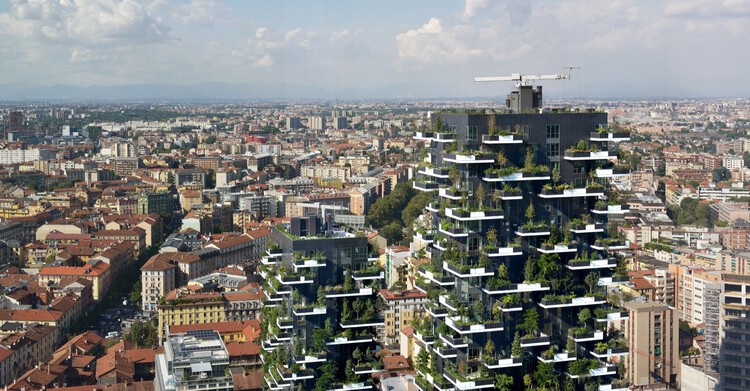
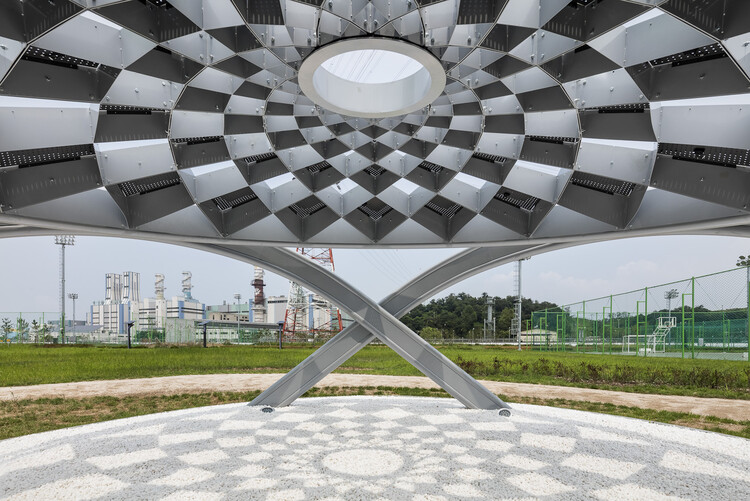
The European Commission and the Fundació Mies van der Rohe have announced the seven finalist projects for the 2026 European Union Prize for Contemporary Architecture - Mies van der Rohe Awards, supported by the European Union's Creative Europe programme. The selection follows the announcement of 410 nominated works in November and a shortlist of 40 projects revealed in early January. Of the seven finalists, five have been selected in the Architecture category and two in the Emerging category. According to the jury chaired by Smiljan Radić, the finalist projects are exemplary contributions to the future of European architecture, demonstrating how the discipline can respond simultaneously to specific local conditions and broader social, cultural, and environmental challenges. The selected works range from interventions in former industrial sites, small villages, and peripheral urban areas to carefully calibrated projects within larger cities. Across these varied contexts, the projects show how architecture can transform overlooked or ordinary settings into inclusive, high-quality spaces for living, learning, and social exchange.

Seven Finalists Announced for the 2026 EU Mies Awards for Contemporary European Architecture - More Images+ 113

Sordo Madaleno and építész stúdió Selected to Design New Natural History Collection Center in Debrecen, Hungary

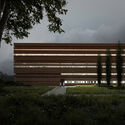
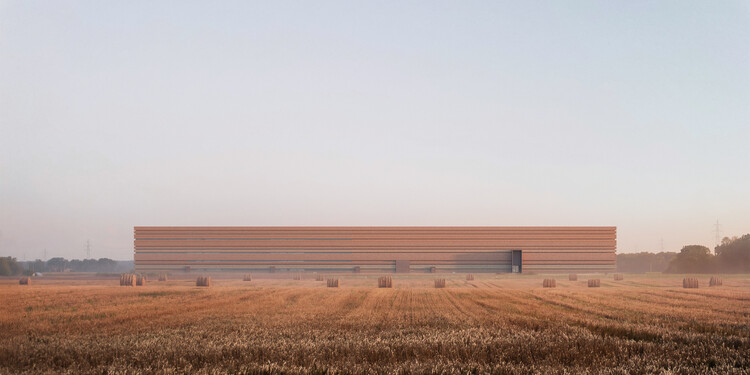
Sordo Madaleno, in collaboration with építész stúdió and Buro Happold, has been selected to design the 43,000-square-meter New Debrecen Collection Center for the Hungarian Museum of Natural History. Debrecen, Hungary's second-largest city, is currently the focus of significant urban and university-related development, including plans to relocate the Hungarian Museum of Natural History from Budapest to the edge of Debrecen's Great Forest. The proposed Collection Center is conceived as a facility dedicated to the controlled storage and study of more than 11 million objects, drawing conceptual inspiration from traditional Hungarian clay vessels, structures historically used to protect and preserve. The project would mark the first European cultural commission for the Mexican architecture practice, which operates studios in London and Mexico City.

Sordo Madaleno and építész stúdió Selected to Design New Natural History Collection Center in Debrecen, Hungary - Image 1 of 4Sordo Madaleno and építész stúdió Selected to Design New Natural History Collection Center in Debrecen, Hungary - Image 2 of 4Sordo Madaleno and építész stúdió Selected to Design New Natural History Collection Center in Debrecen, Hungary - Image 3 of 4Sordo Madaleno and építész stúdió Selected to Design New Natural History Collection Center in Debrecen, Hungary - Image 4 of 4Sordo Madaleno and építész stúdió Selected to Design New Natural History Collection Center in Debrecen, Hungary - More Images+ 8

DAM Preis 2026 Awarded to Peter Grundmann Architekten for the ZK/U Center for Art and Urbanistics in Berlin

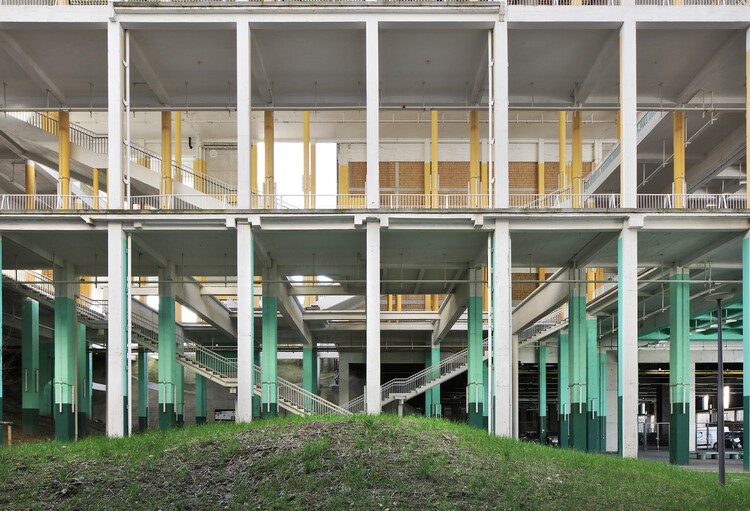
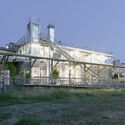
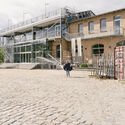
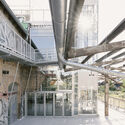
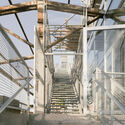
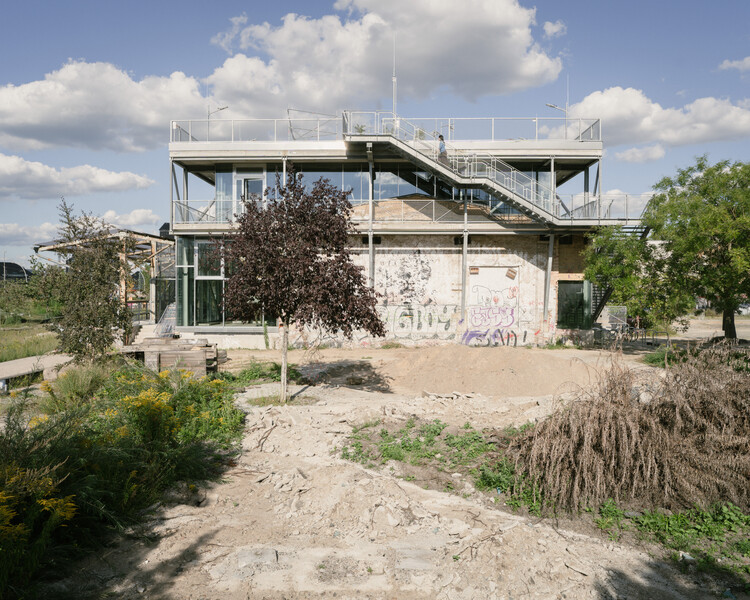
The 20th edition of the DAM Preis 2026 has been awarded to Peter Grundmann Architekten for the ZK/U Center for Art and Urbanistics, an adaptive reuse project in Berlin, Germany. The project transforms a former single-story warehouse at a freight station in Berlin-Moabit into a cultural meeting place. The jury recognized the practice's transformative approach, highlighting the use of an above-average amount of manual labor and a modest budget to encase the existing hall in a lightweight steel-and-glass structure and add an additional floor. Developed in close collaboration with the non-profit association KUNSTrePUBLIK e. V., the project supports a wide-ranging public program established at the former freight station since 2012, including exhibitions, performances, artist residencies, repair workshops, neighborhood markets, and public viewings. Peter Grundmann Architekten was selected through a Europe-wide tender process and commissioned to build the acclaimed extension in 2019.

DAM Preis 2026 Awarded to Peter Grundmann Architekten for the ZK/U Center for Art and Urbanistics in Berlin - Image 1 of 4DAM Preis 2026 Awarded to Peter Grundmann Architekten for the ZK/U Center for Art and Urbanistics in Berlin - Image 2 of 4DAM Preis 2026 Awarded to Peter Grundmann Architekten for the ZK/U Center for Art and Urbanistics in Berlin - Image 3 of 4DAM Preis 2026 Awarded to Peter Grundmann Architekten for the ZK/U Center for Art and Urbanistics in Berlin - Image 4 of 4DAM Preis 2026 Awarded to Peter Grundmann Architekten for the ZK/U Center for Art and Urbanistics in Berlin - More Images+ 6

One Week to Milano Cortina 2026: The Cultural Olympiad Expands the Games Through a Distributed Arts and Public Programme

Nearly one week before the start of the Milano Cortina 2026 Winter Olympics, the organizing committee has released official information on the event's Cultural Olympiad: an arts and culture programme accompanying the Olympic and Paralympic Games. The programme is recognized by the IOC as one of the three pillars of the Olympic Movement, alongside sport and education. Conceived as a widespread platform involving territories, institutions, and communities across Italy, the Cultural Olympiad aims to highlight the Italian Alps and Milan's cultural heritage while promoting Olympic values through art, history, and participation beyond the official sports venues.

One Week to Milano Cortina 2026: The Cultural Olympiad Expands the Games Through a Distributed Arts and Public Programme - More Images

Civic Architecture Opens to the City as Global Attention Turns to Africa: This Week’s Review

This week's news compilation opens with two international commemorations, the International Day for Clean Energy and the International Day of Education, alongside a major archaeological discovery in Fano, Italy, where excavations have revealed a basilica described by Vitruvius, linking contemporary architectural discourse with deep historical continuity. Across this week's broader architecture news landscape, a central theme emerges around the advancement of civic architecture conceived as open, publicly engaged infrastructure, with cultural and institutional projects increasingly designed to strengthen their relationship with the city and everyday urban life. At the same time, renewed global attention turns toward Africa, where large-scale transport infrastructure and the conservation of modernist landmarks reflect interests in the region and the reassessment of the continent's architectural heritage. Complementing these narratives, this week's highlights also include a new model for car-free urban districts, co-designed public landscapes grounded in indigenous knowledge, and a residential development responding to regional context, reflecting how architecture is negotiating public space, civic responsibility, and territorial identity across diverse geographies.

Civic Architecture Opens to the City as Global Attention Turns to Africa: This Week’s Review - Image 1 of 4Civic Architecture Opens to the City as Global Attention Turns to Africa: This Week’s Review - Image 2 of 4Civic Architecture Opens to the City as Global Attention Turns to Africa: This Week’s Review - Image 3 of 4Civic Architecture Opens to the City as Global Attention Turns to Africa: This Week’s Review - Image 4 of 4Civic Architecture Opens to the City as Global Attention Turns to Africa: This Week’s Review - More Images+ 32

David Chipperfield Architects Releases New Images of the Milano Santa Giulia Arena Ahead of the 2026 Winter Olympics

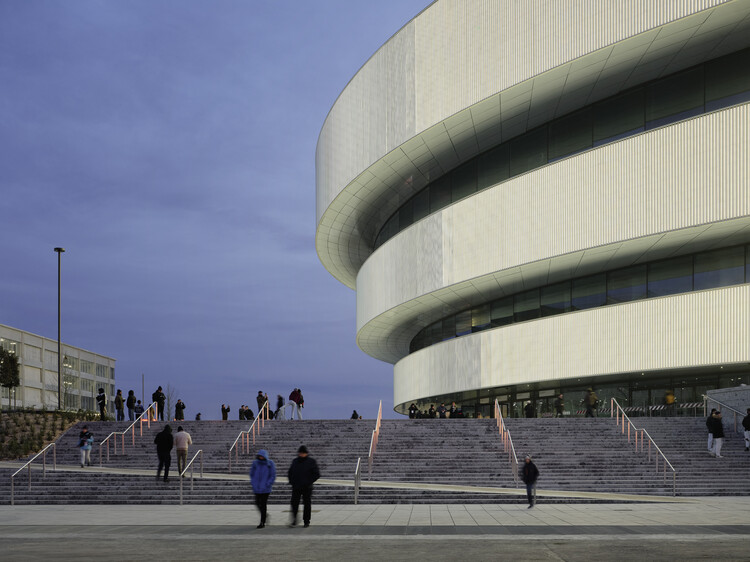
David Chipperfield Architects has released new images of the Ice Hockey Arena in Milan, one of the host sports venues for the 2026 Milano Cortina Winter Olympics. The project, currently in its testing phase, was commissioned to Arup and David Chipperfield Architects in 2021. The first images of the elliptical amphitheatre arena were released in 2022, ahead of the start of construction in 2023, which was scheduled for completion in 2025. The new sports and cultural events venue has a capacity of 16,000 spectators, 12,000 seated and 4,000 standing, and is a centrepiece of a broader urban redevelopment project originally designed by Foster + Partners for Milano Santa Giulia, a district in the south-east of Milan, just a few kilometres from the city centre and connected to the high-speed rail network and motorway.

David Chipperfield Architects Releases New Images of the Milano Santa Giulia Arena Ahead of the 2026 Winter Olympics - Image 1 of 4David Chipperfield Architects Releases New Images of the Milano Santa Giulia Arena Ahead of the 2026 Winter Olympics - Image 2 of 4David Chipperfield Architects Releases New Images of the Milano Santa Giulia Arena Ahead of the 2026 Winter Olympics - Image 3 of 4David Chipperfield Architects Releases New Images of the Milano Santa Giulia Arena Ahead of the 2026 Winter Olympics - Image 4 of 4David Chipperfield Architects Releases New Images of the Milano Santa Giulia Arena Ahead of the 2026 Winter Olympics - More Images+ 5

Construction Advances on Herzog & de Meuron’s Timber-Structured Memphis Art Museum Ahead of 2026 Opening

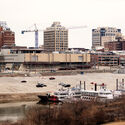
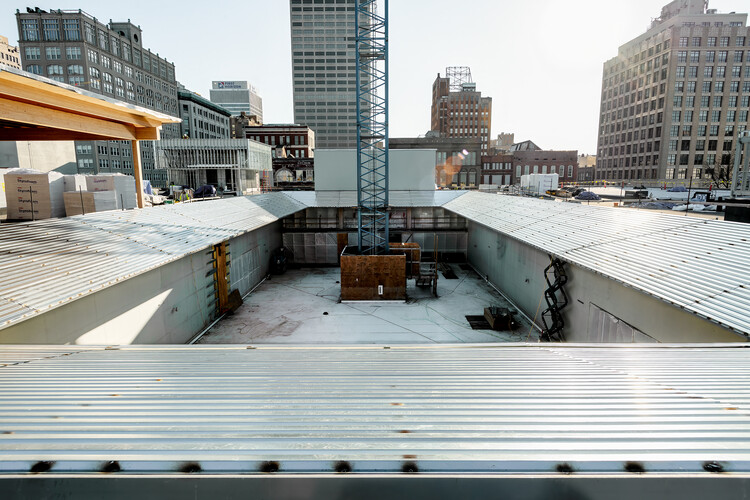
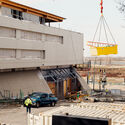
Pritzker Prize-winning architecture firm Herzog & de Meuron has released new images showing construction progress on the Memphis Art Museum, set to open in December 2026. Currently operating as the Memphis Brooks Museum of Art, the institution is both the oldest and largest art museum in Tennessee, United States, with a collection of more than 10,000 works spanning from ancient to contemporary art. Commissioned in 2019, the project marks the museum's relocation to a new site in Downtown Memphis along the Mississippi River bluff. The first images of the new cultural campus, designed by Herzog & de Meuron with architect of record archimania and landscape design by OLIN, were released in 2021. The 123,500-square-foot museum will expand gallery space by 50 percent and introduce extensive free, publicly accessible areas conceived as an open invitation to the city.

Construction Advances on Herzog & de Meuron’s Timber-Structured Memphis Art Museum Ahead of 2026 Opening - Image 1 of 4Construction Advances on Herzog & de Meuron’s Timber-Structured Memphis Art Museum Ahead of 2026 Opening - Image 2 of 4Construction Advances on Herzog & de Meuron’s Timber-Structured Memphis Art Museum Ahead of 2026 Opening - Image 3 of 4Construction Advances on Herzog & de Meuron’s Timber-Structured Memphis Art Museum Ahead of 2026 Opening - Image 4 of 4Construction Advances on Herzog & de Meuron’s Timber-Structured Memphis Art Museum Ahead of 2026 Opening - More Images+ 22

On the International Day for Clean Energy: How Local Initiatives Respond to the Spatial Impacts of Energy Production

January 26 marks the International Day for Clean Energy, an initiative aimed at raising awareness and mobilizing action for an inclusive transition from fossil fuels, such as coal, oil, and natural gas, to power generation systems with lower greenhouse gas emissions and fewer pollutants. The term "clean" signals a fundamental shift away from extractive, finite, and exhaustible energy sources toward systems based on renewable resources or on capturing energy embedded in natural processes. In a world grappling with climate change, clean energy plays an important role in reducing emissions and expanding access to reliable power. However, being labeled "clean" does not exempt these systems from the impacts associated with their production, deployment, and commercialization. In this context, architectural knowledge related to space, materiality, and habitation becomes relevant for supporting a transition toward energy systems that are sustainable over time. As stated by the United Nations, the science is clear: to limit climate change, reliance on fossil fuels must end, and buildings must be heated, lit, and electrified through clean, accessible, affordable, sustainable, and reliable power sources.

On the International Day for Clean Energy: How Local Initiatives Respond to the Spatial Impacts of Energy Production - More Images+ 7

Renzo Piano Building Workshop Redesigns Montparnasse Commercial Centre as a Pedestrian District

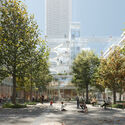
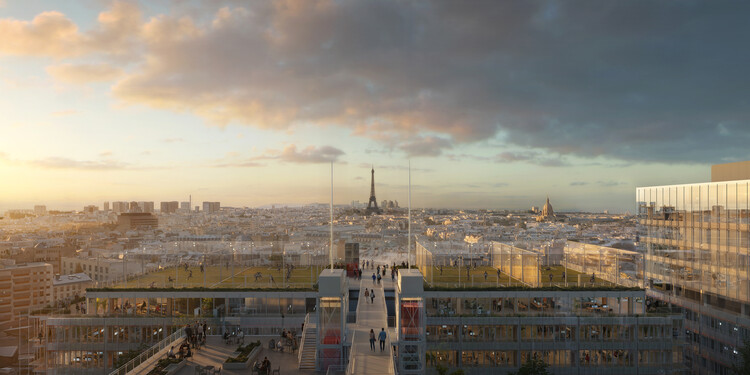
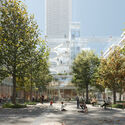
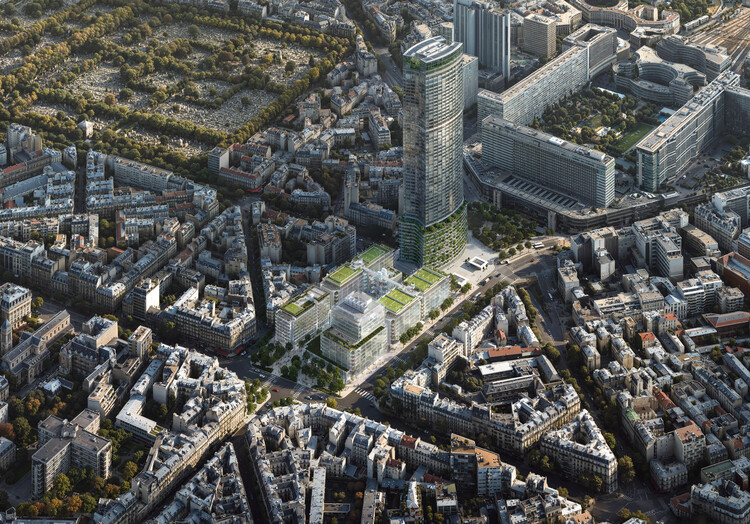
During a presentation to the press held at Paris City Hall on January 7, 2026, architect and Pritzker Prize laureate Renzo Piano released the first images of the transformation of Montparnasse's emblematic shopping center and CIT Tower into a pedestrian-focused district in Paris, France. The project, commissioned to Renzo Piano Building Workshop (RPBW) in 2022 by the co-owners of the commercial complex, proposes both a visual and functional transformation of the 1970s low-rise retail development into a more traversable space characterized by transparency and openness. The design was developed in parallel with the redevelopment of the Montparnasse Tower, led by Nouvelle AOM, to reshape the broader tertiary complex into a contemporary Parisian block oriented toward public life, environmental performance, and everyday use. The project reopens the site to the city, reconnecting streets and restoring continuity between Montparnasse and its surrounding neighborhoods through new public spaces.

Renzo Piano Building Workshop Redesigns Montparnasse Commercial Centre as a Pedestrian District - Image 1 of 4Renzo Piano Building Workshop Redesigns Montparnasse Commercial Centre as a Pedestrian District - Image 2 of 4Renzo Piano Building Workshop Redesigns Montparnasse Commercial Centre as a Pedestrian District - Image 3 of 4Renzo Piano Building Workshop Redesigns Montparnasse Commercial Centre as a Pedestrian District - Image 4 of 4Renzo Piano Building Workshop Redesigns Montparnasse Commercial Centre as a Pedestrian District - More Images+ 12

United Nations’ Africa Hall Restoration in Ethiopia Receives 2026 World Monuments Fund/Knoll Modernism Prize

World Monuments Fund (WMF) is an independent organization dedicated to safeguarding significant places that enrich people's lives and foster mutual understanding across cultures and communities. Since 2008, the World Monuments Fund/Knoll Modernism Prize has been a biennial award recognizing outstanding achievements in the conservation of buildings emblematic of the modernist architectural movement. The prize honors individuals and organizations that revitalize modern built heritage through innovative and sensitive architectural interventions.

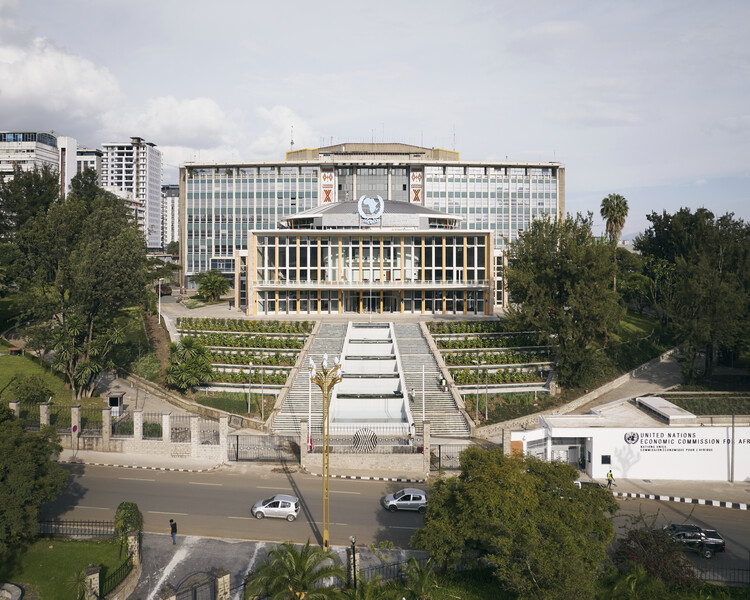
On January 22, 2026, WMF and Knoll announced the Australia-based architecture firm Architectus as the recipient of the 2026 World Monuments Fund/Knoll Modernism Prize for its conservation of the United Nations' Historic Africa Hall in Addis Ababa, Ethiopia. The jury recognized the project for reestablishing a significant work of African modernism as an active venue for diplomacy and cultural exchange. In addition to the main prize, the jury also awarded Paul Rudolph's Umbrella House in Sarasota, Florida, United States, with the Stewardship Award for Modernist Homes.
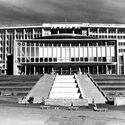
United Nations’ Africa Hall Restoration in Ethiopia Receives 2026 World Monuments Fund/Knoll Modernism Prize - More Images+ 13

“Great Architecture Must Be Poetry:” Zhu Pei on Architecture as a Form of Art in Louisiana Channel Interview

Zhu Pei is a Chinese architect born in 1962 in Beijing. He studied at Tsinghua University and UC Berkeley, and founded Studio Zhu Pei in 2005. The studio's experimental work and research focus on contemporary architecture, art, and cultural projects. With an artistic and exploratory approach, it investigates the relationship between the roots that anchor architecture in specific natural and cultural contexts and the innovation that drives architecture as a form of artistic revolution. In his interview with Louisiana Channel, Zhu Pei describes architecture as an artistic discipline that, like poetry, relies on openness, imagination, and the creation of new experiences. He argues that great architecture goes beyond functional problem-solving by generating a sense of wonder through its ability to "invent" and "create some new thing, new experience," positioning architectural practice as cultural and sensory exploration rather than purely technical production.

“Great Architecture Must Be Poetry:” Zhu Pei on Architecture as a Form of Art in Louisiana Channel Interview - More Images+ 1

From Diplomacy to Mobility: Six Legislative Responses Cities Are Using to Confront Climate Change

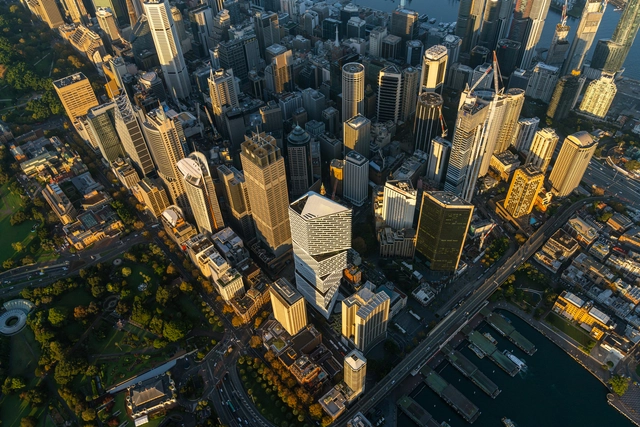
From building codes to mobility restrictions and new diplomatic roles within city governments, climate policy is increasingly being shaped at the local level through a widening range of legislative and institutional tools. Cities as varied as Sydney, Boston, New York, Paris, Miami, and dozens across Latin America are adopting targeted strategies that reflect their distinct environmental pressures and governance structures. These initiatives range from all-electric and net-zero construction requirements, to traffic-control measures designed to curb the social costs of private vehicle use, to emerging forms of urban diplomacy that coordinate responses to rising temperatures and biodiversity loss. Together, these approaches illustrate how territorial management is evolving in response to the accelerating climate crisis, and how local governments are experimenting with regulation and collaboration to confront challenges that are at once global and deeply place-specific.

From Diplomacy to Mobility: Six Legislative Responses Cities Are Using to Confront Climate Change - Image 1 of 4From Diplomacy to Mobility: Six Legislative Responses Cities Are Using to Confront Climate Change - Image 2 of 4From Diplomacy to Mobility: Six Legislative Responses Cities Are Using to Confront Climate Change - Image 3 of 4From Diplomacy to Mobility: Six Legislative Responses Cities Are Using to Confront Climate Change - Image 4 of 4From Diplomacy to Mobility: Six Legislative Responses Cities Are Using to Confront Climate Change - More Images+ 1

Louisiana Museum of Modern Art Opens Memoryscapes Exhibition Exploring the Design Methodologies of ATTA and DnA

The Louisiana Museum of Modern Art will inaugurate, on January 22, 2026, the second exhibition in its Architecture Connecting series, focusing on the discipline's relationship with science and research across a wide range of fields, including biology, neuroscience, and anthropology. The first exhibition in the series, Living Structures (2024–2025), featured ecoLogicStudio, Atelier LUMA, and Jenny Sabin Studio, highlighting their work at the intersection of algorithms and nature and their development of methods that re-evaluate sustainable architecture and climate considerations. This second exhibition, titled Memoryscapes, explores the memories, stories, and traditions informing the working methodologies of Xu Tiantian's DnA_Design and Architecture (Beijing) and ATTA – Atelier Tsuyoshi Tane Architects (Paris).

Louisiana Museum of Modern Art Opens Memoryscapes Exhibition Exploring the Design Methodologies of ATTA and DnA - Image 1 of 4Louisiana Museum of Modern Art Opens Memoryscapes Exhibition Exploring the Design Methodologies of ATTA and DnA - Image 2 of 4Louisiana Museum of Modern Art Opens Memoryscapes Exhibition Exploring the Design Methodologies of ATTA and DnA - Image 3 of 4Louisiana Museum of Modern Art Opens Memoryscapes Exhibition Exploring the Design Methodologies of ATTA and DnA - Image 4 of 4Louisiana Museum of Modern Art Opens Memoryscapes Exhibition Exploring the Design Methodologies of ATTA and DnA - More Images

The New Museum Expansion by OMA Opens on March 21 with Exhibition on Humanity

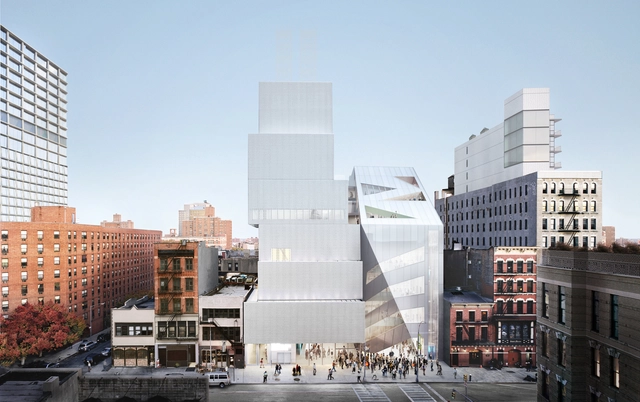
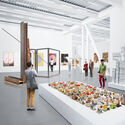
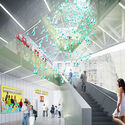
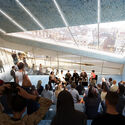
The New Museum is the only museum in New York City dedicated exclusively to contemporary art. From its beginnings as a one-room office on Hudson Street to the inauguration of its first freestanding building on the Bowery, designed by SANAA in 2007, it has evolved into a center for exhibitions, research, and documentation on international living artists. In 2017, Shohei Shigematsu and Rem Koolhaas of OMA were selected to design the New Museum's expansion. The first design images were released in 2019. On January 13, the Museum announced that its 60,000-square-foot expansion, designed in collaboration with Cooper Robertson, will open on March 21, 2026, with an exhibition exploring the very definition of humanity.

The New Museum Expansion by OMA Opens on March 21 with Exhibition on Humanity - Image 1 of 4The New Museum Expansion by OMA Opens on March 21 with Exhibition on Humanity - Image 2 of 4The New Museum Expansion by OMA Opens on March 21 with Exhibition on Humanity - Image 3 of 4The New Museum Expansion by OMA Opens on March 21 with Exhibition on Humanity - Image 4 of 4The New Museum Expansion by OMA Opens on March 21 with Exhibition on Humanity - More Images+ 4

Zaha Hadid Architects Breaks Ground on Bishoftu International Airport for Ethiopian Airlines in Addis Ababa

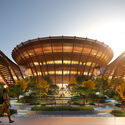
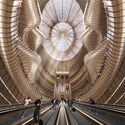
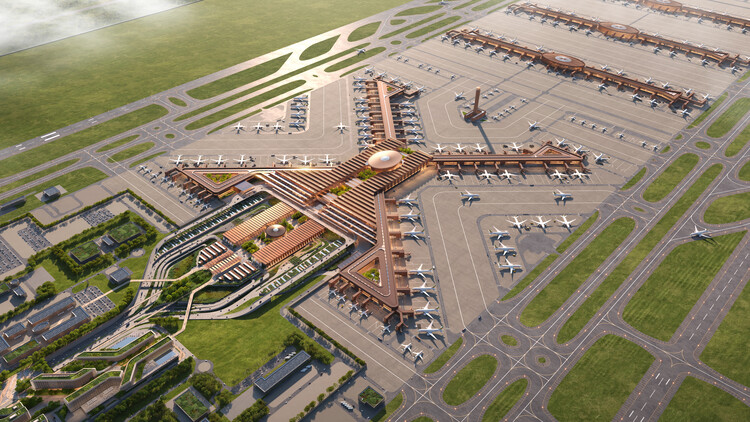
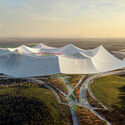
Construction has begun on the new Bishoftu International Airport (BIA), designed by Zaha Hadid Architects for Ethiopian Airlines Group. Ethiopia's Prime Minister, Abiy Ahmed Ali, laid the cornerstone at the airport's groundbreaking ceremony on Saturday, January 10, 2026. The new airport will be located approximately 40 kilometers south of the Ethiopian capital, Addis Ababa, and is planned to become Africa's largest airport. Phase One of the project is designed to serve 60 million passengers per year. Subsequent phases are expected to increase capacity to up to 110 million passengers annually, supported by four runways and parking for 270 aircraft, more than four times the capacity of Ethiopia's current main airport, according to statements by the Prime Minister.

Zaha Hadid Architects Breaks Ground on Bishoftu International Airport for Ethiopian Airlines in Addis Ababa - Image 1 of 4Zaha Hadid Architects Breaks Ground on Bishoftu International Airport for Ethiopian Airlines in Addis Ababa - Image 2 of 4Zaha Hadid Architects Breaks Ground on Bishoftu International Airport for Ethiopian Airlines in Addis Ababa - Image 3 of 4Zaha Hadid Architects Breaks Ground on Bishoftu International Airport for Ethiopian Airlines in Addis Ababa - Image 4 of 4Zaha Hadid Architects Breaks Ground on Bishoftu International Airport for Ethiopian Airlines in Addis Ababa - More Images+ 6

CRA–Carlo Ratti Associati and Italo Rota Transform MAE Carbon Fiber Archive Into an Interactive Museum in Italy

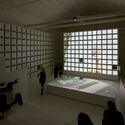
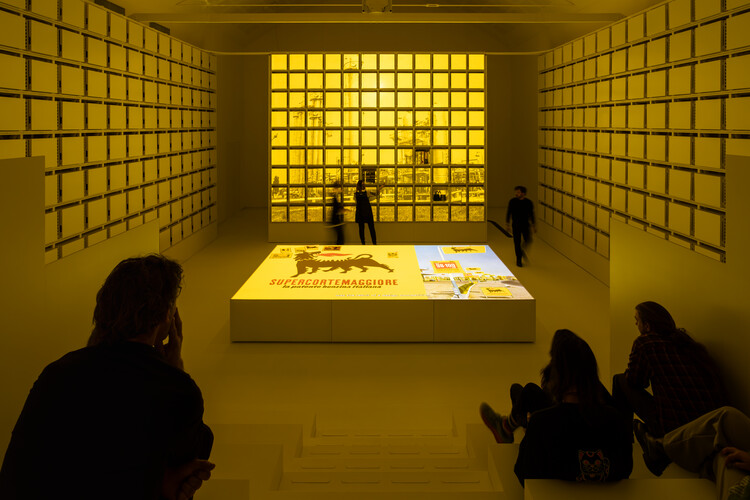
A new museum dedicated to the science of carbon fiber opened in Fiorenzuola d'Arda, Italy, on December 17, 2025. The project dates back to 2021 and was designed by CRA–Carlo Ratti Associati in collaboration with the late Italian architect Italo Rota. Commissioned by MAE, a manufacturer of equipment for carbon fiber production, the project transforms one of the world's largest archives on carbon fiber into a dynamic museum, uniting research with archival preservation and turning the archive into a space for interactive exploration. The project is described by its designers as a "living museum," a place to read, inquire, and connect ideas.

CRA–Carlo Ratti Associati and Italo Rota Transform MAE Carbon Fiber Archive Into an Interactive Museum in Italy - Image 1 of 4CRA–Carlo Ratti Associati and Italo Rota Transform MAE Carbon Fiber Archive Into an Interactive Museum in Italy - Image 2 of 4CRA–Carlo Ratti Associati and Italo Rota Transform MAE Carbon Fiber Archive Into an Interactive Museum in Italy - Image 3 of 4CRA–Carlo Ratti Associati and Italo Rota Transform MAE Carbon Fiber Archive Into an Interactive Museum in Italy - Image 4 of 4CRA–Carlo Ratti Associati and Italo Rota Transform MAE Carbon Fiber Archive Into an Interactive Museum in Italy - More Images+ 12

Equatorial Guinea Relocates Its Capital From Malabo to Ciudad de la Paz on Central Africa’s Mainland

Malabo served as the capital city of Equatorial Guinea from the country's independence from Spain on October 12, 1968, until January 2, 2026, when a decree issued by President Teodoro Obiang Nguema Mbasogo officially transferred the capital to Ciudad de la Paz ("City of Peace"), located in Djibloho Province. Obiang formalized the move as part of a long-planned territorial reorganization. While the former capital remains an important economic center on Bioko Island, Ciudad de la Paz was conceived as a planned capital on Africa's mainland. The initiative to relocate the capital dates back to 2008, with construction beginning in 2011. The new capital, also referred to as Djibloho, after the province, or Oyala, has been framed by the government as a decentralization effort aimed at improving national accessibility.
14 Global Stadium Projects and Surrounding Urban Masterplans Currently in Progress

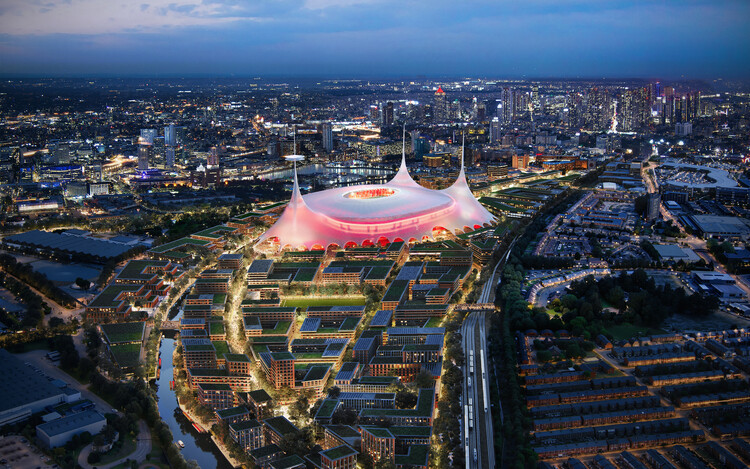
During 2025, several sports infrastructure projects were announced that remain on our radar, most of which are scheduled for completion between 2028 and 2030. Located across Asia, Europe, Africa, the Middle East, and North America, these projects reflect contemporary masterplan strategies for the transformation of large sports venues within their urban contexts. Many of the stadiums are planned as part of broader redevelopment frameworks that include new public spaces, mixed-use programs, event facilities, and mobility upgrades, rather than as isolated structures. Designs led by international offices such as Populous, Foster + Partners, Heatherwick Studio, OMA, Gensler, AFL Architects, and VUILD illustrate a range of architectural, urban, and infrastructural responses to the evolving role of large sports facilities.

14 Global Stadium Projects and Surrounding Urban Masterplans Currently in Progress - Image 1 of 414 Global Stadium Projects and Surrounding Urban Masterplans Currently in Progress - Image 2 of 414 Global Stadium Projects and Surrounding Urban Masterplans Currently in Progress - Image 3 of 414 Global Stadium Projects and Surrounding Urban Masterplans Currently in Progress - Image 4 of 414 Global Stadium Projects and Surrounding Urban Masterplans Currently in Progress - More Images+ 10