Camilla Ghisleni

BROWSE ALL FROM THIS AUTHOR HERE

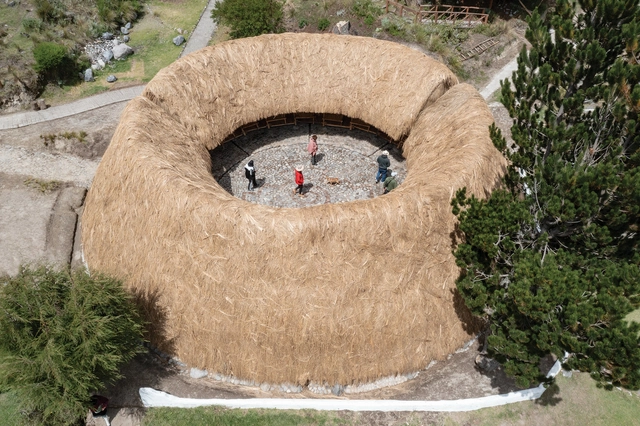
Straw, Earth and Bamboo: Innovative Use of Natural Materials in 2024 Projects from the Global South

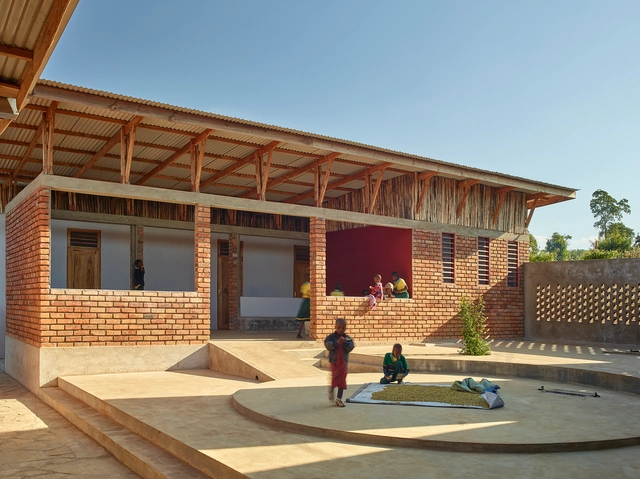
Sustainability has been a central theme in architectural discussions for years, encompassing not only the profession’s role in combating climate change and transitioning to low-carbon economies but also preserving cultural heritage and celebrating vernacular traditions. In 2024, a wave of projects and studies stood out for their innovative use of natural materials, particularly in the Global South. These initiatives skillfully blend creativity and technology with renewable resources, demonstrating how architecture can deliver high-quality spaces that align with contemporary demands for sustainability and environmental responsibility.

Straw, Earth and Bamboo: Innovative Use of Natural Materials in 2024 Projects from the Global South - Image 1 of 4Straw, Earth and Bamboo: Innovative Use of Natural Materials in 2024 Projects from the Global South - Image 2 of 4Straw, Earth and Bamboo: Innovative Use of Natural Materials in 2024 Projects from the Global South - Image 3 of 4Straw, Earth and Bamboo: Innovative Use of Natural Materials in 2024 Projects from the Global South - Image 4 of 4Straw, Earth and Bamboo: Innovative Use of Natural Materials in 2024 Projects from the Global South - More Images+ 9

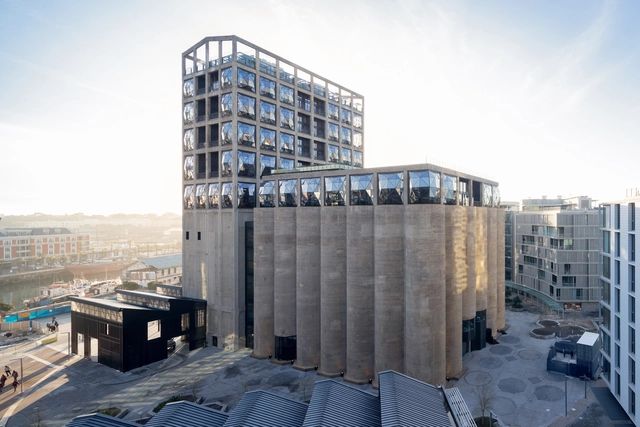
From Silos to Iconic Spaces: 15 Projects That Repurpose Industrial Structures

Silos hold a significant place among the remnants of the industrial era, distinguished by both their technological innovations and their iconic presence in urban landscapes. Typically cylindrical and made of reinforced concrete, these structures effectively addressed the demands and challenges of industrialization, providing a robust and economical solution for storage. However, throughout the 20th century, with the advent of new logistics and the relocation of activities from some urban centers to expanding areas, many of these silos were decommissioned.

However, despite their enclosed design appearing to be an obstacle for new uses, recent decades have seen initiatives that embrace and repurpose these structures. These projects integrate silos into the urban environment, emphasizing their significance as part of the local collective memory.

From Silos to Iconic Spaces: 15 Projects That Repurpose Industrial Structures - Image 1 of 4From Silos to Iconic Spaces: 15 Projects That Repurpose Industrial Structures - Image 2 of 4From Silos to Iconic Spaces: 15 Projects That Repurpose Industrial Structures - Image 3 of 4From Silos to Iconic Spaces: 15 Projects That Repurpose Industrial Structures - Image 4 of 4From Silos to Iconic Spaces: 15 Projects That Repurpose Industrial Structures - More Images+ 13

A New Lens on Architecture: Discovering Open House Narratives Across Europe

Throughout 2024, ArchDaily, in collaboration with the Open House Europe architecture event, brought inspiring projects and stories to light. These true architectural gems were unveiled through visits, and their widely shared narratives enriched the architectural discourse. It is an invitation to explore the stories behind buildings that, although part of citizens' daily lives, often go unnoticed amidst the routine automation of everyday life.

These narratives explored projects of different scales, uses, and contexts, revealing everything from religious buildings, to remarkable examples of adaptive reuse of old industrial structures, now taking on new roles within their communities. Each story uncovered the many layers that make up a building – from its initial design to the new meanings it has acquired over time.

  A New Lens on Architecture: Discovering Open House Narratives Across Europe - Image 1 of 4  A New Lens on Architecture: Discovering Open House Narratives Across Europe - Image 2 of 4  A New Lens on Architecture: Discovering Open House Narratives Across Europe - Image 3 of 4  A New Lens on Architecture: Discovering Open House Narratives Across Europe - Image 4 of 4  A New Lens on Architecture: Discovering Open House Narratives Across Europe - More Images+ 2

2024 Retrospective: Uncovering the Stories Behind Iconic Projects

How many stories are hidden behind every line and every wall? Each project serves a purpose, and its creation leaves a lasting impression on the environment it inhabits. ArchDaily's AD Narratives series seeks to uncover the fascinating—and often unexpected—stories that breathe life into selected projects. Through in-depth research, the series delves into the unique details of the design and construction processes, exploring the cultural, social, and political contexts that have shaped each work.

2024 Retrospective: Uncovering the Stories Behind Iconic Projects - Image 1 of 42024 Retrospective: Uncovering the Stories Behind Iconic Projects - Image 2 of 42024 Retrospective: Uncovering the Stories Behind Iconic Projects - Image 3 of 42024 Retrospective: Uncovering the Stories Behind Iconic Projects - Image 4 of 42024 Retrospective: Uncovering the Stories Behind Iconic Projects - More Images+ 5

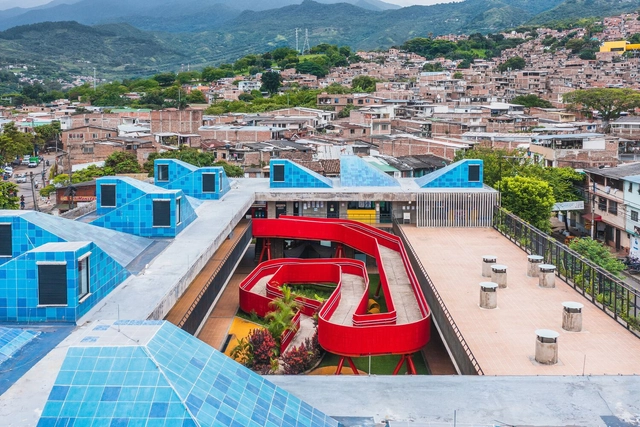
Socialization and Resilience: 10 Community Centers in the Outskirts of Latin American Cities

Subscriber Access | 

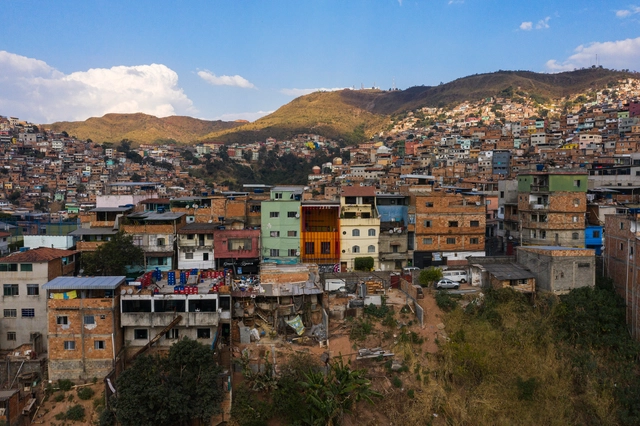
From November 20 to 23, São Paulo hosted the IV International Seminar on Favela Urbanization, bringing together discussions that bridged theory and practice to address interventions in these territories. Centered on Brazil’s realities, the seminar shed light on the political challenges and the struggle to recognize the potential of peripheral spaces. It also highlighted a shared issue across Latin America: the need for adequate funding to support transformative actions and the legitimization of these territories. Within this framework, the article underscores the critical role of high-quality public facilities in favelas and peripheral neighborhoods. These spaces not only provide access to opportunities but also foster community bonds, serving as essential hubs for social organization and collective efforts toward building a more inclusive future.

Socialization and Resilience: 10 Community Centers in the Outskirts of Latin American Cities - Image 1 of 4Socialization and Resilience: 10 Community Centers in the Outskirts of Latin American Cities - Image 2 of 4Socialization and Resilience: 10 Community Centers in the Outskirts of Latin American Cities - Image 3 of 4Socialization and Resilience: 10 Community Centers in the Outskirts of Latin American Cities - Image 4 of 4Socialization and Resilience: 10 Community Centers in the Outskirts of Latin American Cities - More Images+ 10

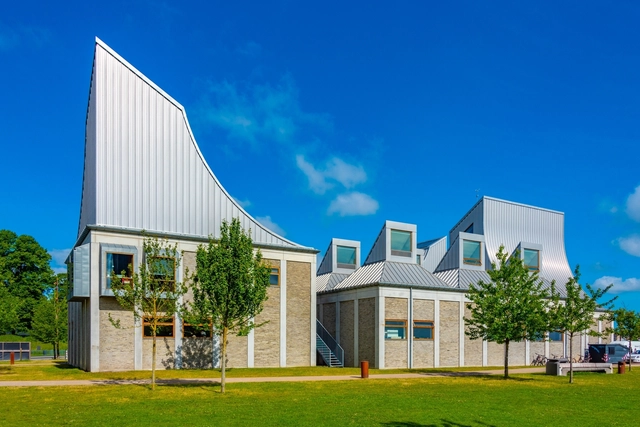
Utzon Center: The Story Behind Jørn Utzon’s Last Project

Subscriber Access | 

Architect Jørn Utzon, globally recognized for projects like the Sydney Opera House, introduced an innovative design featuring its iconic shell-shaped roofs. Though he achieved great fame in Oceania, Utzon was born in Denmark, and it was in his childhood city that his final project was realized. Inaugurated in 2008, the Utzon Center, which hosted the 2024 Obel Award ceremony, not only honors the culmination of his distinguished career but also marks the beginning of his enduring legacy.

Utzon Center: The Story Behind Jørn Utzon’s Last Project - Image 1 of 4Utzon Center: The Story Behind Jørn Utzon’s Last Project - Image 2 of 4Utzon Center: The Story Behind Jørn Utzon’s Last Project - Image 3 of 4Utzon Center: The Story Behind Jørn Utzon’s Last Project - Image 4 of 4Utzon Center: The Story Behind Jørn Utzon’s Last Project - More Images+ 7

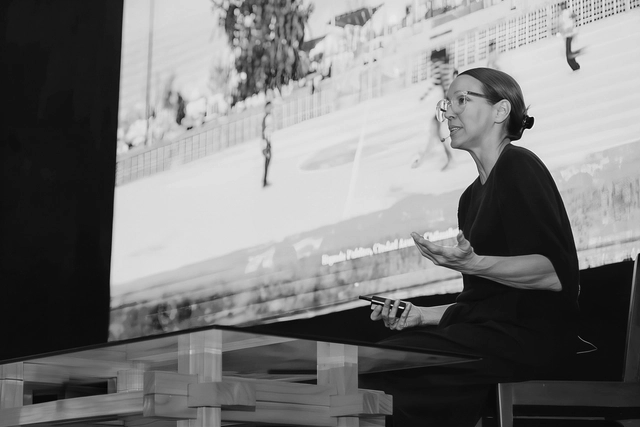
How Latin American Female Architects Are Tackling Their Countries' Challenges: 4 Inspiring Interviews Highlighting Creativity and Resilience

Architecture and urban planning in Latin America face deeply rooted social, environmental, and economic challenges shaped by historical inequalities, rapid population growth, and unplanned urbanization. Addressing these issues requires innovative solutions that balance housing needs, ecological preservation, and respect for local identities. Amid this complex landscape, several visionary female architects are making a difference with creative and impactful approaches.

How Latin American Female Architects Are Tackling Their Countries' Challenges: 4 Inspiring Interviews Highlighting Creativity and Resilience - Image 1 of 4How Latin American Female Architects Are Tackling Their Countries' Challenges: 4 Inspiring Interviews Highlighting Creativity and Resilience - Image 2 of 4How Latin American Female Architects Are Tackling Their Countries' Challenges: 4 Inspiring Interviews Highlighting Creativity and Resilience - Image 3 of 4How Latin American Female Architects Are Tackling Their Countries' Challenges: 4 Inspiring Interviews Highlighting Creativity and Resilience - Image 4 of 4How Latin American Female Architects Are Tackling Their Countries' Challenges: 4 Inspiring Interviews Highlighting Creativity and Resilience - More Images

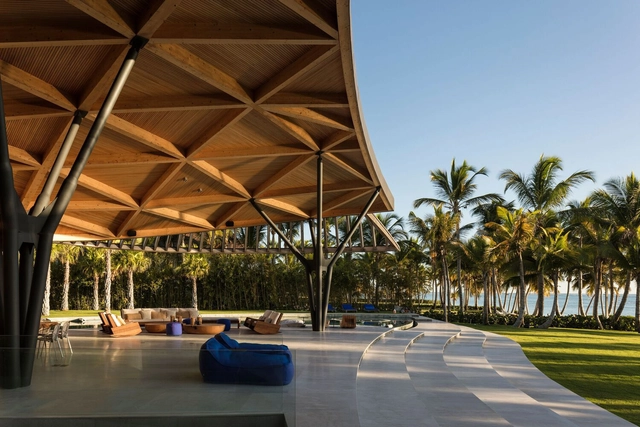
Capturing Serenity: 10 Beach Houses that Enhance the Caribbean Oceanfront Landscape

Subscriber Access | 

Beach houses along the Caribbean coast perfectly blend comfort, nature, and tranquility. With landscapes of white sands and crystal-clear waters, the Caribbean is home to some of the world’s most enchanting seaside retreats. Whether situated on popular islands like the Dominican Republic and Cozumel in Mexico or secluded spots like the untouched beaches of Costa Rica, these homes are designed to fully immerse guests in the lush natural surroundings, providing a uniquely serene experience.

Capturing Serenity: 10 Beach Houses that Enhance the Caribbean Oceanfront Landscape - Image 1 of 4Capturing Serenity: 10 Beach Houses that Enhance the Caribbean Oceanfront Landscape - Image 2 of 4Capturing Serenity: 10 Beach Houses that Enhance the Caribbean Oceanfront Landscape - Image 3 of 4Capturing Serenity: 10 Beach Houses that Enhance the Caribbean Oceanfront Landscape - Image 4 of 4Capturing Serenity: 10 Beach Houses that Enhance the Caribbean Oceanfront Landscape - More Images+ 20

From Favela to the World: The Story Behind the Lá da Favelinha Cultural Center

In Belo Horizonte’s Aglomerado da Serra, Brazil’s third-largest favela complex with 50,000 residents, the Lá da Favelinha Cultural Center stands out as a vibrant hub of art and education. Founded in 2015 by the multifaceted artist Kdu do Anjos, the striking red building that stands out in the outskirts has gained recognition in both national and international architectural circles, earning several prestigious awards Yet, the recent renovation by Coletivo LEVANTE—honored as one of the Best New Architectural Practices of 2024—represents far more than vivid colors and bold design. It symbolizes the creativity and potential of the community itself. As a space for support and inspiration, Lá da Favelinha reflects a collective, democratic vision that merges the community’s dreams with the dedication of its founders.

From Favela to the World: The Story Behind the Lá da Favelinha Cultural Center - Image 4 of 4From Favela to the World: The Story Behind the Lá da Favelinha Cultural Center - Image 1 of 4From Favela to the World: The Story Behind the Lá da Favelinha Cultural Center - Image 5 of 4From Favela to the World: The Story Behind the Lá da Favelinha Cultural Center - Image 2 of 4From Favela to the World: The Story Behind the Lá da Favelinha Cultural Center - More Images+ 15

Refuges of Hope: 10 Shelters for Vulnerable Children Around the World

Architecture in children’s shelters serves a purpose beyond building physical spaces; it is about creating refuges that nurture healing, protection, and growth. For vulnerable children, designing these environments plays a vital role in their emotional recovery. Every aspect—from natural lighting to room layout—works together to create a secure and welcoming atmosphere, supporting their physical well-being and psychological and social development.

Refuges of Hope: 10 Shelters for Vulnerable Children Around the World - Image 1 of 4Refuges of Hope: 10 Shelters for Vulnerable Children Around the World - Image 2 of 4Refuges of Hope: 10 Shelters for Vulnerable Children Around the World - Image 3 of 4Refuges of Hope: 10 Shelters for Vulnerable Children Around the World - Image 4 of 4Refuges of Hope: 10 Shelters for Vulnerable Children Around the World - More Images+ 10

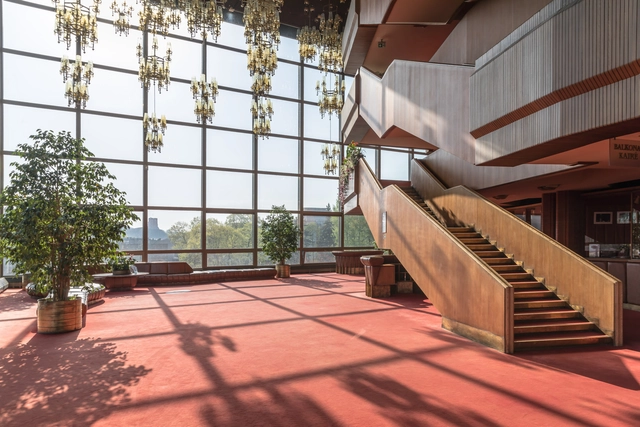
Nová Scéna: The Story Behind the Iconic Brutalist Extension of the National Theatre in Prague

Subscriber Access | 

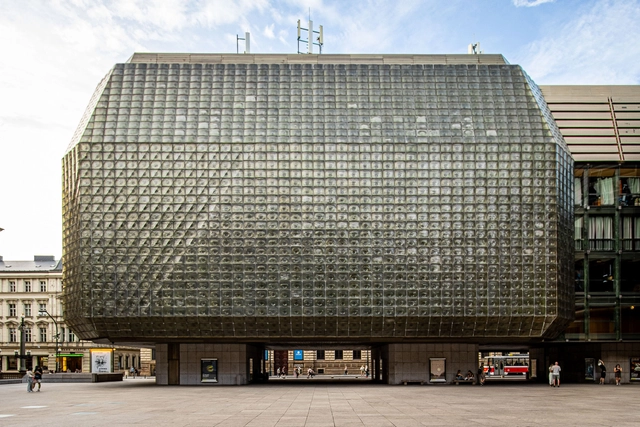
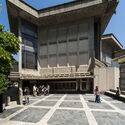
From 1977 to 1983, the National Theatre in Prague underwent a major transformation with the opening of Nová Scéna, a modern counterpart to the traditional Neo-Renaissance theatre. For many years, Nová Scéna hosted the renowned Laterna Magika, the world’s first multimedia theatre. This groundbreaking performance style combined classical theatre with computer-generated visual effects, creating a unique dramatic experience. The striking glass building, a symbol of the communist era, became an iconic representation of the political power of the time. In recognition of its significance, this building was part of the Open House Prague festival in 2024—an annual event that invites the public to explore and appreciate the value of architecture.

Nová Scéna: The Story Behind the Iconic Brutalist Extension of the National Theatre in Prague - Image 1 of 4Nová Scéna: The Story Behind the Iconic Brutalist Extension of the National Theatre in Prague - Image 2 of 4Nová Scéna: The Story Behind the Iconic Brutalist Extension of the National Theatre in Prague - Image 3 of 4Nová Scéna: The Story Behind the Iconic Brutalist Extension of the National Theatre in Prague - Image 4 of 4Nová Scéna: The Story Behind the Iconic Brutalist Extension of the National Theatre in Prague - More Images+ 9

Prefabrication and Formal Boldness in Belgian Modernism: The Story of the CBR and LH 187 Buildings in Brussels

Subscriber Access | 

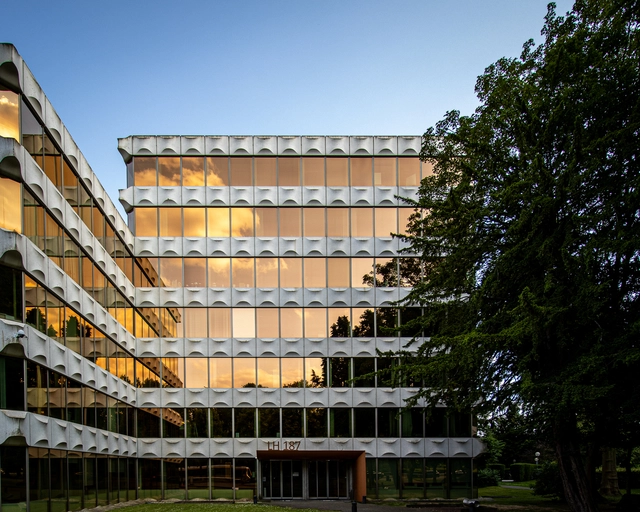
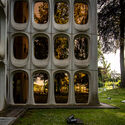
Between 1960 and 1976, Belgium's capital became a center for architectural experimentation, blending modernist ideals with prefabrication. This period led to the creation of two iconic buildings: the CBR Office Building (1967-1970) and LH 187 (1976), designed by Constantin Brodzki and Marcel Lambrichs. Located side by side, these buildings share a striking architectural style. Both feature facades made from large prefabricated concrete modules, showcasing the brutalist aesthetic and a dedication to using industrial materials and innovative construction techniques for their time.

Prefabrication and Formal Boldness in Belgian Modernism: The Story of the CBR and LH 187 Buildings in Brussels - Image 1 of 4Prefabrication and Formal Boldness in Belgian Modernism: The Story of the CBR and LH 187 Buildings in Brussels - Image 2 of 4Prefabrication and Formal Boldness in Belgian Modernism: The Story of the CBR and LH 187 Buildings in Brussels - Image 3 of 4Prefabrication and Formal Boldness in Belgian Modernism: The Story of the CBR and LH 187 Buildings in Brussels - Image 4 of 4Prefabrication and Formal Boldness in Belgian Modernism: The Story of the CBR and LH 187 Buildings in Brussels - More Images+ 20

Skylights in Tropical Architecture: 20 Homes That Redefine Natural Lighting

Subscriber Access | 

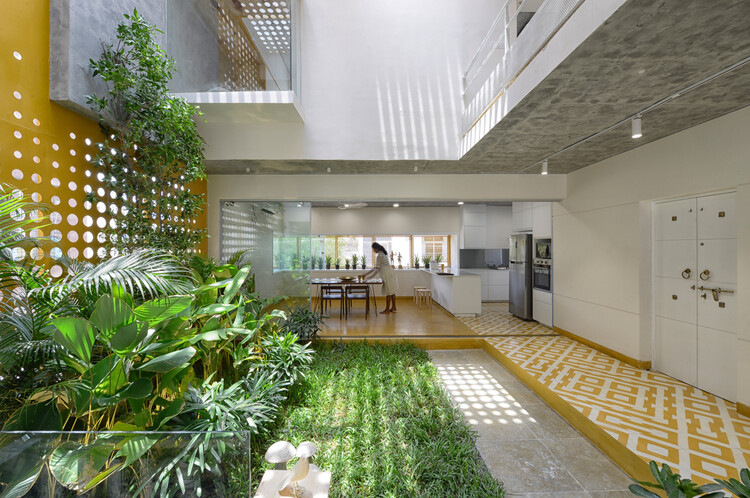
From subtle light beams to wide openings, skylights transform natural light into a powerful architectural tool, creating a dynamic interplay of light and shadow that adds movement and vitality to buildings. This intricate dance captivates not only with the patterns the light casts on surfaces but also with the practical benefits of overhead lighting, such as improved thermal comfort and enhanced well-being.

Skylights in Tropical Architecture: 20 Homes That Redefine Natural Lighting - Image 1 of 4Skylights in Tropical Architecture: 20 Homes That Redefine Natural Lighting - Image 2 of 4Skylights in Tropical Architecture: 20 Homes That Redefine Natural Lighting - Image 3 of 4Skylights in Tropical Architecture: 20 Homes That Redefine Natural Lighting - Image 4 of 4Skylights in Tropical Architecture: 20 Homes That Redefine Natural Lighting - More Images+ 23

Mimetic Houses: 15 Latin American Projects Integrated into the Landscape

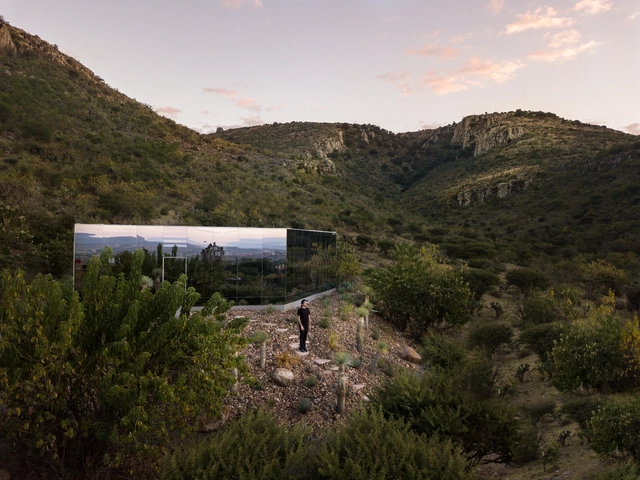
Latin America's natural landscape is incredibly diverse, featuring everything from majestic mountains to expansive deserts. In this varied geography, many architectural projects are noteworthy for their seamless integration with their surroundings, blending subtly into the landscape. This is accomplished by carefully choosing materials, colors, and shapes that reflect the natural environment.

 Mimetic Houses: 15 Latin American Projects Integrated into the Landscape - Image 1 of 4 Mimetic Houses: 15 Latin American Projects Integrated into the Landscape - Image 2 of 4 Mimetic Houses: 15 Latin American Projects Integrated into the Landscape - Image 3 of 4 Mimetic Houses: 15 Latin American Projects Integrated into the Landscape - Image 4 of 4 Mimetic Houses: 15 Latin American Projects Integrated into the Landscape - More Images+ 24

Green Therapy: How Does Nature Contribute to Healing Hospitalized Patients?

Connection with nature has become increasingly important in architectural theory and practice in recent years, especially after the COVID-19 pandemic, which emphasized the role of natural environments in healing. During this time, many scientific studies highlighted the positive effects of green spaces on human well-being, whether in workplaces, homes, or urban areas. With these proven benefits, it is clear that incorporating natural elements into hospital designs is crucial, creating spaces that provide vital support for patients facing physical or mental challenges.

Green Therapy: How Does Nature Contribute to Healing Hospitalized Patients? - Image 4 of 4Green Therapy: How Does Nature Contribute to Healing Hospitalized Patients? - Image 1 of 4Green Therapy: How Does Nature Contribute to Healing Hospitalized Patients? - Image 2 of 4Green Therapy: How Does Nature Contribute to Healing Hospitalized Patients? - Image 3 of 4Green Therapy: How Does Nature Contribute to Healing Hospitalized Patients? - More Images+ 4

Between the Sacred and the Profane: The Story Behind the Church of the Sacred Heart of Jesus in Lisbon

Subscriber Access | 

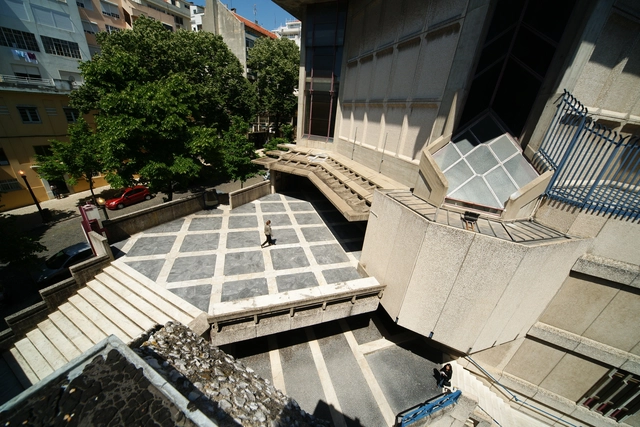
As a landmark of contemporary religious architecture in Portugal, the Church of the Sacred Heart of Jesus stands in contrast to traditional models, representing a work free from historicist stigmas. Resulting from a design competition organized in 1960, the church is notable for its civic dimension, urban role, and its anti-monumental and social significance. Integrated into the regular grid of the Avenidas Novas neighborhood, this example of the Movement for the Renewal of Sacred Art is part of a larger parish complex that often goes unnoticed by passersby. Its external street creates an unexpected public space, inviting people to enter and engage in a courtyard where architecture and the city merge. Finely crafted in terms of spatiality, detail, and light, the church holds many surprises for those who venture inside.

Between the Sacred and the Profane: The Story Behind the Church of the Sacred Heart of Jesus in Lisbon - Image 1 of 4Between the Sacred and the Profane: The Story Behind the Church of the Sacred Heart of Jesus in Lisbon - Image 2 of 4Between the Sacred and the Profane: The Story Behind the Church of the Sacred Heart of Jesus in Lisbon - Image 3 of 4Between the Sacred and the Profane: The Story Behind the Church of the Sacred Heart of Jesus in Lisbon - Image 4 of 4Between the Sacred and the Profane: The Story Behind the Church of the Sacred Heart of Jesus in Lisbon - More Images+ 12

Retrofitting Brazilian Buildings: Sustainability and Innovation in Downtown São Paulo

Subscriber Access | 

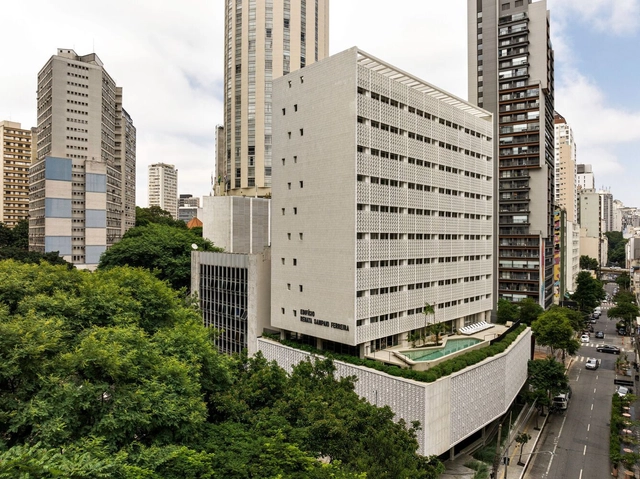
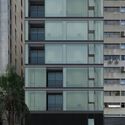
The term "retrofit," unlike rehabilitation or restoration, has been adopted by the market to address technological upgrades in existing buildings. These projects focus on aligning constructions with local technical standards and adapting spaces to be more functional and sustainable, meeting current demands.

Retrofit has become a key practice in contemporary architecture, standing out for its ability to revitalize existing buildings without the need for demolition while offering significant economic and social benefits. This approach is gaining ground in the architectural field, driven by iconic projects and public and private initiatives.

Retrofitting Brazilian Buildings: Sustainability and Innovation in Downtown São Paulo - Image 1 of 4Retrofitting Brazilian Buildings: Sustainability and Innovation in Downtown São Paulo - Image 2 of 4Retrofitting Brazilian Buildings: Sustainability and Innovation in Downtown São Paulo - Image 3 of 4Retrofitting Brazilian Buildings: Sustainability and Innovation in Downtown São Paulo - Image 4 of 4Retrofitting Brazilian Buildings: Sustainability and Innovation in Downtown São Paulo - More Images+ 10

The New Stone Age: 12 Contemporary Houses in Latin America and the Diversity of Their Natural Stones

Subscriber Access | 

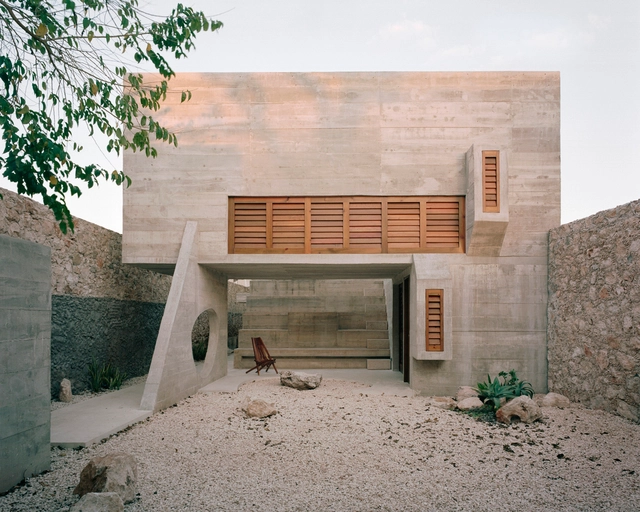
Latin American architecture is rich and diverse. This is reflected in the various stones used across different regions over the centuries. These materials highlight the varied geology of Latin America and illustrate how local cultures have adapted their construction methods to natural conditions, resulting in unique and meaningful architecture. In contemporary architecture, stone aligns with sustainability principles due to its durability, low carbon footprint, and local availability. Additionally, stone's aesthetic appeal enhances the creation of timeless spaces that strengthen the connection with nature and the surrounding landscape.


The New Stone Age: 12 Contemporary Houses in Latin America and the Diversity of Their Natural Stones - Image 1 of 4The New Stone Age: 12 Contemporary Houses in Latin America and the Diversity of Their Natural Stones - Image 2 of 4The New Stone Age: 12 Contemporary Houses in Latin America and the Diversity of Their Natural Stones - Image 3 of 4The New Stone Age: 12 Contemporary Houses in Latin America and the Diversity of Their Natural Stones - Image 4 of 4The New Stone Age: 12 Contemporary Houses in Latin America and the Diversity of Their Natural Stones - More Images+ 12