Cecília Garcia

BROWSE ALL FROM THIS AUTHOR HERE

City Square: Redefining Public Spaces During and After the Pandemic

Subscriber Access | 

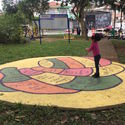
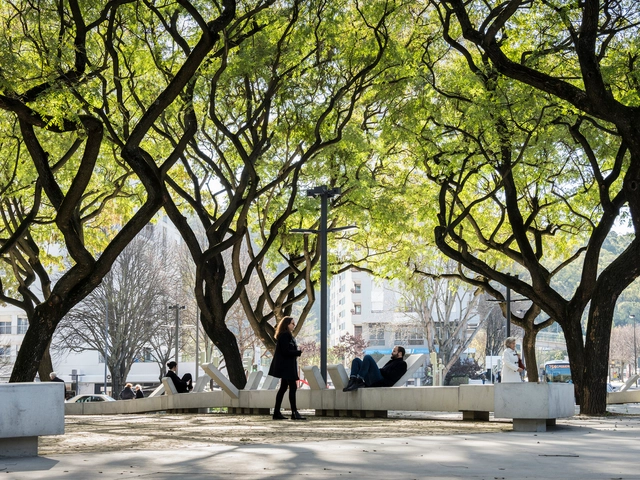
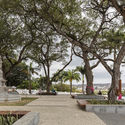
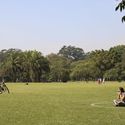
This June, the Global Cities program of the University of São Paulo (USP) carried out the research Emoções Momentâneas (lit. Momentary Emotions) to measure how the pandemic was changing the relationship of individuals with public spaces in São Paulo. Among the collected data, there was one that caught the attention of the group of researchers: 86% of the surveyed people wanted to spend time in green environments such as parks and squares.

"The research indicates a desire for reconciliation with the public space," explains architect Deize Sanches, one of the people involved in the research. "A desire to see the potential of green spaces to improve the quality of life in a way that was not being experienced before the pandemic."
City Square: Redefining Public Spaces During and After the Pandemic - Image 1 of 4City Square: Redefining Public Spaces During and After the Pandemic - Image 2 of 4City Square: Redefining Public Spaces During and After the Pandemic - Image 3 of 4City Square: Redefining Public Spaces During and After the Pandemic - Image 4 of 4City Square: Redefining Public Spaces During and After the Pandemic - More Images

Cobogós and Tiles: Designer Affectively Maps the Architecture of Olinda, Brazil

Subscriber Access | 

In the Historic Center of Olinda, a Brazilian municipality in the state of Pernambuco, architecture borrows shapes and colors from nature; cobogós perforations on the balconies look like round leaves and fruits, while the railings spiral with a hint of twisted flowers. The colors of the earth and sky also reappear in the floors, backyards, kitchens, and rooms of colonial houses, coating them in shades of brown and blue.

Architecture in the Periphery: Teaching Women to Build Houses in Brazil

Subscriber Access | 

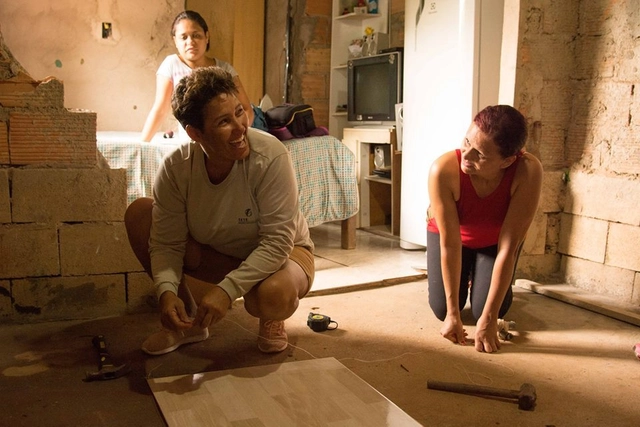
The spirit of the women who participate in the movements fighting for housing in Brazil is as hard as lime and wood. As a majority in land occupations, they vigorously coordinate organizational and political practices of settlement and popular housing construction. It is no wonder that many of the occupations of the MST (Landless Rural Workers' Movement) or the MTST (Homeless Workers' Movement) carry the names of women such as Dandara, a quilombo leader from the colonial period.