Almost 6 months ago, on August 4th, 2020, the city of Beirut was shaken by one of the biggest non-nuclear blasts in history. Leaving the northern side of the capital in ruins, the explosion damaged around 40,000 buildings. New contemporary structures completed recently by local international architects are now facing reconstruction dilemmas, raising existential questions such as: How should reconstruction efforts of “new” damaged buildings look like? Should architects rebuild them as they were before the blast, erasing what has happened or should they leave scars and portray new realities?
In order to explore ideas and highlight different perspectives, ArchDaily had the chance to sit with three architects whose buildings were impacted by the blast. Bernard Khoury, Paul Kaloustian, and Lina Ghotmeh talked about their projects and their vision of the reconstruction of Beirut with ArchDaily's Managing Editor, Christele Harrouk, alongside Architectural Photographer Laurian Ghinitoiu, who documented in a featured photo series the extent of the destruction.
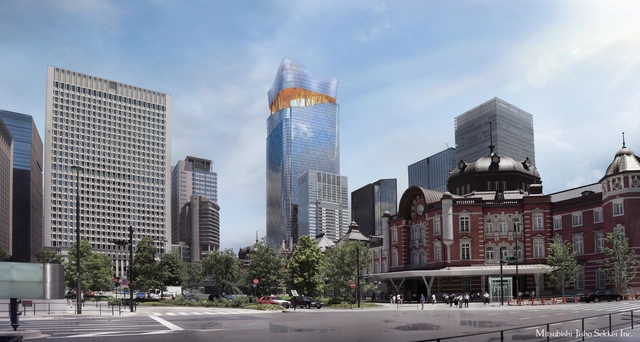
Sou Fujimoto Architects has unveiled its design for the top part of the tallest skyscraper in Japan“Torch Tower” in Tokyo, collaborating mainly with Mitsubishi Jisho Sekkei, Inc. Standing tall at 390m, the highrise building planned to be ready by 2028, takes on a large plaza at around 300m, generating a space for people.
Courtesy of ir Richard Rogers and Graham Stirk of Rogers Stirk Harbour + Partners
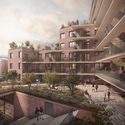
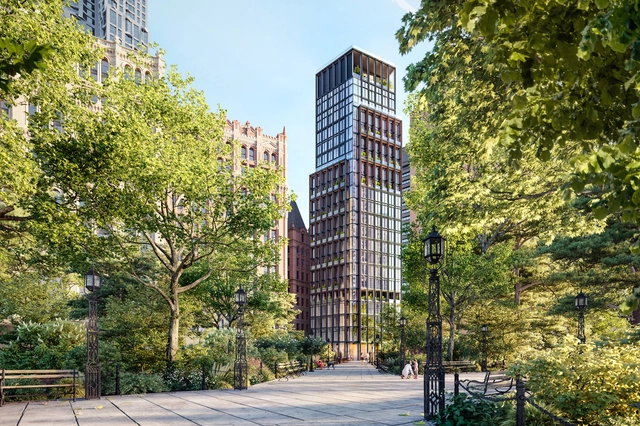
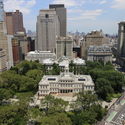
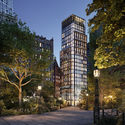
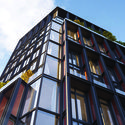
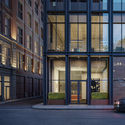
Rogers Stirk Harbour + Partners have unveiled images of their latest venture, No. 33 Park Row in New York City. Located across the street from City Hall Park in Downtown Manhattan, the project, nearing completion and set to officially launch in the spring of 2021, is the city’s first residential project designed by Sir Richard Rogers and Graham Stirk of Rogers Stirk Harbour + Partners.
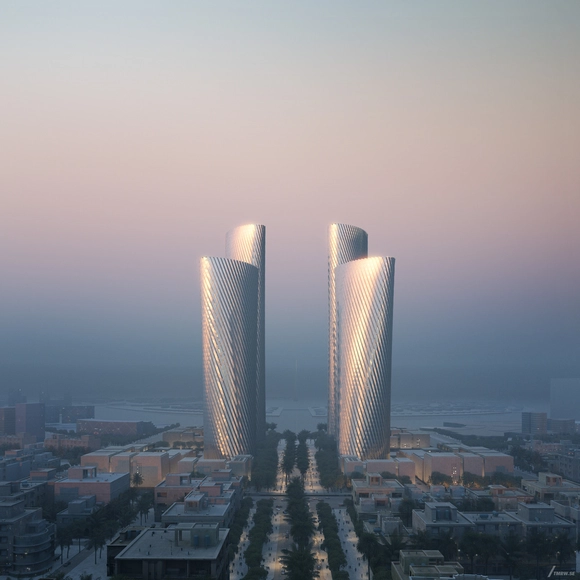
Foster + Partners has revealed its latest project for Qatar, a 1.1 million-square-meter landmark development consisting of four high-rise buildings. Part of a larger masterplan also designed by the architects, to be completed ahead of the 2022 Football World Cup in Qatar, Lusail Towers is envisioned as a “catalyst for a new central business district in the city”.
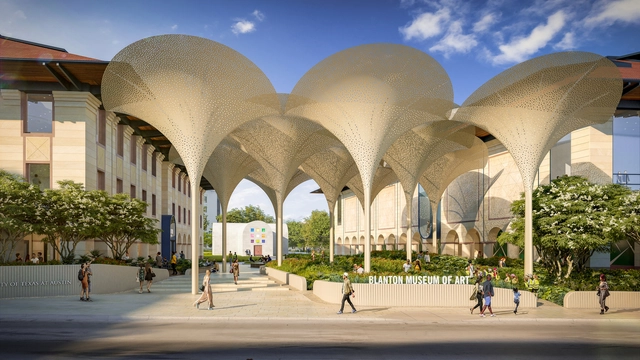
Transforming the typical artistic experience, Snøhetta proposed a design to renovate the Blanton Museum of Art at The University of Texas at Austin. The comprehensive grounds remodeling seeks to “unify and revitalize the museum campus, […] through architectural and landscape improvements”. Construction is scheduled to begin in early 2021 and conclude by late 2022.
The Un-Habitat or the United Nations agency for human settlements and sustainable urban development, whose primary focus is to deal with the challenges of rapid urbanization, has been developing innovative approaches in the urban design field, centered on the active participation of the community. ArchDaily has teamed up with UN-Habitat to bring you weekly news, article, and interviews that highlight this work, with content straight from the source, developed by our editors.
Around 440 fast-growing cities in emerging economies will contribute by 2025, to nearly half of global economic growth. If given the right planning and management tools, this urbanization “can be transformative, creating jobs, reducing poverty, and improving citizens’ quality of life”. As a matter of fact, the Global Future Cities Programme (GFCP) aims to deliver this required support. Based on urban planning, transport, and resilience principles, the program provides “technical assistance for a set of targeted interventions to encourage sustainable development and increase prosperity while alleviating high levels of urban poverty”.
The Architectural realm has always been torn between artistic and rational cosmos. During our architectural studies, we are rarely given one specific methodology with which we can approach a project, resulting in diverse outcomes and methods of designing. However, in order for us to discover our personal stand, we must look back at the logic and philosophy of the great pioneers who influenced architecture before us.
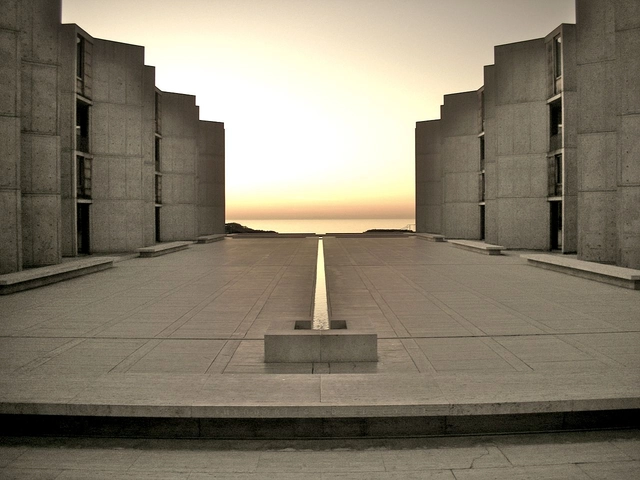
Le Corbusier, Mies van der Rohe, Frank Lloyd Wright, and Louis Kahn are four of the most notable architects to date. Read on to find out more about the creative process of these four leaders of the modern era, and why their projects and practices are still influential to our modern times.
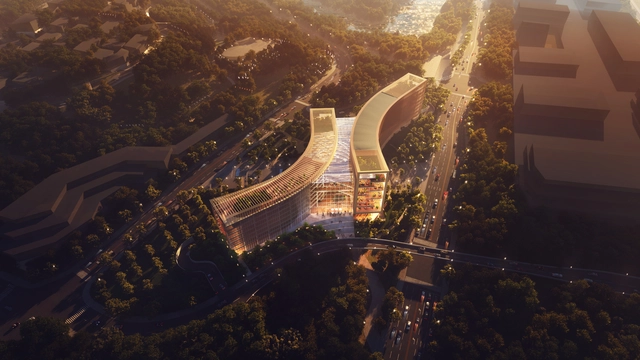
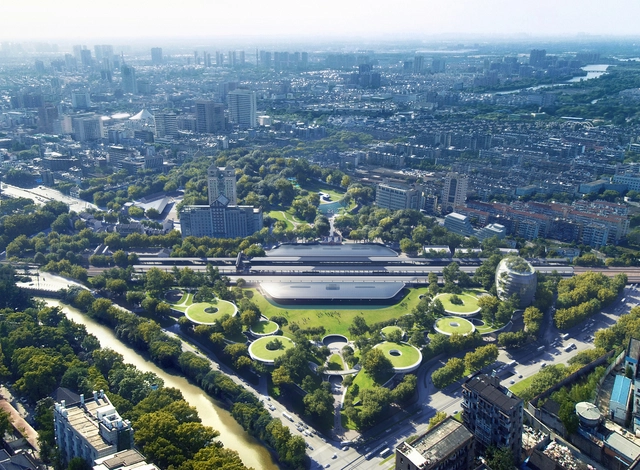
MAD Architects has just unveiled its design for the “Train Station in the Forest.” Under construction and scheduled for completion by July 1st, 2021, the project is located in the center of Jiaxing, in southeast China, in close proximity to Shanghai, Hangzhou, and Suzhou. Covering an area of 35.4 hectares, the intervention consists of rebuilding the historic station while creating a new infrastructural annex underground. It also includes the creation of plazas to the north and south and the rehabilitation of the adjacent People’s Park.
Design and the City a podcast by reSITE, on how to make cities more livable and lovable, raising questions and proposing solutions for the city of the future. In the second episode of its second season, PAU's founder and creative director Vishaan Chakrabarti explains the possibility of creating an architecture of belonging, discussing social impact, climate change, infrastructure, and reimagining cities.
With an on-going digital and physical evolution, the 5th Istanbul Design Biennialtook a new approach. “Rather than focusing on the presentation of final results in a compressed period of time and space”, the global circumstances created the opportunity to present new projects on a longer period of time and in expanded spaces, offering not an exhibition but “a digital and research program with a series of permanent interventions in the city.”
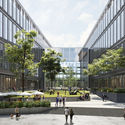
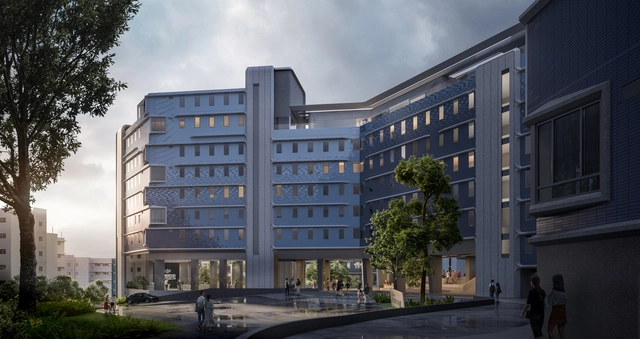
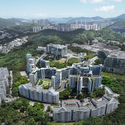
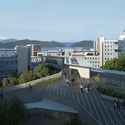
ZHA and L&O have unveiled a new design for the Student Residence Development at the Hong Kong University of Science and Technology, one of the leading research institutions in Asia and around the world. Created after an urgent demand for new residential facilities and halls within the campus, the project is scheduled for completion in 2023.
Courtesy of MIT’s Senseable City Lab and the city of Laval
The city of Laval, Québec’s 3rd largest city, and the Massachusetts Institute of Technology (MIT) Senseable City Lab (SCL) have released six preliminary concepts exploring the “park of the future”. Investigating new experiences, the publication entitled “Senseable City Guide to Laval” is part of an on-going work “to develop a human-centered, innovative and resilient downtown area” located in the Carré Laval, a former quarry to be transformed into a mixed-use innovation district.
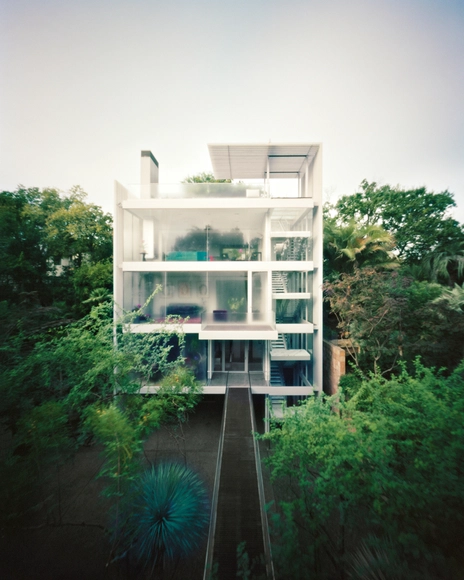
The author or editor of over twenty books, Michael Sorkin was a renowned architect, urbanist, and writer. Principal and founder of Michael Sorkin Studios and president of the non-profit research group Terreform, a nonprofit urban research and advocacy center, Sorkin was especially famous for his writings for the Village Voice and the Nation. The Professor of Architecture and Director of the Graduate Program in Urban Design at the City College of New York who passed away earlier this year due to complications resulting from COVID-19 wrote the forward for Miró Rivera’s MonographMiró Rivera Architects: Building a New Arcadia.
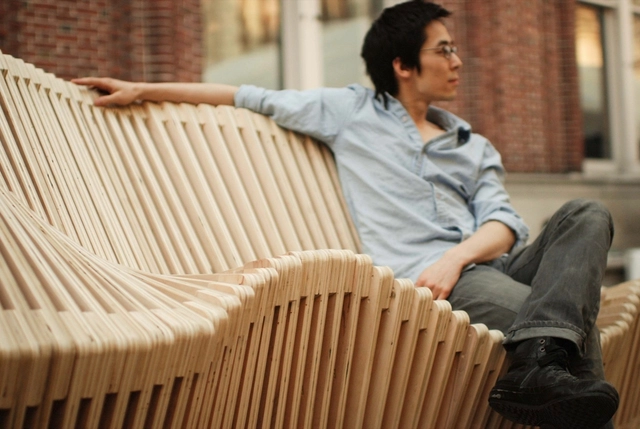
In order to create vibrant public spaces, people need to have a constant presence in these locations, whether they are on their own or in groups. In fact, they need to linger in these places and establish social interactions. To do so, one major element has to be incorporated into the urban setting: the bench.
This seating feature, simple or high tech, insures firstly the comfort of the passersby and animates the area consequently, through the addition of the missing human aspect. Sometimes, this is all it takes to revive a space that became a dull passage. The most basic urban design component can take many forms and can be created from different materials, always generating a statement and serving its purpose.
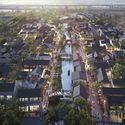
For this end of the year special roundup, ArchDaily has compiled a selection of Best Unbuilt Architecture, submitted by established and well-known firms. Including conceptual, in progress and, even in some cases, under-construction projects, this curated list covers a wide spectrum of programs and approaches.
From KPF, Sasaki, COOKFOX, and FCBStudios to name a very few, this week’s article highlights worldwide interventions. It actually encompasses a terminal transformation in Manhattan, an integrated mixed-use development in Central Belfast, regeneration of an entire district in Shanghai, and the modernization of the infrastructure at Davis research station in Antarctica.
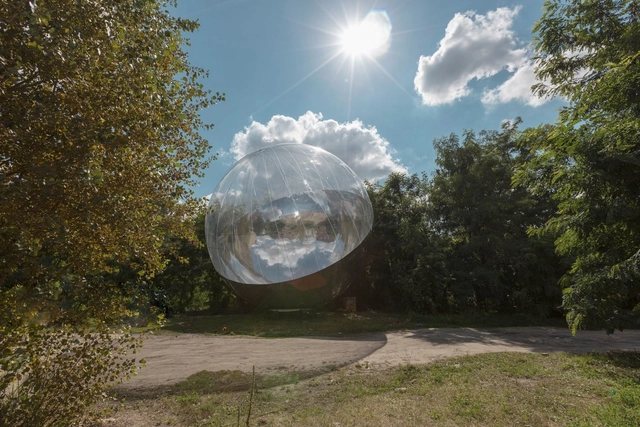
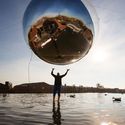
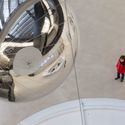
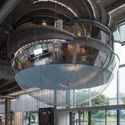
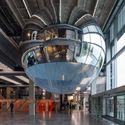
Argentine environmental artist Tomás Saraceno has recently unveiled his latest venture at Moscow’s Garage Museum of Contemporary Art. On view and remaining until February 14, 2021, the installation entitled Moving Atmospheres, is a partially mirrored sphere suspended midair in the museum’s atrium, made from ETFE.
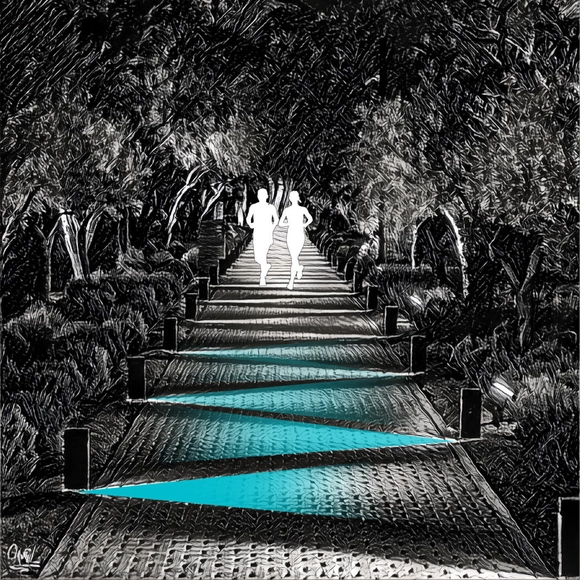
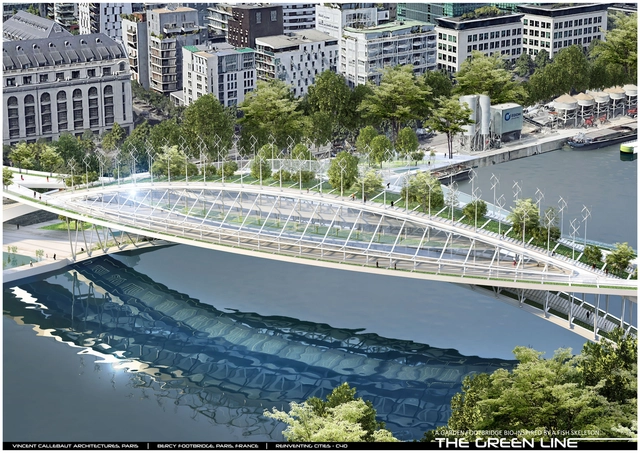
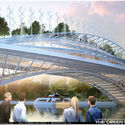
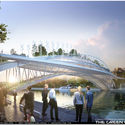
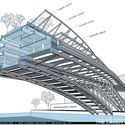
Vincent Callebaut Architectures has created “The Green Line”, an inhabited garden footbridge prototype that “generates its own energy from renewable sources, recycles its own waste and wastewater, and optimizes its needs thanks to Information and Communication Technologies”. Inspired by a fish skeleton, the proposal links the Bercy Village to the Masséna district in Paris, restoring urban connections and connecting the 12th and 13th arrondissements.


.jpg?1611093603&format=webp&width=640&height=580)
.jpg?1611093772 "© Laurian Ghinitoiu")
.jpg?1611093604 "© Laurian Ghinitoiu")
.jpg?1611093961 "© Laurian Ghinitoiu")
.jpg?1611093888 "© Laurian Ghinitoiu")
.jpg?1611093603)








.jpg?1609931383&format=webp&width=640&height=580)
.jpg?1609924103 "theOtherForest. Image © Kayhan Kaygusuz")
.jpg?1609931383)



.jpg?1609838112&format=webp&width=640&height=580)