Diogo Borges Ferreira

Architect, researcher, and editor. Master in architecture from the Faculty of Architecture of the University of Porto and TU Munich. Based in Porto, Portugal.

BROWSE ALL FROM THIS AUTHOR HERE

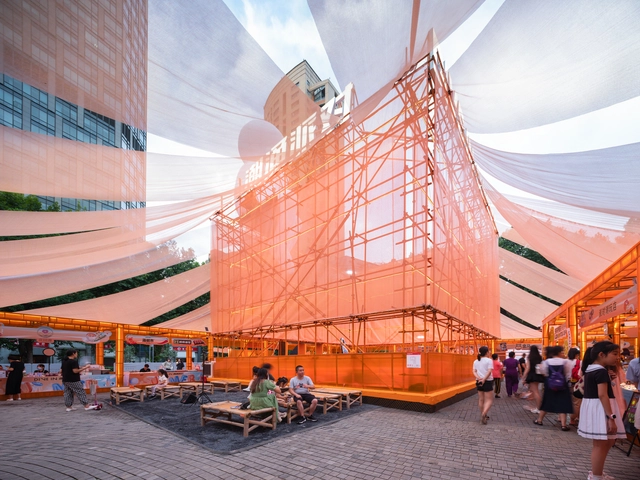
Ephemeral Architectures: Engaging Communities through Temporary Structures

Subscriber Access | 

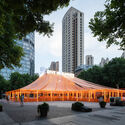
Ephemeral architectures, characterized by their temporary and flexible nature, have emerged as powerful tools for revitalizing urban spaces and fostering architectural creativity. These transient installations transform public areas, engaging communities, and prompting reflections on the potential futures of our cities. By temporarily transforming environments, ephemeral architectures encourage both architects and the public to reimagine the possibilities of urban living. This dynamic interplay, between the temporary and the permanent, challenges traditional architectural practices and opens up new avenues for sustainable and inclusive urban development.


Ephemeral Architectures: Engaging Communities through Temporary Structures - Image 1 of 4Ephemeral Architectures: Engaging Communities through Temporary Structures - Image 2 of 4Ephemeral Architectures: Engaging Communities through Temporary Structures - Image 3 of 4Ephemeral Architectures: Engaging Communities through Temporary Structures - Image 4 of 4Ephemeral Architectures: Engaging Communities through Temporary Structures - More Images+ 32

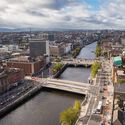
The Future of Smart Cities: How Digital Technologies are Transforming Urban Living in Barcelona and Dublin

Subscriber Access | 

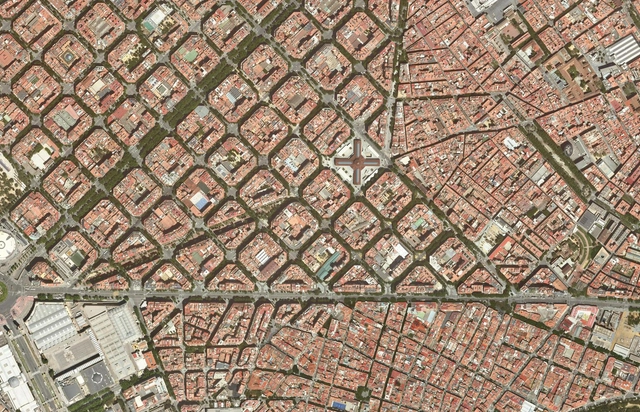
As the world witnesses an unprecedented exodus from rural to urban areas, cities face a monumental challenge: how to accommodate a constantly growing population? This phenomenon, characterized by rapid population growth and increasing density, puts pressure on resources, infrastructure, and urban services. As significant problems demand even larger solutions, it becomes necessary, more than ever, to rethink the tools at our disposal. In this challenging context, the rise of emerging technologies such as the Internet of Things (IoT), data analytics, and artificial intelligence (AI) presents itself as a light at the end of the tunnel. These technologies, initially conceived to simplify everyday tasks and facilitate communication, are potential instruments that enable an effective response to contemporary urban challenges.

The Future of Smart Cities: How Digital Technologies are Transforming Urban Living in Barcelona and Dublin - Image 5 of 4The Future of Smart Cities: How Digital Technologies are Transforming Urban Living in Barcelona and Dublin - Image 2 of 4The Future of Smart Cities: How Digital Technologies are Transforming Urban Living in Barcelona and Dublin - Image 1 of 4The Future of Smart Cities: How Digital Technologies are Transforming Urban Living in Barcelona and Dublin - Image 4 of 4The Future of Smart Cities: How Digital Technologies are Transforming Urban Living in Barcelona and Dublin - More Images+ 4