Every innovation brings with it frictions, disruptions, and, above all, learnings. In the construction industry—a sector historically resistant to change—new construction systems are often met with some skepticism, requiring careful analysis of the challenges that arise. The wood frame system, widely adopted in countries such as the United States, Japan, and Germany, has yet to gain significant popularity in Brazil due to factors that keep the sector labor-intensive and strongly tied to conventional masonry and concrete methods.
However, with the decreasing availability of labor and new demands for efficiency and sustainability, the construction sector has gradually begun to explore innovative alternatives. In this context, the Parkside Carvoeira building in Florianópolis stands out as a landmark of innovation, being the tallest wood frame building in Brazil. Developed in partnership with Desterro Arquitetos, Parkside, and the local construction company Tecverde, this pioneering project adopts the system as a sustainable and efficient solution to meet the needs of contemporary construction in the country.
From inked drawings on tracing paper, to highly detailed digital 3D models, the role of the architect has evolved, and next-gen design software is empowering today's architects with valuable data and design flexibility. In the past, the work was meticulous and required great manual effort, with every line and detail drawn by hand using rulers and other tools. Over time, programs like Revit revolutionized the field by enabling the creation of precise and digitally organized drawings, simplifying edits and the replication of components.
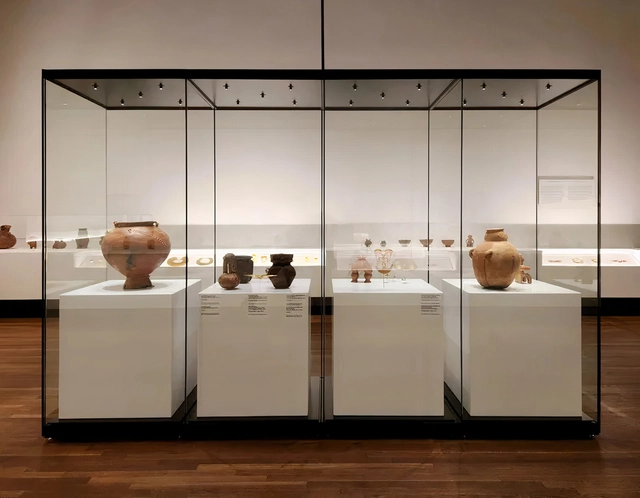
Exhibition spaces convey carefully curated content with the goal of educating, inspiring, and engaging visitors, using objects and displays to tell stories. In addition to promoting education, cultural preservation, and aesthetic appreciation, these environments encourage creativity and interaction. With immersive and interactive experiences, they allow visitors to form meaningful connections with new knowledge, different perspectives, and important cultural heritages, creating both intellectual and emotional engagement.
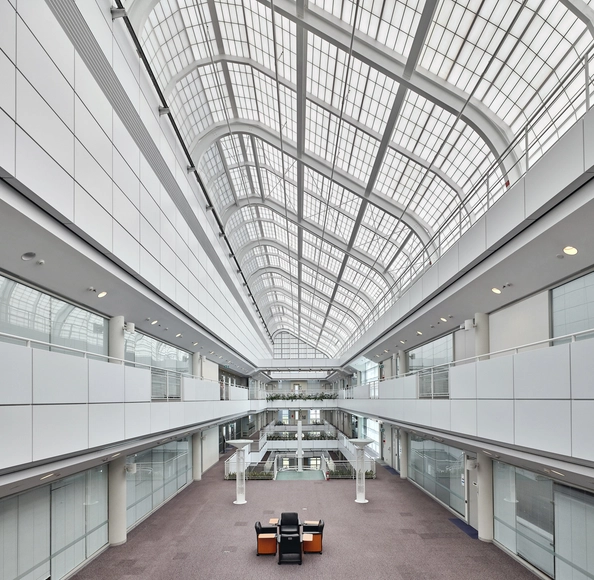
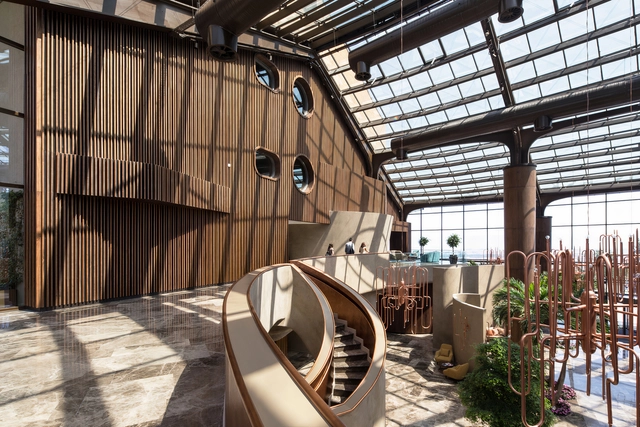
The Pantheon in Rome is a true architectural masterpiece and holds the title of the largest unreinforced concrete dome in the world. Among its most remarkable elements is the central oculus — an 8.2-meter-wide opening at the top of the dome that allows natural light to enter. This creates a dynamic play of light and shadow that shifts throughout the day, enhancing the grandeur of the structure. Beyond its practical function, the oculus establishes a symbolic connection between the earthly and the divine, reflecting the Pantheon's original purpose as a temple dedicated to all gods. In fact, toplighting, which introduces natural light from above through skylights, domes, or other upper openings, contrasts with traditional windows, which capture light horizontally. By capturing direct sunlight, toplighting provides soft, diffuse illumination, creating more welcoming environments with better energy efficiency and a positive impact on mood and productivity.
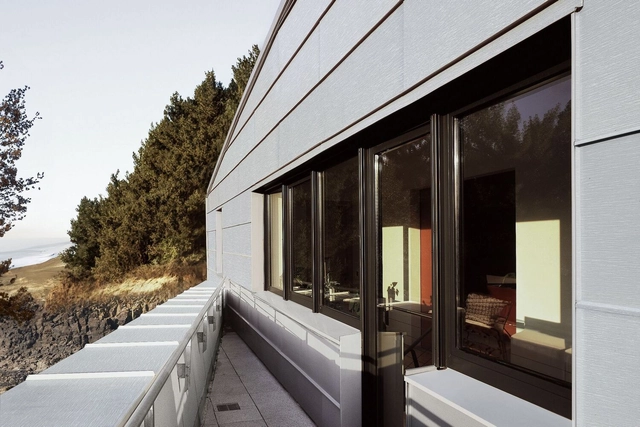
PRISMO brushed white⁺. Image Courtesy of RHEINZINK
In architectural design, materials play a crucial role not only in shaping a building's aesthetics but also in its performance and in reflecting the ideologies of its creators. Today's architectural megatrends are driven by the need for sustainability, resilience, and material innovation, particularly in response to climate change and resource conservation. Wellness-focused design is also gaining importance, prioritizing environments that support physical and mental health. In this context, natural materials, biophilic principles, and improved indoor environmental quality are increasingly used to enhance comfort and foster a deeper connection with nature. Among these materials, titanium zinc stands out as a versatile and sustainable option, offering durability, aesthetic appeal, and potential health benefits in architectural applications.
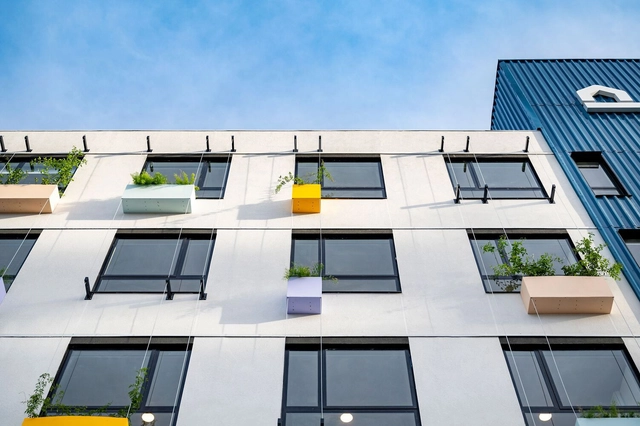
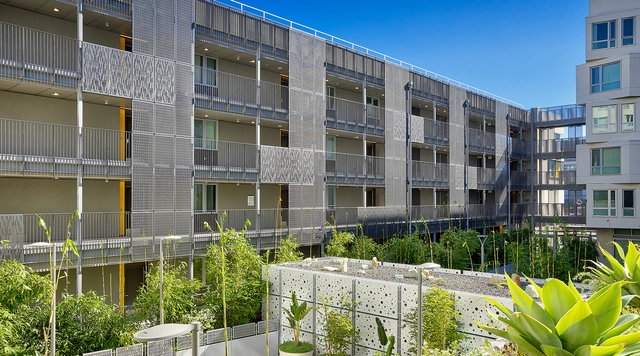
Mission Bay, San Francisco, once an industrial landscape of warehouses and railroad land, has transformed into the city’s fastest-growing commercial and urban development area. This rapid change, typical of such developments, has led to gentrification, driving up housing prices and making the area unaffordable for many. To address the affordable housing crisis, the Lillian Murphy Housing Complex was built—not just as a place to live, but as a project that redefines the standards for low-income housing. This success was achieved through the collaboration of Paulett Taggart Architects, Studio VARA, and BŌK Modern, demonstrating that functional, intuitive, and high-quality design that strengthens a community is accessible to everyone.
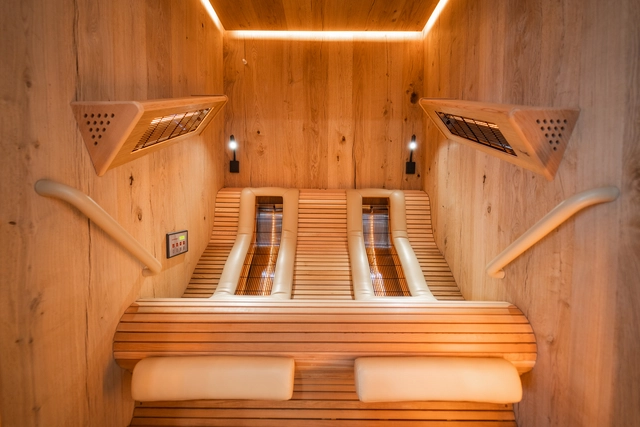
Saunas, originating over 2,000 years ago in Northern Europe, were initially developed as a method for body purification. In Finland, these spaces were revered for their cleanliness and often served as locations for childbirth. Rooted in Nordic traditions, saunas have traveled globally, carrying with them distinctive design elements such as abundant wood, clean lines, minimal ornamentation, and a stark aesthetic. Traditionally, they offered a serene environment with seating limited to simple straight benches, allowing users to either sit or lie down. This traditional model gained widespread acceptance, with its health benefits championed by medical professionals and its value recognized across various cultures.
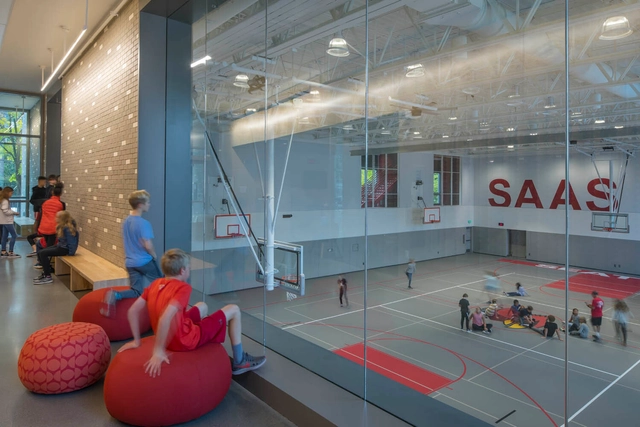
Balancing functional and aesthetic elements in building design is a crucial but often complex task. This is because a built structure encompasses multiple functions, systems, materials, products, and requirements of all kinds. One critical aspect of spaces is acoustics, which can significantly influence usability and comfort and should never be neglected, especially in common areas like restaurants, convention centers, museums, and sports facilities. Good acoustics contribute to the well-being and productivity of occupants, while poor acoustics can cause stress, fatigue, and hearing damage. These issues can be caused by external noise, various sound sources, or impacts (such as footsteps, jumps, or furniture movements), as well as the reflection of sound waves within the environment itself, creating echoes and reverberations that compromise speech intelligibility.
Vernacular construction technologies are based on centuries of practical wisdom, refined through countless trials and errors. This process eliminates all irrelevant aspects, creating highly efficient and simple systems that are intrinsically adapted to the local climate and resources. These methods demonstrate how to conserve heat with minimal energy, offering valuable insights for modern buildings, promoting energy efficiency, and environmental harmony. In this article, we have already covered traditional passive cooling techniques, such as Persian wind towers and Arab mashrabiya. Now, we turn our focus to strategies applicable to cold climates, exploring effective solutions for heat retention and space heating.
Urban expansion and increasing population density have fuelled a growing demand for outdoor areas in multi-story apartments, as residents seek to stay connected with nature without leaving home. This trend reflects the challenges of modern urban life, where access to nature is often limited, and public green spaces are increasingly scarce. In this context, features like balconies, loggias, and winter gardens stand out as attractive solutions, offering private spaces for relaxation and enjoyment amidst the hustle of city life. In addition to enriching the urban experience, these spaces enhance the quality of life, providing a personal refuge amidst the urban landscape.
Fire is a primordial force of nature, possessing both destructive and protective power throughout human history. Capable of devastating landscapes, crops, and entire cities, it also provides heat, enables cooking, and is used to generate energy. This duality highlights the importance of balancing its use and control, especially in construction, where fire safety is crucial. Building codes for fire protection are strict, often complex and restrictive, but essential to ensure the safety of occupants.
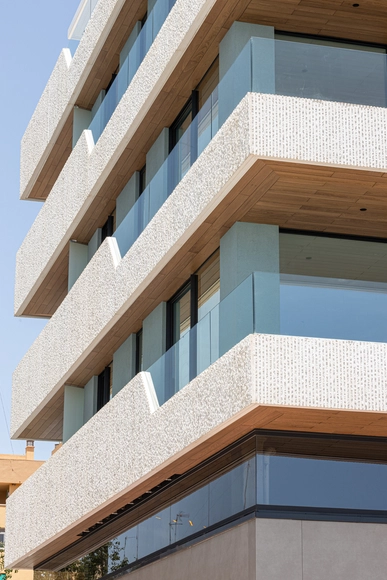
Wood is undeniably an elegant choice for architectural projects, offering a natural and welcoming aesthetic that enhances any space. However, when exposed to the elements, this same wood demands a high level of maintenance. Sun, rain, and temperature variations can compromise its appearance and integrity over time, requiring regular care to preserve its original beauty. For many, this is the price to pay for the irreplaceable aesthetics of wood, but the search for alternatives that combine natural beauty with durability has grown, allowing the charm of wood to be enjoyed with less effort.
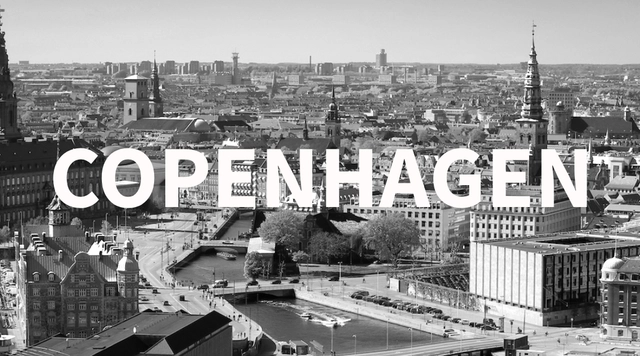
Copenhagen was founded around the 11th century, from a small fishing village called "Havn" (harbor), which served as a strategic point for trade and navigation. Over time, this settlement transformed into an industrial city and eventually became the capital of Denmark. Though small in size, Copenhagen exerts significant global influence as a model of urban living. Spread across two islands, it is recognized as one of the most livable cities in the world, compensating for its modest size with an imposing character, reflected in its vibrant urban life and a skyline punctuated by historic towers, low-rise buildings, and a mix of old and modern architecture.
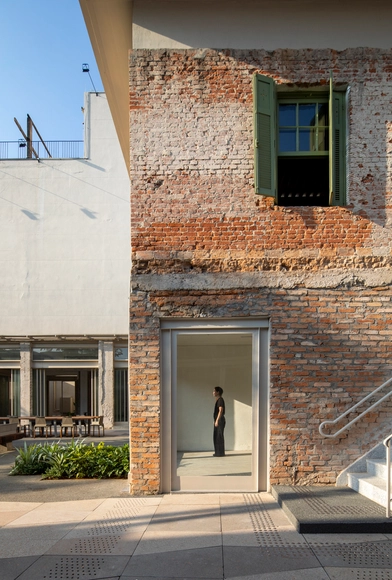
Urban renewal projects generally involve large-scale demolitions, resulting in the erasure of local historical identity and generating a massive amount of waste, along with the transportation of new materials for construction. Some projects, however, bring new perspectives and showcase different ways of doing things. This is the case of LAPI—an abbreviation for "Largo" and "Pinheiros"—, an example of urban occupation and requalification that respects local identity and promotes a new experience of urban space occupation by rethinking it based on its pre-existing elements. With architecture by SuperLimão and master planning by Spol, the project occupies an area of 20,000 m² and encompasses 29 properties distributed across three blocks in a traditional neighborhood in the West Zone of São Paulo. It is located at a strategic point where the city's main roads intersect, offering views of the thousands of people that circulate around it on a daily basis. We spoke with Thiago Rodrigues, architect and partner at the firm, about the challenges and opportunities of working on a project of this type.
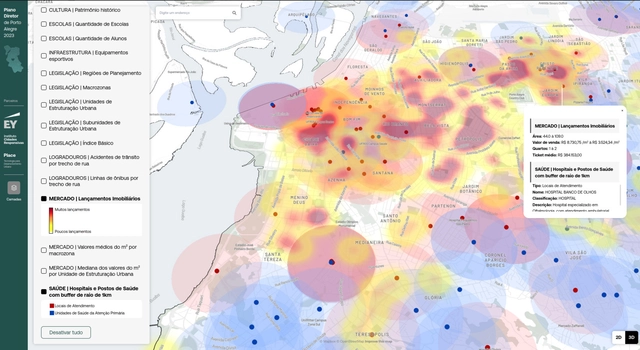
Musicians, advertisers, and renowned chefs are just some of the professionals who initially found inspiration and training in architecture before changing course. Beyond designing buildings, architecture promotes a comprehensive view of space, aesthetics, and functionality—all valuable skills in various fields. Architects are trained to think creatively and solve complex problems, applying this expertise to the development of all kinds of projects. With the help of technology and artificial intelligence tools, this field can expand even further. Contemporary urban development, in particular, faces complex challenges that require innovative solutions. An example of architects venturing into different areas beyond design or construction sites is the OSPA Group, based in Porto Alegre, Brazil. Although it began as an architecture firm, over the years it evolved to include three main vertical activities, each playing a crucial role in urban development: the Responsive Cities Institute, Urbe.me, and Place.
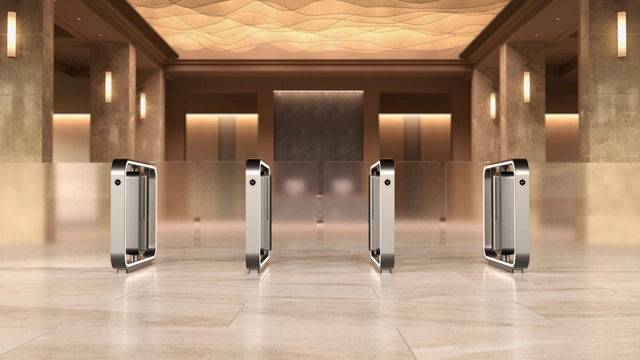
The adoption of advanced access control solutions is essential to maintaining security and safety in various contexts, from businesses and institutions to residences and public spaces. Their main objective is to regulate who can access or use a specific resource, location, or system, ensuring that only authorized individuals have access. In an increasingly interconnected and digital world, the implementation of access control systems has become essential to protect confidential information, ensure the integrity of physical and virtual environments, and prevent unauthorized access that can result in theft, data breaches, or other security incidents. These systems can encompass a variety of methods, including passwords, key cards, biometric scans, and security personnel, all working together to verify and allow entry only to those with permission.
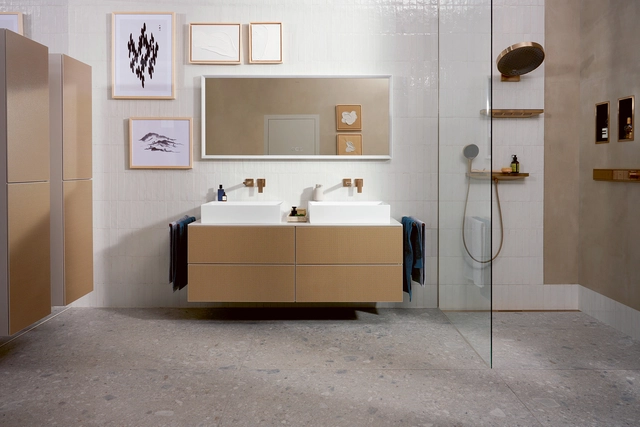
The term "holistic" refers to an approach that considers a system as a whole, rather than focusing on individual components. It emphasizes the interconnectedness of various elements and aims to create something balanced and harmonious that supports overall comfort. The approach is particularly valuable at a time when personal well-being and sustainability are at the forefront of design. This includes the integration of natural elements, such as light and water, to create calm, rejuvenating environments where balance and harmony ensure that all design elements work cohesively to form a unified space. Holistic bathroom spaces go beyond mere functionality by engaging the senses, promoting relaxation, and using resources responsibly, a comprehensive approach embraced by premium bathroom solutions brands like hansgrohe.
Increasing urbanization, excessive waste production, excessive consumption of material goods, and exploitation of natural resources. There are many factors that contribute to the environmental impact of humans on Planet Earth. Scarcity of raw materials and the use of non-renewable resources is already the reality of some locations, and nature can no longer reclaim renewables at the same pace as it is exploited. The impact of human activities is so remarkable that scientists have pointed out that we are living in the new geological age of the Anthropocene (the Greek word for “the recent age of man”). The construction industry in particular is a major resource consumer and waste generator. In the European Union, the construction and use of buildings represents about 50% of all resource extraction and energy consumption, and about one third of all water consumption. [1] In 2014, 52% of all waste was attributed to the construction sector. [2].





_Jakob_Schoof.jpg?1575315045&format=webp&width=640&height=580)