Hadir Al Koshta

Dipl. Ing. / M.A. in Architecture and Junior Projects Curator at ArchDaily for European and African Practices

BROWSE ALL FROM THIS AUTHOR HERE

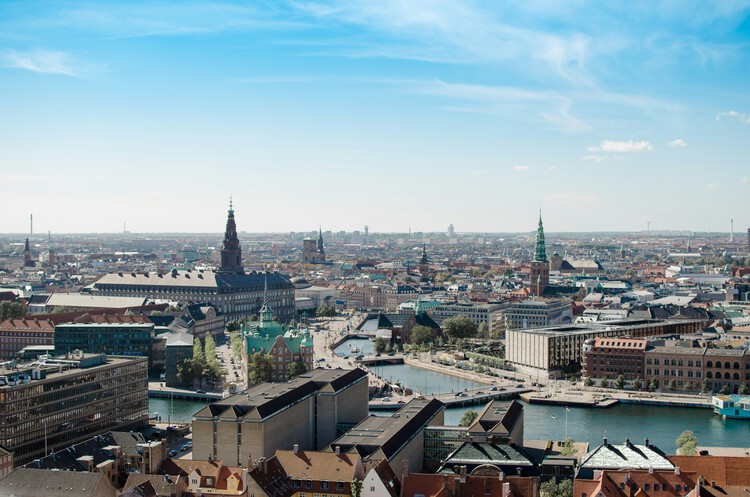
Copenhagen Architecture City Guide: 44 Projects Defining the Capital of Human-Scale Design

Subscriber Access | 

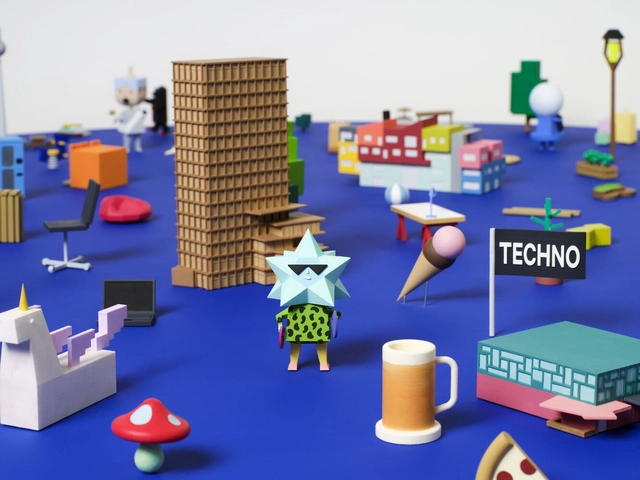
Copenhagen is long famous as the global capital of human-scale design and livability. Today, the city has widened its focus and is an active space where mid-century Scandinavian modernism meets the modern demands of climate adaptability, material circularity, radical conservation, and neighborhood density. During the first-ever Copenhagen Architecture Biennial, in 2025, the city transformed into a global platform for dialogue under the theme "Slow Down," exploring how architecture can respond to global pressures by rethinking the pace of change. And this year's 13th edition of the 3daysofdesign Festival will explore the theme of "Make This Moment Matter", encouraging the global design community to step away from digital noise and mass production to focus on the present.

Copenhagen Architecture City Guide: 44 Projects Defining the Capital of Human-Scale Design - More Images+ 43

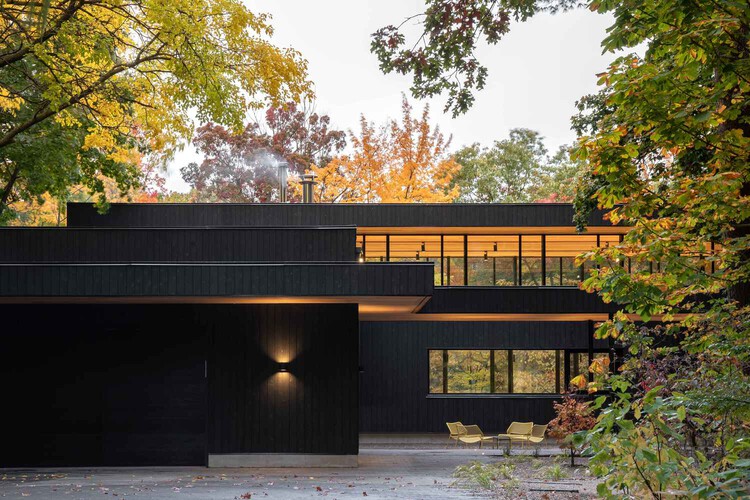
Deep Tones and Natural Roots: 22 Shou Sugi Ban Homes Across the US and Canada

Subscriber Access | 

Shou Sugi Ban is a traditional Japanese technique for wood preservation that involves charring the surface of timber to create a protective layer. While its origins are rooted in practical durability, the method has been widely adapted into the modern built environment and shapes a unique and distinctive aesthetic. It is a material of contradiction: it remains bold in its visual language due to its dark tones, yet it simultaneously borrows from and complements its natural surroundings, allowing houses to settle quietly into their sites.

The charred finish among the 22 residences featured here across Canada and the United States serves as a common thread for navigating extreme climates. From humid lakefronts to dense forests, the carbonized skin acts as a resilient shield against diverse conditions. Beyond mere protection, these houses demonstrate how the material's texture changes with exposure to light, transforming from a flat matte in the shade to a silver-flecked, shimmering surface in direct sun. These projects also showcase the technique's ability to define architectural volumes, using the dark cladding to create sharp, monolithic silhouettes or to highlight the voids in a building's mass, such as recessed entryways and sheltered terraces.

Deep Tones and Natural Roots: 22 Shou Sugi Ban Homes Across the US and Canada - More Images+ 20

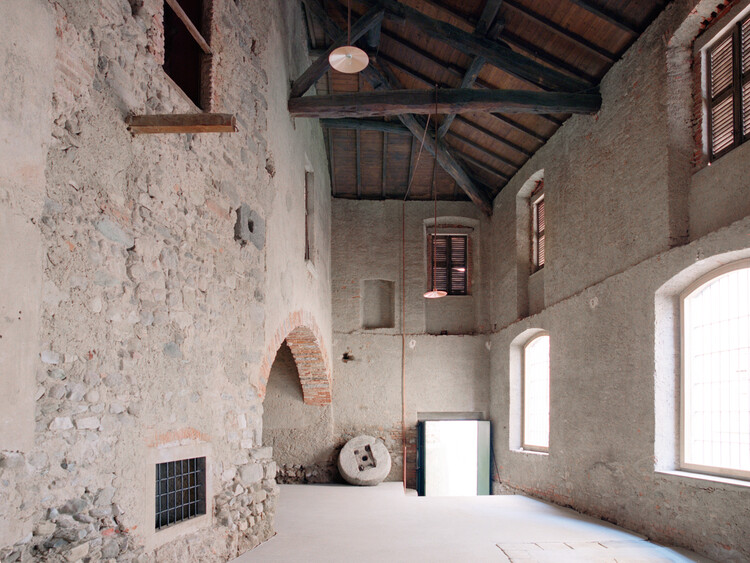
Obsolete Typologies Revived Through 17 Adaptive Reuse Projects

Adaptive reuse is shifting from simple preservation to active revitalization, a process of structurally rescuing and reprogramming architectural typologies whose original functions are no longer relevant. The obsolescence of architectural spaces occurs for varied reasons: sociological shifts, leaving spaces uninhabited; technological advances, phasing out specific machinery; and economic changes, making centralized functions necessary. The strategy of repurposing focuses on achieving spatial and functional longevity through minimal interventions, allowing the original structure to serve as the memory anchor of the project.

This wave of adaptive reuse treats the historic shell as a limited resource, prioritizing structural permanence over surface aesthetics. Designers are engaging in a sort of archaeological process by exposing the original structural essence: the heavy timber, raw concrete, or monumental masonry. Interventions are confined to meeting new programmatic needs, often appearing as an independent insertion within the ancient envelope. This contrast redefines the building's lifespan not as a singular narrative but as a layered story of continuous events.

Obsolete Typologies Revived Through 17 Adaptive Reuse Projects - More Images+ 13

Beyond Manufactured Landscapes: Quarries as Sites for Interdisciplinary Collaboration

Quarries can be seen as indelible abandoned scars of human resource extraction. Man-made spaces, perceived as voids, and material gain, have fundamentally shaped our accelerating built environment. All the while, the earth stands still as a silent witness. For decades, these open-pit mines have been viewed as a necessary consequence of consumerism and urban growth, their raw, imposing forms a testament to the large-scale extraction of materials essential for building our cities. However, a global architectural movement is now emerging to engage with these existing forms, transforming these subtractive spaces into sites of innovation, collaboration, and renewed purpose.
Beyond Manufactured Landscapes: Quarries as Sites for Interdisciplinary Collaboration - Image 1 of 4Beyond Manufactured Landscapes: Quarries as Sites for Interdisciplinary Collaboration - Image 2 of 4Beyond Manufactured Landscapes: Quarries as Sites for Interdisciplinary Collaboration - Image 3 of 4Beyond Manufactured Landscapes: Quarries as Sites for Interdisciplinary Collaboration - Image 4 of 4Beyond Manufactured Landscapes: Quarries as Sites for Interdisciplinary Collaboration - More Images+ 25

Bridging the Gap: 15 Atypical Living Solutions in Urban Remnants

Subscriber Access | 

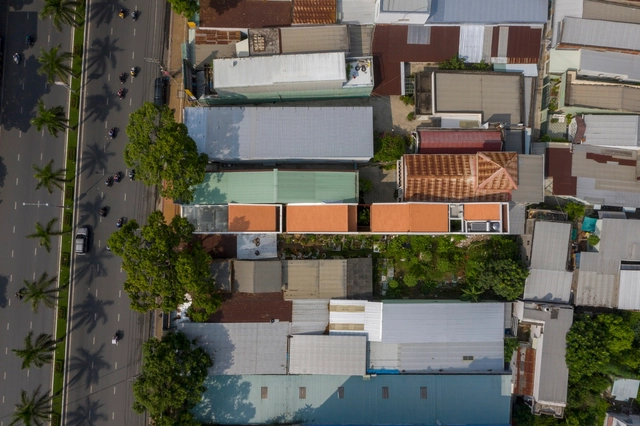
Behind facades lie vibrant lives, where the exterior melds with the interior, transforming neglected urban spaces into captivating residences. In cities around the world, architects, engineers and designers face the challenge of integrating new buildings into existing urban landscapes with limited space. Many architects are now embracing this concept, expanding their designs beyond conventional boundaries and transforming small city lots into layered and interconnected living spaces.

Bridging the Gap: 15 Atypical Living Solutions in Urban Remnants - More Images+ 41

Evolving Urban Playgrounds: 5 Design Strategies and 31 Projects Around the Globe

Urban playgrounds are evolving from simple swing sets and slides into dynamic, multi-faceted urban landscapes. These new designs are more than just places to play; they are thoughtfully integrated spaces that address urban challenges, promote community, and inspire creativity. A key trend is the intentional use of color and pattern. Designers are utilizing vibrant color zones to segment different functional areas, creating a visually dynamic experience that contrasts with natural surroundings. This approach can also be used to establish a cohesive urban identity, with thoughtful color palettes that complement the existing cityscape.

Evolving Urban Playgrounds: 5 Design Strategies and 31 Projects Around the Globe - More Images+ 34

Rooted in Tradition, Nature, and Community: Wellness and Healing Spaces from the North to the South Africa

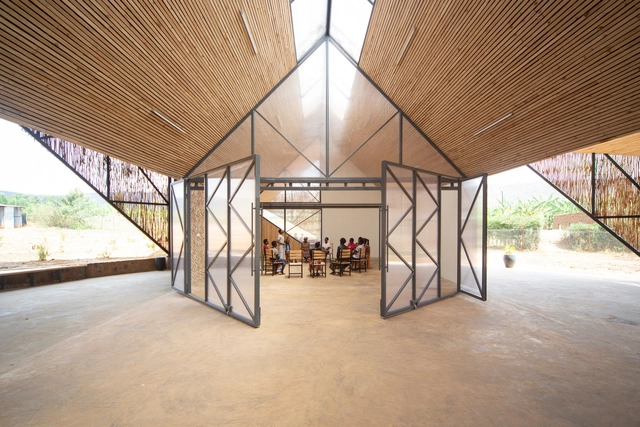
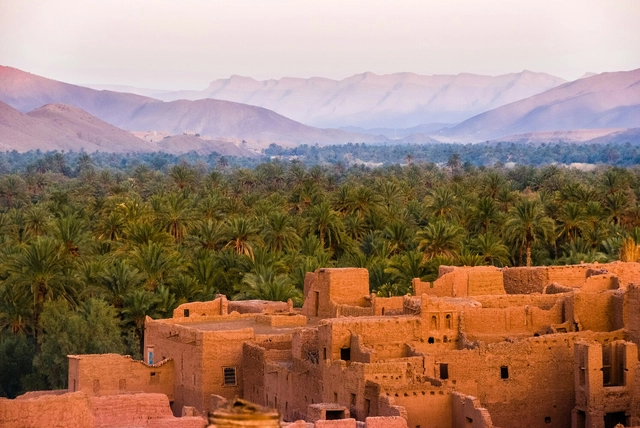
Wellness and healing spaces are shaped by cultural traditions, geographical contexts, and social structures. Across the world, certain practices have been deeply rooted for centuries, like Roman baths, Turkish hammams, and Japanese onsens, while others evolve by drawing inspiration from rituals or redefining their own concept and image of a healing environment. Europe, North America, and Oceania are characterized by a focus on personal journeys, self-care, and often luxurious wellness spaces. Asia shapes the prevailing global perception of wellness through meditation-based healing, inner reflection, and holistic retreats. In Africa, wellness is deeply rooted in ancestral traditions, integrated with nature, and centered around community and social interaction. The commonality worldwide lies in sensory engagement, relaxation, and holistic healing, often tied to nature. But what does wellness look like in Africa? What are the healing spaces that shape it, and what architectural languages define wellness from north to south?
Rooted in Tradition, Nature, and Community: Wellness and Healing Spaces from the North to the South Africa - Image 1 of 4Rooted in Tradition, Nature, and Community: Wellness and Healing Spaces from the North to the South Africa - Image 2 of 4Rooted in Tradition, Nature, and Community: Wellness and Healing Spaces from the North to the South Africa - Image 3 of 4Rooted in Tradition, Nature, and Community: Wellness and Healing Spaces from the North to the South Africa - Image 4 of 4Rooted in Tradition, Nature, and Community: Wellness and Healing Spaces from the North to the South Africa - More Images+ 2

Beyond Conventional Design: The Unique Approaches of Office ParkScheerbarth

Office ParkScheerbarth, selected as one of ArchDaily's 2024 Best New Practices, was founded in Berlin in 2019 by principals Moojin Park and Benjamin Scheerbarth. Together, they create a synthesis between architecture, urban planning, and social science, drawings on cultural and educational contexts from Korea, the US, and Germany. Their work creates spaces that welcome versatility, challenges, and growth. The duo embodies a fusion of cultures, nationalities, and diverse disciplines, approaching each project from multiple perspectives and emphasizing adaptability, respect for ownership, and the continuous pursuit of knowledge and innovation. Challenging norms and regulations of the built environment, Moojin Park and Benjamin Scheerbarth share a commitment to pushing and exploring design boundaries. They met during their Master's studies in the US, where their shared vision took shape and marked the beginning of their journey together.

Beyond Conventional Design: The Unique Approaches of Office ParkScheerbarth - Image 1 of 4Beyond Conventional Design: The Unique Approaches of Office ParkScheerbarth - Image 2 of 4Beyond Conventional Design: The Unique Approaches of Office ParkScheerbarth - Image 3 of 4Beyond Conventional Design: The Unique Approaches of Office ParkScheerbarth - Image 4 of 4Beyond Conventional Design: The Unique Approaches of Office ParkScheerbarth - More Images+ 7

Cairo: A Mosaic of Contrasting Urban Narratives

Subscriber Access | 

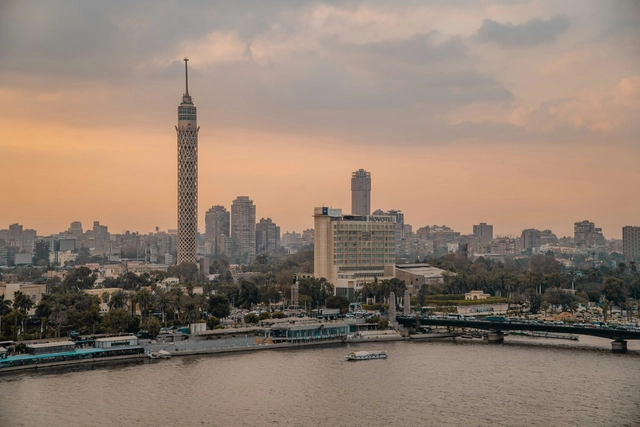
To this day, Cairo has a vibrant history, rich architectural culture, and heritage, which, from an outside perspective, is still the vivid and leading representation of the city. But what is today's Cairo beyond the capital of Egypt, the Nile, the deserts, the bustling streets, the museums, and the archaeological sites and historic buildings? The city has experienced a rapid urban transformation over the past few decades, acquiring a remarkably different character from the one recent and older generations remember from their youth in the streets, neighborhoods, and buildings of the city.

Cairo represents a population growth of 4 million in the 1960s to over 20 million today, while its urban footprint expanded by approximately 400% since the 1960s. The built-up area represents nearly half the metropolitan region, with an annual urban growth rate of 2-4% - much higher than the approximate 1% growth rate typical in countries like Canada, Germany, Japan, Italy, and Sweden. Due to this rapid urbanization, agricultural land now constitutes less than 10% of the total area of Greater Cairo. The city is a constantly evolving mosaic of over 50 distinct neighborhoods, each embodying its own unique identity and demographic composition, contributing to Cairo's diverse urban fabric.

Building Stronger Communities: The Role of Regional Identity in 7 Multi-Purpose Projects

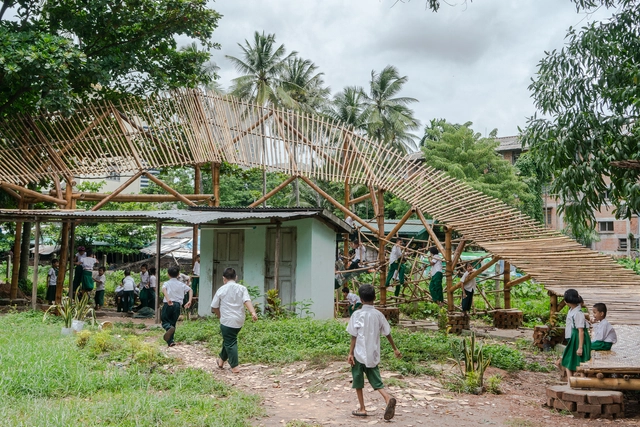
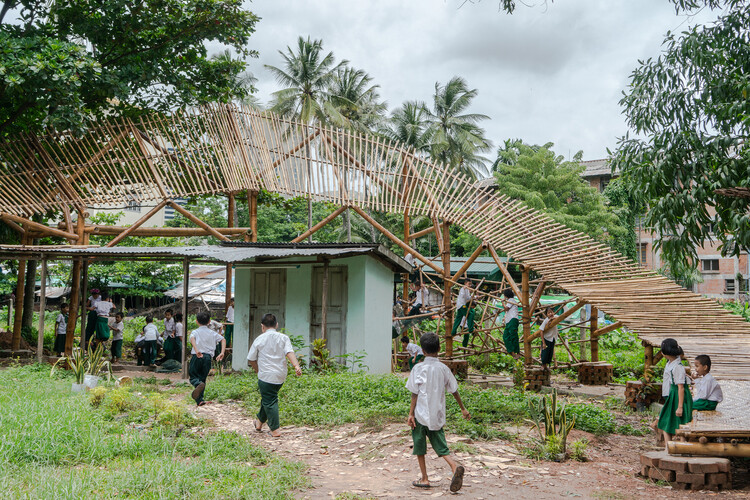
A region's identity is deeply tied to its community spaces. These spaces—whether parks, public squares, or community centers—reflect their users' culture, history, and values. They don't just preserve regional identity; they actively shape how communities engage with their environment, fostering a dynamic relationship between place and people. Community spaces are more than just physical locations; they are vital social hubs that foster engagement, cultural expression, and a sense of belonging. These spaces symbolize a shared identity and purpose.

Building Stronger Communities: The Role of Regional Identity in 7 Multi-Purpose Projects - Image 1 of 4Building Stronger Communities: The Role of Regional Identity in 7 Multi-Purpose Projects - Image 10 of 4Building Stronger Communities: The Role of Regional Identity in 7 Multi-Purpose Projects - Image 22 of 4Building Stronger Communities: The Role of Regional Identity in 7 Multi-Purpose Projects - Image 3 of 4Building Stronger Communities: The Role of Regional Identity in 7 Multi-Purpose Projects - More Images+ 20

Paris 2024 Olympics: An Architectural Guide of the Olympic Venues

Subscriber Access | 

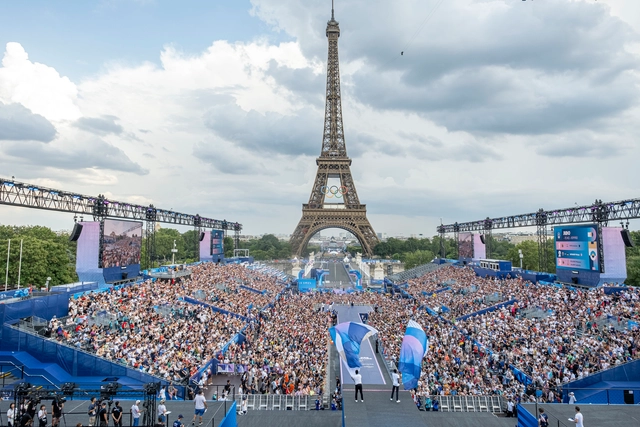
Rounding up the Olympic Games 2024 in Paris, a special focus is placed on the architectural language and phenomenon that transformed the city for its Olympic and upcoming Paralympic venues. Spread across the city and surrounding areas, Paris integrated iconic landmarks and modern facilities to host a diverse selection of Olympic sports. Beyond the sports venues, the interventions also included unique visitor centers and athlete's accommodations that will serve a purpose beyond the summer's events.

Paris 2024 Olympics: An Architectural Guide of the Olympic Venues - Image 1 of 4Paris 2024 Olympics: An Architectural Guide of the Olympic Venues - Image 2 of 4Paris 2024 Olympics: An Architectural Guide of the Olympic Venues - Image 3 of 4Paris 2024 Olympics: An Architectural Guide of the Olympic Venues - Image 4 of 4Paris 2024 Olympics: An Architectural Guide of the Olympic Venues - More Images+ 22