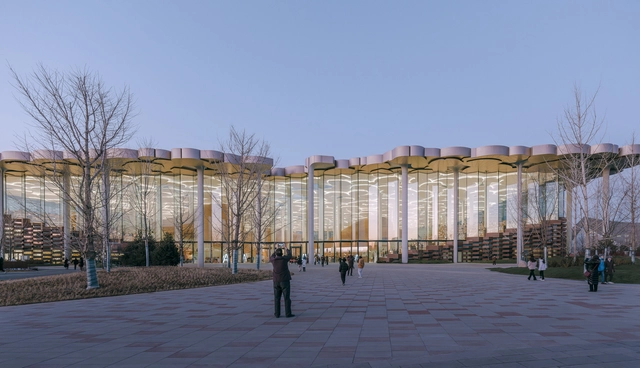
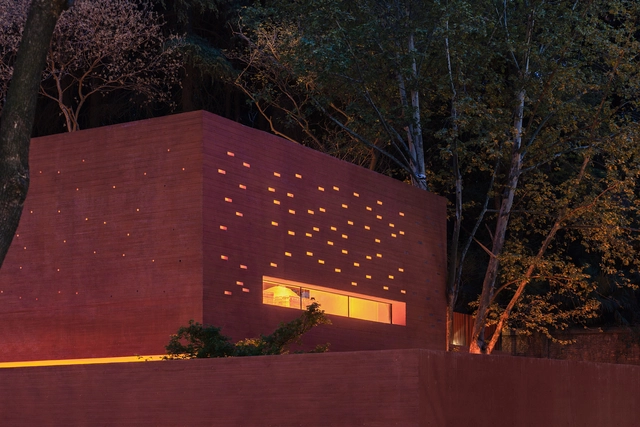
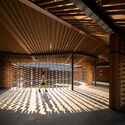
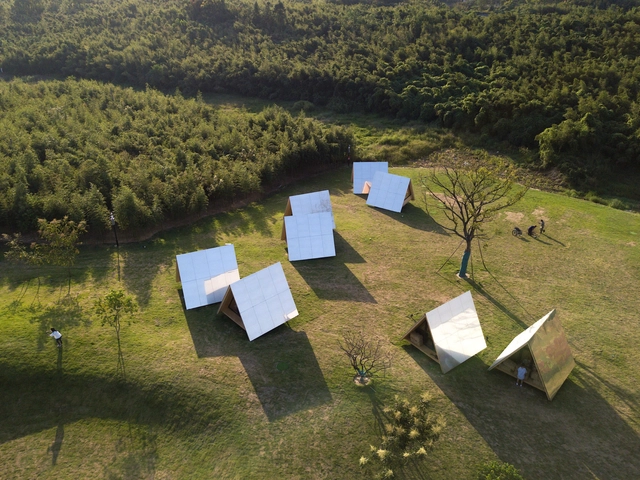
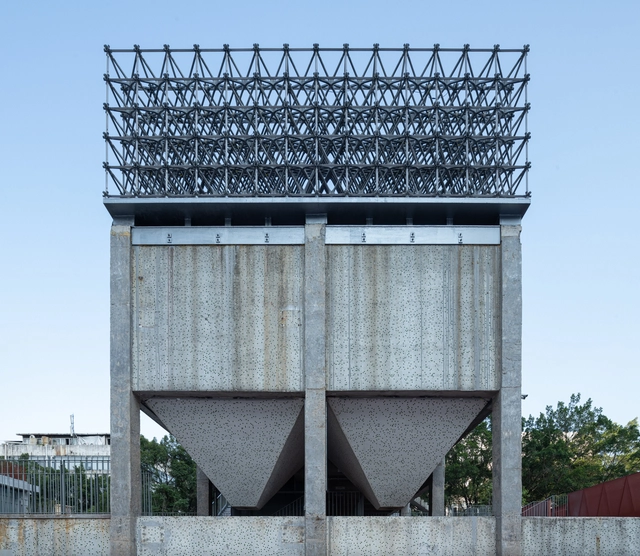
Have you ever traveled along such a coastline—where the mountains are low, yet cascade gently toward the sea; where the ocean is never far, yet unfolds anew with every turn? Have you ever noticed the villages scattered between bays and tidal flats, sustaining a slow and steady rhythm shaped by tides and monsoons?Have you ever truly seen the night sky— when artificial lights recede, and the sea and the sky nearly merge as one? Have you ever imagined, along this coastal road, a small station called "Zi · Pillowing the Stars"— and, stepping inside, what kind of encounter might unfold?
A journey through mountains and sea, unfolding alongside time—begins here.
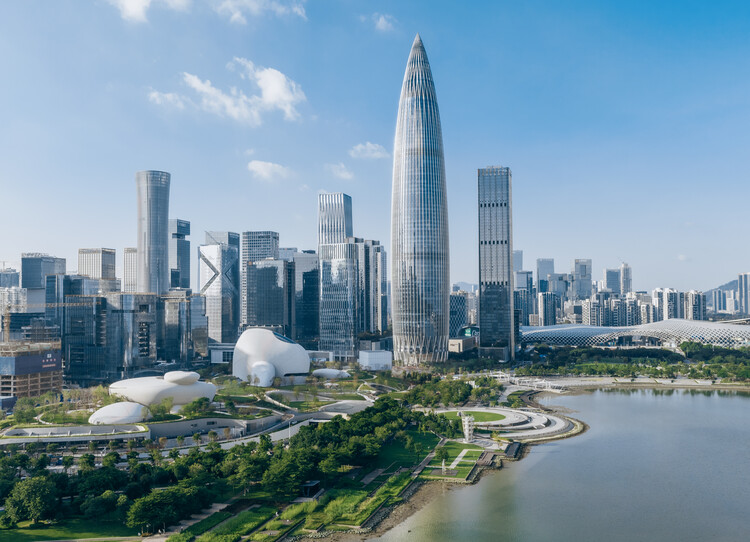
Shenzhen is China's first Special Economic Zone(SEZ), serving as a window for China's Reform and Opening-up and an emerging immigrant city. It has evolved into an influential, modern, and international metropolis, creating the world-renowned "Shenzhen Speed" and earning the reputation of the "City of Design." Architectural design stands as the most intuitive expression of Shenzhen's spirit of integration and innovation. Over the past decade (2015-2025), the development of urban architecture in Shenzhen has closely integrated with its open and inclusive urban character, ecological advantages of being nestled between mountains and the sea, and the local spirit of blending traditional culture with innovative technology, showcasing Shenzhen's unique charm and robust vitality across multiple dimensions.
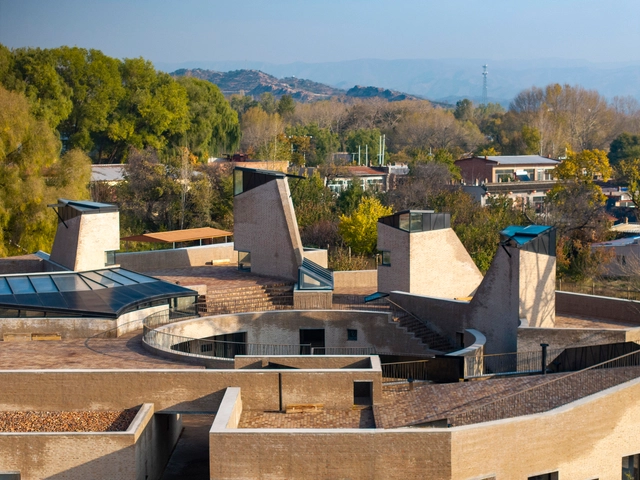
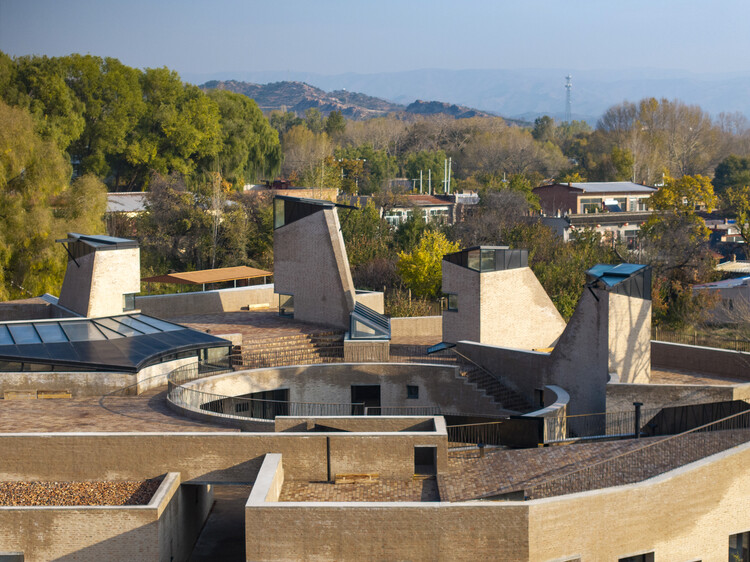
In recognizing this project, the award jury praised its ability to intervene in a sensitive yet rational manner, using design to foster inclusivity, resilience, sustainability, and overall well-being. The design achieves these goals by rejecting rigid functional zoning. Instead, a permeable circular courtyard integrates diverse community activities, organizing circulation and connecting multiple open rooms into a cohesive whole.
Amidst global economic adjustments and a domestic focus on high-quality development, Shanghai has implemented a strategic shift in its urban development approach—moving from 'incremental expansion' to 'connotative enhancement.' Guided by the concept of a "people-oriented city", Shanghai has elevated urban construction from mere physical space aggregation to a comprehensive endeavor aimed at optimizing functional quality, revitalizing spatial vitality, and boosting residential resilience through urban renewal initiatives. This transformation is framed not merely as a response to resource constraints but also as an intentional approach to urban development principles. Its core proposition lies in: under the policy framework of strictly controlling incremental land use, how to unleash development potential through the "reproduction" of existing spaces.
The Bi-City Biennale of Urbanism\Architecture (UABB) is a biennial cultural event collaboratively established by Shenzhen and Hong Kong. The 10th UABB will feature a sub-venue at Huaqiangbei, set to open in December 2025. Huaqiangbei, known globally as "China's No. 1 Electronic Street", will host exhibitions themed on "Future City x Technology x Art" during the 10th UABB. For this purpose, we are inviting creative ideas and proposals from individuals and organizations worldwide to energize the spatial innovation of Huaqiangbei. This call for submissions is divided into two main categories: "Creative Renovation Proposals" and "Archival Documents" submissions.
Another year, another successful ArchDaily China Building of the Year Awards! Once more, the award has proved to be the largest architecture prize centered around people's opinion. Crowdsourced, the most relevant projects of the year were nominated and selected by our readers.
Following two exciting weeks of nominations, ArchDaily's readers have evaluated over 500 projects and selected 15 finalists for the Building of the Year Award China. Architects and enthusiasts participated in the nomination process, choosing projects that exemplify what it means to push architecture forward. These finalists are the buildings that have inspired ArchDaily readers the most, which also reveal the growing trend of Chinese architecture.
Among the 15 finalists of the 2025 China Building of the Year Award, we can see a gradual shift in focus from large-scale public buildings to rural revitalization, community public spaces, exploration of new typology of school and small-scale interior spaces. People are paying more attention to their personal needs and living experiences as well as the surrounding spaces. We can also observe how different firms are responding to the needs of cities and users during the period of transformation in the real estate.
Before we get to shortlisted nominees, we want to highlight the values of this awards process — as the world's largest platform for architecture we are acutely aware of our responsibility to the profession, and to the advancement of architecture as a discipline. Since our mission is directly related to the architecture of the future—inspiring and educating the people who will design the urban fabric of the future—the trust placed in us by our readers to reflect architectural trends from regions around the whole world creates challenges that we are eager to rise to. The democratically-voted, user-centered Building of the YearAwards is one of the key pillars of our response to these challenges, aiming to tear down established hierarchies and geographical barriers. Here are the 15 finalists of the 2025 China Building of the Year Award, and the voting period will run from April 2nd to April 9th, 11:59 PM (Beijing Time), 2025. The final winners will be announced onApril 10th, 2025. Click here to see the details and how to vote.
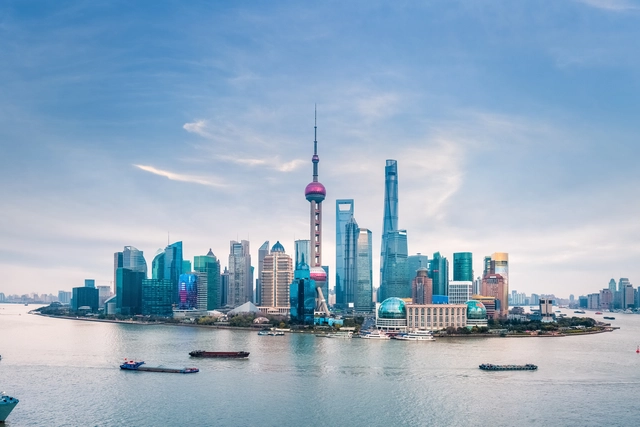
Shanghai, as one of China's most representative global cities, features an architectural vocabulary that seamlessly blends its distinctive "Haipai" (Shanghai style) urban character with an international perspective. The city boasts a rich spatial hierarchy, ranging from the micro-level of alleyways and neighborhoods to the macro-scale of urban planning. From the Suzhou Creek to the Huangpu River, every architectural landmark embodies Shanghai's unique history, culture, and vision for the future.
Beijing, as the cultural and political center of China, embodies a rich architectural language that bridges history and modernity, tradition and innovation, showcasing the city's profound depth and diversity. From monumental landmarks like CITIC Tower and Daxing International Airport to the hidden courtyard renovations nestled within the city's historic hutongs; from the dramatic revitalization of the Shougang industrial site to the refined transformations of Baiziwan and Baitasi, Beijing's architectural achievements continue to captivate and inspire. Every space tells a unique story of the city, blending heritage with contemporary vibrancy.
In this city, memories are preserved, and vitality thrives. Let us step into Beijing, rediscovering the "new Beijing" within the "old Beijing" through the lens of its architecture, and experience the depth of time and the pulse of the city in its dynamic spaces.
Selected as one of ArchDaily's Best New Practices for 2024, Mix Architecture bases in Nanjing, China, took their approaches honed from rural China to the city, dealing with projects across different scales that stay true to the identity of the communities they work in, but with a contemporary character that is dealing with projects across different scales that stay true to the identity of the communities they work in, but with a contemporary character that is setting the bar for Chinese architecture. They responded sincerely to the site, to the construction, to the functional needs, and to the expression of sociality. From the name of their studio, one can observe that they are an inclusive design studio.
In an interview with ArchDaily, they summarise their design practice as 'the evolution of scenery', each time drawing design information from the site, not just responding to nature or culture, but becoming part of the landscape. This allows even the casual viewer without a professional background in architecture to perceive the atmosphere created by the design. Treating architecture as a social event, each design maximizes the use of local resources under limited conditions to bring about a relatively good result, responding to the environment, the cultural heritage, the materials, the craftsmanship of the workers, the type of function of the space and the real needs of the owner.
Selected as one of ArchDaily's Best New Practices for 2024, Wiki World is pioneering a fresh approach to children's architectural education and community building. This Wuhan-based studio simplifies the concept of architecture, moving beyond grandiose connotations and focusing on 'building a house'—exploring the wisdom and methods of 'ordinary people.' Building, according to Wiki World, is not only a human instinct but also a way to connect with and understand nature. They see an opportunity in the open-source spirit, empowering communities in rural China to design and construct their own creations. By providing the right frameworks, Wiki World is able to scale and make architecture accessible to an increasing number of people. The studio organizes workshops across China, guiding parents and children through one community-building experience after another.
In an interview with ArchDaily, Wiki World shared their approach to workshop design and organizational processes, drawing from both their expertise and the fresh perspectives gained from their young participants. They discussed how their views on nature and community design have shaped their work, their strategies for effective communication, and their current challenges and successes. They also explained how they bridge the gap between different teams to inspire creativity and foster hands-on engagement with users.
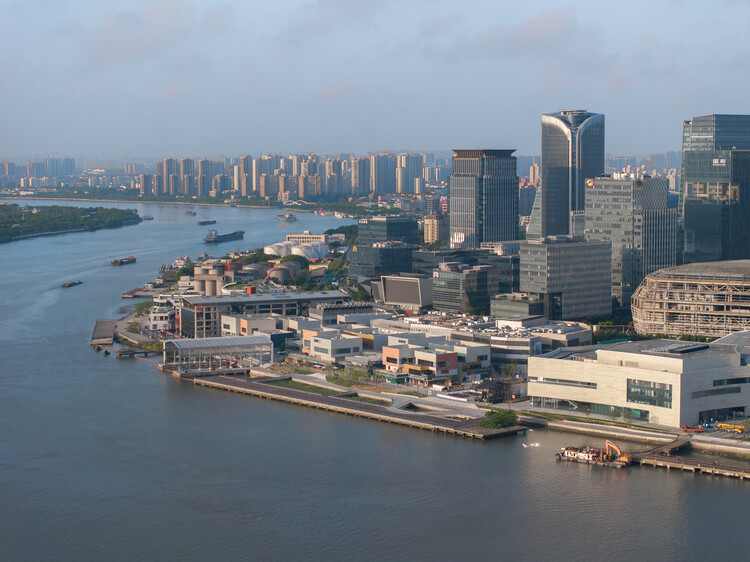
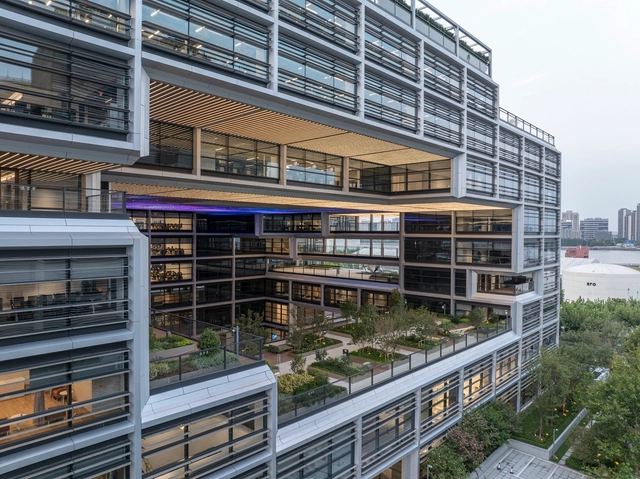
As humanity enters the AI-driven intelligent era, technology platform enterprises adopt more open and flexible modes of operation. Collaborative spaces such as creative incubators and informal exchange areas have become key places for practicing their operational philosophies. In the design of headquarters buildings, companies aim to engage with the public more deeply and convey their corporate culture and spirit, in addition to fulfilling daily office functions. Alibaba's new headquarters in Shanghai is located in the "Global Waterfront Lifestyle Demonstration Zone," at the heart of the West Bank Cultural Corridor. Positioned by the river and near the West Bank Media Port, Financial City, and other industrial hubs, the site integrates art with industrial heritage, bringing a unique historical and contemporary vibrancy to the area. The architecture around the park is "star-studded," with forward-thinking designs from renowned architectural firms worldwide. The three buildings of Alibaba Xuhui Riverside Campus, designed by SANAA, Foster + Partners, and SOM, are introducing new concepts and visions to Xuhui Riverside.
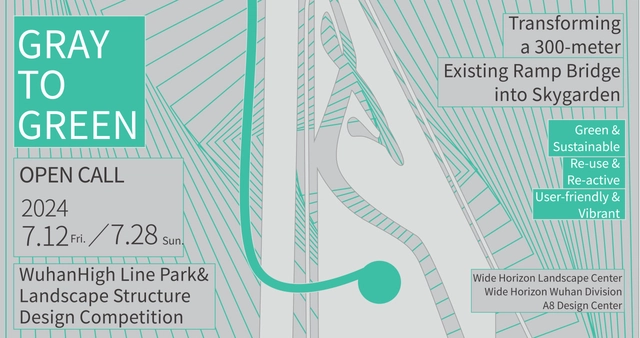
In this competition jointly initiated by A8 Design Center, Wide Horizon Landscape Center, and Wide Horizon Wuhan Division, it is expected that through thetransformation of the existing municipal ramp bridge and the design of the landscape structure connected to it, after the municipal traffic function of the ramp bridge is cancelled in the future, it can be converted into an aerial urban greenway in the large park system, and further through the vertical traffic line of the landscape structure, a connection between the urban elevated greenway interface and the ground park can be formed. With the elevated bridge park and the landscape structure as anchor nodes, a flexible conversion and connection from the rapid urban traffic interface to the ground park system can be achieved, creating a user-friendly activity space, and becoming a display interface for the city's riverside expressway.
As we successfully launched our 15th Building of the Year Awards earlier this year, we want to thank you for being part of our community for over 10 years. Together we have been growing and contributing to the architectural scene, aiming for a better world. Now, we are proud to announce the 8th edition of The ArchDaily Building of the Year China, celebrating the best architecture in China, as chosen by you, the reader.
By nominating and voting, you form part of an interdependent, impartial, distributed network of jurors and peers that has consistently helped us celebrate architecture of every scale, purpose, and condition, and architects of all profiles. Over the coming weeks, your votes will result in 700 Chinese projects filtered down to just 10 best projects in China.
The 2024 Building of the Year Awards China is brought to you thanks to Dornbracht, renowned for leading designs for architecture, which can be found internationally in bathrooms and kitchens.
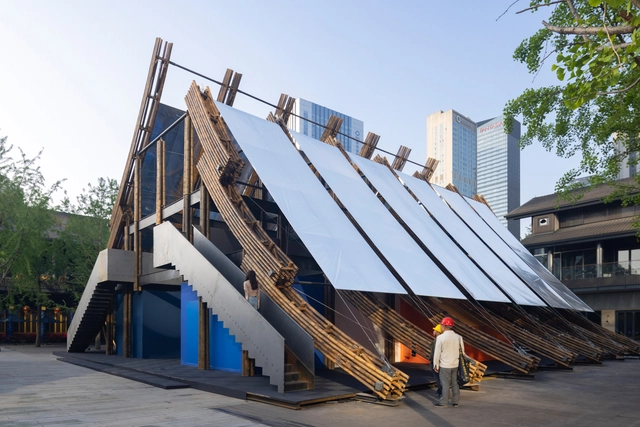
RoarcRenew Architects has been selected for ArchDaily's 2023 New Practices. In two of Shanghai's busiest commercial districts, Anfu Road and Columbia Circle, stores designed by RoarcRenew Architects attract large crowds. Within spaces covering just a hundred square meters, they meticulously design every architectural element, continuously exploring and innovating. Their recent bamboo installation, done in collaboration with Taikoo Li, is a remarkable showcase of sustainable design in commercial spaces.
Roarc Renew consistently conveys a clear architectural concept in its projects. The construction logic mirrors the fundamental principles governing our world, involving substances and joints: joints can both represent the substances in the physical world and connect them all. In their projects, Roarc Renew has introduced the JointsPavilion (JP) series for the construction system and the SoftJoints (SJ) series for home furniture systems. This allows them to utilize their expertise in creating elegant connections that simplify and enhance the beauty of various elements.
ATELIER XI has been selected for ArchDaily's 2023 New Practices and is one of the few firms still rooted in traditional architectural design. Founded in 2017, ATELIER XI began their practice in Shenzhen, one of the fastest-growing and urbanizing cities in China. Their work represents the current state of a generation of architects, with major projects in small-scale urban architecture, exhibition design, interior design, renovation, and rural architecture. While they may not become urban landmarks, they can still influence the lifestyle of the community through small-scale design.
The studio aspires to create spaces that bring unique poetry and profoundness to contemporary urban and rural environments: "We see architecture as an art of mediation between social, economic, and political interests. We strive to create meaningful places with minimal resources. We aim to convey emotions and memories through spatial poetry. We believe that each space, whether grand or tiny, offers a glimpse into the vastness of our world and serves as a testament to the glory of everyday life. By planting these quiet and resilient spaces one at a time, we envision architecture branching out and flourishing with life and narratives."
Curated by architecture and urban planning scholar Andong Lu, young architect Zigeng Wang and design curator Aric Chen, the 9th Bi-City Biennale of Urbanism\Architecture (Shenzhen) continues the principle of "the city is the exhibition site, the exhibition is the practice" as the primary exhibition of UABB came to Luohu district for the first time. It was located in GDH City · Jinpi Fang (Kingway Brewery Industrial Heritage) and the exhibition opened in December 2022 and ran until March 2023, with over two hundred events held during the three-month exhibition period.