Born and raised in Lebanon, Hana is an Interior Architect and the head of the projects team at ArchDaily/Architonic, based in Toronto, Canada. She is interested in minimal intervention projects, revival/renewal of vernacular construction techniques, and community involvement projects.
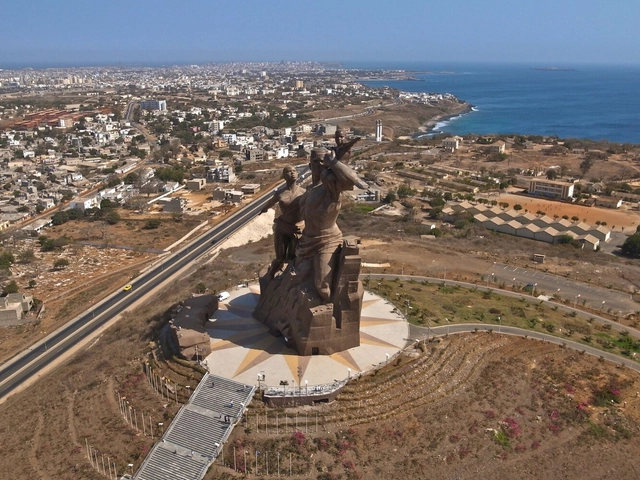
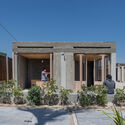
Dakar is a city of constant development. From colonial times, and on, the capital of Senegal has seen a lot of shifts in its societal definition which has, in turn, affected its architectural and urban fabric. Ever since the French mandate which somewhat forced a shift of local living traditions into a more 'European' lifestyle, the wheels of change have been set in motion. Afterward, a notable post-colonial attempt at re-defining Dakar was inevitable. It came about in many ways, still seen today, and it built a city of mixed architectural languages that defies most visitors' expectations.
Though the renowned African mid-century modernism was certainly present in the years after Senegal's independence in 1960, this was mostly due to its popularity with practicing architects in the region, not its relevance for the capital's rebuilding efforts. The modernist approach, which was mainly seen in the public, institutional, and cultural buildings, and which persists today in a more undefined contemporary style, was always aimed at showcasing Dakar to the world. It did not, however, reflect the reality of the city's development nor the way its dwellers live.
In an effort to refocus on Dakar, some of our more recent ArchDaily coverage has highlighted the many development and design efforts that look to provide a better means of living to inhabitants.
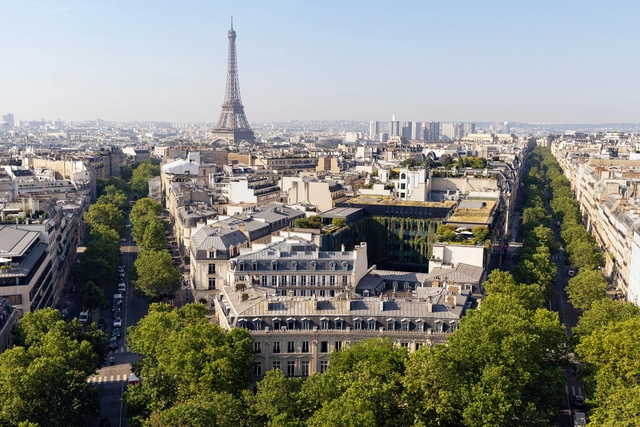
In 1900, Paris hosted its first Olympic games. It had been the second city to host them after the first Olympics in Athens. It was also the year of the Exposition Universelle, where the city would again showcase how it remade itself anew in less than 30 years. To this day, Paris remains a hub for all sorts of architectural innovation and development through bold designs that affect how people live and new materials and techniques. It fascinatingly juxtaposes grandeur and monumentalism with its predominately baroque, “second empire,” and art nouveau works; while also pushing for designs that strive for social living reforms such as in Le Corbusier’s experimental works or Lacaton & Vassal’s considerate interventions.
It’s this openness to the world that attracts not only millions of visitors a year but also innovators and architects who have set up shop in Paris and made it their second home. Once again, the city reworks itself as mass construction, renovation, and restoration sites culminate all over the city to host international athletes at the 2024 Olympics.
They say Rome wasn’t built in a day, and the same surely applies to one of the most prominent and glitzy cities in the world: magnificent Paris. It might even seem that both cities, of legendary repute, are somehow counterparts. They were both envisioned by an emperor who wanted to display a political message of innovation, grandeur, and opulence. In both cases, these major urban reforms and massive reconstructions blanketed any popular struggle or resistance with blinding beauty and a popular entertainment setup (from gladiators to cancan dancers and brasseries). And thus came to be the Paris that we now know, a city of divertissement that amasses over 30 million tourists a year.
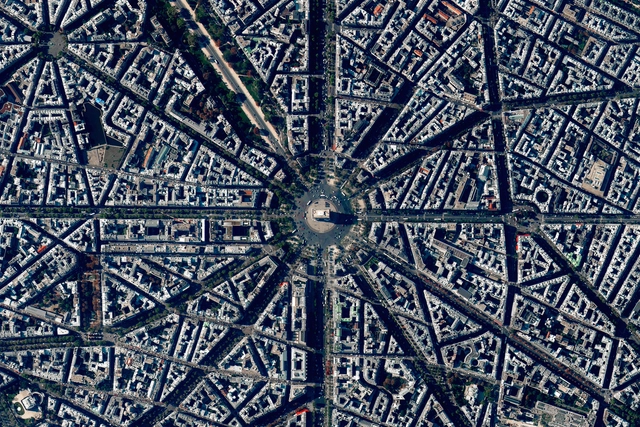
But it’s also fascinating to learn how an entire growing city was dealt with as a single, almost experimental mass project. For over twenty years, from 1853 to 1870, Paris was a continuous construction site. With the implementation of new technologies and new design standards, the result was not just a different aesthetic but a completely new social order, urban sprawl, and way of life.
Courtesy of [applied] Foreign Affairs, Institute of Architecture, University of Applied Arts Vienna
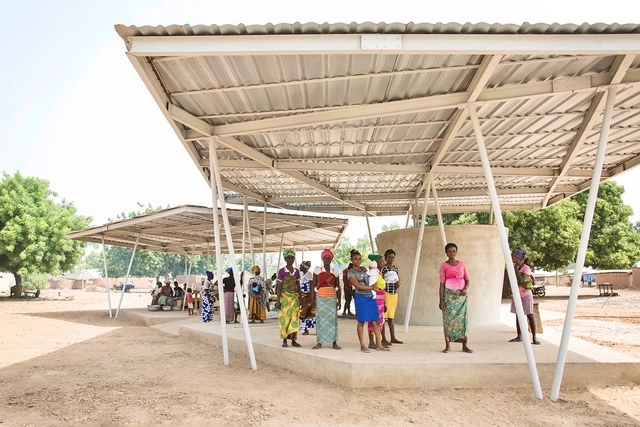
Public Markets are complex cases that beautifully combine an engineering exploration with the instigation of a beneficial public function. In fact, it doesn't take much to designate an open and accessible commercial hub that would encourage commercial exchange and economic development for small or local businesses. All one needs is a lot and a sheltering roof. However, many designers and architects have chosen to take this exercise beyond the social level and into further material and technical exploration.
The ArchDaily projects library is managed by our curators who constantly seek to populate our stream with the most interesting global works, showcasing evolving focuses and criteria. While we usually share our reader’s top 100 favorites, this year, we also decided to initiate our editor’s picks on the ArchDaily Instagram account, where our curators highlight some projects that include interesting themes and unique traits.
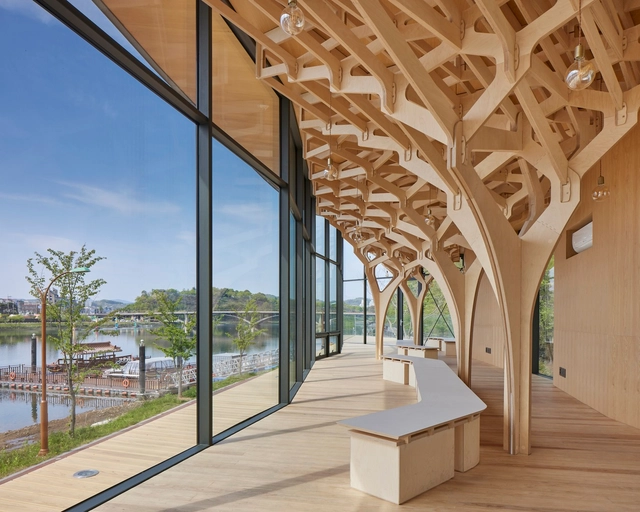
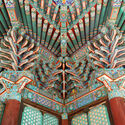
By imagining an alternative reality and rediscovering his cultural background, architect Jae Kyung Kim of JK-AR established his identity as an architect when creating his practice, selected as one of ArchDaily’s New Practices 2023. After studying and working in South Korea and the US, he’d noticed an absence of traditional Asian architecture, which had peaked his interest. He began to thoroughly look at a possibility where the traditional timber buildings of East Asia had still been relevant and continued to evolve.
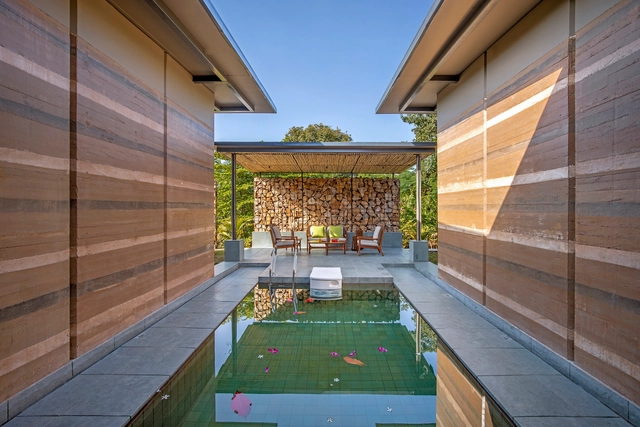
With the proper know-how, readily available earth, sand, chalk, lime, or gravel can yield a versatile, strong, and durable construction material. Its colorful results vary from region to region, depending on the natural soil component, climate, and treatment. While some prefer to minimize any added processing, others relish the exploration of rammed earth surfaces. Different textures and mesmerizing layers of multitoned or multicolored earth can be used to create a solid surface that enriches the visual quality of a space and carries a sense of warmth to any project.
Water scarcity is one of the most stressful situations that one could ever endure. And yet, in India, a country that holds 18% of the total world population with only 4% of its water resources, this is a recurring struggle with notable numbers of Indian households having to manage water scarcity on a daily basis.
The yearly water cycle is a tough one, ranging from one extreme to another. Harsh monsoons and flood seasons turn into insufferable droughts, making it increasingly difficult to control and retain water resources. While most large-scale actions focus on consequences to agricultural and production sectors, the result is also recognizable at an individual household level. Therefore cumulative small-scale actions are relevant gateways for citizens (? people, designers) to mitigate the issue.
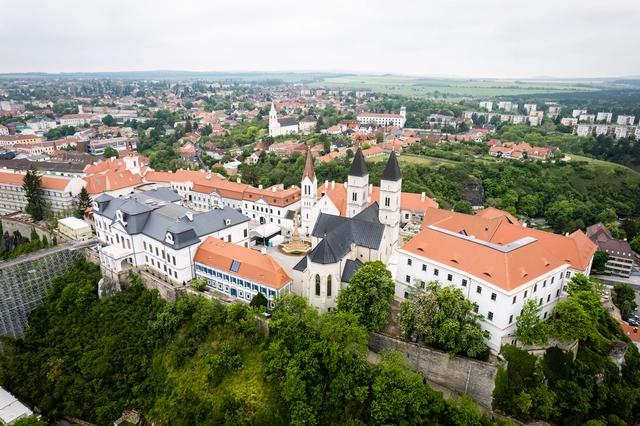
Though lesser known, the Hungarian city of Veszprém is one of the oldest and most important cities in the country. Designated as the European Union Capital of Culture for 2023, Veszprém boasts a longstanding history, visible through its evolving, yet well-preserved architectural monuments. In fact, one of the first notable observations as one walks through the city streets is its eclecticism and layers of historically diverse buildings, that sporadically arise. Despite the difference in styles and architectural languages, they collectively tell the story of the county and its spiritual and political relevance. Its pedestrian-friendly streets, many parks and public spaces, connect the Veszprém monuments, as one delves into a historic promenade.
Rising living costs are relevant hurdles to young people, seeking a place to live, while much older generations might find it more difficult to settle into comfortable post-retirement settings. These general issues have been pushing forth a recurring solution, namely a return to multigenerational family living.
While communal living concepts and developments had been adopted in recent years, familial involvement is proving to be a financially, legally, and emotionally viable alternative.
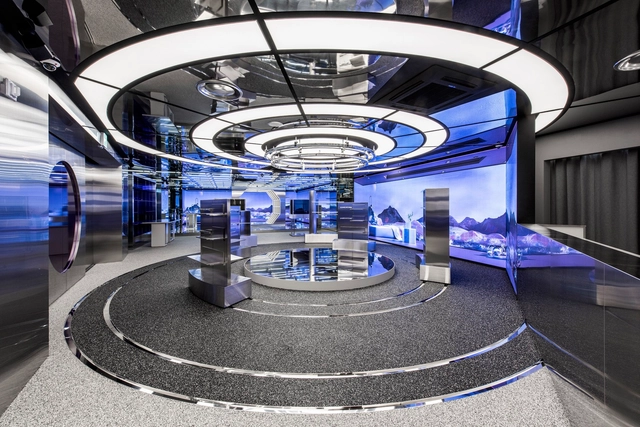
A rising number of studies suggest that well-considered lighting affects and boosts consumer behavior. Add to that the new Instagramability and promotional requirements, and the role of lighting becomes pivotal to achieving a filtered and commercially appealing visual. The latter has encouraged the implementation of new technology lighting panels and fixtures that offer a range of colors and dimmability, modifying the mood and even the overall color palette of a space. The results are some fun, sometimes almost cartoonish, settings that suggest the best backdrops and inviting venues.
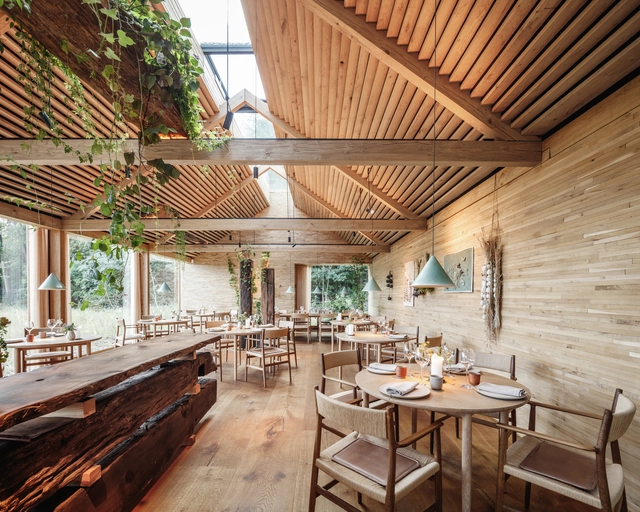
Through its New Nordic cuisine, the food scene in Copenhagen has been growing in popularity and is becoming a major appeal for inhabitants and visitors. Its rooted and seasonal gastronomy as well as its traditional convivial concepts make any food experience in the city a wholistic one as it is linked to the produce, the ambiance, and of course the setting. An enjoyable meal, in what is one of the happiest cities in the world, requires specific localization, design, and planning that can nurture communal and leisure activities. Such spaces should become even more coveted as Copenhagen hosts the UIA World Congress of Architects.
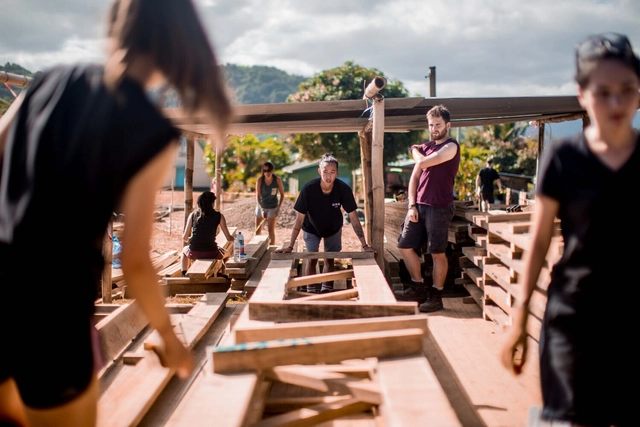
With the construction sector getting back into full swing and major upcoming projects being announced, a larger workforce is getting ready to take on these colossal works. Accordingly, on-site presence and inspections are critical and essential to creating good architecture and constitute significant learning instances for architects or engineers looking to build expertise. But despite all these new endeavors that promise new technologies, a more sustainable future, and better ways of living, one old issue prevails the presence of gender discrimination on the construction site.
If you’ve been avoiding some of the latest news recently, here’s a quick update; European and North American countries have been facing one of the hottest recorded summers in modern history. Discussions over the climate crises have therefore been reignited and so has the role of the design and construction industry in providing solutions that would mitigate the experienced heat effects in our daily lives. While passive cooling solutions have always been used in some parts of the world, where local resources and vernacular builds are adapted to high temperatures, other regions are looking to technological and innovative manufacturing means that would maintain human comfort, aesthetic values, and energy efficiency/ cost.
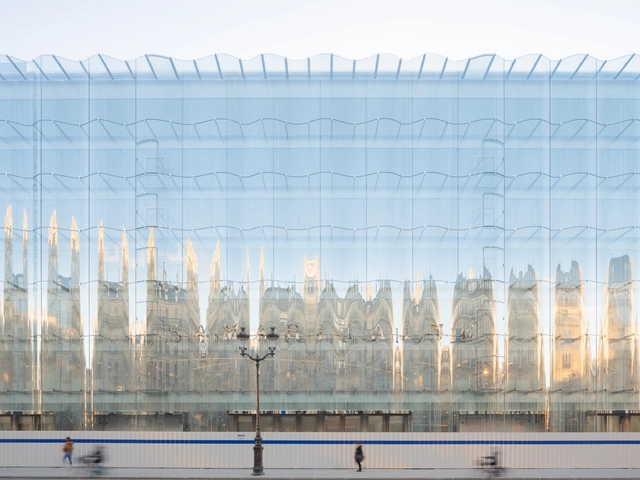
Although early modernism with its signature high-rises and glass houses had made us think that glass enveloped buildings are mostly uncomfortable, over-exposed, and overheating settings; nowadays glass manufacturers are proving that glass, if well treated and well-placed, can be as versatile and efficient a material as one could want without compromising the visual comfort or the dwellers.
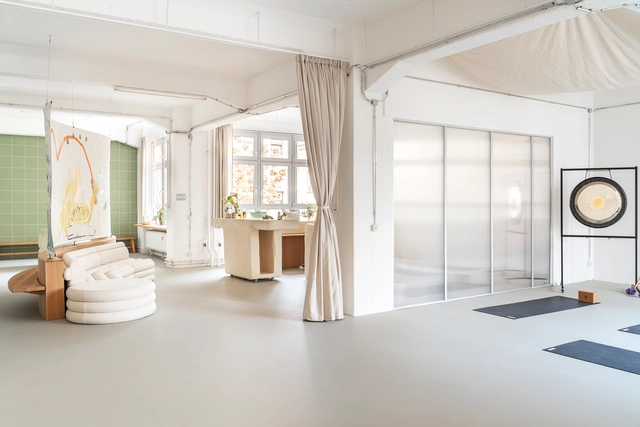
Originating in ancient India and verbally transmitted through the ages, Yoga has become a widespread and popular practice that engages the body and the spirit into reaching a stillness of the mind and a clear self-consciousness. There are varied schools of Yoga that reflect different origins and types of practices, however, they all require a combination the physical movement with mental, and spiritual awareness. The physical and mental health benefits that a regular practice can generate, despite turbulent or hard times, were recognized by the United Nations on the 21st of June 2022 Yoga day with the theme of Yoga for Humanity.
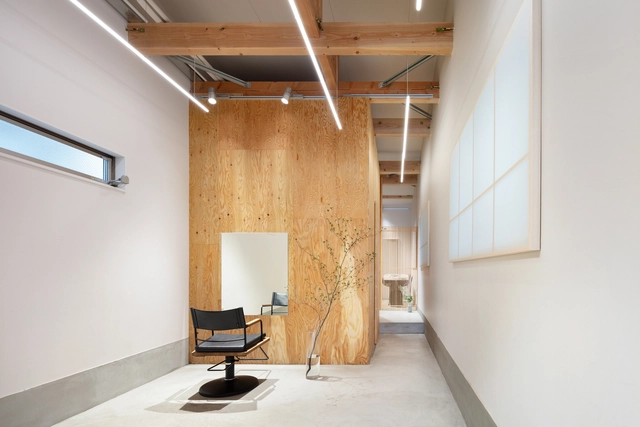
More than ever; today a trip to a hair or beauty salon has become a much-needed escape time. It promises an ultimately uplifting and relaxing experience with an aesthetically pleasing result. However, this affair, like many others, depends on a catered physical setting; a space that’s efficient design can make or break one’s leisurely time. Many spatial considerations have to be taken while setting up a successful and functional beauty shop, and there are no better examples to consider than the quaint Japanese beauty salons.
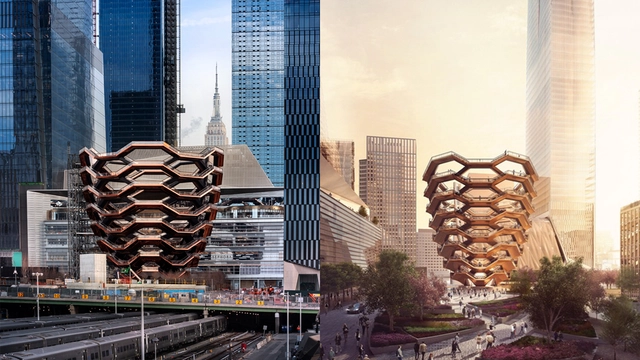
It is nearly impossible nowadays not to present accompanying renders when proposing a new project. No matter the method, software or style that is used, it is a valuable reference that bares more practical weight than one might think. Not only can it be one of the closest possible representations of the architect's vision, if approved, it can also become a promise to clients, investors, and the general public.
When it comes to works from renowned architects, the render becomes a critical reference to the project participants and to the expectant community. A lot of details can be developed and considered when creating the images. In most cases, special attention is brought to the lighting, materials, and context in order to make the most accurate representation possible.
Functionality, good ventilation, comfortable lighting, and access to views are some of the important required characteristics that make for human comfort in inhabited or occupied spaces. Nonetheless, those elements are becoming harder to achieve within smaller city dwellings. Architects and individuals, therefore, turn towards design solutions to create more agreeable and personalized settings.
An initial solution to upscale and widen spaces is to reduce the amount of standard solid partitions or walls and replace them with alternative means of spatial separation.