Cities are slowly reshaping themselves. Walkable streets, bike-friendly networks, and mixed-use neighborhoods are becoming planning priorities as climate goals, changing lifestyles, and remote work reshape daily patterns. Yet even as these people-centered ideas gain momentum, most cities still rely heavily on private cars, creating a tension between the urban futures we're designing for and the mobility habits that persist today.
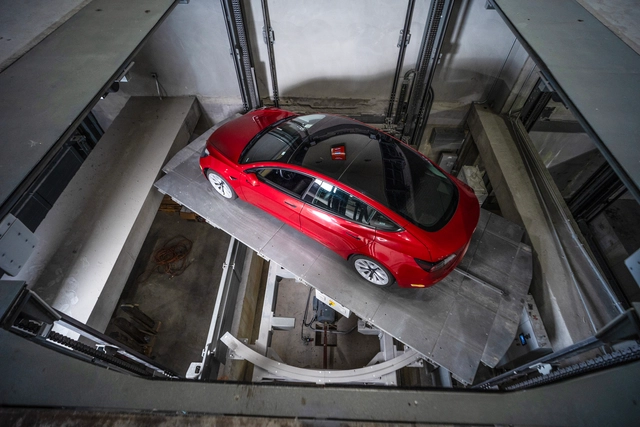
This tension has pushed architects and developers to rethink one of the hardest pieces of the urban puzzle: parking. Mixed-use buildings are multiplying, stacking homes, workplaces, and services into tighter footprints, and every square foot has to work harder. The challenge is no longer simply where to put the cars, but how to integrate parking in ways that support density, livability, and long-term adaptability—allowing cities to evolve without letting vehicles dominate their form.
The niche has been a space of visible intention throughout the history of architecture. In ancient Roman architecture, it served as a formal device carved into masonry to display statues, vases, or other objects. These recesses animated the walls of temples, bath complexes, and civic buildings, adding rhythm, depth, and focal points to otherwise massive structures. The interior spaces of the Pantheon framed statues of gods, and the Baths of Caracalla used similar voids to structure expansive halls. By the Renaissance, the niche evolved into a refined architectural frame. In Florence, the external cavities of Orsanmichele held guild-commissioned statues, while the Uffizi Palace's recesses displayed sculptural works. Whether filled or intentionally left empty, these openings articulated internal and external walls and facades, introduced hierarchy, and provided visual interest, serving as deliberate gestures meant to be seen.
Videos
The Basic Services Unit, a full-scale housing prototype by ELEMENTAL and Holcim, presented in Venice during the 2025 Architecture Biennale. Image Courtesy of Holcim Awards
During the Time Space Existence exhibition, organized by the European Cultural Centre in Venice, the building-solutions company Holcim and Pritzker Prize-winning architect Alejandro Aravena, with his firm ELEMENTAL, unveiled a full-scale prototype that introduces a new approach in incremental housing solutions.
The housing prototype—The Basic Services Unit—was built with Hoclim's recently launched biochar technology, which transforms buildings into carbon sinks by permanently trapping carbon in a bio-based material called biochar. This material is used as a component of low-carbon concrete, cement, and mortars.
Videos
ARCHISONIC® Cotton MOSAIC and ARCHISONIC® Felt CIRC shaping spaces with sustainable elegance. Image Courtesy of Impact Acoustic
What defines a space first when entering: the sound or the visual impression? Architecture is often communicated through structure and surfaces, yet one of its most essential components moves unseen through the air: sound. It shapes how a space feels long before a wall or ceiling is noticed. Computational design brings these dimensions together, allowing architects and designers to create unique structures where acoustics and aesthetics inform one another rather than exist in parallel. By leveraging advanced algorithms, complex design processes transform into intuitive, accessible solutions that shape bespoke acoustic and visual highlights for every project. This approach combines parametric logic with material innovation, balancing efficiency, sustainability, and expressive design in equal measure.
Meta fitting in Matte Black. Image Courtesy of Dornbracht
Are living spaces getting smaller? As cities densify and the global population continues its steady migration toward urban centers—projected to reach around 70% by 2050—domestic space is becoming increasingly compressed. Rising land prices, high construction costs, and a surge in single-person households push developers toward smaller units and tighter floor plans. At the same time, cultural shifts toward resource efficiency and minimal living support this move. Shrinking living spaces require fewer materials, consume less energy, and encourage people to live closer to their means.
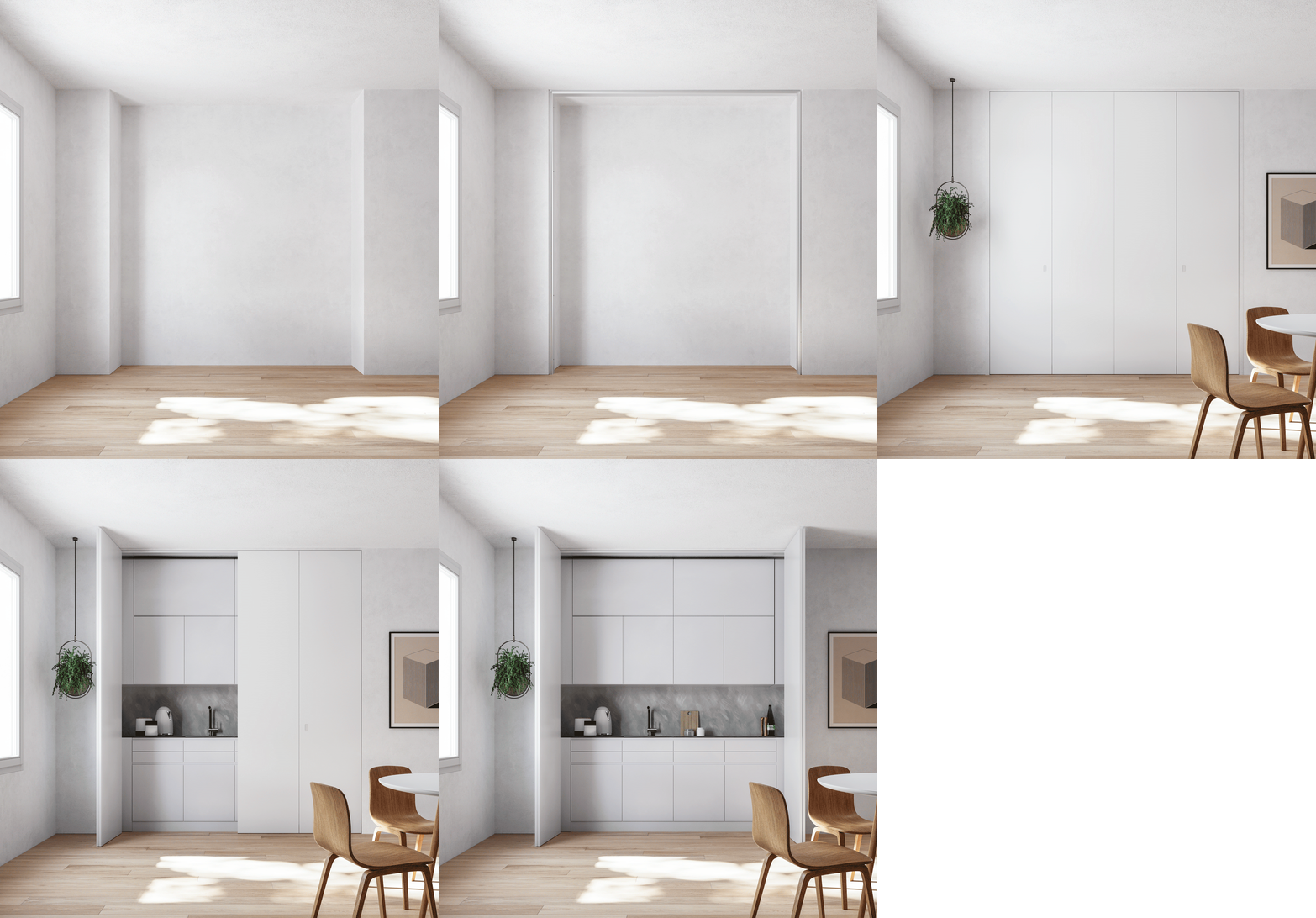
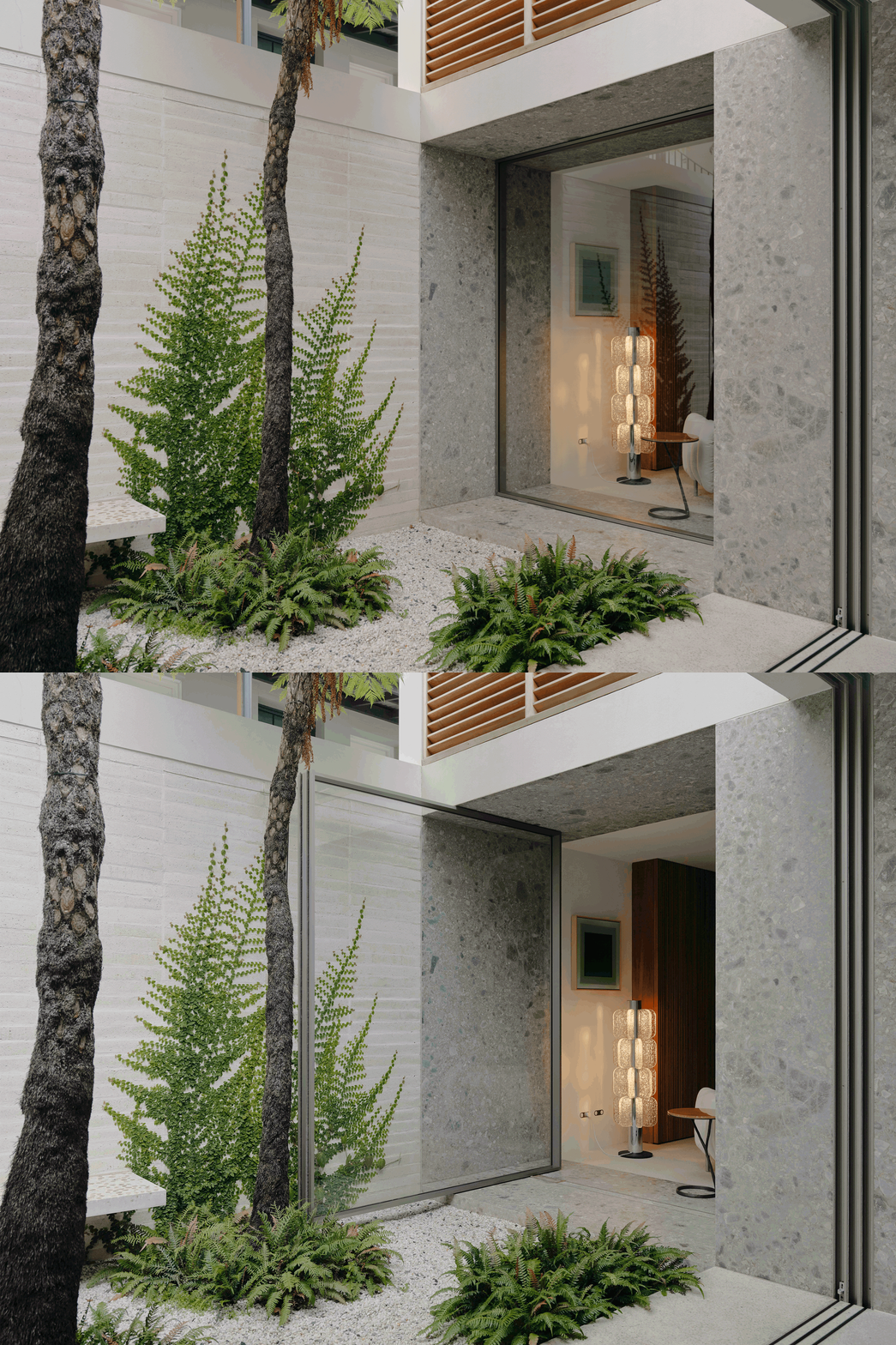
Architectural space has long been framed by permanence: rooms for fixed functions, facades that clearly define where exterior ends and interior begins. Yet contemporary life is defined by overlap and transition: between work and living, interior and exterior, privacy and community. Spatial needs evolve continually, demanding architecture that can respond, adapt, and remain relevant over time.
In this context, adaptability has emerged not only as a design ambition but as a sustainable necessity. Buildings that adjust to shifting uses, evolving climates, or new forms of living extend their lifespan and reduce the need for demolition or extensive retrofits. Flexibility becomes a measure of resilience, allowing structures to remain vital across decades. But how can architecture respond to the evolving ways we inhabit and experience space?
Materials can carry memory. They do more than finish a space; they can anchor it, shape atmosphere, and connect interiors to broader cultural and material narratives. Some architects and designers explore local techniques, natural resources, and craft traditions to balance cultural preservation with modern functionality, introducing context and depth. This is not necessarily a return to the past, but a reinterpretation of inherited knowledge to create architecture that resonates with contemporary needs.
Bali, often called the "Island of the Gods," is known for its unique harmony between the microcosm of human life and the macrocosm of the natural environment. This delicate balance is deeply embedded in its traditional architecture, which reflects a synergy between cultural, religious, and environmental elements. Home to approximately four million people, Bali is Indonesia's only Hindu-majority province. While 1.7% of Indonesia's total population practices Hinduism, 87% of Bali's residents follow the faith. Over centuries, Balinese architecture has evolved through influences from the ancient Bali Aga culture, the Majapahit Kingdom, Dutch colonization, migration, and the rise of global tourism. Visitors are captivated not only by its temples and natural beauty but also by its evolving architectural styles, which strive to preserve the island's cultural essence.