As, one by one, the African nations gained their independence in the middle of the twentieth century, building programs were central to the process of nation-building. In several of those countries, this included the construction of the state's institutions such as their respective national assembly. These buildings not only facilitate the legislative process but also symbolize the new nation's governance, identity, and aspirations. The period of independence movements also coincided with the introduction of the Modern Movement across the continent, which was associated with progress and a break from the colonial past. Across Africa, some national assemblies were constructed early and were part of the nationalization process that preceded independence, while some were constructed long after.
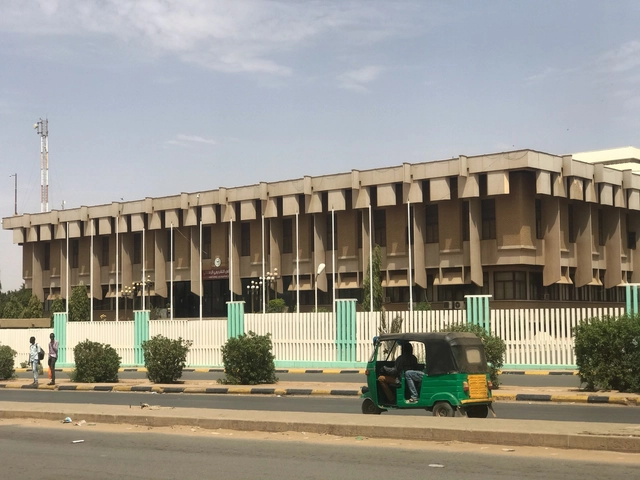
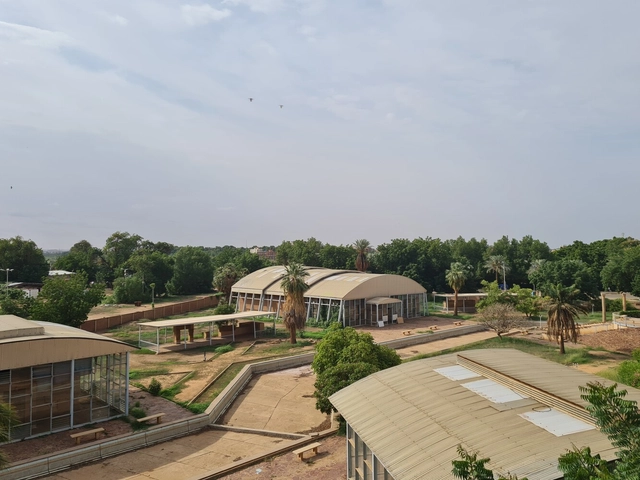
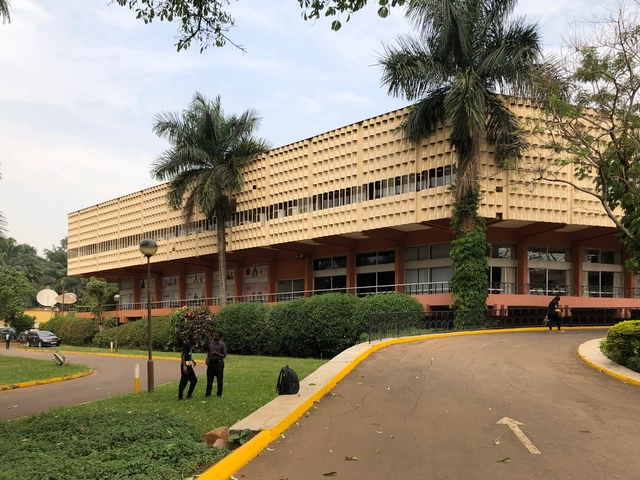
Two museums in Africa built in the mid-twentieth century carry the name 'National Museum.' They reflect the story of their respective nation's history and are tied to notions of national identity. Both are also examples of fine architecture built on the principles of Modernism, a movement associated with nation-building in Africa. However, their inception and purpose followed very different paths. This article explores the under-reported architecture of the National Museum of Ghana in Accra and the Sudan National Museum in Khartoum.
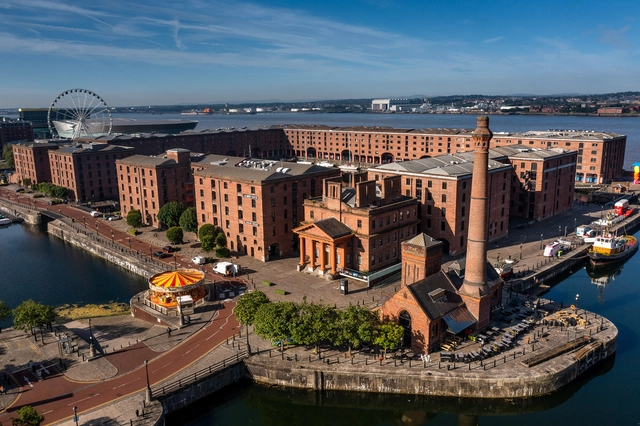
Liverpool Waterfront, location of the Maritime Museum & International Slavery Museum, Liverpool by Feilden Clegg Bradley Studios, drone image 2024. Image Courtesy of National Museums Liverpool
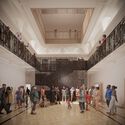
The redevelopment of the International Slavery Museum (ISM) and Maritime Museum in Liverpool, UK, achieved planning approval in Autumn 2024. On this occasion, ArchDaily's editor Mohieldin Gamal had the opportunity to engage in a conversation with Kossy Nnachetta, partner at Feilden Clegg Bradley Studios, the office in charge of the redevelopment. She discusses her architectural journey, key considerations of her practice, and the challenges and opportunities of designing the Maritime and International Slavery Museum, a joint project that had to address several sensitive and historically important issues. Kossy draws on her human-centered and community-driven design approach, describing how this development builds upon Feilden Clegg Bradley Studios' extensive portfolio of cultural projects, adaptive reuse, and historical restorations.
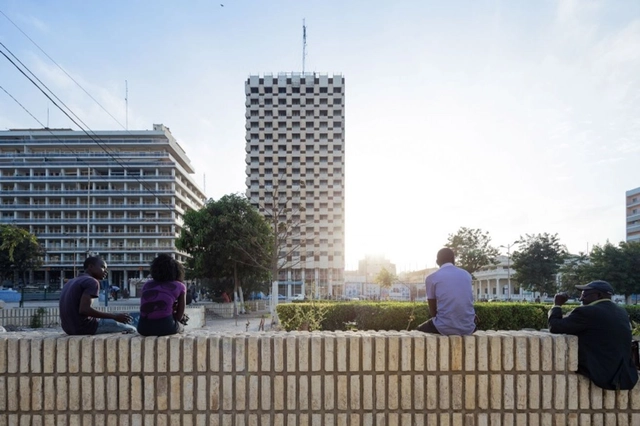
The middle of the Twentieth Century saw the independence of most countries on the African continent. Those euphoric times brought forward-looking sentiments and a wish to break with the past. As an architectural movement, Modernism was ideal for the day, and newly independent countries had extensive building programs to assert themselves as fully functioning nations.
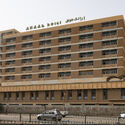
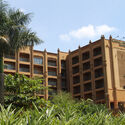
Hotels are one type of building that illustrates the complex architectural and political history of the times. Some were built specifically to host international delegations, others to boost tourism, while some were built as strong leaders' wishes. Although a marginal building type, several hotels across Africa stand as physical records of important parts of their respective country's history. Following an exploration of the histories of West Africa's Modernist Hotels, this second article turns to East Africa to uncover the ways in which this understated typology relates to larger histories of independence and national identity.
The middle of the Twentieth Century saw the independence of most countries on the African continent. Those euphoric times brought forward-looking sentiments and a wish to break with the past. Modernism, as an architectural movement, was ideal for the day, and newly independent countries had extensive building programs to assert themselves as fully functioning nations.
Hotels are one type of building that illustrates the complex architectural and political history of the times. Some were built specifically to host international delegations, others to boost tourism, while some were built as strong leaders' wishes. Although a marginal building type, several hotels across Africa stand as physical records of important parts of their respective country's history.
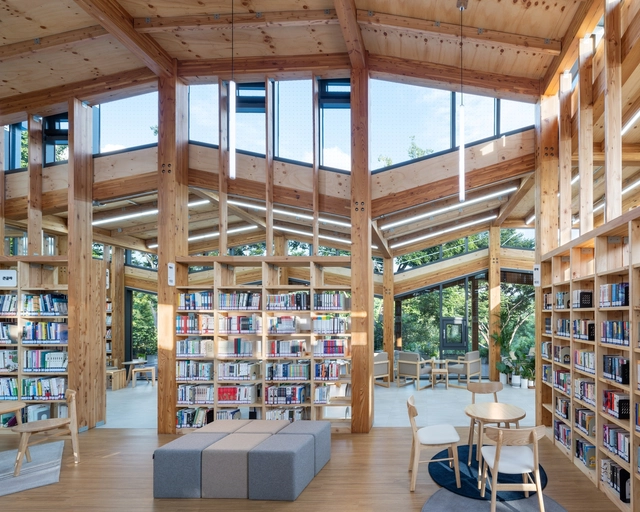
In the year 2000, the Royal Institute of British Architects (RIBA) awarded its prestigious Stirling Prize to Peckham Library, by architects Alsop and Stormer. Although it wasn't the first time for a library to win the prize, it was the first time a local library won it. It was an illustration of the times when public finances could conjure briefs with the intention to "create a building of architectural merit that will bring prestige to the borough." The library was commended for the public open space it created, its fun and colorful design, and its environmental credentials. It sits proudly in the heart of the community and it is interesting that its sign, projecting above the roof line, simply spells 'Library', an indication of the importance of this building's function to the area.
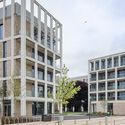
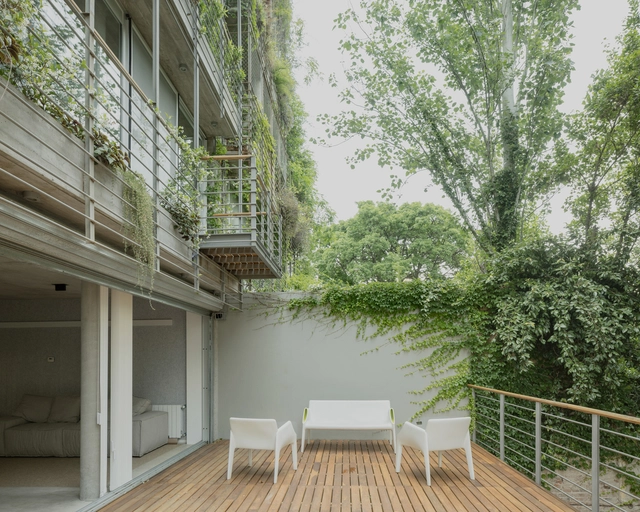
In dense urban living, the ability to connect with the outdoors for enjoyment and for wellbeing becomes starkly important. This became particularly apparent in the COVID-19 pandemic when millions of people across the globe had to be confined to their homes for long periods. Notwithstanding that, as the world increasingly urbanizes, good quality housing design is vital and this includes access to the outside. In a city like London, this need was recognized, and providing an outside space in every dwelling became mandatory around the year 2010. In multi-storey housing, providing outside space usually takes the form of a balcony. The design possibilities are endless, so what are the key considerations when incorporating balconies in an urban residential building?
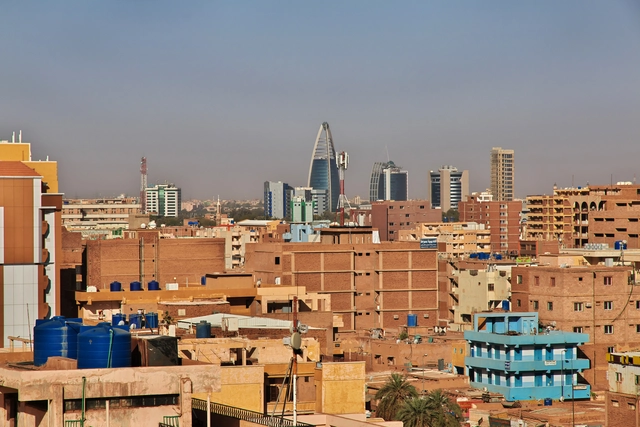
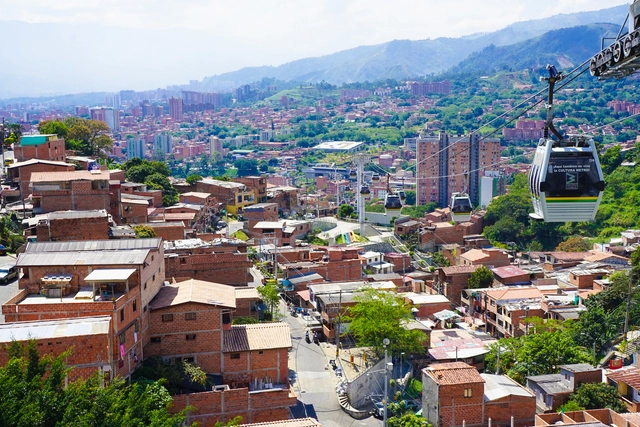
Recent news headlines from the African continent show a variety of urgent issues affecting urban centers: severe flooding threatens Kenya's capital, Nairobi; the light rail system in Addis Ababa, Ethiopia, is faltering after a successful start. Meanwhile, in Egypt's capital, Cairo, new infrastructure and housing expenditures proved too steep and necessitated a government bailout. African cities face a plethora of problems but they also hold the potential to improve countless lives. As South America shares stark similarities in its history with that of Africa, it could provide both a point of reference and a positive example for tackling these concerns at an urban level.