Romullo Baratto is an architect with a PhD from FAUUSP and Managing Editor of ArchDaily. He previously coordinated the editorial team of the 11th São Paulo Architecture Biennial and served as Managing Editor of ArchDaily Brasil, where he led the platform to win the FNA Award—the first time the honor was granted to a media outlet. He collaborated on the editing of the book "Concrete Jungle", published by gestalten, and has curated architecture exhibitions in Brazil, Chile, Denmark, and Italy, as well as delivered lectures and moderated debates in Spain, the United States, and Portugal. His doctoral thesis investigates the urban landscapes of São Paulo through cinema. His work spans academic research and editorial practice, communicating architecture through texts, interviews, lectures, curatorship, and photography. Follow him on Instagram @romullobf.
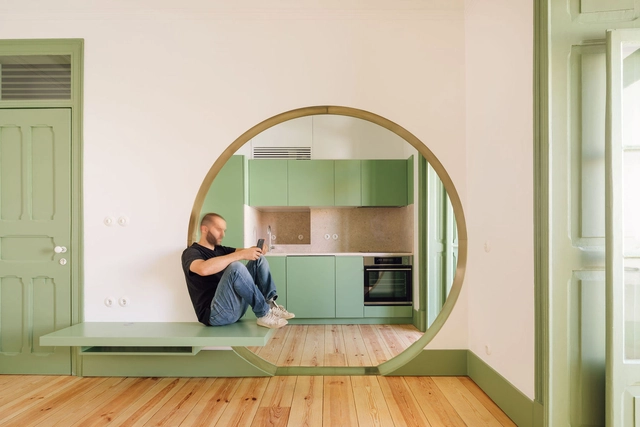
With a vast built heritage, Lisbon's contemporary architectural production is rich in rehabilitation projects. Lacking space for new buildings - unless one is willing to pay for the land's high market price - Lisbon's current architecture prescinds tabula rasa and faces the challenge of working with what already exists - often limiting itself to design only interior spaces.
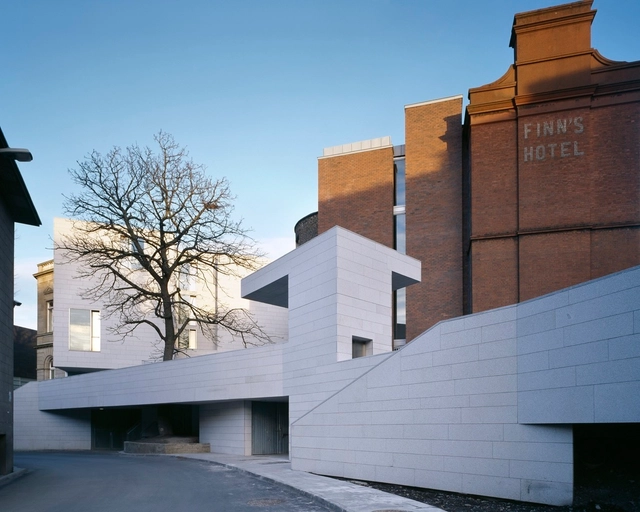
With more than 40 years of professional experience, Yvonne Farrell and Shelley McNamara, partners and co-founders of Dublin-based Grafton Architects, are the first women to be jointly awarded the architecture’s highest honor, the Pritzker Prize. In addition to a very welcoming breath of hope towards greater female representation in the field, the selection also cast light over an equally urgent theme in the profession: recognizing architecture practice as a collective effort.
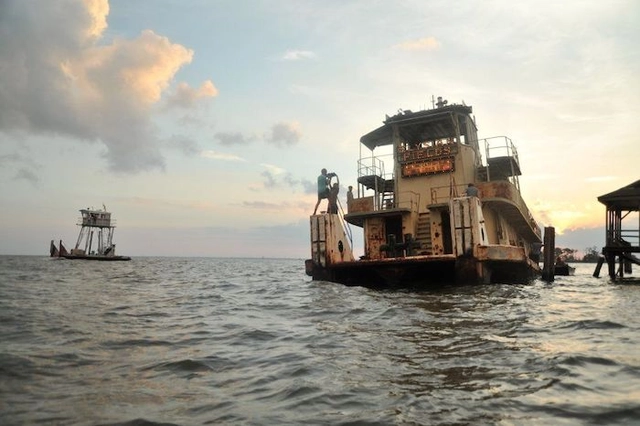
Beasts of the Southern Wild. Image: screenshot do filme
Architecture enjoys a close connection with moving picture, perhaps because of the limitless imagination it allows. Our mind can be taken far away to utopian worlds where we live different realities with our eyes and skin; movies can carry us to new and distant places, where we face new unusual realities.
However, besides carrying us to distant places, movies can also be a vehicle of social criticism. This is not news, as it has been done for almost as long as cinema has existed. The evolution of this role is relative to the topic of critique that has developed over time, as have our habits and ways of living. In this sense, one of the most emerging problematic of nowadays is climate change.from architecture to arts and, clearly, the movies.
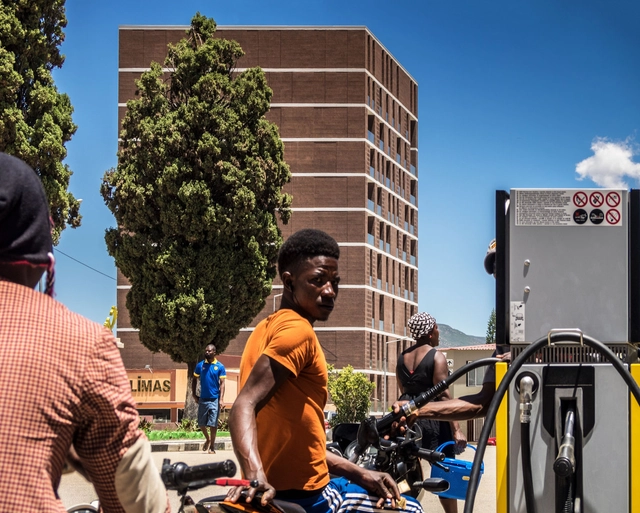
Angola, like many African countries, is experiencing a process of rapid urbanization. For the most part, these changes are happening under little to no regulation, filling cities with spaces that lack the infrastructure to provide a basic quality of life for residents. However, in spite of this unregulated development, it's worth noting the quality of contemporary architecture being produced in the second-largest Portuguese-speaking country, where projects draw inspiration from the strong local identity and blend with modern materials and technology.
In this article, we highlight 4 current projects in Angola. While it is a small sample, not only from the capital city of Luanda, but from smaller cities as well, it showcases the richness of Angola's local architecture--an art form that deserves worldwide recognition.
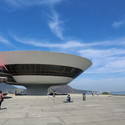
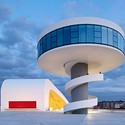
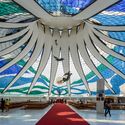
Oscar Ribeiro de Almeida Niemeyer Soares Filho, or simply Oscar Niemeyer, (December 15, 1907 – December 5, 2012) was one of the greatest architects in Brazil's history, and one of the greats of the global modernist movement. After his death in 2012, Niemeyer left the world more than five hundred works scattered throughout the Americas, Africa, and Europe.
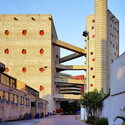
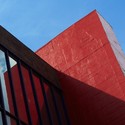
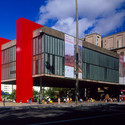
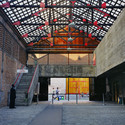
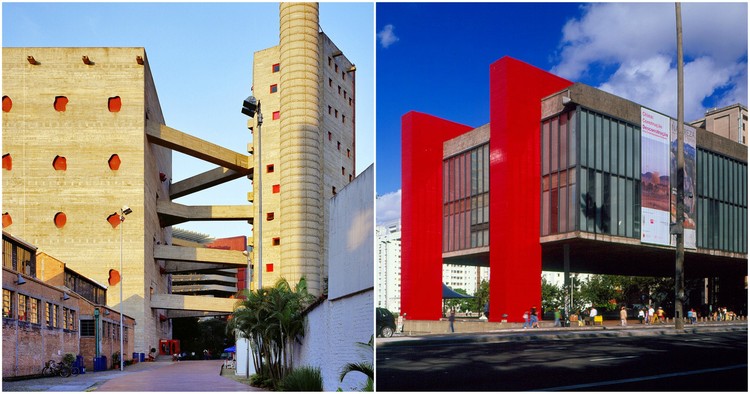
Lina Bo Bardi (December 4, 1914 – March 20, 1992) was one of the most important and expressive architects of 20th century Brazilian architecture. Born in Italy as Lina Achillina Bo, she studied architecture at the University of Rome, moving to Milan after graduation. In Milan, Bo Bardi collaborated with Gio Ponti, and later become editor of the magazine Quiaderni di Domus.
With her office destroyed in World War II Bo Bardi, along with Bruno Zevi, founded the publication A Cultura della Vita. As a member of the Italian Communist Party, she met the critic and art historian Pietro Maria Bardi, with whom she would move permanently to Brazil.
Architecture theorist, historian, and curator Beatriz Colomina talks about our discipline and its difficulty to accept the work as the result of a collaborative effort. When asked about sexism and gender issues within architecture, Colomina broadens the discussion and tackles the historical myth of architecture as the product of one single, brilliant - and always masculine - mind. A fiction that has obscured the role of a number of women, and whole teams, committed to the design process.
Junya Ishigami is one of the most outstanding young Japanese architects of present time and he has obtained recognition due to his experimental approach of the project development. Sensitive to the specific local features, Ishigami puts, at the heart of the debate, key architectural issues that sometimes might be abandoned in the daily practice. Time, tension and freedom are concepts that are always present in his production somehow, becoming more visible in most of his recent works.
Photography is still one of the most widely used means of representation and communication in architecture. Although it does not incorporate the temporal dimension, the level of fidelity with which photography represents the other three dimensions of the built world makes it one of architect's favorite tools to convey their buildings.
To celebrate World Photography Day, we've gathered 15 photographers from around the world who are worth knowing - and following on Instagram.
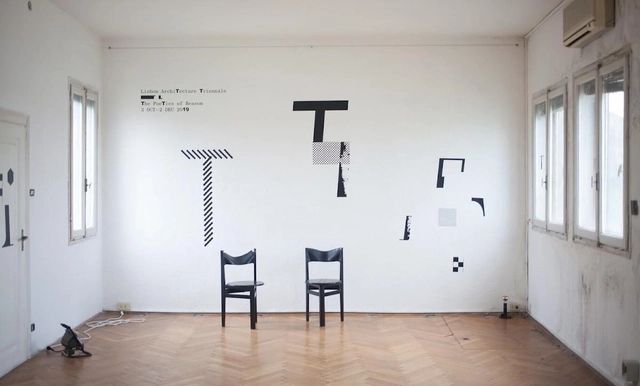
The Lisbon Architecture Triennale announced the long-awaited list of finalists for the third edition of the Début Prize, which aims to recognize offices and collectives whose artistic consolidation is still developing and whose thinking and approach are relevant to contemporary architectural scene.
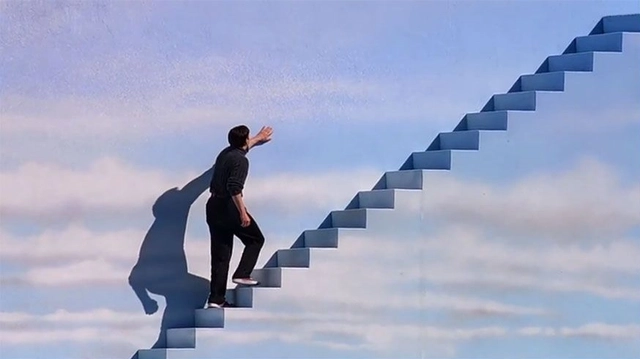
"Films have been studied by architects and other professionals who are interested in the field of architecture and urbanism because they offer a more subtle and responsive perspective of our discipline," Finnish Architect and Professor Juhani Pallasmaa tells us. Through its technical and aesthetical particularities, the cinema can go beyond simple representation to be a powerful instrument for conveying ideas and concepts related to architecture and urban space.
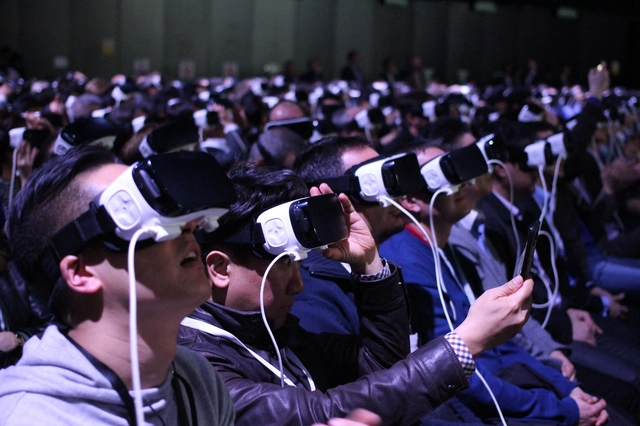
With the popularization of virtual reality and augmented reality, new ways of exploring architectural representations have become available to professionals and students. Immersion in three-dimensional digital models is increasingly common, whether through a computer screen, smartphone or VR headsets. In light of this reality, which seemed overly futuristic up until a few years ago, the online platform Tour Fácil has launched a free plugin that can view exported 360-degree images from SketchUp in virtual or augmented reality.
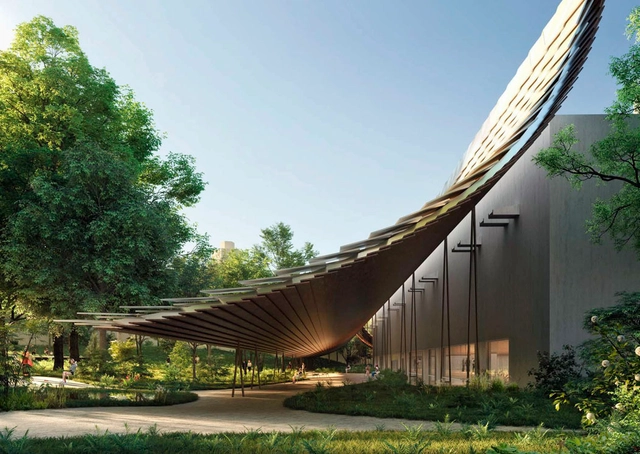
Japanese architect Kengo Kuma won the closed contest to design the expansion of the gardens of the Gulbenkian Foundation in Lisbon and the new entrance of the Modern Collection of the Gulbenkian Museum. The result was announced last Saturday by the Portuguese newspaper Expresso.
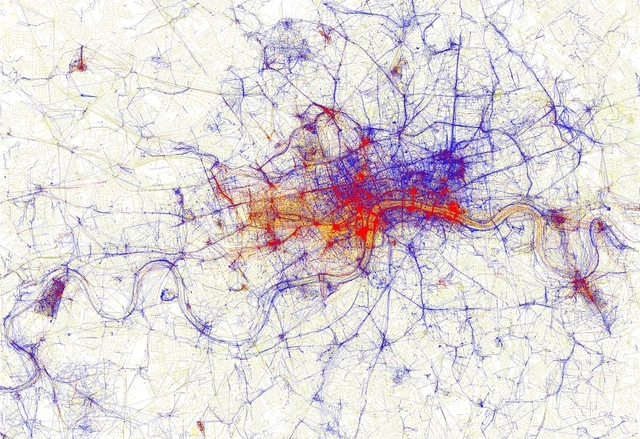
While visiting a city one has never been to before, it is common to go to touristic places, the 'must-see' spots advertised in the media. On the other hand, when establishing residency in a place, it is likely that one will start to attend some less popular locations, and will often spend a long time without passing by the city's most famous touristic sights. Artist Eric Fischer has developed a project that explores precisely the difference in perceiving - and photographing - a city from the point of view of tourists and locals. The work, which is entitled Locals and Tourists, gathers the maps of 136 of the largest - and most visited - cities in the world.
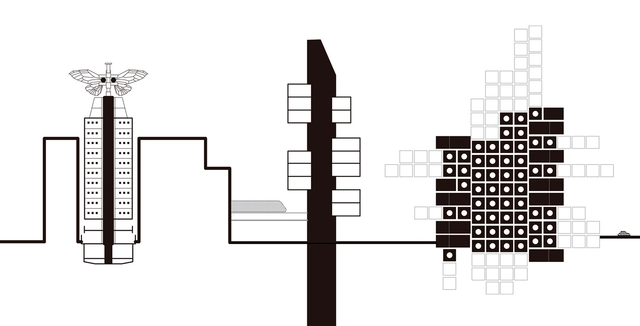
Montagem feita a partir dos desenhos cedidos pelos autores. . Image Cortesia de a+t architecture publishers
Traveling around Japan can be an impressive experience for a Western tourist - especially if they have some connection with architecture. In addition to the huge cultural differences, the country is known for its rich architectural production - eight of the 42 Pritzker Prize laureates are Japanese - which has maintained its consistency since the 1960s.
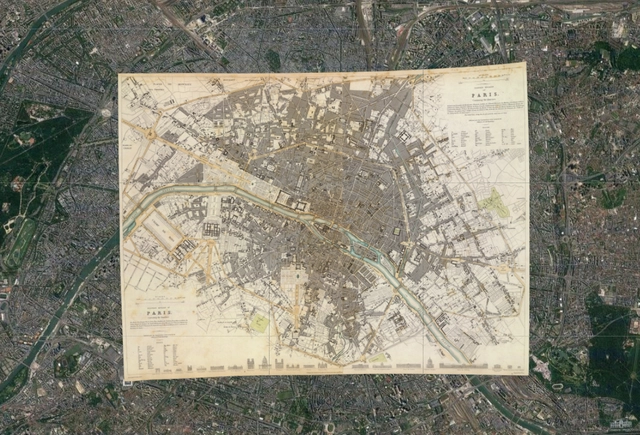
More than 120 old maps from the David Rumsey Map Collection were inserted in Google Maps and Google Earth, allowing us to learn how several parts of the globe were in the past. The maps can be seen by activating the 'Rumsey Historical Maps' layer in Google Earth or through a version of Maps developed for the project.
The Bulgarian artist Christo will wrap the famous Arc de Triomphe in Paris with recyclable blue fabric in his next work. The work, which will open on April 9 and last for two weeks, coincides with the artist's large exhibition at the Center Pompidou, which brings together works done in partnership with his late wife, Jeanne-Claude, during the period in which they lived in Paris.







_2605.jpg?1568050784&format=webp&width=640&height=580)
.jpg?1554393919&format=webp&width=640&height=580)