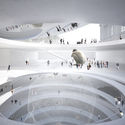
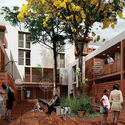
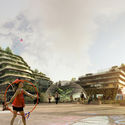
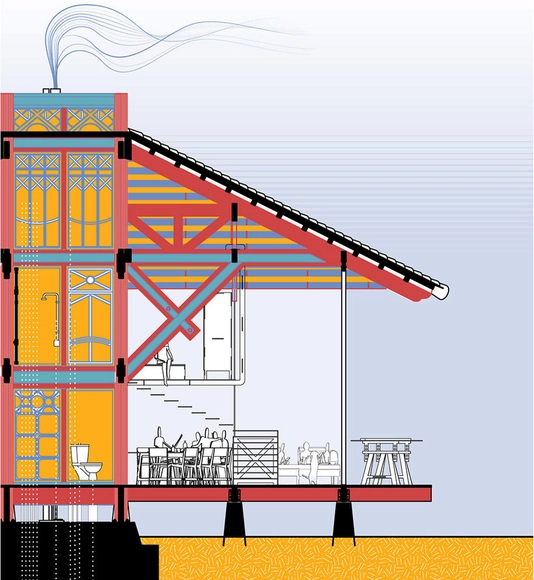
"Timber Hearth" Building System / Space Popular. Courtesy of Space Popular
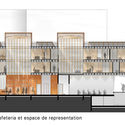
Rendered floor plans and sections are a kind of translation of technical construction drawings into a language more accessible to people who are not familiar with architectural design. In other words, they are responsible for introducing the human scale to the project, not only through the human figure but also by displaying furniture, textures, and other aspects of architecture that are more realistic and humanizing, making the representation more understandable.
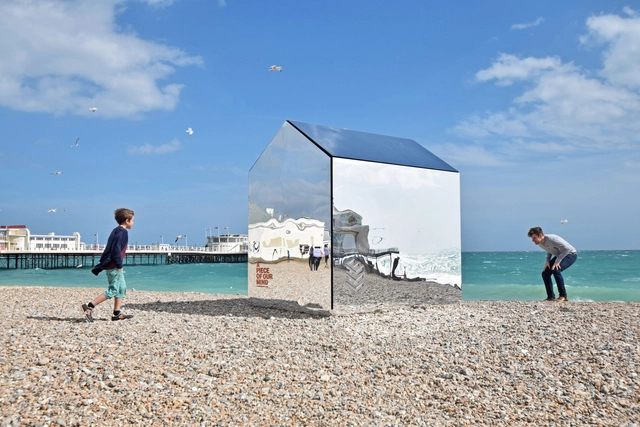
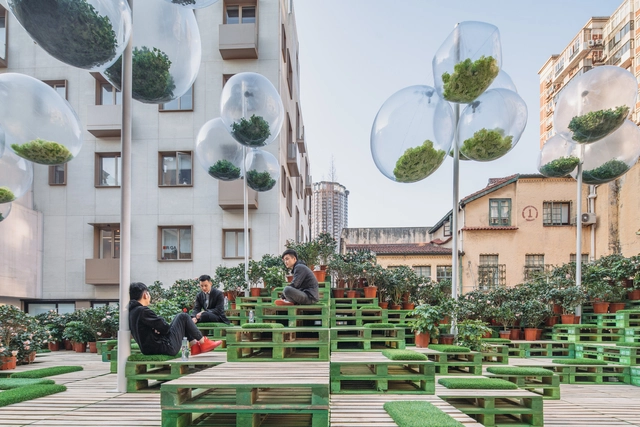
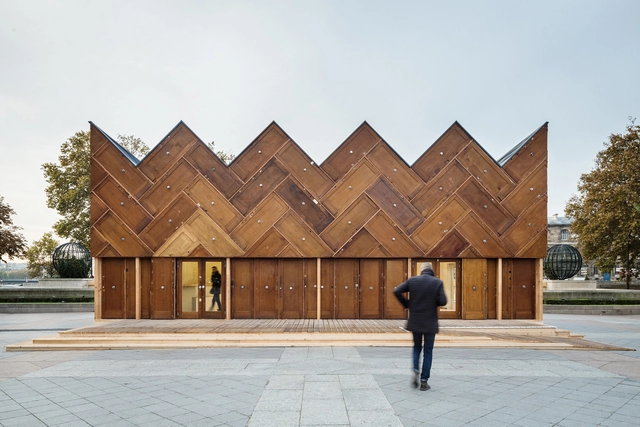
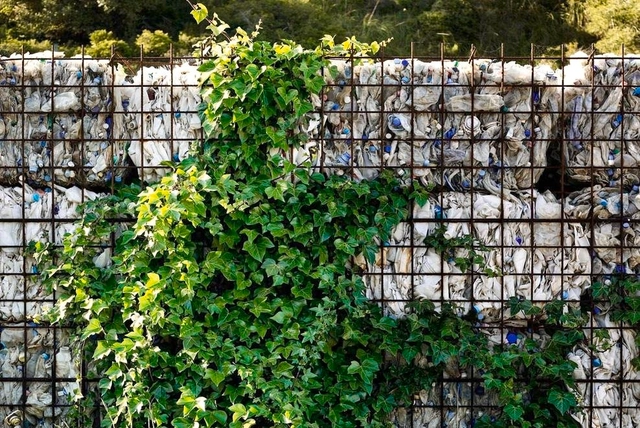
Using unconventional materials in architecture requires a lot of creativity and experimentation in order to create new possibilities that are both efficient and innovative. Small-scale projects, in particular, offer great opportunities to explore these unusual materials because, among other factors, they provide fewer loads on the structures and, sometimes, also have a temporary nature. Nevertheless, using unconventional materials in small-scale architecture can help encourage its use in other projects, including larger constructions.
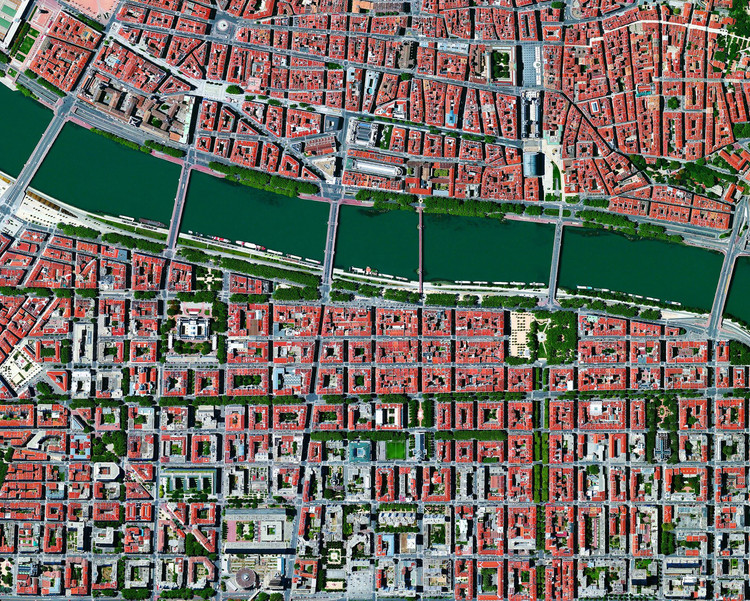
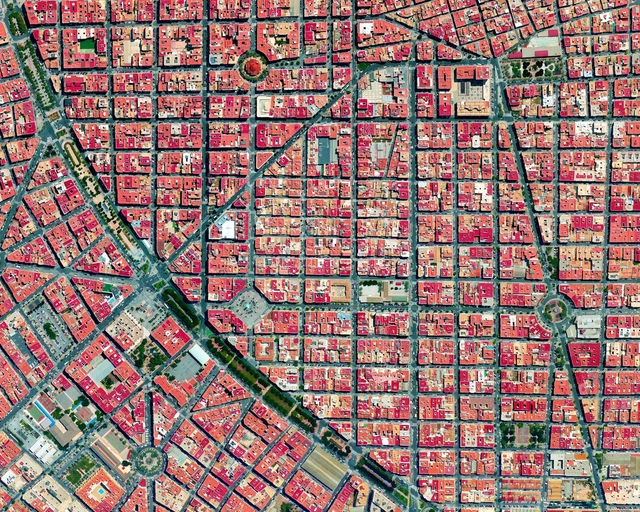
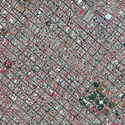
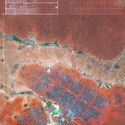
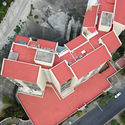
Elche, Spain. Created by @dailyoverview, source imagery: @maxartechnologies
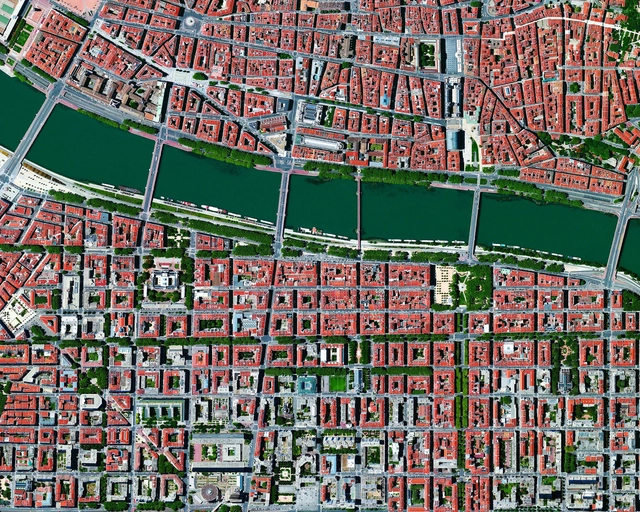
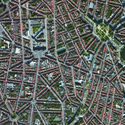
There is evidence that the orthogonal grid plan, which is one of the most common types of urban planning today, dates back to antiquity. Streets intersect at right angles to each other, resulting in a grid composed of streets, avenues, blocks, squares, parks, among other urban spaces.
In 1926, Le Corbusier developed the five points that would become the foundations for modern architecture. Once materialized in 1929 in the iconic Villa Savoye project, Le Corbusier's principles - pilotis, free design of the ground plan, free design of the facade, horizontal window, and roof garden - have been extensively explored in modern architecture and continue to influence the most diverse contemporary architectural projects to this day.
The five points became a kind of guideline for the New Architecture, as Corbusier used to call it. Even after decades, new technologies, materials, and demands of society have continued to update those architectural solutions, announced almost a century ago as the basis for a new architecture.
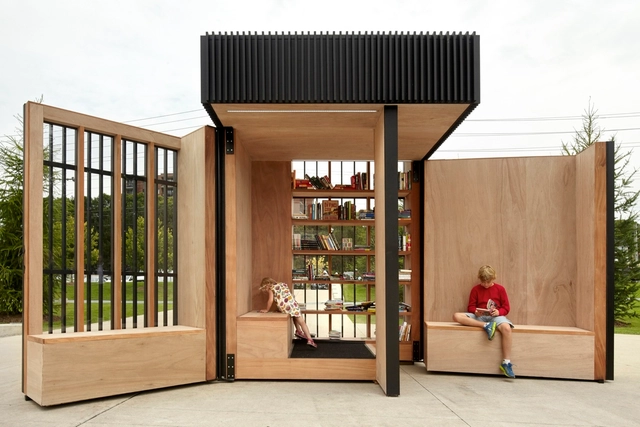
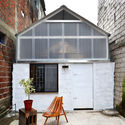
The field of architecture has the potential to influence human relations in countless ways through the built space. In small-scale projects, in particular, the challenges of tackling the dialogue between the space and the individual are combined with the task of conveying ideas to inspire people to explore the use of these minimal spaces.
It is not clear where and when the wheel was invented, but according to American anthropologist David Anthony, author of a book on the history of the wheel, there is a series of archaeological evidence of wheeled vehicles dating from 3400 BC in Eurasia and the Middle East. Since its creation, the wheel has revolutionized the way human beings handle many activities, especially moving around.
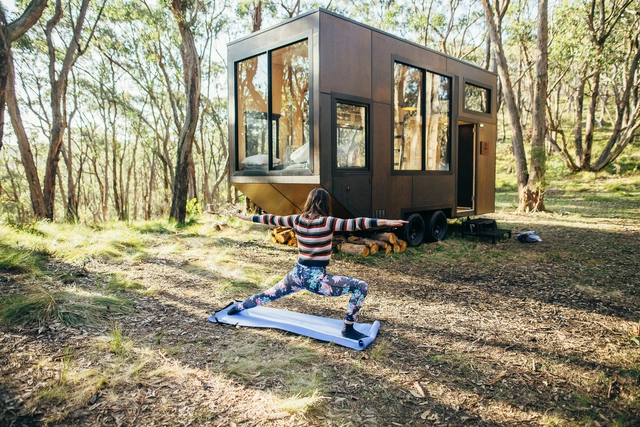
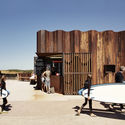
In architecture, a field closely related to occupying spaces with strong and mostly permanent constructions, wheels may at first seem to be somewhat out of place. However, due to the increased popularity of small scale houses, which concentrate the many functions of a residence in minimal spaces, a new possibility for architecture is emerging: locomotion.
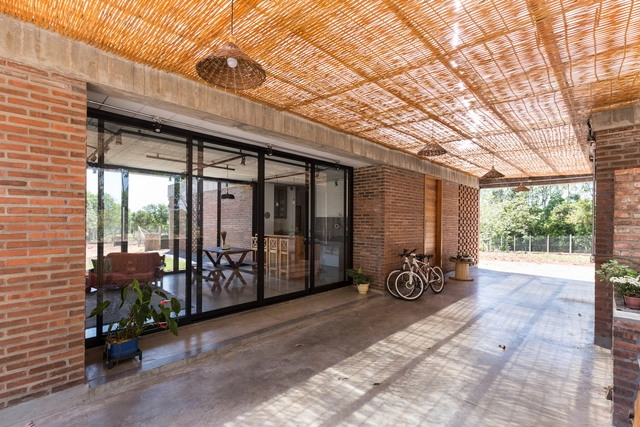
The polished concrete technique is not only suitable for many different environments, but also harmonizes well with various building materials, and has been the material of choice for many Brazilian architects in housing designs in recent years.
The mixture of sand, cement, and water is prepared on-site and the result is a cost-effective and long-lasting alternative when properly and regularly maintained. This finish has become so popular that you can find porcelain tiles and coatings with a similar texture.
The world's population is expected to reach 9.7 billion in 2050, an increase of 2 billion persons in the next 30 years.
As the world's population continues to increase, new challenges are expected to arise in addition to the aggravating issues already faced today. How will we live together? The theme of the Venice Biennale of Architecture, postponed to 2021, intends to instigate discussions and proposals concerning the role of architecture in times of increasing political differences, intolerance, and growing economic inequality.
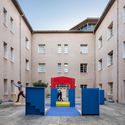
Due to population growth and an increase in urban density and real estate prices, architects and urban planners have been pursuing alternatives for new spatial configurations for settling and housing in the cities. The multiplication of shared housing and workspaces is an example of how the field of architecture is adapting to new ways of living in society.
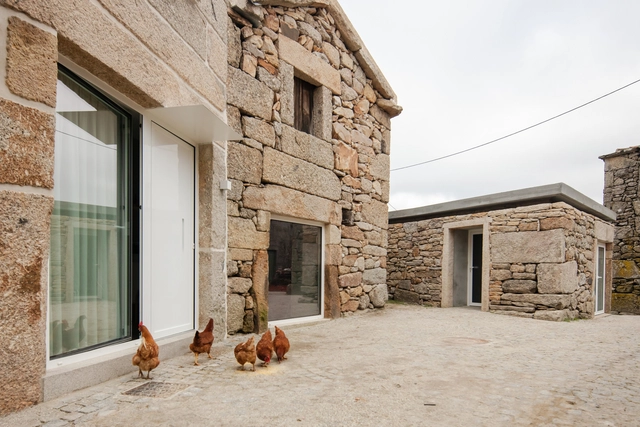
Stone is known to be a versatile, sturdy, inexpensive and long-lasting material, and has been used in traditional construction systems worldwide for a long time. Its practicality, neutrality, and availability in certain regions are some of its defining traits which, combined with its visual appeal, can contribute to its use in contemporary architectural projects.
As levels of pollutant emissions have increased over the years, awareness has also grown regarding actions that can be taken to minimize the damage caused to the planet. As a way to promote waste reduction or prevention, the 3 R's rule is created: reduce, reuse and recycle. These actions, together with sustainable consumption standards, have been promoted as a means to protect natural resources and minimize waste.
Recycling and upcycling of materials and structures have become more and more popular in architecture as alternatives to the production of components in construction, typically associated with increased energy consumption and high levels of pollutants released into the atmosphere. The main difference between these two methods is that, while the former uses a certain amount of energy to process the material before it is reused, the latter does not require this process, but rather reuses it just as it was discarded.
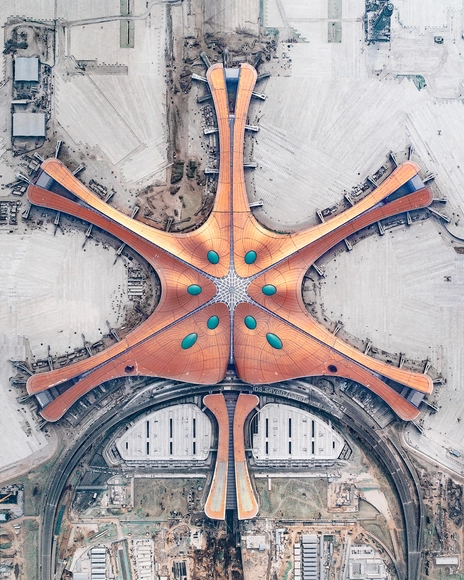
Beijing Daxing International Airport / Zaha Hadid Architects. Image by @seven7panda
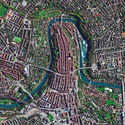
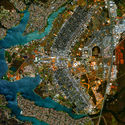
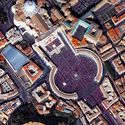
In architecture and urbanism, both proximity and distance from a certain object of study, whether on a building scale or urban scale, are frequent strategies that help us better visualize details and also have a broader overall perception, both essential for understanding the object in question. Changing the point of view allows different perceptions of the same place. By moving from the ground level, or from the eye-level, which we are accustomed to in everyday life, to the aerial point of view, we can establish connections similar to those achieved through site plans, location plans, and urban plans.
In architecture, professionals must constantly deal with the challenge of representing a project clearly and understandably before it is built, making the space somehow more perceptible to people who are often not specialized in the field. Rendering is one of the most popular methods of three-dimensional representation among architects because it portrays the project more realistically. Reality, however, implies the presence of people and their ways of inhabiting spaces, which can be depicted through human figures, that must be coherent with the intended picture and interpretation of the architecture, the place it is located in, and the way it is inhabited.
Nearly four months after the World Health Organization (WHO) declared a public health emergency of international concern on January 30, the number of coronavirus cases in the world continues to grow. Although some countries, where the virus transmission rate has declined, are reopening businesses and returning to normal, the impacts of the pandemic are continuing to influence people's daily lives, affecting not only the population's health but also their jobs, habits and the economy. Such changes may still endure and may have an impact on the future of architecture and construction, given the prospect of a crisis in the sector.
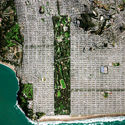
There are a plethora of benefits associated with urban green spaces, namely pollution control, temperature regulation, and biodiversity--all of which ultimately add to the quality of life of city dwellers. Like other urban common areas used for sports and recreational activities, green spaces have a direct impact on the health and well being of the residents who use them.
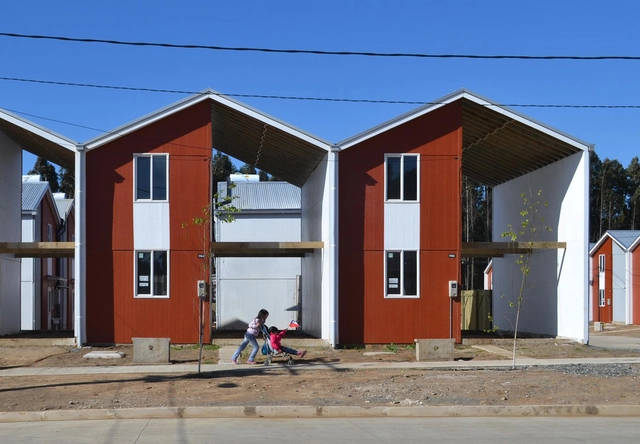
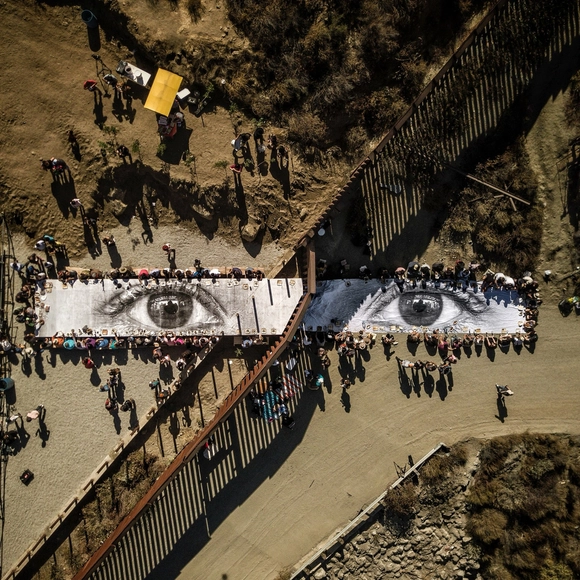
The concepts of autonomy, collaboration, and participation have gained relevance in architecture and urbanism through collaborative actions involving the community, architects, urban planners, and designers. As the number of climate disasters has significantly increased - doubling in the last 40 years according to a report released in 2016 by CRED (Centre for Research on the Epidemiology of Disasters) - in addition to conflicts and other tragedies, the demand for the rebuilding of houses and infrastructure in affected areas has grown simultaneously. This has called for a major collaborative effort in architectural and urban reconstruction.
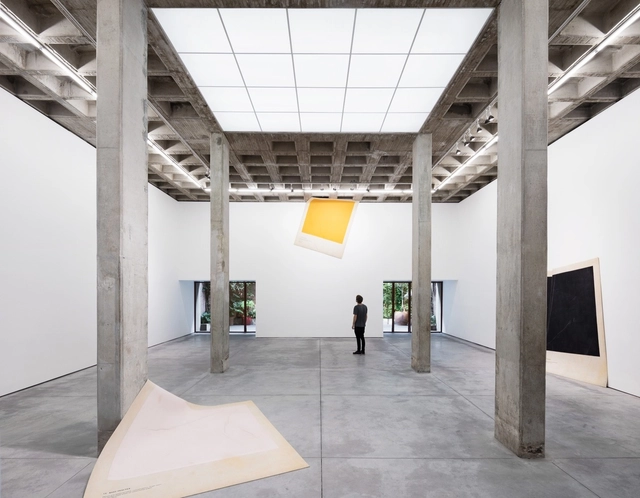
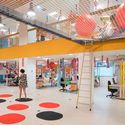
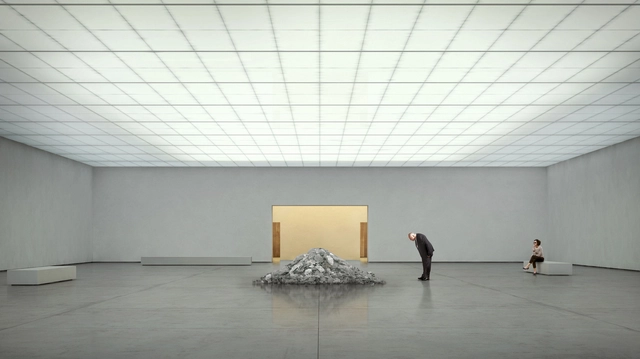
Overall, when designing exhibition spaces, certain aspects contribute to an effective display of the pieces: diffuse lighting, spatial distribution, and high ceilings are some of them. The combination of these features with rooms that are able to transform themselves (using elements that can be perforated, repainted, and adapted according to each exhibition), is common in many art galleries, expressing the dialogue between art and architecture.


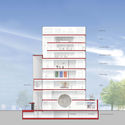
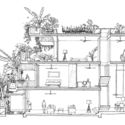
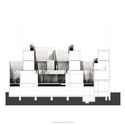
















.jpg?1598379881 "Three Generation House / BETA office for architecture and the city. Image: © Ossip van Duivenbode")




.jpg?1594127477 "Pavilion built with recycled material transforms public space in South Africa. Image: © Ella Petousis")



.jpg?1591280425 "© Archstorming")