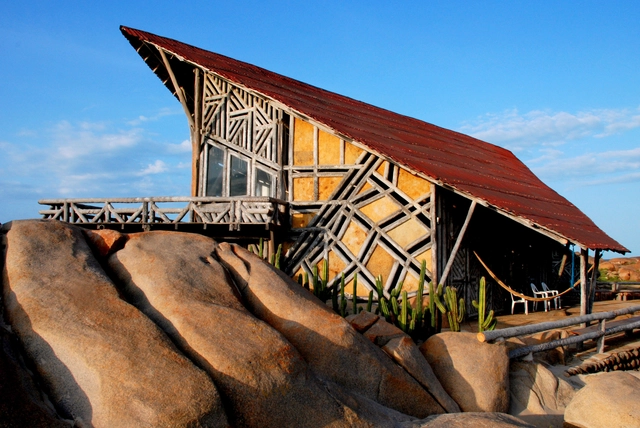
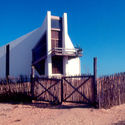
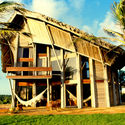

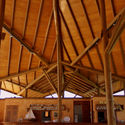
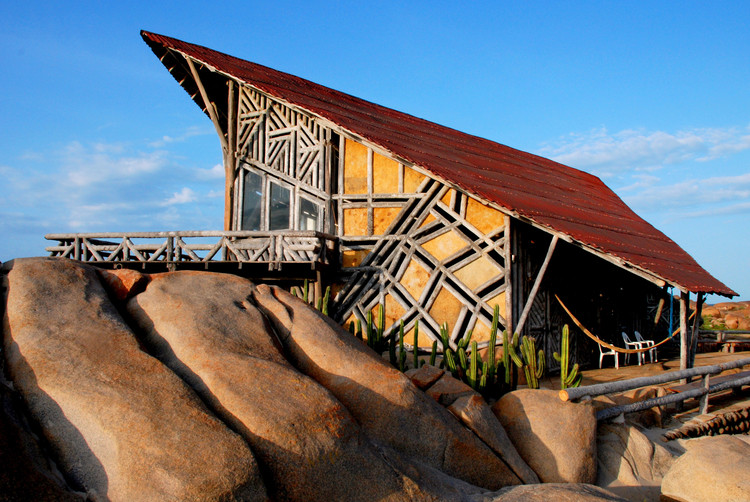
Gerson Castelo Branco is a self-taught architect from the state of Piauí in Brazil. His architecture is a collection of references and experiences that he describes as "an expression of freedom," the Paraqueira.


Victor Delaqua holds a Master's degree from FAUUSP (São Paulo). He is an architect and urban planner from UFSC (Florianópolis) and studied at the Polytechnic University of Valencia. A contributor to ArchDaily since 2012, he is a Content and Community & Social Media editor. Professionally, he also works in exhibition and set design.
Gerson Castelo Branco is a self-taught architect from the state of Piauí in Brazil. His architecture is a collection of references and experiences that he describes as "an expression of freedom," the Paraqueira.
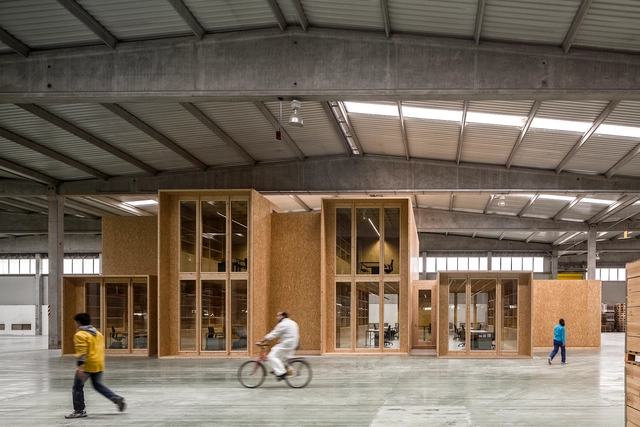
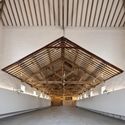
Warehouses, whether industrial or rural, are a type of building that can easily be found all around the world. Some of these shelters are century-old and have probably been built to store products or to accommodate factories. However, due to urban phenomena and new technologies, many of them stopped operating as they were originally used to and started to spark interest in several businesses whose aim was to re-adapt these structures to meet new purposes.
We've recently passed the halfway point of 2020, and to date, we've published hundreds of residential projects featuring distinct ways of living on ArchDaily. In a year marked by the worst health crisis that humanity has experienced in the last century, the Covid-19 pandemic, the house has gained new meanings and values, reiterating that no matter how diverse its program, a home's purpose is to shelter its inhabitants.
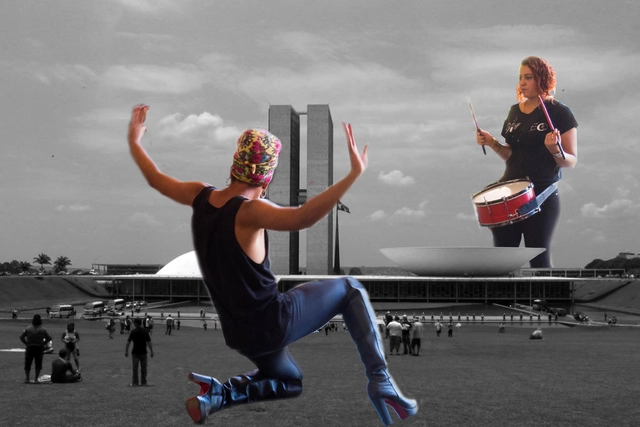
What would all the built environments be without its users? This question may make it easier to understand that not only do architecture and urbanism sustain themselves as physical spaces, but they also gain meaning mainly through the human and non-human movements and bonds, that - together with the architectural or spontaneous traces that make up the urban landscape - provoke the sensations that each individual feels in a unique way.

In general, architects like to talk about how much their designs influence communities, and it makes perfect sense for them to do so. In the end, physical spaces and different social factors influence how each individual feels when they inhabit the city or occupy a building. But do all projects respond to all users the same way? We set out to question the way in which architecture approaches the LGBTQIA+ community, through an open call on our social networks, collecting the testimony of our readers on how they inhabit these spaces and how it would be possible to represent the community in the architectural field.

Architects in general are people who like to talk about how much they influence communities through their designs, and they are actually correct in saying that. After all, spaces together with various social factors influence how each individual feels when occupying the city or a building. But do these projects respond to all users in the same way? We propose to question the way architecture deals with the LGBTQIA+ community through an open call on our social media channels, bringing in our readers' testimonies on how they experience these spaces, and how is it possible to represent the LGBTQIA+ community in the architectural field.
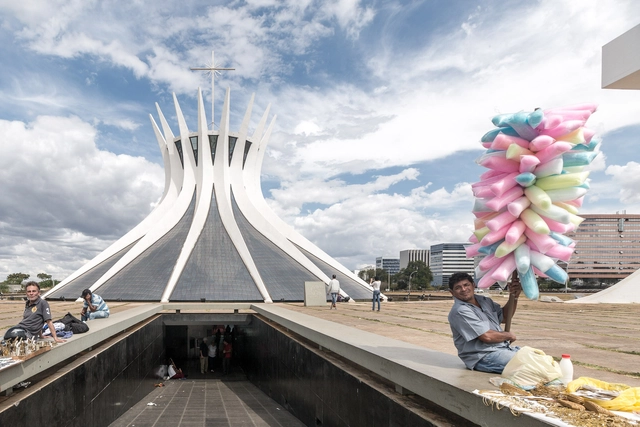
50 years ago Clarice Lispector already pointed out how difficult it was to unveil Brasilia: "the two architects did not think of building beautiful, it would be easy; they raised their amazement, and left the amazement unexplained". This year the capital turned 60, and still remains intriguing for scholars, students, and anyone who allows themselves to explore it better. In order to understand the daily life that exists there, we invited six professionals- in the field of architecture and urbanism - who live in the city, to share their visions with us and bring a few more layers that help to build an interpretation of utopia and reality that Brasília currently represents.
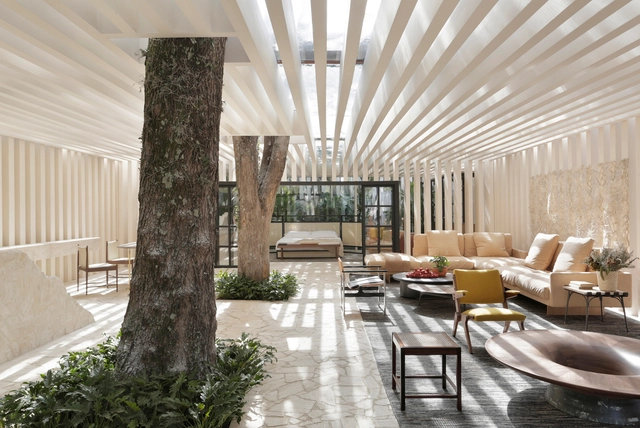
Introducing elements of nature - such as water, vegetation, natural light, stones or even the use of wood - into interior design can provide richer and more complex compositions in the built environment. In these landscaping projects, the textures, silhouettes and, especially, the generated sensations, can establish new relationships of well-being and comfort for the user.
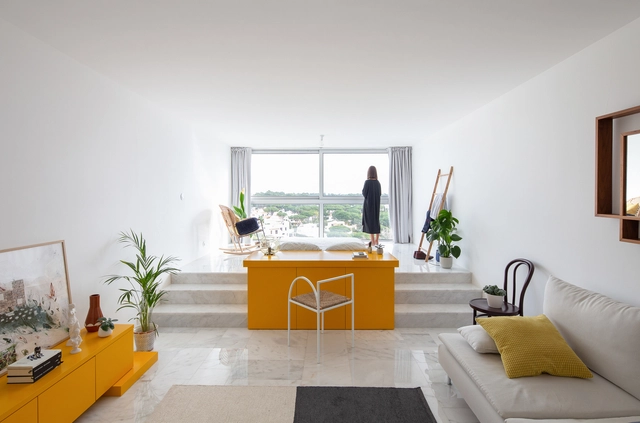
Designing small spaces is a challenge that is common for architects because of the increase in urban densities and smaller spaces dedicated to homes and apartments. For Portuguese architects, dealing with the small scale and its details is something already established in their project thinking, given the way they transform the compartmentalized plans of secular buildings through rehabilitation and refurbishment that provide a contemporary and functional atmosphere to their inhabitants. We gathered ten projects, using photographs and plans, as a few examples of this Portuguese talent.
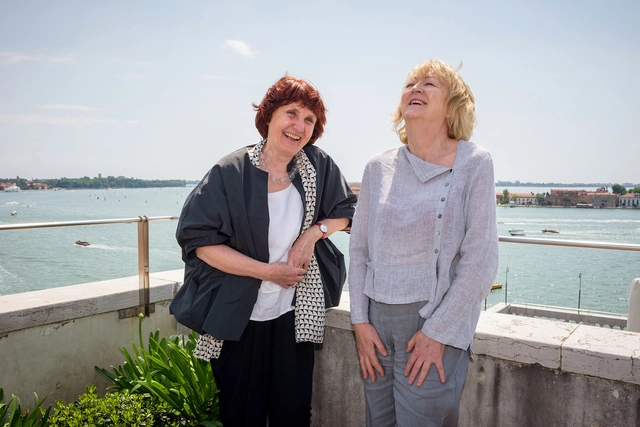
Yesterday Yvonne Farrell and Shelley McNamara, co-founders of Grafton Architects, received the 2020 Pritzker Prize. The first women to be jointly recognized for the award also received the Royal Gold Medal 2020 from RIBA earlier this year.
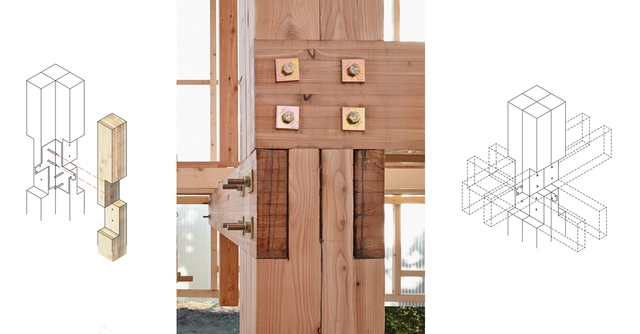
Kengo Kuma's architecture can be defined by its respect to Japanese constructive traditions and alignment with its context. Internationally recognized, the architect is known mainly for his wooden (or mixed) structures, which arise from a simple pattern of assembly and, which through different intersections and angles, generate a complex whole. The representations created by his team bring very specific details, ranging from didactic isometrics to complex parametric drawings. We have gathered details of five inspiring projects by Kengo Kuma that use wood.

The landscape around the built environment can make all the difference in a project. Natural elements that are integrated into architecture or designed to compose it make a huge difference in the way we experience space. Therefore, designing landscape projects is no simple task. To bring some references for compositions with nature and other elements that help to configure a place, we have gathered fifteen contemporary Brazilian projects that explore simple solutions and the ones that expose the exuberance of the country's tropical flora.
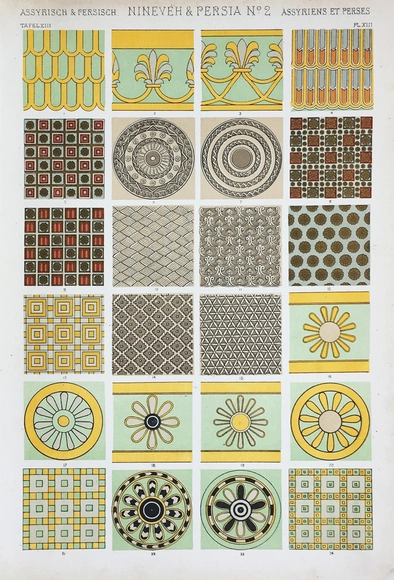
In 1856б Owen Jones released the book The Grammar of Ornament in which he presented a compilation of visual languages adopted by the most diverse cultures - made from the author's explorations in places such as Greece, Egypt, Constantinople and India. The work reflects how Victorians examined international art and design by placing Britain at the center of the debate in order to establish "general principles" that promoted a certain system of different styles through their own perspectives. At the time, the publication was a major editorial success and influenced everything from William Morris (from the Arts and Crafts movement) to modernist architects Louis Sullivan and Frank Lloyd Wright. However, in 2019, Priya Khanchandani and Sam Jacob re-read Jones's work and demonstrated not only the colonizing aspects of his point of view, but also proposed a reinvention of these visual systems and patterns in accordance with contemporary times.
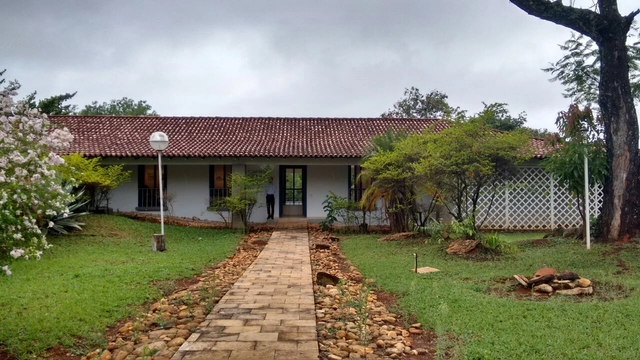
Oscar Niemeyer was a revolutionary of modernism, with an architectural language characterized by audacious curves and elaborated structures. The Brazilian architect established an architectural vision of a future utopian Brazil, one that ultimately has not come to pass. While public attention is often drawn to his masterpieces in Brasília, somewhat hidden from the architectural discourse is a house that Niemeyer designed for himself; a colonial-style scheme offering a radical departure from the expressive forms of his more noted works.
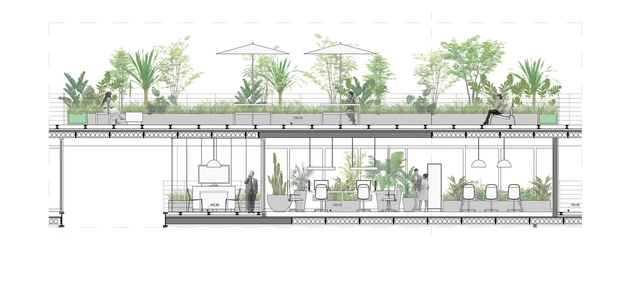
This month ArchDaily is exploring the topic of work, demonstrating how businesses can benefit from a good quality space: employee comfort, creativity stimulation, rest areas, brand image improvements, new talents attraction. Inspired by these topics, we selected fifteen contemporary Brazilian projects that illustrate different scales and ways of working to inspire this type of program.

In order to further explore how we think about the future of cities, ArchDaily's topic of the month for July is resilience. To prepare for disasters or disruptions in the system, we spoke with biologist Alessandra Araújo, founder of bio-inspirations and professor of Biomimicry at the Architectural Association Amazon Visiting School and the Master Ecological Design Thinking at Schumacher College, who discussed her thoughts on resilience in the field of architecture and urbanism through a different point of view: nature.
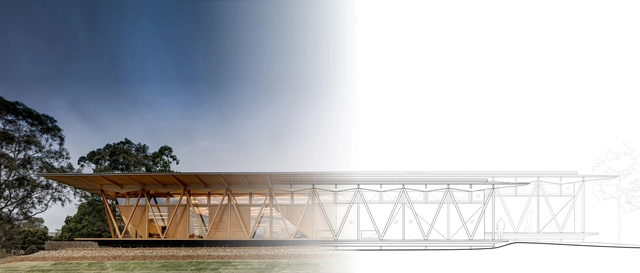
Building Information Modeling (BIM) technology allows the design process to be organized in a structured and disciplined manner by keeping the design, model, and documentation of each project in the same file. Whether through ArchiCAD or Revit, offices increasingly migrate to this type of tool for the assistance they provide to architects. Here, we selected ten works, of different scales, that were made through BIM software.
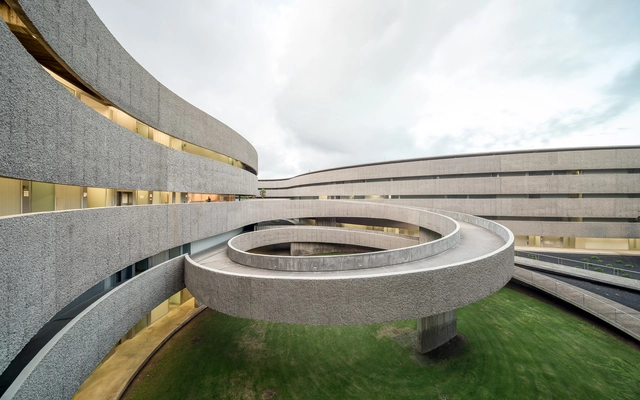
Ramps have become synonymous with accessibility because they are often designed to enable access for people with impaired mobility, however, in many cases, they also end up becoming the guiding concept for various projects, by introducing a different rhythm to the building. Here, ten different ramps were selected to illustrate the ways in which they address circulations in response to different contexts.