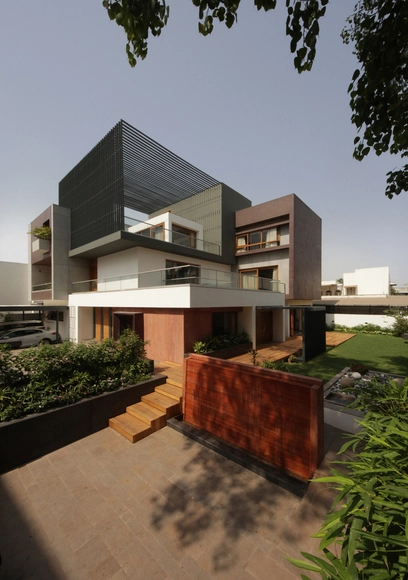
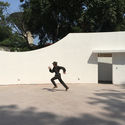
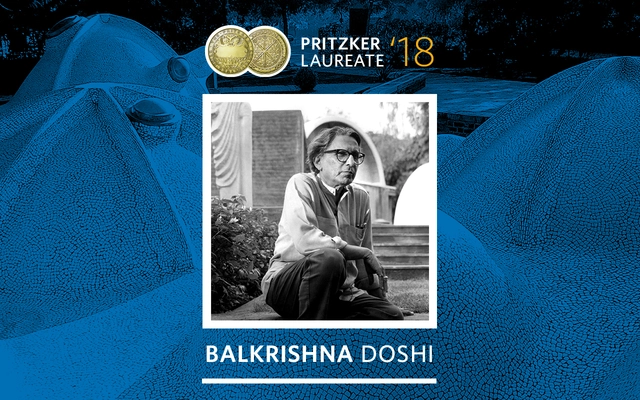
This year’s Pritzker jury has selected Indian architect Balkrishna Doshi, often known as B.V. Doshi or Doshi, as the 2018 Pritzker Prize Laureate. Doshi has been a practitioner of architecture for over 70 years. Previously, he had studied and worked with both Le Corbusier and Louis Kahn. Doshi’s poetic architecture draws upon Eastern influences to create a body of work that “has touched lives of every socio-economic class across a broad spectrum of genres since the 1950s,” cites the jury. Doshi is the first Indian architect to receive architecture’s highest honor.
https://www.archdaily.com/890126/balkrishna-doshi-named-2018-pritzker-prize-laureateAD Editorial Team
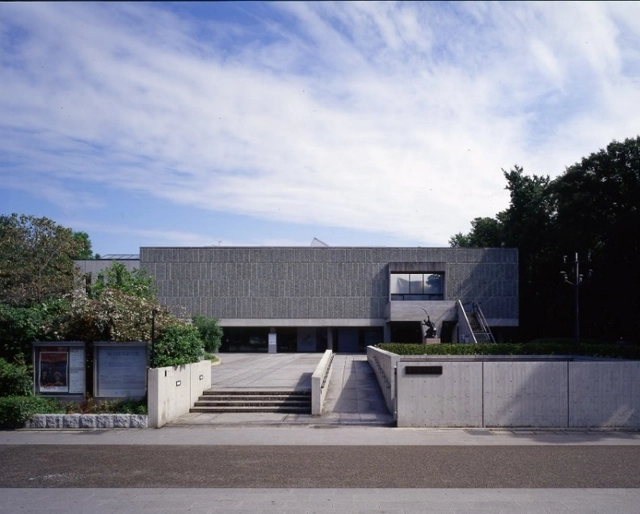
The Getty Conservation Institute has announced a workshop to address the care and conservation of three museums designed by Le Corbusier. The three museums are the only museums designed by the prolific architect. The workshop will be held in India, where two of the three museums are, with municipal corporations from Ahmedabad and Chandigarh serving as hosts for the event. The Foundation Le Corbusier, located in Paris, will also be assisting with the workshop.
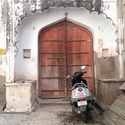
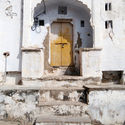
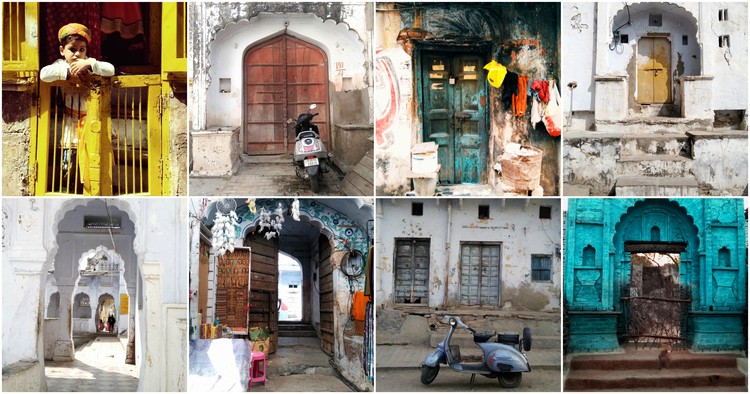
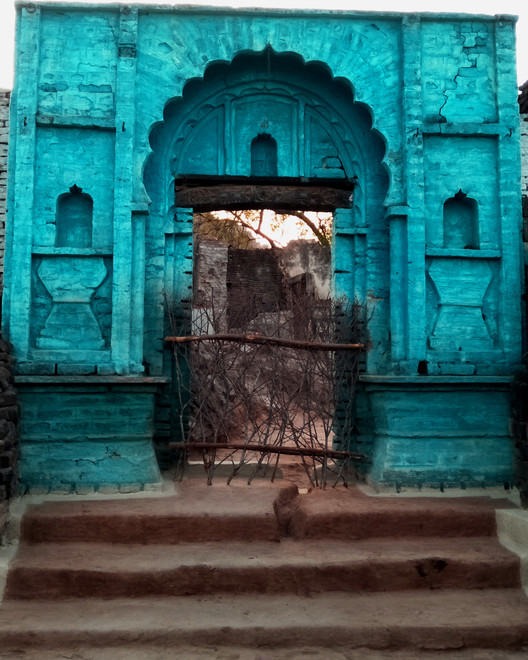
The door: despite being one of the most fundamental architectural elements, the immense significance these portals hold in architecture and culture can hardly be questioned. Historically, empires erected gigantic gateways to welcome visitors and religious shrines installed doors with ornate embellishments to ward off evil just as contemporary governments have built arches to commemorate important events.
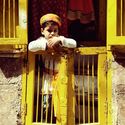
In this photo-series, however, architect Priyanshi Singhal directs her focus to doors in a humbler vein—those of homes and hole-in-the-wall shops. Armed with her camera, she travels through narrow winding streets in age-old Indian towns and villages—characterized by their mixed land-use—as she studies and documents the inherent relationship between architectural tradition, culture, and a people. A door and its chaukhat (threshold) hold deep spiritual meaning in India’s traditional vastu shastra system of architecture. Furthermore, Singhal’s work provides us a brief glimpse of the imprint that the vagaries of time, community and economy have left on India’s historical urban fabric.






.jpg?1550604493)
























.jpg?1550604450 "© Tina Nandi")
.jpg?1550604493)