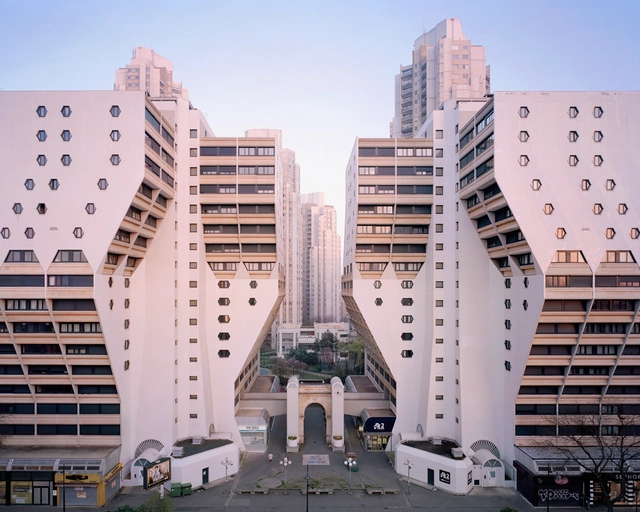
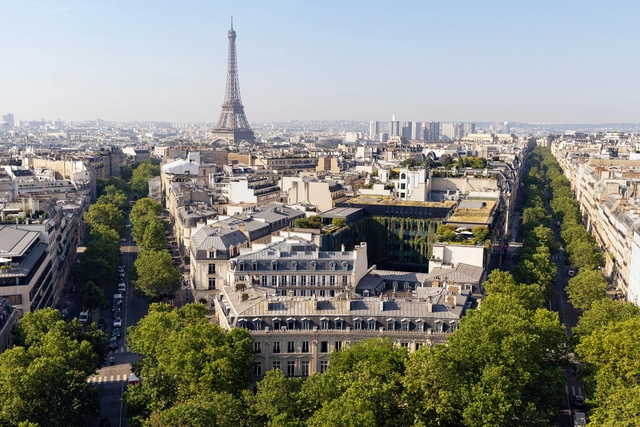
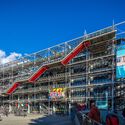
In 1900, Paris hosted its first Olympic games. It had been the second city to host them after the first Olympics in Athens. It was also the year of the Exposition Universelle, where the city would again showcase how it remade itself anew in less than 30 years. To this day, Paris remains a hub for all sorts of architectural innovation and development through bold designs that affect how people live and new materials and techniques. It fascinatingly juxtaposes grandeur and monumentalism with its predominately baroque, “second empire,” and art nouveau works; while also pushing for designs that strive for social living reforms such as in Le Corbusier’s experimental works or Lacaton & Vassal’s considerate interventions.
It’s this openness to the world that attracts not only millions of visitors a year but also innovators and architects who have set up shop in Paris and made it their second home. Once again, the city reworks itself as mass construction, renovation, and restoration sites culminate all over the city to host international athletes at the 2024 Olympics.
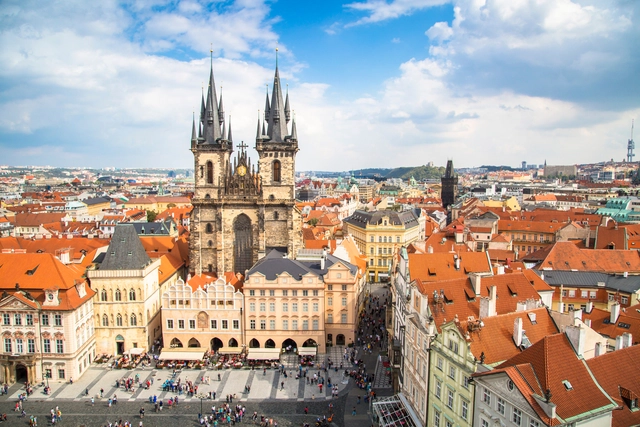
Prague, the capital of the Czech Republic, is one of Europe's best-preserved cities, having miraculously survived the widespread bombings of World War II. As the capital of the Czech Republic, Prague is home to over 1.3 million people and features an architectural heritage spanning centuries, covering a variety of architectural styles from Romanesque, Gothic, Renaissance, Baroque, and Rococo, to Modernist, Deconstructivism, and contemporary tendencies. The Old Town Square, where various architectural styles coexist, is a testament to this diversity. Known as the "Mother of all Cities," “the Golden City and “The City of a Hundred Spires,” Prague blends history and contemporary culture seamlessly. Its origins, steeped in legend, add to the city's charm.
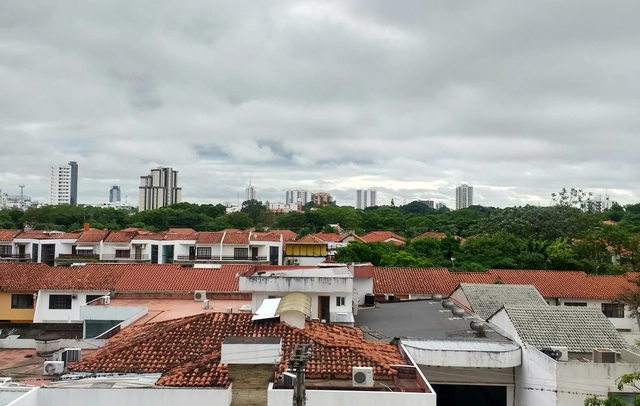
On the banks of the Amazonian river Piraí, the rings and canals of Santa Cruz de la Sierra not only enclose buildings of Bolivia's contemporary and modern architecture (curious examples of formalist rationalism, brutalism, and postmodernism are evident here) but also include a part of its diverse ancient and everyday architecture: from a historic center with endless arcades and colonial mansions to local markets and sheds such as the pahuichi cruceño.
On the occasion of the Latin American Architecture Students Meeting (ELEA) where we were invited to provide on-site coverage, we encountered ten of these places that can help you get a general overview of the city and its heterogeneous architecture.
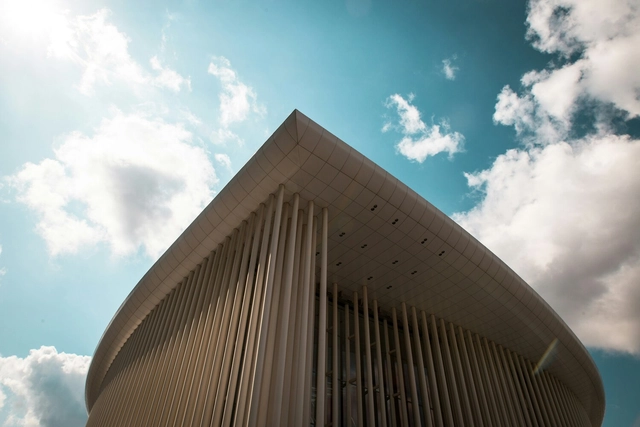
For those seeking remarkable architecture in Europe, Luxembourg stands as a special destination not to be missed. Nestled between Belgium, France, and Germany, this pint-sized country packs a punch with its rich history, stunning landscapes, and vibrant architecture. Small, yet culturally rich, Luxembourg offers a delightful array of architectural wonders waiting to be explored. From ancient castles to modern marvels, Luxembourg’s diverse architectural landscape promises a journey through time and style.
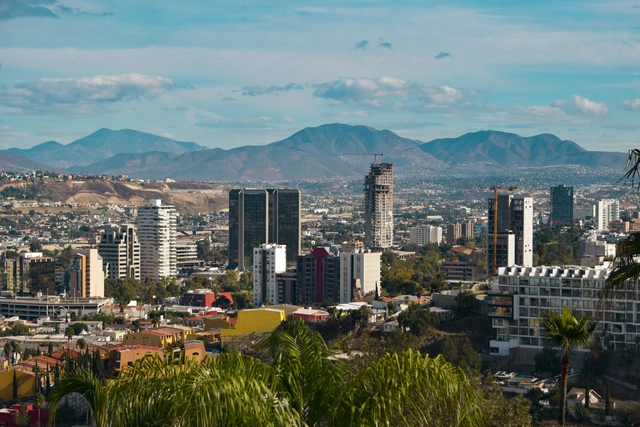
The U.S.-Mexico border is a region of vast historical, cultural, and economic significance, where cities of fundamental importance to North America have emerged. Tijuana—located in northeastern Mexico—, is one of these cities. Since its earliest beginnings in the 18th century, it has experienced exponential urban growth, closely linked to its northern neighbor, San Diego. Understanding Tijuana in its entirety is only possible by mentioning this connection. For this reason, along with San Diego, it was selected as the World Design Capital 2024, celebrating the interaction and cultural exchange between the two cities.
Historically, the city has been a melting pot of nuances reflected in its urban landscape. Examples such as the Tijuana Cultural Center, designed by Pedro Ramírez Vázquez and Manuel Rosen, show the city's search for a modern style. In parallel, the OTAY Cross Border Xpress Building illustrates the relationship between countries in a complex whose architectural program spans both sides of the border. Additionally, contemporary projects contribute to developing a new stage in the city's life by creating public spaces.
Milan stands as a beacon of mainstream fashion and economic vitality, drawing visitors from around the globe. As Italy’s second most populous city, it serves as the stage for some of the world’s premier fashion and design events. To kick off the 62nd edition of Milan Design Week, we partnered with Felt to create an interactive map highlighting some of the city’s most iconic tourist attractions, as well as contemporary landmarks designed by renowned local and international architects such as Aldo Rossi,Gio Ponti,Stefano Boeri, Mario Cucinella, Zaha Hadid, Grafton Architects, Herzog & de Meuron, and Foster and Partners, amongst others.
https://www.archdaily.com/1015736/discover-milans-architectural-gems-with-this-interactive-city-guideArchDaily Team
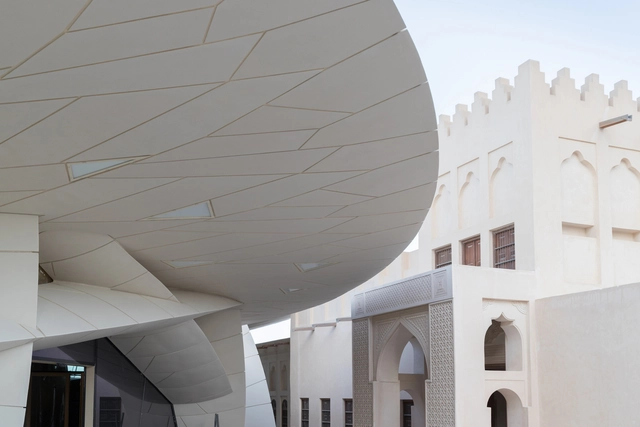
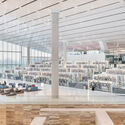
Doha is the capital of Qatar and the county’s most populated area, accommodating more people than the rest of Qatar combined. Located on the coast of the Persian Gulf, Doha is a relatively young city, founded in the vicinity of another settlement, Al Bidda, sometime during the 1820s. In recent years, the city has seen rapid population growth, an image reflected in the architectural landscape. During the 1960s and 1970s, many of the old districts in Doha were demolished to make space for new developments, while several schemes have been deployed to advocate for the preservation of the city’s cultural and architectural heritage.
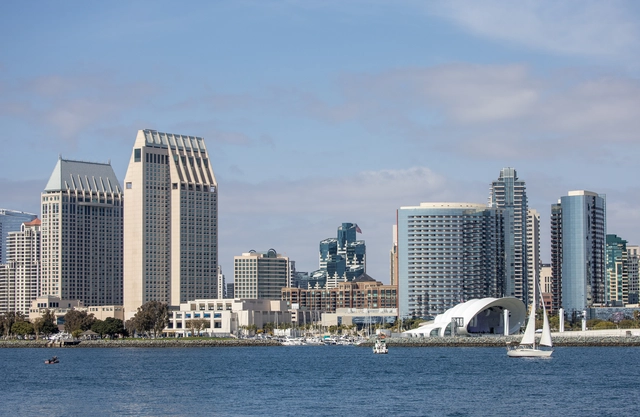
Throughout history, San Diego has been a canvas for visionary architects who have left enduring legacies on its built environment. From iconic landmarks like the Geisel Library and the Salk Institute to the dynamic spaces of the San Diego Central Library and the Rady Shell at Jacobs Park, each piece of architecture reveals hidden aspects of the layered history and the spirit of exploration of San Diego.
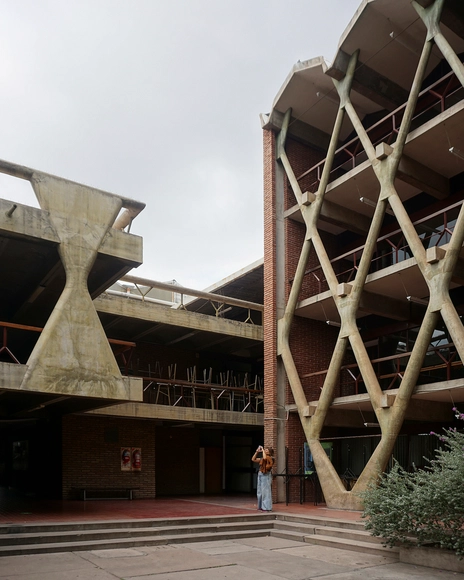
There are reasons to visit the city of Mendoza: it serves as both the gateway to Argentine wine tourism and a diverse collection of historically and architecturally significant buildings. From the Museum of the Foundational Area to the renowned Faculty of Architecture at the University of Mendoza, this guide invites you to explore a cultural and scenic richness reflected in every facade and every street. The city's public spaces not only blend with the natural surroundings of the vast Andes but also harmonize with a system of irrigation channels and urban greenery that can be appreciated at every moment of the journey.
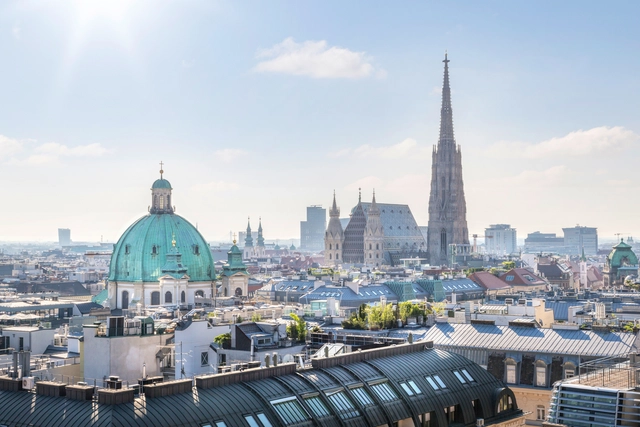
Often referred to as the “City of Music,” Vienna stands as a living testament to architectural evolution across centuries. Bring together an array of styles, ranging from the grandeur of Baroque palaces to the innovative Art Nouveau designs and the Vienna Secession movement, visitors are drawn to the city for its architectural marvels. Vienna's eventful past is reflected in its architectural landscape, which has withstood wars, imperial expansions, and the changes of numerous artistic trends while managing to maintain its unique identity as a symbol of resilience and reinvention.
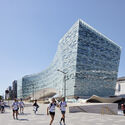
From Adolf Loos, whose radical ideas challenged the trends of his time, to Otto Wagner, a pioneer of Viennese Modernism, Vienna's architectural legacy continued to evolve. Fast-forwarding to contemporary times, Vienna's skyline bears the mark of internationally renowned architects like Zaha Hadid, whose fluid and futuristic designs push the boundaries of architecture. Hadid's work, including the Library and Learning Center at the University of Economics and Business, offers a dynamic contrast to the city's historic landscape. Moreover, firms like CRAB Studio, founded by Sir Peter Cook and Gavin Robotham, bring experimentalism to Vienna's architecture, infusing contemporary concepts into the urban fabric. These architects and firms contribute to Vienna's architectural richness, adding new chapters to its storied history while honoring its innovation and artistic legacy.
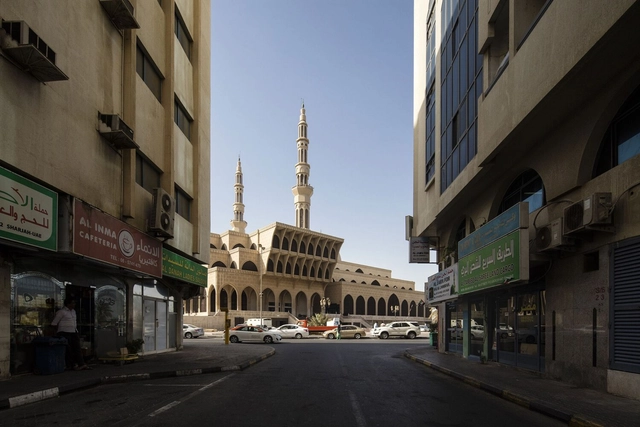
Sharjah, the captivating territory in the United Arab Emirates, is a cultural hub that blends tradition with contemporary modernity. Situated on the Arabian coastline, the city is known for its commitment to preserving its rich history, promoting the arts and culture, and providing a platform for creative and intellectual pursuits. In fact, the 2023 Sharjah Architecture Triennial (SAT) will take place from November 11, 2023, to March 10, 2024, under the theme "The Beauty of Impermanence: An Architecture of Adaptability." The Triennial is curated by Tosin Oshinowo, exploring innovative design solutions emerging from conditions of scarcity in the Global South.
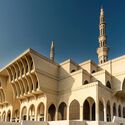
With a deep-rooted connection to its cultural heritage, the emirate is home to an array of museums that showcase a journey through multiple timelines, from Islamic civilization to traditional lifestyles. Now a hotspot for emerging designers, the city has taken a leading role as a patron of fine arts. In the contemporary city, attractions are designed by many architects, from Foster + Partners, Zaha Hadid Architects, 51-1 Arquitectos, to Hopkins Architects. In addition to this emerging cultural scene, old Sharjah is a valuable embodiment of historical tradition, having been transformed into useable attractions and art facilities. The old Sharjah also flaunts landmarks such as the modernist King Faisal Mosque, the Museum of Islamic Civilization, and the Sharjah Art Museum.
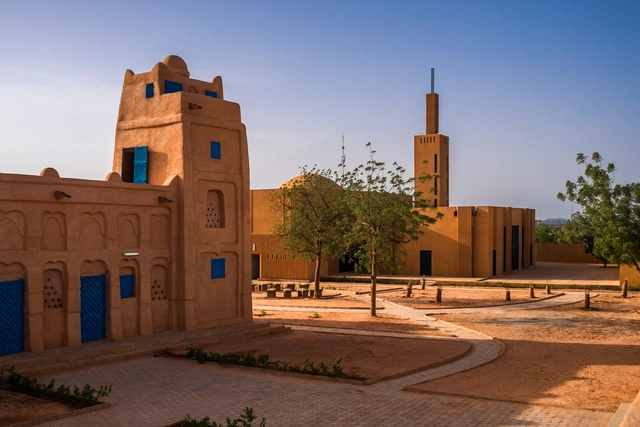
Sub-Saharan Africa is home to an enormous number of religious adherents – within which there is extraordinary diversity in religious expression. Iconic buildings serving a religious purpose are found throughout the continent, such as The Cathedral Basilica of the Holy Family in central Nairobi or the Hare Krishna Temple in South Africa. What is evident is that architecture that hosts religious gatherings makes up a key part of the urban fabric of sub-Saharan African cities and that in a lot of cases, religious structures go against the grain – leaving aside or tweaking classical models in favor of a unique architectural approach.
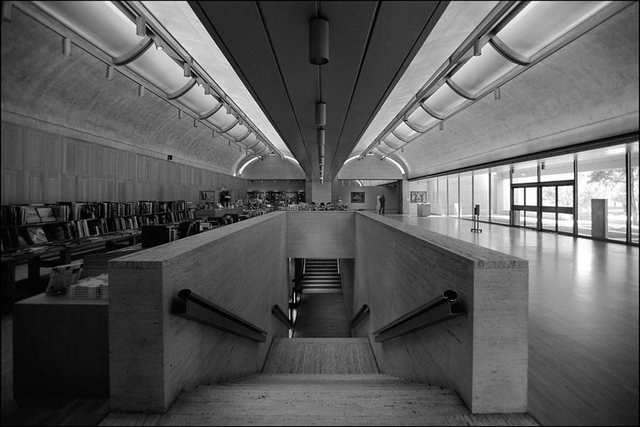
Kimbell Art Museum / Louis Kahn. Image Courtesy of Xavier de Jauréguiberry
AD Classics presents you with some of the greatest buildings of the past that have influenced and shaped architecture today. Throughout ArchDaily's 13 years, more than 200 classics were published, and for this edition, we have rounded up the top 20 most visited Architecture Classics to date.
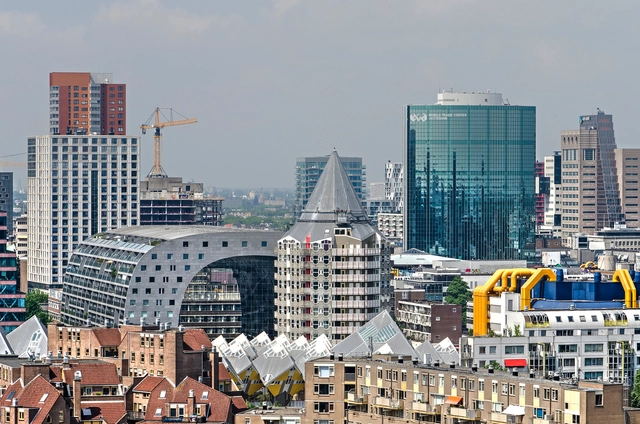
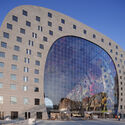
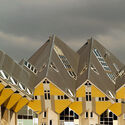
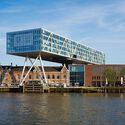
Often referred to as the “Manhattan on the Maas,” Rotterdam is a city unlike any other in the Netherlands. The Dutch metropolis with its striking skyline, tells a unique architectural narrative with chapters filled with the rubble of the devastating bombings of World War II, followed by a story of reconstruction that transformed the city into a hub for experimental architecture and urban planning. Today a mosaic of architectural styles, Rotterdam has embraced innovation, becoming a global showcase for cutting-edge design and sustainable urban development.
In 1940, almost the entire city center was wiped out by German bombs. Instead of following other European cities’ examples of reconstruction, Rotterdam decided to reinvent itself. Today, the city hosts some of the most well-known Dutch pieces of architecture, such as the Kubuswoningen or the Het Nieuwe Instituut. Its open attitude toward innovation and experimentation continues to attract talent from around the world, as its distinctive skyline continues to change and adapt to contemporary conditions.
In this Barcelona guide, we have rounded-up the architecture of probably the best known and most influential architect from the beginning of the century in Spain, Antonio Gaudí. Gaudí spent most of his life in Barcelona and the city boasts the largest concentration of his works in the world. His style is unique, often imitated but never matched.
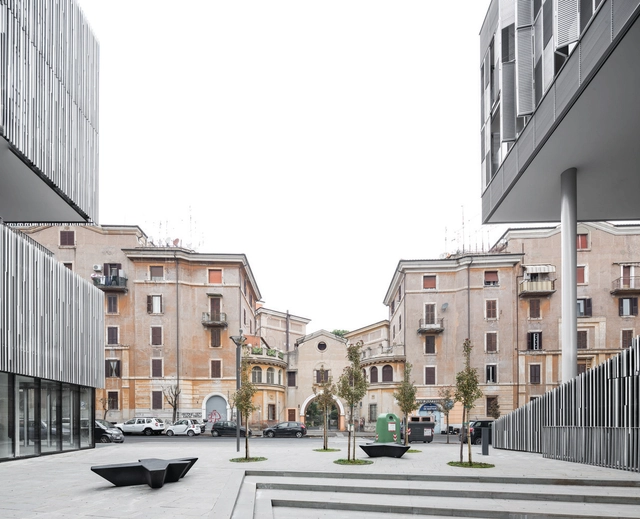
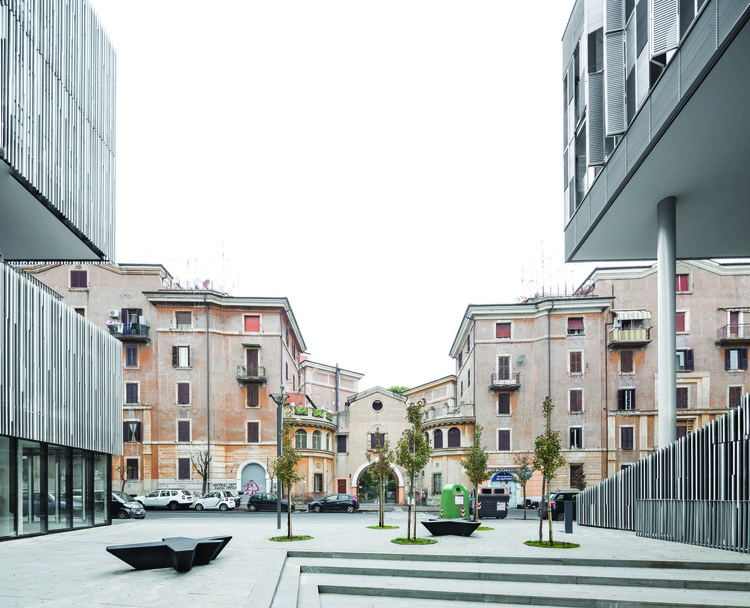
Spanning over 3 millennia with one of the highest concentrations of architecture in the world, Rome is a transcendental influence on the world's culture. Often called “The Eternal City,” it developed as the capital and seat of power of the Roman Empire, regarded by many as the first Imperial city and among the first ancient metropolises. As a city continuously occupied for over 28 centuries, Rome has maintained its countless layers of history to become a perfect depiction of old meets new. Rich in history, academia, and art, the Italian capital is now one of the most visited cities in the world.
Rome's historic center, which stretches from Piazza del Popolo to Piazza Venezia and from the east bank of the Tiber up to Piazza di Spagna, is listed as a UNESCO World Heritage Site. Along with its historical significance, the presence of renowned contemporary architects and designers in the city has made Rome an influential design destination. In 2019, it was the 14th most visited city in the world, welcoming over 8.6 million tourists seeking to discover the ways in which the history of the Ancient Romans blends with contemporary life, making it the third most visited city in Europe and the most popular tourist destination in Italy.
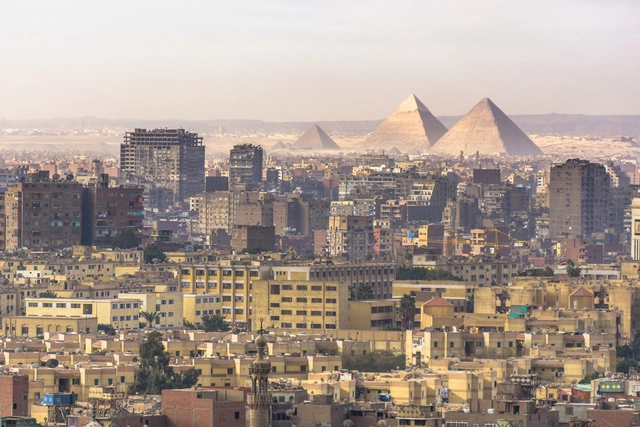
Cairo,Egypt's vibrant capital, is a unique synthesis of both historical and contemporary architecture. One of the most populated cities in Africa, this busy urban agglomeration has a long, rich history and is home to nearly 20 million people. Apart from the infamous Great Pyramids of Giza and the Sphinx, which have attracted tourists for ages, the city has been a melting pot of cultures, histories, and built environments alike.
The city of Cairo has witnessed many different eras, each characterized by unique architectural styles. After the Ancient Egyptians, the Islamic Period saw the birth of iconic buildings like the Mosque of Ibn Tulun and the Mosque of Sultan Hassan. These were followed by the Mamluk Period, during which structures such as the Al Rifai Mosque and the Mosque Madrassa of Sultan Barquq were constructed, boasting exquisite stone carvings, towering minarets, and intricate decorative motifs. The Ottoman era brought its own landmarks, including the Mosque of Muhammad Ali and the Citadel of AlQalaa. In the late 19th and 20th centuries, Cairo experienced an influx of European architectural styles due to colonial influences. This resulted in the construction of notable structures such as the Cairo Opera House and the Cairo Tower.

















.jpg?1570002957 "La Muralla Roja / Ricardo Bofill. Image Courtesy of Ricardo Bofill")



.jpg?1497901399&format=webp&width=640&height=580)