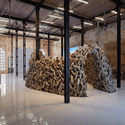
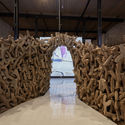
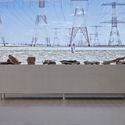
With the inauguration of the 17th Venice Architecture Biennale, 60 nations from across the world showcased unique solutions to the question of “How will we live together”. Neither the pandemic nor its repercussions got in the way of the curators' creative process. Instead, they took it as a factor to explore how the notion of 'living together' has changed over the past year, and how they can reimagine better built environments. ArchDaily had the opportunity to meet with architect Wael Al Awar, one of the co-curators of the UAE Pavilion, to discuss how the pavilion's innovative material came to be and what it means for the future of architecture.
Circular Economy: The Latest Architecture and News
"Our Future Vernacular Could Be Our Industrial Waste": In Conversation with UAE Pavilion Curator Wael Al Awar at the 2021 Venice Biennale


https://www.archdaily.com/962645/landscape-does-not-always-mean-green-in-conversation-with-uae-pavilion-curator-wael-al-awar-at-the-2021-venice-biennaleDima Stouhi
Urgent Issue: 10 Strategies to Decarbonize Architecture
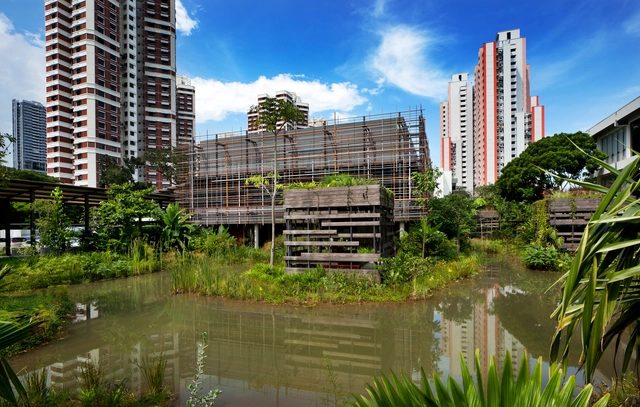
The concept of “decarbonization” has been in vogue recently in political speeches and global environmental events, but it has not yet gained enough attention in the field of architecture to profoundly change the way we design and construct the world of tomorrow. Buildings are currently responsible for 33% of global energy consumption and 39% of greenhouse gas emissions, indicating that architects must play a significant role if we are to stop or reverse climate change. With carbon acting as a universally agreed upon metric with which the greenhouse gas emissions of a building can be tracked [1], one of the most important ways through which this goal can be achieved is therefore the decarbonization of buildings.
https://www.archdaily.com/938866/urgent-issue-10-strategies-to-decarbonize-architectureLilly Cao
Towards a Common Practice of Material Recycling
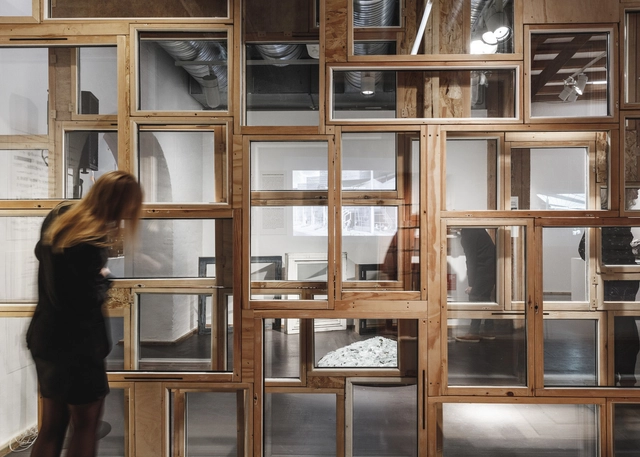
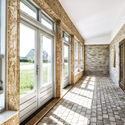
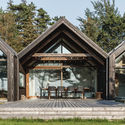
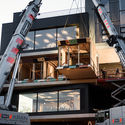
Making material recycling commonplace within the architectural field would require a top-down approach in adapting the industry’s processes and standards to create a suitable framework for the task. However, individual endeavours are bringing about change within the profession, pushing for a reconsideration of architecture’s relationship to waste. This article looks at some of the initiatives that are spearheading the transition towards a common practice of material recycling.


https://www.archdaily.com/944297/towards-a-common-practice-of-material-recyclingAndreea Cutieru
Revalued Jewels: Rescuing & Reusing Architectural Elements
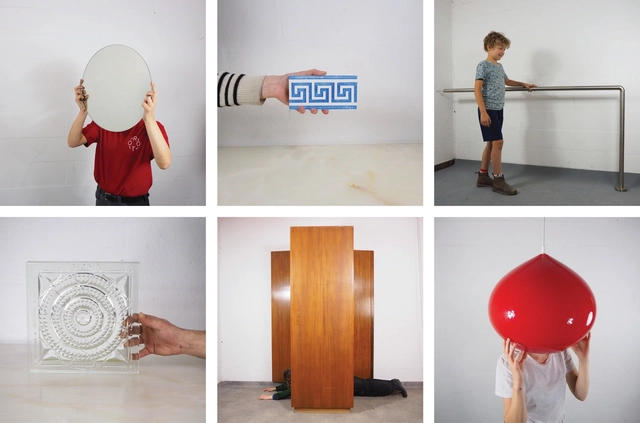
Some researchers define the Anthropocene as beginning at the Industrial Revolution. Others identify it with the explosion of the first nuclear bomb, and others with the advent of agriculture. Regarding the precise timeline, there is not yet a scientific consensus. But the notion that human activities have been generating changes with planetary repercussions, whether in the temperature of the Earth, in biomes, or in ecosystems, is one that has become increasingly popular. The anthropocene would be a new geological era marked by the impact of human action on planet Earth. This acknowledgement of human impact is particularly disturbing if we consider that if the entire history of the Earth were condensed in 24 hours, humans would only appear in the last 20 seconds. Whether in the massive extraction of natural resources or in the carbon release from vehicles and industries, it is well known that a large part of the fault lies with construction activities, especially in the production of solid waste due to waste and demolition. In Brazil, for example, civil construction waste can represent between 50% and 70% of the mass of solid urban waste [1]. Many will end up being discarded irregularly or thrown in landfills to be buried indefinitely.
https://www.archdaily.com/943327/revalued-jewels-rescuing-and-reusing-architectural-elementsEduardo Souza
A Guide to Design for Disassembly
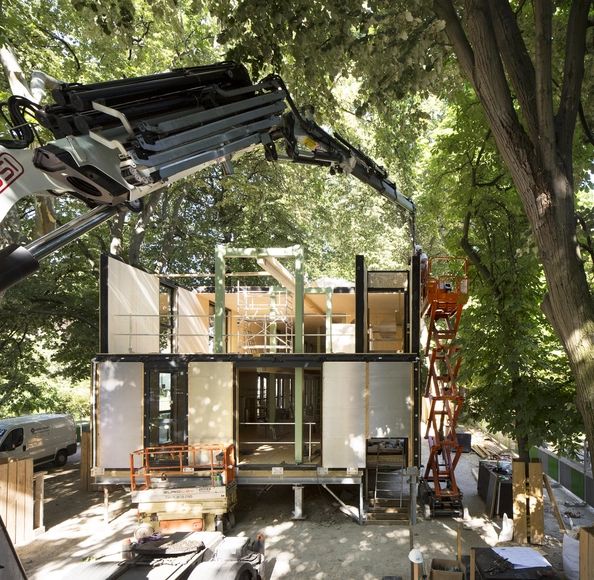
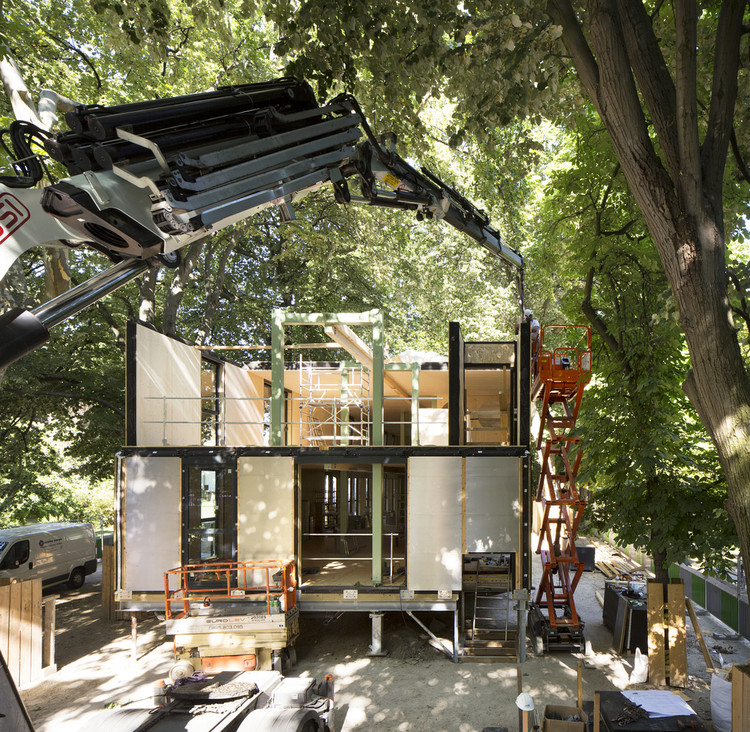
The concept of Design for Disassembly (DfD for short) gained increasing traction in recent years, as it addresses the growing concern around the high consumption of resources and low recycling rate within the construction industry. The following article details on the method and features guidelines for a design process that facilitates the dismantlement of future buildings, with the scope of providing a better understanding of this principle within the broader framework of the current practice and circular economy.


https://www.archdaily.com/943366/a-guide-to-design-for-disassemblyAndreea Cutieru
White Arkitekter + ReGen Villages Create First Circular, Self-Sufficient Communities for Sweden
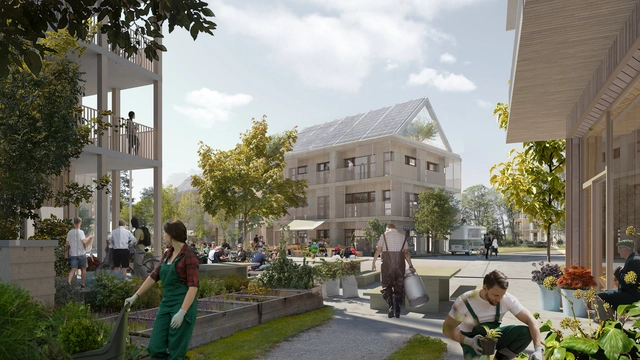
White Arkitekter, in collaboration with Silicon Valley-based ReGen Villages, have joined forces to create fully circular, self-sufficient and resilient communities in Sweden. Inspired by computer games, the project puts in place organic food production, locally produced and stored energy, comprehensive recycling, and climate positive buildings.
https://www.archdaily.com/937475/white-arkitekter-plus-regen-villages-create-first-circular-self-sufficient-communities-for-swedenChristele Harrouk
Sfera 2020: Biourbanism
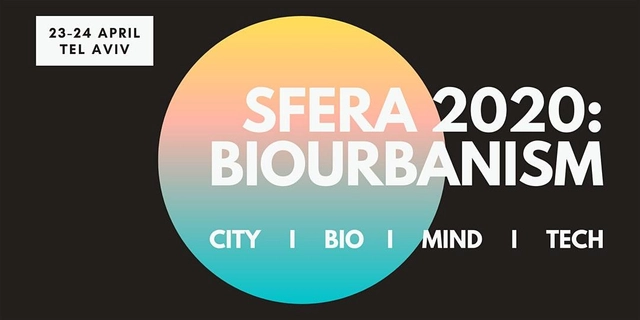
SFERA 2020: BIOURBANISM is an international conference on building better cities using knowledge about the natural world around us.
https://www.archdaily.com/934089/sfera-2020-biourbanismRene Submissions
Urban Mining Trilogy at C-LAB Investigates Circular Material Reuse

Located in a prime location in the city of Taipei, the invaluable large open space at the Taiwan Contemporary Culture Lab (C-LAB) is historically significant as it used to be home to the Industrial Research Institute of the Taiwanese Governor-General’s Office and also the Air Force Command Headquarters under the Ministry of National Defense. Since the Ministry of Culture took over its operations in 2018, C-LAB has become a place for art and cultural experimentation, with various participatory events and actions initiated and reflections and imaginations for contemporary urban space and lifestyle projected.
https://www.archdaily.com/927263/urban-mining-trilogy-at-c-lab-investigates-circular-material-reuseRene Submissions
HPP Architekten Designs Düsseldorf's First Hybrid Timber Office Building in Germany
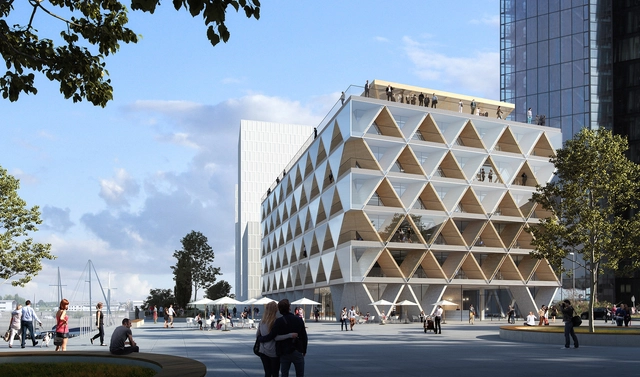
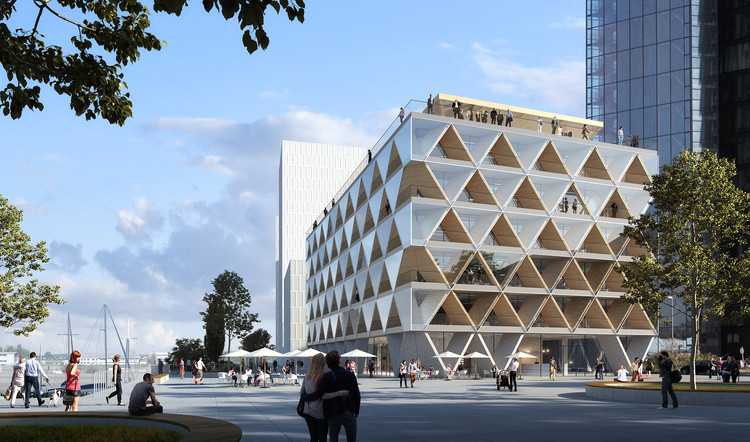
German architecture and design practice HPP Architekten have created a proposal for a hybrid timber office building along the Düsseldorf riverfront. Inspired by the circular economy and the Cradle to Cradle concept, the design for the project aims to show how architecture can become part of more sustainable cities. Working with developer INTERBODEN, the team plans to show how individual components can be recycled after use, non-recyclable materials minimized and CO2 emissions reduced.

_small.jpg?1565103576 "The Cradle. Image Courtesy of HPP Architekten")

https://www.archdaily.com/922499/hpp-architekten-designs-dusseldorfs-first-hybrid-timber-office-building-in-germanyEric Baldwin