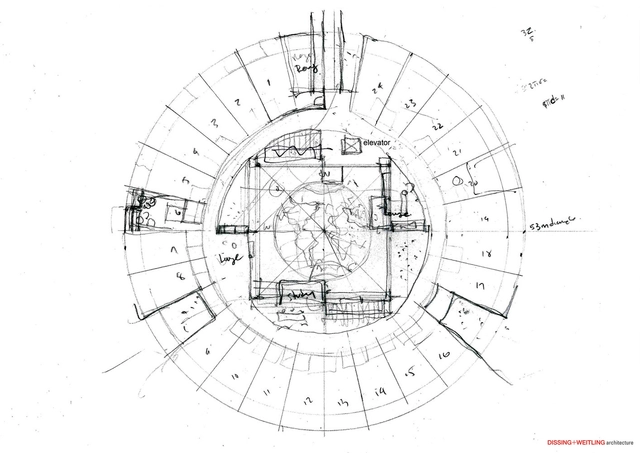
Often, when people think of buildings, they default to imagining rectangular structures—or at the very least, structures with orthogonal floor plans and hard angles, certainly not buildings with circular plans. The rarity of the circular plan comes in part from the fact that poor design choices can lead to wasted space and awkward interior arrangements, especially if furniture and appliances are rectangular in shape. However, strongly designed circular planes can have a dramatic effect, generating extraordinary spatial configurations that meet a variety of aesthetic and functional needs, while challenging the material specification process. Below, we list 18 buildings with circular plans, considering their varying strategies of design.
https://www.archdaily.com/966202/how-to-properly-design-circular-plansLilly Cao
Believing firmly that "architecture is [...] too important to leave solely to architects", Ole Bouman embarked on diverse activities throughout his three decades of work, reflecting on “architecture, not so much as the art or technique of making buildings, but architecture as the intelligent way to organize our lives on earth, and infuse it with purpose”.
After having shared Bouman's essay Finding Measure, ArchDaily had the chance to discuss with DesignSociety’s founding director his thoughts on the role of architecture, the current challenges of the world, the digital revolution, and many other thought-provoking topics.
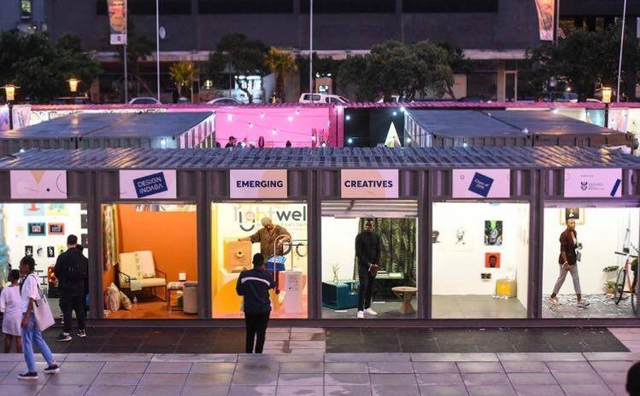
Design and the City is a podcast by reSITE, raising questions and proposing solutions for the city of the future. In the final episode, Ravi Naidoo from Design Indaba discusses the purpose of design. Aiming to define the field, the founder of Interactive Africa, a company based in Cape Town, and the design platform Design Indaba shares his personal thoughts on empowering people to create a better future through creativity.
Labor gives rise to design. As the aggregate of physical and mental effort used in the creation of goods and services, labor is tied to both what we create and our process. In a field shaped by production, architecture and design depend on labor from a broad range of professionals. But as workers increasingly put in longer hours and traditional measures of security change, questions of labor practices have arisen amid broader conditions of contemporary work culture.
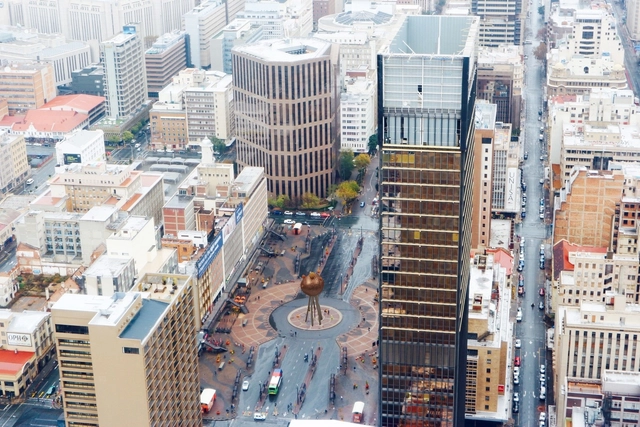
The globally acclaimed Design Indaba Conference and Festival, first established in 1995, is a multidisciplinary platform guided by the principle of “a Better World Through Creativity”. Running at the Artscape Theatre Centre in Cape Town from 26-28 February 2020, and via simulcast in Cape Town, Johannesburg, Durban and Potchefstroom, the acclaimed event celebrates 25 years of cultural invention.
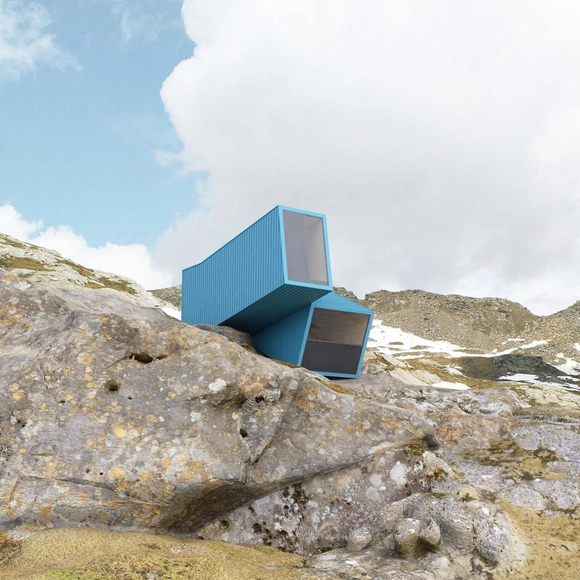
Bivacco Bredy is the title of the project designed by Claudio Araya, Natalia Kogia, Iga Majorek and Maria Valese, a young team of architects who attended the latest edition of YACademy’s course in Architecture for Landscape.
The Daylight Award 2020, a dual prize for research and architecture, is now open for nominations. The Daylight Award is a great opportunity for the global community of architects and researchers to consider and nominate their colleagues who have expertise in advancing outstanding daylight research and the unique use of daylight in architecture.
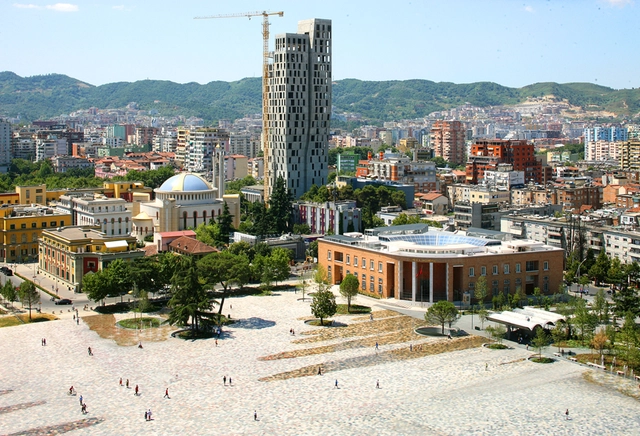
Skanderberg Square / 51N4E, Anri Sala, & Plan en Houtgoed. Image
Design trends are often the result of foreign cultural influences, avant-garde creations, and innovative solutions for people's ever-evolving needs. Although the design world seems like one big mood board, some cities have managed to outshine the rest with their recent projects.
As part of their annual Design Cities Listing, Metropolis Magazine has highlighted 10 cities across 5 continents with intriguing projects that have harmonized contemporary urbanism with traditional and faraway influences.
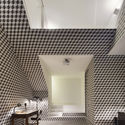
Once the construction of an architecture project is finished, it's time to install the claddings that will make up the visible faces of the interior spaces. Wallpaper –an efficient way to bring color and design into rooms – is generally specified according to the square meters we want to cover, so we must start by calculating the area of each surface with great precision.
This task can be easy on clear walls with standard dimensions, but it can generate mishaps or unnecessary expenses in more complex designs. We present some tips to make an estimate as accurate and efficient as possible.
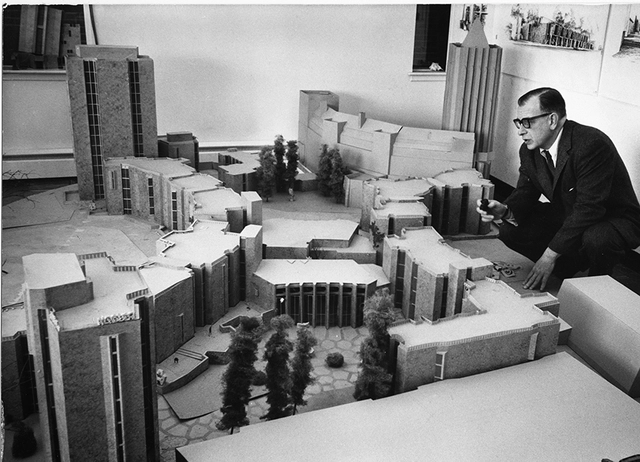
Photograph of Eero Saarinen with two Yale residential colleges. From "Living on Campus: An Architectural History of the American Dormitory". Image Courtesy of Metropolis Magazine
Modernism in Pittsburgh. Central Park. Space settlements. Interwar typography. What do these topics all have in common? They are the subjects of a new batch of architecture and design books released this past year – books that constitute Metropolis Magazine’s spring/summer edition roundup of architecture’s newest and most exciting publications.
https://www.archdaily.com/922326/new-architecture-and-design-books-to-read-this-summerLilly Cao
This article was made in partnership with Design Indaba, a website and annual festival that uncovers innovation for good. Click here to learn more about the annual event.
It took a few years and multiple failed career attempts for renowned minimalist designer John Pawson to truly enter the world of architecture. Though he’d cultivated an interest in design from a young age, he’d initially shied away due to his beliefs that he needed to be good at math and that design was an innate skill rather than something that could be taught.
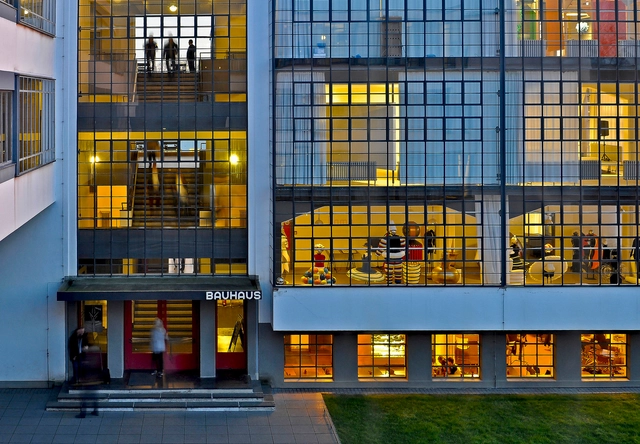
Celebrate Bauhaus 100 through the world's number one visual storytelling platform, Instagram. An essential tool for designers, Instagram is a constantly growing digital database of market sharing and stimulation. Social media has changed not only how we gather precedents and market our designs, but also our designs themselves. "Instagram Culture" drives designers to create more shareable moments. As we continue to seek these dynamic encounters, let us not forget our forefathers of user experience design and the Bauhaus school.
With an academic background that includes social sciences, curatorship, and architecture, Michelle Mlati's trajectory is an interesting one; more so for the way her current work dabbles in these areas simultaneously.
Describing herself as an afrofuturist critical spatial designer, Johannesburg-based Mlati’s practice investigates elements of the city, from sustainability through to social dynamics, architecture to aural and visual cultures.
The A’ Design Award was "born out of the desire to underline the best designs and well-designed products." It is an international award whose aim is to provide designers, architects, and innovators from all design fields with a platform to showcase their work and products to a global audience. This year's edition is now open for entries; designers can register their submissions here.
Why do we build? How do we build? Who do we ultimately build for? These have been questions that have dominated the worlds of both practice and pedagogy since the early ages of architecture. On a basic level, those questions can be answered almost reflexively, with a formulaic response. But is it time to look beyond just the simple why, how, and who?
In a world where the physical processes of architecture are becoming increasingly less important and digital processes proliferate through all phases of architectural ideas and documentation, we should perhaps be looking to understand the ways in which architects work, and examine how we can claim the processes—not just the products—of our labors.
'Tis the season of holiday cheer, and with that comes the creative greetings from offices, museums, photographers and collaborators around the world! See our favorites below (or check out our best reader-submitted cards).
When the world undergoes major changes (be it social, economic, technological, or political), the world of architecture needs to adapt alongside. Changes in government policy, for example, can bring about new opportunities for design to thrive, such as the influx of high-quality social housing currently being designed throughout London. Technological advances are easier to notice, but societal changes have just as much impact upon the architecture industry and the buildings we design.





TomasPrinc-219.jpg?1585565151 "© Tomas Princ")







.jpg?1565290135 "Modern Sampran Wangprom Office / Apostrophy's. Image © Sitthisak Namkham")