As part of the MEXTRÓPOLI festival in Mexico City early last month, Singapore-based firm WOHA debuted their first exhibition in the Latin America, GARDEN CITY MEGA CITY. WOHA's architecture introduces biodiversity into public spaces, turning high-rise courtyards and hallways into teeming community assets. In this exhibition, the architects show how their work has addressed both climate change and the social challenges that occur as a result of rapid (upward) urban development.
Mexico City: The Latest Architecture and News
WOHA On Why High-Density Living Doesn't Mean Sacrificing Nice Things
https://www.archdaily.com/868431/woha-on-why-high-density-living-doesnt-mean-sacrificing-nice-thingsKarina Zatarain
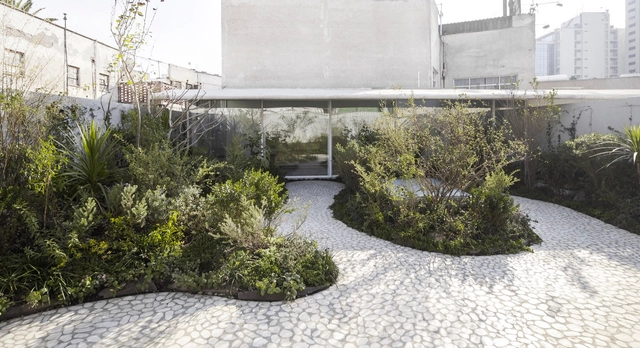
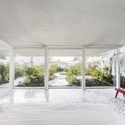
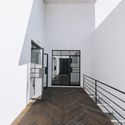
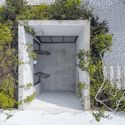
Casa Verne / Zeller & Moye


-
Architects: Zeller & Moye
- Area: 460 m²
- Year: 2017
-
Manufacturers: Factor Eficiencia, Fine Floors, M+N Luminarias
https://www.archdaily.com/868211/casa-verne-zeller-and-moyeValentina Villa
Roel House / Felipe Assadi + Francisca Pulido + Isaac Broid
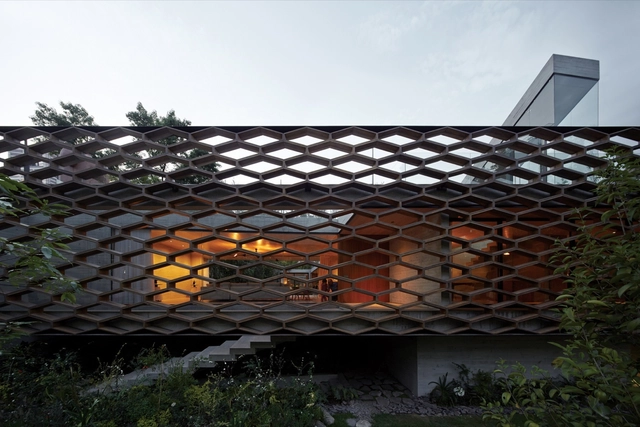


https://www.archdaily.com/867622/roel-house-felipe-assadi-plus-francisca-pulido-plus-isaac-broidDaniel Tapia
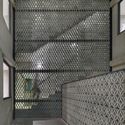
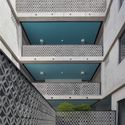
Portales Dwelling / Fernanda Canales
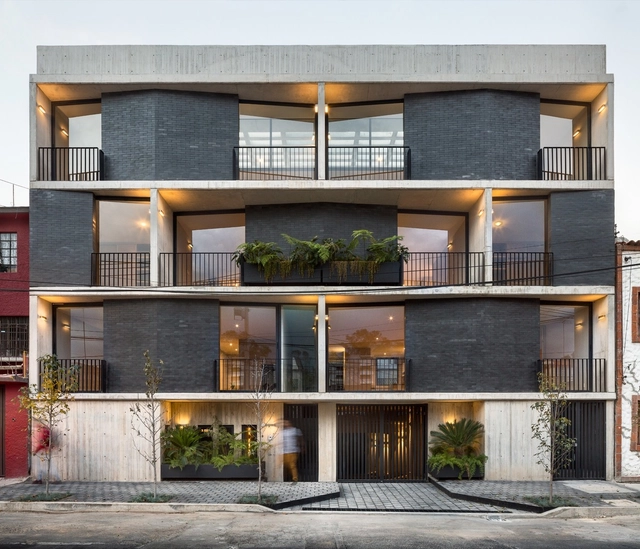

-
Architects: Fernanda Canales
- Area: 1200 m²
-
Manufacturers: Novaceramic
https://www.archdaily.com/801718/portales-dwelling-fernanda-canalesValentina Villa
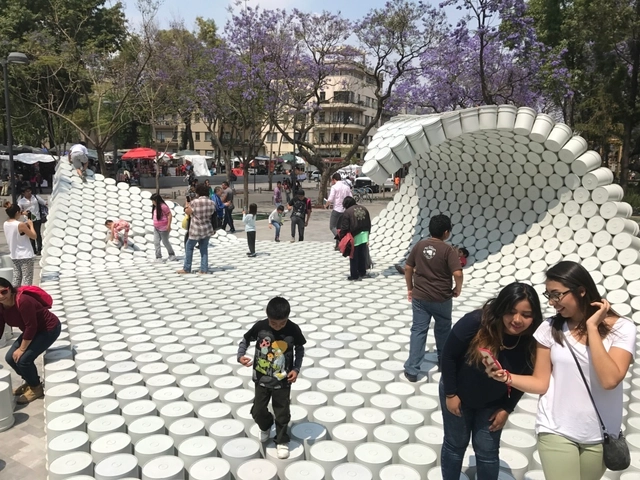
One Bucket at a Time / Factor Eficiencia + 5468796 Architecture




-
Architects: 5468796 Architecture, Factor Eficiencia
- Area: 100 m²
- Year: 2017
-
Manufacturers: Alfil Plasticos
https://www.archdaily.com/867291/one-bucket-at-a-time-factor-eficiencia-plus-5468796-architectureDaniel Tapia
Lacustrine Pavilion / TAP (Taller de Arquitectura Pública)
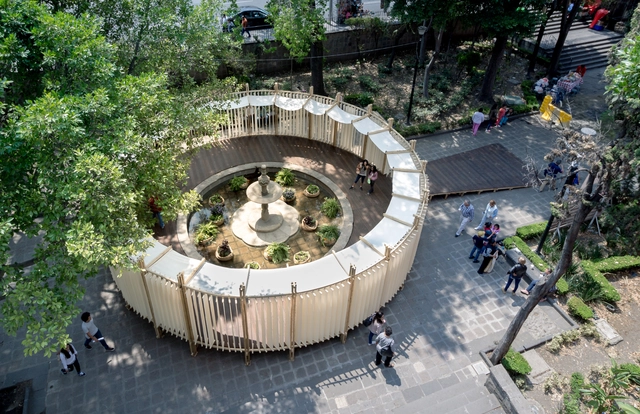


•
Mexico City, Mexico
-
Architects: TAP (Taller de Arquitectura Pública)
- Area: 140 m²
- Year: 2017
-
Manufacturers: Arauco, PRODILAM, Telas JUNCO, WOODGRASS
https://www.archdaily.com/867252/lacustrine-pavilion-tap-taller-de-arquitectura-publicaDaniel Tapia
Richard Rogers Fellowship 2017 - Winners Announced
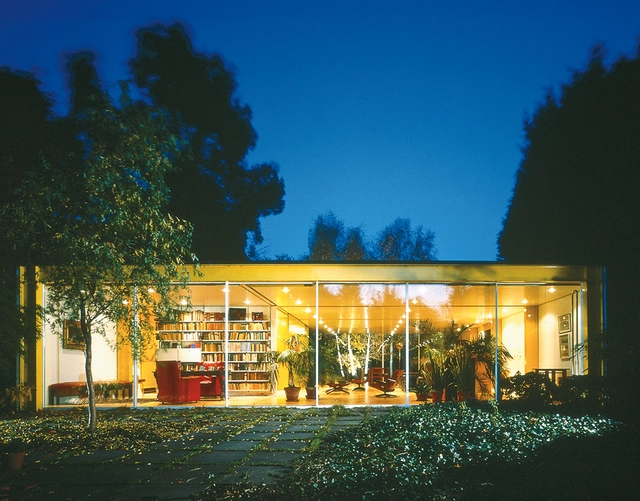
The Harvard University Graduate School of Design in Massachusetts has announced the winners of the Richard Rogers Fellowship 2017. Launched in October 2016, the Fellowship seeks to act as an international platform assembling experts and practitioners from a broad range of disciplines, using the built environment to positively impact on the quality of human life. The six inaugural Fellows, selected from 200 applicants worldwide, will undertake three months of research at the Wimbledon House, a Grade II listed residence in London gifted to the School by world-renowned British architect Richard Rogers.
https://www.archdaily.com/805645/richard-rogers-fellowship-2017-winners-announcedNiall Patrick Walsh
Changing Climate, Changing Cities: The New York Times Launches Series on the Urban Effects of Climate Change
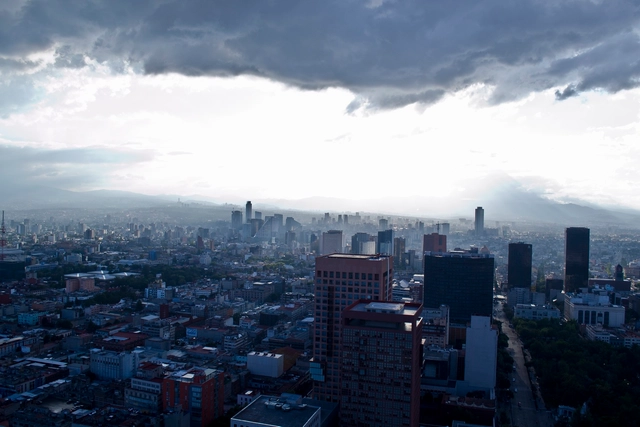
Contrary to some beliefs, climate change is not simply some unidentifiable threat perpetually on the horizon, but a phenomenon that has already had real impact on real world places. To illustrate the effects of our changing environment, the New York Times has launched a new multi-media series called “Changing Climate, Changing Cities,” written by architecture critic Michael Kimmelman, that aims to expose how climate change is “challenging the world’s urban centers.
The first installment takes a look Mexico City, where environmental issues that have already wreaked havoc for centuries, such as water shortage and ground subsidence, are beginning to see their effects multiplied by the city’s changing climate. The piece explains the root of these problems, and their effect of an already fragile infrastructure and social fabric.
https://www.archdaily.com/805617/changing-climate-changing-cities-the-new-york-times-launches-new-series-on-the-urban-effects-of-climate-changePatrick Lynch
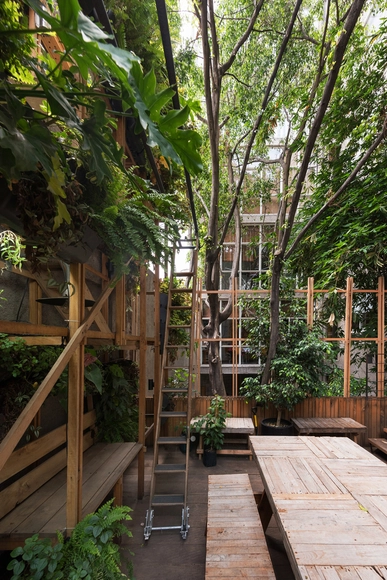
Essay 4 Spatial Prosthesis / MANADA Architectural Boundaries


https://www.archdaily.com/803325/essay-4-spatial-prosthesis-manada-architectural-boundariesCristobal Rojas
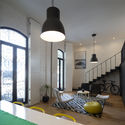
Córdoba-Flat / Cadaval & Solà-Morales
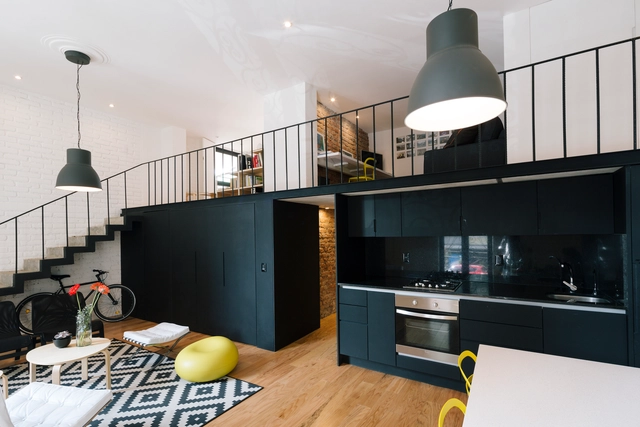

-
Architects: Cadaval & Solà-Morales
- Area: 90 m²
https://www.archdaily.com/800492/cordoba-flat-cadaval-and-sola-moralesDaniela Cruz
MC20 / VOX arquitectura
.jpg?1480286538&format=webp&width=640&height=580)
.jpg?1480286763 "© Luis Gordoa")
.jpg?1480286774 "© Luis Gordoa")
.jpg?1480286629 "© Luis Gordoa")
.jpg?1480286676 "© Luis Gordoa")
.jpg?1480286538)
-
Architects: VOX arquitectura
- Area: 1680 m²
- Year: 2016
-
Manufacturers: Saint-Gobain, CASTEL, Construlita, INTEC, Vidafloor
https://www.archdaily.com/800293/mc20-vox-arquitecturaValentina Villa
AS Building / Ambrosi I Etchegaray


-
Architects: Ambrosi I Etchegaray
- Area: 810 m²
- Year: 2015
-
Professionals: Grupo Desarrollador FG2
https://www.archdaily.com/800987/as-building-ambrosi-i-etchegarayCristobal Rojas


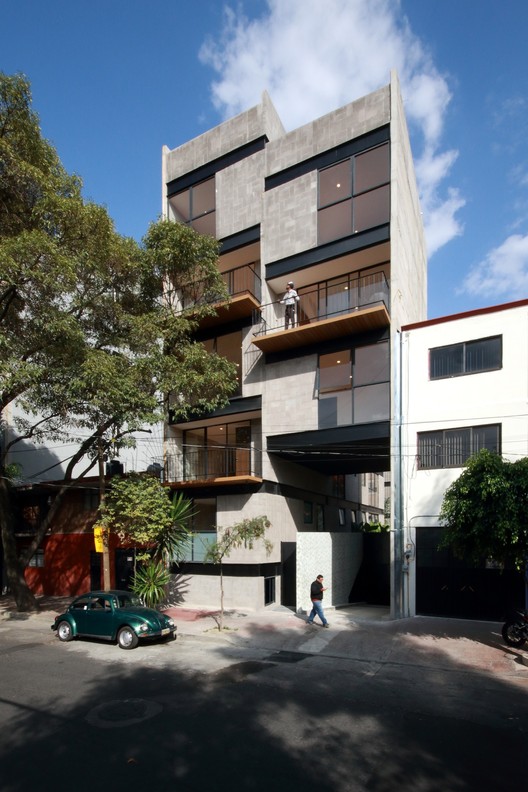
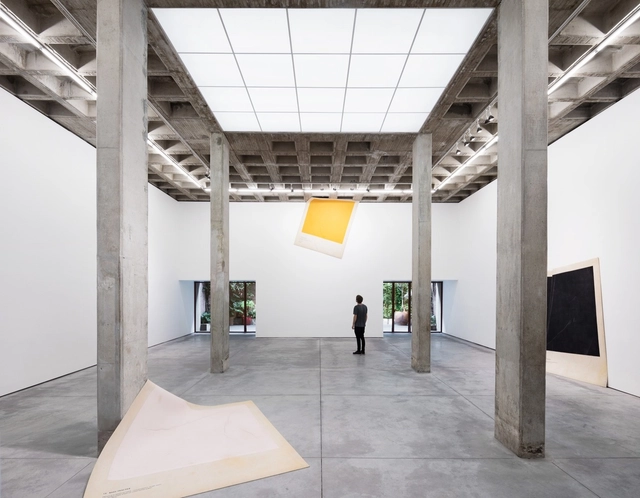
OMR Art Gallery / Mateo Riestra + José Arnaud-Bello + Max von Werz


-
Architects: José Arnaud-Bello, Mateo Riestra, Max von Werz
- Area: 455 m²
- Year: 2016
https://www.archdaily.com/799696/omr-art-gallery-mateo-riestra-plus-jose-arnaud-bello-plus-max-von-werzDaniela Cardenas
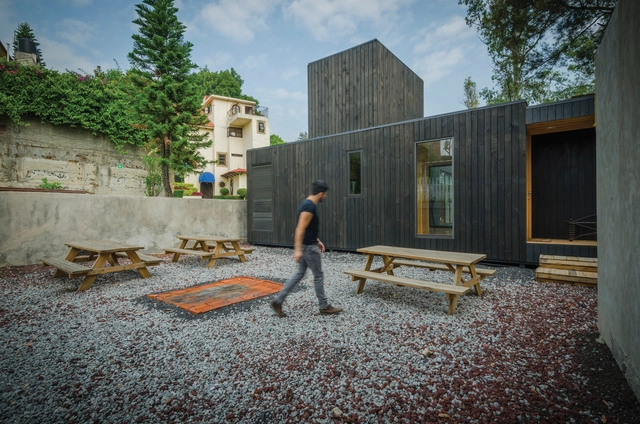
The Black Cabin / Revolution


-
Architects: Revolution
- Area: 106 m²
- Year: 2015
-
Manufacturers: Bosch, Escenium HAUS, Gravita, Helvex, Koencamex, +3
-
Professionals: Grupo Dovela
https://www.archdaily.com/799444/the-black-cabin-revolution-architectsCristobal Rojas
Call for Submissions: MEXTRÓPOLI 2017 Pavilion in Mexico
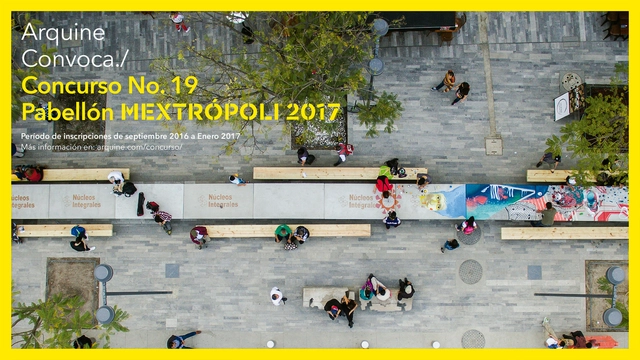
The MEXTRÓPOLI Pavilion will become a public space that is activated to promote reflection of key issues for the city, a pavilion with social vocation, which is recyclable and reusable, contemplating relocation and achieve incorporated as a recreational device, information carrier and knowledge to a space currently demands the city. Participants must design a structure that complies with the requirements that specify the rules of this competition in terms of time, cost and characteristics; considered as a fundamental part to evaluate the proposal on thematic approach should be discussions within the structure will be carried out, this way the MEXTRÓPOLI Pavilion will become a traveling purposeful device that every year open global space competition from generating ideas that revolve around the development process of architecture and the city, which in turn will become the benchmark per se of each edition of the Festival of Architecture and City.
https://www.archdaily.com/797209/call-for-submissions-mextr-poli-2017-pavilion-in-mexicoRene Submissions (Partners)
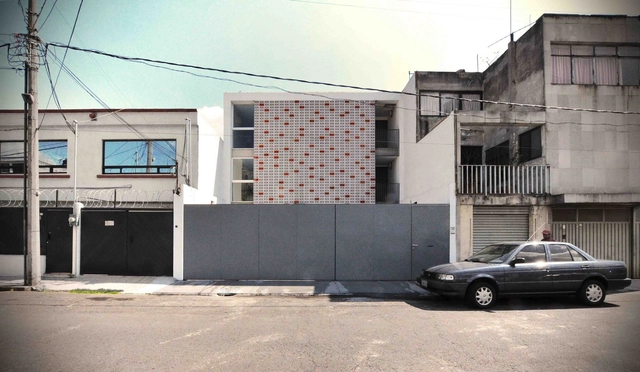
Copacabana 40 / dmp arquitectura


-
Architects: dmp arquitectura
- Area: 290 m²
- Year: 2013
-
Manufacturers: CASTEL, Cemex, Novaceramic, Tecnolite
-
Professionals: dmp arquitectura
https://www.archdaily.com/798257/copacabana-40-dmp-arquitecturaCristobal Rojas
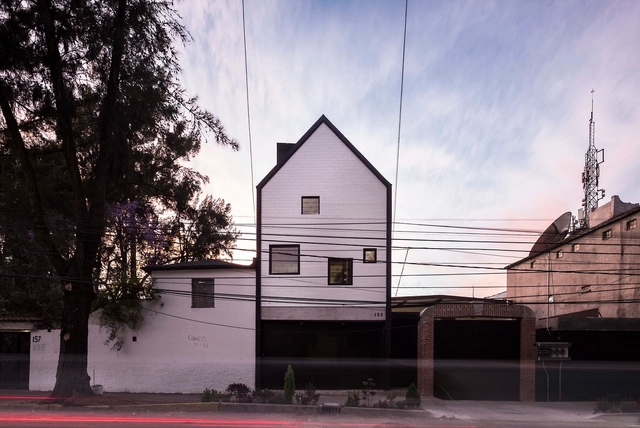
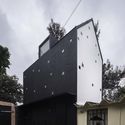
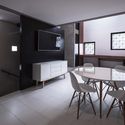
Casa Xomali / dmp arquitectura


https://www.archdaily.com/798233/casa-xomali-dmp-arquitecturaValentina Villa