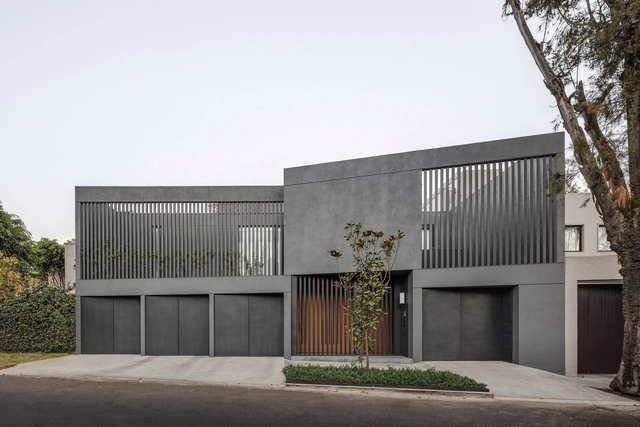
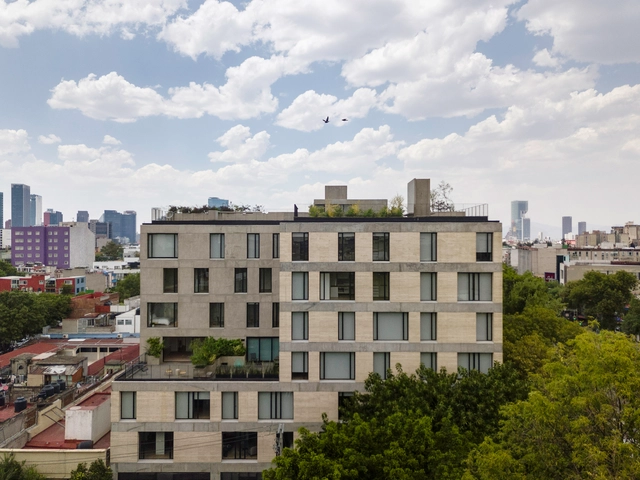
Rodrigo Escandón Cesarman and Ricardo Roxo Matias of APRDELESP. Image Courtesy of APRDELESP
The Architectural League of New York has announced the 6 winners of 2021 Prize for Young Architects + Designers Awards, the North American annual competition that celebrates the works of young architects and designers who have completed their bachelor’s or master’s degree within the last ten years. This year's theme was Housekeeping, which asked participants to explore how the domestic settings have changed over the past couple of years, changing the definition of "ideal residence".
According to the United Nations’ latest report on populations in cities, by 2030, “urban areas are projected to house 60 percent of people globally and one in every three people will live in cities with at least half a million inhabitants”. Growing in both size and number, cities are hubs of government, commerce, and transportation, and in 2021, the world’s 20 largest cities are home to half a billion people. In fact, one in five people worldwide lives in a city with more than 1 million inhabitants.
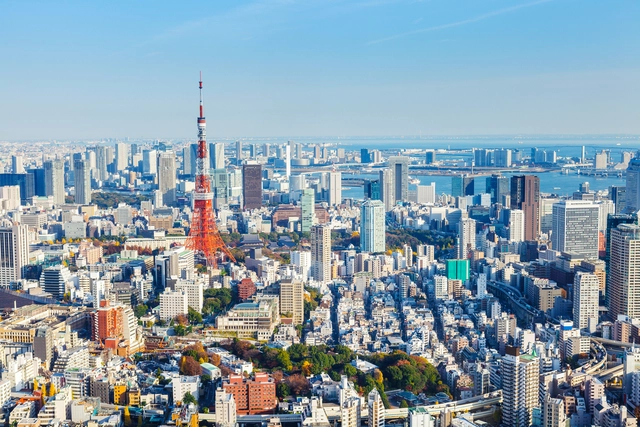
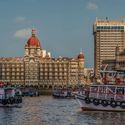
Below, we have rounded up the top 20 megacities in the world of 2021, according to the number of people that live in their metropolitan area. While Tokyo is the largest city on a global level, with a total of more than 37 million residents, the majority of the most populous cities in the world are in the two most populated countries, China and India. Among these, we have 5 metropolises in China, Shanghai, Beijing, Chongqing, Tianjin, and Guangzhou, and 3 in India, Delhi, Mumbai, and Kolkata. The largest city in the American continent is Sao Paulo in Brazil with 22 million people, followed by Mexico City and Buenos Aires in Argentina. Istanbul takes the 13th position with one part of the city lying in Europe and the other part in Asia.
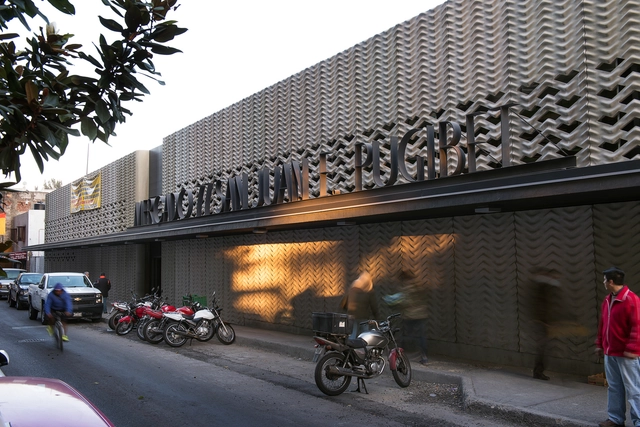
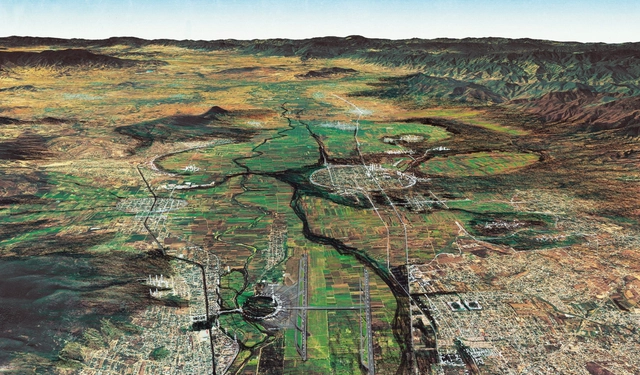
When looking at the population of the world's metropolises, in this case Mexico City, the reality is that the majority of the people living there have migrated from other regions of the country and, sometimes, from other countries as well. Of course, thanks to the Covid-19 pandemic, companies and schools have gone virtual, and, with their work and studies no longer tied to urban centers, people have left in masse for the coast and other less populated areas in search of space and lower living costs.































.jpg?1614023955 "© Camila Cossio")



.jpg?1611548432 "Santa Fe, Mexico City. Image © Johny Miller")
_22.43.53_(1).jpg?1611548822 "Mexico City During the COVID-19 Pandemic. Image © Santiago Arau")











.jpg?1549917474&format=webp&width=640&height=580)