1. ArchDaily
  2. Museums

Museums: The Latest Architecture and News

The Architecture of Pompidou Metz: An Excerpt from "The Architecture of Art Museums – A Decade of Design: 2000 – 2010"

Subscriber Access | 
The Architecture of Pompidou Metz: An Excerpt from "The Architecture of Art Museums – A Decade of Design: 2000 – 2010" - Image 5 of 4
© Didier Boy De La Tour

In honor of International Museum Day, we're taking a look back at the 21st century's most exciting museums. The following is an excerpt from the recently released book, The Architecture of Art Museums – A Decade of Design: 2000 – 2010 (Routledge) by Ronnie Self, a Houston-based architect. Each chapter of the book provides technical, comprehensive coverage of a particular influential art museum. In total, eighteen of the most important art museums of the early twenty-first century - including works from Tadao Ando, Herzog & de Meuron, SANAA, Steven Holl, and many other high-profile architects - are explored. The following is a condensed version of the chapter detailing Shigeru Ban and Jean de Gastines' 2010 classic, Centre Pompidou-Metz.

The Pompidou Center – Metz was a first experiment in French cultural decentralization. In the late 1990’s, with the prospect of closing Piano and Roger’s building in Paris for renovations, the question arose of how to maintain some of the 60,000 works in the collection of the National Museum of Modern Art available for public viewing. A concept of “hors les murs” or “beyond the walls” was developed to exhibit works in other French cities. The temporary closing of the Pompidou Center – Paris spurred reflections on ways to present the national collection to a wider audience in general. Eventually a second Pompidou Center in another French city was imagined.

The Architecture of Pompidou Metz: An Excerpt from "The Architecture of Art Museums – A Decade of Design: 2000 – 2010" - Image 1 of 4The Architecture of Pompidou Metz: An Excerpt from "The Architecture of Art Museums – A Decade of Design: 2000 – 2010" - Image 2 of 4The Architecture of Pompidou Metz: An Excerpt from "The Architecture of Art Museums – A Decade of Design: 2000 – 2010" - Featured ImageThe Architecture of Pompidou Metz: An Excerpt from "The Architecture of Art Museums – A Decade of Design: 2000 – 2010" - Image 3 of 4The Architecture of Pompidou Metz: An Excerpt from The Architecture of Art Museums – A Decade of Design: 2000 – 2010 - More Images+ 6

AD Classics: The Tate Modern / Herzog & de Meuron

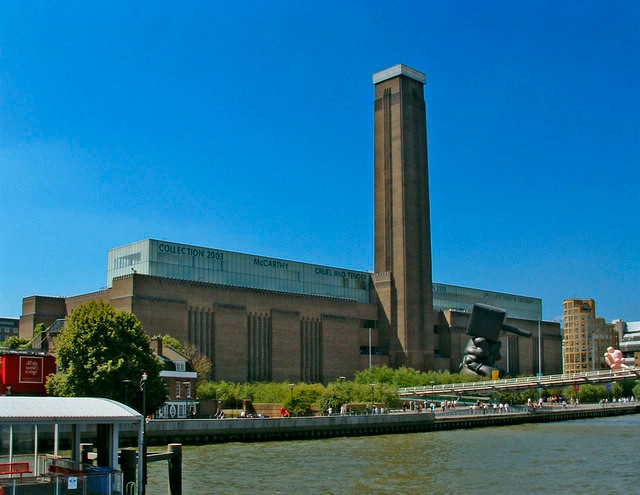
London’s Bankside Power Station stood disused from 1981 until 2000, when it opened to the public as The Tate Modern. Swiss architects Herzog & de Meuron approached the conversion with a relatively light hand, creating a contemporary public space without diminishing the building's historical presence. The impressive cultural icon has since become the most visited museum of modern art in the world, revitalizing its formerly sequestered, industrial neighborhood.

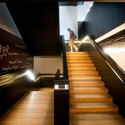
AD Classics: The Tate Modern / Herzog & de Meuron - Interior Photography, Adaptive Reuse, FacadeAD Classics: The Tate Modern / Herzog & de Meuron - Adaptive ReuseAD Classics: The Tate Modern / Herzog & de Meuron - Exterior Photography, Adaptive Reuse, FacadeAD Classics: The Tate Modern / Herzog & de Meuron - Interior Photography, Adaptive Reuse, Stairs, HandrailAD Classics: The Tate Modern / Herzog & de Meuron - More Images+ 13

Historic Toledo Museum of Art Goes Off Grid

Subscriber Access | 

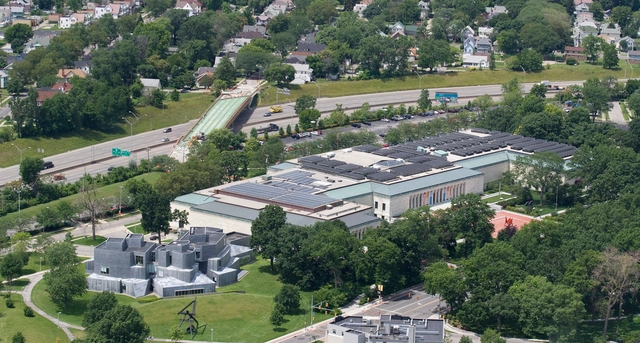
The 101-year old historic building that houses the Toledo Museum of Art in Ohio has gone off grid, reports Candace Pearson of Architectural Record. Through a series of upgrades that began in the early ‘90s, including covering 60% of the roof with solar panels, the Toledo Museum has gone from purchasing 700,000 kW of electricity a month to returning energy back to the grid - making it an exemplar of adaptability and sustainability in century-old public buildings. Find out how they did it at Architectural Record.

Museum Closure Exposes Financial Risk of Signature Architecture

Subscriber Access | 
Museum Closure Exposes Financial Risk of Signature Architecture - Featured Image
© Michael Moran

NEW YORK–Although the American Folk Art Museum has avoided dissolution thanks to a cash infusion from trustees and the Ford Foundation, the institution’s ongoing financial troubles raise difficult questions about the relationship between signature architecture and cultural capital.