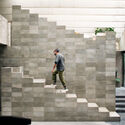
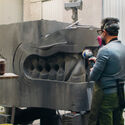
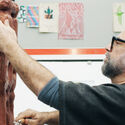
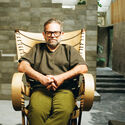
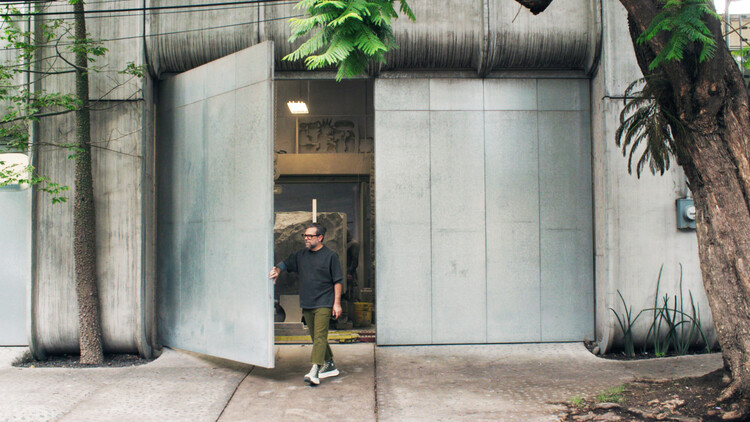
Mexican sculptor Pedro Reyes has developed a multidisciplinary practice that spans sculpture, architecture, social engagement, and activism. Trained as an architect, Reyes approaches sculpture as both a material and a collective process, combining traditional stone carving with participatory projects that address contemporary social issues. His work frequently explores transformation, whether through physical materials or community action, positioning sculpture as a tool for reimagining social realities. In a 2025 interview with Louisiana Channel, Reyes discusses the influence of architecture on his artistic practice, the concept of "social sculpture," and the importance of preserving craft traditions in an increasingly automated world.
Sculpture: The Latest Architecture and News
“Art Is Not Fiction, but a Surplus Reality:” Pedro Reyes on Sculpture as Social Practice in Louisiana Channel Interview
https://www.archdaily.com/1042723/art-is-not-fiction-but-a-surplus-reality-pedro-reyes-on-sculpture-as-social-practice-in-louisiana-channel-interviewReyyan Dogan
When Sculpture Becomes Discourse: Reflections on Mujassam Watan
| Sponsored Content

In the city, aesthetics are not measured by the height of towers or the width of roads, but by their ability to evoke meaning within space. From this perspective, the Mujassam Watan initiative emerges as more than a mere artistic endeavor. It involves a deliberate attempt to redefine the relationship between people and place, between material memory and imagined identity. In the city of Khobar, in the Kingdom of Saudi Arabia—where urban modernity intersects with rapid social transformation—this initiative raises the question: How can a sculpture become an open text, one that is both visually read and experientially felt?
https://www.archdaily.com/1040397/when-sculpture-becomes-discourse-reflections-on-mujassam-watanRene Submissions
Tuwaiq Sculpture 2026 Transforms Riyadh into a Platform for Public Art
| In Collaboration

For centuries, sculpture has been associated with the materialization of religious values, the celebration of heroic achievements, or the consolidation of political power. Today, it also operates as a critical instrument and an urban mediator. Many contemporary works interrogate the present, challenge scale, engage with movement and circulation, and reshape perceptions of public space. Sculpture is no longer conceived as an isolated object, but as part of broader processes of urban transformation.
Riyadh, the capital of Saudi Arabia, exemplifies a city undergoing intense expansion and restructuring. Particularly under the Vision 2030 agenda, it has invested in upgrading public spaces, diversifying its cultural landscape, and consolidating an urban identity that brings together tradition, infrastructure, and global projection. Within this context, cultural production plays a structuring role, contributing to the redefinition of everyday urban experience and expanding the city's symbolic references.
https://www.archdaily.com/1039013/tuwaiq-sculpture-2026-transforms-riyadh-into-a-platform-for-public-artEduardo Souza
Full Circle: Richard Fleischner with David Smith, Christo, Claes Oldenburg, Barnett Newman, & other Monumenta Artists

In 1974, Monumenta’s 54 works by 40 artists made headlines as one of the world’s first large-scale outdoor sculpture exhibitions. Fifty-one years later, FULL CIRCLE returns to this canonical exhibition through the lens of works by Richard Fleischner, one of Monumenta’s last surviving artists, and his contemporaries.
https://www.archdaily.com/1038326/full-circle-richard-fleischner-with-david-smith-christo-claes-oldenburg-barnett-newman-and-other-monumenta-artistsRene Submissions
High Museum of Art Announces Touring Exhibition on Isamu Noguchi’s Design Work

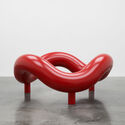
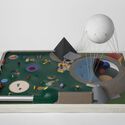
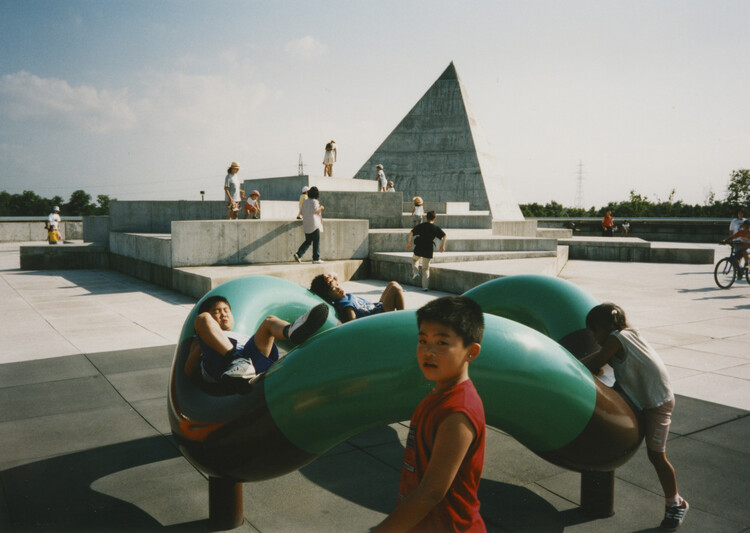
The High Museum of Art in Atlanta will present Isamu Noguchi: "I am not a designer" from April 10 to August 2, 2026. The exhibition examines the design work of Isamu Noguchi (1904–1988) across sculpture, furniture, lighting, landscape, and stage design, marking his first major design-focused retrospective in nearly 25 years. Following its presentation in Atlanta, the exhibition will travel to the Peabody Essex Museum in Salem, Massachusetts, from September 19, 2026, to January 3, 2027, and to the Memorial Art Gallery of the University of Rochester in spring 2027.
https://www.archdaily.com/1037483/high-museum-of-art-announces-touring-exhibition-on-isamu-noguchis-design-workReyyan Dogan
The Silent Pavilion: Carlo Scarpa and the Giardino delle Sculture at the Venice Biennale

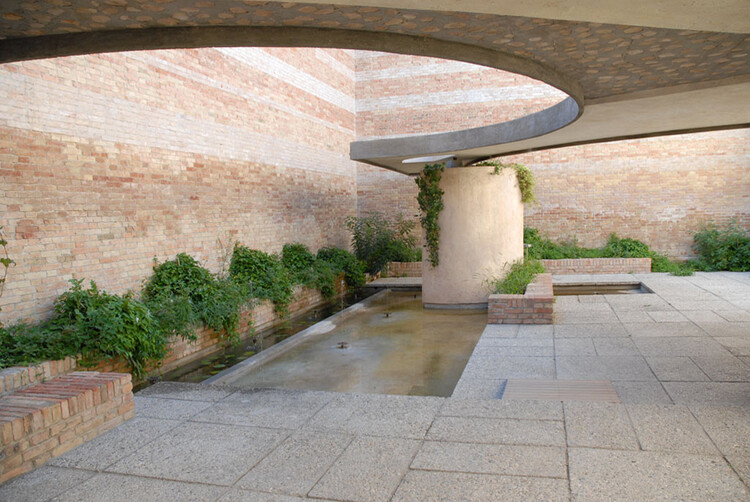
When we think of Venice, familiar images come to mind: Piazza San Marco, winding canals, and the reflection of Byzantine domes on still waters. Few, however, imagine that among those reflections lies a discreet chapter of Italian modernity — the architecture of Carlo Scarpa.
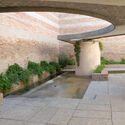
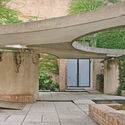
More than an architect, Scarpa was a craftsman of light and matter, a poet of detail who knew how to listen to the Venetian tradition and respond to it with gestures of surprising delicacy. The city where he was born and worked is now an open-air museum of his legacy, including projects such as the Fondazione Querini Stampalia, the Venezuelan Pavilion, the Olivetti Showroom, and, more quietly, the Giardino delle Sculture — a small courtyard hidden in the heart of the Giardini della Biennale.
https://www.archdaily.com/1035891/the-silent-pavilion-carlo-scarpa-and-the-giardino-delle-sculture-at-the-venice-biennaleCamilla Ghisleni
UNAM Sculpture Space: Integrating Art and Culture into Mexico's Natural Landscape
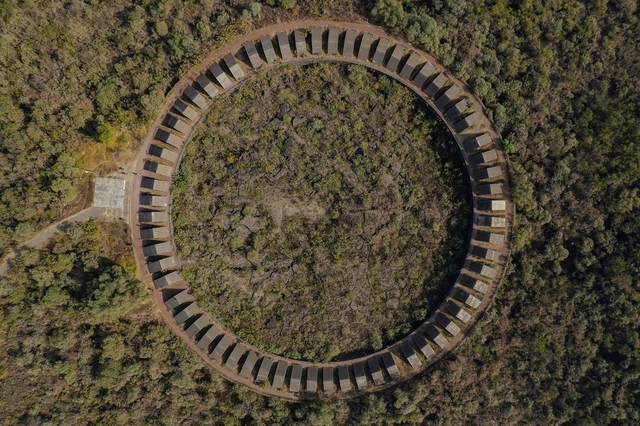
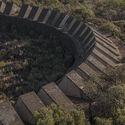
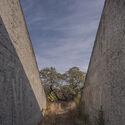
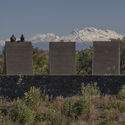
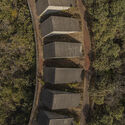
Integrating contemporary art with the landscape in a dialogue between human creation and the natural environment, the Sculpture Space of the National Autonomous University of Mexico (UNAM) represents one of the most important public artworks in Latin America. Both the Sculpture Space and the Pedregal de San Ángel Ecological Reserve at UNAM in Mexico City have recently been awarded the Carlo Scarpa International Prize for Gardens 2023-2024, granted by the Benetton Foundation for Studies and Research based in Treviso, Italy. They were recognized for their high natural, historical, and cultural value as works of preservation and collective art that emerged from a lava surface where new neighborhoods and UNAM’s University City were developed.

https://www.archdaily.com/1023060/unam-sculpture-space-integrating-art-and-culture-into-mexicos-natural-landscapeAgustina Iñiguez
Exploring the Intersection of Architecture and Art: "Not Vital" by Alma Zevi
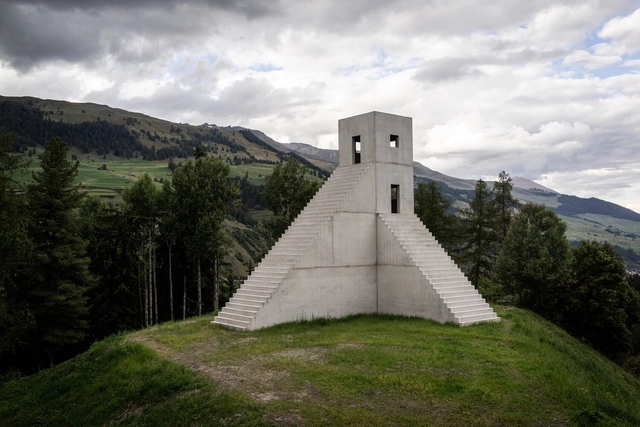
Alma Zevi has developed a book offering an intimate and definitive account following the career of Swiss sculptor, painter, and architect Not Vital. This comprehensive book delves into Vital's pomading life, seeking and building homes in various cities, from Paris, New York, Beijing, and Rio de Janeiro. The book explores the artist's seminal sculpture practice and architectural projects, featuring a catalog of over 450 sculptures and related works. Drawing on archival material and personal interviews with the artist, Zevi seeks to provide a portrait of his career to date.


https://www.archdaily.com/1016618/exploring-the-intersection-of-architecture-and-art-not-vital-by-alma-zeviNour Fakharany
Monumental Sculptor Richard Serra Passes Away at 85
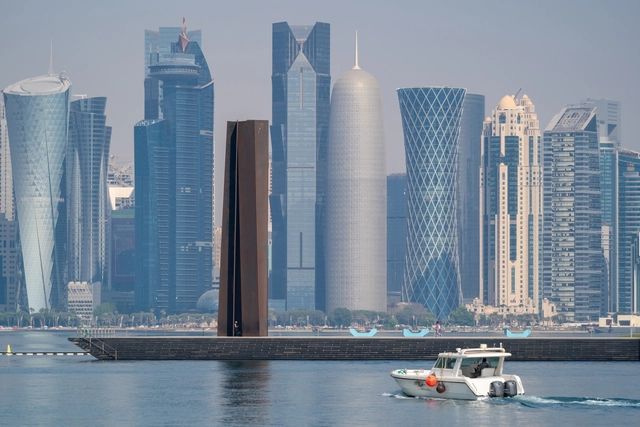
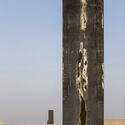
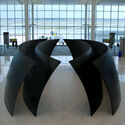
Renowned sculptor Richard Serra, known for his monumental steel structures that reshaped the landscape of contemporary art, passed away at the age of 85 at his residence in Orient, N.Y. His groundbreaking works, characterized by massive tilting corridors and spirals of steel, offered viewers a unique experience, inviting them to navigate through and around the imposing forms to fully comprehend their essence. Because of this invitation to explore space, materiality, and site, the artist has been long-recognized in the architectural community, earning him the Architectural League of New York President’s Medal in 2014, becoming the first artist to receive the honor.

https://www.archdaily.com/1015015/monumental-sculptor-richard-serra-passes-away-at-85Maria-Cristina Florian
2023 Music Festival Installations: At the Intersection of Art, Technology and Architecture
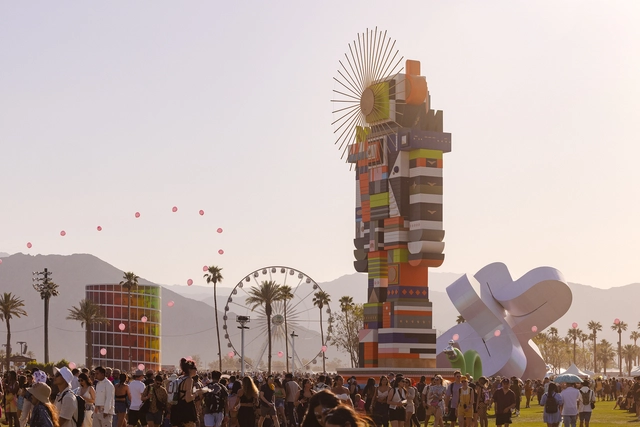
Music Festivals can provide artists, designers, and architects a platform to present their work to large crowds. The sheer scale of these installations, the space for artistic exploration, and the vast audience they reach can give designers the opportunity of a lifetime to showcase their ideas. Through scale, color, imagery, and lighting, these installations create lasting impressions on the people who attend these events and those who see them through news coverage or social media. Some themes explored this year included reframing familiar things in unfamiliar ways, large-scale abstract geometries at the intersection of technology and art, and the use of innovative new materials.


https://www.archdaily.com/1011026/2023-music-festival-installations-at-the-intersection-of-art-technology-and-architectureCarla Bonilla Huaroc
La Sagrada Familia, Barcelona’s Unfinished Masterpiece, Is One Step Closer to Completion
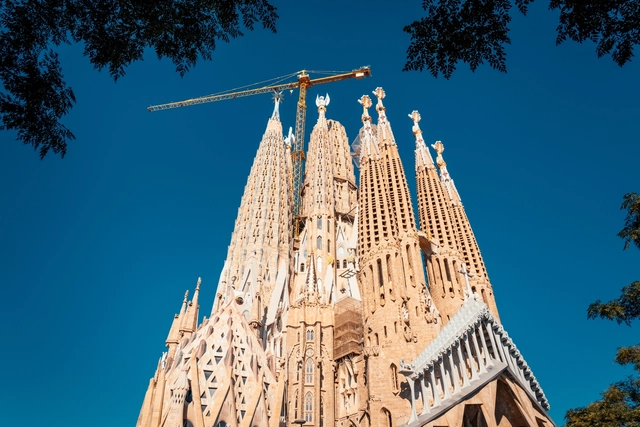
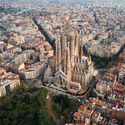
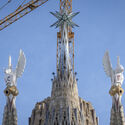
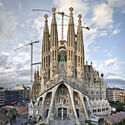
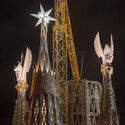
Sagrada Familia, Antonio Gaudi’s famous yet incomplete landmark, is moving forward toward completion. As of last week, five out of the six central towers have been fully constructed. Since this January, when the towers of Evangelists Luke and Mark were finished, two additional towers, dedicated to Evangelists Matthew and John, have been crowned with statues by sculptor Xavier Medina-Campen, marking their completion. The Junta Constructora del Temple Expiatori de la Sagrada Família, the foundation overseeing the construction, announced a special Mass on November 12 to mark the inauguration, initiating the illumination of the four towers all throughout the Christmas season.

https://www.archdaily.com/1007752/la-sagrada-familia-barcelonas-unfinished-masterpiece-is-one-step-closer-to-completionMaria-Cristina Florian
Carlo Scarpa: The Master of Sculpture and Light
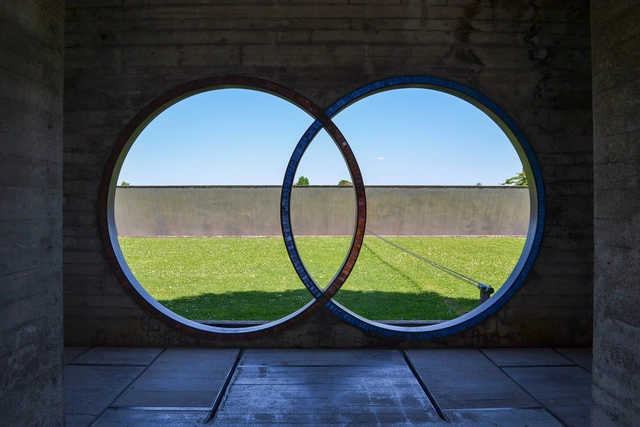
Natural light is one of the most critical elements in architecture. Although unbuilt and difficult to control, it plays a crucial part in defining how space is perceived in terms of scale, textures, materiality, and overall atmosphere. Natural light also impacts the emotions people feel in a space, whether lack of light makes us feel fear and anxiety or ample light makes us feel safe and ethereal. As much as light impacts architecture, architecture also impacts light. Through framing vistas, creating 3D massings that cast sculptural shadows, and carving voids from solids that create unique light projections, many architects have mastered design techniques that utilize light in a way that seamlessly integrates it within a building- and perhaps one of the best to do this was the Venetian architect, Carlo Scarpa.
https://www.archdaily.com/998608/carlo-scarpa-the-master-of-sculpture-and-lightKaley Overstreet
Anish Kapoor Unveils His First Permanent Public Artwork in New York City
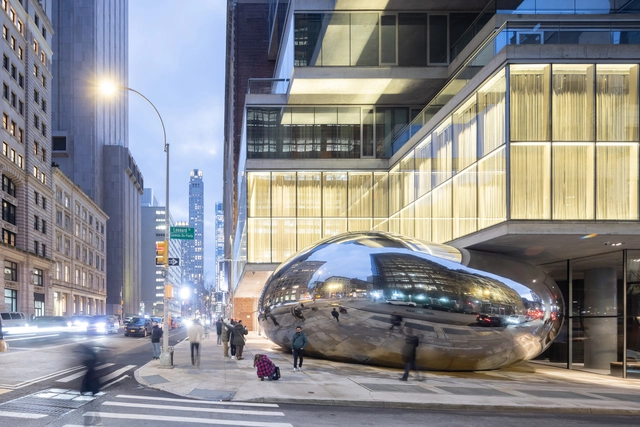
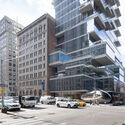
On January 31st, construction scaffolding and barriers were disassembled from the site at 56 Leonard Street, revealing Anish Kapoor’s first permanent artwork in New York City. The 48-foot-long, 19-foot-tall, 40-ton sculpture is nestled partially beneath the Herzog & de Meuron-designed residential building in the Tribeca neighborhood in Lower Manhattan. The mirrored sculpture is reminiscent of Kapoor;’s work called Cloud Gate, also known as “The Bean,” in Chicago, US.


https://www.archdaily.com/997074/anish-kapoor-unveils-his-first-permanent-public-artwork-in-new-york-cityMaria-Cristina Florian
The Second Studio Podcast: Interview with Dorte Mandrup
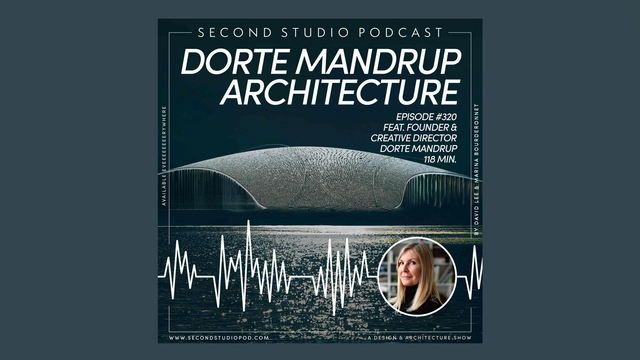
The Second Studio (formerly The Midnight Charette) is an explicit podcast about design, architecture, and the everyday. Hosted by Architects David Lee and Marina Bourderonnet, it features different creative professionals in unscripted conversations that allow for thoughtful takes and personal discussions.
A variety of subjects are covered with honesty and humor: some episodes are interviews, while others are tips for fellow designers, reviews of buildings and other projects, or casual explorations of everyday life and design. The Second Studio is also available on iTunes, Spotify, and YouTube.


https://www.archdaily.com/995574/the-second-studio-podcast-interview-with-dorte-mandrupThe Second Studio Podcast
Sculpting the Earth: Engaging With the “Land” in Land Art
Artists are frequently inspired by land — be it painter Robert S. Duncanson’s renditions of American landscapes, or William Kentridge’s subversions of colonial-era British paintings depicting African vistas. Some artists, though, have preferred to work directly with the land, creating structures that sit on landscapes, or carving into the land itself. This art style — formally termed as Land Art — gained prominence in 1960s and 70s United States, in the context of the rise of the environmental movement amidst civil rights and antiwar protests, and as artists looked to separate themselves from the art market.


https://www.archdaily.com/994996/sculpting-the-earth-engaging-with-the-land-in-land-artMatthew Maganga
SOM and Selldorf Architects Appointed to Revitalize Smithsonian’s Hirshhorn Museum
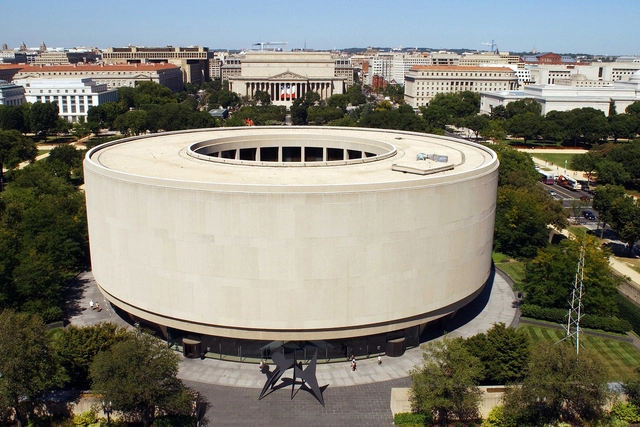
The Smithsonian’s Hirshhorn Museum and Sculpture Garden has selected Skidmore, Owings & Merrill and Selldorf Architects to jointly develop the modernization plan for the Hirshhorn Museum’s interior and plaza. As the first renovation in the last fifty years, the museum plans to upgrade its galleries and public spaces in order to fit the contemporary requirements of a public museum of modern art. It also represents a response to the increased attendance during the past five years. The federal contract was awarded following a competitive process by Smithsonian Facilities in consultation with the Hirshhorn. The concept design, to be submitted in 2023, will be subject to a public consultation process.

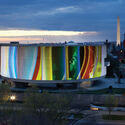
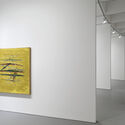
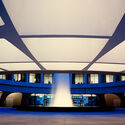

https://www.archdaily.com/991784/som-and-selldorf-architects-are-appointed-to-revitalize-smithsonians-hirshhorn-museumMaria-Cristina Florian
London Design Festival 2022: Reflecting on the City’s Creative History
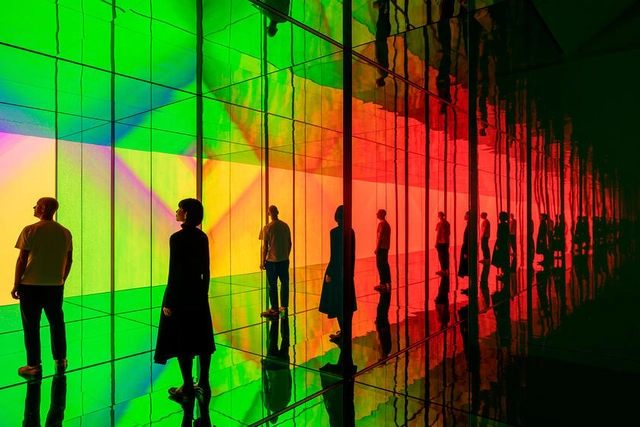
The first full-size London Design Festival (LDF) for three years, and the event’s 20th anniversary year, this was meant to be a celebration. But life, as the saying goes, had other plans. Rocked by the news of HRH Queen Elizabeth II’s passing, the country, and indeed the world started the London Design Festival in a period of mourning. Having reigned over the densest period of design innovation in human history, however, her majesty was no stranger to change.
With long-running themes like sustainability, materials, economic crises, and digital futures never higher in the public’s consciousness, LDF ’22 wasn’t just a professional meet and greet, but a chance to share some much-needed positivity with design enthusiasts, as well as locals, just passing by. Here are the most interesting and talked-about installations and talks from nine days of reflection on the past and hope for the future.

https://www.archdaily.com/989972/london-design-festival-2022-reflecting-on-the-citys-creative-historyJames Wormald
More Than 50 Years in the Making, Michael Heizer’s Megasculpture, the “City”, Opens to the Public
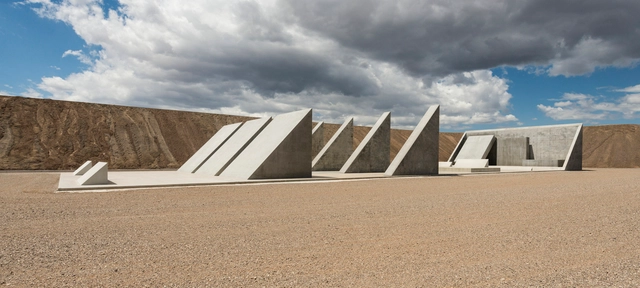
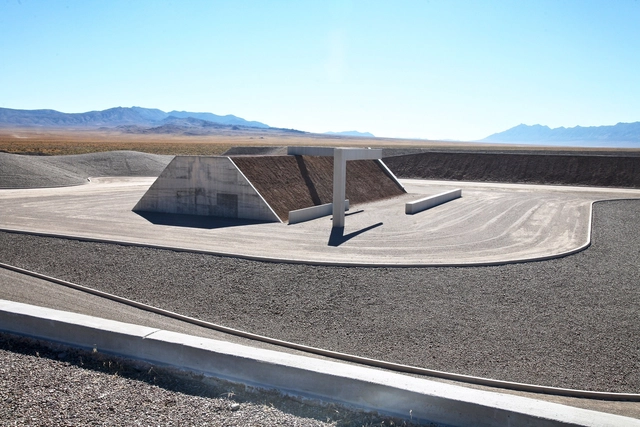
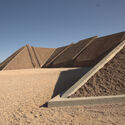
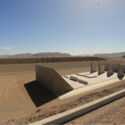
Michael Heizer’s immense sculpture the City, an ambitious artwork of an extraordinary size, will begin to accept visits from the public beginning September 2, 2022. The announcement was made by the Triple Aught Foundation, the not-for-profit organization responsible for managing the long-term oversight and maintenance of Michael Heizer’s immense sculpture. The artwork, a mile and a half long and nearly half a mile wide, is located in a remote stretch of the high Nevada desert. Work on the structure began in 1972 when the artist was 27 years old.

https://www.archdaily.com/987698/more-than-50-years-in-the-making-michael-heizers-megasculpture-the-city-opens-to-the-publicMaria-Cristina Florian