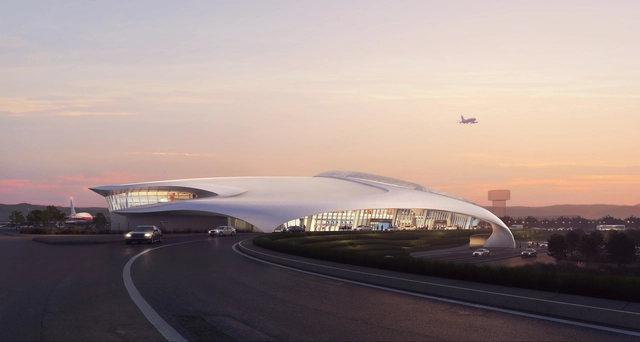
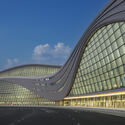
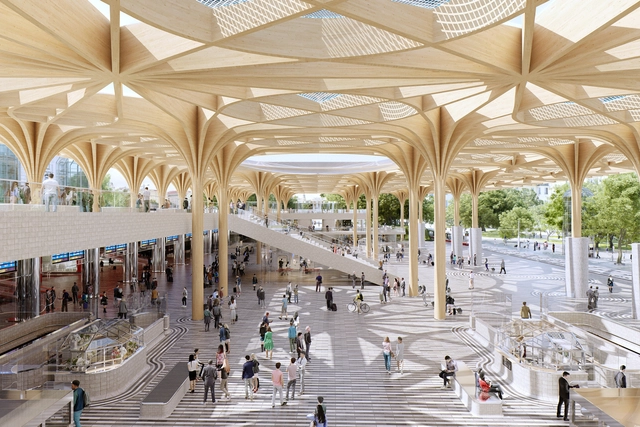
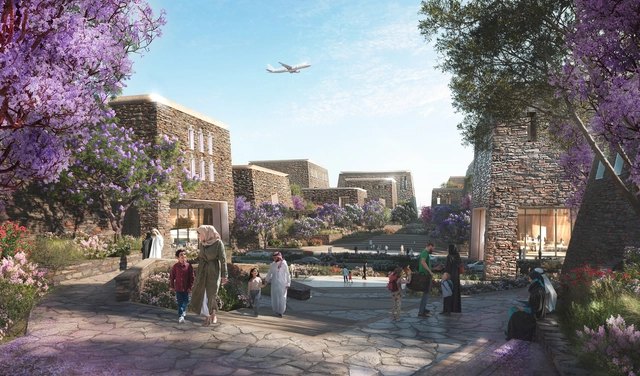
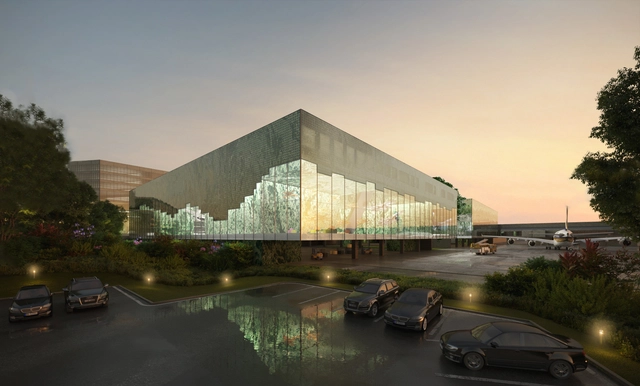
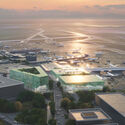
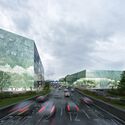
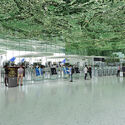
MAD Architects has just unveiled the design for LishuiAirport in China. Dubbed the "forest city,” Lishui is known for its green landscapes and valleys in the Southwest Zhejiang Province. Situated amidst hilly terrain, approximately 15 kilometers southwest of the city, the airport is envisioned as a domestic, regional transportation hub seeking to harmonize with the natural surroundings.
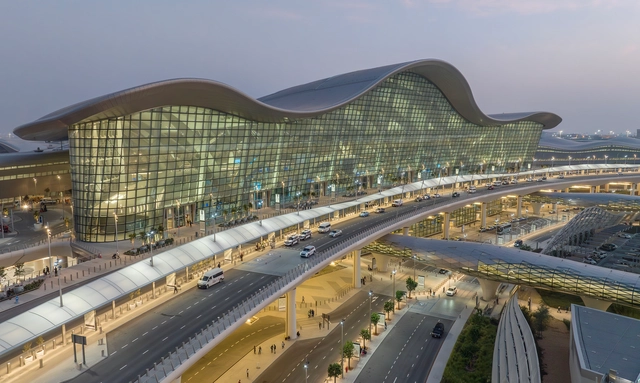
The Abu Dhabi International Airport has been officially renamed Zayed International Airport, Terminal A. Designed and executed by KPF, the revamped complex will accommodate up to 45 million passengers annually, doubling the airport’s capacity. Informed by the desert's natural landscape and Islamic culture's geometric motifs, the terminal was designed considering the Emirate’s surrounding context.
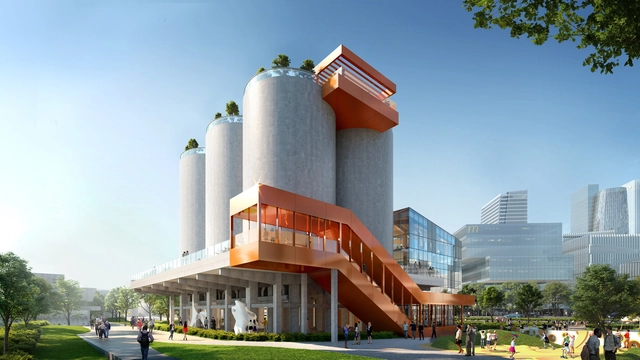
Courtesy of MVRDV | Ucharm | MVRDV Gate M West Bund Dream Cente
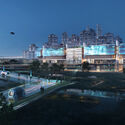
MVRDV has just introduced its comprehensive plan and architectural vision for the construction of the Gate M West Bund Dream Center in Shanghai. Formerly home to a cement plant factory, the design uses the existing structures for cultural programs and combines them with new structures to house new functions. The Dream Center aims to revitalize the riverbank area into a thriving cultural and recreational district.
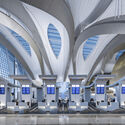
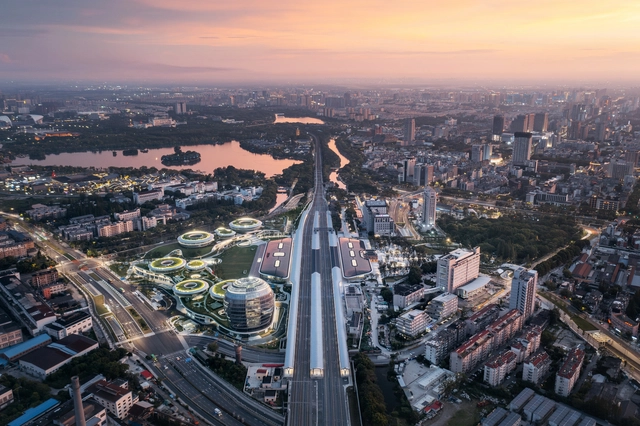
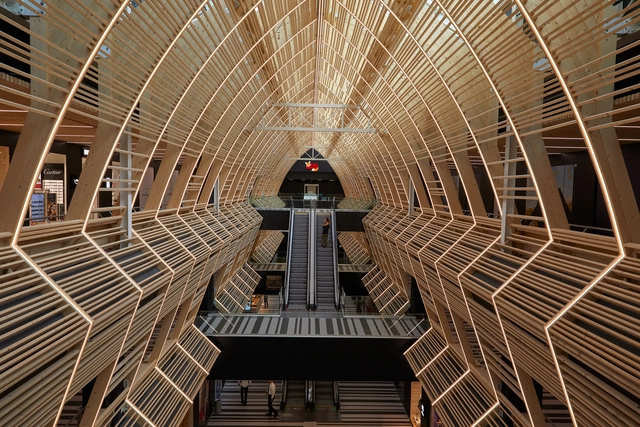
MAD Architects has announced the completion of the Jiaxing Train Station, the first transportation infrastructure project developed by the architecture office. Located in the historic city of Jiaxing, 100 kilometers southwest of Shanghai, the project involves the replacement of a dysfunctional station that had stood at the site between 1995 and 2019. As China has developed significantly in terms of urbanization, its train stations have grown into complicated, widespread, and uninviting infrastructures. Through their project, MAD Architects strive to return to a human scale, to create a facility that responds to the newest developments in transportation technology, while creating spaces that are comfortable and easy to navigate for its users.
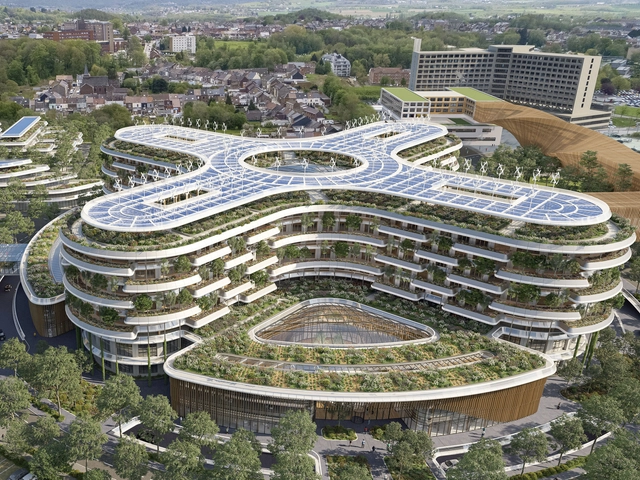
This curated selection of the Best Unbuilt Architecture highlights projects submitted by the ArchDaily community that demonstrate the use of organic shapes in various forms of architecture and program use. Many times, organic architecture stands as a testament to what we are able to make in 2024, innovating in structural and material technology. From Vincent Callebaut’s HospiWood to Zomorrodi & Associates’ Cadence Art Center, these instances showcase this shift in desigin thinking. Whether its a residential villa in the United States or a resort centered around a curved pool in the Netherlands, organic architecture has been trending globally.
With a total of 95 new projects recognized by Prix Versailles, the 24 global winners of this 2023 edition have recently been announced. They stand as evidence of the aesthetic vitality of each of their respective regions, paying homage to the work of numerous pioneering and/or internationally renowned firms.
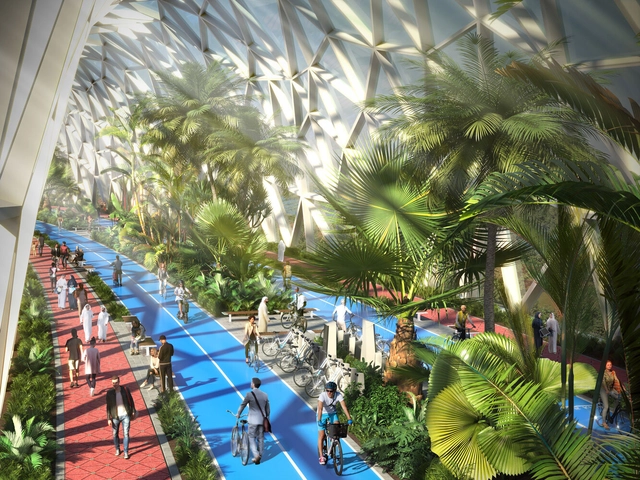
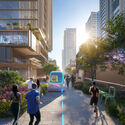
URB has released a study for “Dubai Cycle City 2040,” envisioning diverse cycling infrastructure in the Emirate. The initiative aims to revolutionize transportation in Dubai, allowing residents quick access to critical services and locations by cycling or walking. In a city where cars have reigned supreme as a transportation mode, plans are underway to transform urban mobility.
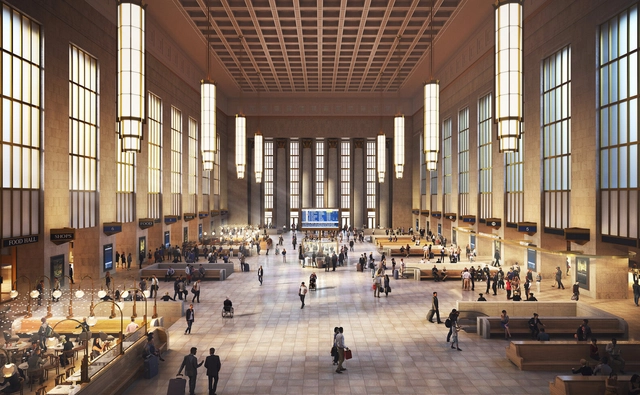
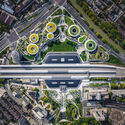
Henning Larsen has just won a competition to redesign Prague Central Station, Nový Hlavák. The project aims to reconnect the historic central station and terminal hall with Vrchlického Sady Park, serving as a welcoming gateway to Prague. Shaping the city’s landscape, the initiative hopes to contribute to a more sustainable and livable Prague.
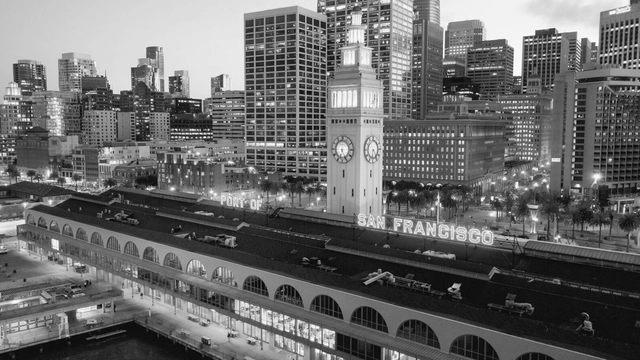
Can telling the story of one building tell a larger story about the city it’s a part of? That’s the central premise of John King’s engaging new book, Portal: San Francisco’s Ferry Building and the Reinvention of American Cities (W.W. Norton). The long-time urban design critic for the San Francisco Chronicle has written a brisk, lively history of this beloved edifice, which opened in 1898 and served as the principal gateway to the city until the emergence of the automobile (and the bridges that served them).
For decades it sat largely empty and neglected, cordoned off by the Embarcadero Freeway. After the Loma Prieta earthquake in 1989, the damaged highway was eventually removed, freeing up the Ferry Building, which was given new life as a transportation hub, food hall, and office building. Last week I talked to King about the genesis for the book, the terminal’s seminal importance to the city of San Francisco, and the threat it faces from rising sea levels.
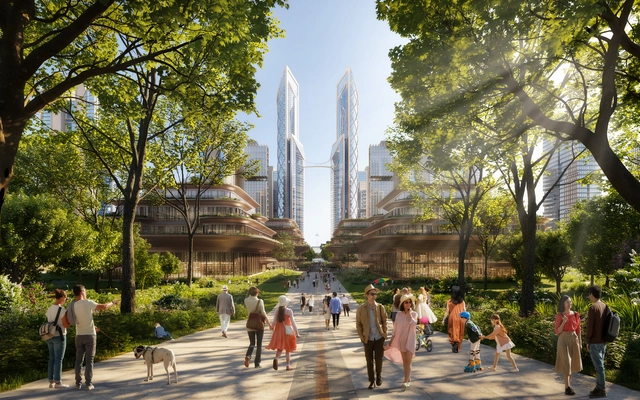
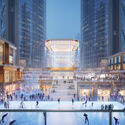
Foster + Partners has been selected as the winner of an international competition to design a new center for Hangzhou, the capital of China's Zhejiang province. The master plan envisions a green and interconnected mixed-use quarter situated in the heart of the Yuhang District. In its essence, the project aims to foster a strong connection between nature and people’s daily lives, creating a sustainable urban quarter.
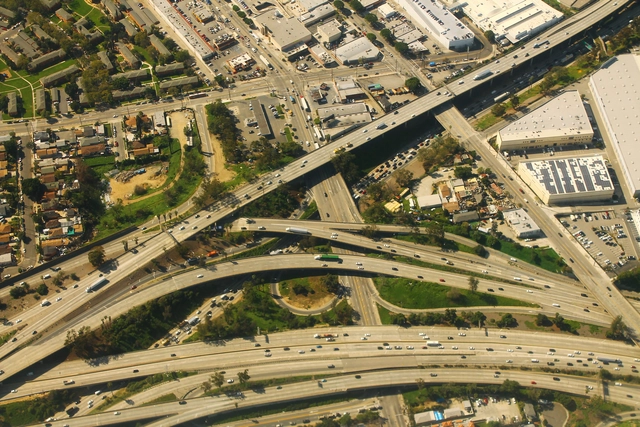
East Los Angeles Interchange. Image Courtesy of The Dirt
Highways, in their inanimate state, cannot be racist. However, the forces that located them and the consequences of their placement are inextricably connected to race. Deborah Archer, a law professor and civil rights lawyer, captures the central concept: “Highways were built through and around Black communities to entrench racial inequality and protect white spaces and privilege.”
In the new book, Justice and the Interstates: The Racist Truth About Urban Highways, editors Ryan Reft, Amanda Phillips du Lucas, and Rebecca Retzlaff explore racial injustice and the interstate highway system. They collect essays that address the dislocation caused by interstates. The book came out of a series of articles in Metropole, a publication of the Urban History Association.
https://www.archdaily.com/1009056/confronting-the-racist-legacy-of-urban-highwaysDiane Jones Allen
MVRDV has been selected as the winner of a competition to design three new buildings at Václav Havel AirportPrague. In collaboration with NACO (Netherlands Airport Consultants), the project will be the largest airport in Prague and the Czech Republic. The expansion of Terminal 1 will house a central security facility, business and VIP lounges, and a vertiport. Referred to as “Czech Lanterns,” the exteriors are illuminated with programmable satellite images of the Czech Republic.
Rabab Raes Kazem, Envisioning the future of Kuwait, 2023. Collage, Print on Mylar, 42cmx29.7cm. Image Courtesy of NCCAL
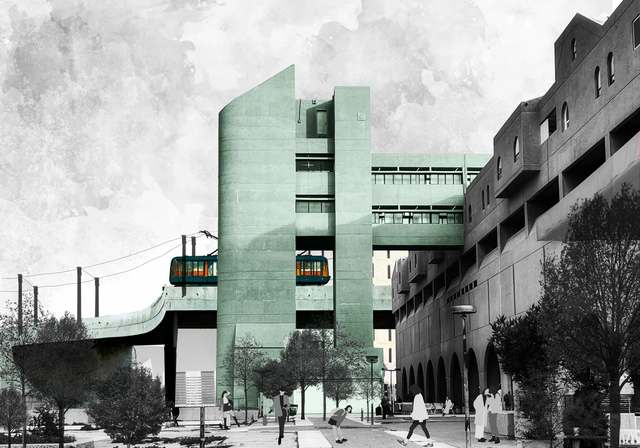
The Kuwait Pavilion, titled 'Rethinking Rethinking Kuwait,' at the 18th International Architecture Exhibition — La Biennale di Venezia, delves into innovative architectural and urban design methods arising from space and time. The project is an ongoing exploration addressing the consequences of modernist urban planning, which erased much of Kuwait's historic built environment.
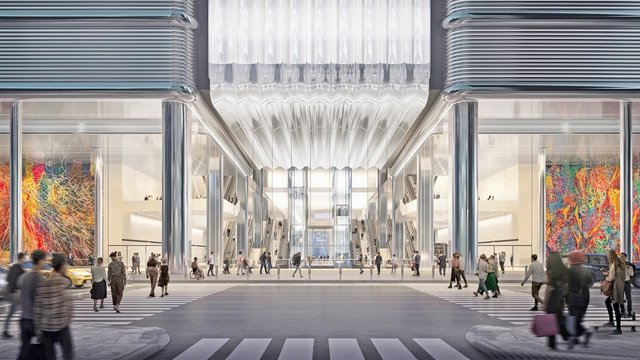
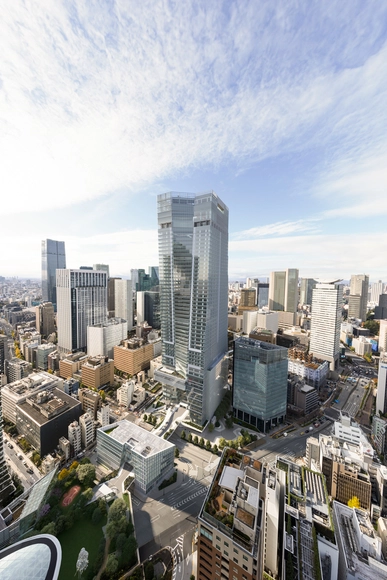
Toranomon Hills Station Tower. Image Courtesy of OMA and The Boundary
OMA’S inaugural tower in Tokyo and Japan, designed by Shohei Shigematsu and OMA New York, the Toranomon Hills Station Tower, will open this fall, 2023. The inauguration of the Toranomon Hills Station Tower will mark a significant milestone in Mori Building's Toranomon Hills development, an emerging global business center, and urban hub. A multi-layered transportation node integrated into the tower will establish a new gateway linking Central Tokyo with the rest of the world.
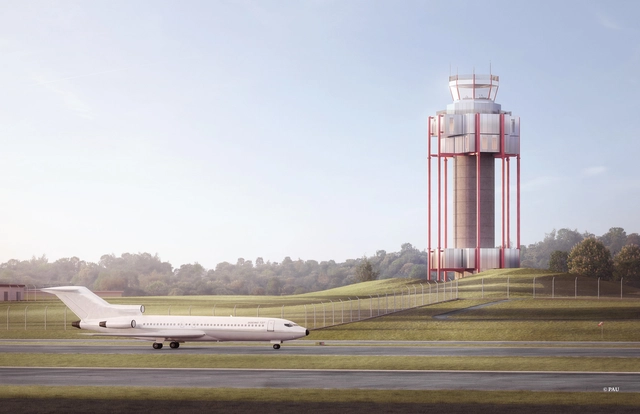
Courtesy of Practise for Architecture and Urbanism
The Federal Aviation Administration has chosen the New York-based Practice for Architecture and Urbanism (PAU) studio to design the country's newest air traffic control towers. I.M. Pei's iconic mid-century towers will be replaced by PAU's adaptable and highly sustainable prototype, which offers a unique architectural solution that combines form and function for the twenty-first century. The new towers are vital to U.S. Transportation Secretary Pete Buttigieg's goal to reach net-zero greenhouse gas emissions from the U.S. aviation sector by 2050. They have been updated to reflect aviation technology, safety development, and changing environmental and climatic conditions.