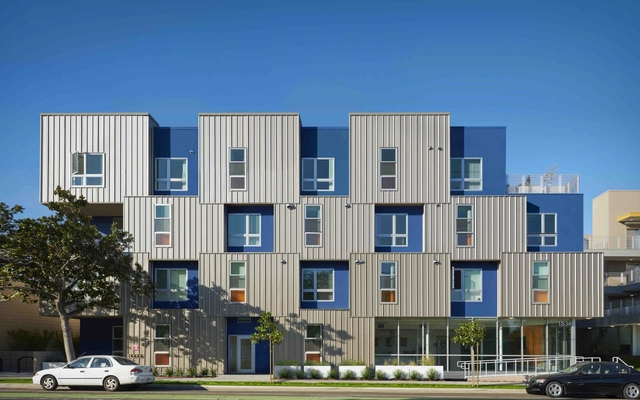
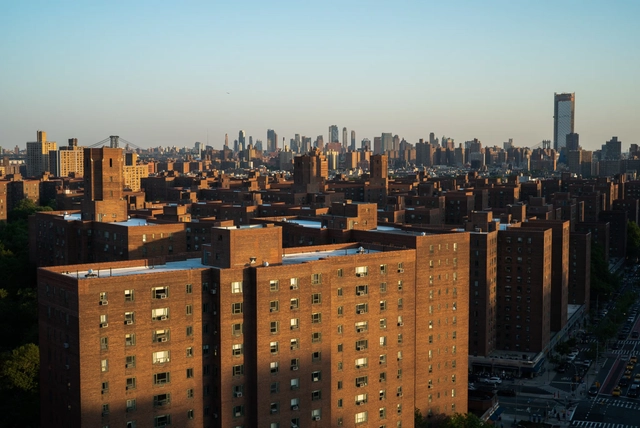
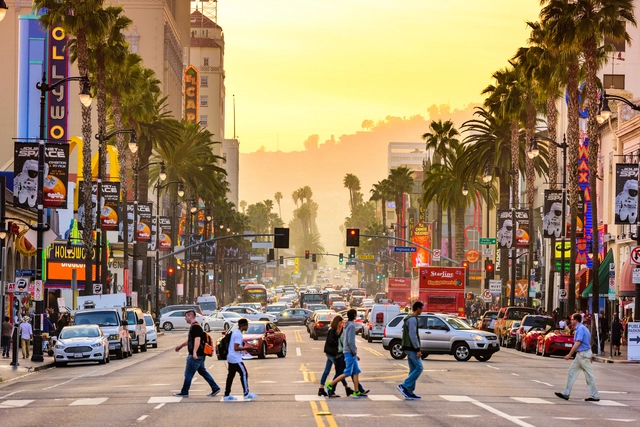
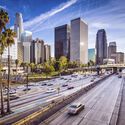
When Brenda Mendoza told an NPR reporter about her commute to work, she became the face of the housing crisis in Los Angeles today. Mendoza, a uniform attendant at a Marriott hotel, was living with her family in an apartment in Koreatown, where she had grown up, 10 minutes from her job. The landlord raised the rent, so she moved to a less costly place in Downey. When that rent also rose out of reach, she moved to Apple Valley, and now gets up at 3:30 a.m. to drive 100 miles to her job, dropping off her husband and son at their jobs on the way. She did not move to Apple Valley to invest in a house she could love. She simply found an equally unstable, but slightly more affordable, rental hours from her workplace.
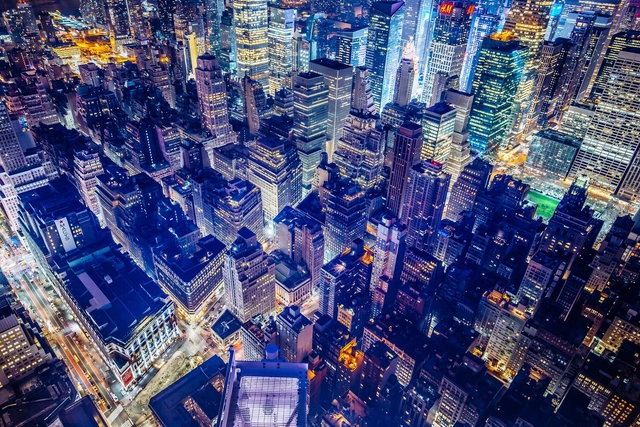
The convergence of artificial intelligence (AI) and urban planning holds significant promise for creating more intelligent, efficient, and sustainable cities. This fusion entails the integration of cutting-edge technologies that can guide decision-making, enhance resource allocation, predict trends, engage citizens, and more. In this framework, where AI is seen as a tool for advancing various urban aspects, there has been a surge in the development of applications, software, and other technological systems tailored to support urban planning. Below, we have highlighted some global studies and technologies applied from urban morphology to community involvement.
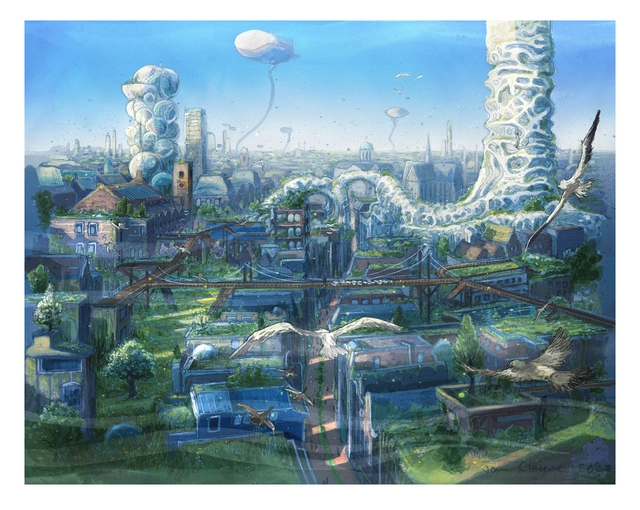
Studio Monnik, 'Alles Komt Goed', 2023. ‘Poreuze Stad’, Illustratie van Jan Cleijne. Een toekomstscenario voor Amsterdam in 2089. Image Courtesy of Het Nieuwe Instituut
Still, the country faces expected and unexpected challenges, from an acute housing shortage to raising concerns regarding climate change and shifting ideas of ecology. In the words of curator Suzanne Mulder, the country is “once again on the drawing board,” as architects, urban planners, and designers are reopening conversations about the future by looking at past lessons. To come to their help, Rotterdam’s Nieuwe Instituut is organizing the exhibition ‘Designing the Netherlands: 100 Years of Past & Present Futures.’
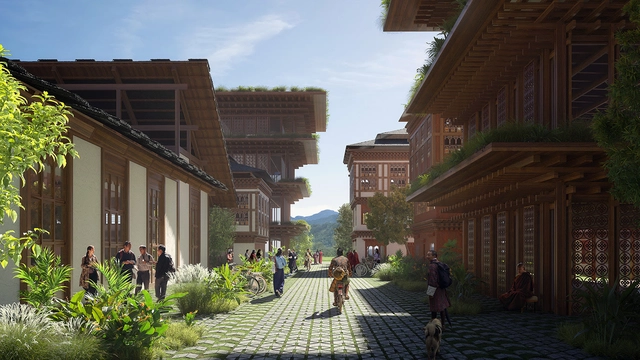
BIG unveils "Mindfulness City", which unites historical heritage and the future of Bhutan. Courtesy of Bjarke Ingels Group
Recently, the renowned Danish office BIG announced the launch of its project for the city of Gelephu in Bhutan. This masterplan is inspired by the country's culture and its principles of happiness. The "Mindfulness City" aims to offer numerous possibilities for public engagement, fostering investments in infrastructure, education, and sustainable technologies—all aligned with the precepts of Gross National Happiness (GNH).
The relocation of a capital city is a complex urban decision with various dimensions and consequences for both the old and new capital. It can be driven by political, economic, societal, and other factors, and has urban and architectural implications for residents. These include factors such as location, planning, building design, the purpose of the old capital, climatic conditions, and separating the political/administrative hubs from cultural and economic cities.
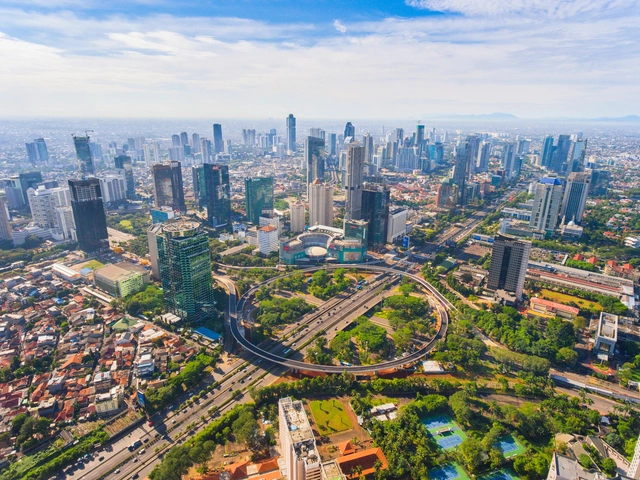
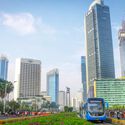
In light of the ongoing urban discourse, countries like Egypt are constructing a new capital city to alleviate population and urban stress on Cairo. Similarly, Indonesia is planning a new capital in response to challenges faced by Jakarta, such as pollution, traffic congestion, and rising sea levels. It is valuable to examine other countries in the global south that have relocated their capital cities, noting the architectural and urban lessons learned from their experiences.
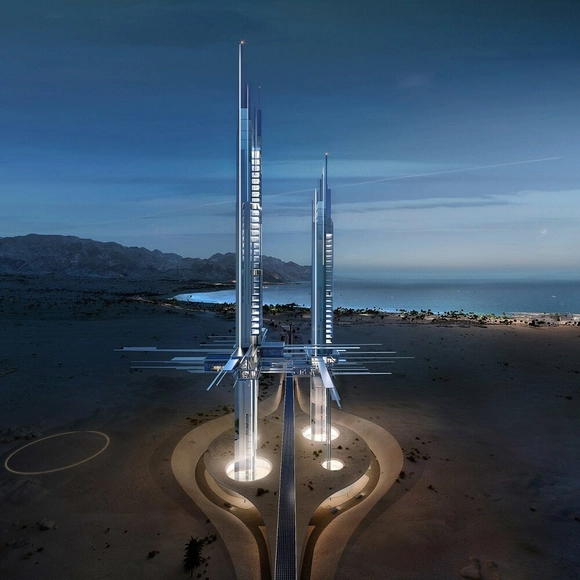
NEOM - or "new life" in a blend of Greek and Arabic- is a new urban development planned by the Kingdom of Saudi Arabia. Imagined as a cross-border city located in the northwest of the country, it aims to diversify the economy and reduce its dependence on oil. With promises of sustainability and innovation, the mega development has grabbed global attention with its 10 distinct regions.
It is conceptualized as a cutting-edge metropolis, aspiring to emerge as a worldwide epicenter for groundbreaking advancements and an exemplar of eco-friendly lifestyles. Since its announcement in 2017, NEOM has revealed the plans for 10 central regions, featuring a 170km long skyscraper, a futuristic ski resort, an upside coastal hotel, a tourism destination in a mountainous valley, and many more.
When internationally acclaimed music icons like Beyoncé, Taylor Swift, and Paul McCartney announce their global tours, the anticipation sparked by revealing the countries and respective host cities is met with thorough preparations. These preparations aim to adapt to the array of changes that will unfold in the urban spaces of these cities due to the impact of these events. These mega-concerts extend beyond the musical realm; they transcend the stage to mobilize significant financial figures and result in various transformations in the everyday urban life of these cities. Even though these events do not last long, they instigate alterations in diverse spheres and urban sectors, including tourism, hospitality, food, and transportation.
Cities are vibrant systems that hold meaning and move with the rhythm of the human life that powers it. In the fabric of urban landscapes, architects and urban designers collaborate to create spatial harmonies that extend beyond aesthetics and towards social justice and poetic expression. Citizens engage, becoming active participants in the ongoing narrative of the city - the metropolitan melody.
In 2023, ArchDaily wrote about the poetics of urbanism, exploring a future where cities meet its people’s social and emotional needs:
In the ever-evolving landscape of urban development, cities are faced with an array of challenges that demand quick and innovative solutions, ranging from the critical issue of affordable housing to the pressing need for efficient and decongested infrastructure and sustainable energy practices. As the demands of the built environment expand, local authorities worldwide are redefining policies and regulations to shape their cities. These innovative regulations can drive sustainable and consistent progress as cities stand at the intersection between their present challenges and future aspirations.
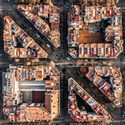
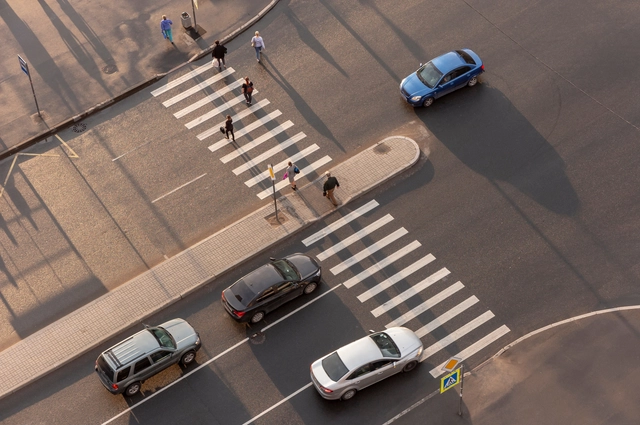
Los Angeles officials have voted on a motion to implement the first Park Block, a pilot project that creates a car-free grid of city streets to open up public space for pedestrians and cyclists, as reported by NBC Los Angeles. The plan takes inspiration from Barcelona’s Superblock program, which creates groups of nine blocks in the district of Eixample and restricts the traffic to the outside streets, freeing up the rest of the streets for pedestrian and local transit only. Implemented in 2016, the plan has led to reduced levels of air pollution, urban noise, and traffic fatalities. A similar program is now planned for Los Angeles, United States.
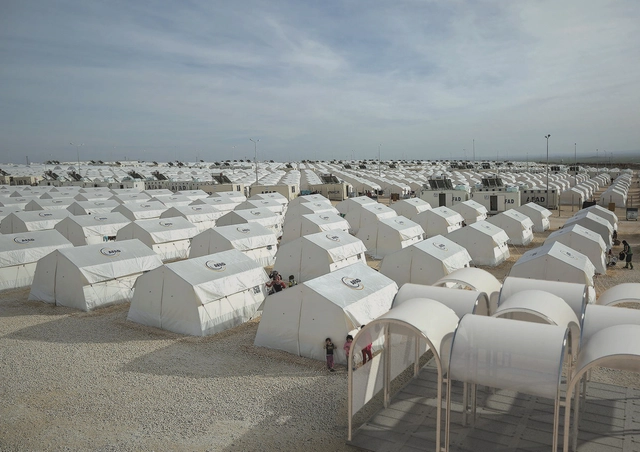
As we reflect on the tumultuous events of 2023, it becomes evident that the challenges posed by changing environmental conditions have left an indelible mark on communities worldwide. In response, architects and urban planners have set out, searching for the ways in which their actions can help create safer environments for communities worldwide, responding with both fast-to-deploy emergency architectures and long-term strategies to build resilience and mitigate risks.
Beyond merely responding to events like the devastating earthquakes in Turkey, Syria, and Morocco, or the widespread flooding in Libya or Pakistan, professionals are attempting to take proactive approaches, developing strategies that extend from predictive modeling to the application of re-naturalizing techniques or the ongoing research into the physics of safer and resilient structures.
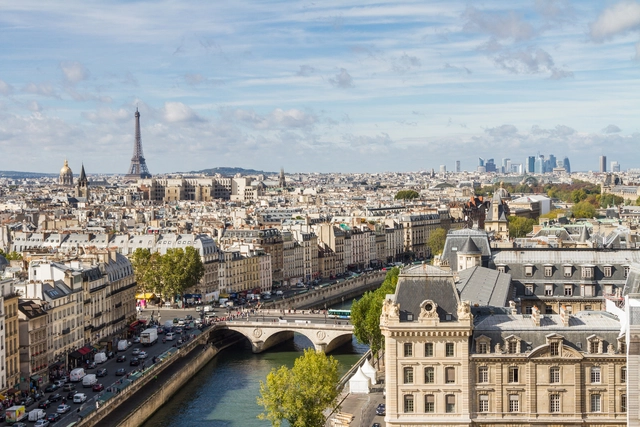
Paris MayorAnne Hidalgo has been awarded the 2023 ULI Prize for Visionaries in Urban Development, one of the most respected honors in global land use and community development. The honor comes in recognition of Mayor Hidalgo’s vision for a more inclusive and sustainable Paris and the global impact of her policies. Hidalgo, the first female Mayor of Paris, is credited with advancing ambitious policies that have reduced Paris’ carbon emissions by 40% in ten years and have increased the percentage of affordable housing. Hidalgo has also been named among Time magazine’s 100 Most Influential People in 2020.
In the rapidly evolving landscape of the 21st century, cities have emerged as models of innovation in terms of sustainable development goals. Cities creatively address pressing urban challenges, including density, transportation, housing, and resilience. They hold the potential to pioneer a comprehensive climate agenda, serving as laboratories for sustainable initiatives, cross-sectoral innovations and community-oriented strategies. Cities act as catalysts for revolutions, implementing impactful solutions that can be applied worldwide.
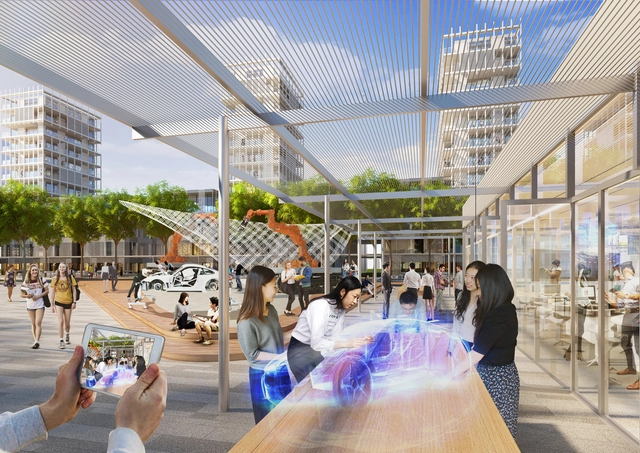
Ho Chi Minh City Innovation District / Sasaki. Image Courtesy of Sasaki
As technology and infrastructure rapidly evolve, a new buzzword finds itself in conversations across industries - innovation. The word is more relevant in light of future-facing challenges such as climate change, inequality, and economic crises. As a result of a surging interest in these concepts, innovation hubs have emerged across the world, aiming to foster creative and collaborative economies to spark quick change. What are innovation districts and how do they influence the built environment?
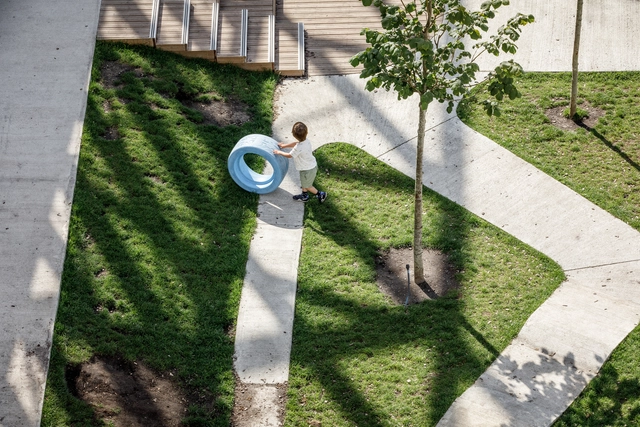
Have you ever considered how spaces are perceived, experienced, and enjoyed from a height of 95 cm? Considering urban design from the child's perspective is essential for fostering inclusive, healthy, and secure cities. Components tailored to these needs benefit children and enhance the experience for adults, the elderly, and people with disabilities. Blocks play a pivotal role in this discourse as key urban elements. These spaces provide several opportunities for utilization and adaptation within urban environments. They can be modified and designed in diverse ways, incorporating strategies to better cater to the specific needs of children.
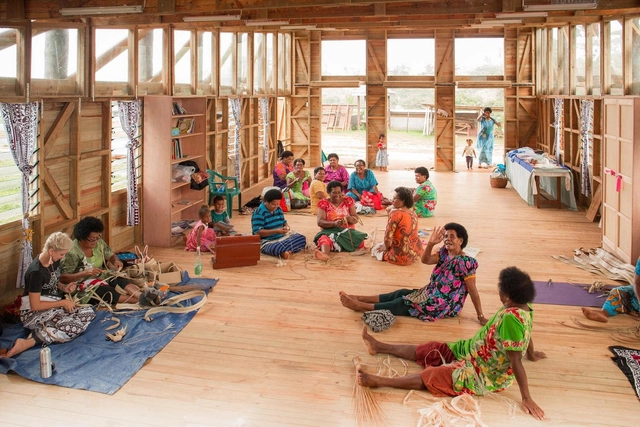
Moving away from top-down approaches, contemporary practices embrace more inclusive and participatory models and design processes. Participatory planning, a notion that prioritizes involving the entire community in the decision-making process, has earned widespread recognition and popularity globally. Cities across the world have interpreted participatory planning to fit their unique needs, using technology and government resources to expedite and enhance the process.
The fabric of our cities is shaped by millions of small decisions and adaptations, many of which have become integral to our experience. Nowadays taken for granted, some of these elements were revolutionary at the time of their implementation. One such element is the curb cut, the small ramp grading down the sidewalk to connect it to the adjoining street, allowing wheelchair users and people with motor disabilities to easily move onto and off the sidewalk. This seemingly small adaptation has proven to be unexpectedly useful for a wider range of people, including parents with strollers, cyclists, delivery workers, etc. Consequently, it lends its name to a wider phenomenon, the “curb cut effect”, where accommodations and improvements made for a minority end up benefiting a much larger population in expected and unexpected ways.
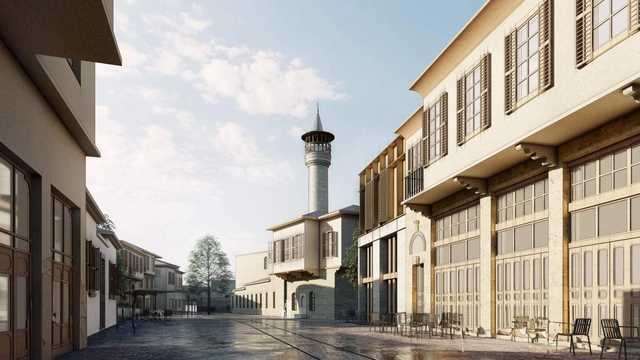
The Türkiye Design Council (TDC) has gathered 13 design practices, including Foster + Partners and Bjarke Ingels Group, to contribute to the revitalization of the historic province of Hatay, an area severely damaged by the 7.8 magnitude earthquake in February this year. Foster + Partners has been selected to lead the design and planning of the new master plan for the city of Antakya, known to antiquity as Antioch, while several other offices including Turkish practices DB Architects and KEYM (Urban Renewal Center) will work together to create a vision for the rebuilding of the city. The master plan is expected to be revealed in its entirety in 2024.