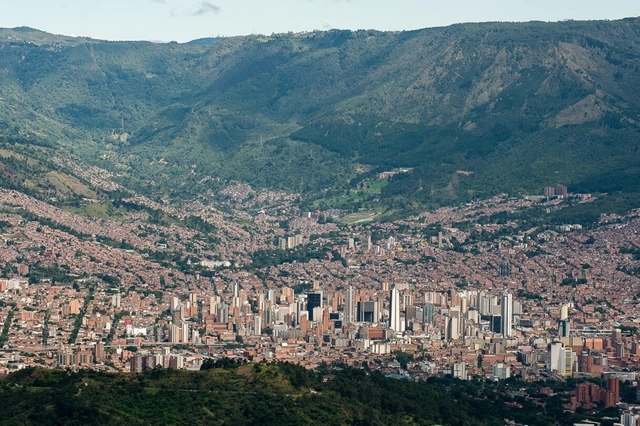
CityMakers, The Global Community of Architects Who Learn from Exemplary Cities and Their Makers, is working with ArchDaily to publish a series of articles about Barcelona, Medellin, and Rotterdam. The authors are the architects, urban planners, and/or strategists of the projects that have transformed these three cities, which are visited in the "Schools of Cities" and studied in the "Documentary-Courses" made by CityMakers. On this occasion, Alejandro Restrepo Montoya, Director of Urban Planning and Architecture of Medellín, presents his article "Environmental Urbanism and Urban Geographies, Medellín 2024-2027"
Medellín's urban plan focuses on answering how urban planning can improve people's quality of life. By developing its proposal, the city is promoting the social benefits that these urban planning practices can generate. Medellín emphasizes the use of natural and environmental conditions, such as valleys, streams, rivers, mountains, and hills, to develop urban planning criteria that address social needs.
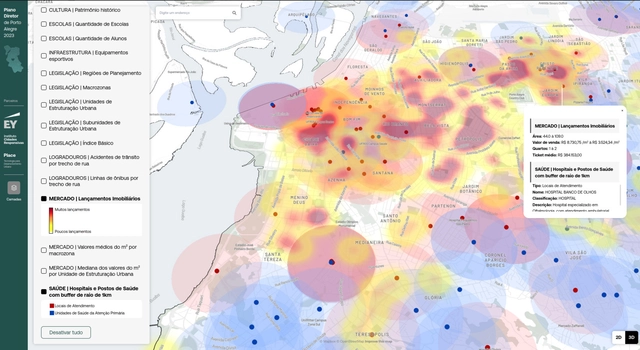
Musicians, advertisers, and renowned chefs are just some of the professionals who initially found inspiration and training in architecture before changing course. Beyond designing buildings, architecture promotes a comprehensive view of space, aesthetics, and functionality—all valuable skills in various fields. Architects are trained to think creatively and solve complex problems, applying this expertise to the development of all kinds of projects. With the help of technology and artificial intelligence tools, this field can expand even further. Contemporary urban development, in particular, faces complex challenges that require innovative solutions. An example of architects venturing into different areas beyond design or construction sites is the OSPA Group, based in Porto Alegre, Brazil. Although it began as an architecture firm, over the years it evolved to include three main vertical activities, each playing a crucial role in urban development: the Responsive Cities Institute, Urbe.me, and Place.
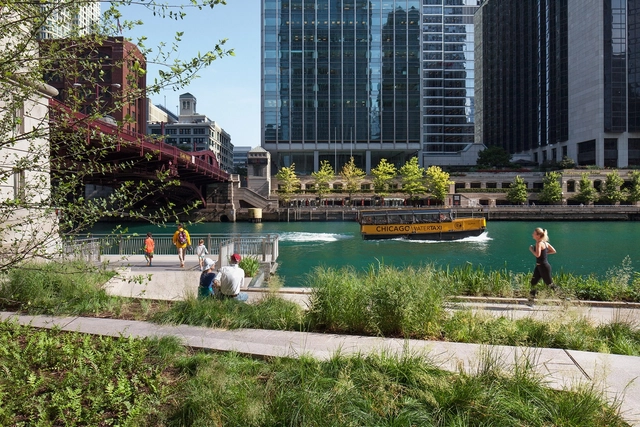
Chicago's urban history is a dynamic saga of innovation, resilience, and architectural prowess. From its early days as a bustling trade hub on Lake Michigan's shores to its transformation into a global metropolis, the Windy City has continually reinvented itself. Iconic events like the Great Chicago Fire of 1871 catalyzed a wave of architectural ingenuity and today, contemporary architects like the city’s own Jeanne Gang and SOM continue to shape its skyline with groundbreaking designs, while sustainable projects and adaptive reuse of historic buildings showcase the city's commitment to blending heritage with forward-thinking urban development. Whether it's the sleek Aqua Tower or the vibrant Riverwalk, Chicago continues to stand as a testament to the endless possibilities of urban innovation and design.
One of the city's most notable achievements is its role as the birthplace of the skyscraper. In the late 19th century, architects like Louis Sullivan and Daniel Burnham pioneered the use of steel-frame construction, allowing buildings to reach unprecedented heights. This innovation not only transformed Chicago's skyline, but also set a precedent for urban centers worldwide, positioning the city as a global leader in architectural design.
With the 2024 Olympic Games opening ceremony fast approaching, Paris has captured global attention. In addition to the venues being prepared for the Olympics, the city offers a wide range of architectural projects that showcase its efforts to improve the urban environment and promote a greener and more inclusive city. Among these, the new Clichy Batignolles Eco-District in the 17th arrondissement of Paris is a 54-hectare development that set out to transform the former SNCF rail yard into a new neighborhood. The initiative features contributions from internationally recognized architects including MAD Architects, Architect Périphériques, and RPBW, among others. Read on to discover the urban development through the lens of architecture photographer Paul Clemence.
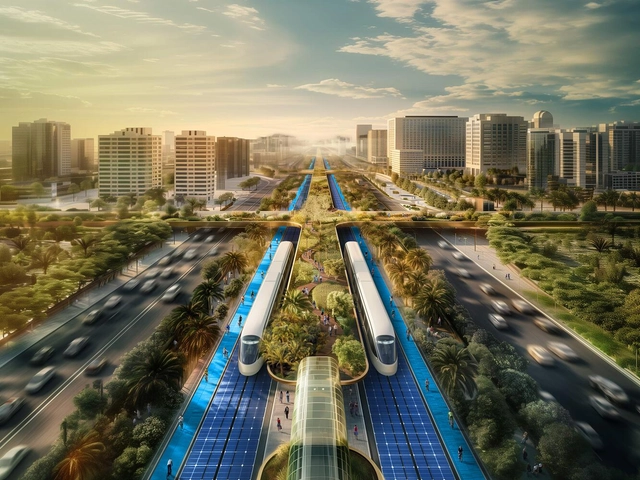
URB has revealed details about the Dubai Green Spine project, an urban development initiative aiming to introduce a 64-kilometer-long green corridor in Dubai. The project, aligned with the Dubai 2040 Urban Master Plan, hopes to improve urban mobility and environmental quality by converting one of the city’s major arterial roads into a multifunctional public space with ample greenery, urban farms, integrated non-motorized transportation infrastructures, and community zones.
This article is the tenth in a series focusing on the Architecture of the Metaverse. ArchDaily has collaborated with John Marx, AIA, the founding design principal and Chief Artistic Officer of Form4 Architecture, to bring you monthly articles that seek to define the Metaverse, convey the potential of this new realm as well as understand its constraints. In this feature, architect John Marx questions the limits and capabilities of AI in architecture and in creating buildings that resonate deeply with people and communities.
Courtesy of Foster + Partners | Larnaka Masterplan
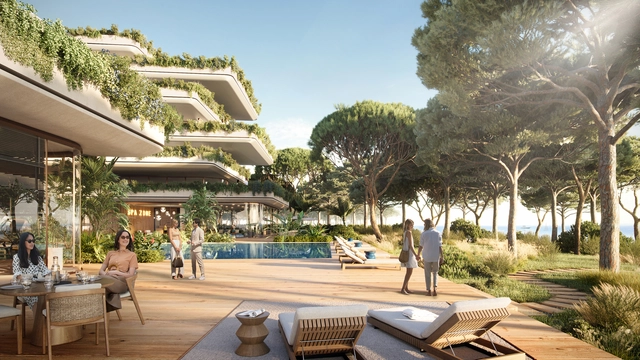
Foster + Partners has started the design work for the initial phase of the “Land of Tomorrow” master plan in Larnaka, Cyprus. Aiming to transform Larnaka’s seafront into a vibrant, sustainable community, the first phase focuses on residential developments. Featuring commercial shops, including shops, offices, and restaurants, the master plan focuses on seamless integration with the seafront and emphasizes connections to natural surroundings.
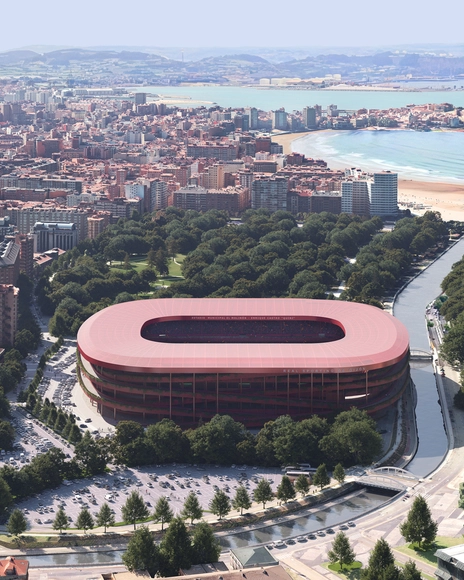
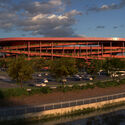
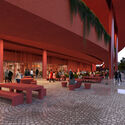
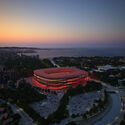
In preparation for the city of Asturias, Spain, to become one of the hosts of the FIFA World Cup in 2030, the El Molinón stadium is proposed to undergo a major remodeling process. Home Real Sporting de Gijón, the stadium is reimagined by the architecture office Sordo Madaleno together with Orlegi Sports. The proposal aims to increase the stadium’s capacity to accommodate 9,000 additional visitors to the 33,650 fixed seats during the World Cup. It also strives to reconnect the venue to its surroundings and the city of Gijón, Asturias.
Deutsches Architekturmuseum (DAM) has announced the International High-Rise Award 2024/25. Selected from more than 1,000 new high-rises worldwide dating from the past two years, the nominated projects are located in 13 counties from 5 continents. In autumn, the five finalists will be announced, followed by the winner announcement scheduled for November 12, 2024. The main objective of the award is to highlight good practices in the ongoing trend of mixed-use high-rises.
With the increase in the construction of high-rises, special features such as the introduction of greenery in the design, unusual shapes, or the construction of clusters of towers, have become the new normal. DAM’s research this year also shows a growing eco-awareness, as the focus in high-rise construction is increasingly on the use of existing buildings. While the majority of tall buildings continue to be erected in China, followed by the USA, Australia, and Singapore have emerged as new hubs of high-rise architecture.
More than half of the world's population resides in urban areas, with over 4 billion people depending on cities as their main environment. According to the United Nations’ latest report on populations in cities, this number is expected to continue to increase over the next 50 years, prompting cities worldwide to strive to find better ways to accommodate their growing population while transitioning to more sustainable urban practices. To highlight this responsibility, the United Nations has declared July 11th the World Population Day.
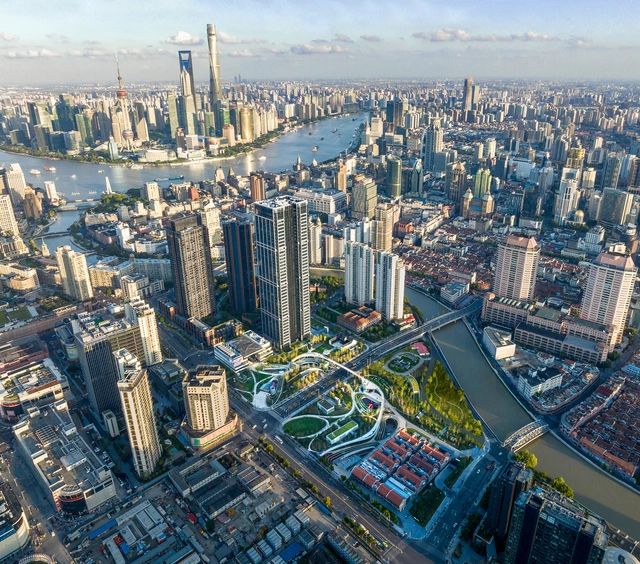
Under this year’s theme, “To Leave No One Behind, Count Everyone,” the UN aims to also draw attention to the importance of data collection for reflecting societal diversity. The growth of world cities is part of this equation as an important measure for understanding global population trends. The following list presents the top 20 cities worldwide in 2024, ranked by the population size of their metropolitan areas. Comparing the results to the previous editions, the only cities to reduce their size are the two cities from Japan, Tokyo and Osaka. The highest growth rates can be observed in African mega-cities, Kinshasa and Lagos, while China continues to be the most present country in the list, with 5 metropolises present in the top 20: Shanghai, Beijing, Chongqing, Tianjin, and Guangzhou.
Over the years, the nocturnal landscape of cities has witnessed a significant transformation, marked by the emergence of more than 80-night mayors globally, a trend that has been on the rise since the early 2000s. Andreina Seijas, currently working as an Associate at Gehl, has analyzed these shifting dynamics of night-time governance in her research and during her doctoral studies at Harvard GSD. Seijas speaks in the interview about this development, challenges, and opportunities with night mayors, global differences, and the role of climate change. Seijas' upbringing in Caracas, Venezuela, where safety concerns dictated strict curfews, ignited her passion for creating safer, more inclusive urban environments, particularly for the youth. Her quest for a better future for the urban night explores the potential for cities to become safer, more inclusive, and more productive by creating spaces for work and leisure after dark.
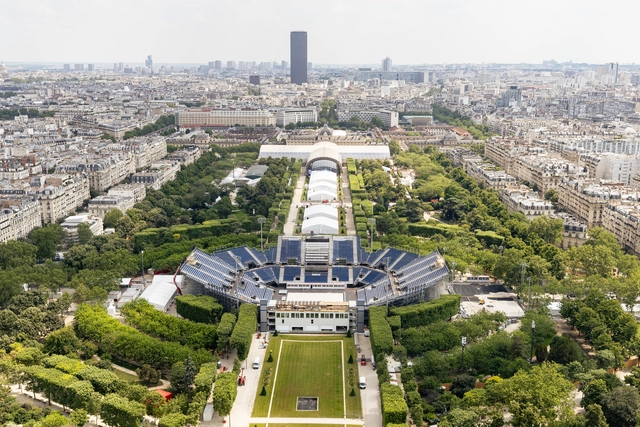
At the beginning of the 20th century, the Olympic games included some unusual medal competitions, including architectural design and town planning. While these are no longer awarded Olympic events, architecture and urban planning continues to continue to have a crucial effect on the development of the global sporting event. Cities that bid to host face an important challenge in adapting their infrastructure to accommodate not only the venues and facilities, but all the support structures needed for a safe and enjoyable edition. Paris is no different. While the city hosted 2 previous editions of the games over a century ago, the challenges of the modern-day Games have proven significant. However, the city’s expansive infrastructures have enabled officials to adjust the measures in an effort to have sustainable development for and after the Games. With less than a month to go until the opening ceremony, explore the measures taken by city officials and the long-lasting effects of hosting an Olympic event.
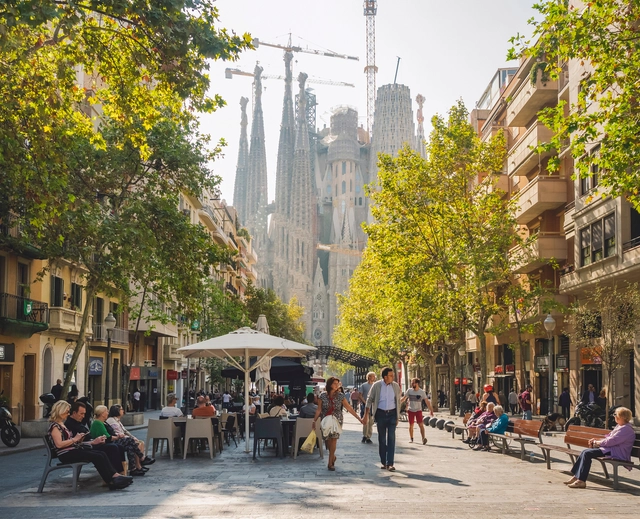
The Spanish city of Barcelona, one of Europe's top tourist destinations, has announced a plan to ban apartment rentals to tourists by November 2028. The move, announced by Mayor Jaume Collboni, aims to alleviate the long-standing housing crisis, lower prices for residents, improve livability, and increase the city’s affordable housing stock. Over the past 10 years, the rise in short-term rentals has driven rents up by 68%, and the cost of buying a house by 38%, contributing significantly to a cost-of-living crisis.
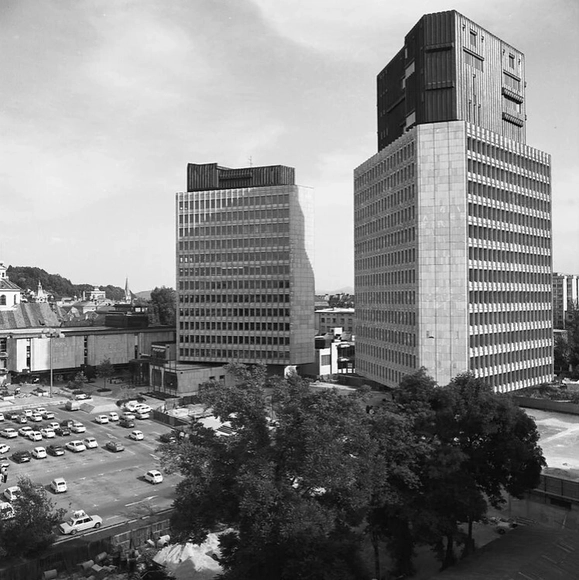
Republic Square in Ljubljana holds immense historical and symbolic significance for Slovenia. It is located in the historic center of the city and features a blend of buildings with different designs, scales, and dimensions, together with interconnected open spaces, passages, and underpasses. These elements form a multifunctional complex whose construction lasted more than 20 years and underwent several volumetric and programmatic reconfigurations. Visible from a distance and standing out above the Ursuline Church’s bell tower, two prominent office towers rise as part of this work designed by Edvard Ravnikar, the most prominent Slovenian architect of the second half of the 20th century.
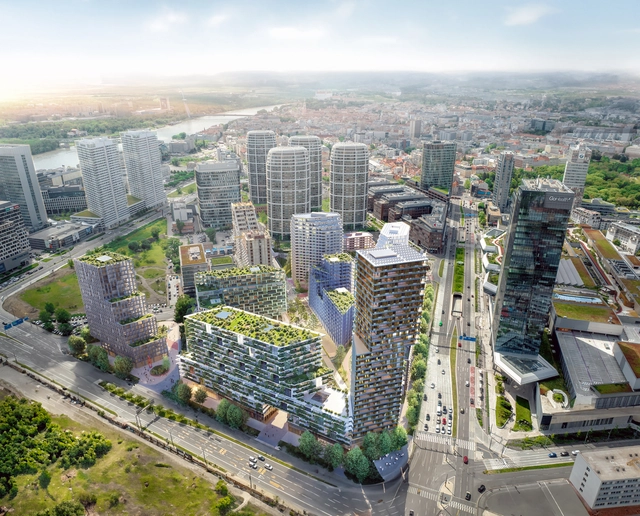
Stefano Boeri Architetti has been declared the winner of the international competition for the redevelopment of a former industrial site in downtown Bratislava. The project includes the transformation of one of the largest abandoned areas in the Slovak capital, with the aim of creating an active new central hub for the city, complete with parks and public spaces, residential units, and a variety of amenities. Stefano Boeri Architetti’s master plan proposal, titled “Urban Oasis,” has been appreciated by the jury for integrating familiar typologies, creating a “European matrix” of medium-density developments organized around accessible public spaces.
A ground scraper is essentially the opposite of a skyscraper - a large building that sprawls outward horizontally instead of soaring vertically into the sky. Though no strict definition exists, groundscrapers are generally described as extremely long but low-rise buildings with over 1 million square feet of space, sometimes called sidescrapers or landscrapers. The term came into the spotlight with Google's plans for their massive $1.3 billion London headquarters. Designed to be only 11 stories tall but over 1,000 feet long, this vast office block epitomizes using horizontal expansion to create immense space for thousands of employees.
The Harvard Graduate School of Design (Harvard GSD) has announced the Class of 2025 Loeb Fellows. Ten practitioners and activists from around the world have been selected to join the Loeb Fellowship program to expand their careers and advance their programs and initiatives focused on equity, resilience, and collective action.
The ten selected practitioners are mid-career professionals coming from diverse backgrounds. Each one has been recognized for initiating practices that are transforming public spaces and urban infrastructures, addressing public health concerns and environmental injustices, as well as housing needs and efforts to preserve the cultural, natural, and architectural heritage of diverse regions from all continents.
This article is the ninth in a series focusing on the Architecture of the Metaverse. ArchDaily has collaborated with John Marx, AIA, the founding design principal and Chief Artistic Officer of Form4 Architecture, to bring you monthly articles that seek to define the Metaverse, convey the potential of this new realm as well as understand its constraints. In this feature, architect John Marx interviews Peter Hirshberg, chairman, and Anna Fedorova, principal at the Maker City Project.