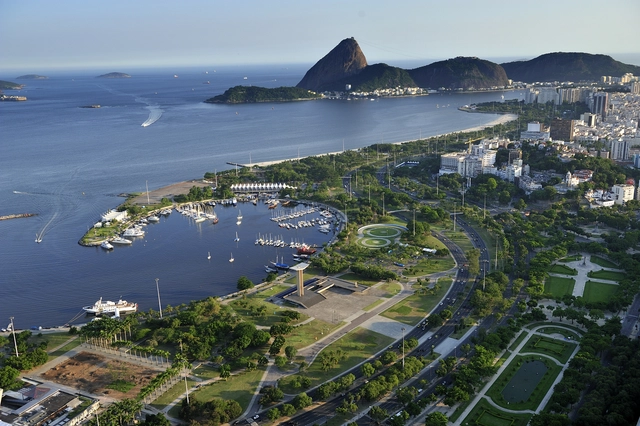
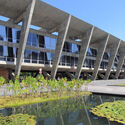
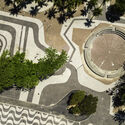
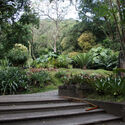
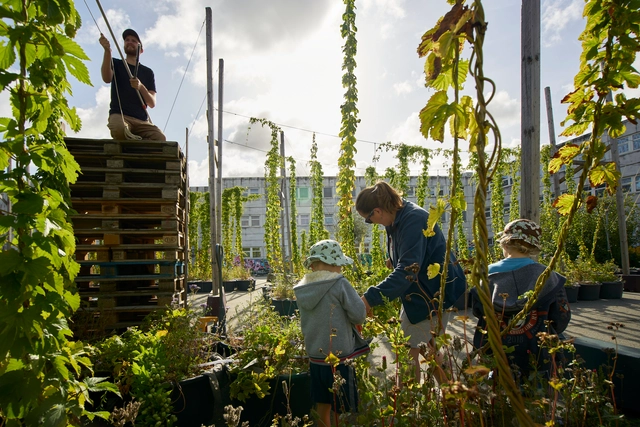
From the 1930s to the 1990s, Burle Marx's work anticipated many of today's concerns about sustainability and urban well-being. Long before terms like "sustainable design" or "green infrastructure" became commonplace, Burle Marx was already advocating for the use of native plants, recognizing their role in creating self-sustaining ecosystems that required minimal intervention. His projects often transformed neglected urban areas into vibrant, ecologically balanced spaces that not only improved the environment but also enhanced the quality of life for city dwellers.
The vast majority of practitioners I've known over the years seek well-trained graduates who are ready on Day One to be productive employees. But that's not all an architectural education needs to deliver. Michael Monti—who for the past 20 years has served as executive director of the Association of Collegiate Schools of Architecture (ACSA), which represents 5,000 architecture faculty teaching more than 30,000 students—stresses that architectural education needs to rest on strong foundation of shared values and ethics in order for graduates to make meaningful contributions to what he describes as a "civilized life," promoting the dignity, freedom, health, and well-being of the people who interact with architecture every day.
https://www.archdaily.com/1021154/architecture-schools-are-responsible-for-educating-the-whole-studentMichael J. Crosbie
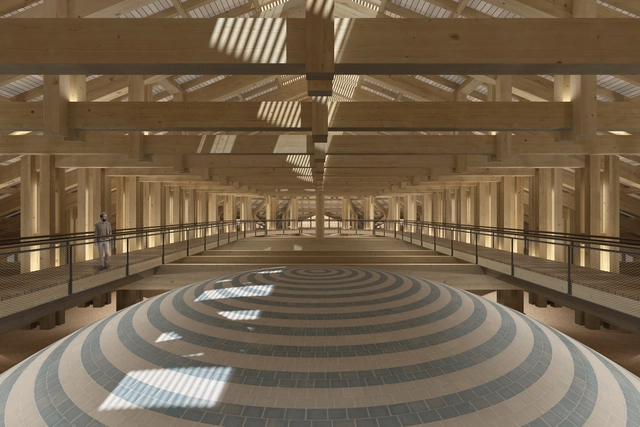
Proposal for the Roof of the Málaga Cathedral. Image Courtesy of Marina Uno Arquitectos
Like a musical composition, there is a particular category of buildings whose history might be compared to an unfinished symphony. Alternating between high notes and moments of silence, these structures are intermittent narratives that have spanned centuries. One of the most emblematic cases is the Sagrada Familia, which has been under construction for over a century and is on track to be completed this decade. While a hundred years of construction is no small feat, another building in this group surpasses that range: the Cathedral of Málaga, located in southern Spain, has been in the making for over five centuries.
Driven by Renaissance influences, the cathedral began construction in 1528. Since then, it has experienced periods of interruption throughout its history, resulting in an unfinished landmark. The cathedral is still missing one of its towers, has incomplete elements on its facade, and its vaults are exposed to the weather due to the absence of a covering structure. Over the years, various works have been undertaken—including the recent adaptation of tourist access to the domes—but one major task remains: the gable roof. Originally proposed in 1764 by Ventura Rodríguez, its design has been reimagined and will now be executed using contemporary wooden construction techniques.
https://www.archdaily.com/1020754/track-to-completing-malaga-cathedral-the-role-of-timber-in-designing-the-new-gable-roofEnrique Tovar
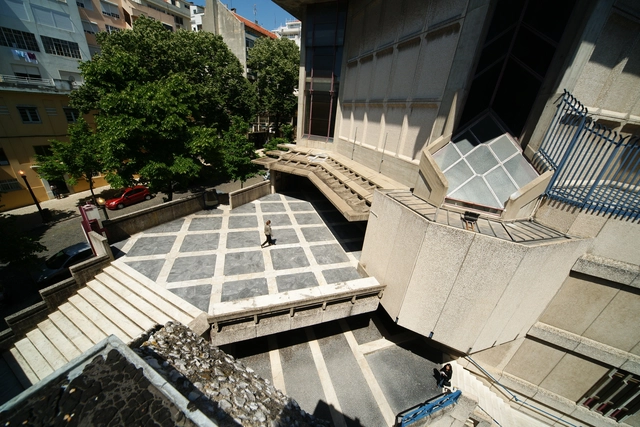
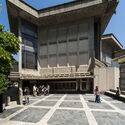
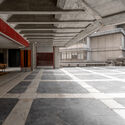
As a landmark of contemporary religious architecture in Portugal, the Church of the Sacred Heart of Jesus stands in contrast to traditional models, representing a work free from historicist stigmas. Resulting from a design competition organized in 1960, the church is notable for its civic dimension, urban role, and its anti-monumental and social significance. Integrated into the regular grid of the Avenidas Novas neighborhood, this example of the Movement for the Renewal of Sacred Art is part of a larger parish complex that often goes unnoticed by passersby. Its external street creates an unexpected public space, inviting people to enter and engage in a courtyard where architecture and the city merge. Finely crafted in terms of spatiality, detail, and light, the church holds many surprises for those who venture inside.
The Obel Award is an international prize seeking to highlight unconventional and original initiatives within the architectural profession. Supported by the Henrik Frode Obel Foundation, each annual award is centered around a specific theme. By exploring a different challenge of the built environment each year, the award remains open to a wide range of solutions and architectural innovations, honoring those contributions that have a positive impact on both people and the planet.
"Architectures WITH," the recently announced theme of the 2024 edition, explores participatory design, co-creation, and interdisciplinary collaboration, challenging traditional roles in architecture to foster inclusive, adaptable environments. It aims to empower all stakeholders and enhance collective intelligence in architecture.
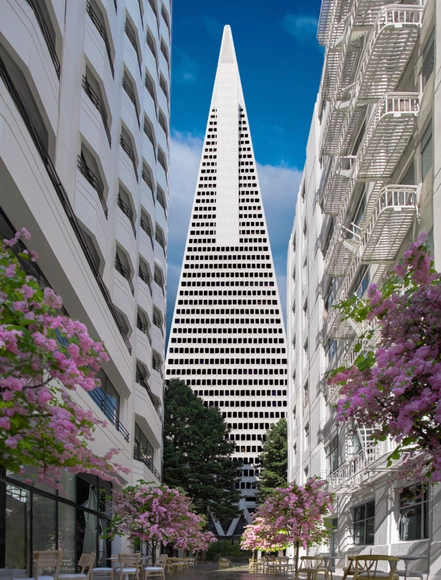
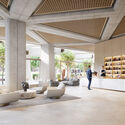
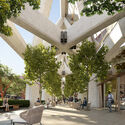
The Transamerica Pyramid Center has just announced the completion of the long-awaited Foster + Partners led renovation in San Francisco, United States. An iconic landmark of San Francisco's skyline since its completion in 1972, has been undergoing its most significant renovation to date. Originally designed by American architect William Pereira in a Brutalist style, the 48-story tower was the tallest building in San Francisco for nearly 50 years. This renovation will also include enhancements to the adjacent buildings.
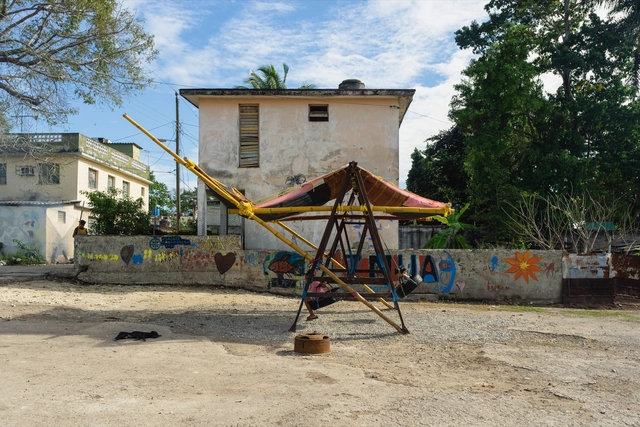
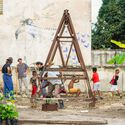
Resisting an adverse context and navigating its restrictions, Grupo Finca emerges, a collective that explores the practice of architecture from an artistic and pedagogical dimension in Havana, Cuba. Given the complexity of the country's political and social situation, informal architecture is common: low resources, difficulty in obtaining materials, high costs, and a lack of skilled labor, among other challenges, are some of the obstacles faced by independent architecture professionals. Coupled with the absence of a regulatory legal framework that would allow them to work formally in the labor market or acquire materials and supplies, the construction of contemporary architecture in Cuba is relegated to independent processes that can somehow overcome these barriers.
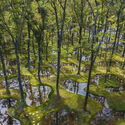
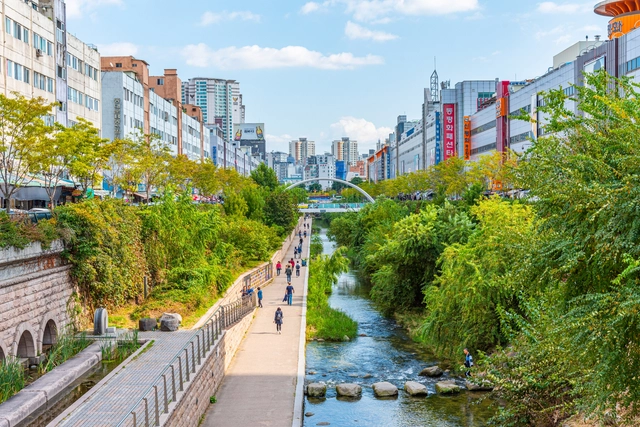
Cheongye Stream, known as Cheonggyecheon (청계천) in Korean, runs eastward through the heart of Seoul, passing through 13 neighborhoods in four districts of the capital of South Korea. Throughout its history, the stream played different roles in the city until it was covered by an elevated highway in the 1970s. For over 30 years, this natural artery remained hidden. It was not until 2003 that the city government launched a restoration project to reintegrate this urban waterway into the city fabric, revitalize the local economy, and revive the area's history and culture. The revitalization efforts were led by Mikyoung Kim Design. Since the project's completion in 2005, it quickly became one of Seoul's most visited tourist attractions. Moreover, it has become a focal point for ample urban research, with many studies offering positive assessments of the impact it had on Seoul's urban, economic, and ecological context.
Videos
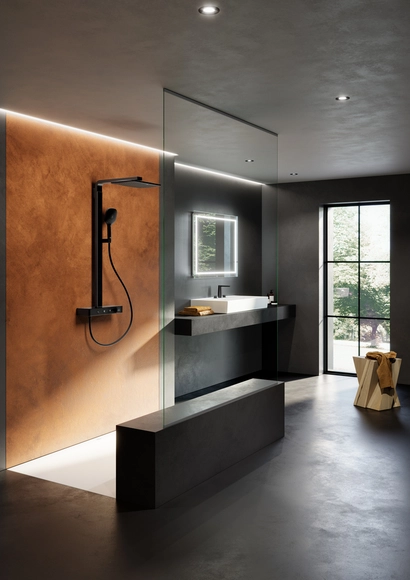
The fitting collections from Villeroy & Boch impress with their high-quality materials and are ideal for exclusive bathrooms. Image Courtesy of Villeroy & Boch
In addition to elegantly designed ceramics, stylish furniture and practical accessories, Villeroy & Boch's bathroom range also includes elegant fittings. As with all the company's products, the extensive range offers durable quality and reliable functionality, ensuring long-lasting usability through high-quality materials and meticulous craftsmanship. Furthermore, the fittings are perfectly coordinated with the company's own bathroom collections in terms of design and functionality, with the Top-Together label, as presented by Villeroy & Boch, showcasing particularly harmonious combinations for architects and bathroom planners. A total of 13 fitting collections are available, offering a wide range of styles, sizes and shapes.
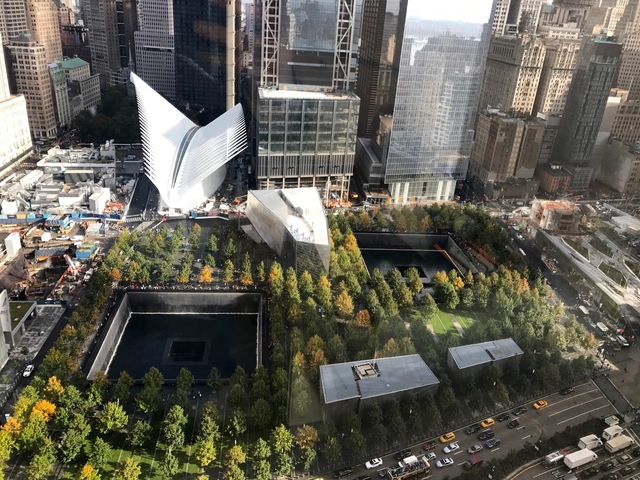
On the morning of September 11, 2001, two hijacked commercial jetliners struck the Twin Towers in Lower Manhattan, a third plane struck the Pentagon, and a fourth crashed in rural Pennsylvania. A total of 2.977 people were killed in the terrorist attacks. In the face of this unprecedented loss, the city of New York promised to rebuild Lower Manhattan as a lively neighborhood while honoring and maintaining the memory of this day. Thus began one of the largest reconstruction projects in New York City, a process that is still ongoing now, 23 years after the tragedy.
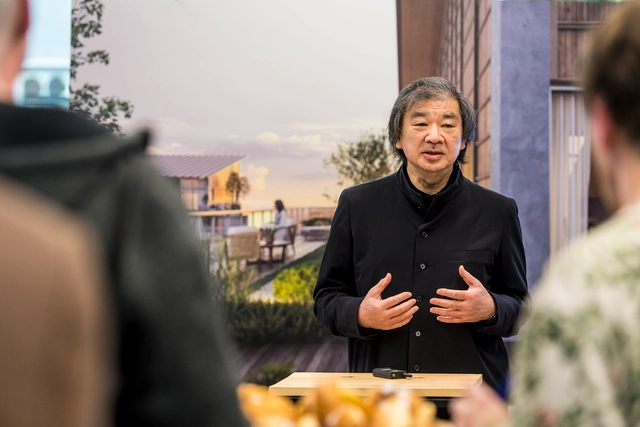
Japanese architect and humanitarian Shigeru Ban has been named the 35th Laureate of the Praemium Imperiale Award for Architecture. Established in 1988 by the Japan Art Association, the annual award seeks to recognize exceptional achievements in Painting, Sculpture, Architecture, Music, and Theatre/Film. Shigeru Ban's contributions to architecture have been significant, not only for the distinctive design aesthetics but also for the innovative use of materials, particularly in the context of emergency interventions and humanitarian work.
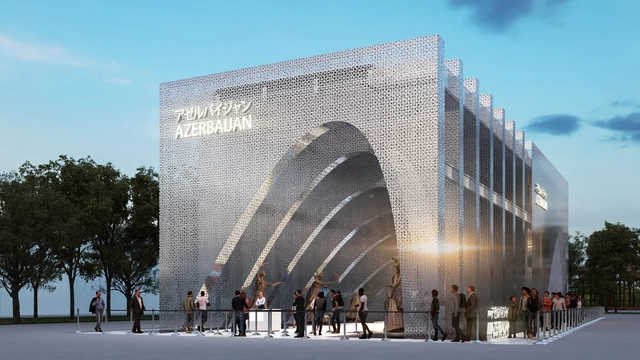
Azerbaijan Pavilion. Image Courtesy of Bellprat Partner
The Republic of Azerbaijan has just revealed its design for it's pavilion at Expo 2025 in Osaka, Kansai. Shining a spotlight on the country's culture, history, and forward-thinking approaches, the pavilion aims to promote connection and sustainability. Designed by Bellprat Partner in collaboration with Eleven, the pavilion will offer visitors a journey through Azerbaijan's rich traditions while emphasizing its modern goals for sustainability and international cooperation.
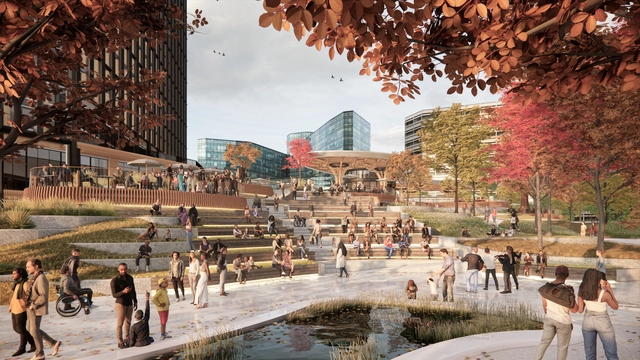
Courtesy of BCT Design Group and Gensler | The Wildset
Master plans are comprehensive design strategies that guide the future development of cities, districts, or large-scale projects. From a design and architectural perspective, they strive to balance the need for flexibility, long-term vision, and the integration of infrastructure with the public realm. Key themes in master planning often include sustainable development, urban connectivity, and cultural integration. Master plans shape not only the physical environment but also the social fabric of communities by emphasizing walkability, mixed-use spaces, and the blending of natural and built environments. These large-scale frameworks showcase the role architecture plays in shaping the future of urban life.
This curated selection of Unbuilt Architecture,submitted by the ArchDaily community, illustrates a range of visionary urban strategies. Whether it’s the revival of the village of Ad-Damun in Palestine, reconnecting with a rich historical past, or the bold reconstruction of the Al-Nouri Complex in Iraq as a cultural and spiritual hub, some of these projects engage with complex narratives of memory and restoration. From the sustainable design of Mokolo Green Scarf City in Cameroon to the marine research center in Yemen, these projects showcase diverse approaches to architectural challenges, focusing on community, environment, and the preservation of cultural heritage. By addressing unique regional contexts, these proposals reflect a broader commitment to rethinking how architecture can foster resilience and inclusivity.
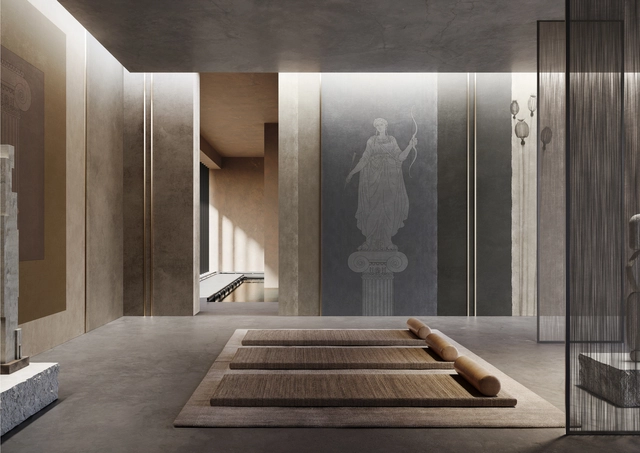
Diana - Arcadia Collection. Image Courtesy of Glamora
Greek and Roman cultures laid the foundations for modern civilization, leaving a lasting legacy in philosophy, literature, mathematics, and art. Although their contributions in these areas are significant, they are sometimes overlooked. However, in disciplines such as sculpture and architecture, their influence has remained almost unchanged, deeply rooted in the classical ideals of beauty. This is exemplified by canonical works such as the Parthenon, the Roman Pantheon, and the Discobolus, which continue to captivate with their proportion, symmetry, and detail. Consequently, it is unsurprising that Greco-Roman classicism remains significant due to its aesthetic timelessness, revitalized throughout different periods, from neoclassicism to contemporary proposals.
In this modern context, the Greco-Roman mythology, epic tales, and classical architectural concepts inspire a fresh perspective on reimagining interior aesthetics. Embracing an avant-garde take on neoclassicism, a new wave of modern interiors adopts sharp strokes to define figures and details, such as pilasters and capitals, echoing the sinopia of historic wall frescoes. These designs transform monumentality into cozy and elegant atmospheres. By blending historical and contemporary references, they provide innovative figurative solutions that craft poetically scenic spaces. Arcadia collection exemplifies this approach, standing out as a tribute to classicism and presenting a unique visual narrative through its wall coverings.
https://www.archdaily.com/1020629/modern-interiors-with-a-historical-touch-figurative-wall-coverings-for-scenographic-spacesEnrique Tovar
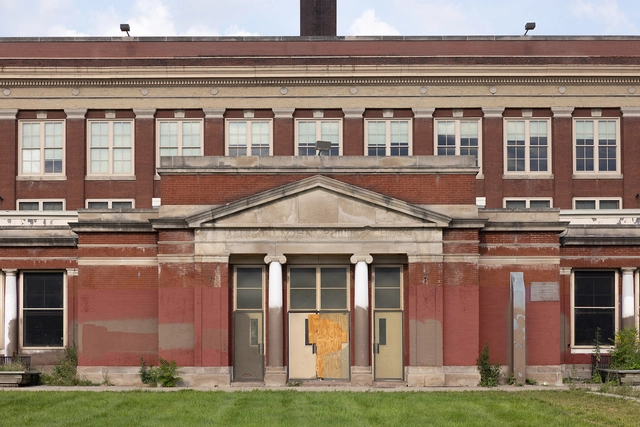
Borderless Studio, “Kohn School in Roseland,” Chicago, 2023. Digital photograph. Photo: David Schalliol. From the 2024 grant to Borderless Studio and MAS Context for the publication “Beyond Closure: Reimagining Possibilities for Chicago’s Closed Schools” . Image Courtesy of Graham Foundation
The Graham Foundation, based in Chicago, has allocated $390,000 in grants to support 33 innovative projects worldwide. These initiatives include exhibitions, publications, and presentations aimed at enriching the discourse in architecture and its role in society. The projects, undertaken by architects, artists, curators, and educators, span various cities such as Johannesburg, New York, Chicago, and others, reflecting a global perspective on contemporary architectural issues.
The National Building Museum in Washington, D.C. has just announced Walter Hood as the 26th recipient of the prestigious Vincent Scully Prize. Walter Hood is a celebrated landscape designer working in public spaces and urban environments. Established in 1999, this award honors outstanding contributions in architecture, historic preservation, and urban design through practice, scholarship, or criticism. Hood now joins the ranks of past notable winners like Theaster Gates, Dolores Hayden, and Mabel O. Wilson.
Contemporary challenges and technological developments inevitably trigger changes in how we design and build our cities. The traditional construction industry suffers from inefficiencies that render methods slow, expensive, or harmful to the environment. Excessive material waste and lengthy build times pose significant challenges to built environment professionals, calling attention to the complexity and rigidity of conventional construction processes. The optimization of time and physical resources in construction calls for innovative methods that enhance efficiency.
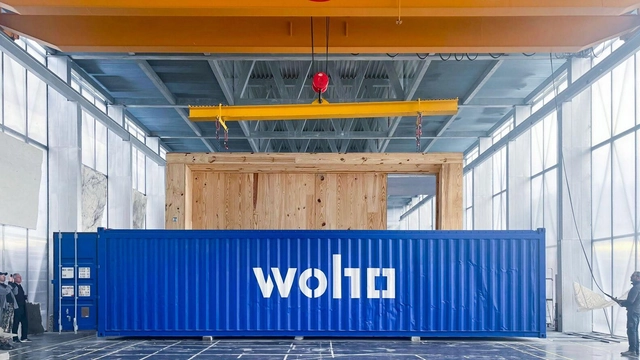
In an industry where innovation often moves with the eagerness of setting mortar, WoHo Systems, one of ArchDaily's 2024 Best New Practices, has emerged as a disruptor aiming to address global sustainability and housing affordability issues. Born from the experimental roots of Ensamble Studio, this architectural startup wields prefabrication and sustainability as core pillars to redefine construction norms and deliver adaptable building solutions. Their solutions aim to speed up and simplify the construction process, as well as reduce costs and minimize environmental impact.
Beka & Lemoine’s Film Tokyo Ride Features Pritzker Prize Winner Ryue Nishizawa . Image Courtesy of Beka & Lemoine
Kazuyo Sejima and Ryue Nishizawa, founders of the renowned architecture firm SANAA, have been announced as the recipients of the 2025 Le Prix Charlotte Perriand by the Créateurs Design Awards. Announced today in Paris, France, the award honors exceptional contributions to modern architecture and design. Sejima and Nishizawa, known for their minimalist designs that integrate form, function, and the environment, continue to be recognized as innovators in the field, having been previously recognized with the prestigious Pritzker Architecture Prize in 2010. Sejima and Nishizawa will accept Le Prix Charlotte Perriand at the Créateurs Design Awards ceremony in Paris on January 18, 2025.
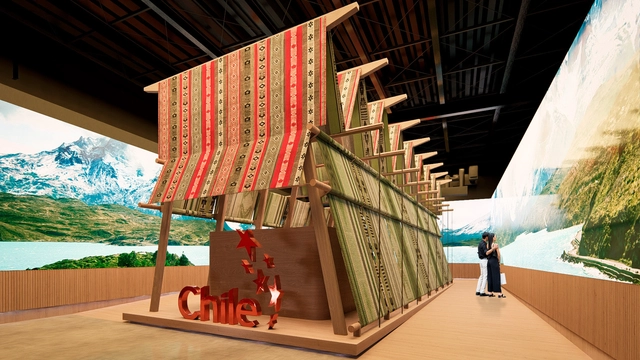
The Chile Pavilion, recently revealed by Constructo Architects for Expo Osaka 2025, blends contemporary industrial design and traditional Mapuche textile artistry. Constructed using industrialized wood (CLT) and featuring handwoven textiles, the pavilion emphasizes both innovation and cultural heritage. The structure is designed to be a "nomadic pavilion," easily assembled and disassembled, allowing it to travel from Chile to Japan and back.
Fire is a primordial force of nature, possessing both destructive and protective power throughout human history. Capable of devastating landscapes, crops, and entire cities, it also provides heat, enables cooking, and is used to generate energy. This duality highlights the importance of balancing its use and control, especially in construction, where fire safety is crucial. Building codes for fire protection are strict, often complex and restrictive, but essential to ensure the safety of occupants.
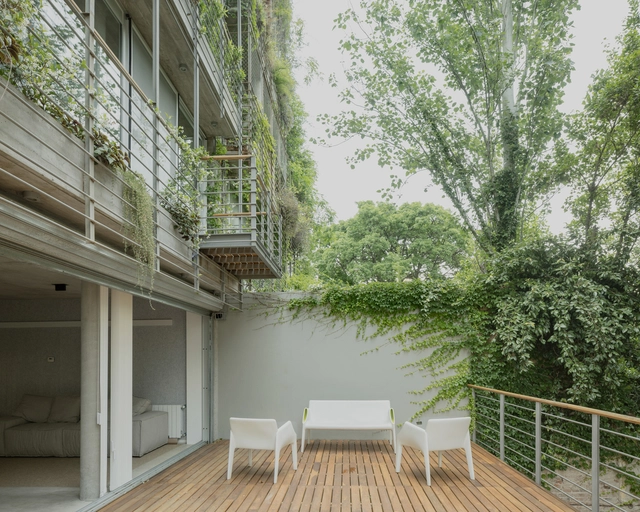
In dense urban living, the ability to connect with the outdoors for enjoyment and for wellbeing becomes starkly important. This became particularly apparent in the COVID-19 pandemic when millions of people across the globe had to be confined to their homes for long periods. Notwithstanding that, as the world increasingly urbanizes, good quality housing design is vital and this includes access to the outside. In a city like London, this need was recognized, and providing an outside space in every dwelling became mandatory around the year 2010. In multi-storey housing, providing outside space usually takes the form of a balcony. The design possibilities are endless, so what are the key considerations when incorporating balconies in an urban residential building?
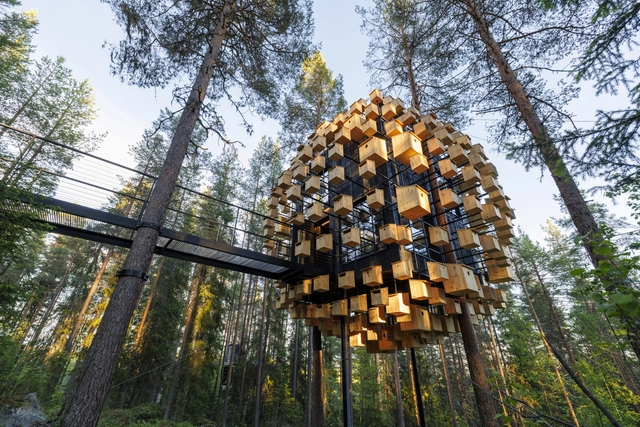
Biosphere at Treehotel / BIG. Image Courtesy of BIG
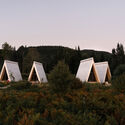
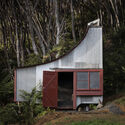
Today's population lives in large, vibrant, and sometimes chaotic cities. That’s why the most popular options involve escaping to natural settings such as remote forests, tropical jungles, or pristine beaches when choosing places to take a break from daily responsibilities and routines. For those seeking to disconnect completely from city life while staying closely connected to nature, small-scale hotels, cabins, and lodges are excellent options. Whether it’s a private vacation home or a cabin hotel, these accommodations are designed to make their natural surroundings their most important asset, allowing the buildings to blend seamlessly into the landscape.
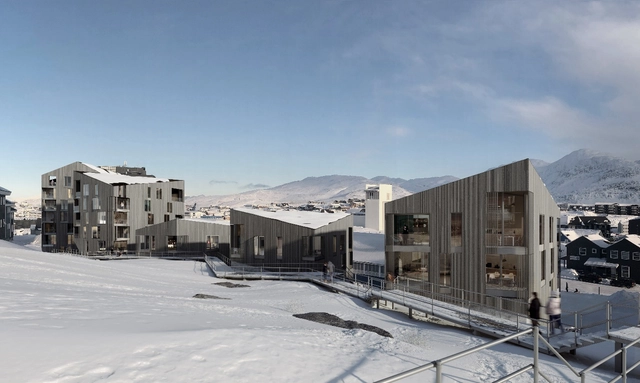
Copenhagen-based multidisciplinary studio BIOSIS has revealed the design for a new housing complex in Nuuk, Greenland. The project aims to create a minimal-impact and climate-driven design by integrating the intervention in the area's natural terrain and adapting the solutions to the local conditions. The Qullilerfik housing project consists of five prism-shaped residences created to complement the sloped site, initially considered unsuitable.