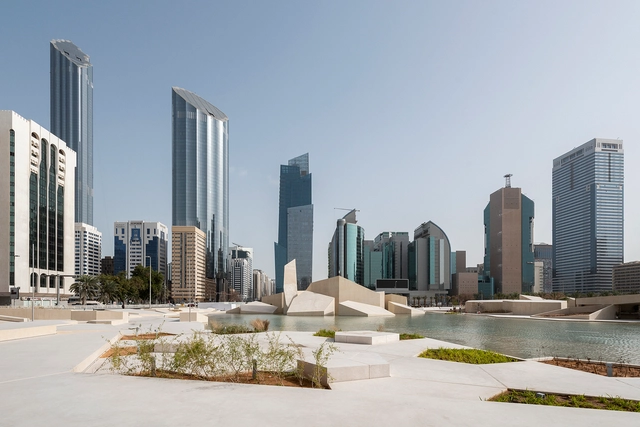
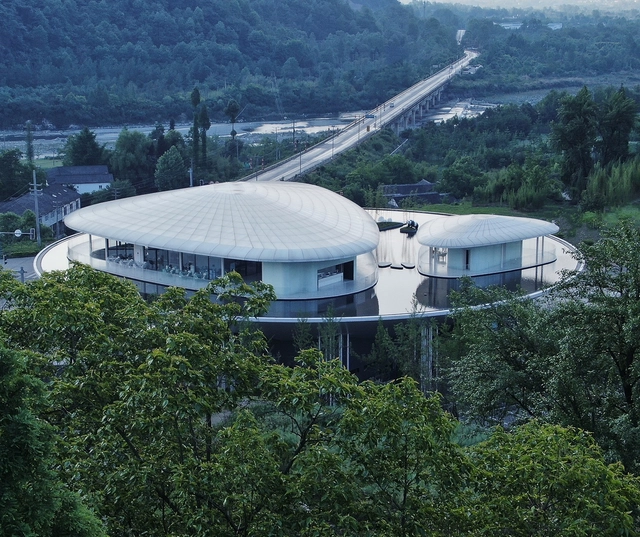
Landscape architecture has traditionally been associated with lush greenery, rooted in the historical development of gardens and parks as spaces that bring nature into urban areas. This connection to greenery is deeply ingrained in the origins of the field, where the creation of verdant retreats was seen as both aesthetically pleasing and beneficial to human well-being. However, in regions like the Middle East, where water scarcity and harsh climates are more prevalent, there is a growing trend toward using local materials such as sand, stone, minerals, and indigenous plants. This shift reflects a more sustainable approach, reimagining landscape architecture to align with the environmental and cultural contexts of the region.
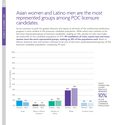
The National Council of Architectural Registration Boards (NCARB) released the 2024 edition of its “NCARB By The Numbers” report, an annual survey of the state of licensure in the United States. The numbers offer an overview of the architectural profession, showing the demographics of candidates pursuing architecture licensure. While the advancements in gender equity and racial diversity have been gradual, they highlight a positive trend supported by initiatives to make licensure more accessible to a diverse demographic, in hopes of promoting a more representative architectural community.
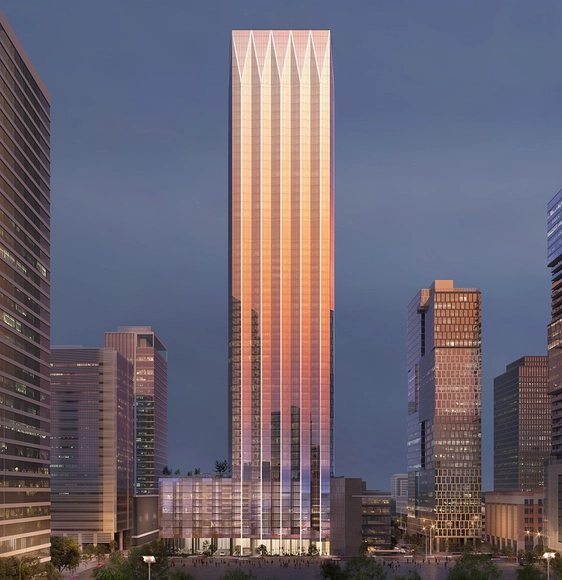
Goettsch Partners has just revealed the design for a new tower in Nashville, United States, which is set to become the city’s tallest structure. The building, named “Paramount,” will reach 750 feet across 60 stories, surpassing the current tallest, the 617-foot AT&T Building. Located in downtown Nashville, the Paramount will include 360 apartments, 140 condominiums, a 517-space parking garage, and a 60,000-square-foot expansion to the neighboring Downtown YMCA.
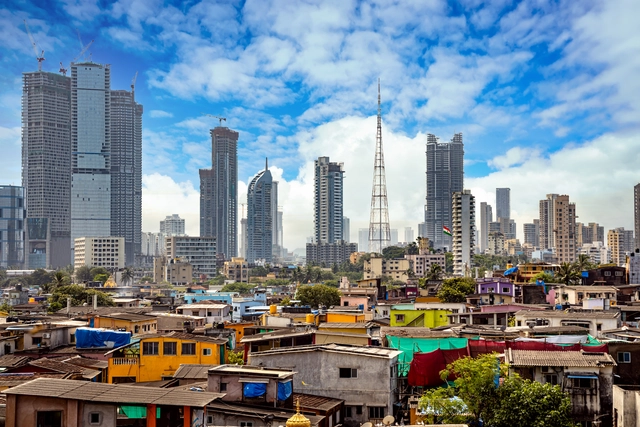
As a result of the nation’s ardent aspirations for growth and development, the social, economic, and physical landscape of India has transformed. A significant portion of the region’s population is of working age and comprises a massive market size, making India a land of opportunity especially in the eyes of foreign investors.
Reflecting this context, multiple mega-cities and mega-projects characterize the built environment and push the nation toward superpower status. On the flip side of the coin, these visionary projects along with the trend of rapid urbanization also bring in a range of side effects - the spread of informal settlements and in turn, the challenges to equitable development.
The A' Design Award was established to highlight the best in design worldwide. The international award serves as a platform for designers, architects, and innovators from all design disciplines to present their work to a global audience. The 2024-2025 edition is now accepting entries.
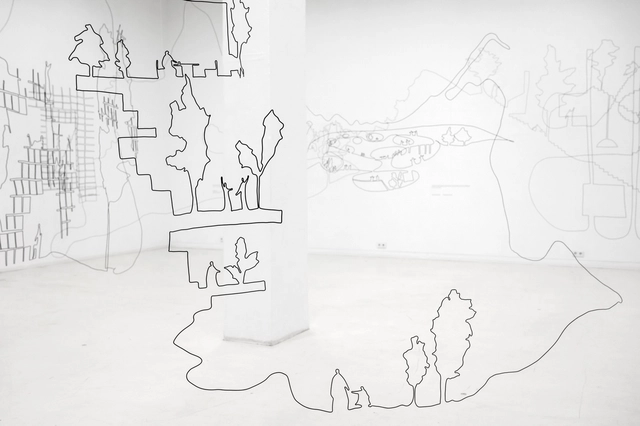
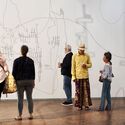
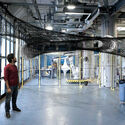
The Utzon Center in Denmark has announced the opening of “Primitive Future: Everything Is Circulating,” a solo exhibition dedicated to exploring the work of renowned Japanese architect Sou Fujimoto. Marking the first time his work is presented in Denmark, this exhibition offers a glimpse into Fujimoto’s vision, waving together the themes of nature and architecture. The exhibition's centerpiece is an expansive 500-meter-long steel wire installation that serves as a three-dimensional sketch, framing 12 of Fujimoto’s architectural projects.
The Design Educates Awards 2024 has just announced the winners of this year’s winners, celebrating projects that excel in addressing complex social and environmental challenges while carrying significant educational value. Held annually, the awards recognize projects that respond to social and environmental issues and promote sustainability, even if the educational impact is gradual. In fact, it aims to highlight projects that offer long-term value and address the complexities of modern life.
Over-providing traditionally implies offering more than is necessary, often carrying a negative connotation due to the potential for excess and waste. However, could there be scenarios within the built environment where over-providing proves advantageous? The question critically examines how overprovisioning might enhance a building's flexibility and adaptability to diverse and evolving conditions.
The underlying assumption of accurately providing what is needed for a building is that stakeholders—including owners, architects, and designers—can accurately predict and cater to a structure's current and future needs. This assumption, however, is challenging to realize, as societal, economic, and cultural shifts frequently occur in unpredictable ways. In this context, over-providing emerges as a counterintuitive yet potentially beneficial strategy. As buildings and structures inevitably transform, those designed with inherent adaptability reduce the need for costly renovations or complete rebuilds.
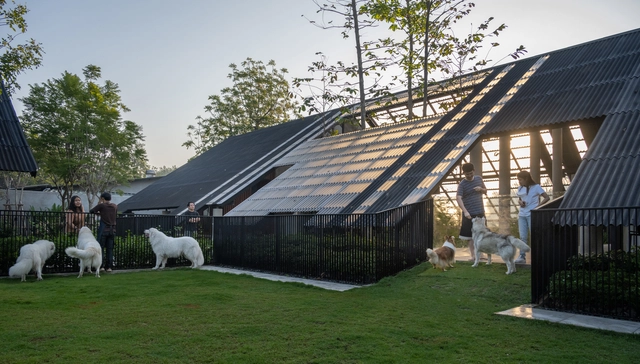
Are humans the only stewards of the built environment? For many architects and planners, spaces are designed with a focus on the needs, comfort, and health of humans. A spatial ordering, in constructed spaces and the urban fabric, designates humans as the default, singular user in this scenario. However, as much as humans have influenced the trajectory of the world, other species play a crucial role in designing, forming, and maintaining the urban landscapes of the twenty-first century.
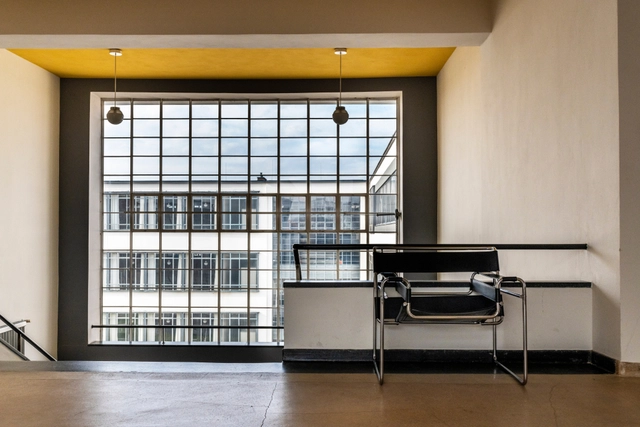
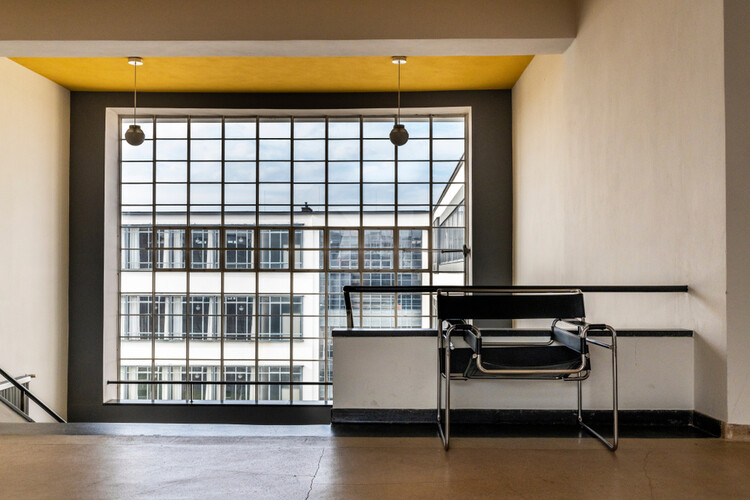
Bauhaus's designs have influenced our contemporary society in obvious and subtle ways. Iconic examples include Marcel Breuer’s Wassily Chair, the B55 Chair, the Bauhaus typeface, and the graphic design principles emphasizing clean lines, primary colors, and geometric shapes. However, the architectural construction details of the Bauhaus movement are much less discussed. While most can readily identify modern or Bauhaus buildings by their geometric forms, functionality, and industrial materials, their architectural details are often overlooked. They not only echo the design language of Breuer’s renowned furniture pieces but also have influenced the much-celebrated architectural glass details of Mies van der Rohe. How were Bauhaus's details executed, and how might they be translated into contemporary details today?
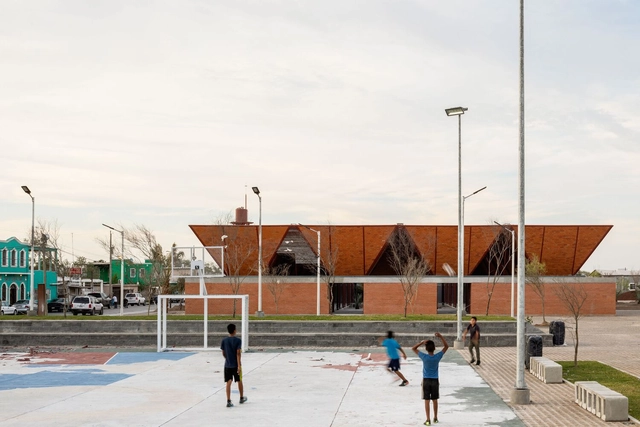
In 2019, the Secretariat of Urban Development hired the Faculty of Architecture at the National Autonomous University of Mexico to organize a competition to develop small-scale public works in vulnerable regions of northern Mexico. At that time, architects from the mentioned university—Gabriela Carrillo, Carlos Facio, José Amozurrutia, Eric Valdez, and Israel Espín—came together to participate in their proposal for this challenge. Believing in the importance of forming a team and understanding that architecture emerges from moments of collective discussion, exchange of ideas and positions, and sharing knowledge and experience, they formed the architectural collective C733.
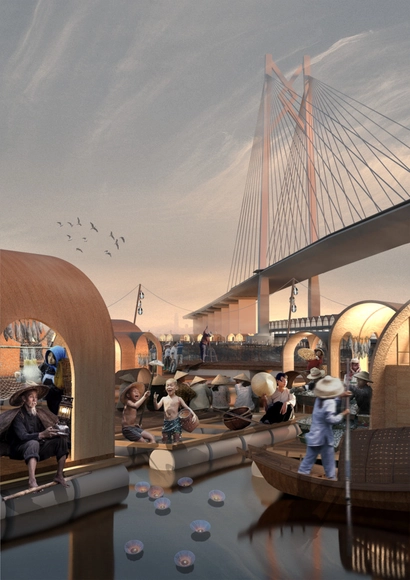
First Prize Winner + Buildner Student Award. Image Courtesy of Buildner
Buildner has revealed the results of its Under Bridge Affordable Housing Challenge, the 17th version of its Affordable Housing competition series, which focused on proposing design solutions to address housing challenges in cities around the world. This competition aimed to transform neglected areas under bridges, turning idle or empty spaces in sprawling cities into vibrant and thriving communities.
Participants were invited to select any "under the bridges" site globally, considering factors such as accessibility, available amenities, and how the proposed solution would integrate with the existing community or city. Designs needed to demonstrate adaptability, ensuring they could meet diverse needs while remaining cost-effective and sustainable. Buildner and its jury sought practical, scalable, and eco-friendly designs to revolutionize these overlooked spaces. The competition encouraged creative thinking and innovative housing solutions that challenge conventional approaches.
Every August, the Black Rock Desert in Nevada transforms into a vibrant city for Burning Man, a week-long festival that culminates in the ceremonial burning of a large wooden effigy. Established in 1986, the festival is renowned for its unconventional art installations and striking desert setting. While varied in their expression, the installations follow a central theme of the year. For this edition, the title “Curiouser & Curiouser” takes inspiration from the Mad Hatter from Lewis Carroll’s Alice in Wonderland, prompting participants to engage with wonder and embrace the whimsical and mysterious. This year’s central temple installation is designed by Caroline Ghosn to represent togetherness and mutual respect. Following a Burning Man Tradition, the temple design is selected following an international competition.
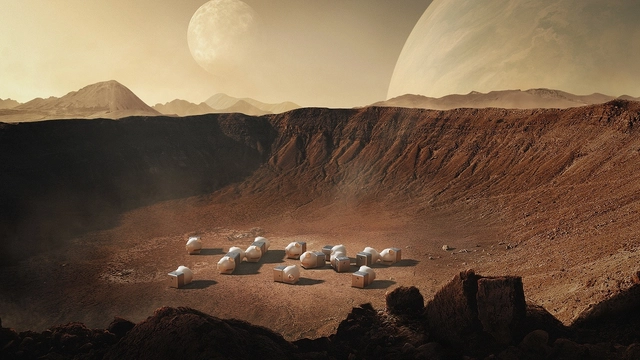
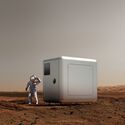
Space exploration isn’t merely a testament to human ambition or a quest for new territories and resources. Our ventures beyond Earth’s atmosphere are driven by a deeper purpose: to understand better our place in the cosmos and to pioneer innovations that can transform life on our home planet.
In Beirut, the Interdesign Building stands as a striking yet enigmatic structure. Never used since its conception in 1973, the building was designed by Lebanese architect Khalil Khouri and, in some ways, it represents a physical testament to the region’s hopes and struggles. During the inaugural edition of We Design Beirut, the exhibition “All Things Must(n't) Pass: A Subjective Recount Of Khalil Khouri’s Life And Career As A Designer” opened the building to the public, aiming to tell the story of its architect, Khalil Khouri, through the lens of his son and grandson, Bernard and Teymour Khoury. On this occasion, ArchDaily’s Editor in Chief, Christele Harrouk sat down with Bernard Khoury at his DW5 office to discuss the life of his father and a little-known chapter of Lebanese architectural history.
In the realm of architecture, the integration of Artificial Intelligence (AI) is no longer a vision of the future but a present reality transforming the way designs are conceptualized and executed. As global architectural powerhouse Kohn Pedersen Fox (KPF) pushes the boundaries of innovation, they have strategically adopted D5 Render, an advanced AI-driven real-time rendering tool, to enhance their design efficiency.
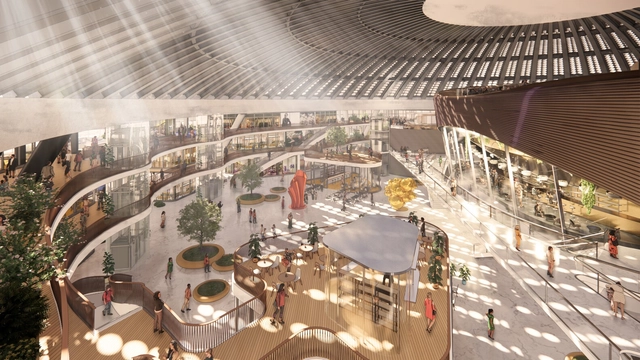
WilkinsonEyre has unveiled their proposal to revitalize the 1950s constructivist Belgrade Fair Hall 1, a landmark location overlooking the river Sava. The project is set to transform the exhibition hall into a mixed-use destination comprising three cultural venues and retail spaces, in addition to redesigning the waterfront park. WilkinsonEyre’s design incorporates light-touch interventions to the existing building, as it strives to respect and highlight the architectural qualities of the existing structure, such as the exposed concrete soffit or the unique shape of the building.
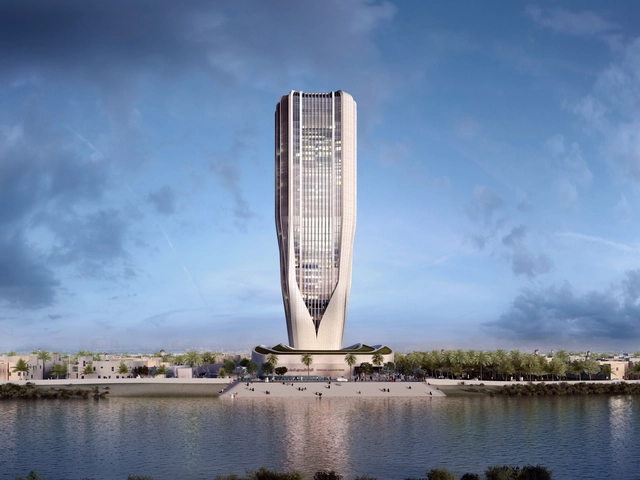
The Central Bank of Iraq (CBI) headquarters, designed by the UK-based Zaha Hadid Architects, is a new landmark on the banks of the Tigris River in Baghdad. Now the tallest building in the city, the 170-meter-tall skyscraper aims to echo the values of the institution: solidity, stability, and sustainability. Blending innovation with the rich heritage of Baghdad, her birthplace, Zaha Hadid’s vision for the Central Bank of Iraq headquarters stands as a tribute to the city's enduring legacy.
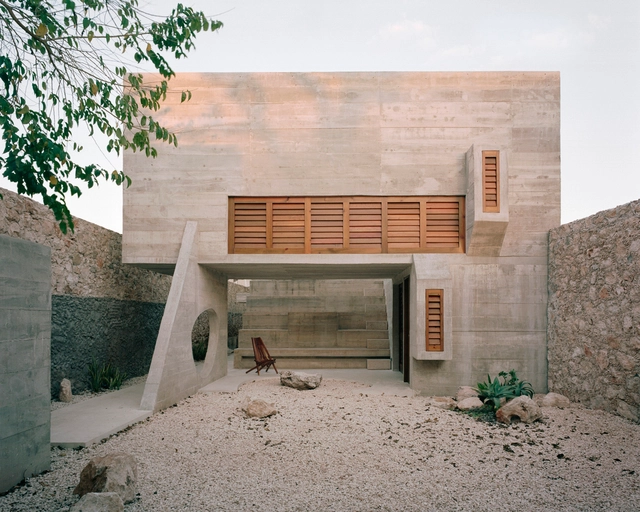
Latin American architecture is rich and diverse. This is reflected in the various stones used across different regions over the centuries. These materials highlight the varied geology of Latin America and illustrate how local cultures have adapted their construction methods to natural conditions, resulting in unique and meaningful architecture. In contemporary architecture, stone aligns with sustainability principles due to its durability, low carbon footprint, and local availability. Additionally, stone's aesthetic appeal enhances the creation of timeless spaces that strengthen the connection with nature and the surrounding landscape.
Whether you're an architect or interior designer, having the right tools can make all the difference in streamlining your workflow. SketchUp has powerful tools that help millions of professionals speed up their project development. Here are seven ways the 3D modeling and design software can help you achieve your goals.
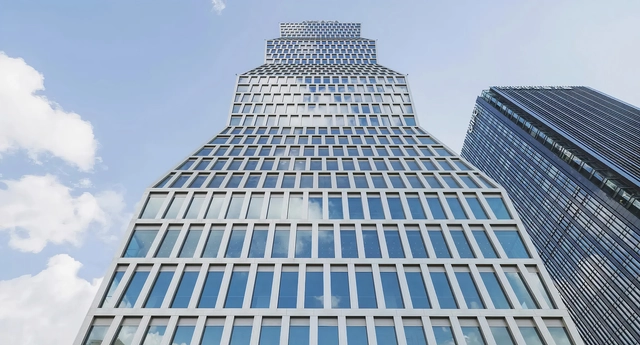
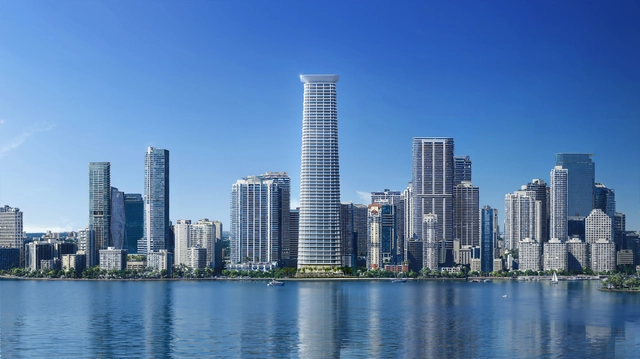
Foster + Partners has revealed the design of a new 54-story mixed-use tower to take shape in Miami. Set to become the new headquarters for the hedge fund Citadel, the tower is expected to feature 34 floors of office space and 212 hotel rooms on its upper levels, in addition to supporting retail spaces. In addition to Foster + Partners listed as the design architect, AAI Architects is the architect of record, and Field Operations is the landscape architect. The tower is expected to break ground in 2025, according to Citadel.
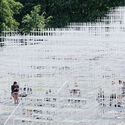
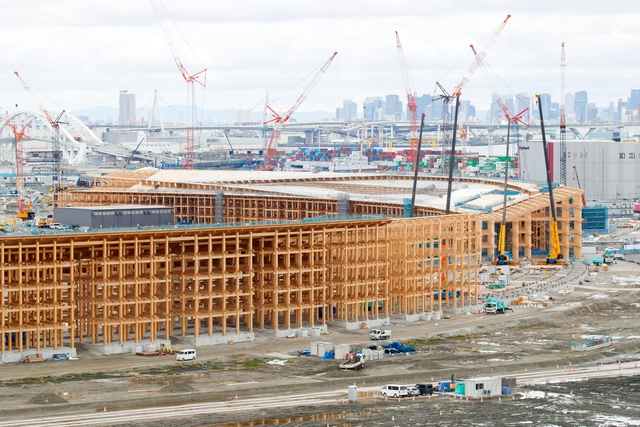
In preparation for Expo 2025 Osaka, Kansai, Japan, The "Grand Ring," designed by renowned architect Sou Fujimoto, has reached a significant milestone. As of August 2024, the wooden construction of this structure is now complete, fully connecting the 2-kilometer ring into a continuous loop. This achievement is a crucial step in the development of the Expo site on Yumeshima, an artificial island on Osaka's waterfront, where the Expo will take place from April 13 to October 13, 2025.
Operating in urban environments often requires us to make decisions regarding pre-existing structures. The increase in city density has directly impacted the availability of space for developing new and independent constructions, sparking debates about what stance to take toward built heritage that has become obsolete—either due to deterioration or because it no longer meets the functional needs of the contemporary population. In cases where buildings have seriously deteriorated or new projects differ greatly from the spatial possibilities an old building can offer, preserving only the façade—as an exterior envelope, almost like a superficial element—can be seen as a partial solution that allows for the preservation, in part, of the urban character of a structure if it holds some public or cultural value. The controversy arises, certainly, from the lack of relationship or connection between the transformed interior and the preserved exterior.