This article is the ninth in a series focusing on the Architecture of the Metaverse. ArchDaily has collaborated with John Marx, AIA, the founding design principal and Chief Artistic Officer of Form4 Architecture, to bring you monthly articles that seek to define the Metaverse, convey the potential of this new realm as well as understand its constraints. In this feature, architect John Marx interviews Peter Hirshberg, chairman, and Anna Fedorova, principal at the Maker City Project.
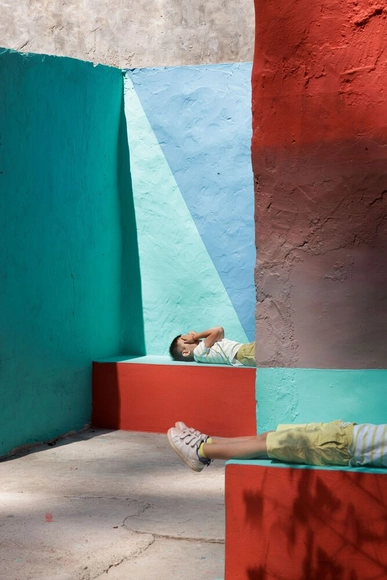
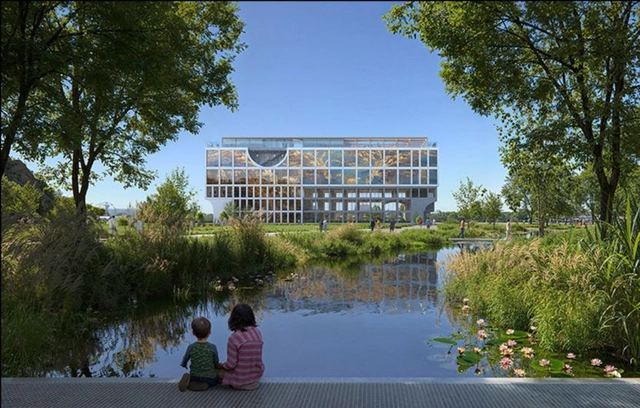
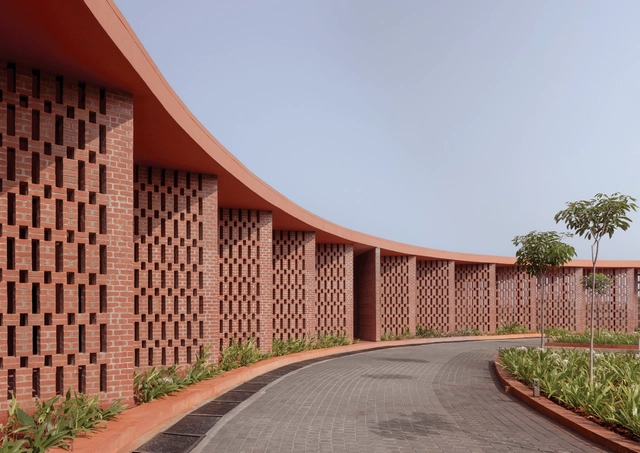
Limited resources are becoming an increasingly common challenge in architecture. Today, regardless of the region, projects are affected by the availability of resources, which are now compounded by environmental considerations. This situation, far from being restrictive, prompts us to explore new possibilities in how we conceive the built environment. In this context, it is crucial to understand that resources are not only limited to the economy but also include technological, material, and spatial aspects. Thus, we can enhance our creativity and efficiency by broadening our considerations when approaching architectural design and its challenges, doing more with less.
At the community level, the challenge becomes even more significant when we consider that our projects must not only be designed to overcome these "constraints," but also to positively impact their communities. Therefore, contemporary projects must present different strategies to overcome limited resources and materials depending on the context, always aiming to achieve a positive impact and become powerful and ingenious proposals while democratizing access to architecture.
https://www.archdaily.com/1016682/community-growth-through-architecture-maximizing-limited-resources-for-positive-impactEnrique Tovar
Whether it’s excitement or caution, there’s no escaping the buzz of AI in architecture. It offers architects and designers the power to innovate, streamline, and create a built environment that’s equally functional as it is visually appealing.
However, when a technology is this revolutionary, it should come as no surprise when concerns are raised. The loss of creativity, job displacement, and ethical dilemmas are just a few examples of concerns about the adoption of AI in architecture.
To understand what the industry really thinks about AI, over 1,200 architectural professionals were asked about how they are using it in their daily practice. We delved into how it influences design processes and workflows and what they think the technology’s impact means for the future of the profession.
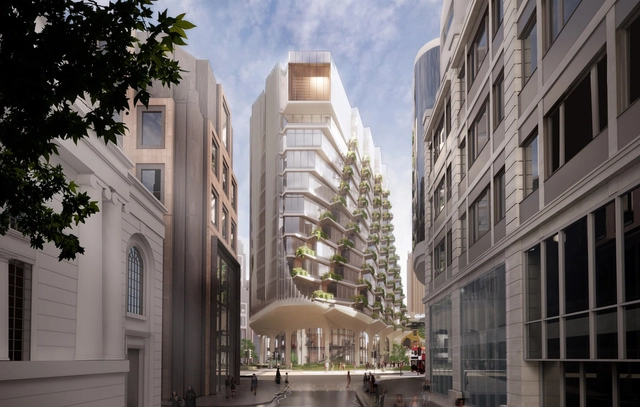
Redevelopment by Diller Scofidio + Renfro. Image Courtesy of City of London
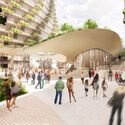
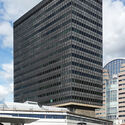
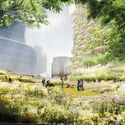
The controversial London Wall West redevelopment project, which involves the demolition of the former Museum of London and Bastion House, is set to proceed. The redevelopment, designed by architecture firms Diller Scofidio + Renfro and Sheppard Robson, will replace the landmark 1970s buildings with a modern office complex. The City of London has confirmed that the Secretary of State for Leveling Up, Housing, and Communities, Michael Gove, has decided not to call in the plans to reevaluate the former museum, allowing the project to move forward.
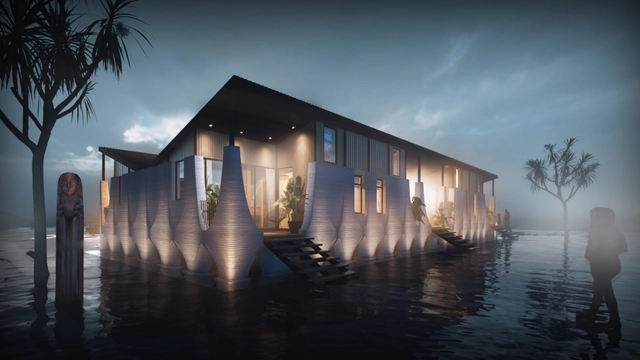
In an open competition, ICON’s Initiative 99 requested participants to design a home using ICON’s 3D printing technologies while keeping the construction budget under $99,000. Among the three selected winners for the Open Category, New Zealand-based office MTspace Studio proposes a robust flood-resistant design, in response to the housing crisis in New Zealand’s flood zones. Titled “Wai Home” after the Māori word for water, the concept revolves around the idea of working with this essential natural element. The design features innovative rainwater collection and storage systems, along with elements to increase the resilience of the construction in the face of increasing threats.
Courtesy of Neutelings Riedijk Architects / ARS Architectes
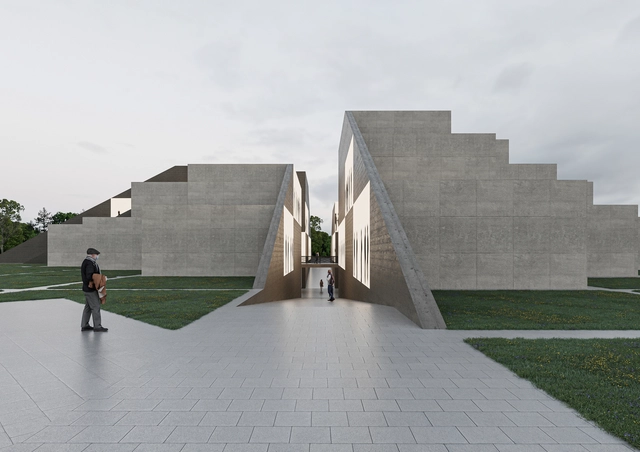
Neutelings Riedijk Architects and ARS Architects Urbanistes have just won a competition to design the Cité des Imaginaires and Grand Musée Jules Verne in Nantes, France. Selected from 160 entries, their design seeks to revitalize the historic “Moulins de Nantes” mil, also known as CAP44. This industrial heritage site, notable for its unique Hennebique concrete structure, is set to be transformed into a sustainable structure within the Garden Extraordinaire. Additionally, the museum will celebrate the legacy of the renowned author Jules Verne, born in Nantes.
South Asia has undergone notable transformations across economic, political, social, and various other spheres. Mirroring these patterns of societal change are the architectural practices across this region. The modern nation-states of South Asia – Afghanistan, Bangladesh, Bhutan, India, Maldives, Nepal, Pakistan, and Sri Lanka – share similar histories and a future characterized by rapid economic development and urbanization. However, each region exhibits distinct nuances concerning the present and potential state of architectural praxis, informed by their socio-cultural contexts and emerging political climates.
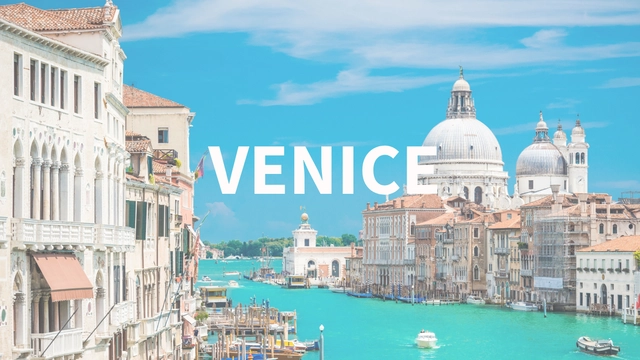
"Every time I describe a city I am saying something about Venice”, said Marco Polo to Kublai Khan in Italo Calvino’s seminal book, Invisible Cities. Once the heart of a powerful maritime republic, Venice indeed houses many cities inside its intricate network of canals, alleys, bridges, and squares. Renowned for its unique architectural beauty, Renaissance history, and cultural significance — and, of course, for being built in the middle of the water — over the past decades, Venice has become one of the most notable victims of overtourism, receiving an estimated 30 million visitors per year.
The figures are astonishing, far outnumbering the 50,000 residents that call Venice home — 120,000 less than its population in the early 1950s, when city dwellers started to drive away, bothered by the permanent noise and overcrowded walkways.
We are thrilled to announce our upcoming June workshops in collaboration with our ArchDaily Supporters partner, Parametric Architecture. These workshops have been thoughtfully curated to empower architects, designers, and enthusiasts by providing them with the latest insights and skills in the dynamic realm of parametric design. Guided by industry experts and visionaries, these immersive sessions will explore cutting-edge techniques, innovative tools, and practical applications, creating an inspiring and dynamic learning environment where participants can take their design expertise to unprecedented levels.
https://www.archdaily.com/1016735/parametric-architecture-june-workshopsArchDaily Team
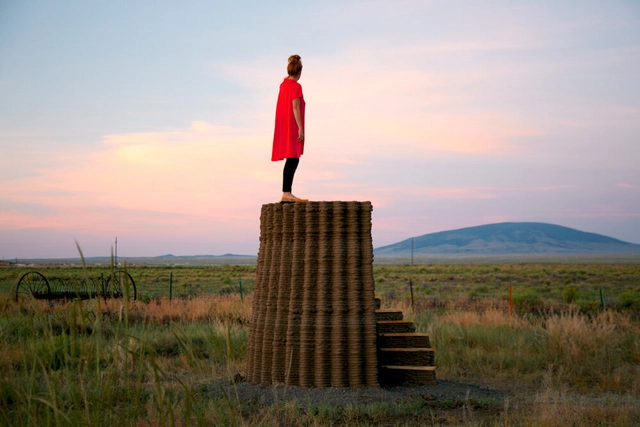
Mud Frontiers. Image Courtesy of Rael San Fratello
Understanding a discipline from multiple perspectives and intersections is essential for acquiring a deep understanding of it. In architecture, the diversity of approaches to its study enriches our perception by allowing us to appreciate its complexity from different angles. For students and professionals alike, exploring aspects such as history, sources of materials and products, construction processes, implementation of new technologies, and contemporary social challenges is crucial. These aspects intertwine and expand the conventional notion of "architecture," transcending the mere creation of buildings or the definition of spaces.
Ronald Rael, an architect and the Eva Li Memorial Chair in Architecture at the University of California, Berkeley, exemplifies this vision through his practice, which spans from research to connecting indigenous and traditional material practices with contemporary technologies and issues. As an activist and designer, Rael's research interests explore additive fabrication, border-wall studies, and earth construction. Co-founder of Rael San Fratello, Emerging Objects, and Forust, his practice shows an approach to architecture that is highly relevant in contemporary times.
https://www.archdaily.com/1016555/we-can-transform-the-profession-by-rethinking-how-we-might-serve-society-a-conversation-with-ronald-raelEnrique Tovar
This article was originally publishedon Common Edge in 2021 to celebrate Venice's 1,600th birthday.
"We native Venetians and long-term residents number just over 50,000. We are dying out. Soon, we will disappear. The city prefers to be inhabited by someone else: not so much by other categories of human beings but by another way of being in the world.” – Tiziano Scarpa
March 25, 2021, dawned quietly in Venice. The city was still in full lockdown, a Zona Rossa. The Piazza was empty, the calli were eerily still. It was a subdued day to celebrate the birth of Venice. According to 16th century Venetian historian Marin Sanudo, the city was founded in 421 AD. In a city brought to a halt by the pandemic, the joyful clamor of bells ringing out across the city commemorating 1,600 years of existence was a welcome respite from the dreaded silence.
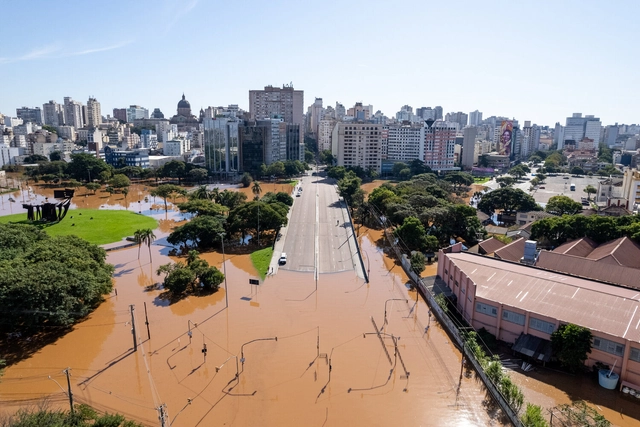
PORTO ALEGRE, RS, BRAZIL, 05/07/2024 - General photos of floods, Av Loureiro da Silva, CAFF and region. Photos: Gustavo Mansur/ Piratini Palace. Flickr user licensed under CC BY-NC 2.0 DEED Attribution-NonCommercial 2.0 Generic
The world has changed, and accepting this fact is no longer a matter of choice but survival. Our rainfall patterns, periods of drought, average temperatures, sea levels—everything is in constant flux. The denialist stance of many countries, including Brazil, has led to catastrophic situations like the one we are facing now.
The floods that devastated the southern region of the country in recent days cannot be considered isolated incidents. Due to global warming, climate events like this will become increasingly frequent. In other words, unfortunately, we cannot prevent them from happening, but we can—and must—make our cities more resilient to these situations.
There's something quite exciting about imagining how a particular space within an existing built form can dictate its use and vice-versa, how the function of a determined space can shape the space's appearance, and the endless possibilities that this entails. This reciprocal process is a concept we often find in the works of the experimental architecture duo Davidson Rafailidis, whose projects evidence a thorough understanding of the existing form that results in a careful and thoughtful ensemble of dynamic architecture.
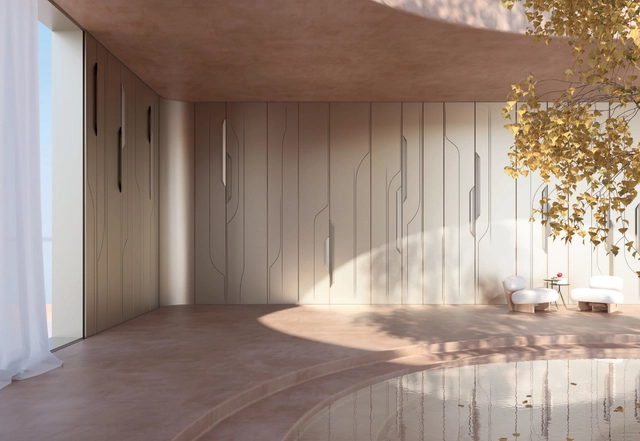
In a new collaboration, Trimo and Pininfarina have introduced the Qbiss Notch Wall System, setting a new standard in architectural design. This partnership marries Trimo's expertise in engineering with Pininfarina's legacy of design innovation, presenting a prefabricated modular metal wall system that promises to redefine the aesthetic and functional landscape of modern architecture.
In Copenhagen, during the 2024 UNESCO International Day of Light, The Daylight Award has announced Spanish architect and professor Alberto Campo Baeza as the laureate for the architecture category and German professor of chronobiology Till Roenneberg for his scientific research regarding the impact of daylight. The two categories create an interdisciplinary bridge between fields, grounding architectural thinking with high-level research. The two winners have been commended for scientific investigations into issues like circadian rhythms and dependencies in the case of Professor Roenneberg, and the poetic qualities obtained through the use of daylight in Alberto Campo Baeza’s architectural works.
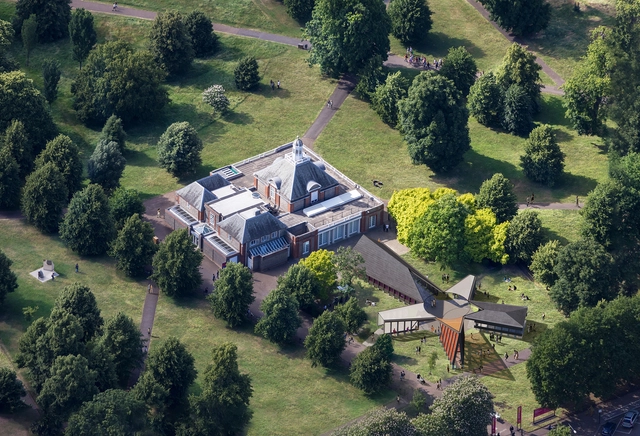
23rd Serpentine Pavilion by Mass Studies. Image Courtesy of Serpentine Gallery
Seoul-based Korean architect Minsuk Cho and his firm Mass Studies have been selected to design the 23rdSerpentine Pavilion, to open on June 5, 2024, in London’s Kensington Gardens. Titled “Archipelagic Void,” this iteration of the iconic commission will consist of five ‘islands’ displayed around an open space, breaking down the structure into a series of smaller elements intertwined with the park’s natural ecology. The pavilion will be open to the public from June 7, until October 27, 2024, with a press preview two days before the opening.
The Pritzker Architecture Prize 2024 Laureate Riken Yamamoto will deliver the lecture, "uncovering his journey in the discovery of communities throughout the world, inspiring his socially-driven architecture that blurs the boundaries between public and private dimensions". Following the lecture, Yamamoto will be joined by recent Laureates, Sir David Chipperfield CH (2023), Francis Kéré (2022), and Anne Lacaton (2021), who share a similar commitment to the value of the social system." They will discuss the responsibility of the architect as a catalyst for change and debate respective challenges of creating and bridging communities as they shape new approaches to the design of the built environment."
In 1956, when car ownership and the suburban development that this enabled were just being embraced as American cultural ideals, pioneering urbanist Jane Jacobs wrote that the U.S. was becoming “an unprecedented nation of centaurs. … Our automobile population is rising about as fast as our human population and promises to continue for another generation.” She continued, “the car is not only a monstrous land-eater itself: it abets that other insatiable land-eater—endless, strung-out suburbanization.”
https://www.archdaily.com/1016717/jane-jacobs-cyclistPeter L. Laurence
Videos
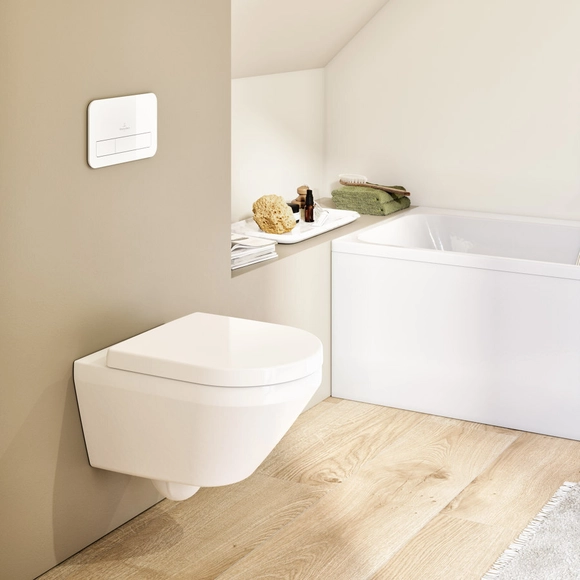
Optimised flushing technology: TwistFlush[e³] has been specially developed for use in housing projects as well as in public and commercial sanitary facilities. Image Courtesy of Villeroy & Boch
For three years now, Villeroy & Boch has been implementing the TwistFlush vortex flush technology in selected toilets. This innovative flushing technology harnesses the physical force of the swirl to optimize flushing performance and toilet hygiene. Two nozzles generate a powerful water vortex, which cleans nearly the entire inner surface of the toilet and pulls all dirt residue into the drain with its strong suction. Coupled with the conical geometry and extra-smooth walls of the bowl, this makes repeated flushes and the use of the toilet brushes practically unnecessary. Compared to conventional flushes, this innovation is also particularly water-saving, making a significant contribution to resource conservation.
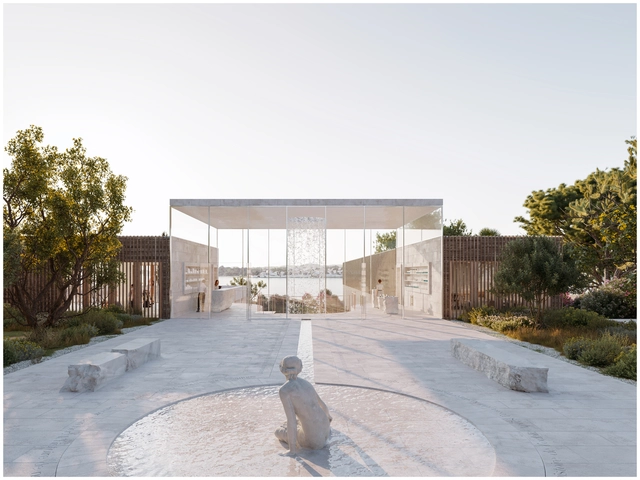
Delving into the realm of unbuilt architectural projects by renowned offices offers a peak into the design principles and ethos of the studios. The curated list of unbuilt projects submitted by established architecture practices has the potential to reveal new perspectives on the socio-cultural and environmental factors shaping contemporary architecture. These designs often respond to complex challenges such as sustainability, urbanization, and cultural preservation, reflecting architects' efforts to navigate and contribute meaningfully to the built environment.
Within this curated selection, one standout project is Rafael Viñoly Architects' Médano El Pinar, marking the late architect's last contribution to the architectural landscape. Other projects such as Aedas' Ellinikon Commercial Hub explore the opportunities of new developments, such as the disused airport transformed into Europe's largest coastal park in the periphery of Athens, while others are highlighting natural landscapes or offering spaces for creative and innovative programs. Featuring internationally recognized offices like SOM, Kohn Pedersen Fox, Gensler, or GAD Architecture, the selection showcases the unrealized concepts and architectural experimentations of renowned offices.
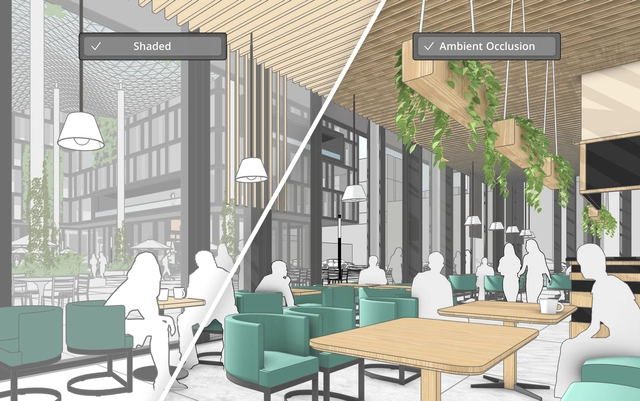
More realistic visuals and expedited as-built modeling workflows (directly on iPad with Scan-to-Design [Labs]) are part of the latest release of SketchUp architectural design software. The 2024 version includes performance upgrades to boost productivity, ranging from a new graphics engine to easier ways to share ideas with stakeholders.
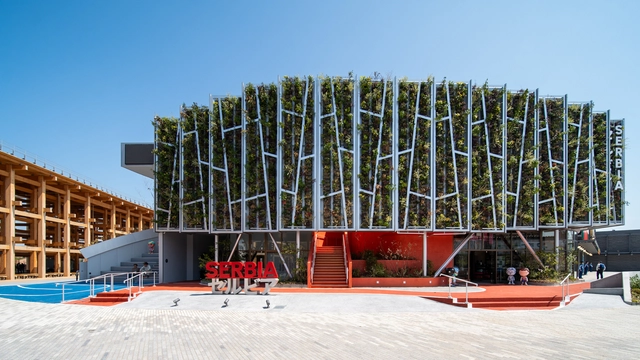
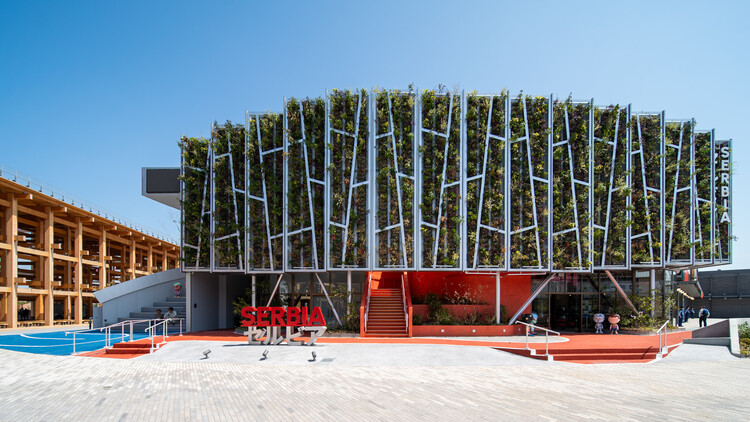
The Serbian Pavilion at Expo Osaka 2025 emerges as a compelling example of sustainable architecture infused with cultural storytelling, seamlessly integrating cutting-edge technology and emotional resonance. Designed by Aleatek Studio, the pavilion takes inspiration from Belgrade's protected Ratno Ostrvo (Great War Island) to realize the concept of a "Floating Forest." It stands out as the only Expo pavilion featuring a living façade, with over 95% of its materials recyclable and 80% intended for reuse in future construction. The design strategy also aligns with the theme "Play for humanity" of the upcoming Specialised Expo 2027 to be held in Belgrade.
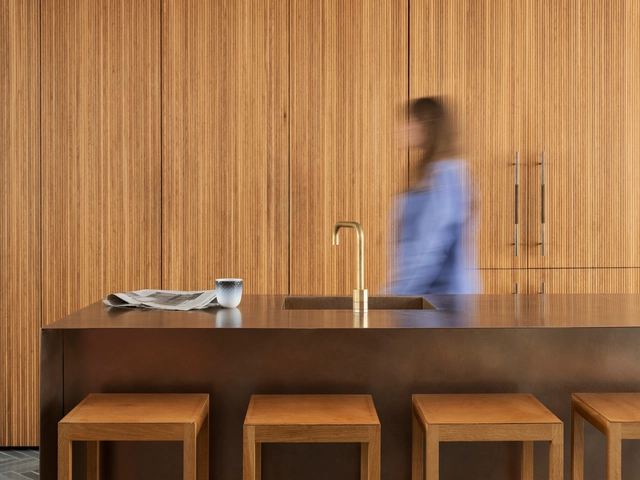
The DÉCA faucet has a minimalist, sculptural form with a unified body and geometric 10-edged grip. Image Courtesy of TONI Copenhagen
For designers seeking to evoke a sartorial expression of "quiet luxury" through an interior, a necessity to a minimalist palette is the addition of a sculptural object—one that catches the eye, glints like a jewel, and nods towards understated refinement. For kitchens and bathrooms where functionality reigns, how about capturing that moment of chic tension—that je ne sais quoi—with a radical faucet?