

Simone Farresin from the Italian studio Formafantasma talks about his practice, together with his partner Andrea Trimarchi, their work, and the different approaches to projects. He also tackles their participation in the Milan Design Week, and the political role of creatives in the world.
News
Simone Farresin From Formafantasma On Milan Design Week and the Responsibility of Designers
https://www.archdaily.com/1015806/simone-farresin-from-formafantasma-talks-on-milan-design-week-and-the-responsibility-of-the-designersArchDaily Team
ODA Reveals the Design of a Contextual Residential Development in Brooklyn, New York
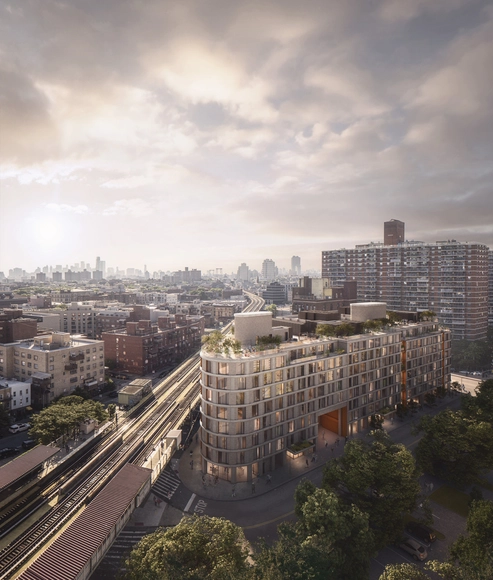
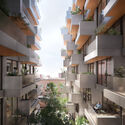
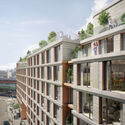
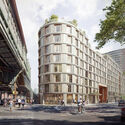
New York-based architecture office ODA has unveiled its design for Lorimer House and Copper Lofts, a development comprised of two residential buildings located in East Williamsburg in New York City. The design takes advantage of the triangular shape of the plot, employing rounded corners throughout the building to soften its image and create contextual references to its urban surroundings. Containing a total of 336 residential units, in addition to various amenities, the construction is slated for completion in 2024.


https://www.archdaily.com/1015798/oda-reveals-the-design-of-a-contextual-residential-development-in-brooklyn-new-yorkMaria-Cristina Florian
Architecture with SIPs: Fast-Build, High-Performance Prefabricated Homes
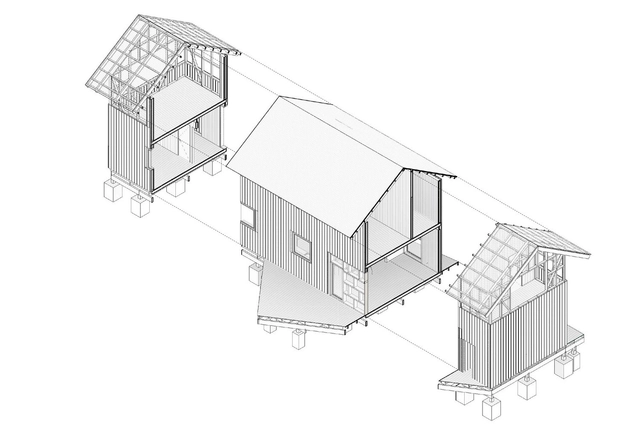
The current demands of the industry lead architects to design based on construction solutions that accelerate processes without compromising quality, while reducing waste and dependence on intensive labor. Among these options, SIP panels stand out as a modular alternative that combines thermal and acoustic insulation with speed and construction precision.
Named after their acronym, SIP panels are self-supporting elements consisting of a rigid foam core sandwiched between two structural claddings, typically OSB boards. Strong yet lightweight, these panels are manufactured under strict factory controls and transported to the construction site, facilitating the rapid assembly of floors, walls, and ceilings, while creating an airtight thermal and acoustic envelope. The thickness of the panel depends on the combined thickness of its components, and its weight typically does not exceed 20 kg per square meter.
https://www.archdaily.com/965657/architecture-with-sip-panels-fast-build-high-performance-prefabricated-homesJosé Tomás Franco
Exploring Linear Lighting Design for Creating Luminous Paths
| Sponsored Content
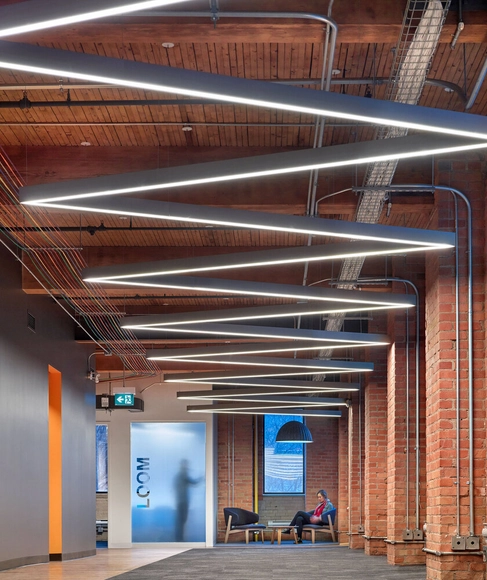
Lighting has evolved remarkably throughout architectural history, driven by significant technological advances. Despite these changes, its central purpose of enhancing aesthetics, functionality, and safety has remained consistent. In this evolution process, a milestone can be traced with the transition from fluorescent lighting to LED lighting, marking a turning point that has reduced costs and energy consumption. Furthermore, it has fueled creativity, thanks to the versatility of LED lighting. These new design possibilities are evident in organic lighting layouts, which mimic linear patterns of lighting arrangements on walls and ceilings, whether suspended or recessed.
In this context, as architects and designers have moved away from symmetrical, rigid, and parallel mirror patterns, Alcon Lighting has detected a trend where linear lighting highlights asymmetrical architectural features and lines. In this way, layouts that do not appear to follow a rigid design pattern are being adopted.
https://www.archdaily.com/1015184/exploring-linear-lighting-design-for-creating-luminous-pathsEnrique Tovar
15 Landscaped Offices With Garden Space For Free-Range Employees to Roam
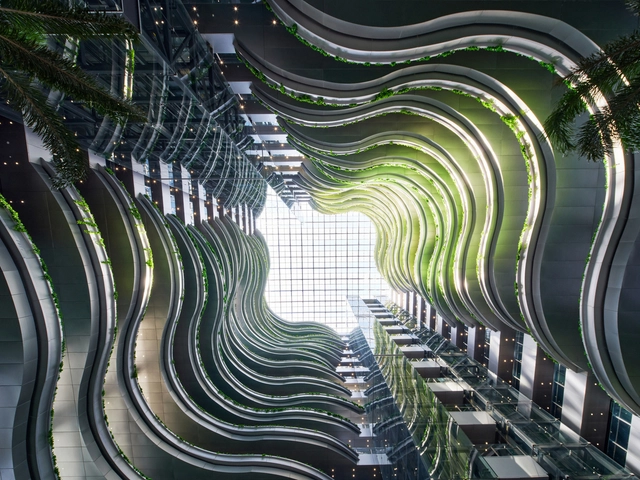
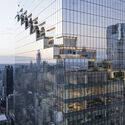
Representing 32% of the global population, Generation Z (those born between 1995 – 2010) accounts for a healthy chunk of the workforce (27% by 2025 and rising every year). These are the fresh young minds employers are fighting to attract. With prospective employers’ impact on society (93%) and a healthy work/life balance (77%) the two biggest motivators in deciding where Gen Z’ers want to work, a large part of any new office building’s design brief is green space.
While hybrid working and flexible hours represent the most obvious ways to improve work/life balance for many, because of the missed social interactions and the lack of space or functionality at unproductive home workspaces, the majority of 16-24-year-olds are the only age group who prefer to work from the office.



https://www.archdaily.com/1015599/15-landscaped-offices-with-garden-space-for-free-range-employees-to-roamJames Wormald
Playing with Translucency and Transparency: Balancing Natural Lighting with High-Performance Panels
| Sponsored Content
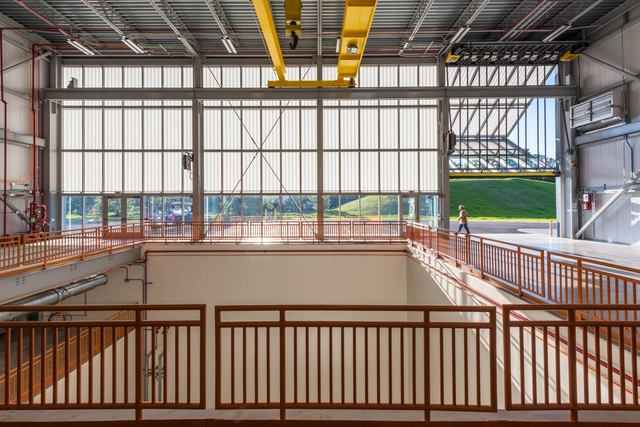
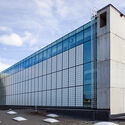
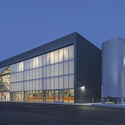
The question, "How can we control natural light in interior spaces?" is fundamental in architecture. Unregulated direct sunlight can cause discomfort such as visual strain and undesirable heat gains. Therefore, it is crucial to control its entry effectively. Some design solutions include installing shading devices, planning spatial orientation, and building forms for indirect natural light. Window treatments like films or heat-reflective glazing can also be used.
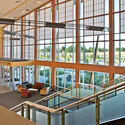
However, there are innovative strategies to control natural light more efficiently through advanced glazing panels like the Kalwall 175CW. This translucent insulated glazing unit is compatible with most third-party curtain wall systems. By manipulating the translucency of the glazed material, it's possible to influence the visual and thermal comfort of spaces. At the same time, this can enhance the architecture of modern spaces, adding substantial aesthetic and emotional value.

https://www.archdaily.com/1014639/playing-with-translucency-and-transparency-balancing-natural-lighting-with-high-performance-panelsPaul Yakubu
Fire Destroys Copenhagen’s 17th Century Stock Exchange, Causing the Collapse of Its Spire
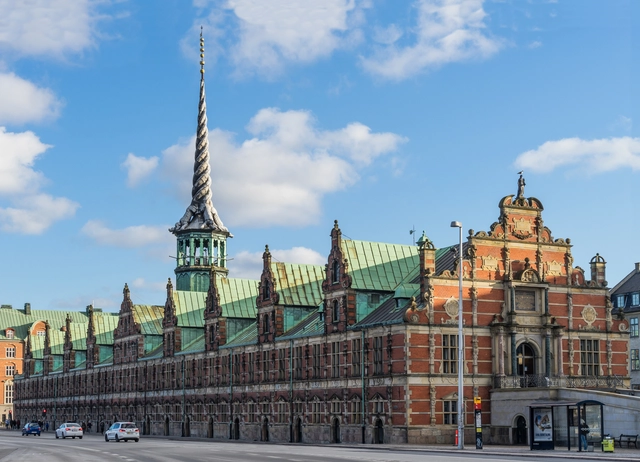
In the early morning of April 16, a fire broke out in the capital of Denmark, engulfing Copenhagen’s Old Stock Exchange, one of the oldest landmarks in the city. In the fire, the 56-meter-tall Dragon Spire, shaped as the tails of four entwined dragons, collapsed. In just a few hours after the fire begun, half of the 17th century Børsen building was destroyed according to authorities. The structure was undergoing renovation works at the time of the event. Emergency workers, staff members and passers-by collaborated to rescue the historic artworks housed in the former stock exchange.
https://www.archdaily.com/1015742/fire-destroys-copenhagens-17th-century-stock-exchange-causing-the-collapse-of-its-spireMaria-Cristina Florian
Shaping the Future of Islamic Architecture: Diriyah Biennale Foundation Unveils AlMusalla Prize
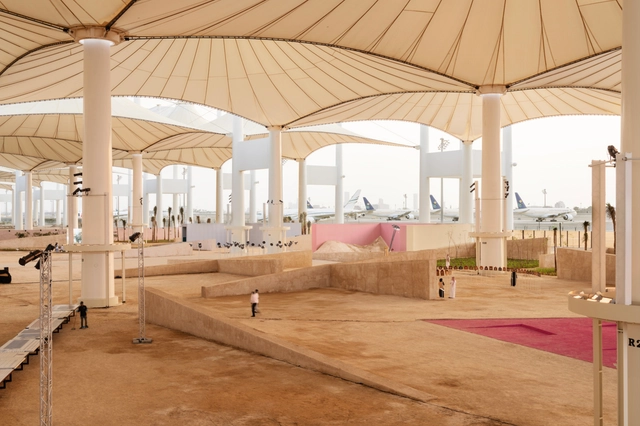
The Diriyah Biennale Foundation has just unveiled the competition details for the AlMusalla Prize, along with the shortlisted architecture studios and the jury. An addition to the Islamic Arts Biennale, this international architecture competition focuses on designing a musalla, a flexible space for prayer and reflection accessible to people of all faiths. Situated in the Western Hajj Terminal of King Abdulaziz International Airport in Jeddah, Saudi Arabia, the musalla will be an integral part of the Biennale’s upcoming edition. The winner of the competition will be announced later this year, and the opening of the musalla will be held on January 25th, 2025.
https://www.archdaily.com/1015727/shaping-the-future-of-islamic-architecture-diriyah-biennale-foundation-unveils-almusalla-prizeNour Fakharany
Narratives on the Precariousness of the Built Environment: Architectural Themes at the 2024 Whitney Biennial
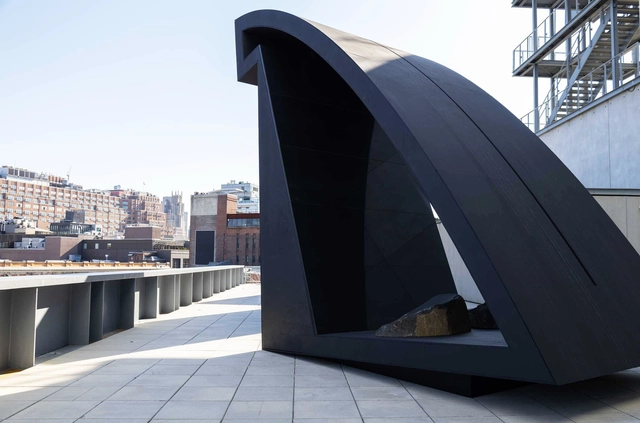
Art can be a catalyst for architects to see the built environment through a different lens. It provides a unique opportunity to delve into the viewpoints of trained architects who have transitioned into the visual arts and artists who explore cities and their inner workings through their personal stories.
Located in New York City, the Whitney Biennial is considered the most important and longest-running survey of contemporary art in the United States. Along with the Venice Biennale, it is considered one of the world's most important recurring art exhibitions. This year's theme, "Even Better Than the Real Thing," delves into concepts of identity and bodily autonomy, amplifying the voices of those historically marginalized. This includes looking at stories that study the connection between personal narratives and growing feelings of precariousness surrounding the constructed world. These are artists from this year's Whitney Biennial touching on topics related to architecture and cities.


https://www.archdaily.com/1015694/narratives-on-the-precariousness-of-the-built-environment-architectural-themes-at-the-2024-whitney-biennialCarla Bonilla Huaroc
Discover Milan’s Architectural Gems With This Interactive City Guide
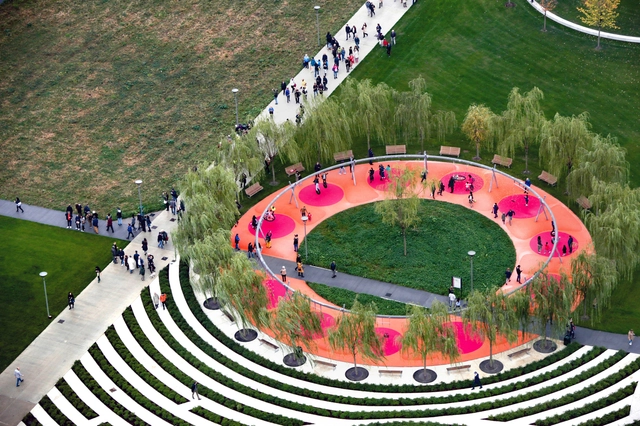
Milan stands as a beacon of mainstream fashion and economic vitality, drawing visitors from around the globe. As Italy’s second most populous city, it serves as the stage for some of the world’s premier fashion and design events. To kick off the 62nd edition of Milan Design Week, we partnered with Felt to create an interactive map highlighting some of the city’s most iconic tourist attractions, as well as contemporary landmarks designed by renowned local and international architects such as Aldo Rossi, Gio Ponti, Stefano Boeri, Mario Cucinella, Zaha Hadid, Grafton Architects, Herzog & de Meuron, and Foster and Partners, amongst others.
https://www.archdaily.com/1015736/discover-milans-architectural-gems-with-this-interactive-city-guideArchDaily Team
How Modular Construction Can Provide Architectural Aid: From Rapid-Response to Transitional and Affordable Housing
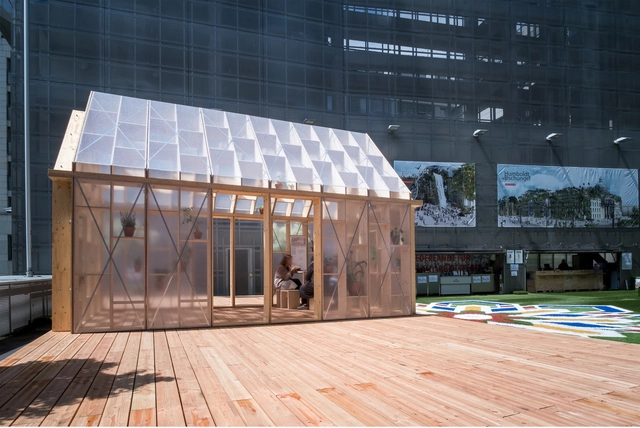
Ever since the Industrial Revolution and the introduction of mass production, the ownership and use of simple products and services like flush toilets with running water, electricity, heating, and cooling are seen as human rights in many areas of the world. With the majority of homes and residential projects being individually designed and built to order – therefore without the speed and cost advantages of mass production – an underperforming housing construction sector means many people – even in the world’s richest countries – are being denied one of the most basic human rights, having somewhere to call home.
The UNHCR (UN Refugee Agency) states that there were over 100 million forcibly displaced people worldwide in 2023 – a figure that has tripled over the last 10 years. For host countries, finding safe, sustainable housing solutions for those in need, both in the short- and the long-term, is an ongoing and dramatically worsening challenge.


https://www.archdaily.com/1015393/how-modular-construction-can-provide-architectural-aid-from-rapid-response-to-transitional-and-affordable-housingJames Wormald
Milan Design Week Opens with Events and Exhibitions at Salone del Mobile and Across the City
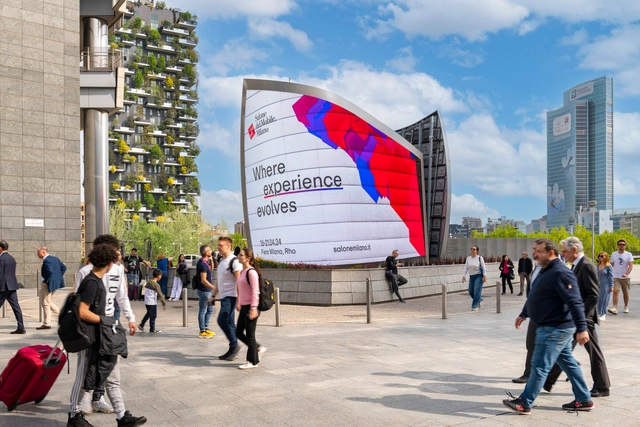
As Milan Design Week begins, the Italian city is transformed into the grounds of one of the most expansive celebrations of global design, with its streets and venues brimming with cultural events, exhibitions, large-scale installations, talks and conferences. At Rho Fiera, the 62nd edition of the Salone del Mobile.Milano brings together designers, architects, producers and leading figures of the design world, featuring over 1950 exhibitors which will remain open for the next 6 days. Additionally, across the city Fuorisalone opens up locations across the city with an engaging and varied cultural program.


https://www.archdaily.com/1015704/milan-design-week-opens-with-events-and-exhibitions-at-salone-del-mobile-and-across-the-cityMaria-Cristina Florian
Designed by Foster + Partners, China's Merchants Bank Tops Out in Shenzhen
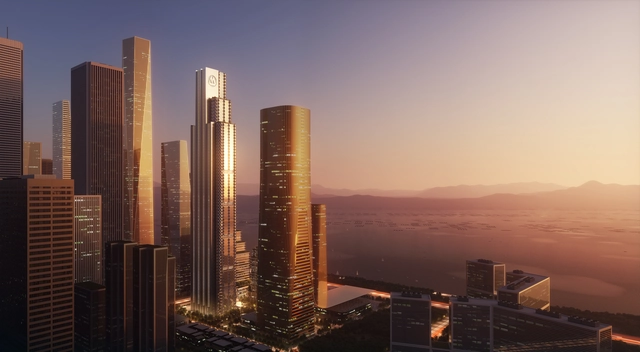
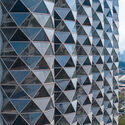
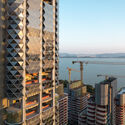
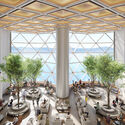
Shenzhen's China Merchant’s Bank Headquarters has reached its final construction phase. Designed by Foster + Partners, the project is a prominent element within a larger mixed-use complex, carefully shaping the neighborhood and the city’s dynamic skyline. Designed around the context of the rapidly urbanizing Shenzhen Smart City, the bank and its larger mixed-use components seek to be sustainable developments seamlessly integrating into the existing landscape.

https://www.archdaily.com/1015657/designed-by-foster-plus-partners-chinas-merchants-bank-tops-out-in-shenzhenNour Fakharany
Architecture Matters 2024: Crisis vs. Crisis
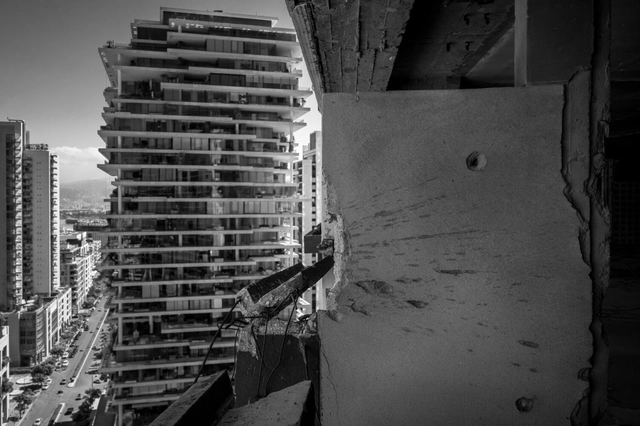
Another edition of the conference Architecture Matters will take place on May 15-16 in Munich, Germany, bringing together architects, city officials, developers, and more professionals who care about the built environment (you can read our report of the 20223 edition). Amidst the current state of affairs, the conference is titled “Crisis vs. Crisis”, to reflect on how the interconnected pressing challenges of housing, climate, and geopolitical issues need to be addressed in order to have positive consequences, and not creating yet another crisis.
Hosted at the House of Communication, recently refurbished by HENN, the conference starts with a thought provoking talk by Linus Neumann, hacker and spokesperson of the Chaos Computer Club, on the state of Cybersecurity and Infrastructure. Among the speakers this year we find Odile Decq (Studio Odile Decq), Anupama Kundoo (Anupama Kundoo Architects), Kåre Stokholm Poulsgaard, (3XN - GXN), Elisabeth Merk (Planning Director City of Munich), among others, including along with a special photo reportage of Beirut by Sergey Pomonarev, and how its current crisis is reflected on the built environment.
https://www.archdaily.com/1015702/architecture-matters-2024-crisis-vs-crisisDavid Basulto
Tourism Gentrification in the United States: How Short Term Rentals Impact American Cities
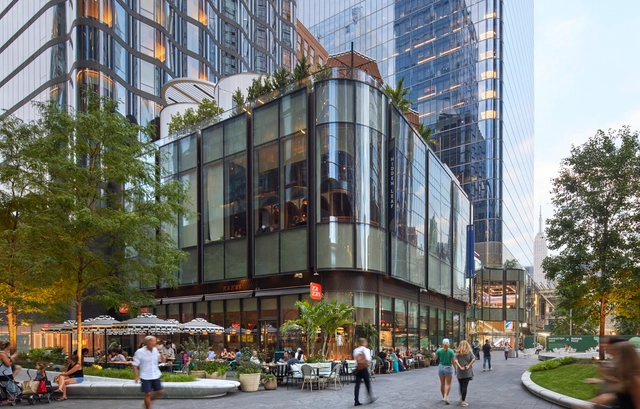
Airbnb has undoubtedly disrupted the hospitality industry, inspiring an ecosystem of companies leveraging the sharing economy such as co-living startups. While these companies have achieved impressive financial success, they have been purported to produce problematic effects at the scale of the city. Airbnb, in particular, is alleged to have driven an increase in rental prices in cities already grappling with housing affordability challenges. Much like the case of Uber's impact on urban mobility, Airbnb's rapid growth has caused significant challenges for local governments, demanding comprehensive regulation and a re-evaluation of its functioning at the city scale.


https://www.archdaily.com/1015646/tourism-gentrification-in-the-united-states-how-short-term-rentals-impact-american-citiesAnkitha Gattupalli
Coachella 2024 Installations Explore the Intersection of Art, Music, and Community
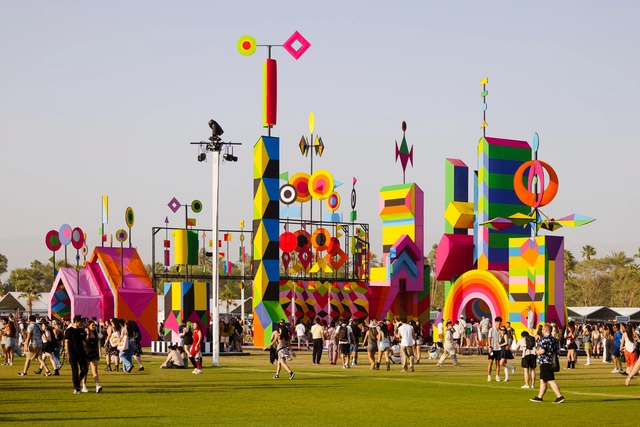
The annual Coachella Valley Music and Arts Festival has opened in Los Angeles with a selection of large-scale art installations curated by the Public Art Company in collaboration with Paul Clemente. The festival grounds at the Empire Polo Field have been reimagined with three newly commissioned works by a diverse group of artists, architects, and designers. Challenging conventional norms and experimenting with new technologies and artistic expressions, these temporary interventions are an invitation for playful exploration, connection, and contemplation, enhancing the festivalgoer’s experience.
According to Raffi Lehrer, the founder of Public Art Company and Curatorial Advisor for Coachella's art program, the aim of these installations is not to simply adorn the festival but “to create environments that provoke thought, evoke emotion, and encourage a shared experience among all attendees.” By collaborating with artists from different fields, the music festival gains a new perspective, opening up its grounds for experimentation and play.


https://www.archdaily.com/1015647/coachella-2024-installations-explore-the-intersection-of-art-music-and-communityMaria-Cristina Florian
7 Bioclimatic Façade Strategies for Tropical Architecture
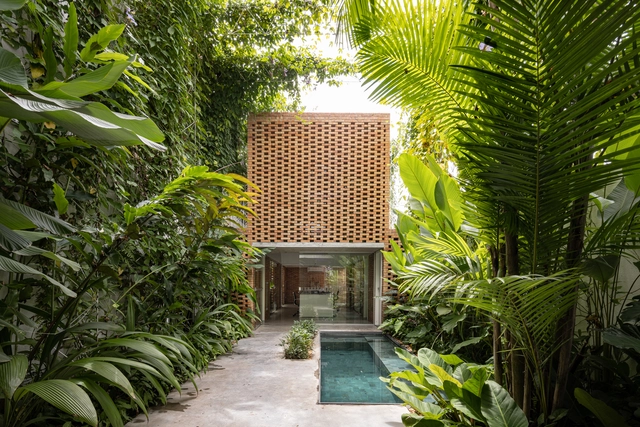
When we think of the word "tropic," the image that typically comes to mind is an exotic space, characterized by perpetual warmth and humidity, with frequent and heavy rainfall nurturing lush vegetation. Throughout history, this tropical climate has been romanticized as a paradise and criticized for potentially fostering weakness due to its perceived clemency.
Thankfully, those judgments and associations have been relegated to the past, paving the way for theoretical and practical projects that outline the advantages and disadvantages of living in a tropical climate. These projects acknowledge the various strategies to enhance human adaptability within these distinctive climatic conditions.


https://www.archdaily.com/1015392/7-bioclimatic-facade-strategies-for-tropical-architectureCamilla Ghisleni
Modular Housing in Latin America: Assembly, Joinery, and Transportation Methods in Construction
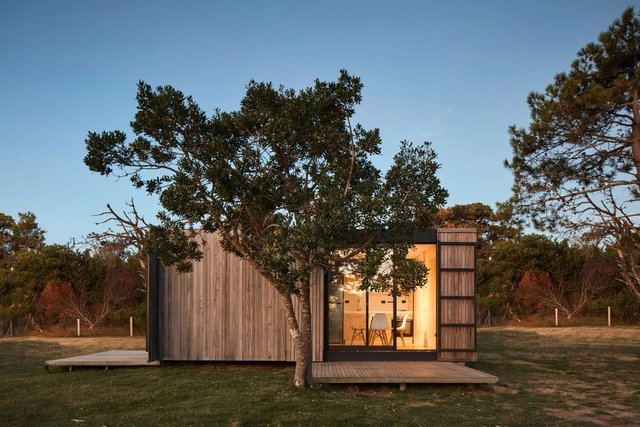
In a constant search to find new ways to reduce costs and construction times, modular architecture emerges as an opportunity to implement various methods, technologies, and techniques to design livable spaces using separate repetitive elements such as modules. As Tom Hardiman, executive director of the Modular Building Institute (MBI), maintains, "Modular" is not about a construction product but rather a construction process.
https://www.archdaily.com/1015336/modular-housing-in-latin-america-assembly-joinery-and-transportation-methods-in-constructionAgustina Iñiguez
Hypostyle: Contemporary Interpretations of an Ancient Concept
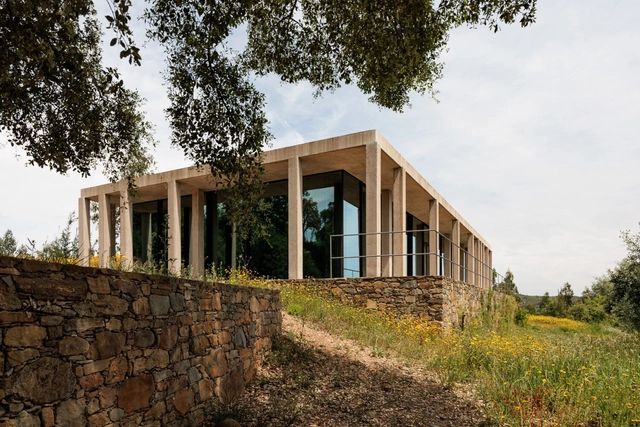
Many ancient Egyptian, Greek and Islamic religious buildings share a common feature known as hypostyle. Defined as rows of columns that support a roof, this solution has developed in different cultures in different periods of time, which can explain the variety of materials, shapes, sizes and distances between the columns that can be found around the world. Famous examples of the use of this concept are Great Hypostyle Hall (c. 1290–1224 BC), part of the Karnak Temple Complex and one of the most visited monuments of Ancient Egypt, and the Wooden Hypostyle Mosques of Medieval Anatolia (c. 13th and mid-14th centuries), World Heritage Site located in present-day Turkey.
In contemporary architecture, it is possible to see different kinds of examples of how this concept is revived. While some projects use the concept to refer to vernacular architectures that correspond to the same program and use as the proposed building, as is the case with some mosques, others rely on the abstraction of the term through an interpretation that highlights the pillars and their organization in the proposition of the space. In all of them, however, it is clear that the relationship between the hypostyle inspiration and modular architecture is very close, practically intrinsic.


https://www.archdaily.com/1015585/hypostyle-contemporary-interpretations-of-an-ancient-conceptSusanna Moreira
Sculpting Time: The Contemporary Use of Marble in Bathroom Design
| Sponsored Content
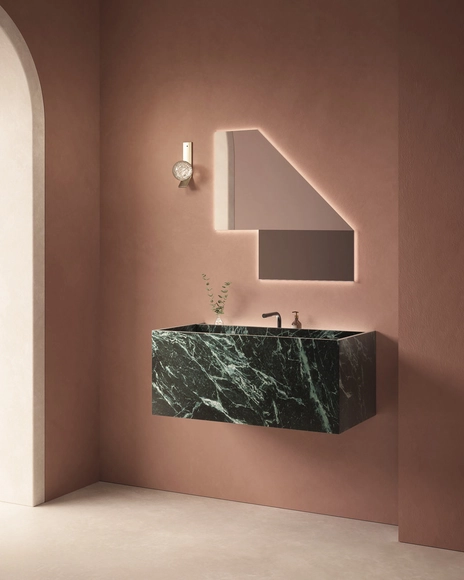
Marble held profound significance in Greek and Roman architecture due to its abundance, luminous surfaces, and subtle veining. Its durability ensured structures' longevity, while its cultural symbolism of purity and divine favor made it ideal for temples, theaters, and amphitheaters. As a symbol of perfection, marble facilitated intricate craftsmanship for decorative elements, inspiring architectural marvels and exquisite art, leaving a legacy of sophistication and refinement.
Today, marble remains a symbol of excellence and refinement, prevalent in contemporary architecture and art. Its timeless beauty and durability continue to captivate clients and designers alike. In sculptures, furniture, and decorative pieces, marble's natural elegance elevates any environment. Companies like antoniolupi integrate marble into their designs, combining creativity and meticulous craftsmanship to redefine the possibilities of this natural stone in innovative projects. The Italian company—a leading designer and manufacturer of high-end products—has ventured beyond conventional boundariesin a quest for innovation, embarking on projects that redefine the possibilities of this naturalstone.
https://www.archdaily.com/1015033/sculpting-time-the-contemporary-use-of-marble-in-bathroom-designEduardo Souza
Powerhouse Company Wins Competition for a Diverse Urban Ensemble in Amsterdam, Netherlands
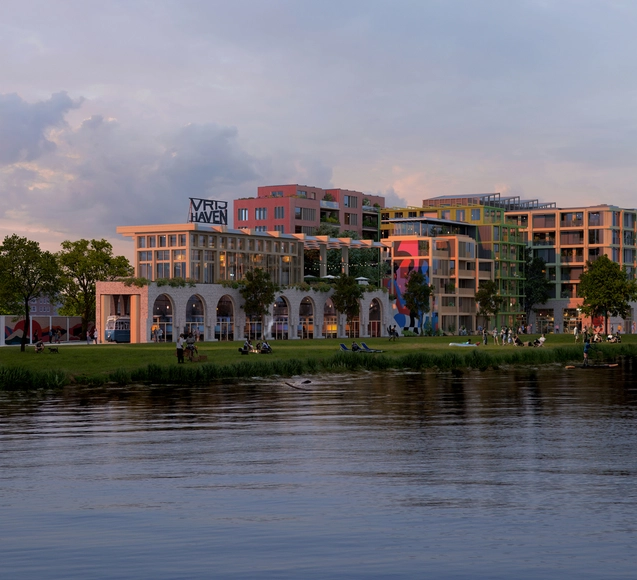
Powerhouse Company, together with Studio Donna van Milligen Bielke & Ard de Vries Architecten, Team V Architecture, Joppe Kusters, and DELVA Landscape Architecture | Urbanism, has won the competition to design a creative urban district in Havenstraat, a well-known fringe area in Amsterdam. Set in a location defined by disused industrial remnants, historic trams, and informal greenery, the area shows its potential in offering space for experimentation, opening itself to local businesses, creatives, and makers to refine its character.


https://www.archdaily.com/1015598/powerhouse-company-wins-competition-for-a-diverse-urban-ensemble-in-amsterdam-netherlandsMaria-Cristina Florian
The Making of Abijo Mosque: An Architectural Journey
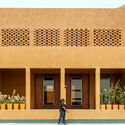
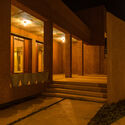
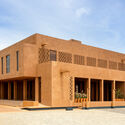
The recently released “Abijo Mosque Documentary” explores the journey of designing and building the Abijo Mosque in Lagos, Nigeria. The documentary provides a detailed narrative of the design process and the cultural context around the new structure. Designed by Patrickwaheed Design Consultancy (PWDC), the mosque is a testament to the integration of traditional materials and contemporary architecture. The Abijo Mosque design also helps “build the case for a Nigerian architectural language.”

https://www.archdaily.com/1013112/the-making-of-abijo-mosque-an-architectural-journeyNour Fakharany
Interview with Charu Kokate of Safdie Architects: Designing for Community
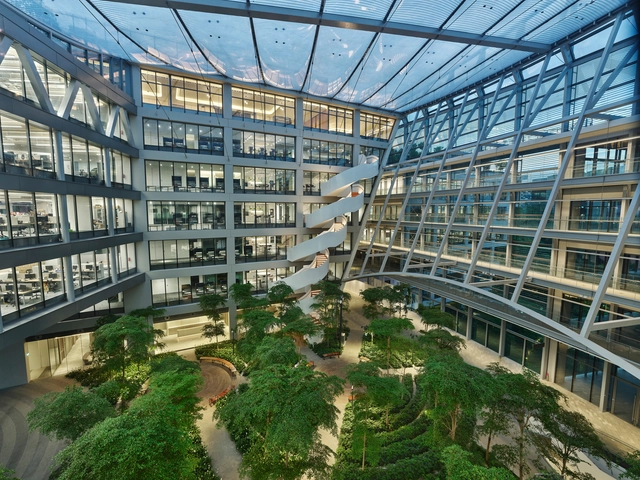
Safdie Architects has officially opened the new campus headquarters for Surbana Jurong, Singapore’s leading architecture, urban design, and infrastructure firm. The project expands Safdie Architects’ vision of 'for everyone a garden' into the workplace with a design that draws on the tranquility of the site’s previously undeveloped natural setting to foster shared moments of engagement and creativity. Achieving Green Mark (Super Low Energy) certification, the campus is the flagship development of the emerging Jurong Innovation District, envisioned as the first business park set in a tropical rainforest.
The development marks Safdie Architects' sixth project in Singapore and enhances the firm's prominent built portfolio in the city-state, which already includes Marina Bay Sands, Sky Habitat, and the Jewel at Changi Airport. On the occasion of the opening, ArchDaily spoke to Charu Kokate, Partner at Safdie Architects, who leads efforts in the Singapore region, about the firm's unique development footprint and building philosophy.


https://www.archdaily.com/1015532/interview-with-charu-kokate-of-safdie-architects-designing-for-communityClaire Brodka
A Dynamic Hub Dedicated to Youth and a Villa Complex Inspired by Rice Fields: 8 Unbuilt Resorts Submitted by the ArchDaily Community
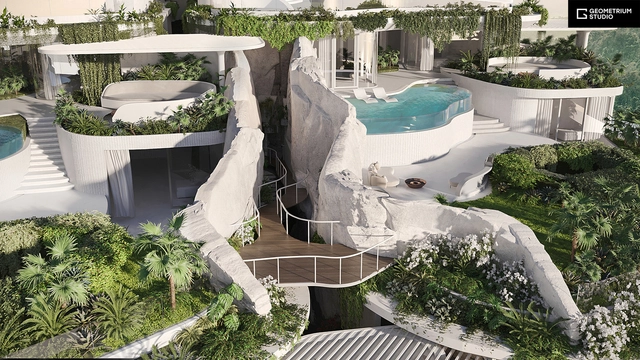
Long celebrated as havens of relaxation and luxury, resorts offer guests an escape from the mundanity of daily life. These sanctuaries seek to offer lavish accommodations, scenic locations, and comprehensive experiences. From sun-drenched beaches to mountain retreats, or secluded spots in the wilderness, resorts can take a variety of forms, each offering a unique experience. The history of architects designing resorts is intertwined with the development of the hospitality industry and the concept of leisure travel. In the realm of architecture, resorts allow designers to meld functionality with luxury living, creating spaces that offer experiences beyond just residences.
The Multifunctional complex “Next Collection” in Georgia by SPECTRUM Architecture illustrates this by adopting organic forms that blend into the seaside, while “Ethereal Mountains” by the Maden Group in Albania seeks to foster youth engagement in a breathtaking landscape. In Indonesia, the Villa complex “Olympus” by Geometrium Studio presents a unique structural concept where each villa’s roof acts as the terrace for the one above, echoing the rice fields of Bali. In this week’s curated selection of unbuilt resorts, submitted by the ArchDaily community, these themes are explored in different settings and design conditions.
https://www.archdaily.com/1015425/a-dynamic-hub-dedicated-to-youth-and-a-villa-complex-inspired-by-rice-fields-8-unbuilt-resorts-submitted-by-the-archdaily-communityNour Fakharany