Specificity has re-emerged as a central language in architectural discourse. In an increasingly globalized field, where projects often follow familiar models regardless of context, architects are now turning toward approaches rooted in the particularities of each site. This renewed attention to context reflects broader social, climatic, and political pressures: cities are facing extreme heat, ecological challenges, shifting demographics, and new forms of collective life that demand responses grounded in their immediate conditions.
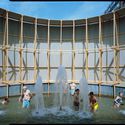
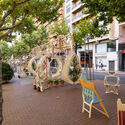
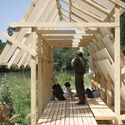
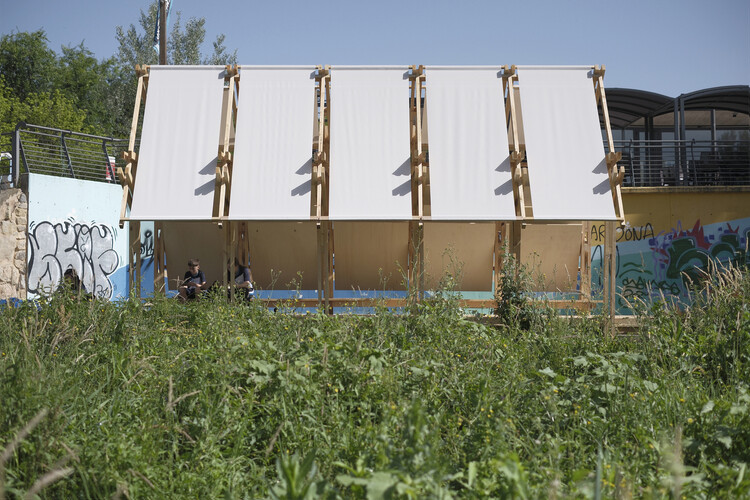
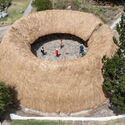
Situated architecture describes this shift. It refers to design approaches in which form, program, and materiality emerge from the specific environment that produces them: its microclimates, cultural structures, and everyday rituals. Rather than beginning with universal templates, these practices start with observation, prototyping, and direct engagement with local dynamics. This logic is visible in the climatic and material experiments of TAKK in Spain, such as Portable Garden and 10k House, which operate as lightweight prototypes tuned to thermal and ecological gradients; in Studio Ossidiana's Art Pavilion M, shaped by layered soils and ecological cycles in the Netherlands; in Izaskun Chinchilla's reinterpretations of vernacular objects and her later experiments with 100 Sillas and 3 Salones Urbanos; in the narrative-driven domestic spaces explored by Common Accounts; and in Raumlabor's urban interventions that respond directly to the specificities of post-industrial Berlin.
The fragility—and temporal beauty—of neon has captivated audiences since the early 1900s. First shown commercially by French engineer Georges Claude at the 1910 Paris Motor Show, neon spread rapidly, achieving broad popularity in the United States from the 1920s through the 1950s. Mid-century America saw it everywhere: from the casinos of the Las Vegas Strip to roadside motor inns along Route 66 and the spectacle of Times Square. By the latter half of the century, however, many signs were scrapped or left to decay, and numerous municipalities restricted neon as visually garish or power-hungry—despite the technology's comparatively modest energy use. In the U.S., renewed interest in neon arguably didn't meaningfully return until the early 2000s.
In Hong Kong, by contrast, neon was embraced with unusual enthusiasm at a time when it began to lose popularity elsewhere. Even as installation slowed in recent decades—largely due to updated ordinances requiring removal of overhanging signs whose support structures failed to meet safety standards—the city's affinity for neon never fully disappeared.
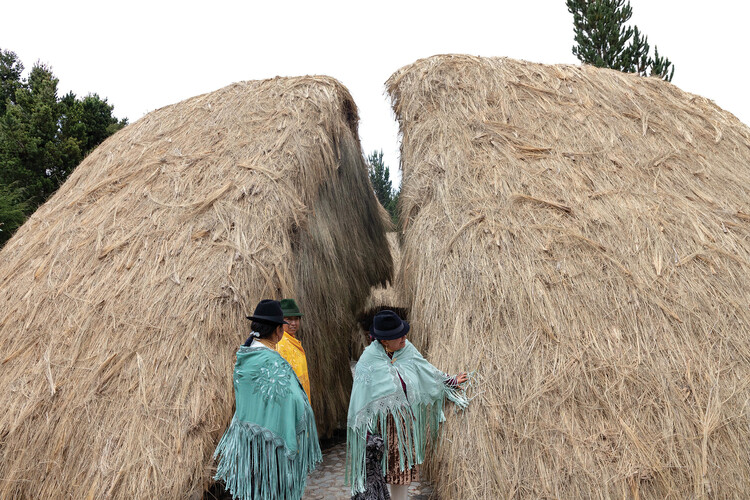
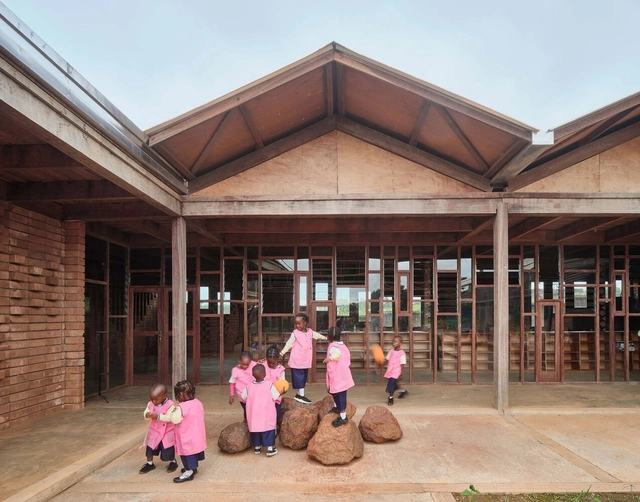
Between the Andes, the coast, and the Amazon, Ecuador's architecture has evolved as a reflection of its layered geography, a place where climate, topography, and culture unite. Throughout the territory, architecture has been an act of adaptation: from vernacular traditions rooted in collective labor and local materials to the colonial and modernist influences that reshaped its cities. This diversity has produced distinct constructive systems, from bamboo and cane structures along the coast to earth and stone constructions in the Andes, forming an archive of adaptive design that continues to influence contemporary practice.
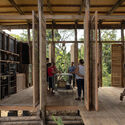
Yet in the past decade, Ecuadorian architecture has undergone a quiet but deep transformation. New academic programs and international references have encouraged a growing awareness of climate and social justice. Emerging architects are redefining practice through workshops, collective studios, and on-site experimentation that blurs the line between design and activism. No longer focused on architecture as an object, a new generation of architects is approaching design as a process. One focused on collaboration, sustainability, and cultural identity. Their questions have shifted the design language from what to build to with whom.
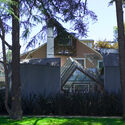
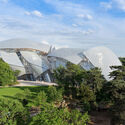
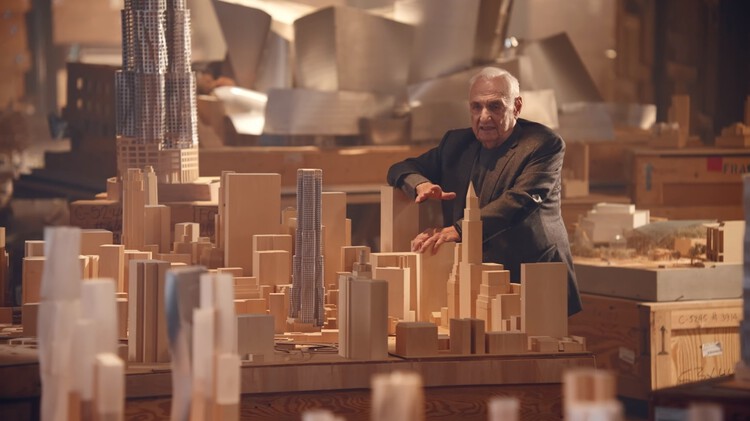
Frank Gehry, one of the most influential and widely recognized architects of the past six decades, has died at his home in Santa Monica at the age of 96. His chief of staff, Meaghan Lloyd, confirmed that the cause was a brief respiratory illness. Gehry's death marks the passing of a designer whose work transformed not only architectural culture but the global imagination of what a building could be.
For the past couple of years, the project curators at ArchDaily have been revisiting architectural works they believe deserve a deeper look. Through an Instagram post called "Project Review", the curators describe what they consider to be the work's main attribute(s). Delving into the project's stories and the elements that make them truly inspiring, they underline what might otherwise be overlooked initiatives and study them closely, with attention to locality and context. The result is an array of diverse works, often from rural or suburban areas that have a public function or historic significance.
While a couple of houses are listed, the majority of the reviews veer towards cultural centers, libraries, workspaces, or commercial settings. Another thing to note is the fact that many of these works ended up coming in from Asia, with a few key projects from rural China. The picks are quite diverse in materiality and design language; however, they all suggest innovative architectural solutions and captivating narratives.
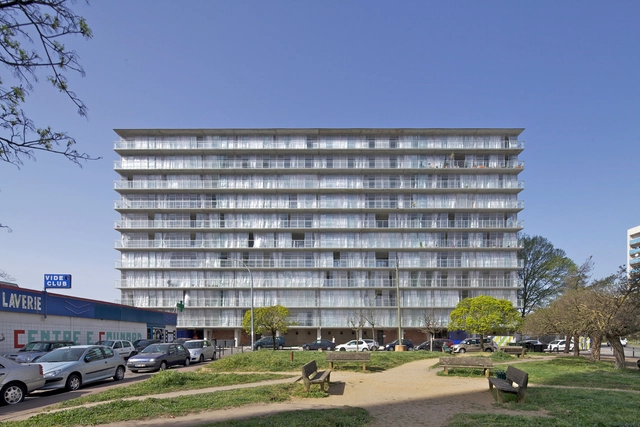
Le Corbusier's Unité d'Habitation imagined a "vertical neighborhood," a building able to integrate housing, commerce, leisure, and collective spaces within a single structural organism. Around the same time, Jane Jacobs argued that diversity of use is what produces safety, identity, and social life at the street level. Later, Rem Koolhaas, in Delirious New York, described the skyscraper as an early experiment in "vertical urbanism," capable of stacking incompatible programs under one roof. In cities like Tokyo and Hong Kong, this ambition matured into complex hybrid buildings where different uses, such as transit hubs, retail, offices, hotels, and housing, coexist and interact continuously.
Color of the Year 2026 "Cloud Dancer". Image Courtesy of Pantone
PantoneColor Institute has introduced PANTONE 11-4201 Cloud Dancer as the Color of the Year 2026, a soft white selected for its understated presence and sense of visual calm. The hue, described as balanced and airy, appears against a broader cultural context in which designers and creatives are reassessing the role of clarity, simplicity, and spatial quietude. Framed as a color that resembles a blank canvas, Cloud Dancer signals a renewed interest in environments that support reflection and measured creativity rather than constant acceleration.
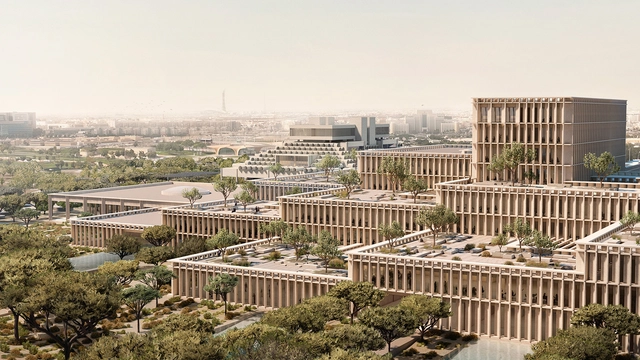
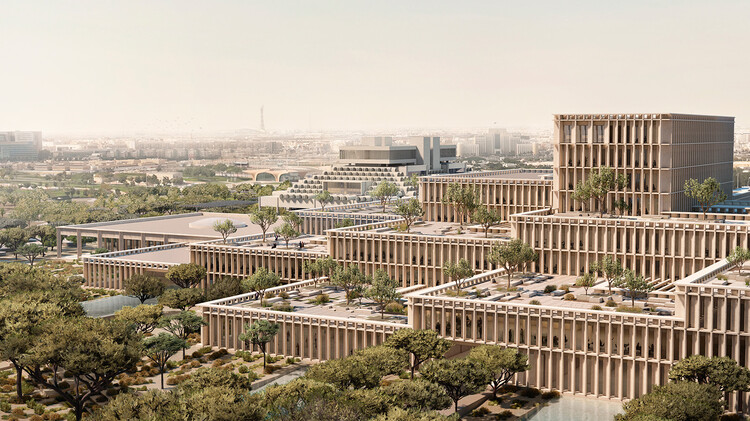
The State of Qatar announced on December 4, 2025, the selection of Frida Escobedo Studio, with Buro Happold engineers and Studio Zewde landscape designers, to design the new headquarters for the Ministry of Foreign Affairs. Intended to establish a more visible civic presence for the Qatari diplomatic service and provide public access to the Ministry complex, the project is planned for a prominent site along Doha's waterfront, transforming a significant section of the city's Corniche. Situated beside Doha Bay, the 70,000-square-meter (750,000-square-foot) project is conceived as a combination of new construction and the adaptive reuse of the historic modernist General Post Office currently on the site.
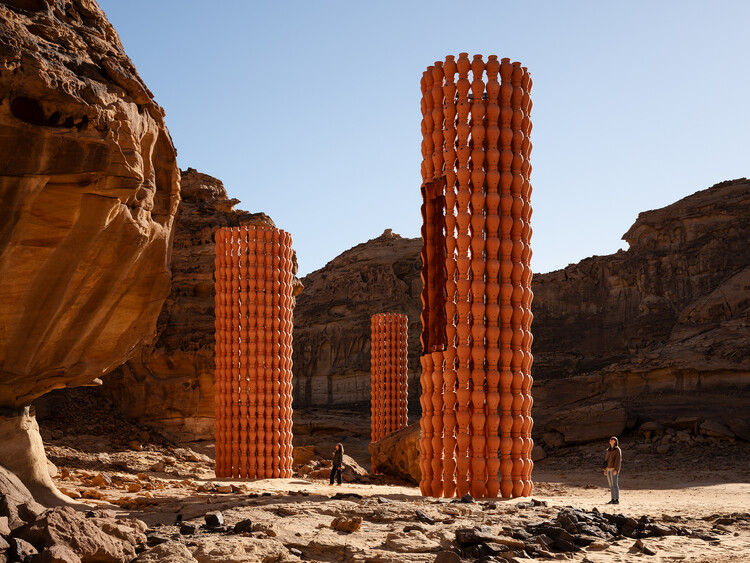
Courtesy of The Royal Commission for AlUla | Rana Haddad + Pascal Hachem Reveries, Desert X AlUla 2024
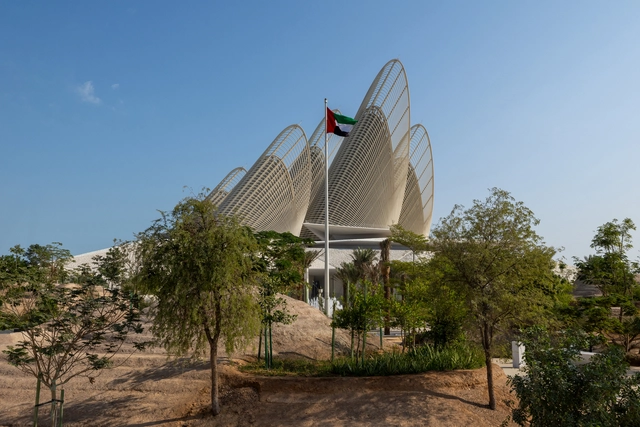
Architecture and design enter 2026 in a moment of renewed experimentation, urgent environmental reflection, and an expanded global dialogue on the built environment. As cities confront the pressures of climate adaptation, demographic shifts, and technological transformation, this year's international calendar offers a lens into how the discipline is responding, creatively, critically, and collectively. From long-standing biennials to newly established platforms, the events of 2026 spotlight architecture's evolving role as both a record of our changing world and a driver of more equitable, sustainable futures.
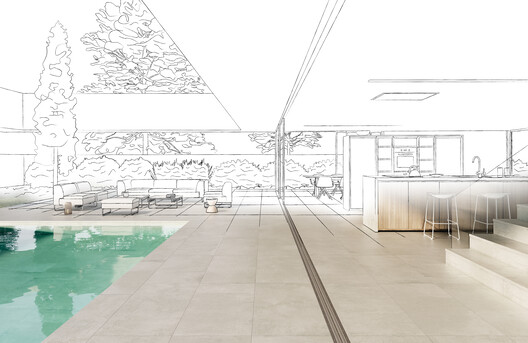
All architecture is grounded in the earth. This pliant, resilient raw material is the origin of extruded ceramic tiles—clay transformed from its natural state into an architectural solution without relinquishing any of its authenticity. Exagres' work is rooted in this natural material, carefully transforming the clay with skillful precision and guiding it on this journey rather than forcing it.
Finding the right tools to represent a project idea or carry out a construction job remains an ongoing challenge for architecture and design professionals. While software for drafting, 3D modeling, and calculations has increased precision and efficiency, many architects continue using legacy tools learned in academia or practice—tools that feel familiar, but don't necessarily offer the best design experience. From overloaded interfaces and clunky workflows to endless plug-ins and constant back-and-forth between disconnected software, traditional design tools often reveal their complexity and fragmentation.
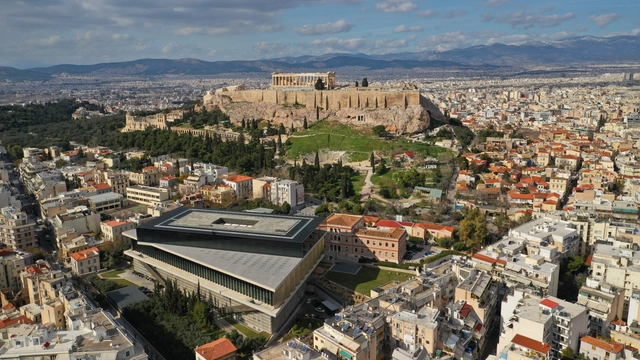
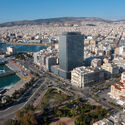
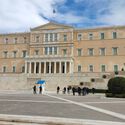
Athens stands as a city where the legacy of Antiquity is woven into its modern and vibrant urban landscape. World-renowned landmarks of Ancient Greece like the Acropolis and the Parthenon stand as enduring symbols of classical architecture and the city's storied past. These structures reflect the foundational principles of symmetry and balance that have influenced generations of architects and continue to attract scholars from around the world. Yet, Athens is also a thriving metropolis where contemporary architecture coexists with its historical counterparts. Recent developments, led by international firms and local architects, focus on sustainability and innovation while respecting Athens' rich cultural heritage. This duality—preserving the old while embracing the new—reflects Greece's broader urban aspirations, making Athens a focal point in global architectural discourse. The city's architectural evolution also extends to its contemporary architecture and interior design scene, which is gaining international recognition.
To celebrate this architectural evolution, this city guide features Athens's historical landmarks alongside ArchDaily's selection of projects focusing on contemporary architecture, and Designboom's curation of innovative interior designs. Together, they highlight Athens' role as a hub of design innovation.
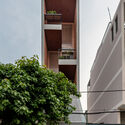
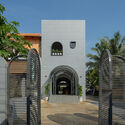
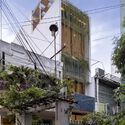
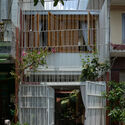
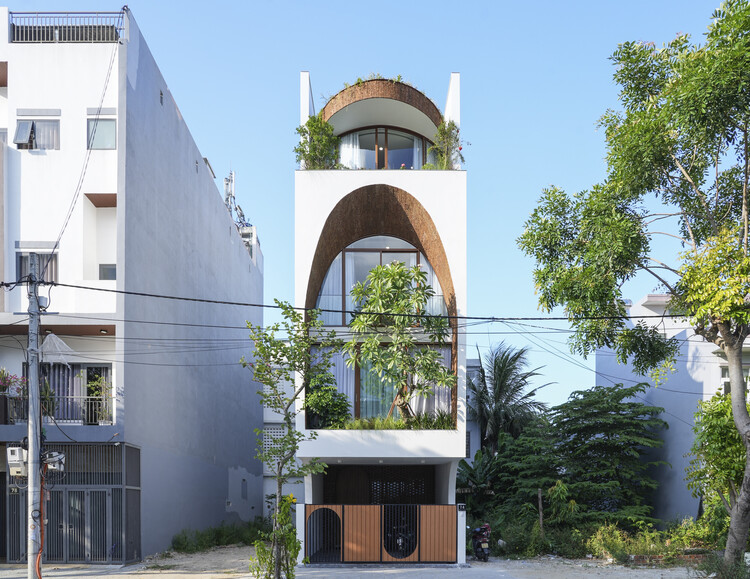
In Vietnam, the tube house has almost become a vernacular form in densely populated cities like Hanoi and Ho Chi Minh City. This typology originated from ancient façade taxes and as a strategic response to urban land scarcity and optimization of street frontage for commerce. Their traditional structure typically relies on the front façade for daylight and ventilation. People living there often face the challenge of designing in a space defined by the deep plots, limited street frontage, and close neighboring buildings, restricting natural light and airflow. To counter this fundamental lack of perimeter exposure, Vietnamese architects usually employ several strategies oriented towards internal environmental manipulation. This curated collection explores tube houses under 100 m2, where their small size increased the need for absolute spatial economy and the verticalization of function, which directly influenced design decisions across all projects.
Videos
AI powered architectural concept generation. Image Courtesy of AIRI Lab
As artificial intelligence tools sweep through creative industries, architecture stands at a pivotal moment: how to adopt systems that amplify design thinking without eroding authorship or craft. To understand how the profession is responding, AIRI Lab surveyed designers and leaders from practices including LWK+P, MVRDV, Gensler, Büro Ole Scheeren, CUBE, HUAYI, and others. Their responses reveal a nuanced, pragmatic view: AI is a collaborator rather than a substitute.
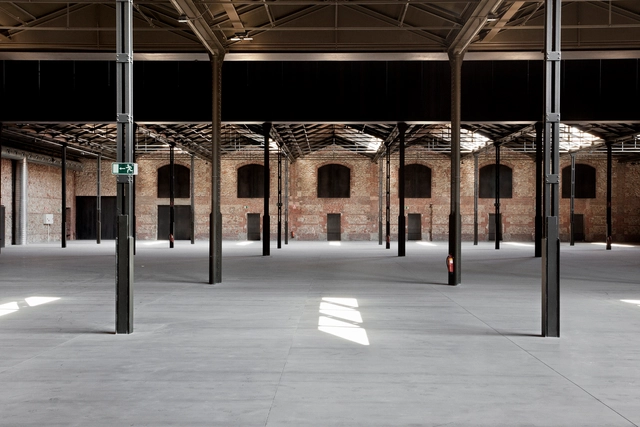
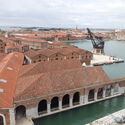
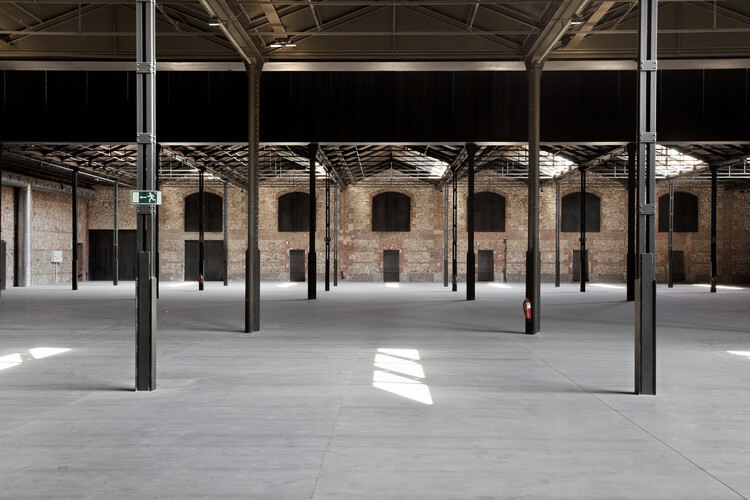
In cities across the world, the relics of industrial production have become the laboratories of a new urban condition. Warehouses, power plants, and shipyards, once symbols of labor and progress, now stand as vast empty shells, waiting to be reimagined. Rather than erasing these structures, architects are finding creative ways to adapt them to contemporary needs, transforming spaces of manufacture into spaces of culture, education, and community life.
This shift reflects a broader change in architectural priorities: building less and reusing more. The practice of adaptive reuse responds simultaneously to environmental urgency and to the need for cultural continuity in urban environments.
For a long time, architecture was understood as an essentially individual activity, dependent on the figure of a creative genius and centered on the ability to solve problems through drawing. Over time, this image began to fade. The protagonism once concentrated in a few names reached its peak during the era of the starchitects and gradually became distributed among offices, collectives, and multidisciplinary teams. Today, architects are expanding their boundaries into other fields such as gastronomy, music, design, and the corporate world, applying spatial thinking to address challenges of various kinds. As social, environmental, and political crises deepen, the role of the architect continues to evolve from a solitary author to a mediator, activist, and collective agent of transformation. This shift reflects an ethical awakening and a recognition that design, regulation, and care are inseparable dimensions of contemporary practice.
The Canadian Centre for Architecture (CCA) recently launched a new research project and institutional collaboration with M+ in Hong Kong titled How Modern: Biographies of Architecture in China 1949–1979. The project unfolds through an exhibition presented in the CCA's Main Galleries from 20 November 2025 to 5 April 2026, a series of commissioned films and oral history videos by artist Wang Tuo, online editorial content, public programming, and a companion book co-published by the CCA and M BOOKS. This collection of content seeks to reframe architectural histories of modernism in the first three decades of the People's Republic of China, revealing how design operated under shifting ideologies and socioeconomic pressures through the perspectives and experiences of architects, institutions, and residents. The project aligns with the CCA's ongoing interest in producing new readings of modern architecture across different sociopolitical contexts and geographical frameworks, including Architecture in Uniform: Designing and Building for the Second World War (2011) and Building a new New World: Amerikanizm in Russian Architecture (2020).
Every year on 3 December, the International Day of Persons with Disabilities brings renewed attention to the need for inclusive, equitable environments, both socially and spatially. The 2025 theme, "Fostering disability inclusive societies for advancing social progress," highlights how persistent barriers in employment, social protection, and access to services continue to affect more than one billion people worldwide. Within this broader context, the built environment plays a decisive role: architecture can either reinforce exclusion or open pathways toward autonomy, dignity, and participation in daily life.
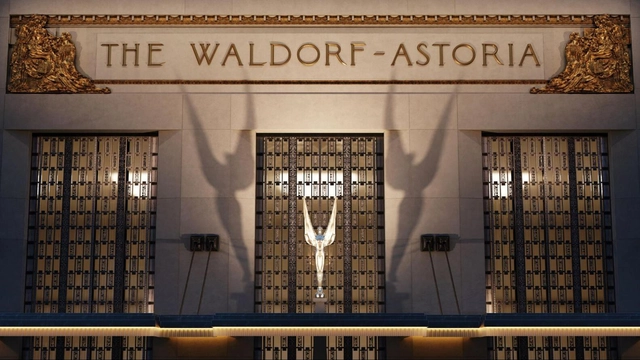
The quintessential symbol of Manhattan, Waldorf Astoria New York officially reopened for the public this year after an extensive renovation. Over its long history, the property has undergone numerous transformations, from its 19th-century beginnings to the modern landmark that stands between Park Avenue and Lexington Avenue.
Reimagining a building that pioneered modern hospitality—a jewel in New York's skyline—posed a challenge that required close collaboration between preservationists, 3D visualizers, architects, and designers. Together, they worked to preserve its protected architectural heritage while meeting contemporary expectations for craftsmanship and comfort.
Generative AI (Gemini / Google DeepMind). Concept: Eduardo Souza / ArchDaily
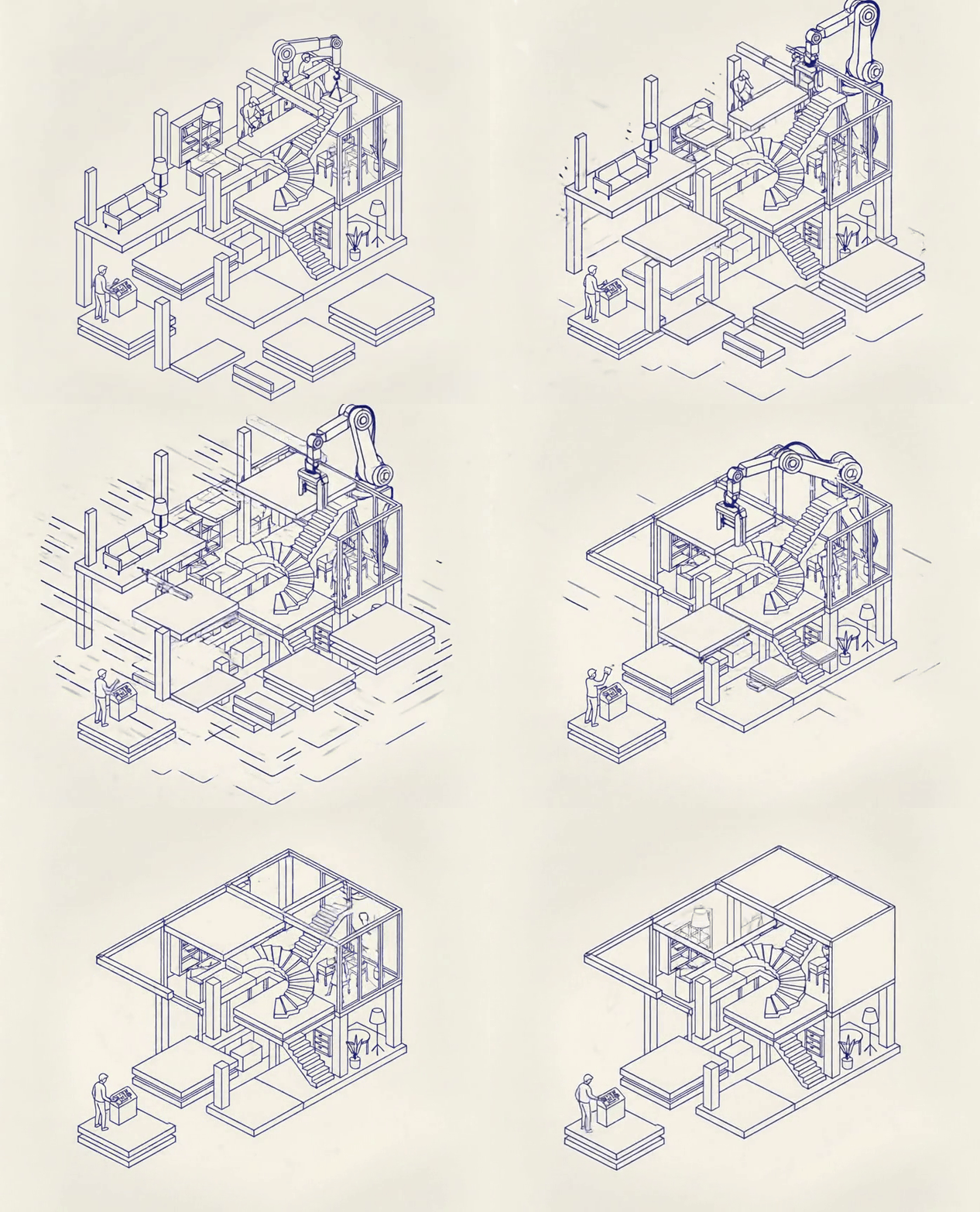
Once synonymous with monotony, “prefabricated” buildings often bring to mind the gray, repetitive housing blocks of the postwar era. But that image no longer fits today’s reality. Powered by digital design, robotics, and advanced materials, prefabrication has evolved into a language of innovation and precision. Far from uniform, it now enables flexible, efficient, and sustainable spaces that reflect the individuality of contemporary architecture.
Modern residential construction in the UAE demonstrates the need for advanced thermal envelope solutions in hot, arid climates where cooling can account for up to 70% of peak electricity consumption. Image Courtesy of Terraco
Terraco, a global leader in Exterior Insulation Finishing Systems, has demonstrated through independent studies that when planning building renovations, it is essential to adopt a deep retrofit strategy that includes energy-efficient measures, such as thermal insulation of external walls and roofs.
The studies show that cooling energy use in buildings can be reduced by up to 47% annually in Middle Eastern and South Asian climates, directly as a result of installing the combined Terraco EIFS and Roof Insulation Finishing Systems, compared to leaving external walls and roofs uninsulated.