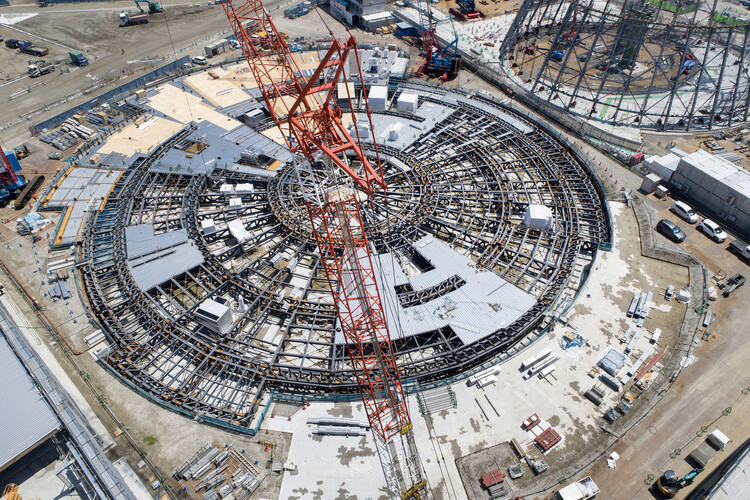
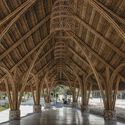
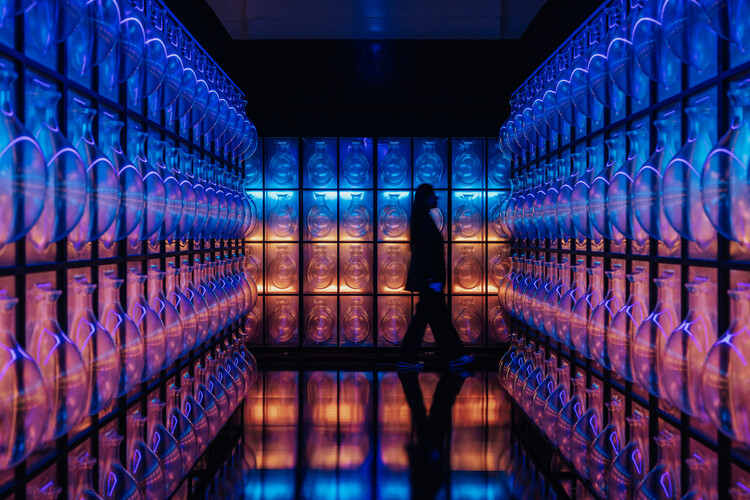
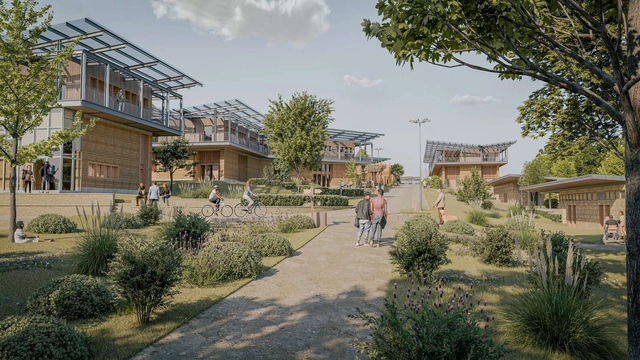
Osaka Expo 2025 Japan Pavilion / Nikken Sekkei. Image Courtesy of Ministry of Economy, Trade and Industry
In certain parts of the world, construction is still dominated by wet systems—concrete, masonry, and cementitious materials that are poured, cured, and fixed in place. While this has long been considered the norm in some south-east Asia countries, such as Singapore, Thailand, Malaysia, and China, in most of these regions, they typically share a common trend where labor is relatively inexpensive. This serves as one of the reasons to make concrete more easily available, as one of the typical downside of concrete is its intensive labour cost - this further differentiates concrete as a cheaper and more efficient material system to be building out of.
However, not enough considerations in the region are given to the sustainability aspect when using these wet construction materials,often overlooking the significant drawbacks of its material lifecycle and the difficulty to recycle it without downcycling - making it one of the more unsustainable materials available to be built out of.
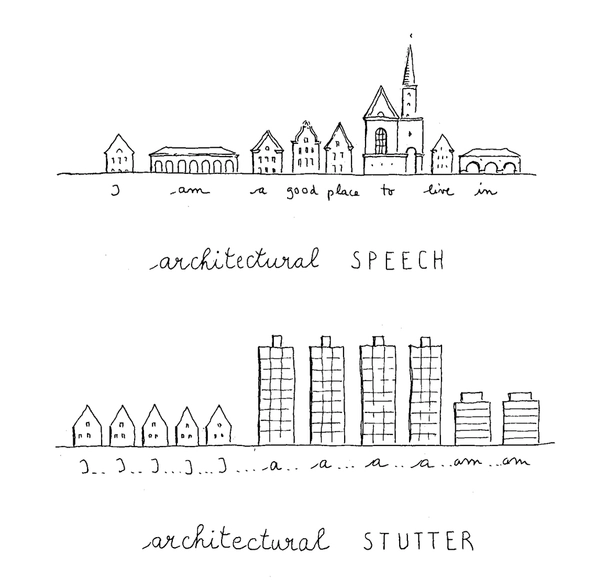
Situated in one of the fastest-developing regions over the past decade—the southern part of China, including Hong Kong and the Greater Bay Area—urban growth has been driven by an overwhelming wave of commercial ambition. Projects here are often designed for maximum density, height, and efficiency, resulting in developments of enormous scale that can easily span several acres. Prioritizing transit-oriented development, these complexes frequently take the form of sprawling malls built directly above major transportation hubs. Designed to disorient and prolong foot traffic to encourage economic activities, these mega-structures have become commonplace in cities like Hong Kong and Shenzhen.
While this typology of megastructures offers clear advantages—economic efficiency, high development returns, and convenience for transit users—it almost invariably ignores its urban context and environment. These developments often turn a blind eye, deliberately so, to their environmental footprint and the city's walkability. At such overwhelming scales, the human walking experience is diminished, if not outright neglected. Pedestrians become interiorized—trapped within the insulated world of these complexes.
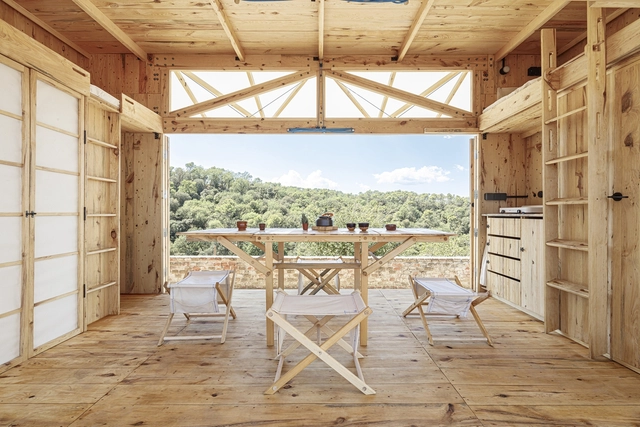
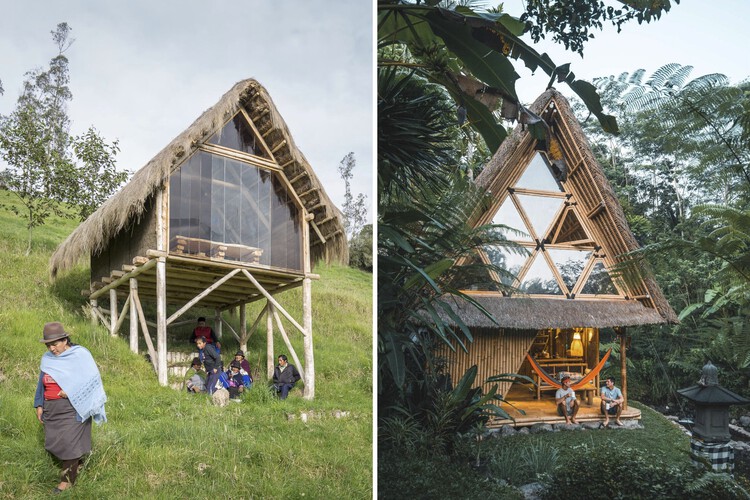
Amid coasts, rivers, lakes, and mountain ranges, Spain’s natural environment encompasses a wide variety of climates, topographies, and vegetation species. Aiming to raise global awareness of the impact of construction on the environment and the importance of addressing climate change through new ways of creating architecture, several architectural practices and research teams are exploring the design of cabins or small-scale lodging prototypes. While capable of integrating harmoniously with their surrounding natural context, they also demonstrate strategies for self-sufficiency, resource utilization, and space maximization, as well as broad applications of innovative technologies and material solutions adapted to each region.
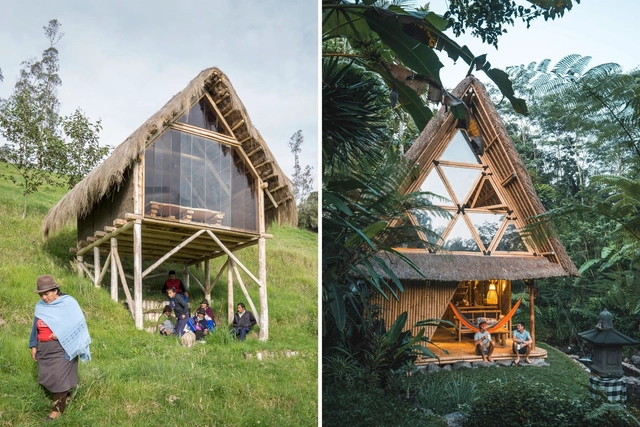
Thatching is a traditional building technique that has been reinterpreted in different ways in contemporary projects, allowing its value to continue to endure over time. As well as being a culturally and historically valuable technique, given its presence in humanity for centuries, it also has a number of other constructive advantages, such as its great environmental value, as it is an accessible renewable material.
The technique consists of grouping, intertwining, and overlapping dry vegetation, creating light surfaces with excellent thermal and sound insulation and which are cheap and relatively simple to build. In addition, flexibility is one of the technique's most prominent features, and it is particularly popular in roofing applications.
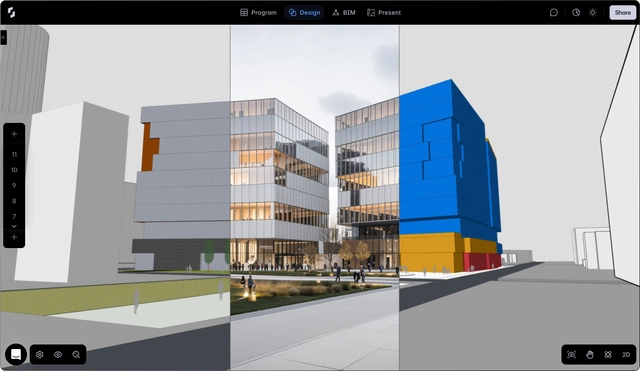
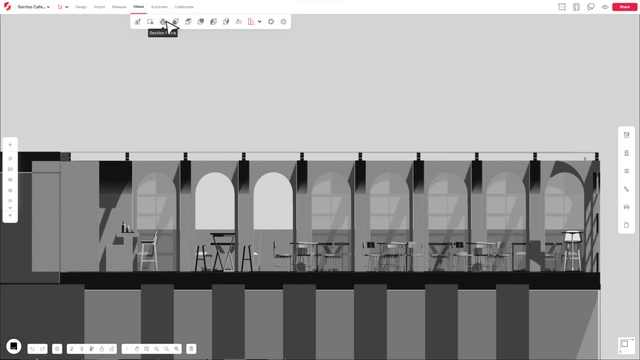
Early-stage design may be where everything begins, but without careful consideration, it's also where everything breaks down. On average, firms report that nearly 15% of all work done generates zero revenue, much of it tied to concept design. Relying on a patchwork of tools like Rhino, Excel, Revit, and Miro, architects often spend weeks swapping between platforms just to get a concept and presentation out the door. Data gets trapped in screenshots, rework piles up, and by the time the model is ready for documentation in Revit, the creative momentum is long gone. Snaptrude 3.0 Was Built to Fix that.
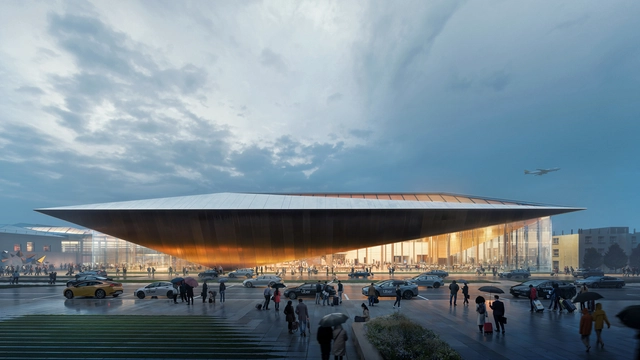
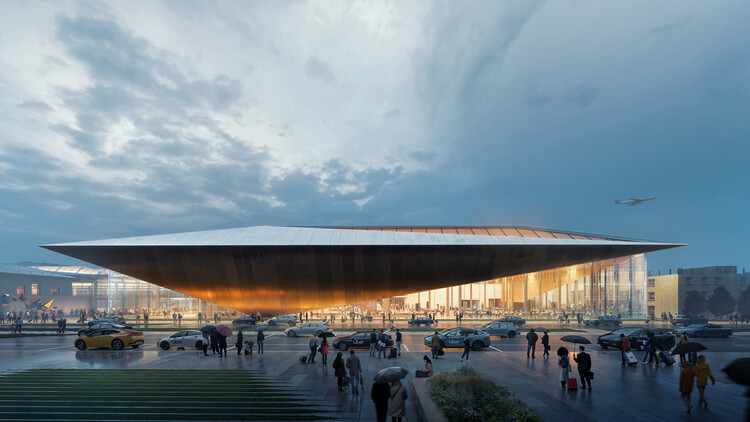
Lithuanian Airports has announced Zaha Hadid Architects as the winner of the international competition to design the new arrivals terminal at Vilnius Airport. Conceived as an integral part of the airport's evolving infrastructure, the new terminal will complement the recently completed departure terminal, enabling Vilnius Airport to accommodate up to 10.6 million passengers annually. The project marks a significant step in the airport's long-term development strategy, addressing future growth in passenger demand while enhancing Lithuania's role as a key gateway in the Baltic region.
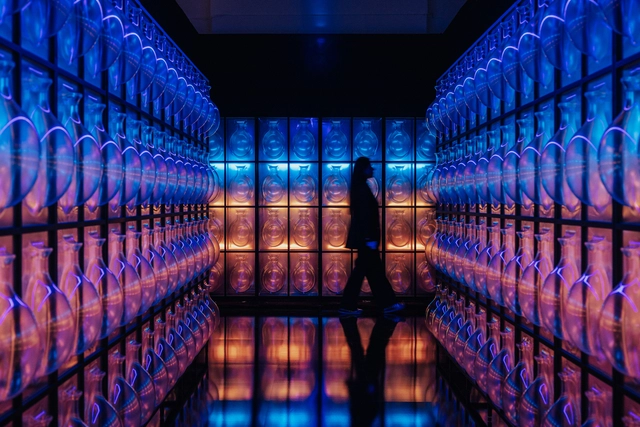
The fifth edition of the London Design Biennale is taking place at Somerset House from 5 to 29 June 2025. The theme of this year's edition is "Surface Reflections," an invitation to explore "the dynamic interplay between internal experience and external influence." The curatorial proposal, set by British artist and designer Samuel Ross, encourages a focus on the underlying layers of the objects, systems, and spaces that shape our daily lives. The Biennale exhibition is a journey through 35 pavilions by countries, institutional design teams, and curators, presenting soundscapes, immersive experiences, and performances, as well as sculptural and evocative objects. To confront contemporary global challenges, topics include identity, memory, innovation, technology, craftsmanship, ecology, and belonging.
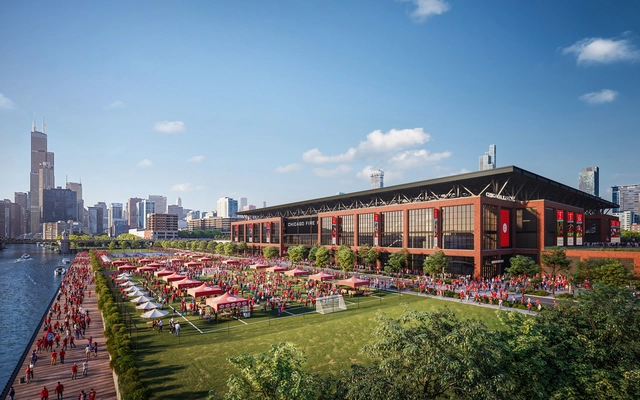
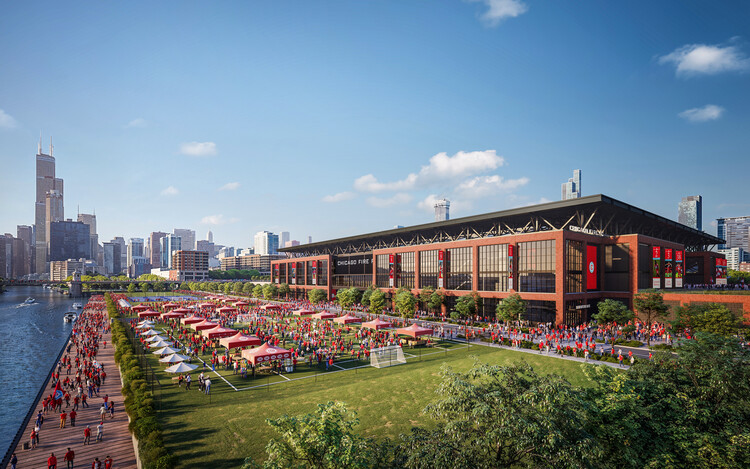
Chicago Fire FC soccer stadium. Image Courtesy of Gensler
From Milan's Scalo Farini to downtown Chicago, and from the Tuscan countryside to the UK's retrofit initiatives, recent announcements demonstrate how architecture is evolving in response to climate goals, cultural identity, and urban transformation. Herzog & de Meuron's new headquarters for UniCredit will anchor one of Europe's largest redevelopment sites with a focus on sustainability and workplace innovation, while Gensler's stadium design for Chicago Fire FC aims to redefine the U.S. matchday experience as part of a major waterfront development. In Tuscany, Alvisi Kirimoto's Sapaio Pavilion merges agricultural production with architectural sensitivity, and in the UK, RIBA and The King's Foundation are advancing retrofit as a national agenda. Meanwhile, finalists including MVRDV, Heatherwick Studio, and Mecanoo are advancing in an international competition to create a climate landmark intended to inspire large-scale behavioral change. This edition of Architecture Now brings together diverse yet interconnected efforts to shape how architecture can support long-term ecological, cultural, and civic impact.
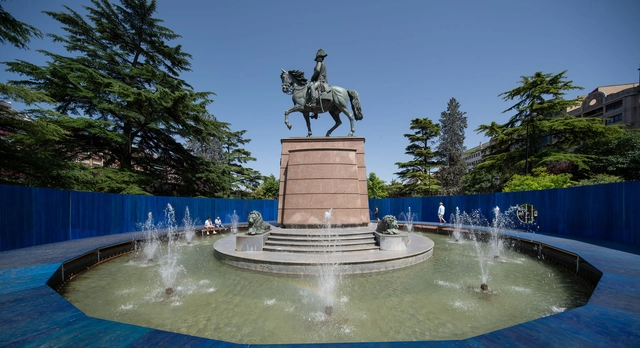
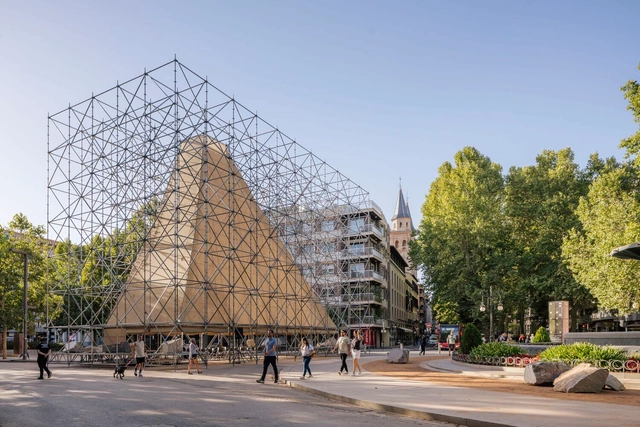
Every June, the Spanish city of Logroño transforms into a space of architectural dialogue, opening its streets, plazas, riverbanks, and traffic islands to temporary structures that redefine how cities are inhabited. For ten editions, Concéntrico has worked not as a specialized fair or an architecture biennale, but as a portable museum — a curatorial gesture that brings a dispersed collection of contemporary architecture into public space. Set in a city suspended between arid plains and distant mountains, far from the circuits of capital cities and cultural institutions, Concéntrico presents itself as a temporary promise. It's a reminder that even cities that are often overlooked can host architecture that is current, diverse, and speculative. In this sense, the festival is less about celebration and more about activation.
But beyond its curatorial logic, Concéntrico operates as a political structure. In the ancient sense of polis, it invites citizens, architects, and institutions to reassess what public space can be. The interventions offer speculative proposals for urban life that reveal what is missing, what is possible, and what should be questioned. A temporary pool over a fountain, a bathhouse in a roundabout, or a shared meal on a major avenue are not just spatial gestures — they are political statements, asking how urban infrastructure might be redirected from control to care, from efficiency to encounter. In that way, the festival becomes not just a reflection of the city, but an instrument for its transformation.
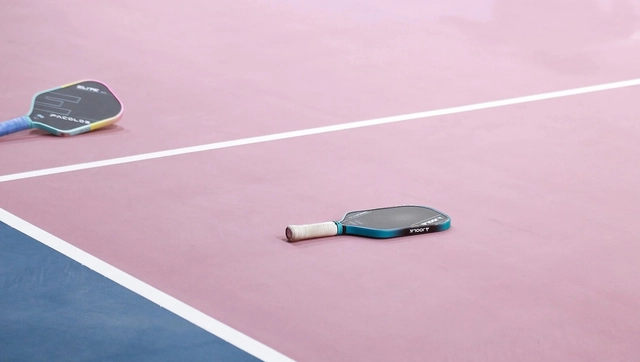
Following the recent success of the FIP World Padel Championships in Qatar and the announcement of Saudi Arabia hosting the FIFA World Cup in 2034, the Middle East is gearing up to be a hub for major sporting events, which drives the demand for high-performance sports infrastructure. From Pickleball and Padel courts to internationally renowned stadiums, the evolution of sports flooring requires innovative, durable, and sustainable solutions.
Terraco, a global leader in construction finishing materials, has consistently delivered cutting-edge solutions for sports complexes worldwide, helping architects, contractors, and developers build facilities that stand the test of time.
Léon Krier's Sketches. Image Courtesy of MIT Press
Léon Krier, the Luxembourg-born architect and urban theorist renowned for his critical stance against modernist planning and his influential role in the New Urbanism movement, passed away on June 17, 2025, at the age of 79. Known for his uncompromising critique of modernist planning and his vision for human-scaled, walkable communities, Krier leaves behind a substantial body of built work, theoretical writing, and educational influence.
Over a career spanning several decades, Krier advocated for a return to classical architecture and human-scaled urbanism, positioning himself as a leading critic of sprawling suburban development and high-rise modernism. His advocacy for walkable, mixed-use neighborhoods and his insistence on the cultural and social value of architecture challenged the prevailing norms of late 20th-century urban planning.
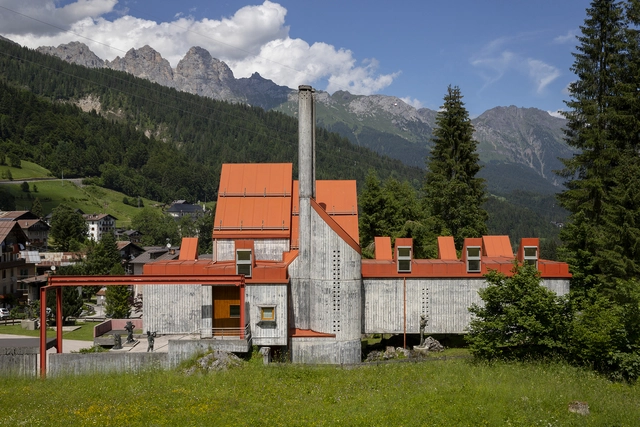
Born in the post-war period in the United Kingdom, the Brutalism movement was first met with skepticism but has found a new appreciation in the last decade, capturing the imagination of new designers fascinated with the interplay between striking geometric shapes and the exposed raw materials in which they are rendered. From Britain, the movement spread throughout Europe, Southeast Asia, and Africa, gathering different variations influenced by the cultural and socio-economic status of each area. In this article, we delve into the particularities that define Italy's contribution to the Brutalist movement, exploring the style through the lens of Roberto Conte and Stefano Perego. The two photographers have also published a photographic essay on the subject, taking the form of a book titled "Brutalist Italy: Concrete Architecture from the Alps to the Mediterranean Sea".
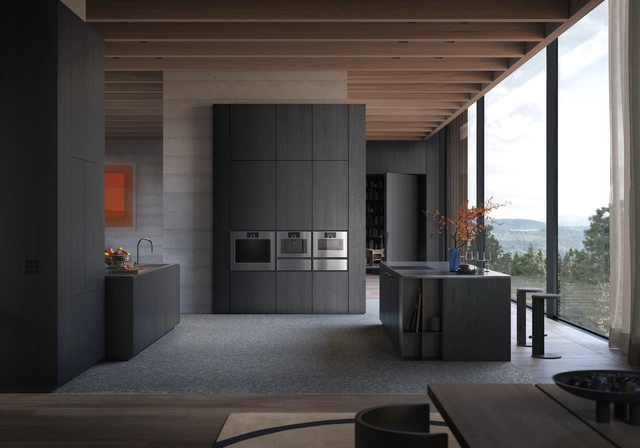
The history of household appliances closely mirrors the transformation of the modern home and domestic life throughout the 20th century. Rooted in the technical advances of the Industrial Revolution and driven by urban electrification, these devices were created to mechanize everyday tasks such as cooking, cleaning, and food preservation. A major milestone in this evolution was the Frankfurt Kitchen, designed in 1926 by Austrian architect Margarete Schütte-Lihotzky. Considered the precursor of the modern kitchen, it incorporated efficiency principles inspired by the scientific organization of labor, with optimized spaces and integrated equipment to streamline domestic chores. Developed for social housing in Frankfurt, this kitchen embodies the functionalist spirit of the Bauhaus and establishes a direct connection with German design innovations, a context in which Gaggenau would also solidify its identity, combining technical precision and aesthetic sophistication.
More than 200 universities from 33 countries participated in the 20th edition of the Architecture Student Contest. Students from all over the world imagined projects to transform and challenge the development of a peripheral urban city and a village in a territory at the crossroads of Europe, home to the largest logistical platform of Southern Europe and a major cross-Europe high-speed railway project to come, and linked by the ambition of "Attracting Youth."
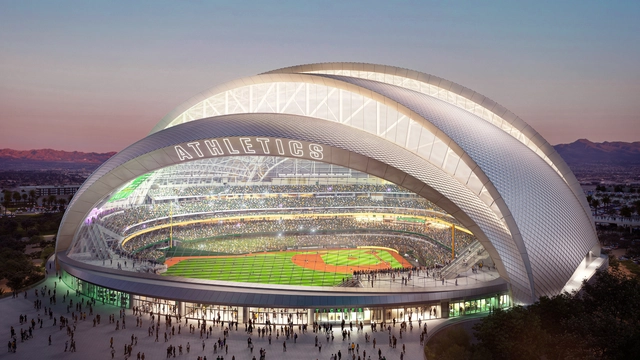
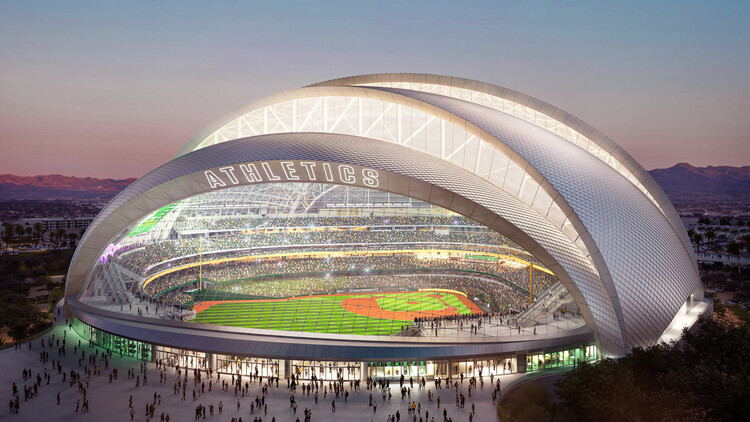
BIG – Bjarke Ingels Group, in collaboration with HNTB, has broken ground on its first-ever realized Major League Baseball stadium, marking a new chapter for the Athletics as they relocate to Las Vegas. The new A's Ballpark is scheduled to open ahead of the 2028 MLB season and will serve as the team's permanent home in the city. The architectural vision is supported by a broad team of collaborators, including Thornton Tomasetti, Henderson Engineers, CAA ICON, Mortenson, and McCarthy Building Companies. Located in what is widely known as "The Entertainment Capital of the World," the project reflects the growing presence of major sports infrastructure in Las Vegas.
Every year, the QS World University Rankings by Quacquarelli Symonds (QS) releases an updated list of best university programs worldwide. In the field of Architecture and the Built Environment, the list includes 250 institutions. The ranking evaluates institutions across all continents. This year, The Bartlett School of Architecture (part of UCL) maintains its position in first place, as the top 10 list sees a reorganization of the selected universities, with no new entrants. Tsinghua University is the only one among them to improve its position since last year, rising from eighth to joint seventh.
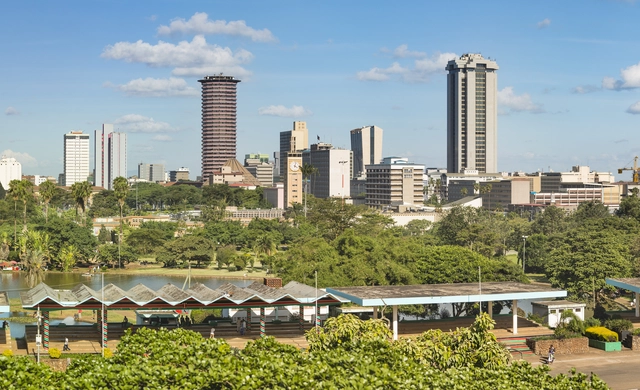
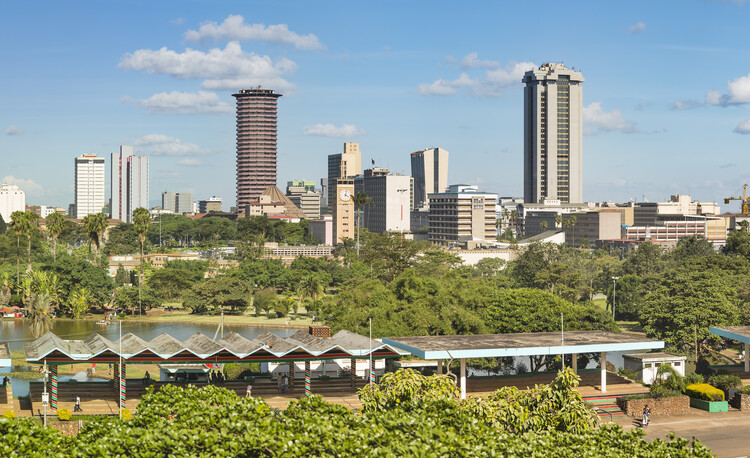
A Pan-African Biennale of Architecture is planned for 2026 in Nairobi, Kenya. According to the curator, it "represents an unprecedented opportunity to reclaim Africa's architectural narrative, reasserting the continent's role as a global leader in urban resilience, sustainability, and cultural expression."
Omar Degan, the curator in partnership with the Architectural Association of Kenya, is a practicing architect, professor, and teacher. He leads an architecture office known as DO Architecture Group, which was established between Italy and Somalia—two places deeply connected to his identity. His work focuses on what he describes as "fragile contexts" around the world, including areas affected by natural disasters, refugee camps, slum upgrades, and underserved neighborhoods.
Based in Mexico City, Enrique Tovar brings a multidisciplinary approach to architecture and editorial work shaped by his interest in history, society, art, and craftsmanship. His early experiences in a context where architecture is often self-built or negotiated gave him a nuanced understanding of the built environment as something fluid and evolving with use. This perspective naturally led him to editorial work, which he sees as an extension of architectural practice—one that captures the complexities and tensions that may not be visible in traditional design processes.
As Sponsored Team Editor at ArchDaily, Enrique explores the critical intersections between materials, construction systems, technology, and software. He is especially interested in how these elements influence contemporary architectural practices and the ways in which inclusive and universal design principles can expand the field's reach. His editorial focus encourages environments that respond to diverse bodies, experiences, and modes of inhabiting space, promoting architecture that challenges conventional norms and embraces broader social concerns.
Despite major breakthroughs in other industries, with tools like Cursor reshaping how software gets built, or AlphaFold revolutionizing protein structure prediction, AEC is still waiting on its defining AI moment. Yes, many visualization tools have made waves, especially when it comes to generating beautiful imagery. But they fall short when it comes to understanding the actual design process. They don't grasp the constraints, logic, and decisions that turn those visuals into real, buildable architecture.
And that's exactly where AI's most valuable use case in AEC lies: not in how a building looks, but in how it comes together.
Artificial intelligence is becoming an undeniable presence in our daily lives. It teaches, generates content, and disrupts the fragile boundaries—both visual and imaginative—that once governed our interactions on social media. On platforms like Instagram, we witness a flood of imagery where every kind of speculative exercise is freely shared, recalibrating our understanding of the relationship between architecture and image. Amid this transformation, entire professions find themselves on uncertain ground, as AI begins to challenge areas once defined by human expertise.
Yet beneath this apparent abundance lies the opaque core of closed-source AI: an algorithmic black box that systematically conceals the origins of the data it consumes. As a result, its outputs are inevitably prone to factual distortions, anachronisms, and subtle or overt biases. This same machinery can hollow out the significance behind the languages and stylistic signatures of canonical architects—manifest, for instance, in AI-generated visions speculating how famed designers, living or dead, might have reimagined the Eiffel Tower. We shared one such image to observe and better understand how people—especially architects—respond to AI's current possibilities and limitations, and the ways it mimics architectural intent. The response was quite fascinating, revealing a mix of curiosity, concern, and critical reflection.
What if we imagined buildings as living systems, designed for assembly and disassembly with minimal impact? A form of open, modular, and adaptable architecture designed to evolve with its surroundings, responding to seasonal changes and on-demand needs instead of remaining static. At first glance, the idea seems paradoxical, as many buildings were constructed to last, designed to endure, resist the effects of time, and avoid demolition. Because of this, reversing or undoing could be seen as a setback. But what if that way of thinking no longer fits every scenario?
https://www.archdaily.com/1031388/built-to-not-last-how-reversible-architecture-is-redefining-the-way-we-buildEnrique Tovar
With a balance of emerging talent and established brands, this year's edition of the International Contemporary Furniture Fair fostered meaningful connections, commercial momentum and critical dialogue across the global design community.
Returning to the Javits Center this May, the 2025 edition of the International Contemporary Furniture Fair (ICFF) brought together over 400 design brands from 35 countries, reinforcing its role as a central meeting point for contemporary design in North America. Spanning residential, commercial and hospitality sectors, the fair attracted more than 13,000 attendees and maintained strong engagement across the board — despite ongoing market volatility and tariff pressures.
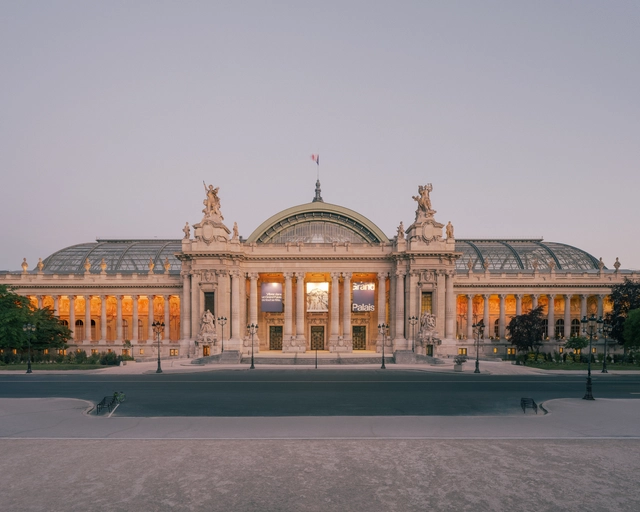
The Grand Palais in Paris has reopened to the public after the most comprehensive renovation in its 120-year history, led by Paris-based Chatillon Architectes. Originally built for the 1900 Universal Exhibition, the Grand Palais has long stood as a symbol of French cultural excellence, technical ingenuity, and architectural ambition. Following the reveal of the restored Nave for the 2024 Paris Olympics, the entire 77,000-square-meter building has now been renewed to enhance spatial clarity, restore original volumes, and transform the visitor experience. The project introduces expanded public access, new exhibition spaces, restaurants, and improved circulation, while remaining rooted in the building's architectural legacy.