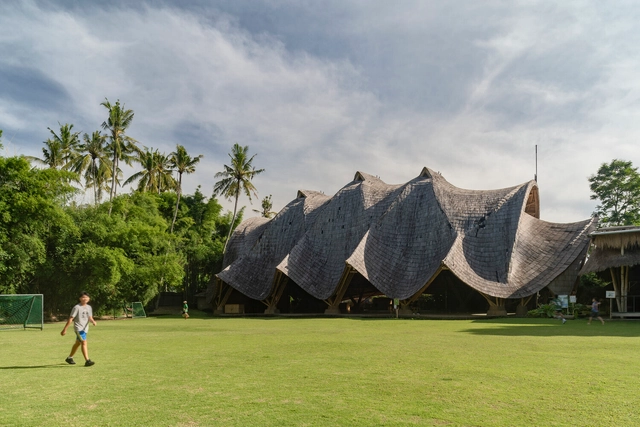
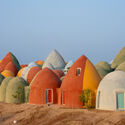
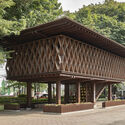
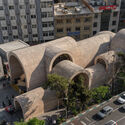
At the heart of design lies the intersection of technique and creativity—a space where ideas take shape and environments are reimagined. In a world prevalent with mass-produced objects, the focus is shifting toward something more deliberate, where every decision opens up new possibilities and allows design to break free from the conventional. Think of the LC1 armchair by Le Corbusier or Mies van der Rohe's Barcelona chair—not simply furniture, but outcomes that illustrate a studio-driven freedom where ideas, materials, and finishes are allowed to converse, not conform. These pieces don't just fill a room; they reimagine it. This spirit of innovation now extends to every detail, from kitchen to bathroom fittings, where the range of choices—materials, form, and function—becomes an opportunity to craft something truly unique.
https://www.archdaily.com/1029100/swan-taps-checkered-seashell-fixtures-and-the-new-frontier-of-bespoke-designEnrique Tovar
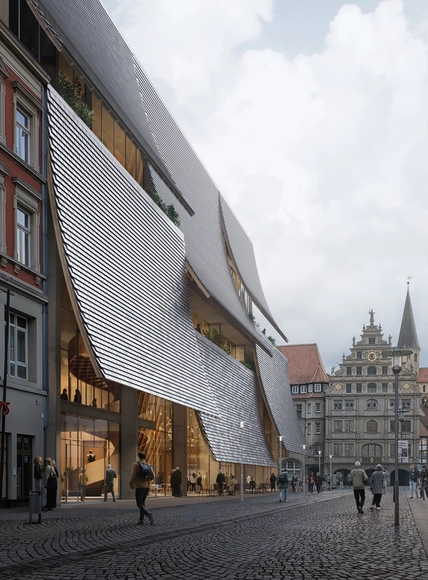
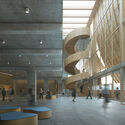
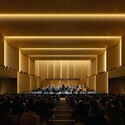
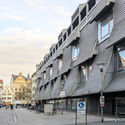
Copenhagen and Hamburg-based architecture office ADEPT has won first prize in the international competition to transform a former Karstadt warehouse in the historic center of Braunschweig, Germany, into the Haus der Musik. The 18,000-square-meter cultural complex will include a new concert hall, a public music school, and community-oriented spaces. Emphasizing adaptive reuse, the project retains the existing load-bearing structure and architectural rhythm, positioning the intervention as a continuation rather than a replacement.
Architectural competitions have long offered a space for experimentation: platforms where ideas can be tested, typologies reimagined, and critical questions addressed through design. Freed from some of the constraints of commercial commissions, competition entries often reflect ambitious visions for how architecture can respond to environmental, cultural, and social challenges. Whether focused on future habitats, public institutions, or small-scale community infrastructure, these proposals give shape to the values and priorities driving architectural thinking today.
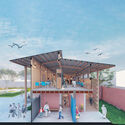
This month's Unbuilt selection brings together eight competition-winning projects submitted by the ArchDaily community. Each received first, second, or third place in recent local and international competitions. The featured proposals span a wide range of programs and geographies: a sustainable library in Lima, a Martian habitat exploring closed-loop systems, an adult orphanage designed for empowerment in India, a new French school in Athens, and a placemaking initiative in Singapore rooted in local folklore. While varied in scale and scope, they all highlight architecture's capacity to engage context, foster inclusion, and propose new ways of inhabiting space.
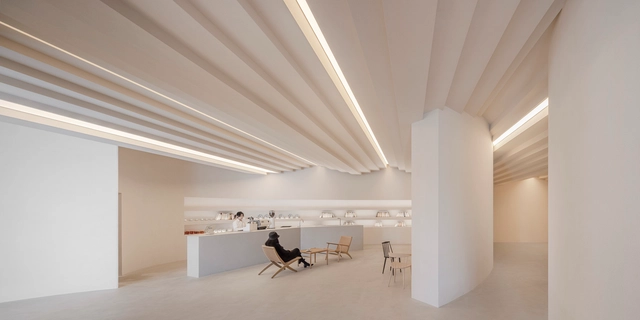
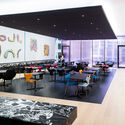
Cafés in museums and galleries do more than provide convenience — they have become an essential part of today’s cultural experience. As Claire Bishop explains in her idea of the “expanded aesthetic experience,” cultural spaces now include hybrid environments that encourage new ways of engaging, socializing, and reflecting. In this context, cafés are not just places to rest; they extend the visit on both sensory and symbolic levels, offering moments of interaction and contemplation in carefully designed settings. By blending architecture, art, and hospitality, they help create immersive and welcoming atmospheres — a concept already hinted at by Brian O’Doherty, who viewed exhibition spaces as an integral part of the artwork itself.
What can our existing buildings teach us about building for the future? In a time of dwindling resources, architects are increasingly called to engage in dialogue—with the site, its history, and the untapped potential of what already stands. Rather than defaulting to demolition and new construction, the future of architecture may rest in uncovering the possibilities for innovation within buildings that have already stood the test of time.
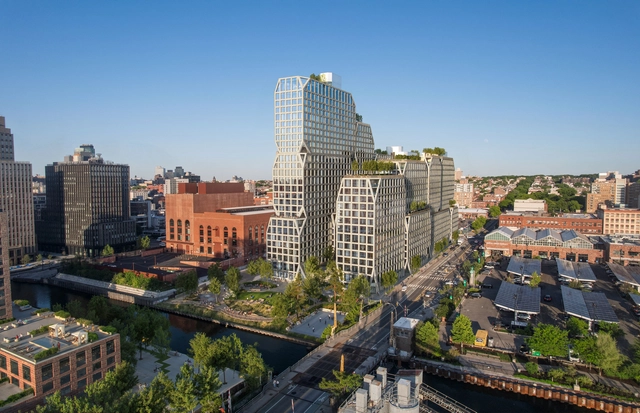
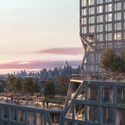
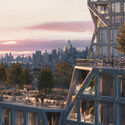
The proposed mixed-use tower at 175 Third Street is the fifth building planned across four sites within the Gowanus Wharf development in Brooklyn, New York. With views toward Manhattan and the Statue of Liberty, the 1,080,000 sq ft proposal includes affordable housing, retail and artist spaces, fitness areas, social and entertainment spaces, culminating in a rooftop with lounging zones and an outdoor pool. The project also envisions a 28,000-sq-ft public waterfront esplanade designed by Field Operations, intended to contribute to the ecological rehabilitation of the Gowanus Canal, continuing the broader transformation of this industrial neighborhood. Other project collaborators include dencityworks | architecture, AKRF, bucharest.studio, DeSimone, Ettinger Engineering Associates, Fried Frank, Hatfield Group, Impact Environmental, and Jenkins and Huntington.
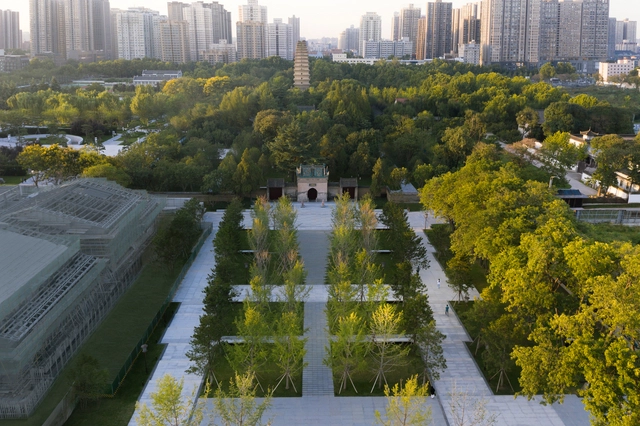
Urban green spaces are considered one of the most appropriate and accessible ways to mitigate the effects of rising temperatures in urban environments. As the global climate warms, cities worldwide face more frequent and extreme heat waves, putting their citizens at risk. Many cities are employing strategies for reducing the impact of urban heat islands, which are generated when natural land cover is replaced with surfaces that absorb and retain heat, such as pavements and buildings. This raises the temperature by several degrees compared to the surroundings. Cities have their micro-climate, influenced by this phenomenon combined with a series of often overlooked factors. For a climate strategy to be efficient, all factors need to be taken into consideration.
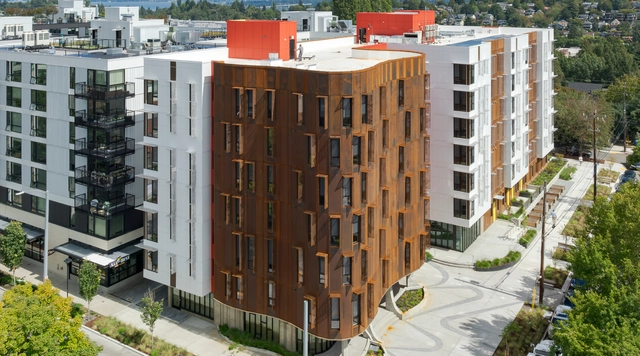
As urban neighborhoods continue to evolve, design plays a key role in shaping how buildings respond to urbanization, functional demands, and the character of their surroundings. Intertwined, these elements guide the transformation of urban life and influence how new developments engage with their context—a dynamic clearly visible in Seattle's Central District. Long considered a historic hub for the city's African American community, the Africatown Plaza project proposes a comprehensive approach that integrates architectural performance with community resonance, using the building envelope as a primary medium.
https://www.archdaily.com/1030331/metal-facade-systems-with-community-resonance-the-case-of-africatown-plazaEnrique Tovar
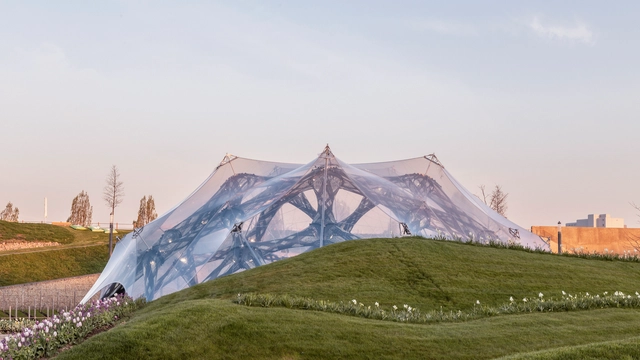
In recent years, architecture has increasingly embraced adaptability, flexibility, and responsiveness as core design principles. This evolution reflects a shift from traditional notions of static, permanent structures to dynamic environments that can adjust to changing needs and conditions. Central to this transformation is the concept of "soft architecture", which leverages pliable materials and innovative systems to create spaces that are functional, sustainable, and user-centric. Soft architecture takes shape through membranes that breathe, façades that move, structures that inflate or fold, and surfaces that bend rather than break. It involves designing for transformation — not only in how a building performs environmentally, but also in how it can accommodate shifting functions, user interactions, or temporary occupations. This approach to building challenges traditional notions of durability and control, proposing instead a more responsive and open-ended architecture. It reflects a growing awareness that buildings, like the societies they serve, must be able to evolve.
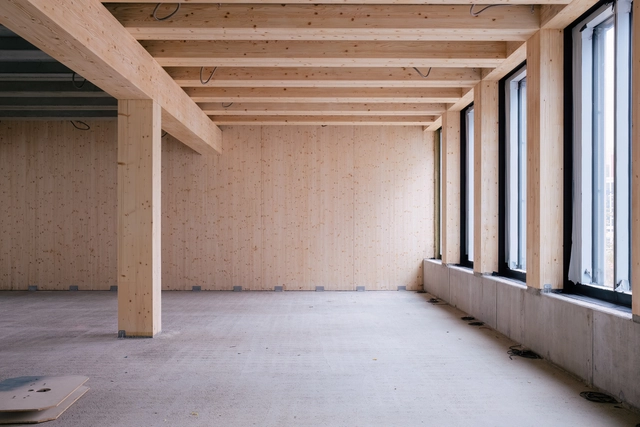
The Built by Nature Prize 2025 is now open for entries. The award recognizes completed projects – new builds, renovations, and extensions – that demonstrate leadership in sustainable timber and bio-based construction. Aimed at highlighting global best practices, the Prize offers architects and project teams an opportunity to gain international visibility and contribute to the evolving conversation around regenerative building. The deadline for submissions is 23:59 CET on June 8, 2025. Entries can be submitted via builtbn.org/prize.
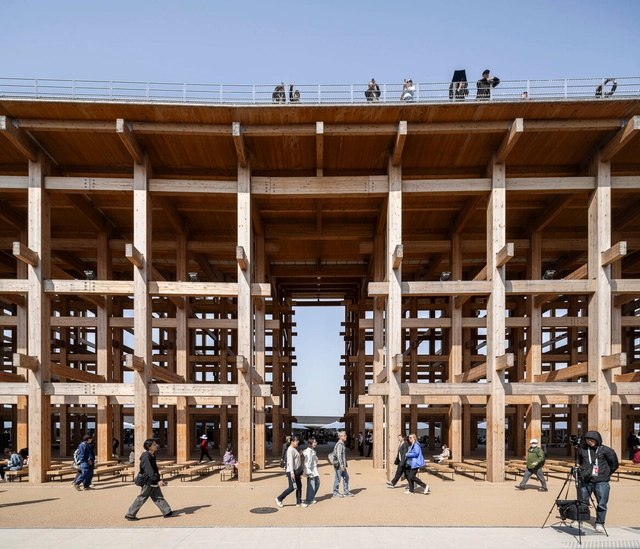
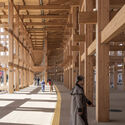
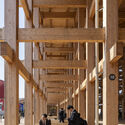
Expo 2025 officially opened its doors on April 13, 2025, on Yumeshima, a reclaimed island in Osaka Bay. Held under the theme "Designing Future Society for Our Lives," the event brings together over 150 countries and international organizations to address pressing global challenges through architecture, technology, and design. At the center of the Expo grounds stands the Grand Ring, a monumental circular structure designed by Japanese architect Sou Fujimoto. Spanning approximately 2 kilometers in circumference and rising to 20 meters in height, the timber structure encircles the main exhibition area and was recognised by Guinness World Records as "The largest wooden architectural structure".
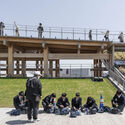
Titled "The People of the Ring," this photo series by Stéphane Aboudaram documents the Grand Ring at Expo 2025 Osaka from a user's perspective, capturing both the structure and the visitors engaging with it.
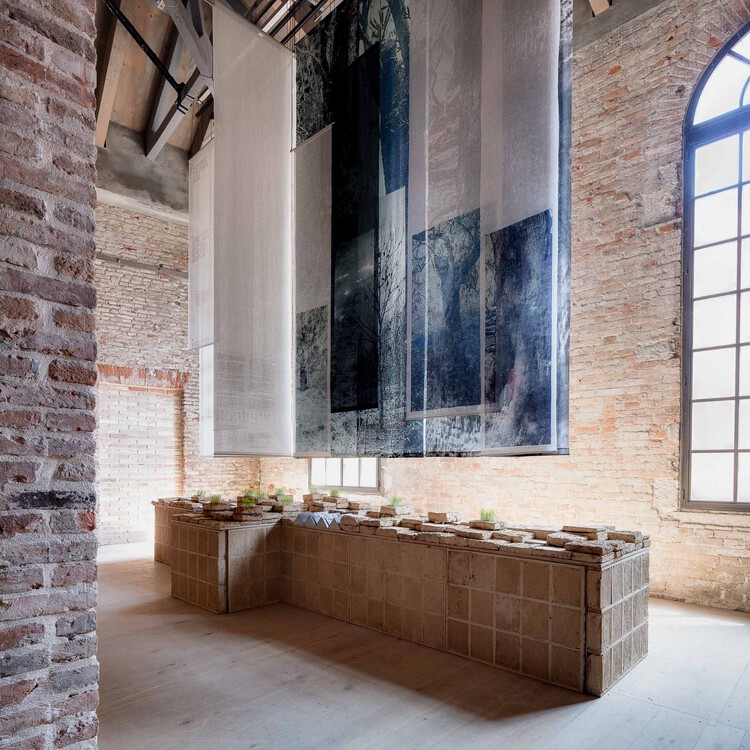
The Land Remembers: Lebanon’s Pavilion. Image Courtesy of CAL
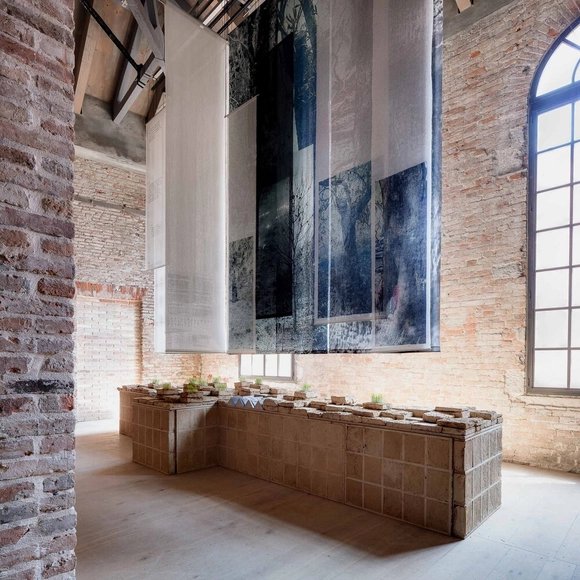
At the 19th International Architecture Exhibition of La Biennale di Venezia in 2025, the Lebanese Pavilion, curated by the Collective for Architecture Lebanon (CAL), presents "The Land Remembers," an exploration of ecocide and environmental healing. Selected by Lebanon's Ministry of Culture and the Lebanese Federation of Engineers, CAL is a non-profit organization co-founded in 2019 by Shereen Doummar, Edouard Souhaid, Elias Tamer, and Lynn Chamoun. Their curatorial vision aims to transform the pavilion into a fictional institution, the Ministry of Land Intelligens, dedicated to confronting environmental devastation and proposing strategies for ecological restoration.
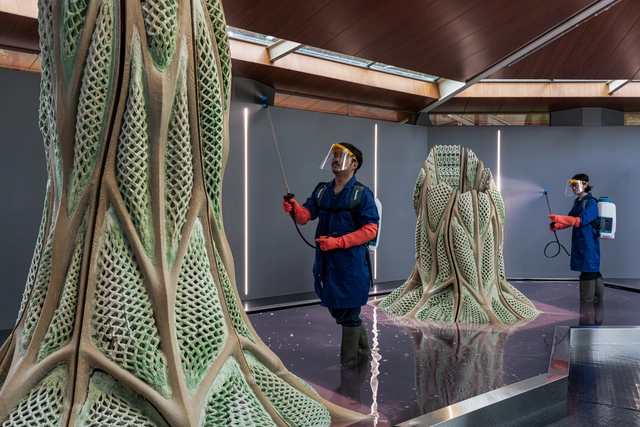
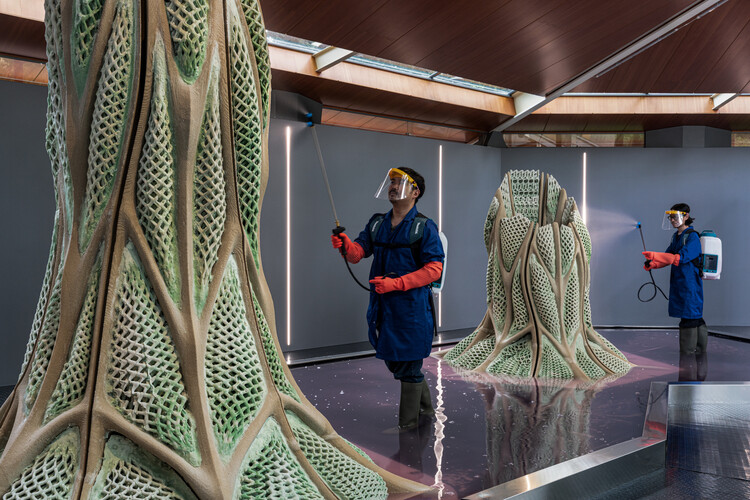
The Canada Pavilion at the 19th International Architecture Exhibition – La Biennale di Venezia, hosted Picoplanktonics. A research that emerged as a radical rethinking of how architecture can become a platform that blends biology, computation, and fabrication to propose an alternative future, one where buildings don't just minimize harm, but actively participate in planetary repair. At its core lies a humble organism: marine cyanobacteria, capable of both capturing carbon and contributing to the material growth of the structure it inhabits. The project has been developed over 5 years by a group of researchers at ETH Zurich, led by Andrea Shin Ling and a group of interdisciplinary contributors and collaborators. Together, they formed the Living Room Collective, founded a year ago to build upon this work and showcase it at the Venice Biennale. The Core team members include Nicholas Hoban, Vincent Hui, and Clayton Lee. This conversation with the team behind the project shares the philosophy, technical challenges, and speculative horizons that animated their work from printing living sand lattices to maintaining microbial life in a public exhibition. Their aim is to inspire people to reconsider architecture not as a static object, but as a living, evolving process. One that requires care, patience, and a radical shift in mindset.
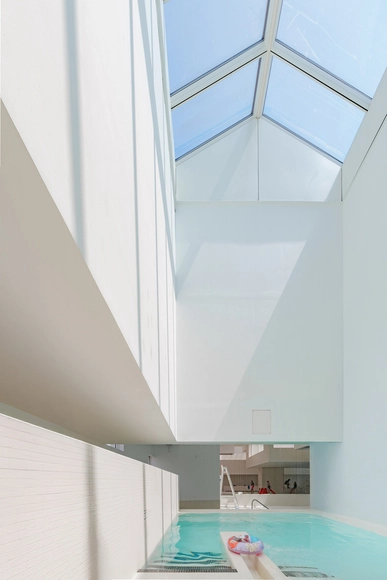
Les Bains des Docks Aquatic Centre. Image Courtesy of VELUX Commercial
Condensation, maintenance, and humidity are three familiar challenges that continue to test the buildings we design and construct. Whether stemming from climate conditions, limited airflow, or the specifics of construction detailing, these factors affect not only the durability of materials but also the everyday comfort and performance of inhabited spaces. When the setting is an aquatic center or an indoor swimming pool, the demands are even greater. The constant presence of steam, moisture accumulation, and the risk of mold can compromise both energy efficiency and the user experience. In such environments, ventilation and access to daylight, beyond their aesthetic value, become essential tools for maintaining equilibrium, enhancing indoor comfort, and ultimately improving how the space is perceived and utilized.
https://www.archdaily.com/1030573/letting-the-sky-in-4-case-studies-of-daylight-solutions-in-aquatic-architectureEnrique Tovar
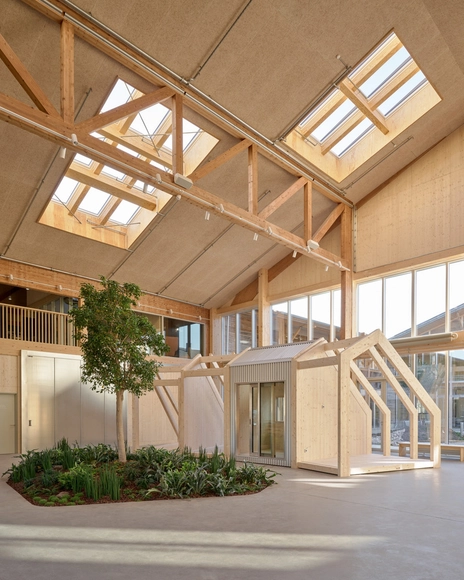
Desi Training Center / Studio Anna Heringer. Image Courtesy of Studio Anna Heringer
"The times they are a-changin'," sang a young Bob Dylan in 1964, capturing a nation at a crossroads, gripped by the civil rights movement and overshadowed by Cold War tensions. Nearly a decade later, David Bowie turned that gaze inward with "Ch-ch-ch-ch-changes," a fragmented meditation on identity, reinvention, and personal transformation, echoing the collapse of countercultural ideals and the acceleration of globalization. By the 1990s, Tupac Shakur brought the focus back to the streets and urban centers. In "Changes," he laid bare the raw realities of racial injustice and systemic violence, offering not resignation but a forceful indictment: "That's just the way it is."
Three voices, three decades, three ways of confronting change. If art (here, through music) has historically served as both mirror and outcry in times of upheaval, then it is fair to ask: how has the construction industry responded to a world in constant flux, a world urgently demanding transformation? In a world shaped by powerful economic forces, architecture is increasingly challenged to reconcile social responsibility with market realities. Today, we face a convergence of planetary crisis and social fragmentation: the planet is warming, inequalities persist and deepen, data multiplies, and identities fracture. In this context, architecture can no longer afford to limit itself to formal experimentation or market-driven imperatives. It is called to rethink with clarity, responsibility, and imagination what we build, with what we build, how we build, and above all, for whom.
Videos
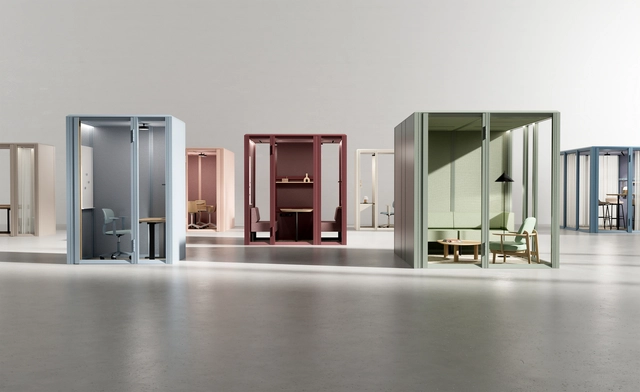
Mute’s latest pod family features 30 models in 11 sizes, designed to accommodate 1 to 8 people.
Mute, a pioneer in adaptable office architecture, has introduced Modular Pods—the largest and first truly adaptable pod collection on the market. Offering an unparalleled variety in sizes, unlimited customization options, and leading accessibility solutions, Mute'Modular Pods set new benchmarks for the entire product category.
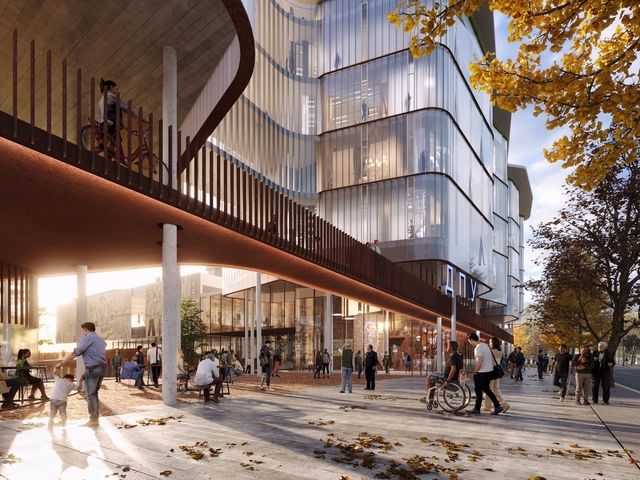
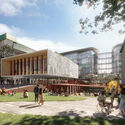
Campus sidewalk. Render. Image Courtesy of stantec
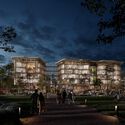
Stantec, an architecture, engineering, and environmental consulting firm, has been selected as the winner of an international competition organized by the State Tax University (STU) to redesign its Main Campus building. The building was partially destroyed in 2022 during the early stages of the war. The international call for redesign proposals was launched in November 2024, free of charge and "open to all design bureaus, architectural firms, and individual architects from every corner of the globe." The goal of the competition was to develop a 21st-century educational building described as a "progressive and comfortable place for learning, research, and student leisure based on innovative educational standards," as stated in the competition announcement.
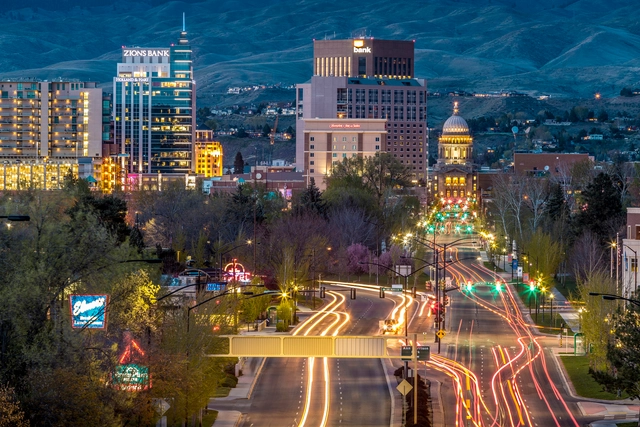
Boise, United States. Image via Wikipedia user: Fæ. License under CC0 1.0. Image Author: Alden Skeie
From greenhouse gas emissions and air pollution to deforestation, one of the leading contributors to global warming today is emissions from the transportation sector. Exploring its origins and evolution, as well as the major challenges it faces, the development of electric mobility in urban environments represents a global transition that requires a coordinated mix of policies and actions to achieve cleaner and more sustainable transportation systems. Designing safe and comfortable infrastructure for walking and cycling, promoting public transit and shared mobility, and designing more efficient streets that include electric vehicles, among other actions, are part of a growing worldwide effort to reduce carbon emissions.
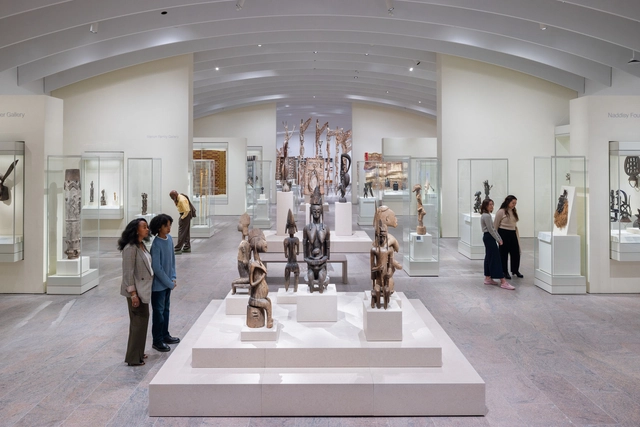
Founded in 1870, The Metropolitan Museum of Art — affectionately known as The Met — is one of the world's most important and visited museums, housing over two million works that span five millennia of human history. Located in the heart of New York City, alongside Central Park, the museum is celebrated for its vast and diverse collections, ranging from ancient Egyptian art to European masters and contemporary works. Paintings, sculptures, documents, historical artifacts, and multimedia pieces make up an ensemble that demands meticulously planned exhibition solutions to ensure both preservation and the effective communication of their historical and artistic value.
In 2021, The Met launched one of its most ambitious projects: the renovation of The Michael C. Rockefeller Wing, dedicated to the Arts of Africa, the Ancient Americas, and Oceania. With a $70 million investment, the initiative encompasses curatorial reorganization, oriented by a more regional and historical approach, as well as architectural interventions. The modernization of the galleries includes enhancements to natural lighting, accessibility improvements, and the incorporation of contemporary museographic systems, designed to optimize conservation and the interpretive experience for visitors.
In the United States, nearly 1 in 10 children are affected with asthma, a condition with rates significantly higher in urban areas of the country. However, in a community just outside Atlanta with a population of more than 300 children, not a single case of the condition has been reported. This is by design. Most cities and neighborhoods across the country are not designed with human biology in mind, an oversight that contributes to the growing prevalence of cardiovascular disease and mental health challenges. Are we treating chronic conditions as purely medical, when they may actually be symptoms of poor design?
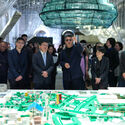
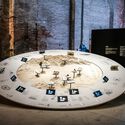
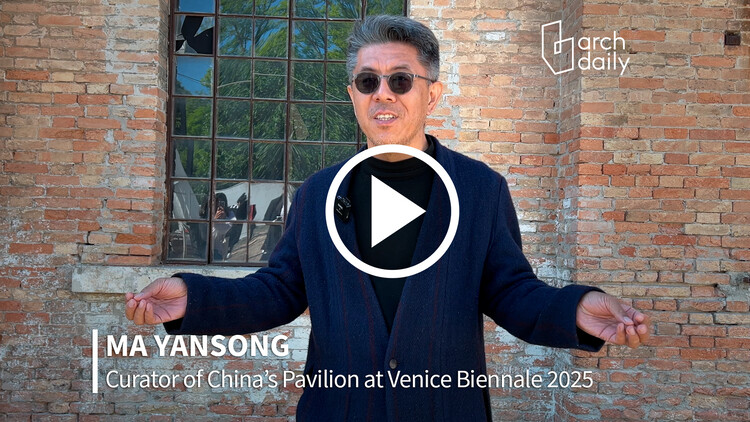
At the 19th Venice Architecture Biennale, the Chinese Pavilion presents Coexist, an exhibition curated by Ma Yansong, founder of MAD Architects. The pavilion assembles ten interdisciplinary teams, spanning architects, scholars, students, scientists, and even social media participants, to collectively investigate the potential of architecture to reconcile contradictions between tradition and futurity, artificial and nature, technology and emotion. Rather than presenting a singular vision, Coexist aims to open space for responses to the diverse realities shaping contemporary architecture. While on site in Venice, ArchDaily's editors had the opportunity to discuss the ideas that shaped the Chinese Pavilion with the curator.