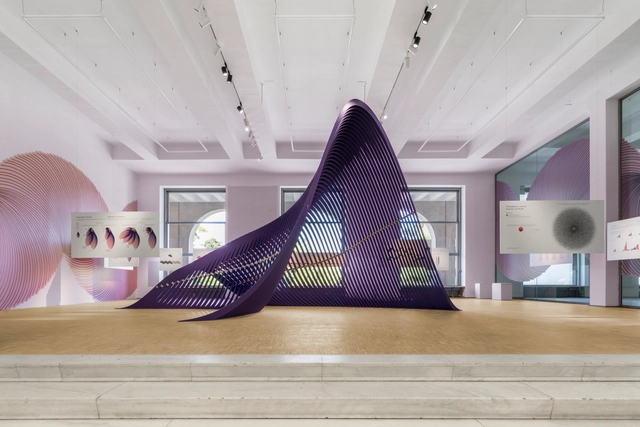
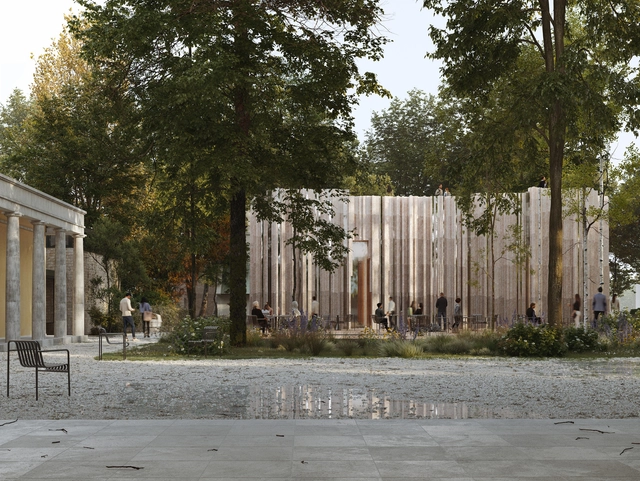
The 24th International Exhibition of Triennale Milano opened to the public on May 13, 2025, at the historic Palazzo dell'Arte. Running until November 9, this edition explores the theme of "Inequalities", continuing Triennale Milano's tradition of addressing urgent global issues through the lenses of art, architecture, and design. The exhibition is formed by two main sections: one that presents a curated selection of exhibitions and installations by individual artists and teams, and another that features international participations, including national pavilions and their contributions. At the opening ceremony on May 12th, the Bee Awards were presented to recognize selected contributions across the exhibition. From both the exhibitions and the international participations, the jury awarded one winner and one honorable mention each.
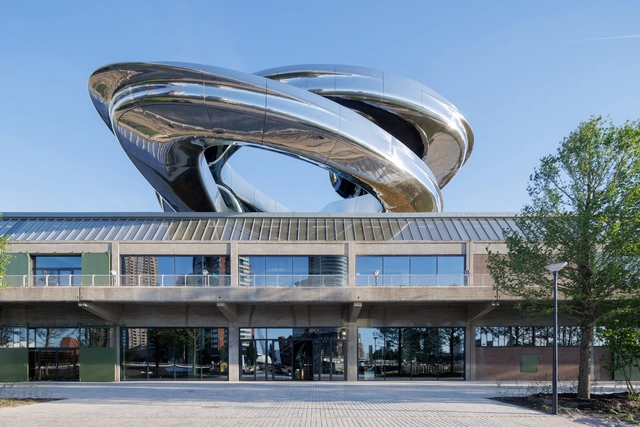
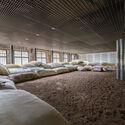
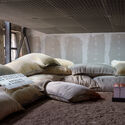
Fenix is a new museum in Rotterdam's City Harbour, dedicated to the collection of historic and contemporary objects that explore migration through art. It is located on the Katendrecht peninsula on the south bank of the River Maas, in a 100-year-old former warehouse recently renovated by MAD Architects and Bureau Polderman. This marks MAD Architects' first commission for a public cultural building in Europe. Recently completed, the building is set to open this Friday, May 16, showcasing three exhibitions: All Directions, featuring over 150 artworks and objects from the Fenix collections; The Family of Migrants, a photographic exhibition by Edward Steichen; and The Suitcase Labyrinth, an interactive installation made up of 2,000 donated suitcases.
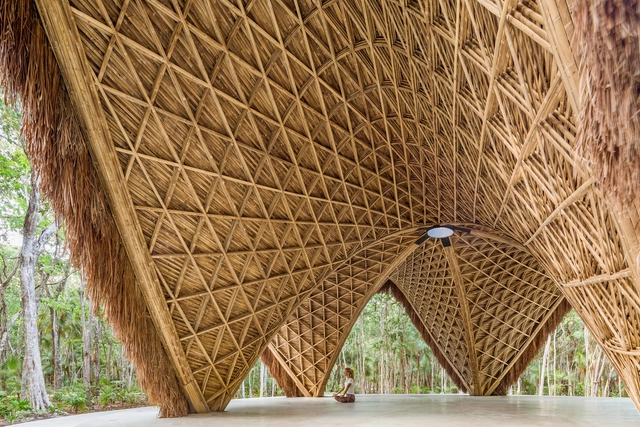
How do pavilions emerge in architecture? What role do they play in urban spaces? Beyond the multiple interpretations that exist around the world, the pavilion, as an architectural principle and typology, tends toward extroversion, often associated with a centrifugal nature and visual openness toward the horizon, which is linked to its origins as a tent offering shelter from the elements. Pavilions are usually identified as isolated and independent structures that can promote lateral openings in the urban space, panoramic or introspective views, technological reflections, and material experiments that are recognizable from the outside or once inside.
Artificial intelligence (AI) is no longer a futuristic idea in architecture — it is a concrete reality that is reshaping how we design. In seconds, computational systems can process and evaluate a wide range of variables — formal, programmatic, contextual, and regulatory — guiding architects toward highly optimized solutions. But as we embrace this algorithmic revolution, a critical question arises: can architectural intelligence be reduced to data-driven logic? In response, alternative approaches are gaining momentum — ones that value ways of building grounded in sensory experience, adaptation to place, and the intergenerational transmission of knowledge. In the exchange between artificial and ancestral forms of intelligence, a deeper understanding begins to take shape. Intelligence does not reside in the tools themselves, but in the intention and sensitivity with which we use them to navigate complex realities.
International perspectives are represented through spotlights on countries such as Brazil (top) or Italy (bottom). Photos: Courtesy of Bell'Arte (top) & Gaspare Asaro SRL (bottom)
ICFF returns to New York's Javits Center this May 18–20 with a refreshed sense of purpose and a global perspective. With its 2025 theme, 'Designing in Harmony', the fair sets out to explore how design can bridge divides — between materials and methods, cultures and climates, past and future.
At a time when balance feels elusive, ICFF is aiming to create it through a curated mix of furniture, lighting, objects and conversations around regeneration, resilience and collaboration positioned as practical frameworks. Architonic spoke to ICFF Brand Directors Odile Hainaut and Claire Pijoulat ahead of the fair to elaborate on this through-line and tease what else to expect.
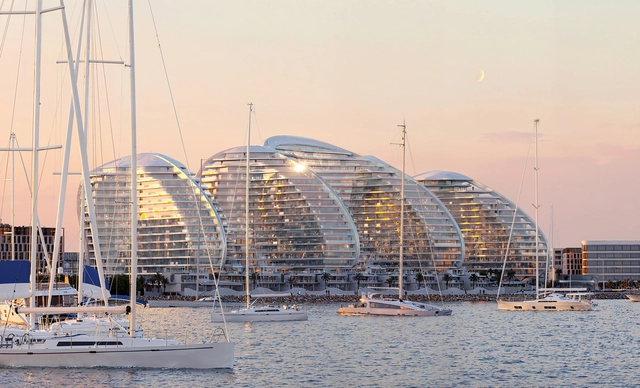
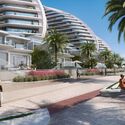
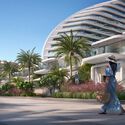
Oystra, Al Marjan, Render by MIR. Image Courtesy of ZHA
Oystra, designed by Zaha Hadid Architects, is a 128,000-square-metre seafront development located on Al Marjan Island in Ras Al Khaimah, United Arab Emirates, that comprises 950 residential units, a comprehensive range of shopping, dining, and leisure amenities. Ras Al Khaimah, one of the UAE's fastest-growing emirates, is projected to see a 55% increase in its population by 2030, driving the need for an additional 45,000 homes. The emirate's tourism sector is also experiencing significant growth, with the number of visitors expected to rise to 3.5 million annually by 2030, up from 100,000 in 2013.
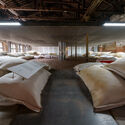
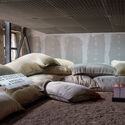
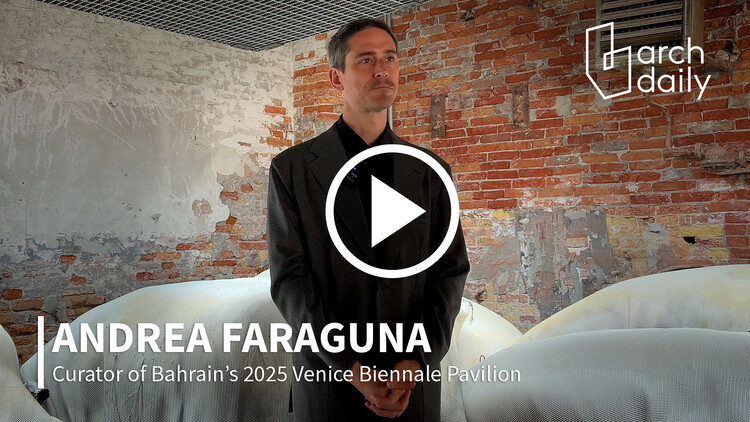
Architect Andrea Faraguna is the curator of the Kingdom of Bahrain's national pavilion at the 19th Venice Architecture Biennale. The exhibition, titled Heatwave, is a site-specific installation that explores passive cooling strategies for public spaces, inspired by Bahrain's traditional architecture and reimagined through contemporary approaches. Its technical response to the global challenge of rising urban temperatures was recognized by the Biennale's international jury, which awarded it this year's Golden Lion for Best National Participation. While on site in Venice, ArchDaily's editors had a chance to discuss with curator Andrea Faraguna about the context that gave rise to the pavilion, the mechanisms put in place, and his perspective on events such as the Venice Architecture Biennale.
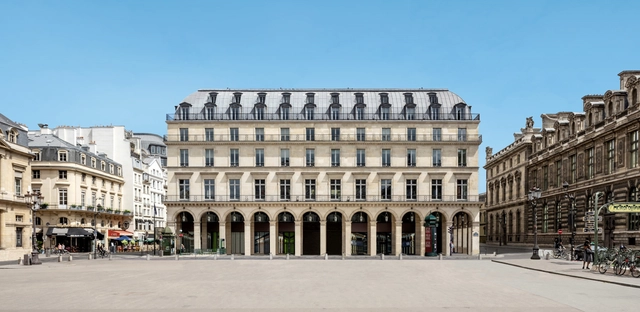
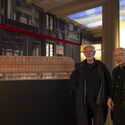
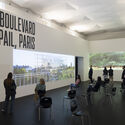
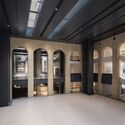
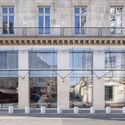
Fondation Cartier pour l'art contemporain announced plans to move into a historic building in Place du Palais-Royal in Paris. Originally built in 1855, the Haussmannian building is reimagined by architect Jean Nouvel and scheduled to open on October 25, 2025. The collaboration between Fondation Cartier and Jean Nouvel dates back to 1994 when the architect designed the "Parisian Monument," a glass and steel building on Boulevard Raspail that serves as the institution's current headquarters.
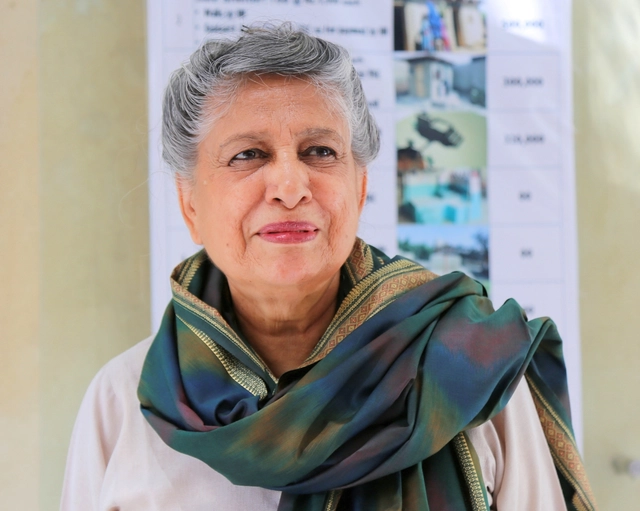
The Lisbon Architecture Triennale has announced Yasmeen Lari as the recipient of the 2025 Millennium bcp Lifetime Achievement Award. With a career spanning over six decades, the pioneering Pakistani architect has consistently demonstrated how architecture can serve as a tool for social justice, environmental resilience, and inclusive development.
With each of the more than 23,000 breaths we take per day, air travels through the respiratory system into the lungs, where vital gas exchange occurs: oxygen is absorbed, and carbon dioxide is expelled. This involuntary and essential act also triggers another, less visible but deeply impactful process—our perception of smell. As air passes through the nasal cavity, odor molecules come into contact with olfactory receptors located in the olfactory epithelium. These receptors send signals directly to the olfactory bulb, which is part of the limbic system—the area of the brain linked to memory and emotion. Far from being a secondary sense, smell acts as a direct bridge between the environment and our deepest emotional responses. Scents carry a unique power to evoke vivid memories, elicit comfort or immediate aversion, and influence our emotional state almost instantaneously.
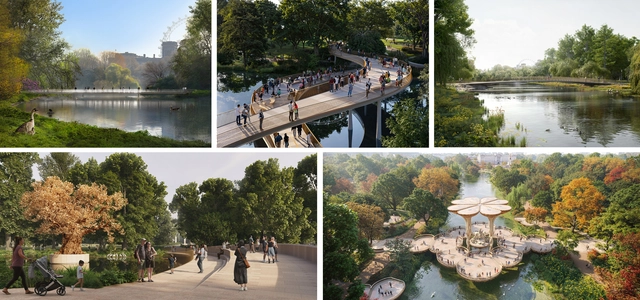
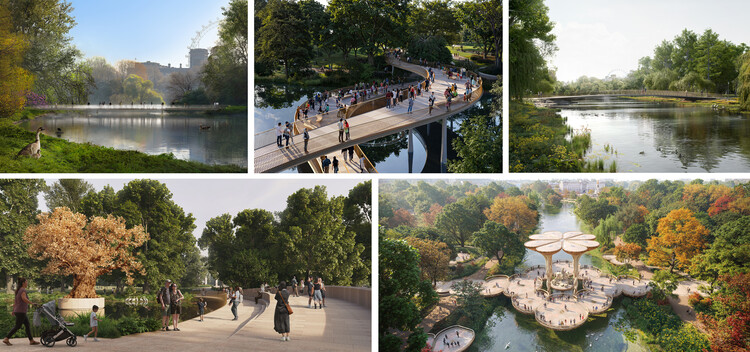
Clockwise from top left: Foster + Partners with Yinka Shonibare and Michel Desvigne Paysagiste; WilkinsonEyre with Lisa Vandy and Fiona Clark, Andy Sturgeon Design, Atelier One and Hilson Moran; J&L Gibbons with Michael Levine RDI, William Matthews Associa tes, Structure Workshop and Arup; Heatherwick Studio with Halima Cassell, MRG Studio, Webb Yates and Arup; Tom Stuart - Smith with Jamie Fobert Architects, Adam Lowe (Factum Arte) and Structure Workshop. Image Courtesy of the teams and Malcolm Reading Consultants
The UK Government has revealed five shortlisted design concepts for the Queen Elizabeth II Memorial, set to be located in the historically significant landscape of St James's Park in London. The proposals, now accessible through a newly launched online gallery, mark a key stage in the development of a national tribute to the late monarch. Public feedback on the exhibited proposals will be gathered until 19 May 2025 and will inform the Committee's decision on the winning design team, expected to be announced in early summer 2025. The final design is anticipated to be unveiled in 2026, coinciding with the centenary of Queen Elizabeth II's birth.
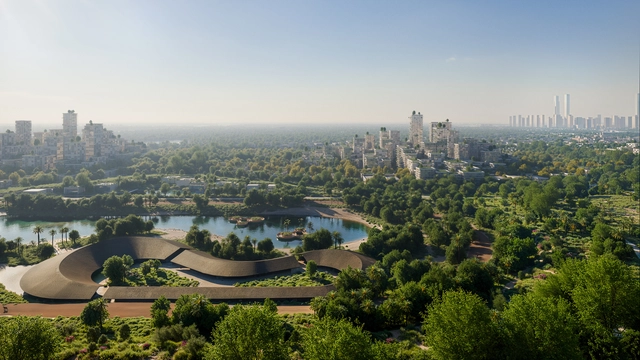
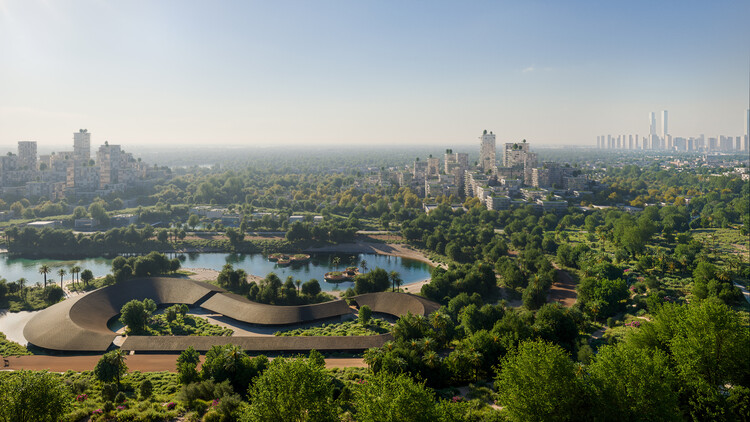
BIG–Bjarke Ingels Group was commissioned by A.R.M. Holding to design the transformation of Dubai's Jebel Ali Racecourse into a new urban district measuring 5 square kilometers. The design aligns with the Dubai 2040 Urban Master Plan, which focuses on enhancing pedestrian mobility as a pillar for promoting sustainable urban development. The master plan is anchored by a central park, reconnecting the racecourse site to the city.
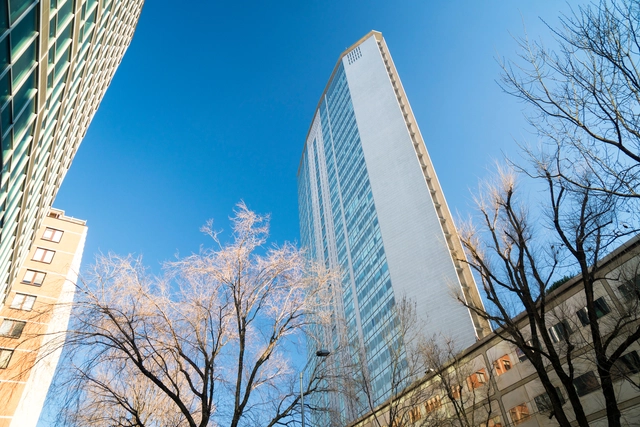
Architecture is quintessentially a place-based practice. The amount of local knowledge required to design a building has meant that architects, even many of those with widely spread works, have had concentrations of built projects in individual cities. Giovanni "Gio" Ponti, born and raised in the Italian city of Milan, is one such architect. His projects outside Milan include the Denver Art Museum in the USA and the Villa Planchart in Caracas, Venezuela, as well as university buildings in Padua and Rome, and Taranto Cathedral. However, his works in his native city, such as the Pirelli Tower, best track the development of his architecture and his contribution to product design and publishing.
Qatar has announced that architect Lina Ghotmeh, founder and principal of the Paris-based studio Lina Ghotmeh — Architecture, has been selected to design its permanent national pavilion in the Giardini della Biennale, the historic venue of La Biennale di Venezia since 1895. The new building will be on a site adjacent to the Book Pavilion and commissioned by H.E. Sheikha Al Mayassa on behalf of the State of Qatar. With this addition, Qatar becomes one of only 31 countries with a permanent pavilion in the Giardini, joining a select group of nations with dedicated exhibition spaces. Only two new national pavilions have been inaugurated there in the past 50 years: Australia in 1988 and the Republic of Korea in 1996. Lina Ghotmeh's new Qatar Pavilion will serve as a lasting platform for showcasing the country's artistic and architectural contributions, with rotating exhibitions presented during each edition of the Biennale.
TEN. Image by Maxime Delvaux and Adrien de Hemptinne
The Lisbon Architecture Triennale has revealed the five finalists for the 2025 Millennium bcp Début Award, celebrating emerging practices that are redefining the role of architecture across diverse geographies and realities. Spanning three continents, these studios will present their work during the opening days of the Triennale (October 2–4, 2025), in a public event where the winner will be announced.
On April 23-24, 2025, at the ACCIONA Campus, the second edition of the NEXT IN Summit, hosted by ACCIONA Living & Culture, brought together global leaders in museology, architecture and art. Inaugurated in the presence of Madrid's mayor, José Luis Martínez Almeida, the event highlighted best practices in cultural space design, management, and innovation. Esteemed figures such as architect David Chipperfield, Glenn D. Lowry, director of MoMA, digital artist Rafael Lozano-Hemmer, and Mariët Westermann, director and CEO of the Solomon R. Guggenheim Museum, led discussions on the future of cultural institutions.
There is a renewed interest in how food is produced and how its creation affects the well-being of both the land and the communities it supports. A similar shift is occurring in architecture, where material culture is emerging as the backbone of design innovation. LEVER Architecture exemplifies this movement with its pioneering "forest-to-frame" model, an approach that reimagines architecture not as an extractive process, but as a regenerative force with positive impacts that extend well beyond the boundaries of any individual building site.
On 19 June 2025, the exhibition will expand to include models of the three winning proposals, which will be announced during the EUmies Awards Day 2025 at Palazzo Michiel in Venice. This event will also unveil the winners of the Young Talent Open, which extends the awards' reach beyond the Creative Europe countries to include participants from the Council of Europe member states and the Asia-Pacific region. All selected works will be documented in a publication and incorporated into the EUmies Awards Archive, contributing to a growing repository of architectural experimentation and discourse.
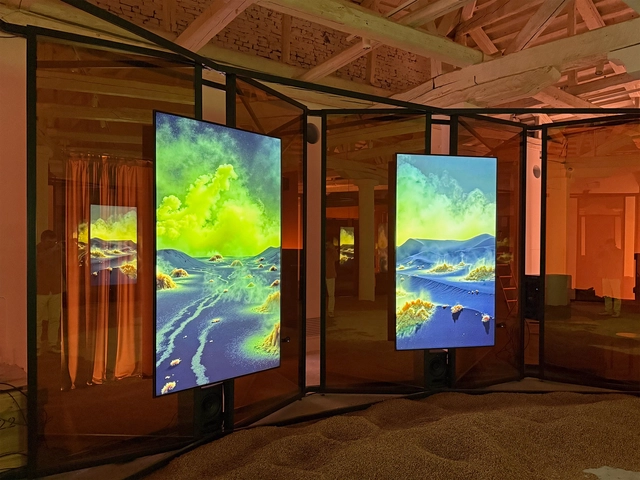
Titled Paraíso, hoje. [Paradise, today.], the exhibition representing Portugal at the 19th International Architecture Exhibition – La Biennale di Venezia addresses architecture as a cultural construction of landscape. Curated by architects Paula Melâneo, Pedro Bandeira, and Luca Martinucci, landscape architect Catarina Raposo, and video artist Nuno Cera, it offers an immersive installation featuring videos created using new digital technologies and artificial intelligence, along with an Atlas of images. Together, they construct a critical exploration of the proposed theme, the allegory of a "Paradise." This year, the Portuguese exhibition changed location, moving from Palazzo Franchetti to the Fondaco Marcello building, next to Venice's Grand Canal. It will remain open to visitors and host a series of debates until 23 November 2025.
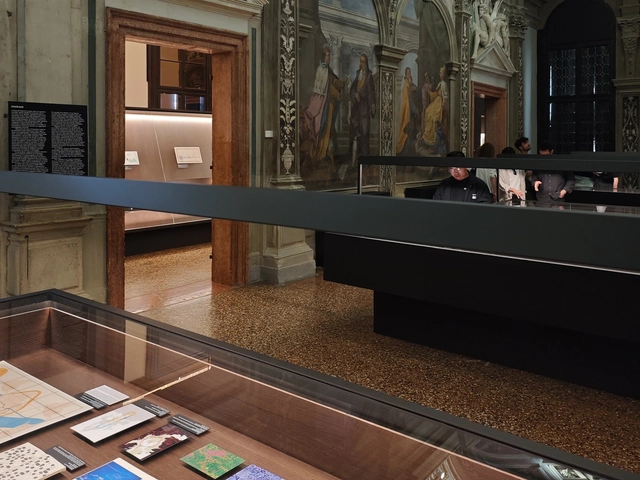
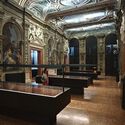
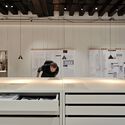
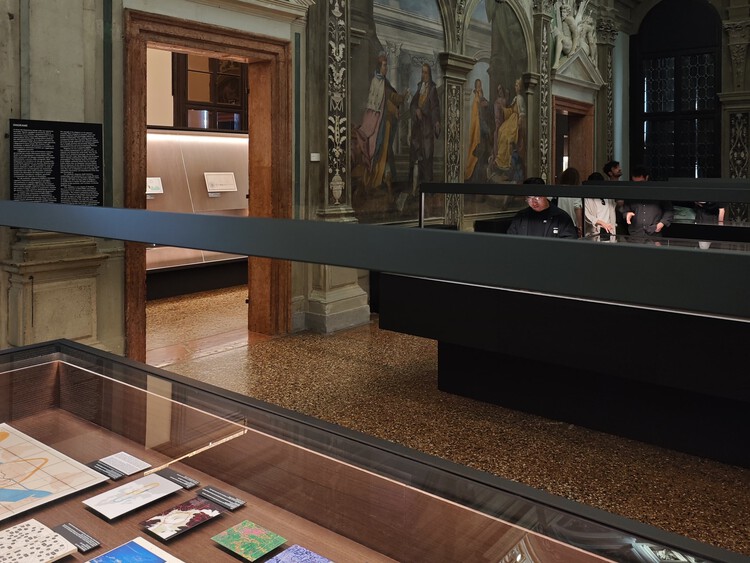
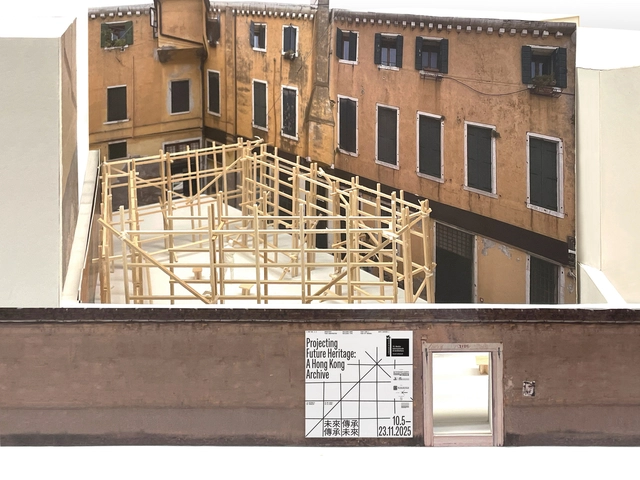
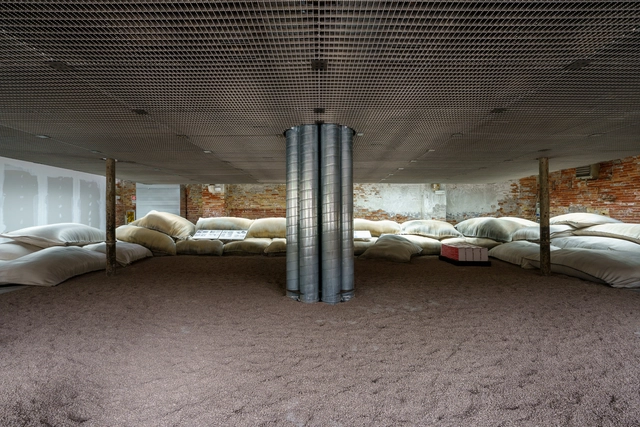
When we speak of intelligence at the 2025 Venice Biennale, the main exhibition broadly categorizes it into three domains: natural, artificial, and collective. While much attention has been drawn to robotic performances, future-forward material experiments—such as Boonserm Premthada's elephant dung bricks, or Canada's display of mesmerizing picoplankton, one often overlooked yet critical form of collective intelligence lies in the act of archiving.
Several national pavilions showcase this collective intelligence through beautifully curated exhibitions—the Spanish Pavilion's witty play on scale, for instance, features meticulously crafted models that invite close reading and delight. These curated collections offer a snapshot of the present, and in some cases, gestures toward the future. But without critically engaging with the past, without documenting and making sense of our shared spatial and architectural knowledge, the potential of collective intelligence remains incomplete. Archiving is not simply an act of preservation; it is a generative tool for projecting new futures.
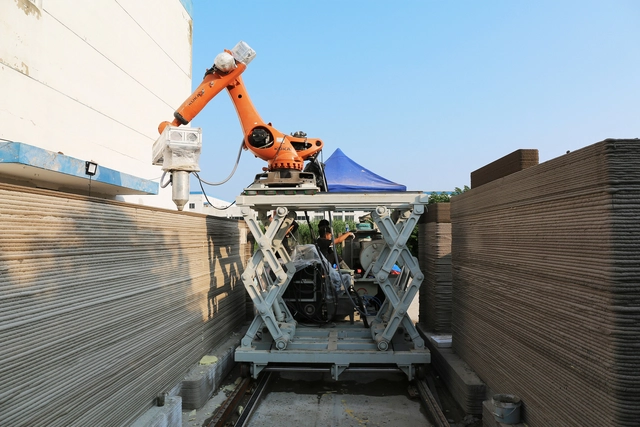
Impresión de paredes exteriores. Image Cortesía de XWG Archi Studio at Tsinghua University
According to the analysis firm Gartner, 3D printer sales surged by 75% around 2014, nevertheless, the technology continues to experience significant growth. While there are multiple debates in the field of architecture about whether 3D printing can be considered craftsmanship or if it is feasible to mix local materials with 3D printing, its implementation from academia aims to create new experiences, research, and knowledge that contribute to its development and practical application. Now, how might the integration of 3D printing in academia provoke future changes in the construction industry? And how could education in architecture and design encourage collaboration with other disciplines to create new applications across different fields?
When we talk about the future intelligence of architecture, much of the historical effort has centered on pushing boundaries—challenging norms, exploring alternatives, and projecting bold visions of what architecture could become. The advent of modernism exemplified this approach: radical new materials and construction methods gave rise to a vastly reimagined architectural future. This momentum continues today, with research institutions and leading practices constantly exploring innovative techniques, materials, and systems of making.
Yet one method of imagining architectural futures often remains overlooked: the act of critically revisiting the past. Learning from, uncovering, and documenting lesser-known spatial and communal practices is just as essential. These quieter forms of knowledge—how spaces have been used, adapted, and inhabited—can reveal enduring insights that shape more grounded, culturally resonant futures. Rather than chasing novelty for novelty's sake, perhaps an equally meaningful path lies in building a cohesive architectural archive that bridges the past and future.